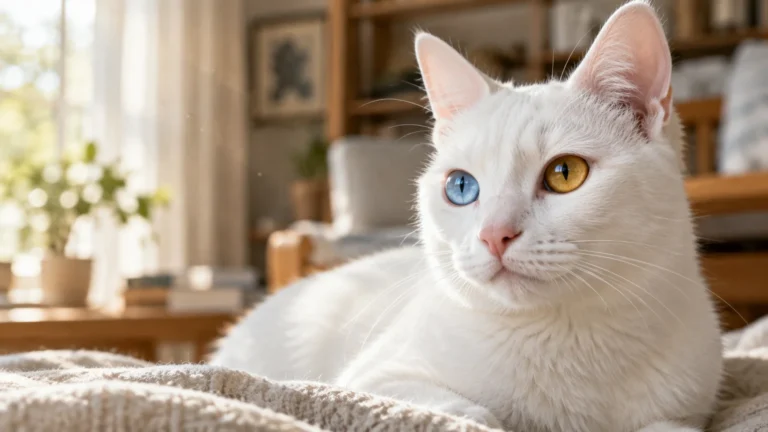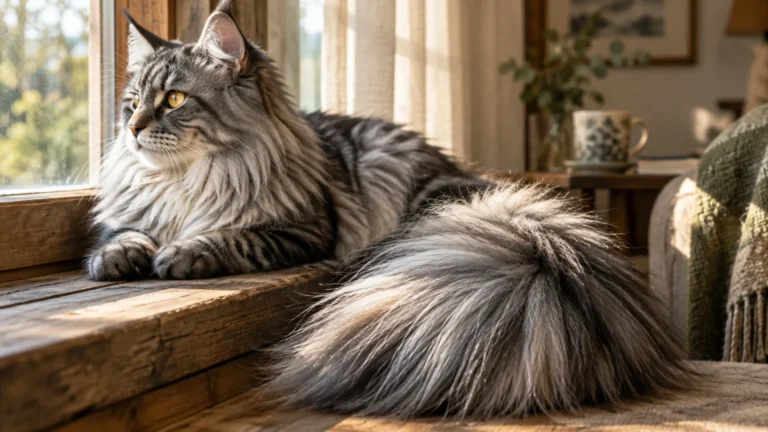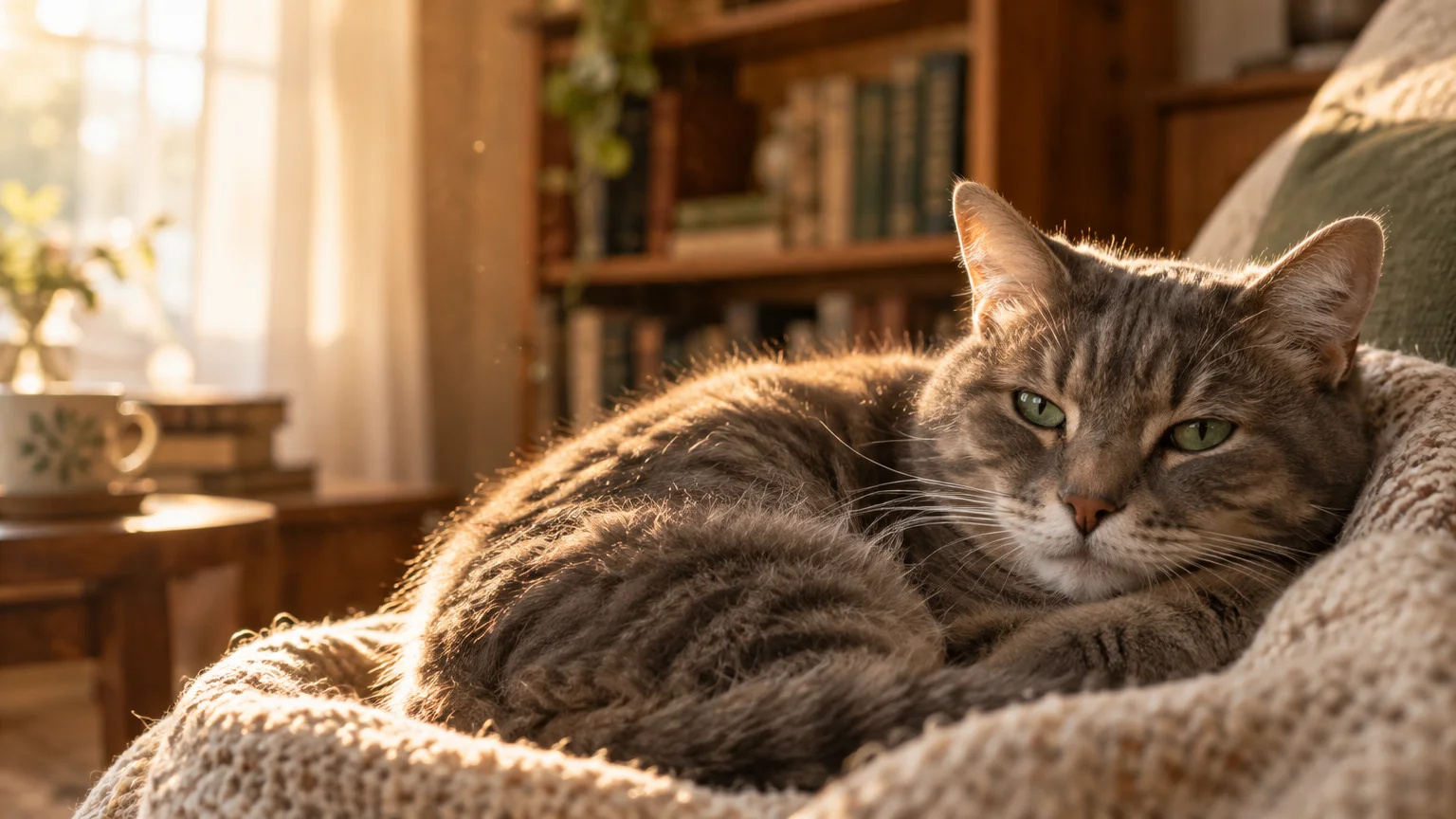
Your cat’s personality is not set in stone; it shifts noticeably as their body and brain mature. Recognizing these subtle behavioral evolutions helps you adapt their home environment and protect their everyday comfort.
A playful hunter often transforms into a quiet, lap-loving companion with distinct preferences and vocal habits. Understanding how cat personality changes with age ensures your feline thrives through every senior milestone.
From altered sleep patterns to sudden clinginess, physical biology drives nearly all of these shifts. Here are the nine major traits that change dramatically as cats grow older.
01 Daily Sleep Duration and Circadian Rhythms
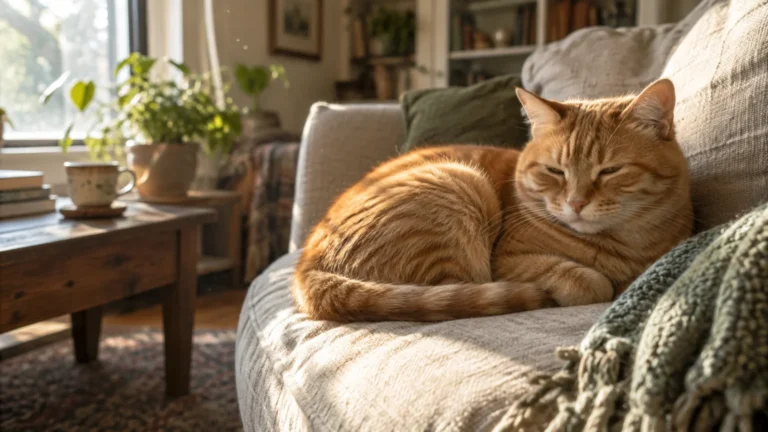
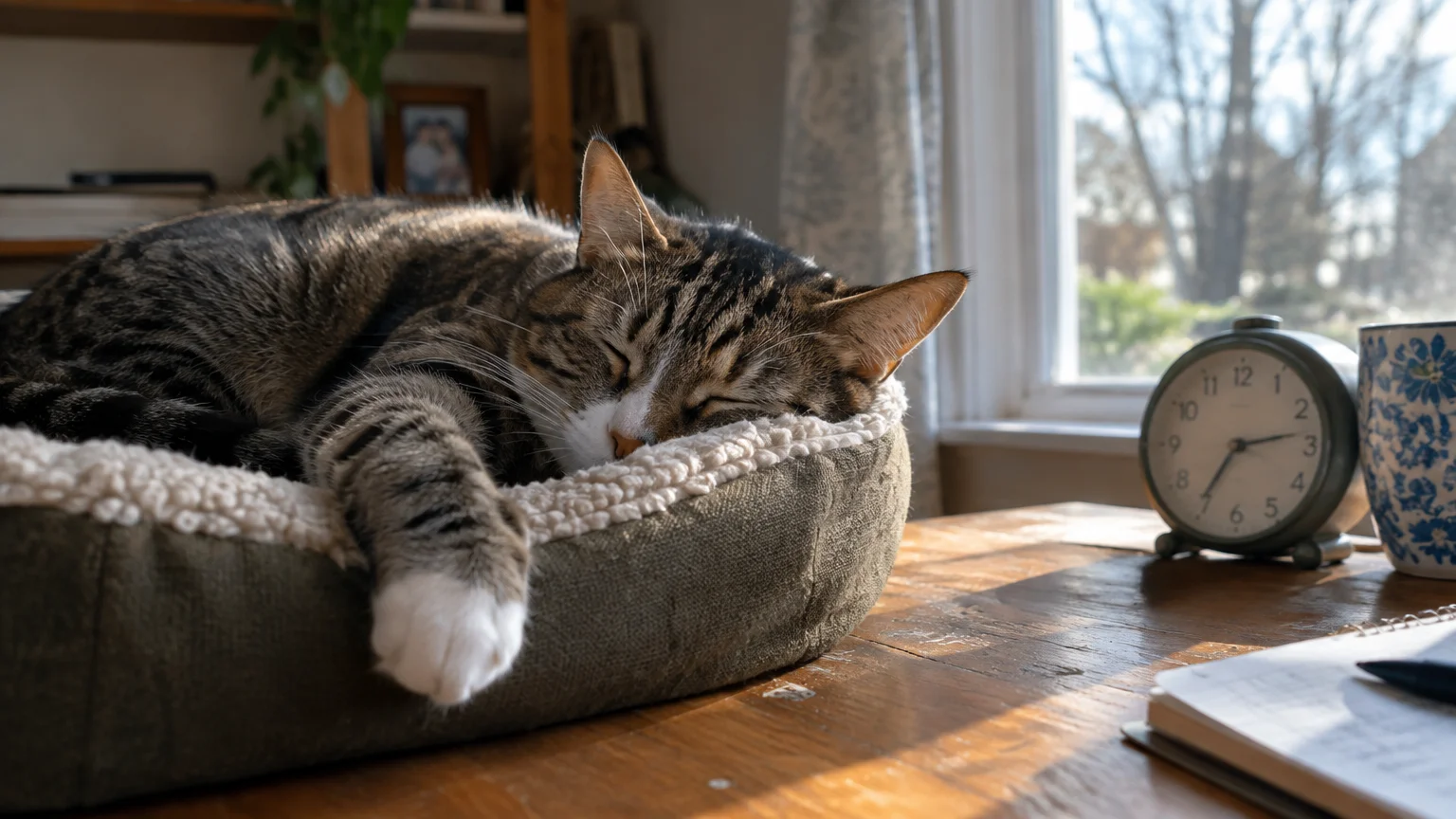
While healthy adult cats rest between 12 and 16 hours daily, senior cats frequently sleep 18 to 20 hours per day. This dramatic increase in sleep allows aging joints and organ systems to conserve valuable energy.
You may also observe noticeable shifts in your cat’s internal circadian clock. Older felines often sleep very deeply during daylight hours but experience restless pacing or wakefulness once night falls.
Providing supportive, orthopedic memory foam beds in warm areas helps soothe stiff muscles during these extended naps. Placing warm resting spots in gentle sunlight also prevents body stiffness after waking.
02 Vocalization Patterns and Nighttime Calling
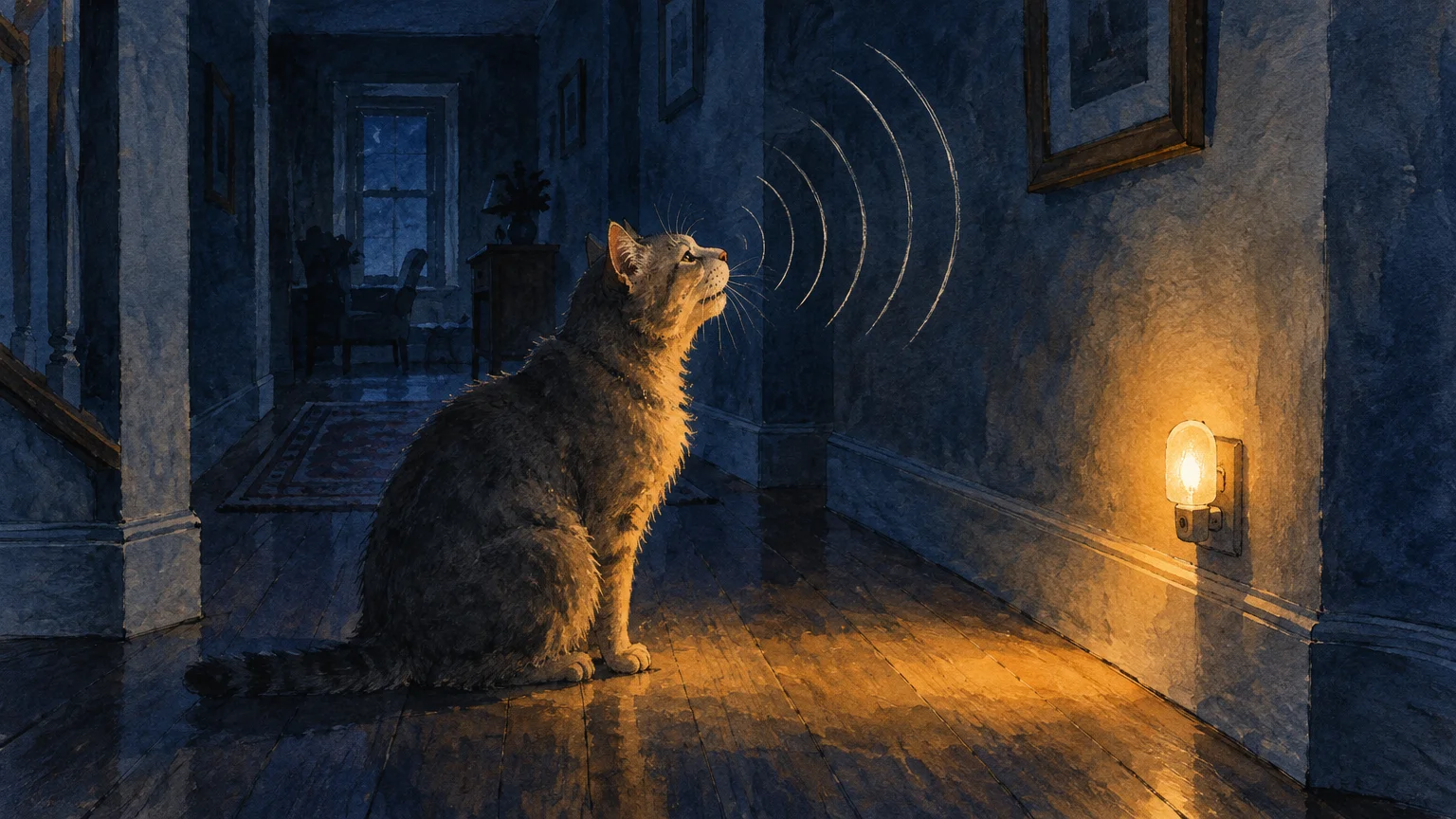
Quiet felines frequently become louder and more communicative as they enter their golden years. You might hear prolonged yowling or repetitive meowing, especially late at night when the house is dark.
According to research from the Cornell Feline Health Center, excessive vocalization is the most common behavioral symptom of feline cognitive dysfunction, appearing in roughly 40% of diagnosed cases.
Sensory decline often fuels this behavior. As sight and hearing diminish, older cats vocalize loudly to orient themselves or call for reassurance when ambient lighting fades.
Installing soft nightlights in hallways and near feeding stations provides visual landmarks that reduce nocturnal anxiety. Consistent evening cuddling routines can also calm an unsettled senior pet before bedtime.
03 Affection Levels and Clinginess
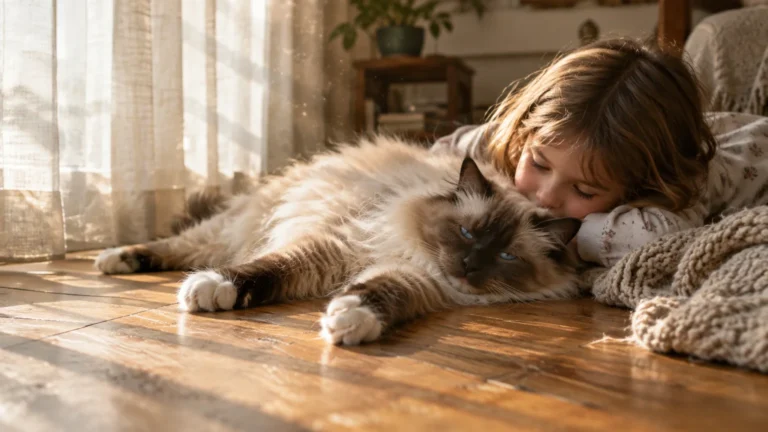
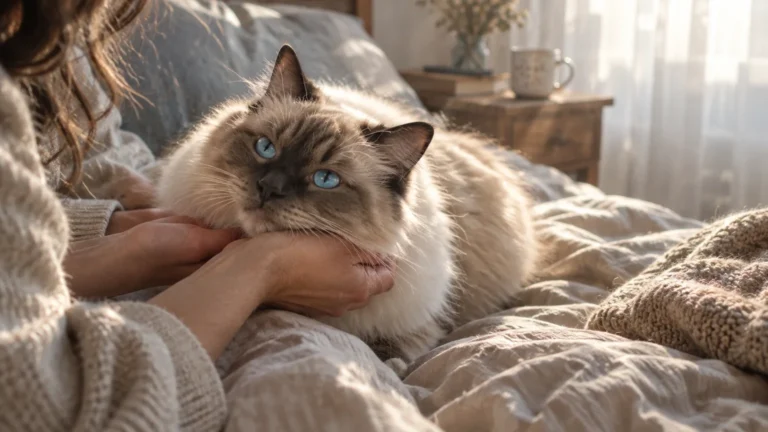
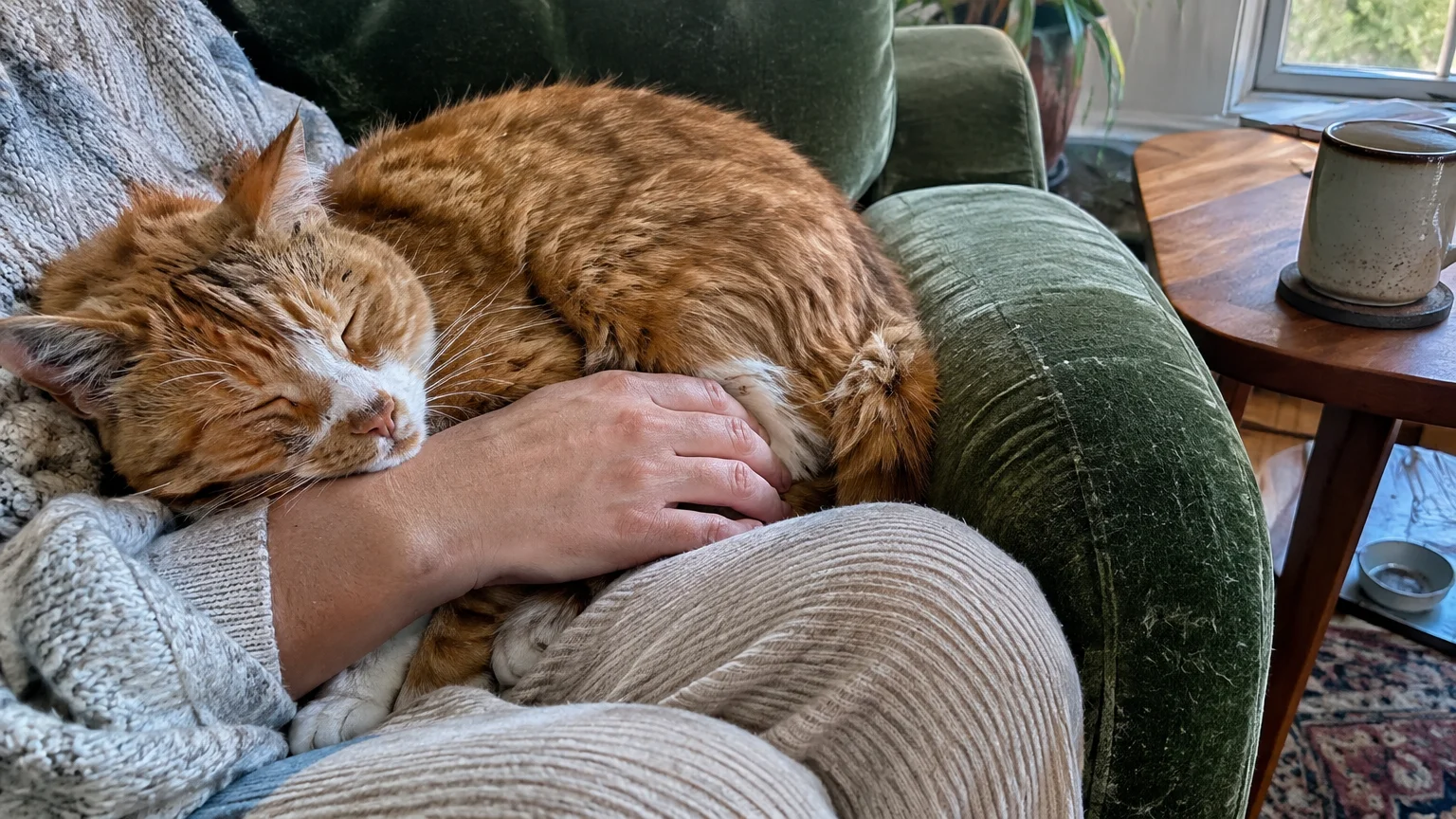
Many pet owners notice their once-independent feline transforming into a devoted shadow. Aging cat behavior changes often feature a marked surge in affectionate seeking, with pets constantly demanding lap time and gentle touch.
This newfound clinginess usually stems from vulnerability. As natural defenses wane, older felines seek the security and thermal warmth that familiar humans reliably provide.
Conversely, a minority of senior cats may withdraw or show occasional touch sensitivity due to underlying arthritis. Honoring their personal boundaries while providing steady emotional reassurance helps maintain their sense of safety.
04 Mobility, Vertical Exploration, and Agility
In their youth, cats effortlessly scale tall bookcases, high doors, and towering cat trees. As aging occurs, you will notice hesitation, cautious stutter-stepping, and an ultimate refusal to tackle high perches.
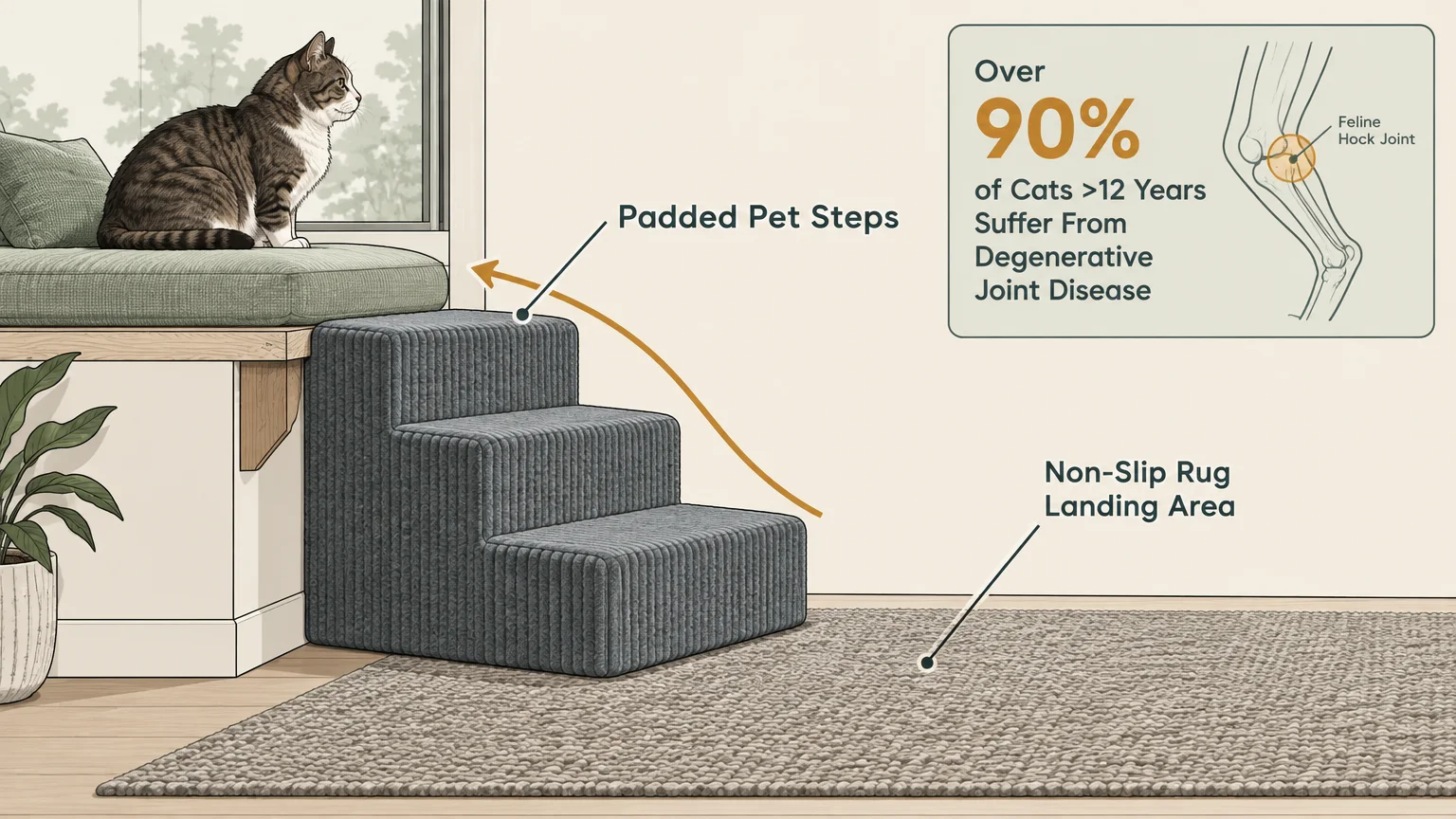
Clinical radiographic studies reveal that over 90% of cats older than 12 years suffer from degenerative joint disease or osteoarthritis. Because felines instinctively hide physical discomfort, mobility loss often shows up solely as behavioral reluctance.
You can preserve vertical territory by installing pet stairs, padded ramps, and intermediate stepping stools near favorite perches. Ensuring soft landings with non-slip rugs protects delicate joints from jarring impacts.
Cats are masters of masking discomfort; a subtle change in routine or temperament is almost always a physical cry for help rather than a simple quirk of old age.
05 Self-Grooming Rituals and Coat Quality
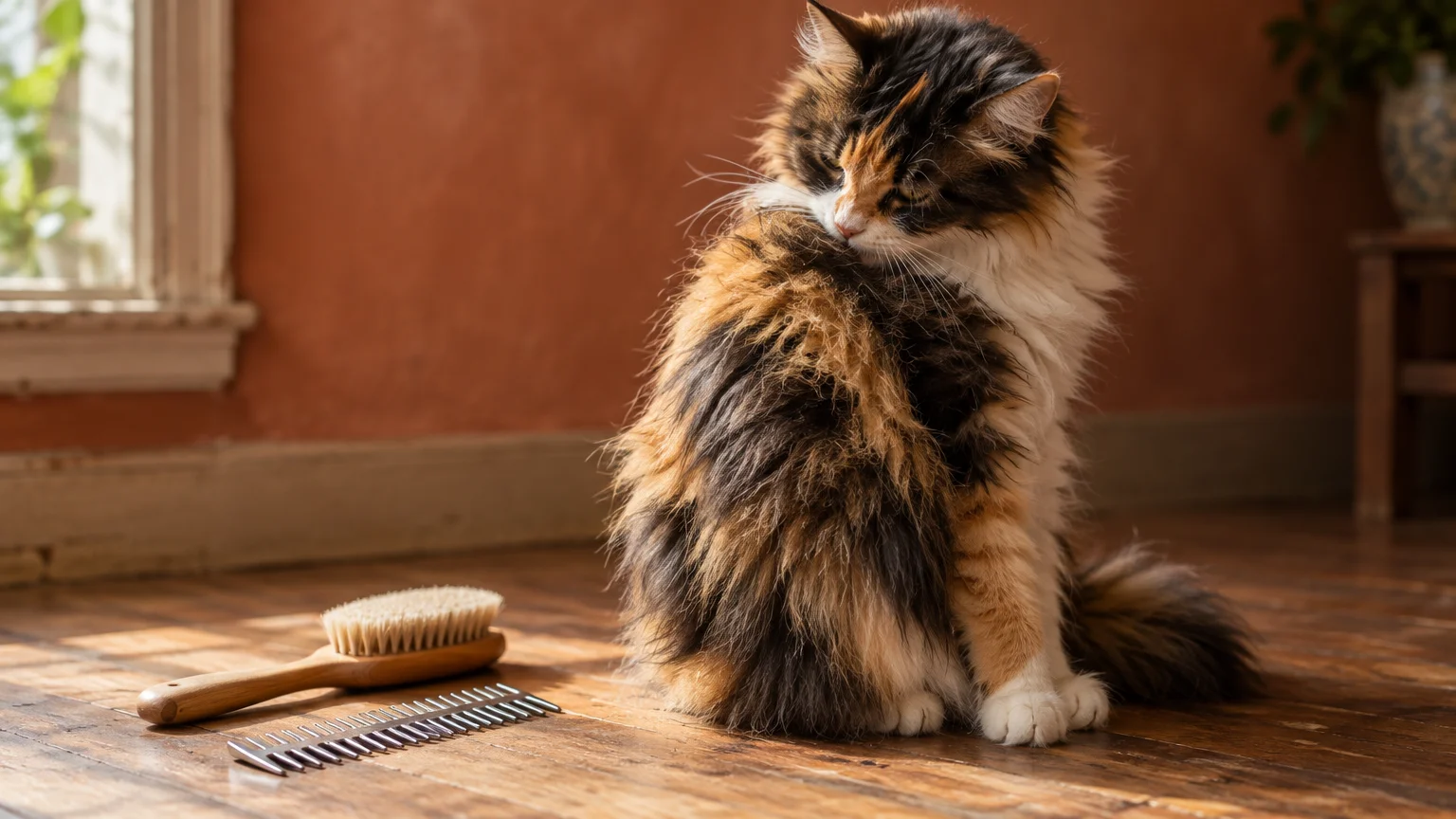
Cats are legendary for meticulous grooming, yet senior cats often develop matted, greasy, or unkempt fur. Spinal arthritis and hip stiffness prevent them from contorting comfortably to reach their lower back, tail, and hindquarters.
Additionally, aging cats produce thicker, less brittle claws that do not shed their outer sheaths as easily. Without regular scratching, these claws can curl around and painfully puncture sensitive paw pads.
Stepping in with daily gentle brushing removes loose dander and prevents painful fur mats. Inspecting and trimming claws every two to three weeks protects your cat’s feet from chronic injury.
06 Stress Tolerance and Irritability Thresholds
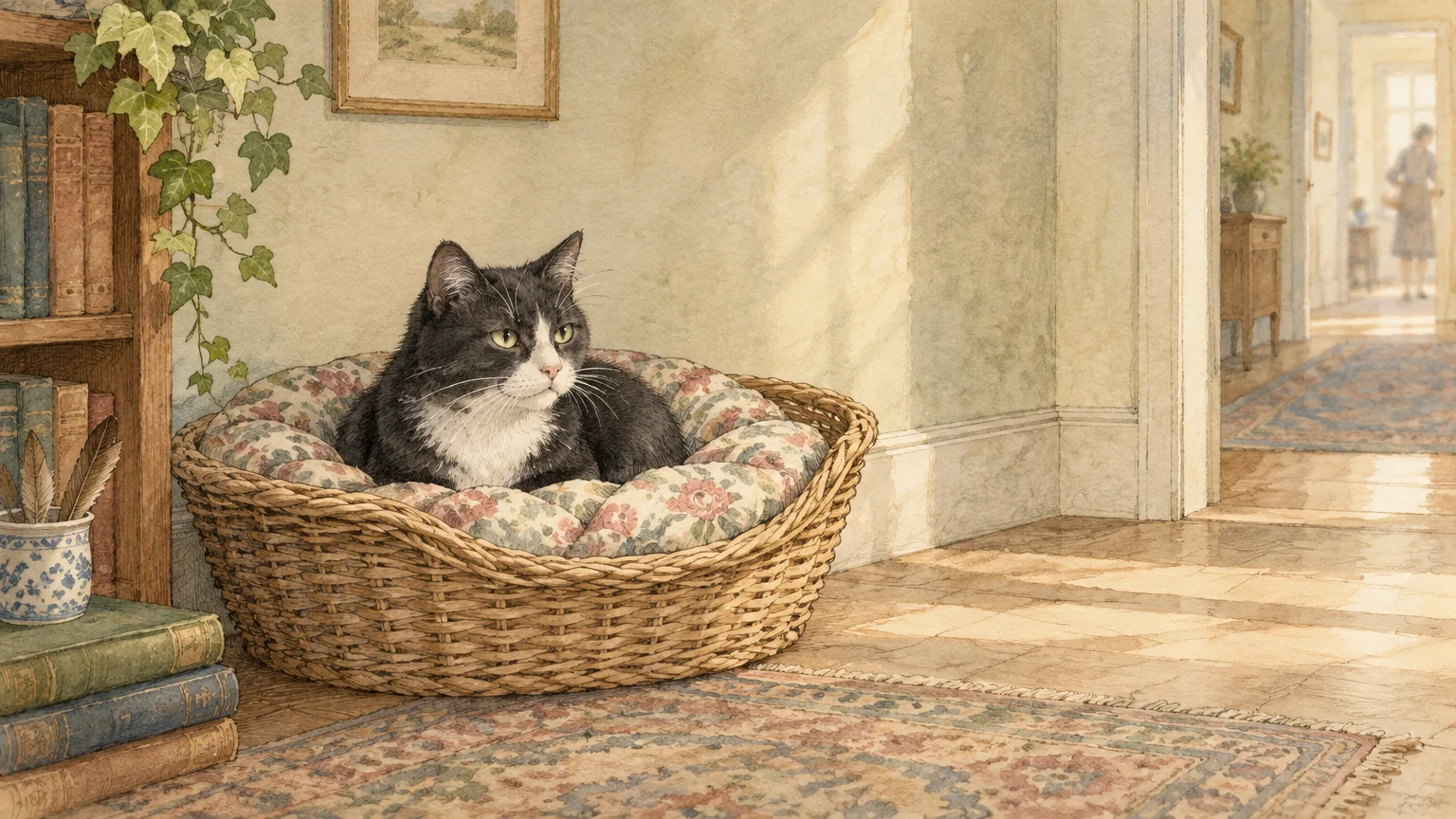
Senior cats possess far less patience for environmental chaos than their younger counterparts. Loud noises, energetic toddlers, and boisterous younger pets can trigger hissing, swatting, or sudden retreat.
This behavioral irritability is rarely malice; it almost always reflects physical pain or sensory disorientation. When a cat cannot easily flee danger due to stiff joints, they rely on defensive posturing to feel secure.
Creating designated quiet zones equipped with food, water, and bedding shields vulnerable seniors from household stress. Calming synthetic feline pheromone diffusers can also help ease chronic tension in multi-pet homes.
07 Litter Box Precision and Bathroom Preferences
A cat with impeccable bathroom manners for a decade may suddenly begin eliminating right outside the litter box. Cat behavior across life stages highlights this common and distressing shift for devoted owners.
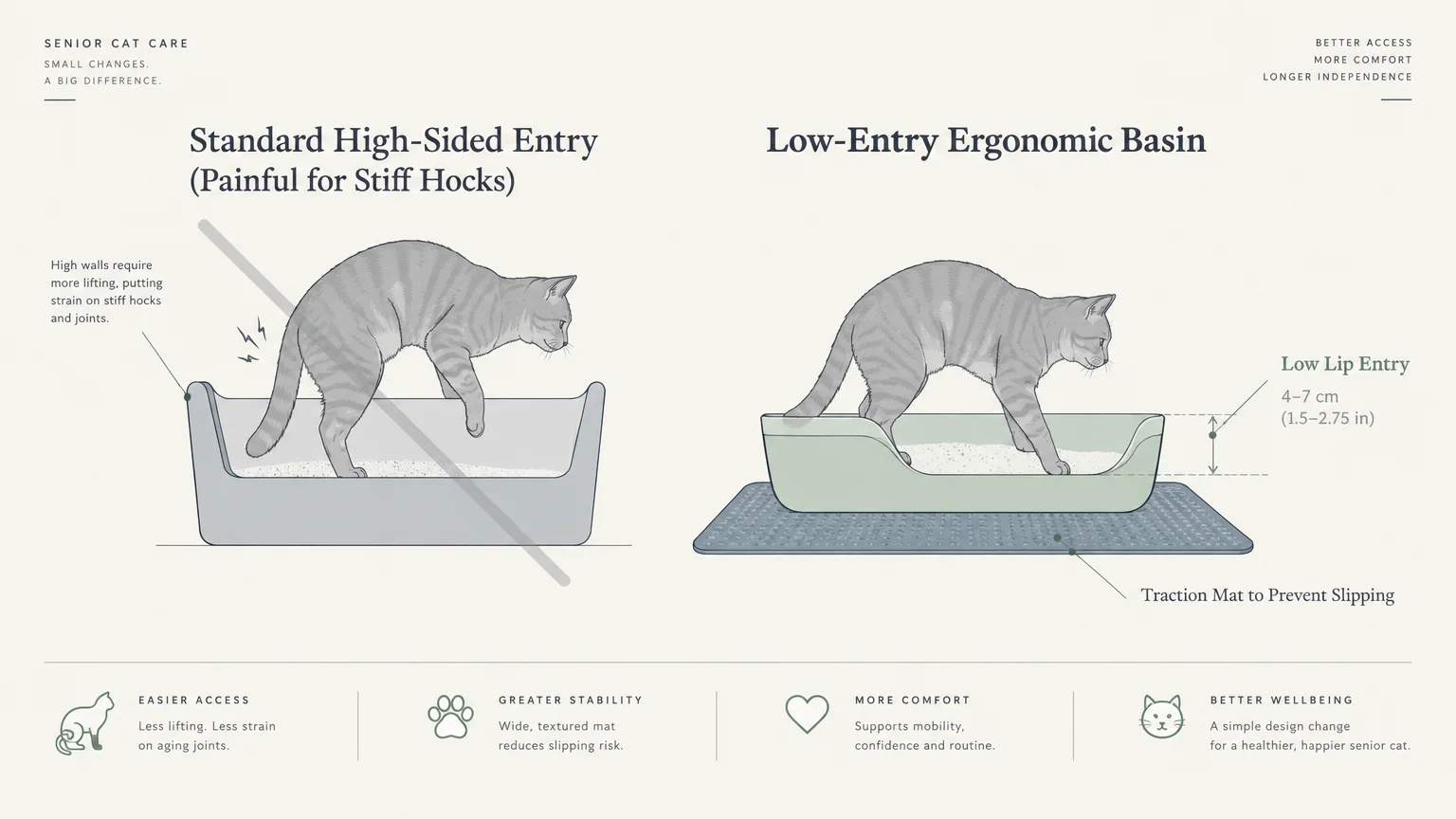
High-sided storage tubs or boxes placed in basement laundry rooms require painful joint flexion and stair climbing. If stepping into the box causes joint agony, your cat naturally associates the box with pain and avoids it.
Switching to large trays with low-entry cutouts measuring under three inches makes bathroom visits painless. Distribute multiple boxes across every floor of your home so relief is always within easy reach.
08 Appetite Selectivity and Scent Discrimination
You might find your older cat sniffing their usual bowl and walking away hungry. Aging dulls olfactory nerves and taste buds, dramatically reducing the aroma and flavor appeal of standard dry kibble.
Dental decay, resorptive tooth lesions, and gum inflammation also turn chewing into a painful endeavor. As a result, older cats often develop unpredictable food preferences or eat only liquid sauces.
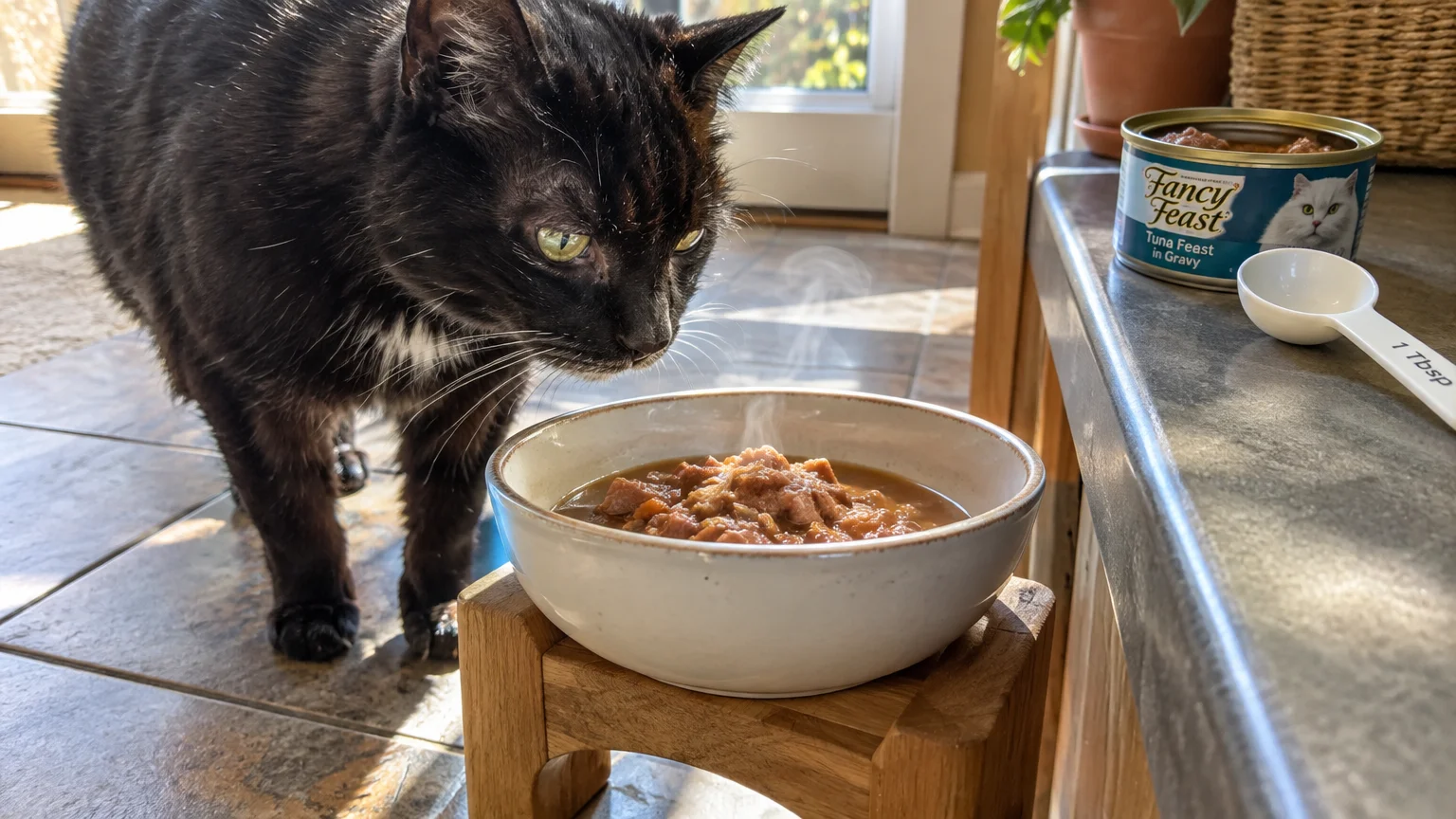
Warming wet food slightly enhances its natural aroma and tempts sluggish appetites. Offering shallow, whisker-friendly ceramic dishes elevated a few inches off the floor spares stiff necks from uncomfortable downward bending.
09 Cognitive Awareness and Environmental Curiosity
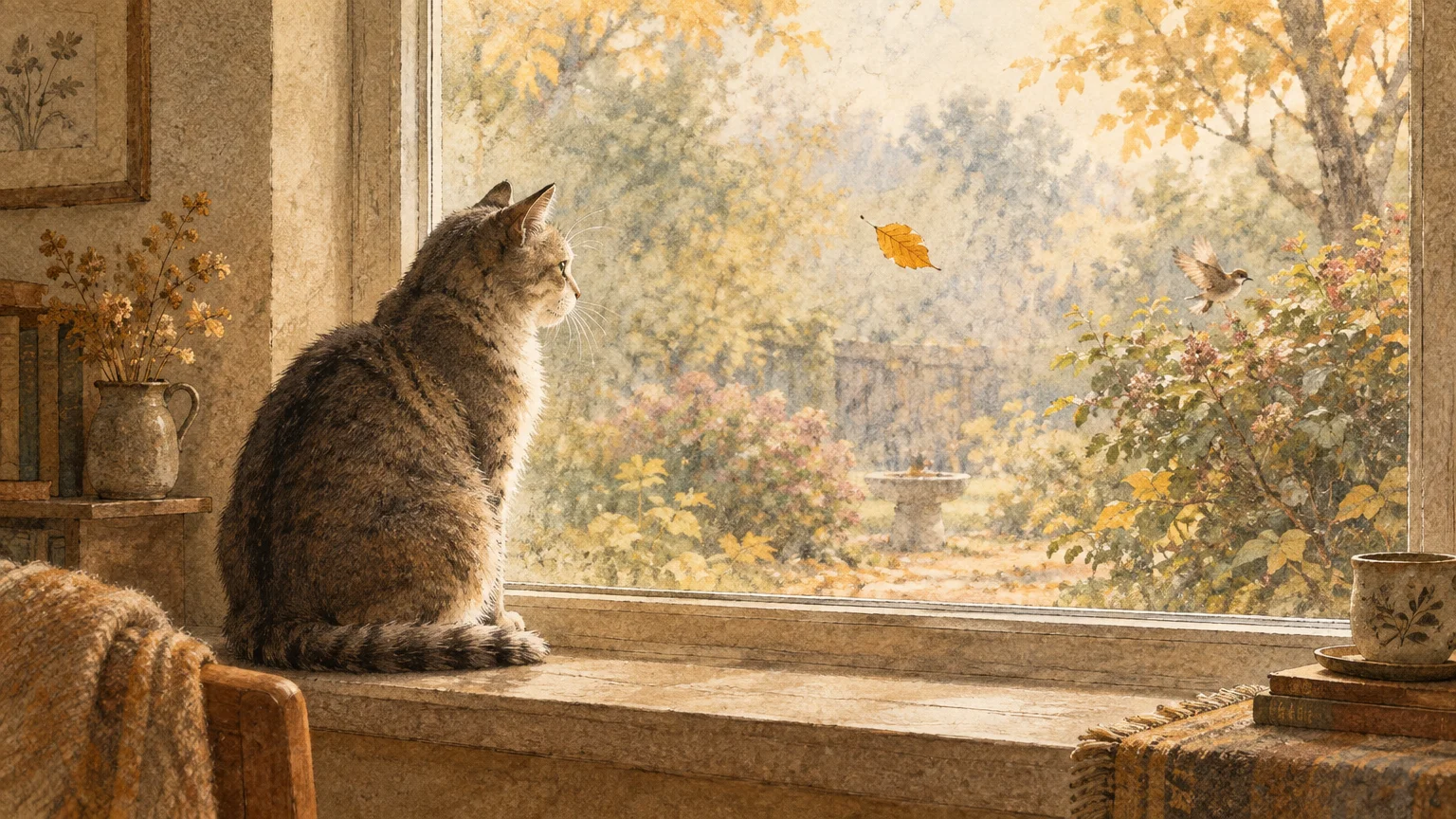
Curious young cats investigate every open cupboard and rustling paper bag. Super senior cats, however, may exhibit reduced environmental engagement, blank staring, or episodes of sudden spatial confusion.
Veterinary research indicates that 28% of cats aged 11 to 14 show clinical signs of feline cognitive dysfunction syndrome. That rate climbs past 50% in cats aged 15 and older, and exceeds 80% between ages 16 and 20.
Affected cats may wander into corners, become trapped behind doors, or forget where their resources reside. Keeping furniture layouts consistent and maintaining predictable daily routines provides grounding stability for an aging mind.
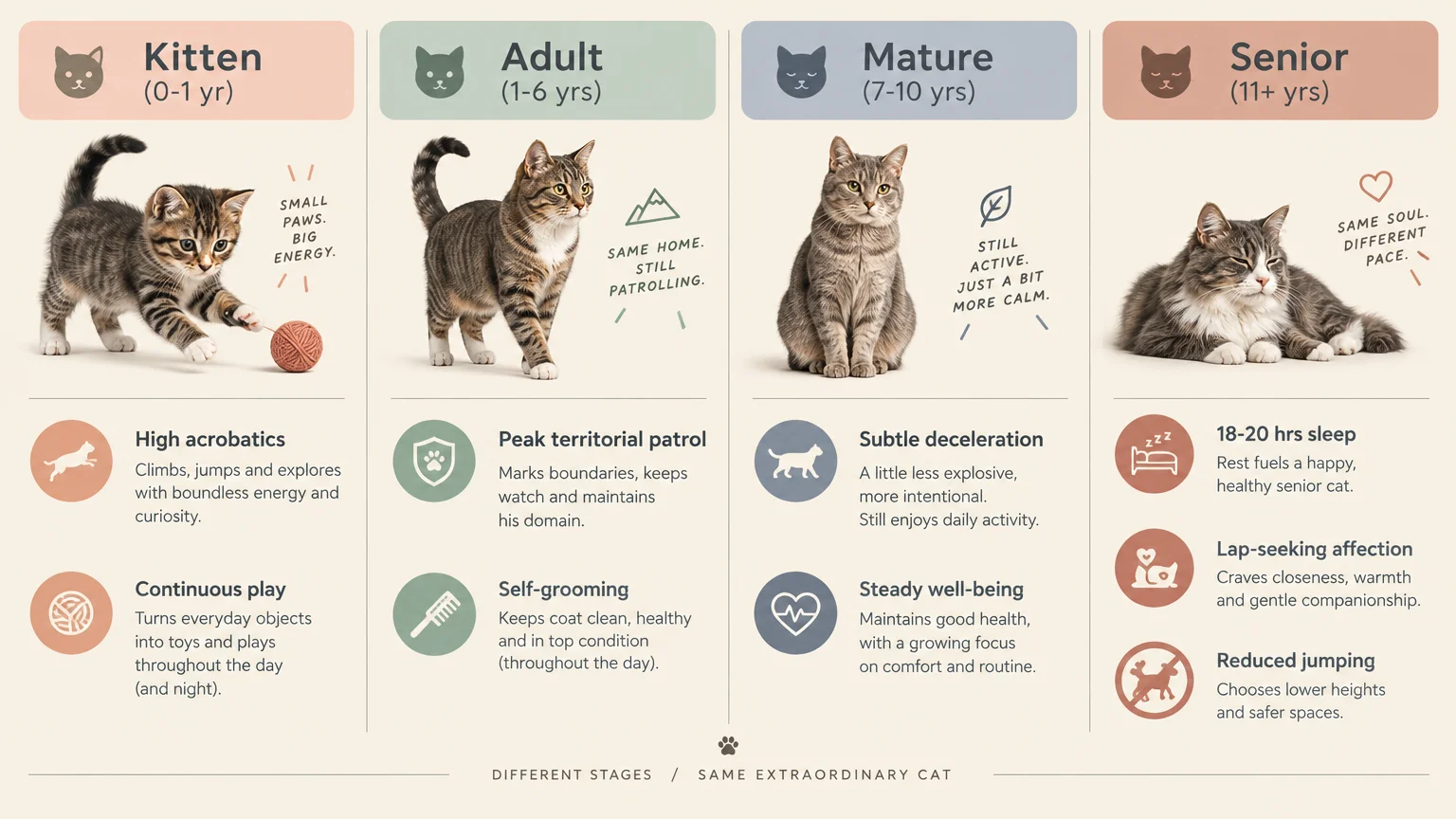
Cat Behavior Across Life Stages: A Quick Reference
Understanding your cat’s developmental milestones makes it easier to distinguish natural aging from potential medical concerns. According to the AAHA/AAFP Feline Life Stage Guidelines, cats officially enter the senior bracket at age 10.
| Life Stage | Age Range | Average Sleep | Behavioral Hallmark | Primary Focus |
|---|---|---|---|---|
| Young Adult | 1–6 Years | 12–16 Hours | High territorial play, peak agility, social independence | Environmental enrichment |
| Mature Adult | 7–10 Years | 14–16 Hours | Calmer demeanor, reduced sprinting, steady daily routines | Weight management |
| Senior | 11–14 Years | 16–18 Hours | Increased vocalization, lower jumping, selective grooming | Joint comfort and mobility |
| Super Senior | 15+ Years | 18–20 Hours | Disrupted sleep cycles, clinginess, cognitive changes | Palliative support and routine |
Recognizing these senior cat traits early allows you to adapt your home before physical limitations cause distress. Proactive adjustments significantly improve comfort and sustain emotional well-being across every stage.
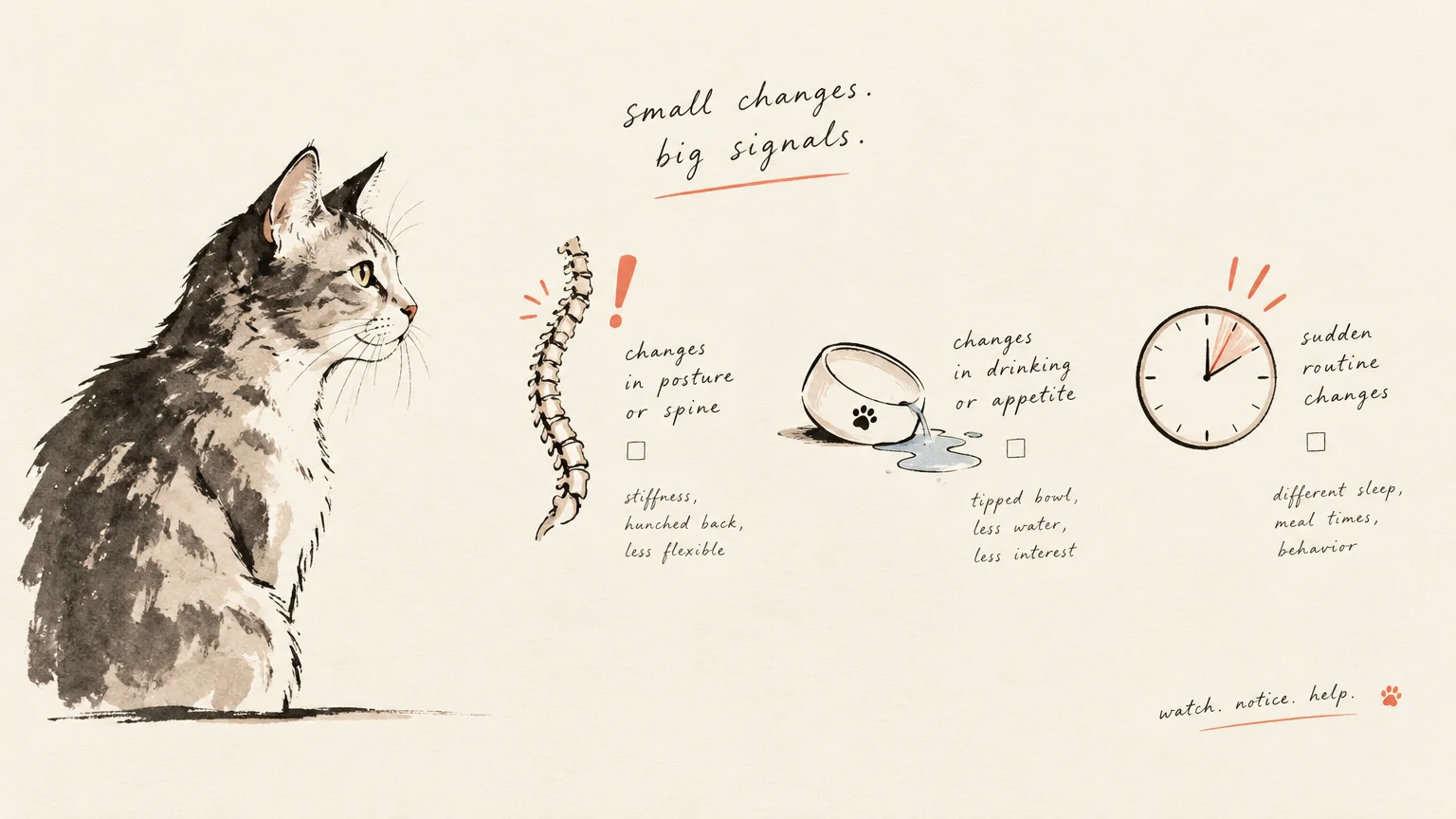
Things to Watch Out For
Not every personality shift represents harmless biological aging. Certain behavioral red flags demand immediate veterinary attention rather than home accommodations.
- Sudden unprovoked aggression: If a mellow cat suddenly hisses, growls, or swats when touched, acute pain from arthritis, dental disease, or internal illness is usually the cause.
- Drastic shifts in thirst and urination: Flooding the litter box or drinking constantly often signals chronic kidney disease, diabetes mellitus, or hyperthyroidism rather than normal aging.
- Total social withdrawal: A senior cat hiding in dark closets or under beds for extended periods is experiencing significant distress, severe nausea, or advanced illness.
- Abrupt litter box boycotts: Complete refusal to use the box can indicate painful feline lower urinary tract disease, bacterial infections, or severe constipation.
Addressing these signs promptly prevents mild discomfort from spiraling into a debilitating medical crisis. Never assume a drastic behavioral collapse is simply an untreatable symptom of growing old.
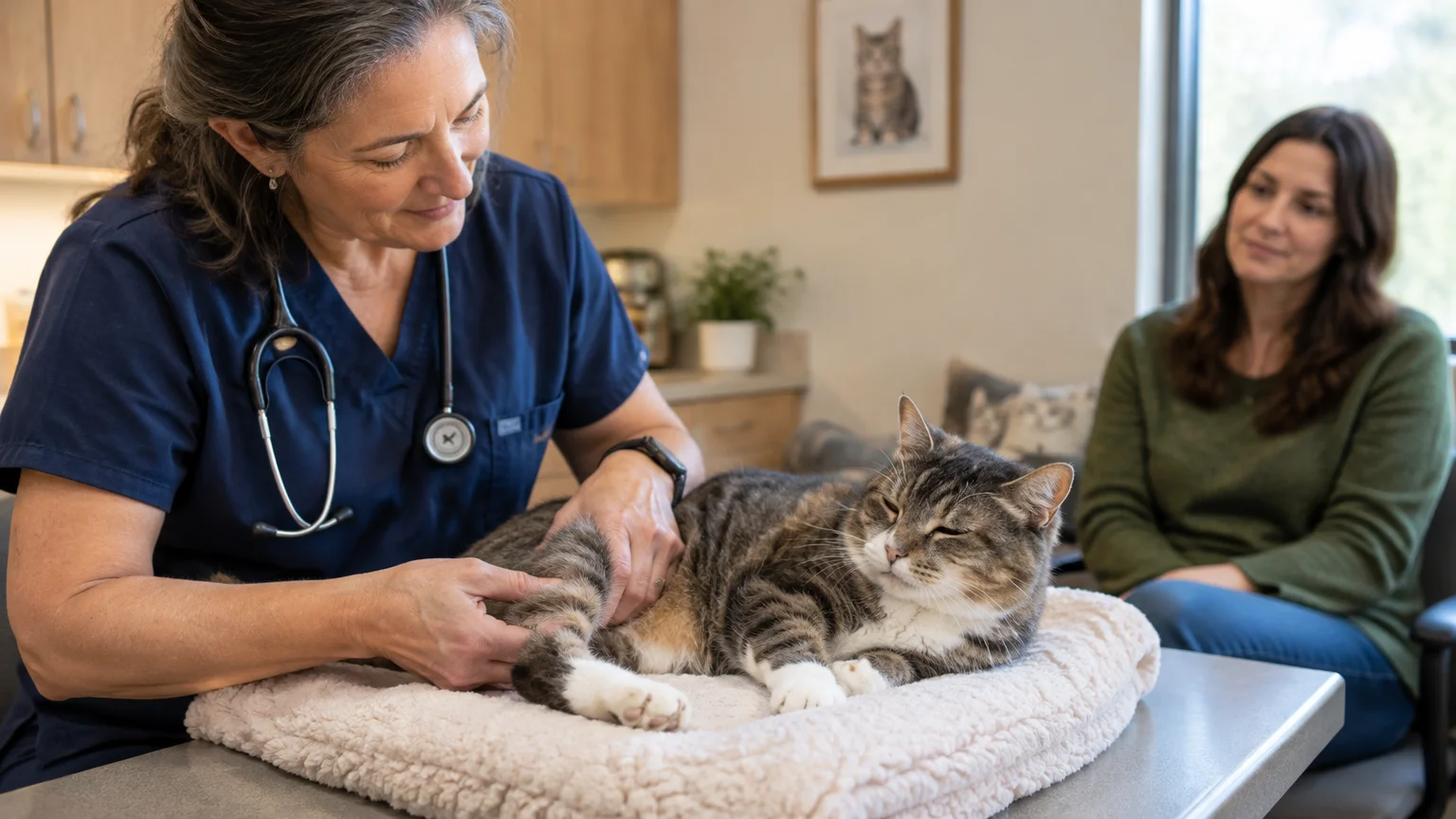
When DIY Isn’t Enough
While modifying your home environment creates comfort, severe physical or cognitive decline requires medical intervention. Partnering with your veterinarian prevents manageable conditions from diminishing your pet’s quality of life.
- Rapid weight loss despite a ravenous appetite: This paradox frequently points to feline hyperthyroidism or gastrointestinal malabsorption, which require prescription medication or dietary therapy.
- Disorientation, aimless wandering, and head pressing: Cats pressing their heads firmly against walls or getting stuck in open spaces require neurological evaluation and cognitive support therapies.
- Complete refusal to eat for over 24 hours: Prolonged fasting puts older felines at grave risk of hepatic lipidosis, a life-threatening liver complication requiring urgent medical care.
- Maintaining regular senior wellness exams: According to the AAFP Senior Care Guidelines, cats aged 10 to 15 need checkups every six months, while super seniors over 15 benefit from exams every four months.
Routine blood panels and blood pressure screenings uncover invisible metabolic shifts long before physical symptoms appear. Early detection preserves kidney and thyroid function, adding happy, comfortable years to your cat’s life.
Frequently Asked Questions
At what age is a cat officially considered senior?
Veterinary organizations classify domestic cats as seniors once they reach 10 years of age. Felines aged 15 and older enter the super senior category, requiring closer health surveillance.
Why is my older cat suddenly meowing loudly at night?
Night yowling commonly stems from feline cognitive dysfunction, hearing loss, or systemic hypertension linked to kidney disease. Senior cats call out when darkness disorients them or when they feel isolated.
Can feline cognitive dysfunction be treated or slowed down?
While feline dementia cannot be cured, veterinarians can slow its progression using antioxidant-rich diets, omega-3 fatty acids, and environmental enrichment. Keeping consistent schedules and nightlights also minimizes anxiety.
How can I tell if my older cat is in physical pain?
Cats rarely vocalize from arthritis pain; instead, they hesitate before jumping, abandon grooming their hindquarters, and become irritable when handled. Reluctance to use stairs is another primary pain indicator.
Nurturing Your Senior Companion
Understanding older cat personality changes helps you view behavioral shifts with empathy instead of frustration. By adapting your living space with ramps, low boxes, and predictable routines, you preserve your feline’s dignity.
Cherish these slower, quieter moments together as your faithful companion leans on you for comfort. Your attentive care ensures their twilight years remain safe, peaceful, and deeply fulfilling.
The information here is meant for educational purposes. Specific circumstances—including health conditions, finances, location, and goals—may require different approaches.
When in doubt, consult a licensed professional or check official sources directly.
Last updated: May 2026. Rules, prices, and details change—verify current information with official sources before acting on it.