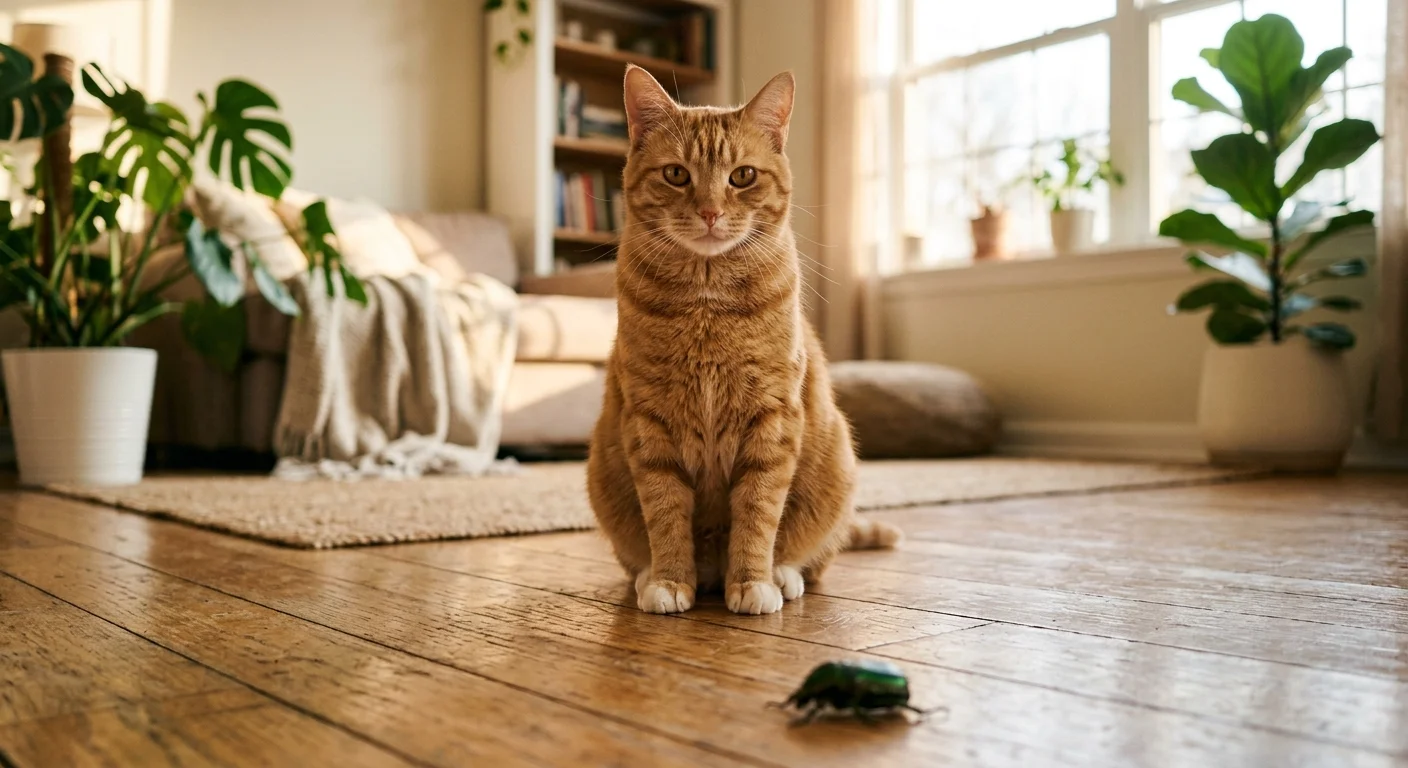
Your cat placing a dead beetle, moth, or mouse at your feet stems from deep-rooted evolutionary instincts rather than spite or random play. Feline behavior experts reveal that this perplexing habit combines predatory drive, parental teaching instincts, and territory safety.
Wild ancestors brought prey back to their home den to feed offspring or stash food safely away from rival predators. Because your cat views you as family—and perhaps an unskilled hunter—they share their catch to nourish you or display their successful harvest.
Understanding this natural behavior helps you manage your pet’s hunting activities while keeping your home clean, safe, and stress-free for everyone involved.
The Evolutionary Science Behind Feline ‘Gifting’
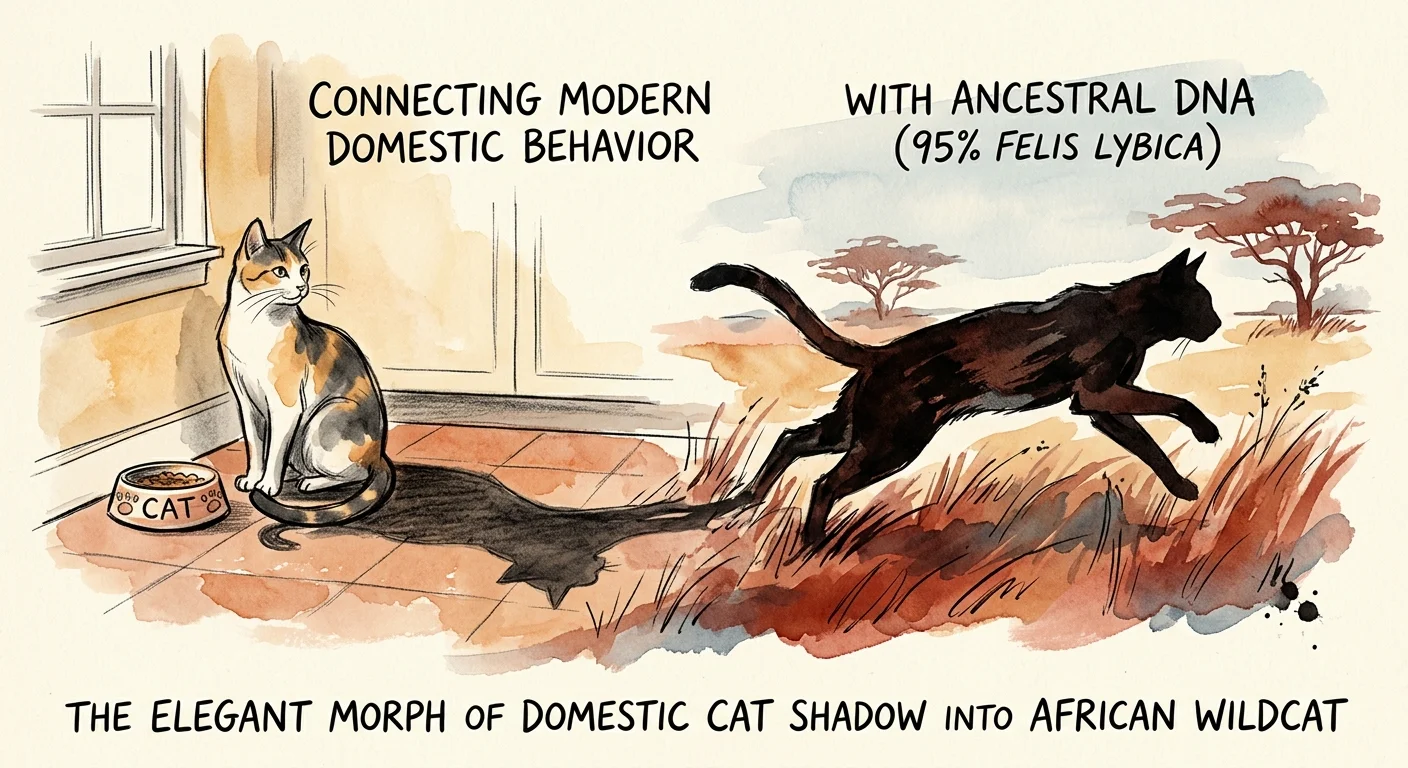
Domestic cats (Felis catus) retain nearly 95% of the DNA and behavioral traits of their wild ancestor, the African wildcat (Felis lybica). In the wild, feline survival hinges on an innate predatory sequence: orienting, stalking, pouncing, biting, and carrying prey.
Hunger does not solely drive this chain of events. Instead, visual and auditory triggers automatically ignite a cat’s brain to initiate the hunt.
According to research published by the Cornell Feline Health Center, predatory behavior operates independently of hunger drives in cats. Even well-fed domestic pets actively pursue small prey because movement activates their predatory circuit.
When wild female cats rear kittens, they pass through specific instructional stages to teach their young how to survive:
- Stage 1: The mother brings dead prey back to the nest so young kittens can taste meat and recognize prey scents.
- Stage 2: She delivers stunned or injured prey, allowing kittens to practice pouncing, grabbing, and delivering a fatal bite.
- Stage 3: She leads kittens to live prey in the wild, supervising their first active hunts.
Spayed or neutered indoor cats rarely have offspring to educate. However, their instinct to pass down hunting knowledge remains hardwired.
As a result, your cat redirects this maternal and social instruction toward you. Because your cat never catches mice or flies in front of them, your feline companion concludes that you lack basic hunting skills.
Delivering dead bugs or small animals serves as their attempt to feed you and teach you how to handle prey.
Why Insects and Dead Bugs Are Top Targets for Indoor Cats
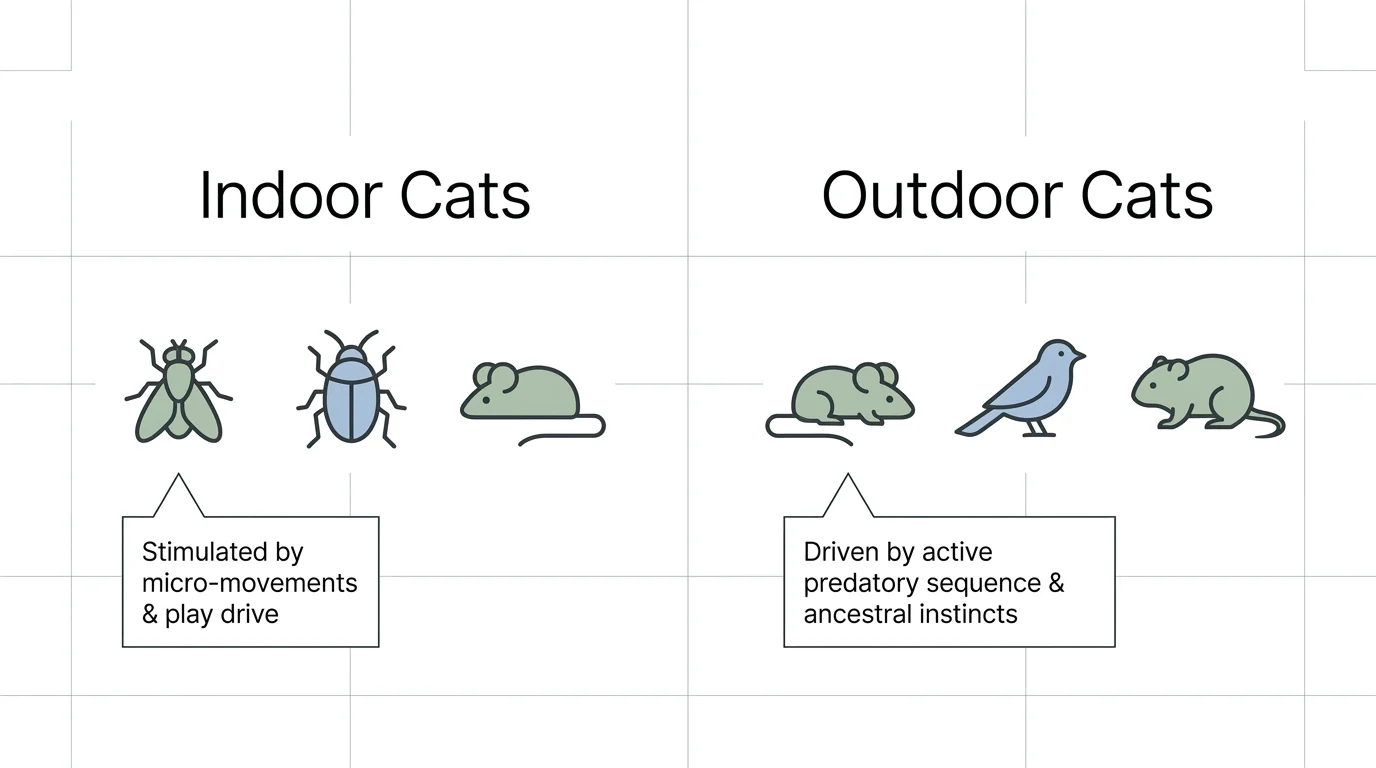
While outdoor cats frequently target mice, voles, and small birds, indoor cats must adapt their hunting instincts to their immediate environment. Houseflies, moths, crickets, spiders, and beetles provide the perfect surrogate targets for an indoor hunter.
A cat’s sensory apparatus is exquisitely tuned to detect micro-movements that human eyes easily miss. Feline eyes possess a dense concentration of rod photoreceptors, granting them superior motion detection and vision in low-light conditions.
When a beetle skitters across a rug or a moth twitches near a lampshade, the sudden, erratic movement triggers an immediate surge of dopamine in your cat’s brain.
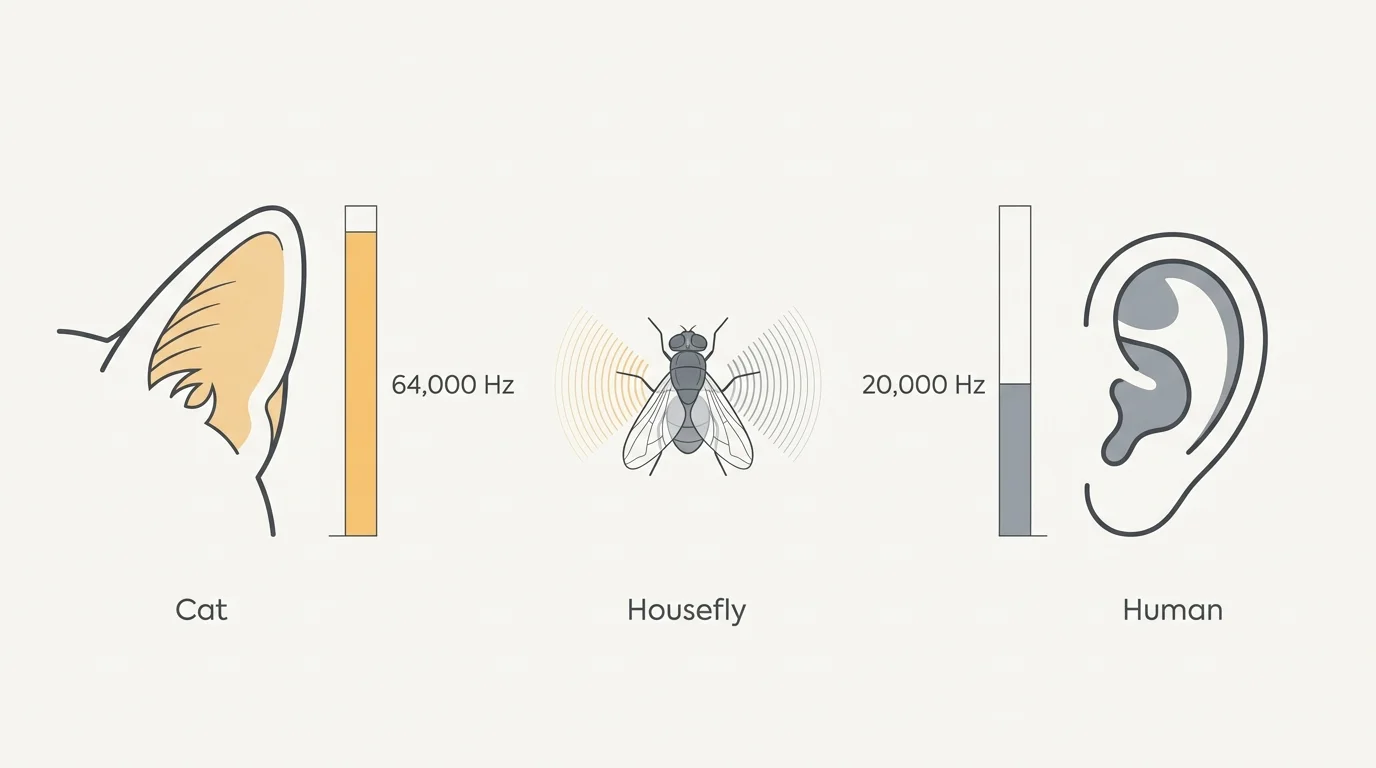
Furthermore, feline ears act as sensitive directional dishes capable of hearing ultrasonic frequencies up to 64,000 Hz—far exceeding the human hearing limit of 20,000 Hz.
Your cat easily hears the faint rustle of an insect crawling behind baseboards or the high-frequency buzzing of a fly’s wings across the room. Catching insects allows indoor cats to complete their predatory sequence without leaving the comfort of your living room.
Four Reasons Why Your Cat Deposits Prey on Your Rug or Pillow
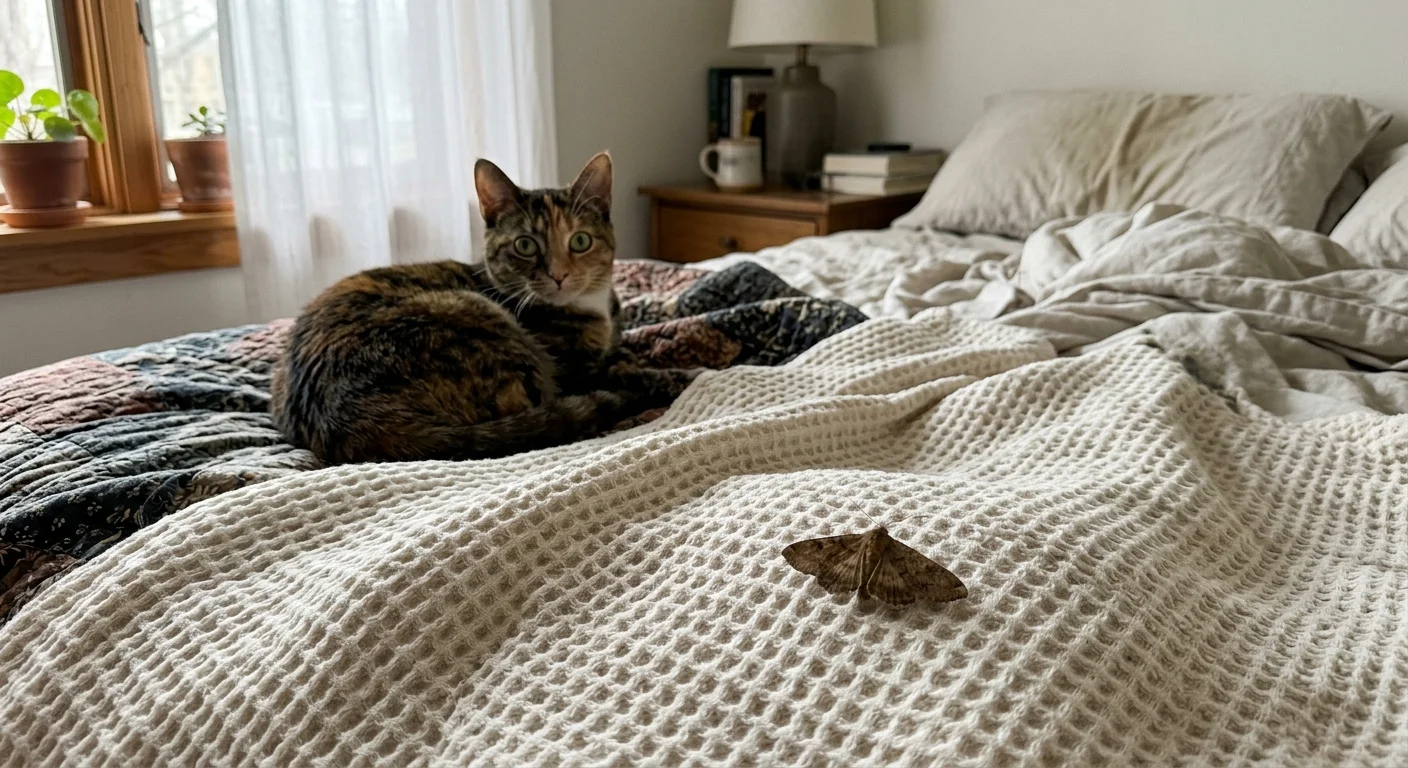
Finding a dead insect or rodent on your rug, couch, or pillow can feel repulsive, but your cat selects these specific locations for logical behavioral reasons:
1. Core Territory Security
Cats divide their living space into distinct territorial zones. The area where you sleep, relax, and eat constitutes your cat’s core territory—the safest zone in their environment.
In the wild, eating prey in an open area exposes cats to larger predators or competing scavengers. Bringing prey back to their core territory allows them to inspect, store, or eat their catch without interference.
2. Resource Sharing and Colony Dynamics
Although wild cats hunt alone, domestic cats form complex social groups when living together or cohabitating with humans. Group members establish a shared scent profile and share resources.
Leaving prey near your primary resting spots reinforces social bonds and integrates the resource into the household’s communal pool.
3. Surplus Hunting and Caching
Cats are opportunistic predators that hunt whenever an opportunity arises, regardless of whether their stomach is full. When a cat catches an insect or rodent while full, they do not immediately consume it.
Instead, they carry the item to a comfortable location to store for later or play with when boredom strikes.
4. Praise and Attention Seeking
If you previously responded to a “gift” delivery by talking to your cat, petting them, or giving them a treat to lure them away, your cat learned that bringing prey generates attention.
Even loud gasps or panicked reactions can act as positive reinforcement for a cat craving interaction.
Comparing Feline Hunting Motivations and Prey Types
Different prey types trigger distinct aspects of your cat’s hunting drive. The table below outlines how common targets compare across motivation, location, and potential risks.
| Prey Category | Primary Motivation | Typical Delivery Location | Potential Risks & Concerns |
|---|---|---|---|
| Insects & Bugs (Flies, Moths, Beetles) |
High-frequency motion response; play-predation cycle | Rugs, tiled floors, directly at your feet | Toxicity from venom or pesticides; internal parasites; stings |
| Small Rodents (Mice, Voles, Shrews) |
Feeding drive; parental teaching instinct | Bedding, welcome mats, central hallways | Secondary rodenticide poisoning; tapeworms; bacterial pathogens |
| Songbirds (Outside access cats) |
High aerial tracking drive; instinctual pounce practice | Back porches, doorways, living room carpets | Harm to local ecosystems; scratch injuries to cat’s eyes |
| Synthetic Toys & Socks (Indoor substitutes) |
Redirected hunting energy; social retrieval play | Cat beds, food bowls, inside human footwear | Minimal; potential intestinal blockage if fabric is swallowed |
Health Hazards: When Catching and Eating Bugs Becomes Dangerous
Allowing your cat to hunt indoor insects seems like natural pest control, but certain bugs present serious health hazards to your feline companion.
Toxic and Irritating Insects
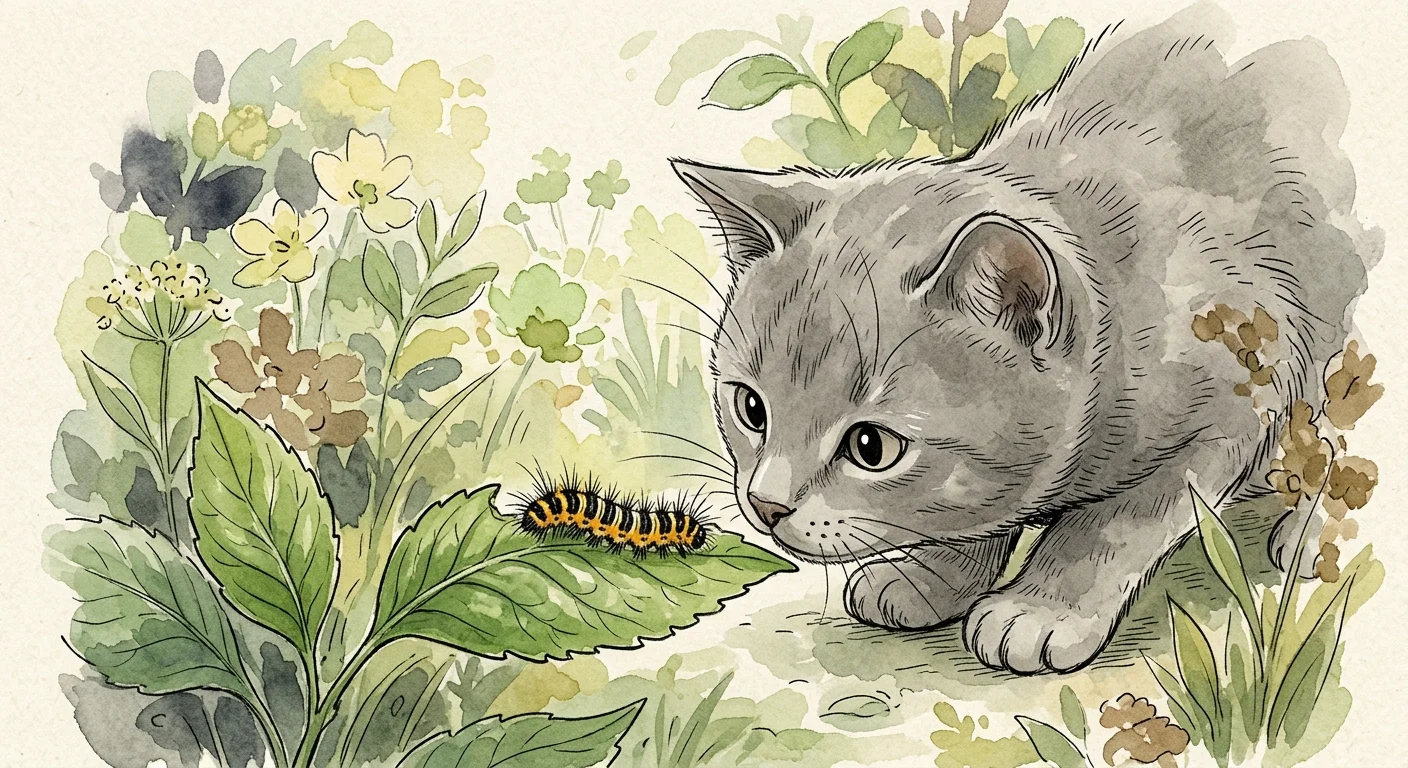
Not all household bugs make safe snacks. Fireflies contain cardiac glycosides known as lucibufagins, which are highly toxic to cats and can cause severe vomiting, heart arrhythmia, or death.
Asian lady beetles secrete an acrid, hemolymph fluid that causes chemical burns, mouth ulcers, and severe gastrointestinal irritation when bitten. Caterpillars with stinging hairs (urticating setae) cause painful oral swelling and drooling.
Stinging Pests
Bees, wasps, hornets, and fire ants sting defensively when swatted. A sting inside your cat’s mouth or throat can cause localized swelling that restricts their airway, leading to a life-threatening respiratory emergency.
Chemical and Pesticide Poisoning
If an insect enters your home after walking through chemical insecticides, lawn treatments, or toxic pest baits outside, your cat ingests those toxic chemicals upon eating the bug.
As emphasized by the ASPCA Animal Poison Control Center, secondary exposure to pesticides or rodenticides poses a grave threat to domestic pets and requires immediate veterinary intervention.
Internal Parasites
Insects act as intermediate hosts for various internal parasites. Ingesting infected beetles, cockroaches, or crickets can transmit stomach worms (Physaloptera) to your cat, leading to chronic vomiting and weight loss.
Ingesting fleas while grooming or hunting leads to tapeworm infestations (Dipylidium caninum).
How to Correctly Respond When Your Cat Delivers a ‘Gift’
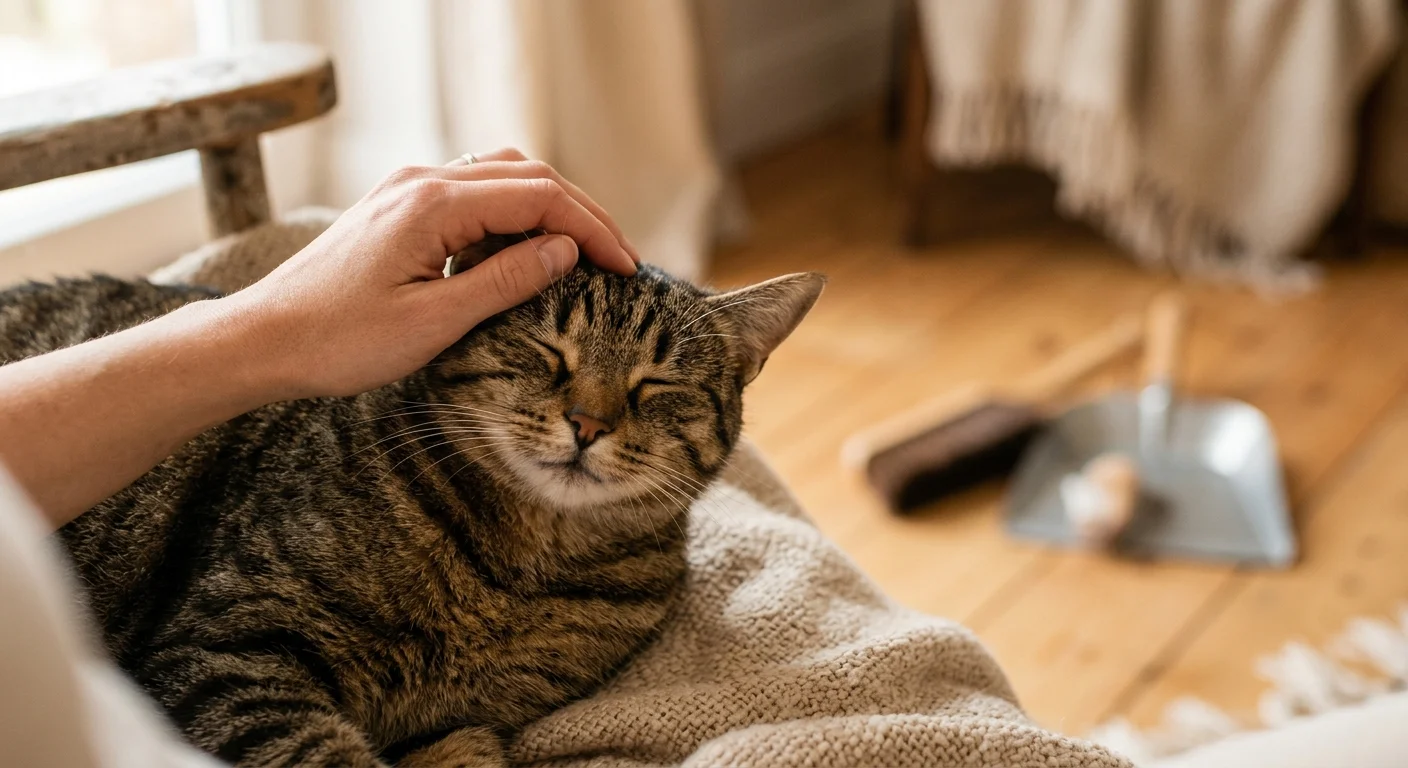
Your reaction when your cat presents a dead bug or mouse dictates whether your cat feels secure or anxious. How you handle the situation matters immensely.
What NOT to Do:
Never scream, punish, push, or scold your cat. Hunting is an innate, beneficial behavior in your cat’s mind.
Punishing your cat for delivering prey creates severe confusion, triggers chronic stress, and damages the bond of trust you have built. Avoid chasing your cat to pull the prey out of their mouth, as this turns the encounter into a stressful game of resource guarding.
Step-by-Step Response Strategy:
- Remain Calm: Speak in a quiet, neutral, or gently appreciative tone (“Thank you, good catch”). This satisfies your cat’s need for social acknowledgment without over-reinforcing the habit.
- Distract and Trade: Do not grab the prey immediately. Instead, grab a high-value treat or a favorite toy and toss it several feet away from the delivery spot. Wait for your cat to drop the prey and move toward the reward.
- Secure and Dispose: While your cat enjoys the treat, use a thick paper towel or disposable glove to pick up the dead bug or animal. Place it in a sealable plastic bag and discard it in an outdoor trash bin.
- Sanitize the Area: Clean the floor surface thoroughly with an enzymatic or pet-safe disinfectant to eliminate bacteria, scent trails, and bodily fluids. Wash your hands thoroughly with soap and warm water.
Practical Steps to Reduce Unwanted Prey Deliveries
You cannot erase millions of years of predatory evolution, but you can channel your cat’s energy into safe, non-lethal outlets. Implement these practical strategies to curb prey collection:
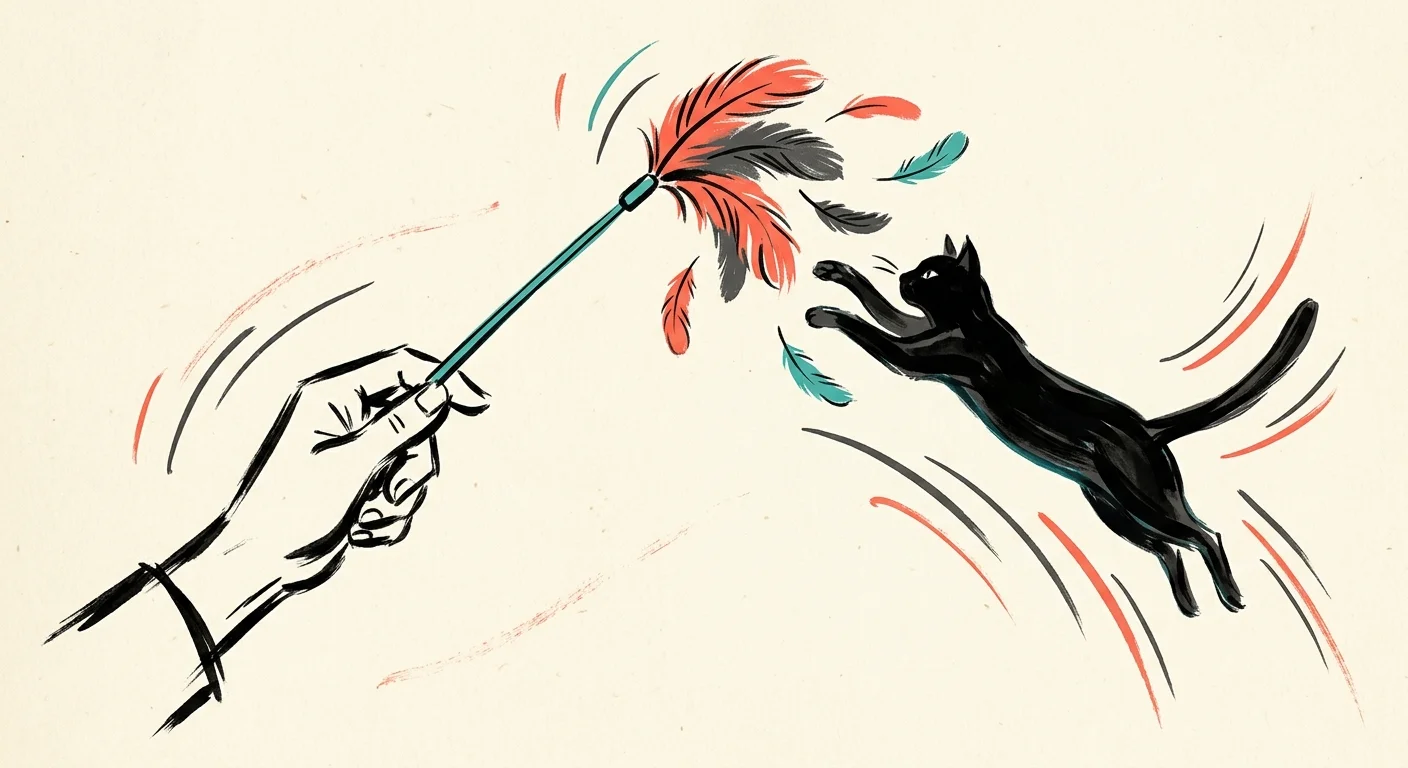
- Schedule Daily Interactive Play Sessions: Conduct two 10-to-15-minute play sessions every day using interactive wand toys, feather teasers, or laser pointers. Mimic prey movements by dragging the toy along the floor or fluttering it in short bursts. Always finish laser play with a physical kick toy your cat can physically grab and bite.
- Complete the Predatory Sequence with Food: Feed your cat immediately after an intense play session. Completing the sequence—stalk, chase, pounce, kill, and eat—signals to your cat’s brain that the hunt is over, leaving them satisfied and relaxed.
- Implement Foraging Toys and Puzzle Feeders: Replace standard food bowls with food puzzles, maze feeders, or treat-dispensing balls. Forcing your cat to solve physical puzzles to access kibble satisfies their problem-solving instincts and burns mental energy.
- Secure Window Screens and Seal Home Entry Points: Prevent insects from entering your home by repairing torn window screens, installing door sweeps, and sealing cracks around pipes or baseboards. Reducing indoor pest populations eliminates your cat’s hunting opportunities.
- Build or Purchase an Outdoor Catio: If your cat craves outdoor stimulation, provide a secure outdoor enclosure. According to International Cat Care, catios offer valuable environmental enrichment, allowing cats to experience fresh air, sights, and scents safely without destroying local wildlife or catching disease-carrying pests.
- Use Bell Collars for Outdoor Cats: If your cat goes outdoors, equip them with a quick-release breakaway collar featuring a small bell or a brightly colored collar cover. The auditory warning alerts birds and small mammals, drastically reducing successful catches.
Frequently Asked Questions About Cat Hunting Instincts
Why does my cat bring me dead bugs while meowing loudly?
Cats emit a distinct vocalization—often called a “carrying call” or hunting howl—when transporting prey. This high-pitched, muffled meow mimics the call mother cats use in the wild to announce to their kittens that food has arrived.
Your cat vocalizes to alert you that they have brought a resource to the communal nest.
Should I praise my cat when they bring me a dead bug or mouse?
Acknowledge your cat with a calm, neutral voice, but avoid lavishing them with intense praise or extra treats directly attached to the dead item. Excessive celebration encourages your cat to repeat the delivery.
Neutral acknowledgment followed by a quiet redirection is the most effective approach.
Is it safe for indoor cats to eat the bugs they catch?
Eating an occasional housefly or non-toxic moth rarely causes harm, but routinely eating bugs carries risks. Insects can carry internal parasites, toxic chemical residues from pest sprays, or sharp exoskeletons that irritate the stomach lining.
Redirect your cat away from eating insects whenever possible.
Why does my cat hunt bugs when their food bowl is completely full?
A full food bowl satisfies hunger, but it does not satisfy predatory drive. Hunting is an instinctual behavior triggered by motion and sound, entirely separate from the physiological sensation of hunger.
Cats hunt because their nervous system is hardwired to pursue moving objects.
Supporting Your Cat’s Instincts Safely
Your cat delivering dead bugs or small prey to your living room carpet is ultimate proof that their ancestral instincts remain alive and well.
Far from acting out of malice, your feline companion is simply expressing deeply ingrained behaviors rooted in social bonding, territory safety, and maternal education.
By providing daily play outlets, securing your home against pests, and responding with calm redirection, you can honor your cat’s natural drives while maintaining a clean, harmonious home.
This article provides general information only. Every reader’s situation is different—what works for others may not be the right fit for you.
For personalized guidance on health, legal, or financial matters, consult a qualified professional.
Last updated: May 2026. Rules, prices, and details change—verify current information with official sources before acting on it.