Most cat owners assume a steady, rhythmic purr signifies total feline bliss, but animal behaviorists know that cats also purr during moments of intense stress, severe pain, and even physical trauma.
Purring operates as a versatile feline communication tool and an internal self-soothing system rather than a simple emotional indicator.
By vibrating their vocal folds at specific healing frequencies between 20 and 150 Hertz, cats release soothing endorphins, ease respiratory discomfort, and stimulate tissue repair during moments of distress.
Understanding why your cat purrs when frightened or sick empowers you to evaluate subtle body language cues, identify hidden health issues early, and respond with targeted care when your companion needs help most.

The Science Behind the Sound: How Cats Produce a Purr
Unlike vocalizations that rely entirely on expired breath—such as meowing, hissing, or growling—a purr occurs continuously during both inhalation and exhalation. This remarkable mechanism originates deep within the feline central nervous system.
A rhythmic neural oscillator in your cat’s brain sends repetitive electrical impulses directly to the laryngeal muscles; these muscles twitch rapidly at a rate of 20 to 30 contractions per second.
As air passes through the contracting glottis, the sudden separation of the vocal folds creates the distinct, vibrating rumble you feel against your hand.
According to research highlighted by the Library of Congress, domestic cats produce purring through this specialized laryngeal oscillator, maintaining a low-frequency resonance that requires remarkably little physical energy. Anatomically, this capability sets smaller feline species apart from their roaring relatives.
Big cats like lions, tigers, and jaguars possess an unossified, flexible hyoid bone and a fibrous pad inside their vocal cords, enabling them to roar loudly to mark territory.
Domestic cats, cougars, and cheetahs retain a rigid, fully ossified hyoid bone—a structural difference that prevents deep roaring but allows continuous, fluid purring across all stages of breathing.
Self-Soothing: Purring as a Stress Relief Mechanism
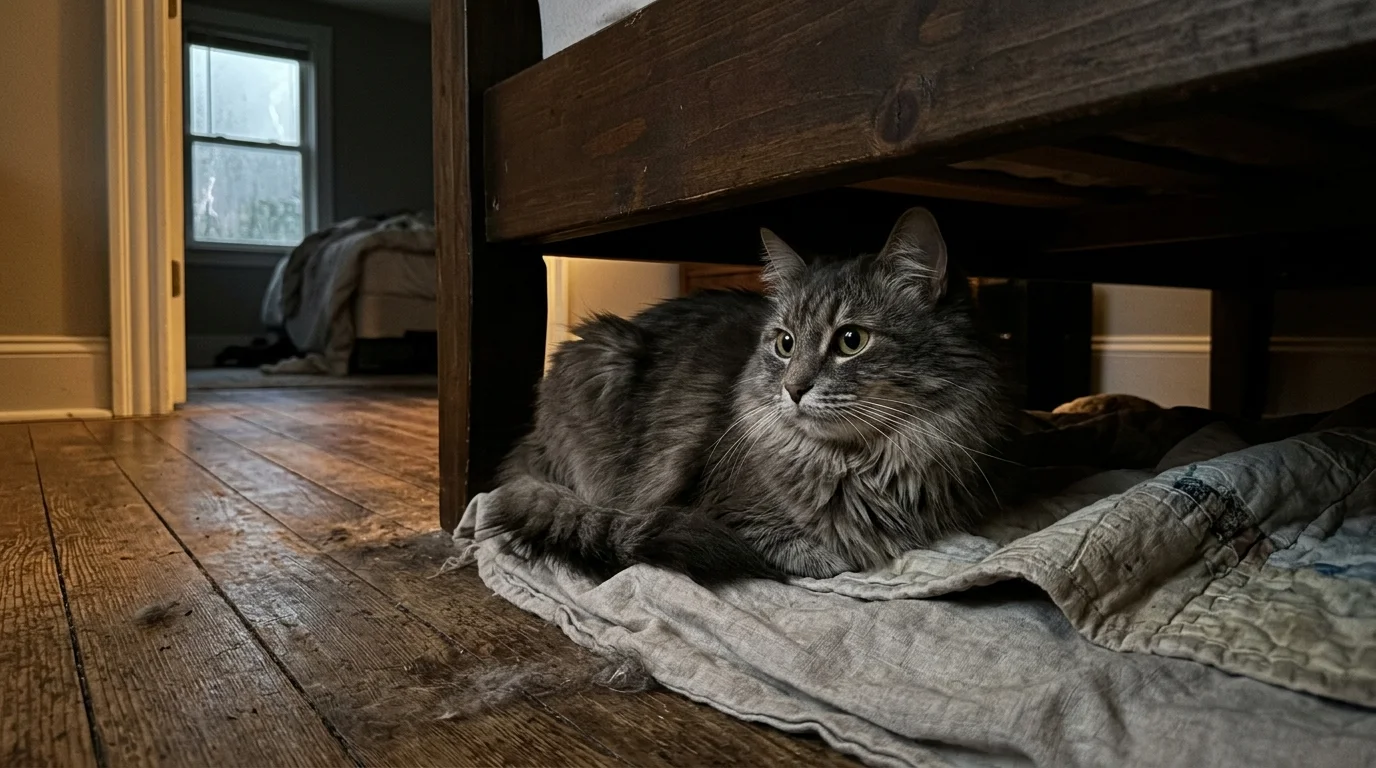
When you observe your cat purring on an examination table at the veterinary clinic, you are witnessing an emergency emotional regulation strategy. When frightened or overwhelmed, a cat’s sympathetic nervous system triggers a surge of stress hormones, including cortisol and adrenaline.
To counteract this high-arousal state, the brain prompts the laryngeal oscillator to initiate purring. This physical vibration stimulates the release of endorphins—neurochemicals that act as natural pain relievers and anxiety reducers.
This self-soothing tactic begins during the earliest days of a feline’s life. Newborn kittens arrive into the world blind and deaf; however, they can feel acoustic vibrations from day one.
Mother cats purr during labor to manage agonizing contractions and sustain a calming sensory anchor for their newborns. By two days of age, kittens begin purring while nursing.
This vocalization tells the mother that food is arriving successfully and confirms the kitten’s location without disrupting their feeding rhythm.
As cats reach adulthood, they turn back to this early developmental tool whenever environmental stressors—such as loud thunderstorms, sudden moves, or physical conflicts—threaten their stability.
The Ultrasonic First-Aid Kit: How Frequencies Heal Bones and Tissues
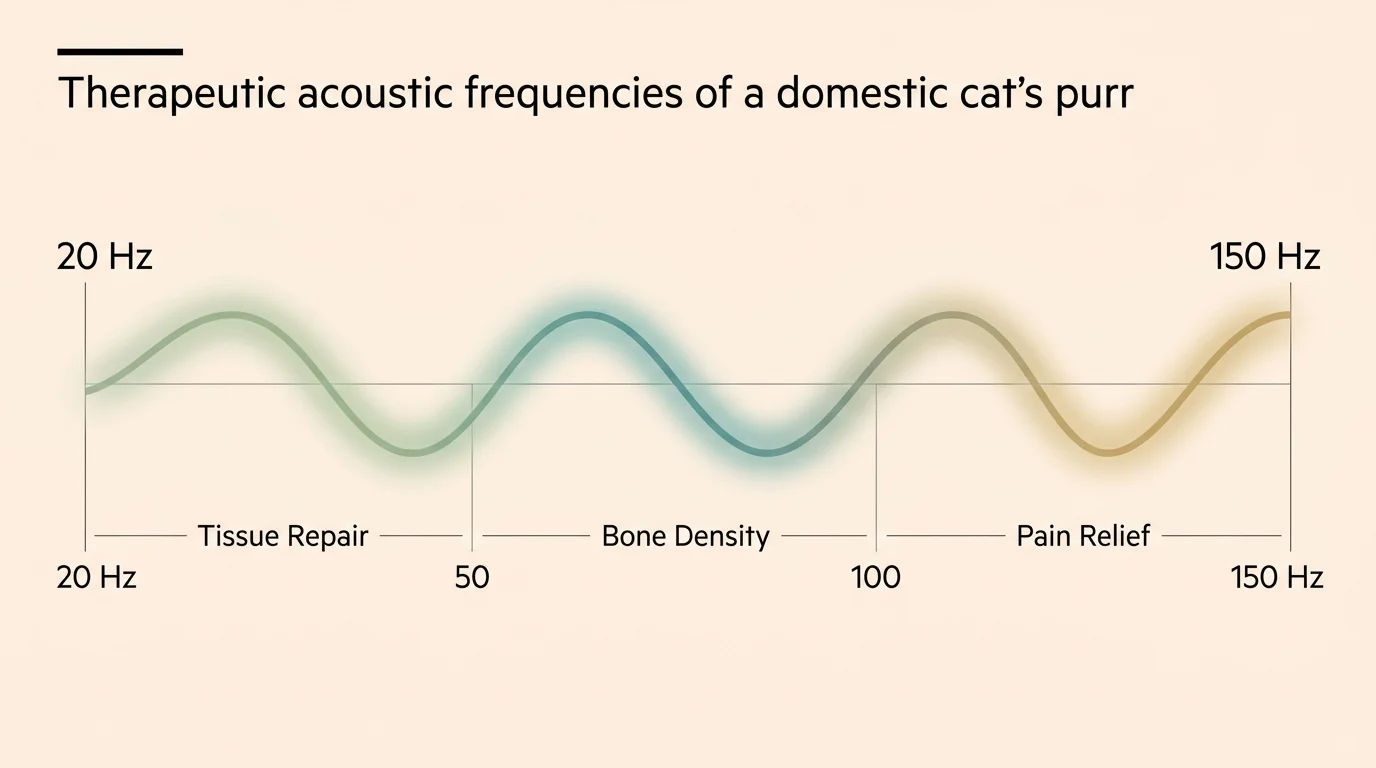
The scientific study of cat purring science has revealed one of nature’s most sophisticated biological defense systems. Feline purrs consistently fall within a low-frequency vibrational range between 20 Hz and 150 Hz.
In human physical therapy and sports medicine, acoustic engineers and orthopedic specialists use identical vibrational frequencies to accelerate tissue repair, maintain bone density, and relieve muscular pain.
Biophysical studies show that specific frequency bands within the feline purr deliver targeted therapeutic benefits to the cat’s body:
- 25 Hz and 50 Hz: These primary fundamental frequencies stimulate bone growth, increase mineral density, and speed up the repair of fractures or skeletal stress points.
- 100 Hz and 125 Hz: These secondary harmonics reduce soft tissue inflammation, ease joint stiffness, and promote internal wound healing after surgery or mechanical trauma.
- 150 Hz: High-end harmonics ease acute muscle strain, alleviate bronchial congestion, and soothe chronic respiratory distress.
Because domestic cats spend long stretches of time resting or stalking prey without strenuous cardiovascular movement, low-frequency vibrations help preserve structural bone integrity and muscle tone during periods of inactivity.
When a cat suffers severe trauma, fractures a bone, or enters the final stages of a terminal illness, purring functions as an internal metabolic generator; it encourages physical recovery while soothing painful symptoms when external movement is impossible.
The Solicitous Purr: Decoding Feline Manipulation
Cats do not reserve purring strictly for internal emotional or physical processing; they also adjust their voice box to influence human behavior.
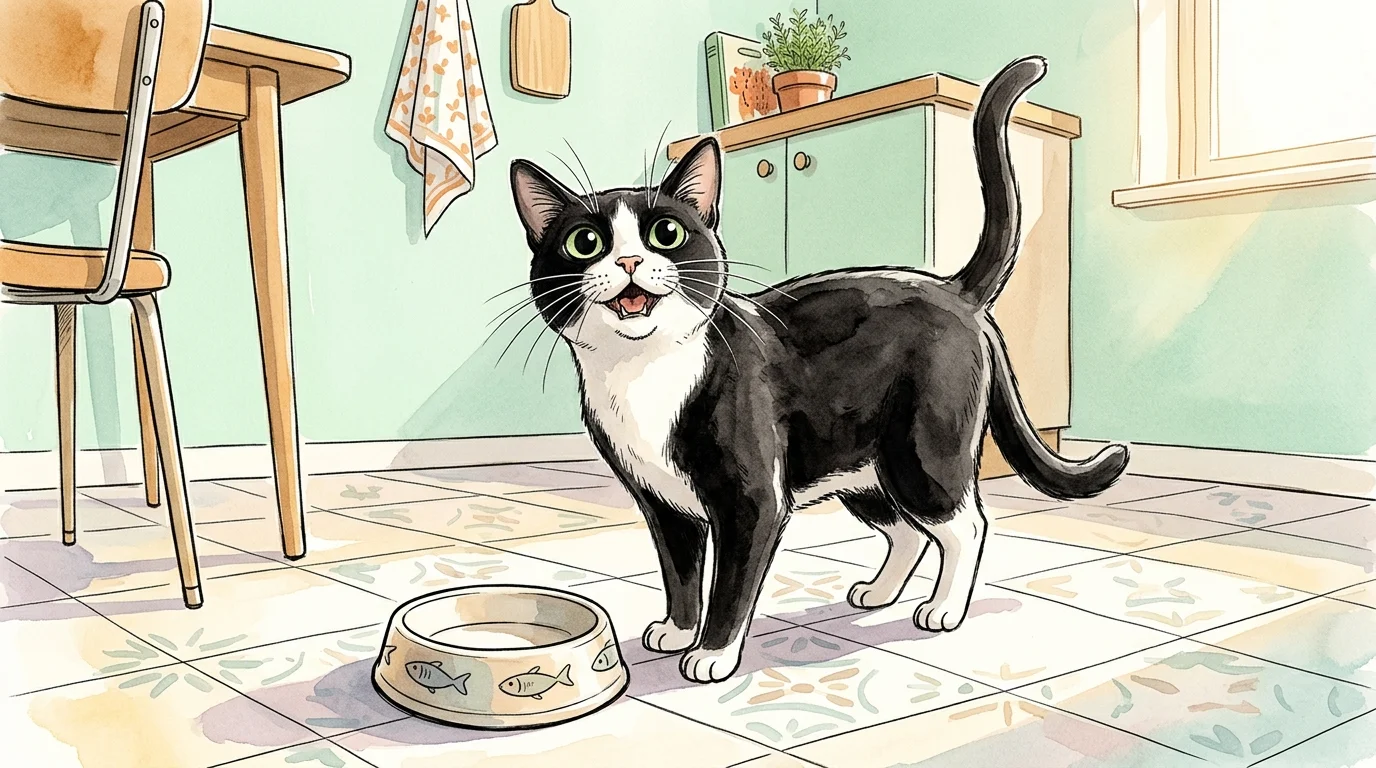
Behavioral researchers at the University of Sussex identified a distinct feline acoustic modification known as the “solicitous purr.” When cats want food or attention from their owners, they modify their normal rumble by embedding an acoustic spike—a high-frequency cry ranging from 220 Hz to 500 Hz—directly into the continuous low-frequency purr.
This embedded high-pitch frequency closely mirrors the acoustic structure of a human baby’s distress cry. Human brains possess an innate evolutionary sensitivity to vocal sounds within this specific frequency band, making the solicitous purr almost impossible for an owner to ignore.
While a standard content purr feels smooth and pleasant, a solicitous purr sounds urgent, demanding, and slightly harsh.
Domestic cats have learned that humans react to this subtle acoustic modification by immediately filling food dishes or opening doors, proving that feline communication explained through science reveals a high degree of evolutionary adaptability.
How to Tell If Your Cat Is Happy, Stressed, or in Pain
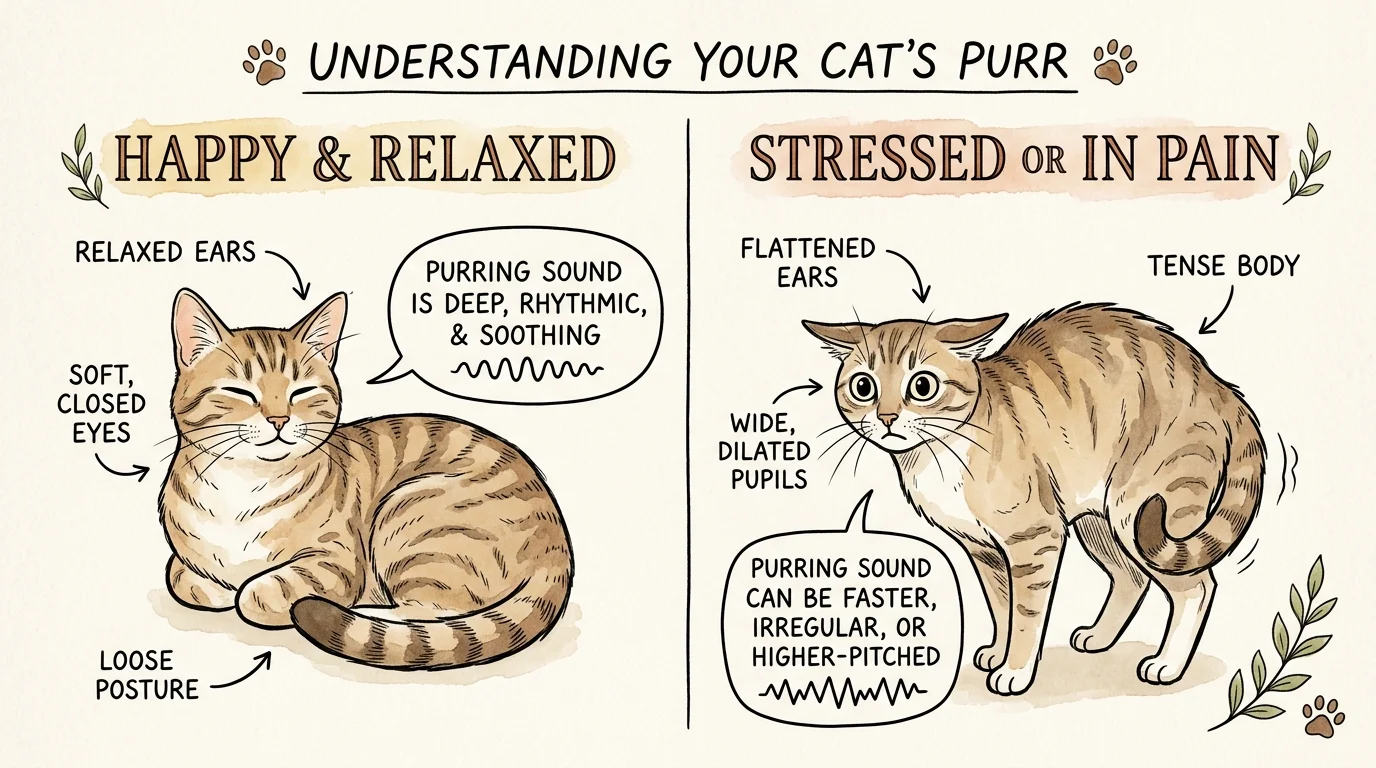
Because purring accompanies completely opposite emotional states, you cannot rely on sound alone to judge your cat’s well-being. To accurately decipher your cat’s true condition, you must examine their full body posture, eye contact, facial tension, and surrounding environment.
Evaluating these behavioral signals allows you to determine whether your pet feels comfortable, anxious, or physically ill.
| Purr Type | Primary Trigger | Acoustic Character | Body Language Cues | Recommended Action |
|---|---|---|---|---|
| Contentment Purr | Relaxation, petting, social bonding | Deep, soft, steady rhythm with low pitch | Loose muscle tone, slow-blinking eyes, soft ears forward, kneading paws | Continue gentle interaction and respect their personal physical boundaries. |
| Stress Purr | Vet visits, loud noises, new pets | Rapid, tense rhythm, slightly higher pitch | Dilated pupils, flattened ears, crouched body, tucked tail, panting | Reduce environmental stimuli, provide a safe retreat, and avoid forced physical contact. |
| Pain or Illness Purr | Physical injury, labor, severe illness | Monotonous, persistent, paired with shallow breathing | Rigid posture, squinting eyes, tucked paws, hiding, extreme sensitivity to touch | Conduct a careful physical assessment and contact your veterinarian immediately. |
| Solicitous Purr | Hunger, request for room access | Continuous rumble containing an embedded high-pitched cry | Active pacing, rubbing against your legs, direct eye contact, tail held high | Maintain consistent feeding schedules and avoid rewarding disruptive vocal begging. |
What You Should Do When Your Cat Purrs in Distress
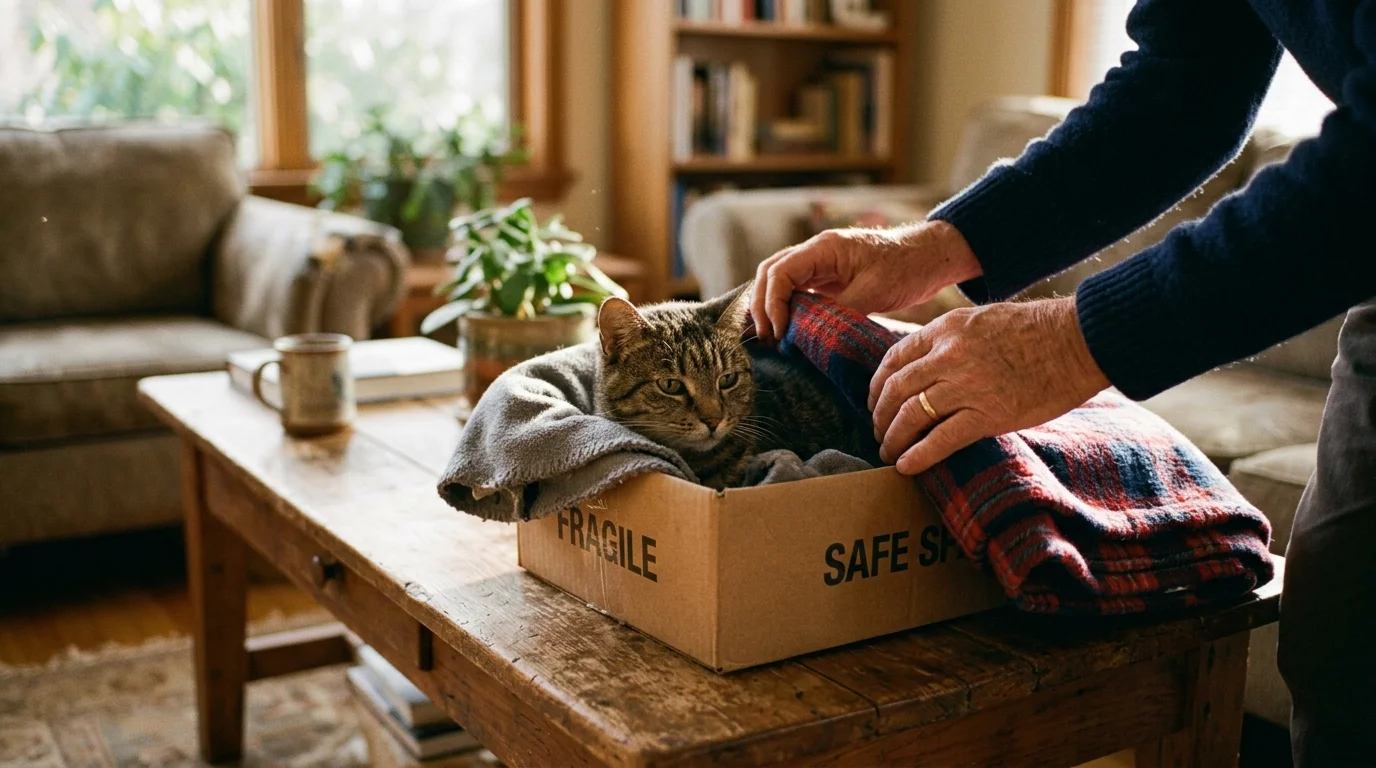
When you spot a cat purring while exhibiting signs of stress or pain, your response should focus on stabilizing their environment and reducing sensory sensory overload.
Never force an anxious or injured cat into a tight hug or demand social contact; holding a stressed feline tightly restricts their movement, increases their fight-or-flight response, and often leads to defensive scratching or biting.
Follow these practical steps to assist a cat purring under stressful or painful conditions:
- Establish a quiet recovery zone: Move your cat to a dimly lit room away from loud appliances, hyperactive dogs, and small children.
- Provide low-stress hideaways: Offer covered cat beds, sturdy cardboard boxes, or elevated perches where your pet can rest without feeling trapped.
- Assess physical health visually: Observe your cat’s breathing pattern, gait, and posture from a respectful distance; watch for guarded abdominal muscles, limping, or persistent lip-licking.
- Maintain familiar scents: Place an unwashed piece of your clothing or their favorite blanket inside their retreat area to provide reassuring olfactory cues.
- Consult veterinary medical experts: If continuous purring accompanies lethargy, appetite loss, vomiting, or abnormal hiding behavior lasting longer than 24 hours, seek professional medical guidance.
As experts at the Cornell Feline Health Center emphasize, subtle shifts in your cat’s routine habits and vocal behaviors serve as vital early indicators of underlying physiological disorders. Recognizing these small changes helps you seek professional care long before a health condition becomes critical.
What This Means for You
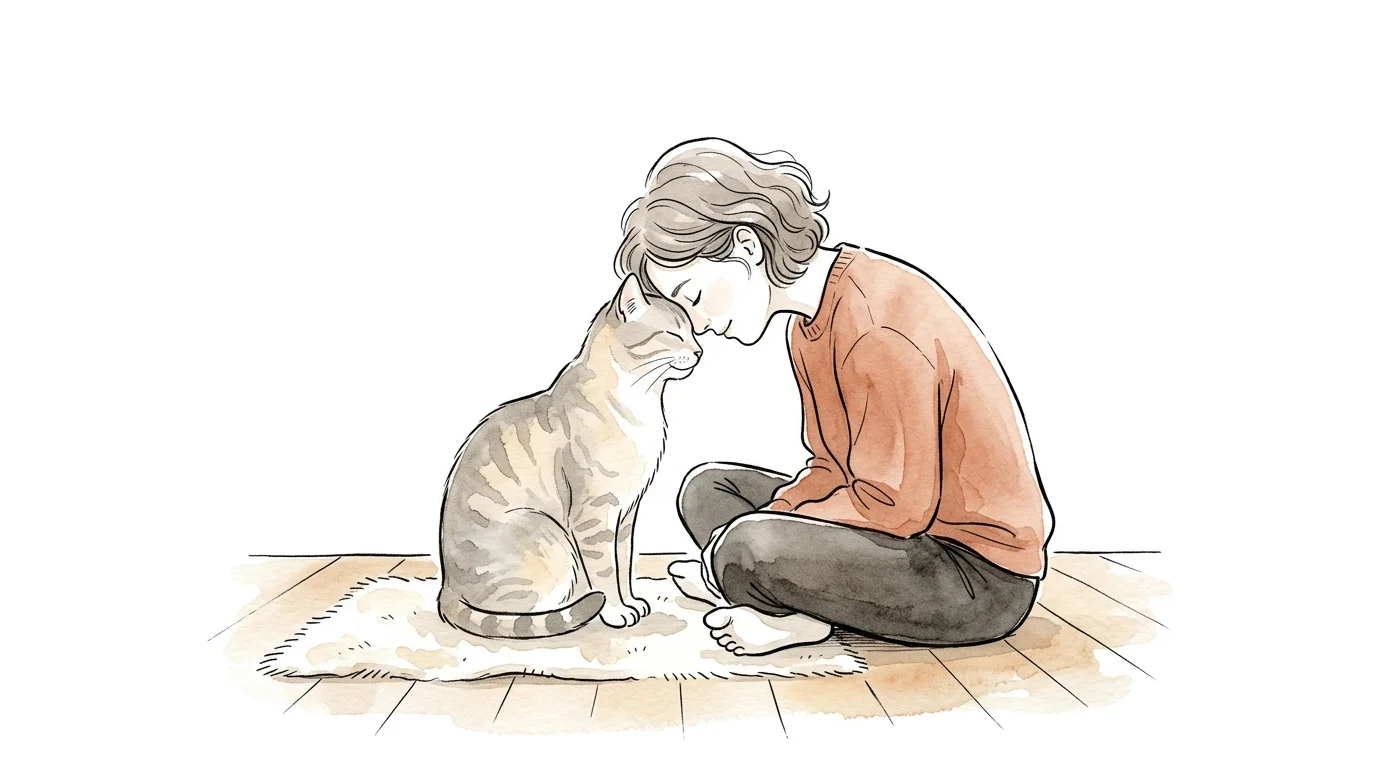
Understanding the multi-layered science behind cat purring meanings changes how you interact with your pet. When you stop treating purring as a simple “happiness switch” and start viewing it as a complex physiological tool, you become a far more perceptive caregiver.
You will notice when a purr sounds slightly off; you will catch subtle signs of discomfort during routine grooming; and you will know when to give your cat quiet space instead of forcing unwanted affection.
This deeper awareness strengthens the human-animal bond built on mutual trust. By responding correctly to stress-induced or pain-related purring, you reassure your companion that their home is a safe, supportive sanctuary where their vocal signals are understood and respected.
What Can Go Wrong
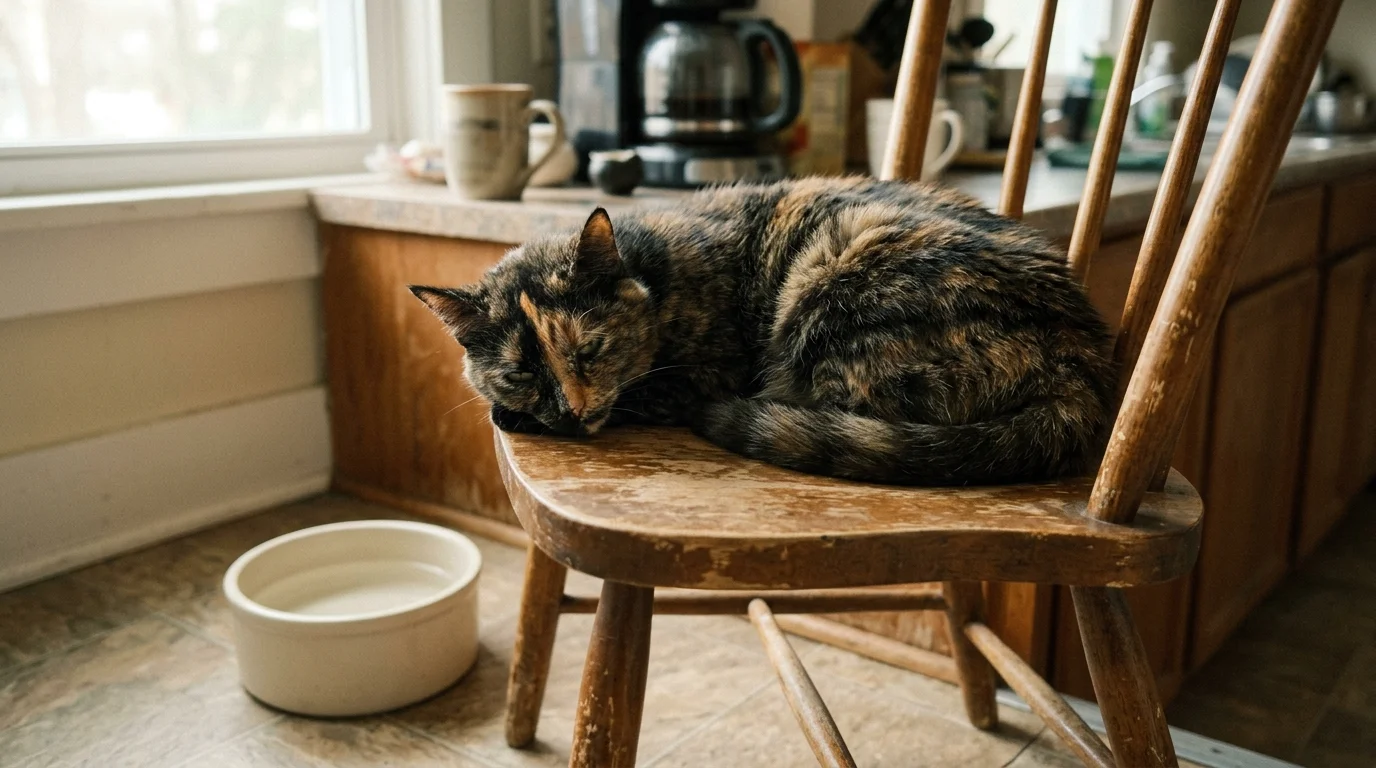
Misinterpreting distressed feline vocalizations can lead to serious mistakes that compromise your cat’s health and safety. Here are four common scenarios where cat owners make incorrect assumptions:
1. Dismissing medical emergencies: Assuming a purring cat resting on your lap feels completely healthy can lead you to overlook internal trauma, kidney disease, or severe dental infections. Cats hide physical pain instinctively to prevent predation; purring serves as their internal pain management system.
2. Overhandling an injured pet: Attempting to stroke, lift, or cuddle an injured cat because they are purring can intensify their physical agony or reopen healing wounds. Always check for body rigidity before picking up a purring feline.
3. Rewarding solicitous vocalizations indiscriminately: Responding to every high-pitched solicitous purr by filling the food bowl causes chronic overfeeding, leading to feline obesity, diabetes, and painful joint degeneration.
4. Forcing socialization during environmental stress: Dragging a purring, frightened cat out from under a bed to meet houseguests raises their blood pressure and triggers behavioral issues like inappropriate spraying or litter box avoidance.

Where Outside Advice Pays Off
While home observation handles basic feline quirks, specific medical situations require immediate professional intervention. Schedule a comprehensive diagnostic check with a licensed veterinarian if you observe any of the following critical indicators:
1. Unexplained, continuous purring: A cat that purrs incessantly for hours without environmental triggers or rest periods may be managing severe systemic pain or neurological distress.
2. Purring combined with physiological distress symptoms: Immediate veterinary attention is vital if purring occurs alongside open-mouth breathing, pale gums, violent straining in the litter box, or severe lethargy.
3. Post-trauma monitoring: If your cat suffers a high fall, a car collision, or a fight with another animal, seek a veterinary exam right away—even if the cat purrs calmly afterward. Internal bleeding and shock often manifest quietly behind self-soothing behaviors.
4. Chronic anxiety and behavioral shifts: If environmental changes cause prolonged stress purring, panting, or compulsive grooming, consult a certified veterinary behaviorist to discuss targeted environmental enrichment or short-term anxiety therapies.
Frequently Asked Questions
Do cats purr when they are close to dying?
Yes, dying cats frequently purr to release natural pain-relieving endorphins, ease respiratory discomfort, and manage panic as their physiological systems shut down. This vocalization acts as a comforting self-soothing mechanism during their final moments.
Can human health benefit from a cat’s purr?
Scientific studies indicate that living with a purring cat can lower human stress levels, reduce systemic blood pressure, and ease acute anxiety.
The 20 Hz to 150 Hz vibrational frequencies produced by a feline purr may also exert a calming therapeutic effect on human muscle tissue and joints.
Why does my cat purr loudly at the vet clinic?
Your cat purrs at the veterinary clinic to soothe rising anxiety, lower their heart rate, and release natural brain chemicals that reduce pain and fear in an unfamiliar, high-stress environment.
Why do newborn kittens purr while nursing?
Newborn kittens purr during nursing to reassure their mother that milk is flowing properly, signal their precise location without stopping their feed, and strengthen the physical bond between the queen and her litter.
Final Takeaway and Care Tips
A cat’s purr is a dynamic biological mechanism that serves diverse functions, ranging from expressing quiet contentment to soothing acute bodily pain and accelerating tissue healing.
By looking beyond the sound itself and assessing your pet’s overall body language, posture, and facial expressions, you gain clear insight into their emotional state and physical health.
Paying close attention to these acoustic variations ensures you deliver appropriate care exactly when your cat needs it most.
The information here is meant for educational purposes. Specific circumstances—including health conditions, finances, location, and goals—may require different approaches.
When in doubt, consult a licensed professional or check official sources directly.
Last updated: May 2026. Rules, prices, and details change—verify current information with official sources before acting on it.