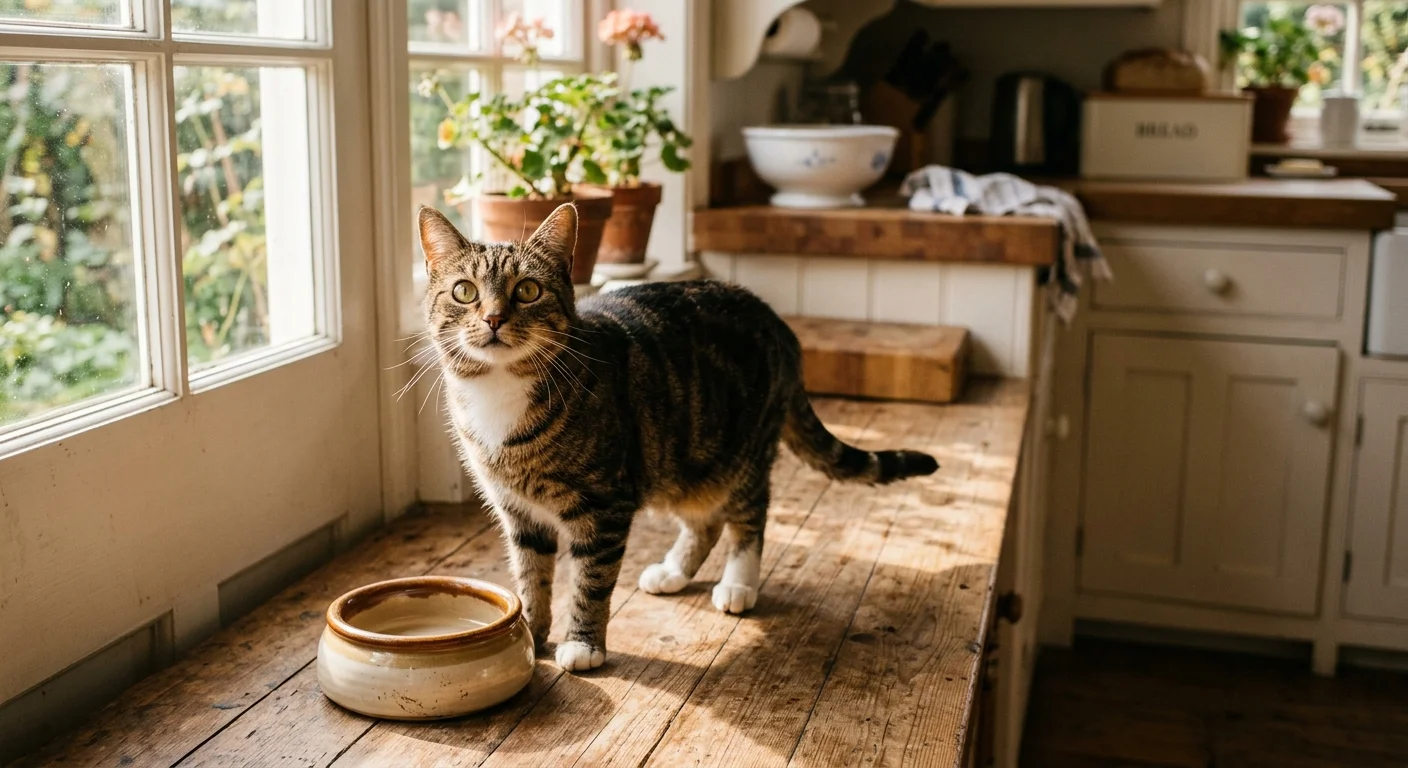
You fill your cat’s food bowl with a fresh meal, yet minutes later, desperate meows and persistent headbutts demand a second breakfast. Constant feline hunger usually stems from medical disorders, poor dietary balance, or learned behavior.
Distinguishing whether your cat faces genuine metabolic starvation or simple boredom protects their long-term wellbeing. Addressing the root cause early prevents dangerous weight shifts and organ stress.
This comprehensive guide breaks down medical triggers, evaluates nutritional needs, and outlines practical strategies to satisfy your cat’s relentless appetite safely.
Understanding Polyphagia: True Hunger vs. Begging Behavior
Veterinarians use the clinical term polyphagia to describe an abnormally increased, voracious appetite. It signifies an insatiable biological drive to consume calories, regardless of actual intake.
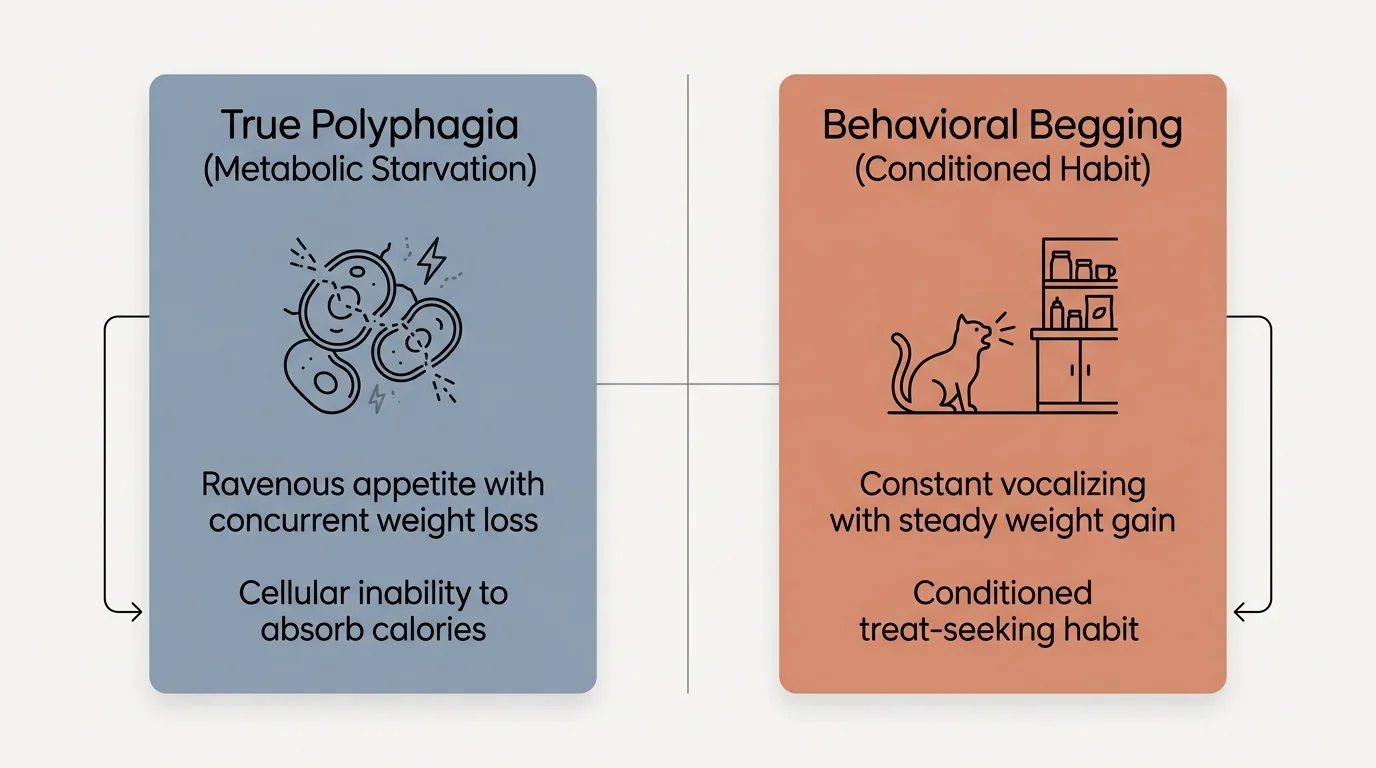
True polyphagia differs fundamentally from behavioral begging. A truly polyphagic cat experiences cellular starvation because their body cannot utilize or absorb the calories they eat.
Conversely, behavioral begging often represents a conditioned habit. Cats quickly learn that vocalizing near the pantry or kitchen counter prompts their owners to dispense tasty treats.
Observing your cat’s body weight provides the first critical clue. When a cat eats ravenously while losing weight, a systemic metabolic disease is almost always the cause.
If your cat eats constantly and steadily gains excess weight, behavioral overeating or calorie-dense food is usually responsible.
Primary Medical Conditions That Cause Constant Hunger
Several progressive health conditions disrupt feline metabolism, forcing the body to demand constant fuel. Recognizing these clinical conditions ensures prompt veterinary intervention.
1. Feline Hyperthyroidism
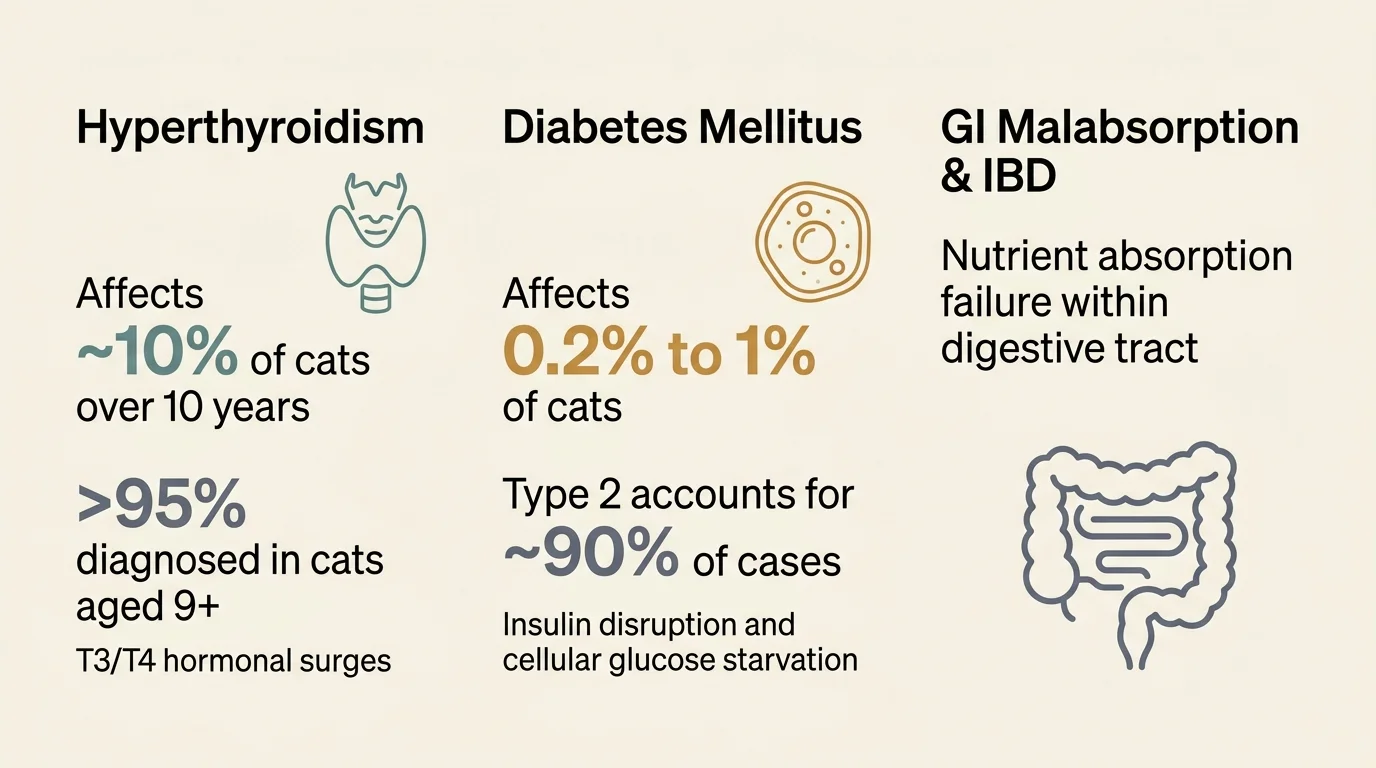
Hyperthyroidism occurs when an overactive thyroid gland produces excessive amounts of thyroid hormones (T3 and T4). This hormonal surge dramatically accelerates your cat’s basal metabolic rate.
According to the Cornell Feline Health Center, hyperthyroidism affects roughly 10% of cats over 10 years of age. More than 95% of diagnosed cases occur in cats aged 9 and older.
Affected cats burn calories faster than they can consume them. They pace restlessly, vocalize at night, and develop an unquenchable thirst alongside their ravenous appetite.
Despite eating double their normal food portions, hyperthyroid cats lose significant muscle mass. Their coats often appear unkempt, greasy, or matted.
2. Feline Diabetes Mellitus
Diabetes mellitus impairs a cat’s ability to produce or respond to insulin, the hormone responsible for transporting glucose into cells. Without functional insulin, glucose accumulates in the bloodstream instead of fueling the body.
Veterinary data indicates that diabetes affects between 0.2% and 1% of domestic cats. Type 2 diabetes accounts for approximately 90% of these feline cases.
Because cellular tissues cannot access circulating glucose, the brain signals that the body is starving. This metabolic paradox triggers intense polyphagia alongside rapid weight loss.
Diabetic cats also exhibit excessive thirst (polydipsia) and frequent, large-volume urination (polyuria). You will likely notice heavy litter boxes and water bowls emptying twice as fast.
3. Gastrointestinal Malabsorption and Inflammatory Bowel Disease (IBD)
A cat can consume plenty of calories, but their digestive tract must successfully absorb those nutrients. Chronic gastrointestinal disorders disrupt this vital absorption process.
According to the Merck Veterinary Manual, inflammatory bowel disease causes chronic mucosal inflammation in the small intestine. This structural damage prevents vital macronutrient absorption.
Conditions like exocrine pancreatic insufficiency (EPI) and low-grade alimentary lymphoma cause similar malabsorptive states. Food passes through the gastrointestinal tract without nourishing the tissues.
Cats suffering from malabsorption remain chronically hungry because their cells starve for fuel. They frequently exhibit loose stools, intermittent vomiting, and noticeable muscle wasting along the spine.
4. Intestinal Parasites
Intestinal parasites like roundworms, tapeworms, and hookworms live inside the digestive tract. These organisms siphon off digested nutrients before your cat’s body can absorb them.
Parasitic burdens occur frequently in outdoor cats, active hunters, and shelter rescues. Fleas transmit tapeworm larvae when cats ingest them during normal grooming routines.
Heavily infected cats often develop a distended, pot-bellied appearance coupled with a dull coat and ravenous hunger. Routine fecal tests easily detect these parasitic infections.
Nutritional Deficiencies and Inappropriate Diets
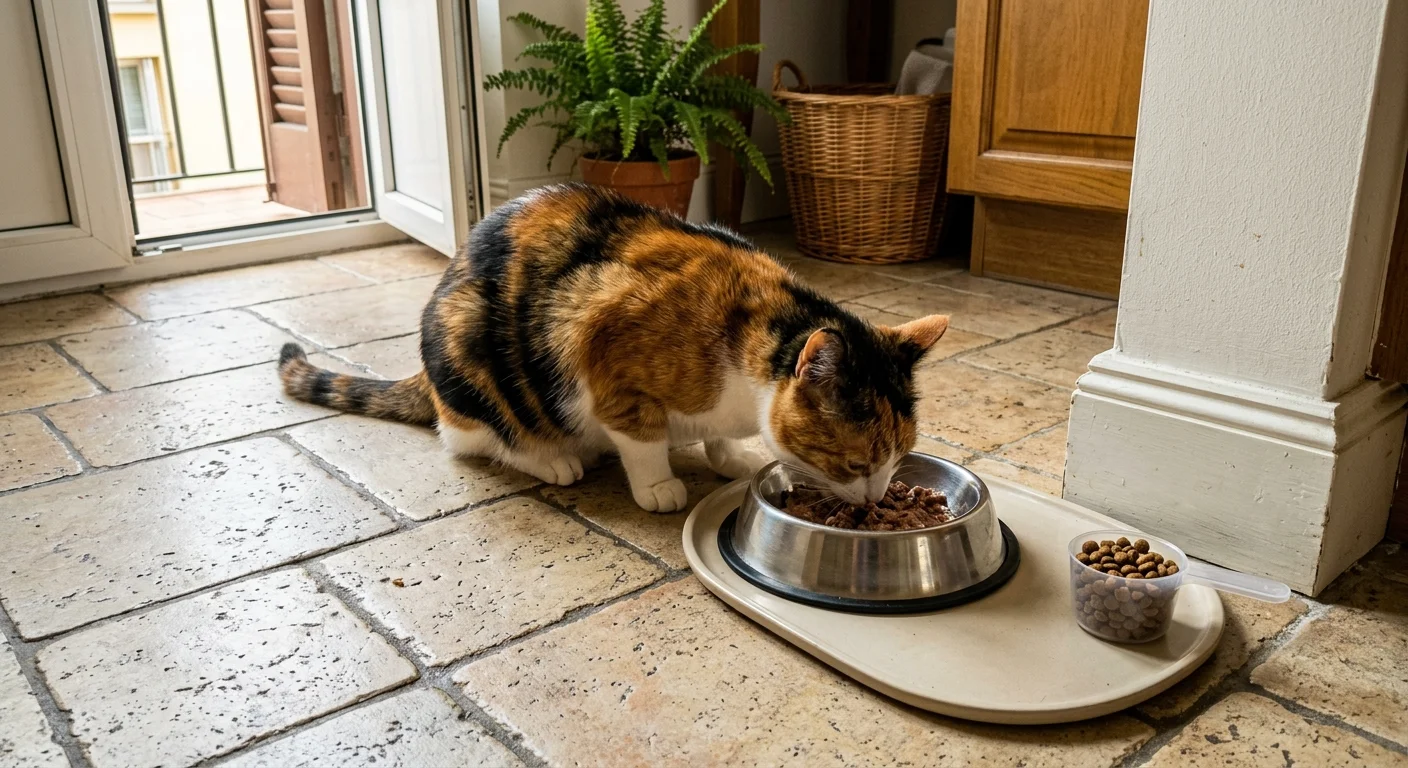
Medical diseases are not the only drivers of an insatiable feline appetite. Low-quality diets and improper macronutrient ratios frequently leave cats unsatisfied.
The Problem with Low Bioavailable Protein
Cats are obligate carnivores requiring high levels of animal-based protein to thrive. Their bodies utilize dietary amino acids for energy production and tissue repair.
The Association of American Feed Control Officials (AAFCO) requires adult cat maintenance food to contain at least 26% crude protein. Diets for growth and reproduction require a minimum of 30% crude protein.
However, crude protein percentages do not guarantee biological availability. Inexpensive foods formulated with excessive plant proteins fail to provide essential feline amino acids like taurine, arginine, and methionine.
When a diet lacks bioavailable animal protein, your cat’s brain never receives the biochemical signals that signal fullness. The cat keeps eating in an instinctive effort to meet their baseline amino acid requirements.
High-Carbohydrate Fillers
Feline digestive physiology lacks the metabolic machinery to process large amounts of dietary carbohydrates efficiently. Cats do not produce salivary amylase and have minimal intestinal disaccharidase activity.
Dry kibble often relies on starch binders like corn, wheat, or peas to hold its extruded shape. These high-glycemic carbohydrates trigger sharp spikes and subsequent crashes in blood glucose.
These rapid blood sugar fluctuations stimulate sudden hunger signals shortly after meals. Transitioning to protein-rich food provides sustained energy release and long-lasting satiety.
Inadequate Calorie Density for Life Stages
Growing kittens, active young adults, and pregnant or nursing mothers have exceptionally high caloric demands. Feeding a standard adult maintenance diet to an active adolescent cat can create a real caloric deficit.
Check the caloric density listed on your pet’s food packaging. Active cats fed calorie-dilute formulas must consume enormous volumes just to meet basic metabolic needs.
Psychological and Behavioral Triggers
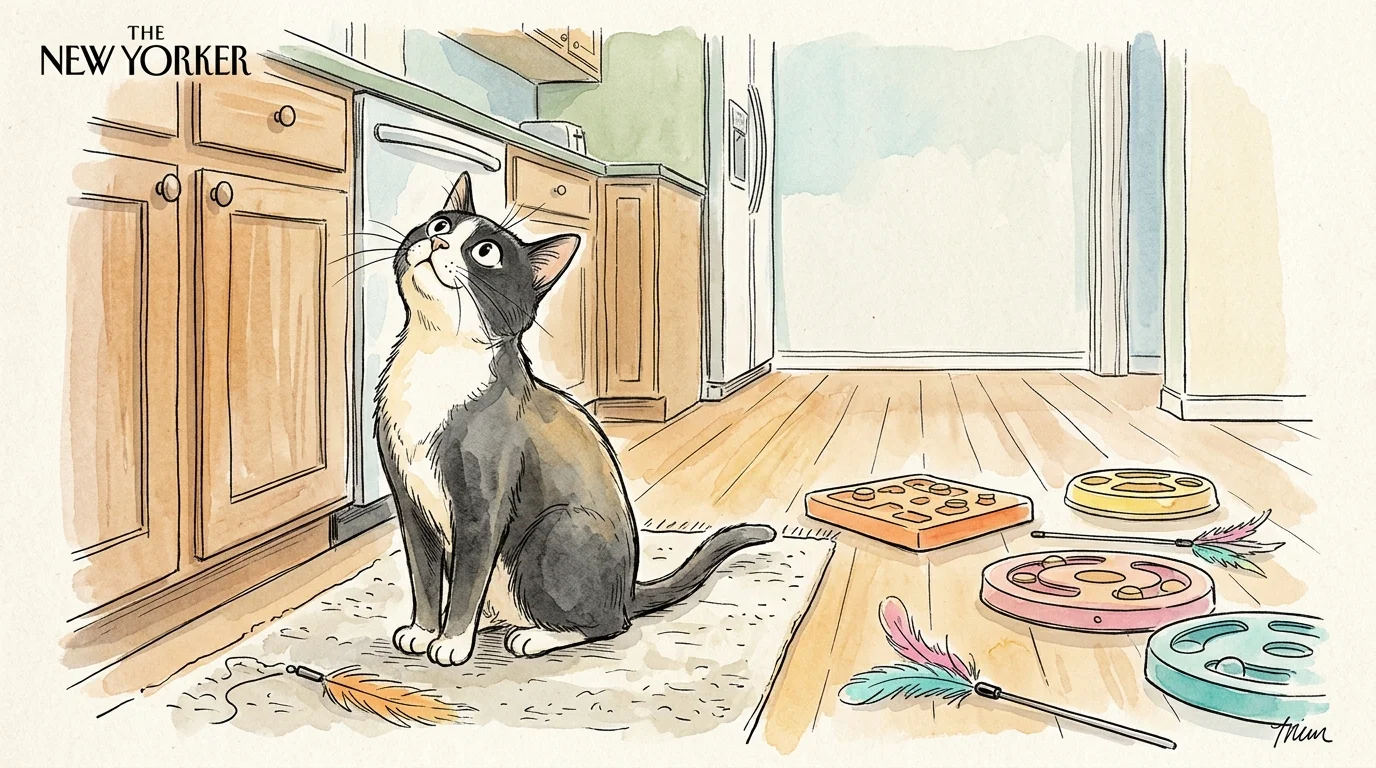
When veterinary diagnostics rule out underlying medical and nutritional problems, behavioral factors take center stage. Indoor cats frequently develop compulsive eating routines due to environmental factors.
Boredom and Environmental Deprivation
Wild felines spend hours hunting, stalking, and exploring their territory. Indoor cats, by contrast, often spend long hours alone in predictable, unstimulating environments.
Eating becomes the most exciting event in a bored cat’s day. They solicit food not out of biological hunger, but as a way to alleviate monotony and pass the time.
Without mental enrichment, predatory play, or puzzle toys, food obsession quickly becomes an ingrained behavioral coping mechanism.
Learned Owner Conditioning
Cats excel at training their human companions. When a cat meows loudly and rubs against your ankles, you might instinctively offer a treat to soothe them.
This action reinforces the behavior instantly. Your cat learns that persistent vocalization produces immediate culinary rewards, establishing a continuous cycle of begging throughout the day.
Resource Insecurity in Multi-Pet Homes
Living in a multi-cat household can create subtle territorial tension around feeding stations. Subordinate cats often feel anxious about access to food resources.
This social stress triggers a “scarce resource” mindset. Anxious cats bolt their food instantly and roam searching for leftover bowls, fearing their next meal might disappear.
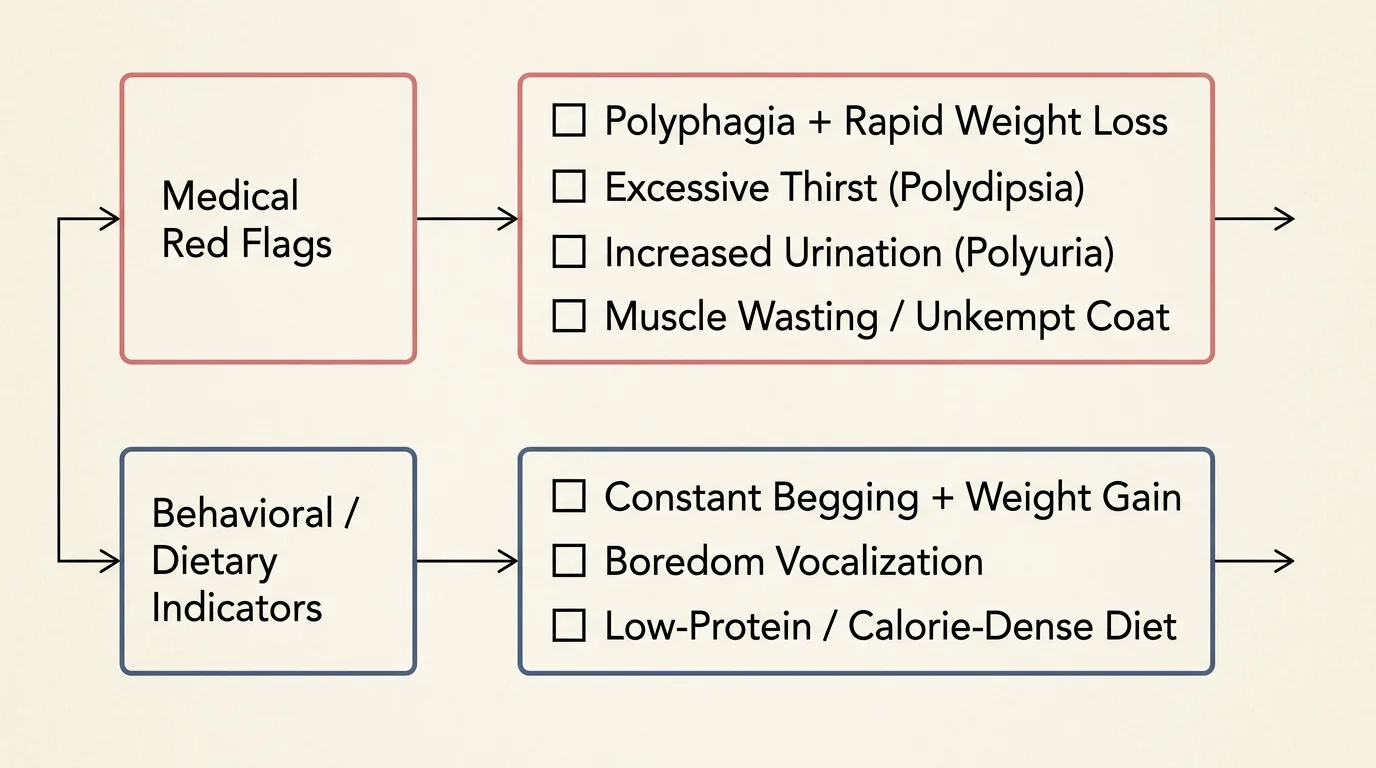
Evaluating Feline Hunger: Medical vs. Behavioral Indicators
Differentiating between biological polyphagia and behavioral begging requires careful observation of daily habits. Use the comparison table below to identify your cat’s primary pattern.
| Evaluation Metric | Medical Polyphagia | Behavioral Begging |
|---|---|---|
| Weight Trend | Rapid or steady weight loss despite high intake | Stable weight or progressive weight gain |
| Water Intake | Significantly increased (polydipsia) | Normal, unchanged daily water consumption |
| Litter Box Output | Large urine clumps or chronic loose stools | Normal stool consistency and urine frequency |
| Response to Play | Ignores toys; searches obsessively for food | Easily distracted by wand toys or laser pointers |
| Coat Condition | Dull, unkempt, greasy, or thinning fur | Clean, glossy, well-groomed fur |
| Primary Action | Comprehensive veterinary bloodwork and urinalysis | Portion control and environmental enrichment |
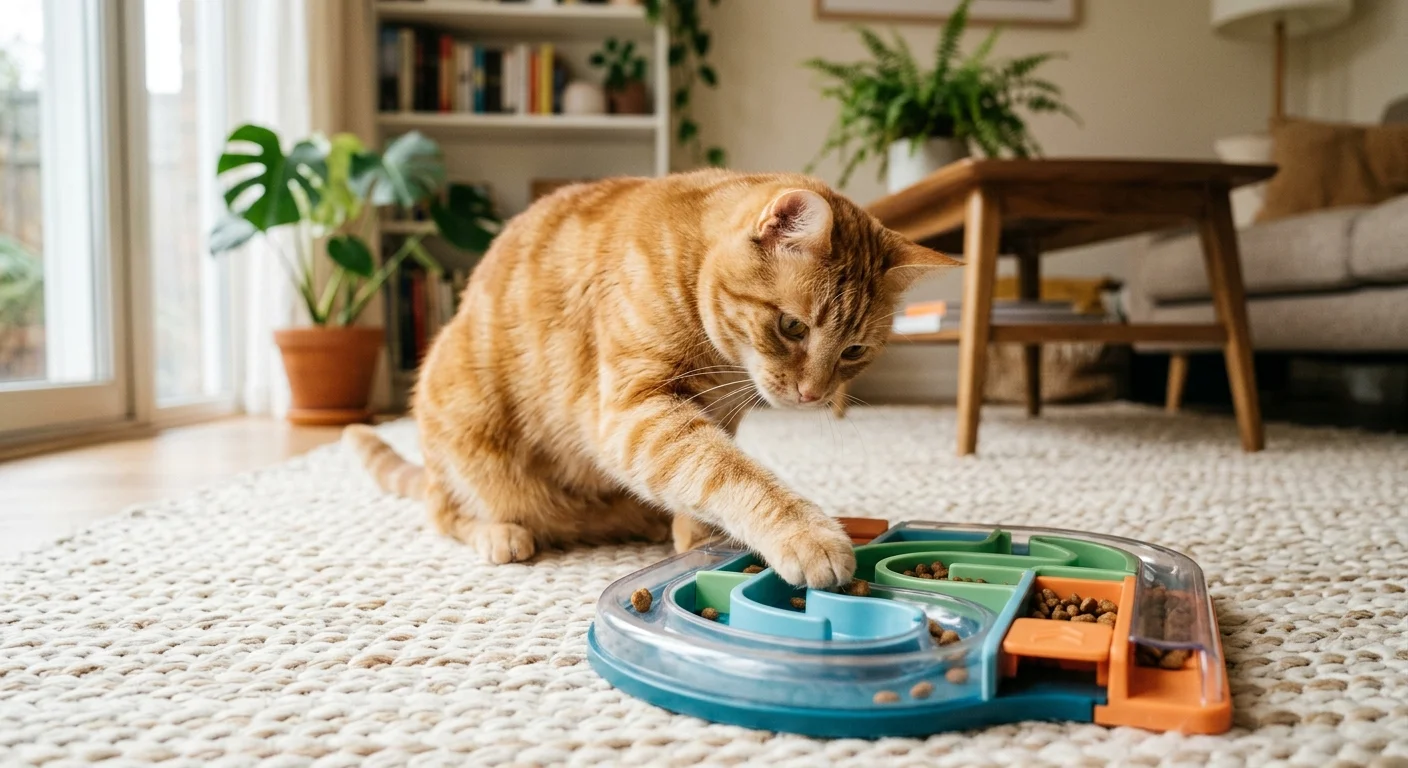
Practical Steps to Manage Your Cat’s Relentless Appetite
Once you understand why your cat seeks food constantly, implement structured changes to restore balance. These targeted strategies address both biological and behavioral hunger.
- Switch to Moisture-Rich Wet Food: Wet canned food contains roughly 75% to 80% moisture compared to 10% in dry kibble. High moisture expands food volume in the stomach, promoting immediate physical fullness without excess calories.
- Utilize Interactive Puzzle Feeders: Ditch open bowls in favor of foraging mats, lick mats, and treat mazes. Puzzle toys slow ingestion speed, simulate predatory hunting behavior, and satisfy mental boredom.
- Install Automated Timed Feeders: Program an automatic feeder to dispense measured portions 4 to 6 times daily. Multiple small meals mimic natural feline hunting cycles and detach you from food delivery.
- Establish Predatory Play Sessions: Engage your cat in 15-minute vigorous play sessions using feather wands before scheduled mealtimes. Completing the “hunt-catch-kill-eat-groom-sleep” cycle satisfies their natural instincts.
- Separate Multi-Cat Feeding Stations: Feed cats in separate rooms out of sight from one another. Removing visual competition reduces mealtime anxiety and eliminates resource-guarding behaviors.
What This Means for You
Managing an insatiably hungry cat requires shifting from reactive feeding to proactive health monitoring. Tracking subtle physical changes helps you catch progressive illnesses before they become emergencies.
Start by monitoring your cat’s Body Condition Score (BCS) on a standard 1 to 9 scale. You should easily feel their ribs beneath a slight fat covering and observe an obvious waistline from above.
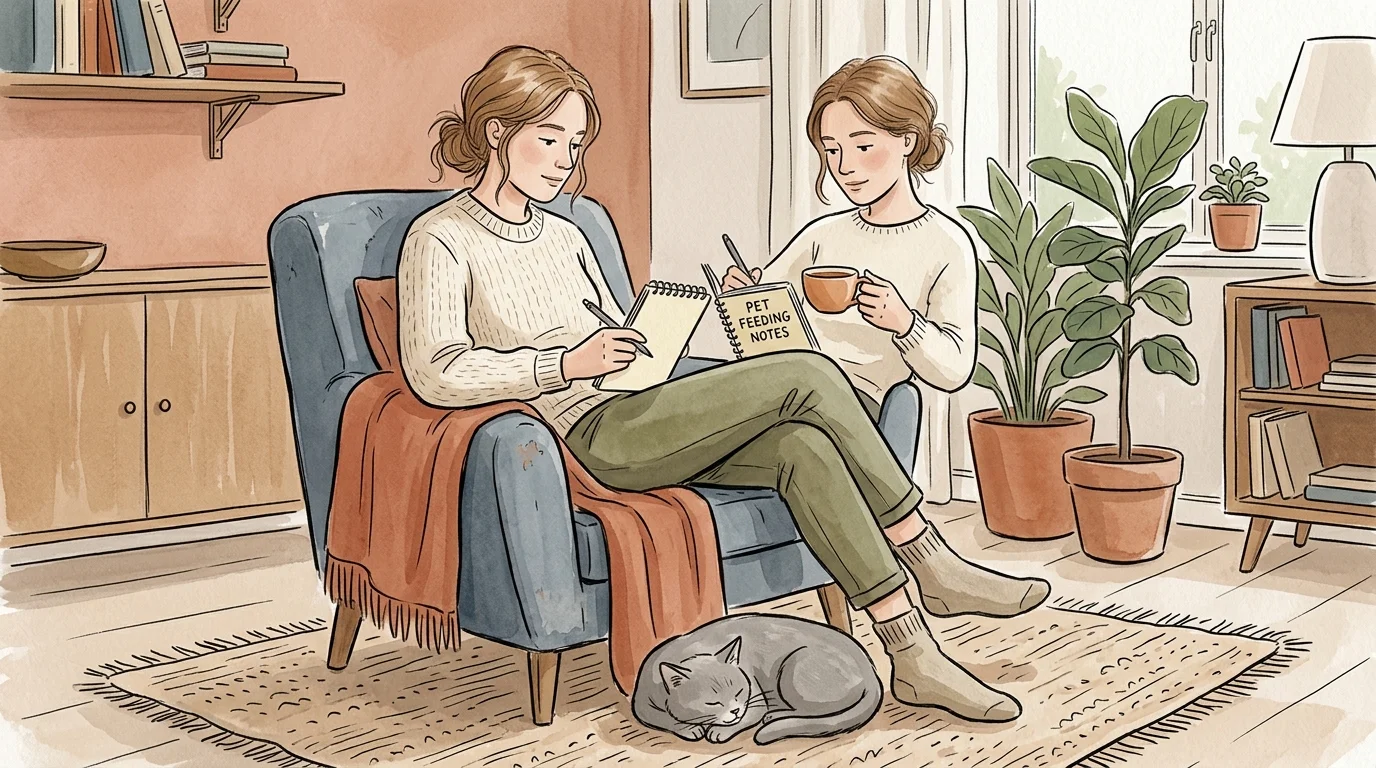
Weigh your cat every two weeks on a digital baby scale. Document their weight, daily food consumption, and litter box habits in a dedicated health journal.
This concrete data gives your veterinarian precise historical trends if medical diagnostic testing becomes necessary.
What Can Go Wrong
Failing to identify the root cause of relentless feline hunger can trigger severe health consequences. Avoid these common pitfalls to protect your pet’s wellbeing.
Scenario 1: Free-feeding a begging cat leads to severe obesity. Giving in to persistent meowing expands caloric intake dramatically.
According to the Association for Pet Obesity Prevention, approximately 61% of pet cats in the U.S. are overweight or obese, which drastically raises osteoarthritis, urinary, and diabetes risks.
Scenario 2: Dismissing ravenous hunger and weight loss as normal aging. Many owners assume senior cats naturally become thin and hungry. Ignoring these classic signs allows progressive conditions like hyperthyroidism or renal disease to cause irreversible organ strain.
Scenario 3: Slashing calories too aggressively during a diet. Plunging an overweight cat into severe calorie restriction triggers hepatic lipidosis (fatty liver disease). This life-threatening metabolic failure occurs when the liver becomes overwhelmed by rapidly mobilized body fat stores.
Scenario 4: Overlooking routine parasite deworming. Neglecting annual fecal screenings allows internal parasites to compromise your cat’s intestinal lining. Chronic untreated parasitic infections cause anemia, systemic inflammation, and severe nutritional deficiencies.
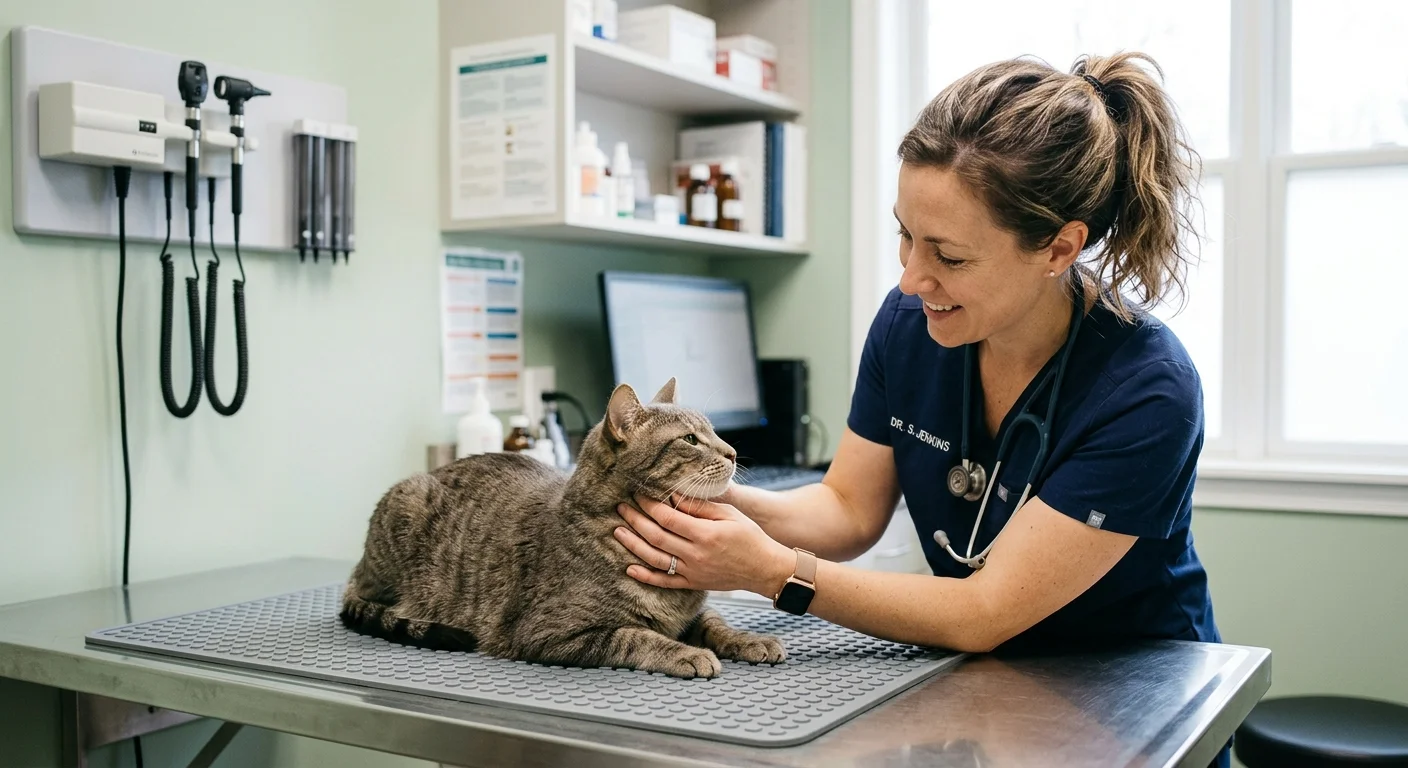
Where Outside Advice Pays Off
While minor behavioral adjustments can be managed at home, several clinical scenarios require immediate professional veterinary diagnostics.
Scenario 1: Voracious appetite paired with rapid weight loss. If your cat consumes large meals but loses visible muscle mass along their spine, schedule an immediate veterinary exam. Blood chemistry profiles, complete blood counts, and total T4 tests are essential.
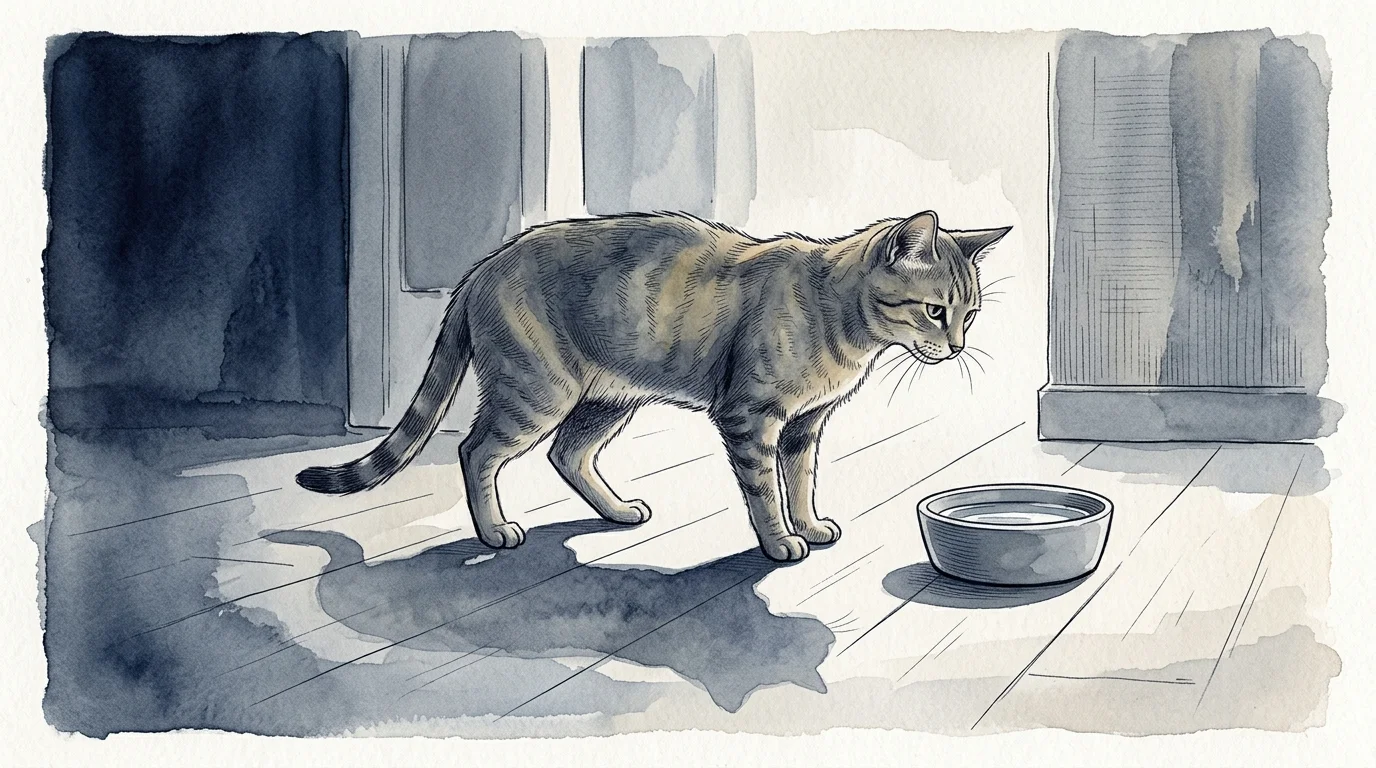
Scenario 2: Hunger accompanied by excessive thirst and urination. Frequent trips to the water bowl and oversized urine clumps strongly indicate diabetes mellitus or kidney disease. A veterinarian must evaluate serum glucose levels and run a comprehensive urinalysis.
Scenario 3: Chronic vomiting or recurring diarrhea. Persistent digestive distress alongside constant hunger points toward inflammatory bowel disease, food allergies, or intestinal lymphoma. An internal medicine specialist can perform abdominal ultrasound imaging.
Scenario 4: Formulating a medical weight-loss plan. Designing a safe reducing diet for an obese cat requires precise caloric calculations. A veterinary nutritionist ensures your cat loses fat safely without sacrificing essential lean muscle mass.
Frequently Asked Questions
Why is my cat always hungry on dry food?
Dry kibble is often high in carbohydrates and low in bioavailable animal protein and moisture. Because cats lack efficient carbohydrate metabolism, these diets fail to stimulate natural feline satiety hormones.
Can indoor cats get worms that make them hungry?
Yes, indoor cats can contract tapeworms by ingesting infected fleas during grooming. They can also acquire roundworm eggs brought indoors on footwear or through accidental contact with household pests.
How many calories should an average cat eat per day?
An average, healthy 10-pound adult indoor cat requires approximately 200 to 250 calories per day. This requirement varies based on age, reproductive status, body condition score, and activity level.
Why does my older cat scream for food constantly?
Senior cats vocalizing loudly for food often suffer from hyperthyroidism, systemic hypertension, or feline cognitive dysfunction. A comprehensive geriatric blood panel easily identifies or rules out these age-related conditions.
Moving Forward with Your Cat’s Care
Restoring a healthy relationship between your cat and their food bowl begins with careful observation and accurate diagnosis. Treat unexplained appetite spikes as meaningful clinical data rather than simple stubbornness.
By ruling out metabolic illness, upgrading nutritional quality, and providing engaging enrichment, you ensure your feline companion stays satisfied, healthy, and thriving for years to come.
This is general informational content based on widely accepted guidance. Individual results vary.
Verify current details—rules, prices, eligibility, regulations—with official sources before making important decisions.
Last updated: May 2026. Rules, prices, and details change—verify current information with official sources before acting on it.