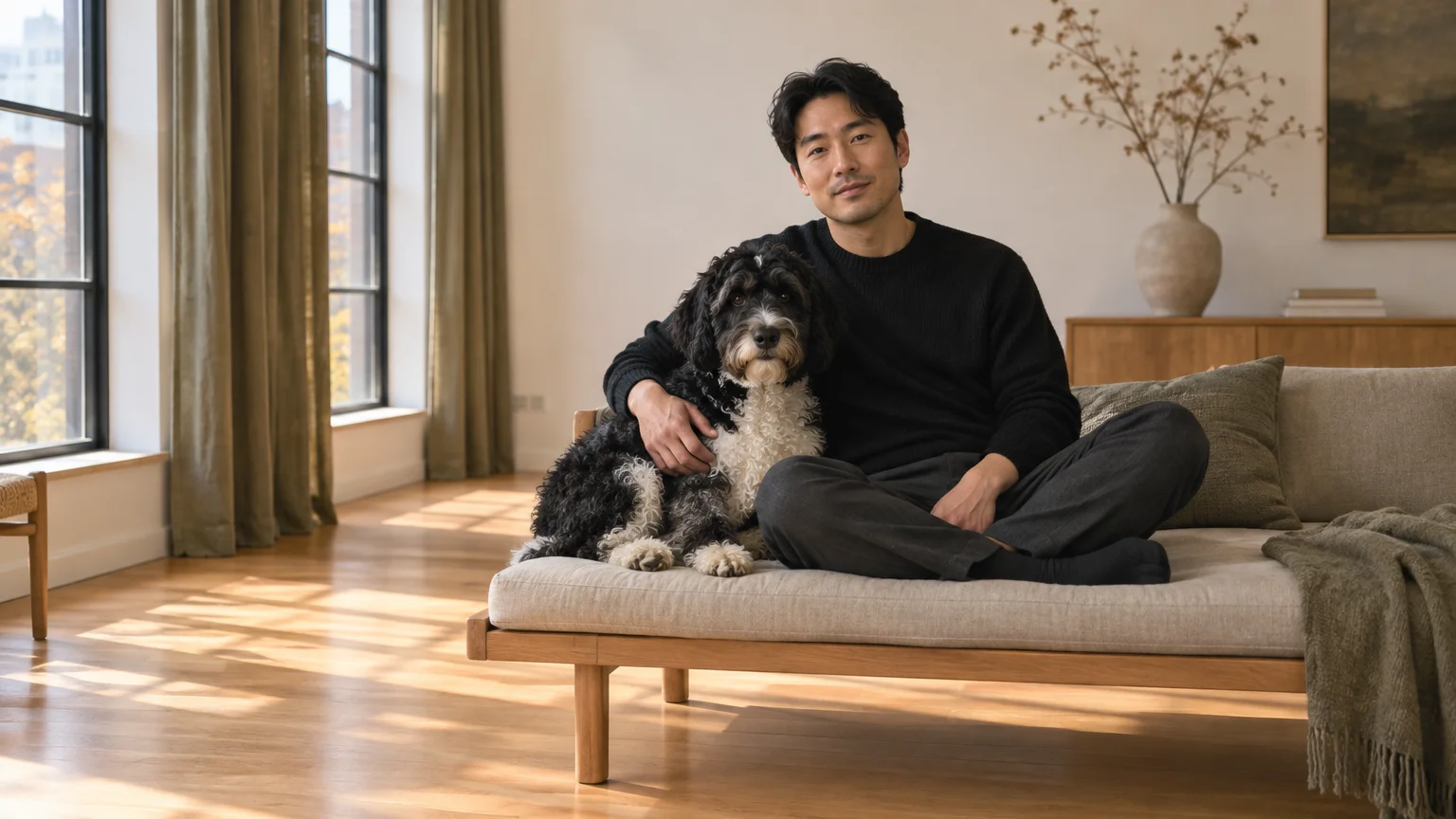
Constant vacuuming and lint-rolling your dark clothing can quickly take the joy out of pet ownership. Choosing the right low-shedding dog keeps your floors pristine while bringing a loyal, affectionate companion into your home.
While no dog is entirely shed-free, certain breeds feature single coats with hair that grows continuously. This hair traps loose strands before they ever fall onto your rugs or drift across hardwood floors.
If you want clean home pets that minimize indoor dander and mess, coat structure makes all the difference. Explore these ten exceptional low-shedding breeds to find your ideal match.
The Science Behind Low-Shedding Dog Breeds
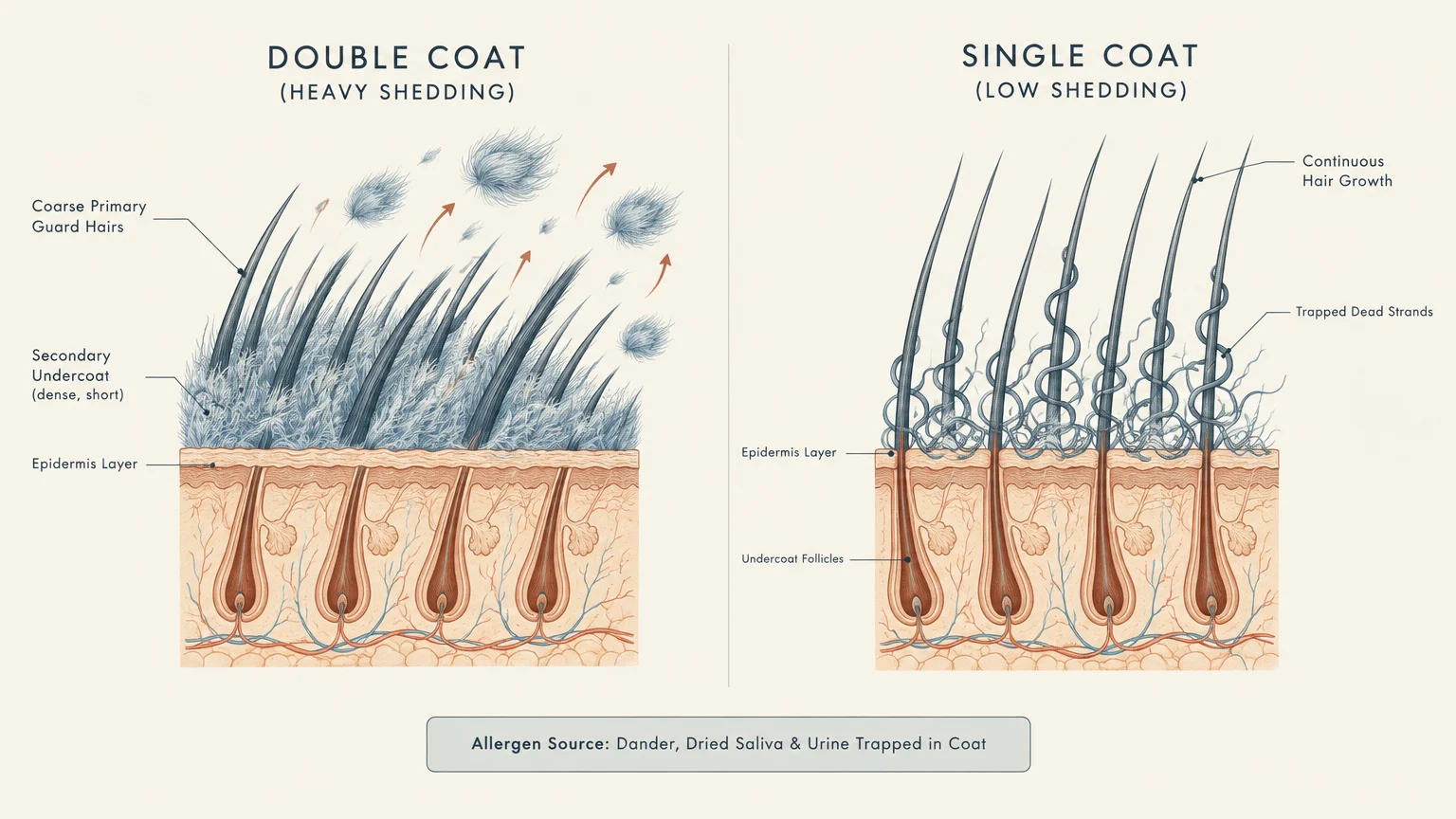
Canine shedding depends primarily on the biological growth cycle of the hair follicle. Breeds that shed heavily experience a short growth phase followed by rapid shedding.
In contrast, low-shedding dog breeds have an extended growth cycle where hair grows continuously. This growth pattern mirrors human hair rather than traditional animal fur.
Double-coated dogs possess a coarse outer coat and a dense, insulating undercoat. These dogs drop their undercoats in large clumps during spring and autumn seasonal shifts.
Single-coated breeds lack this dense underlayer completely. Because they carry only one layer of hair, they do not undergo sudden, massive seasonal hair releases.
According to the American Kennel Club, single coats trap dead hairs against the body until brushed out. This mechanism keeps loose strands from settling into your upholstery, carpeting, and air vents.
Many prospective pet owners research dog breeds for allergies to reduce sneezing and watery eyes. However, canine hair itself does not cause allergic reactions in humans.
Research from the Asthma and Allergy Foundation of America indicates that dried saliva, urine, and dander trigger symptoms. Because low-shedding hair holds onto dander, it minimizes allergen circulation throughout your home.
01 Poodle: Brilliant, Athletic, and Virtually Fur-Free
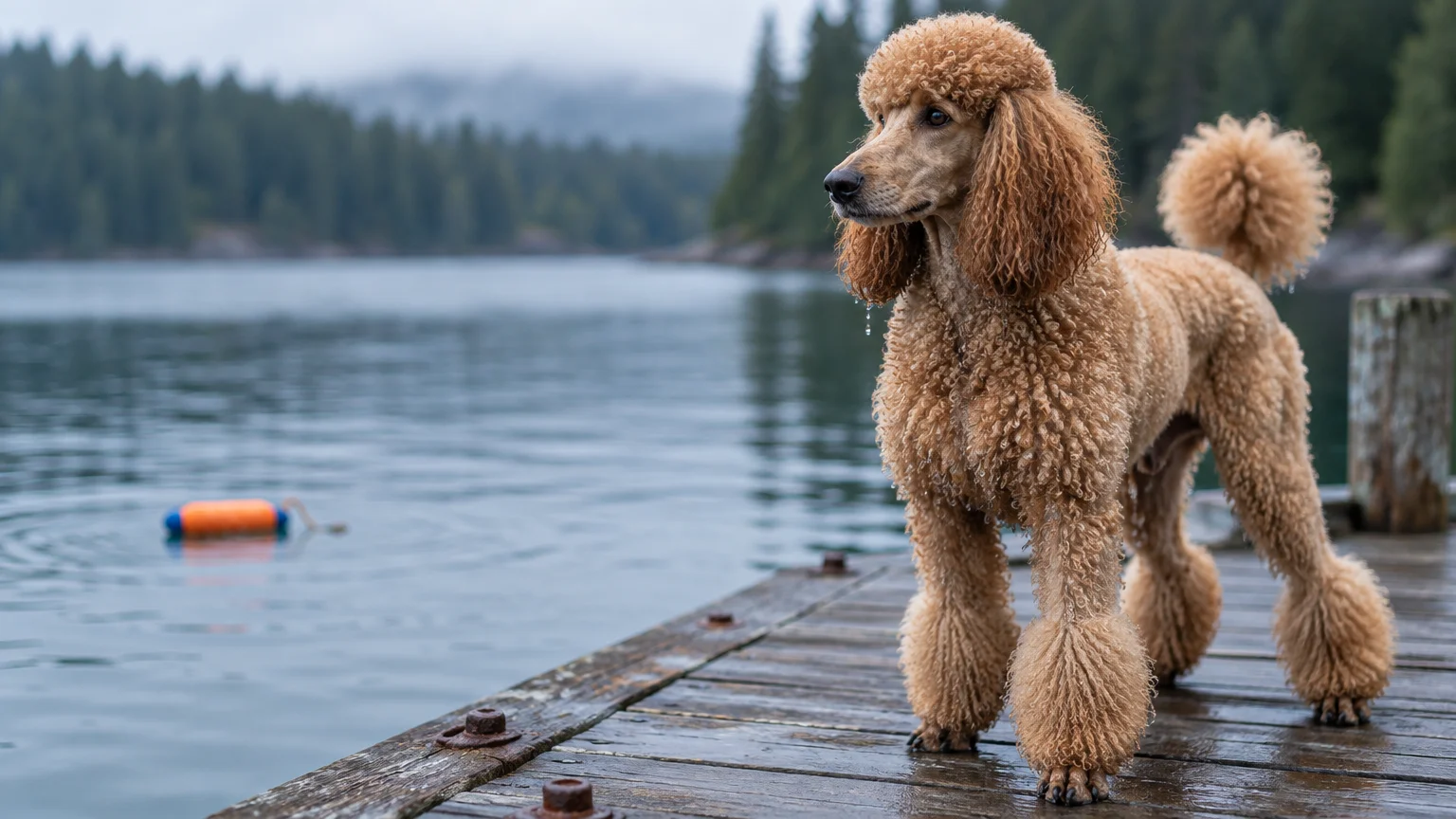
Poodles stand as the gold standard among dogs that don’t shed. Available in standard, miniature, and toy sizes, they fit seamlessly into apartments or country estates.
Their single coat consists of dense, curly hair that traps shed strands before they hit your floors. Brush your Poodle three times weekly, and schedule professional clipping every six weeks.
Standard Poodles need vigorous exercise like swimming, while smaller varieties prefer brief daily romps. Their sharp intellect demands interactive puzzle toys to prevent boredom.
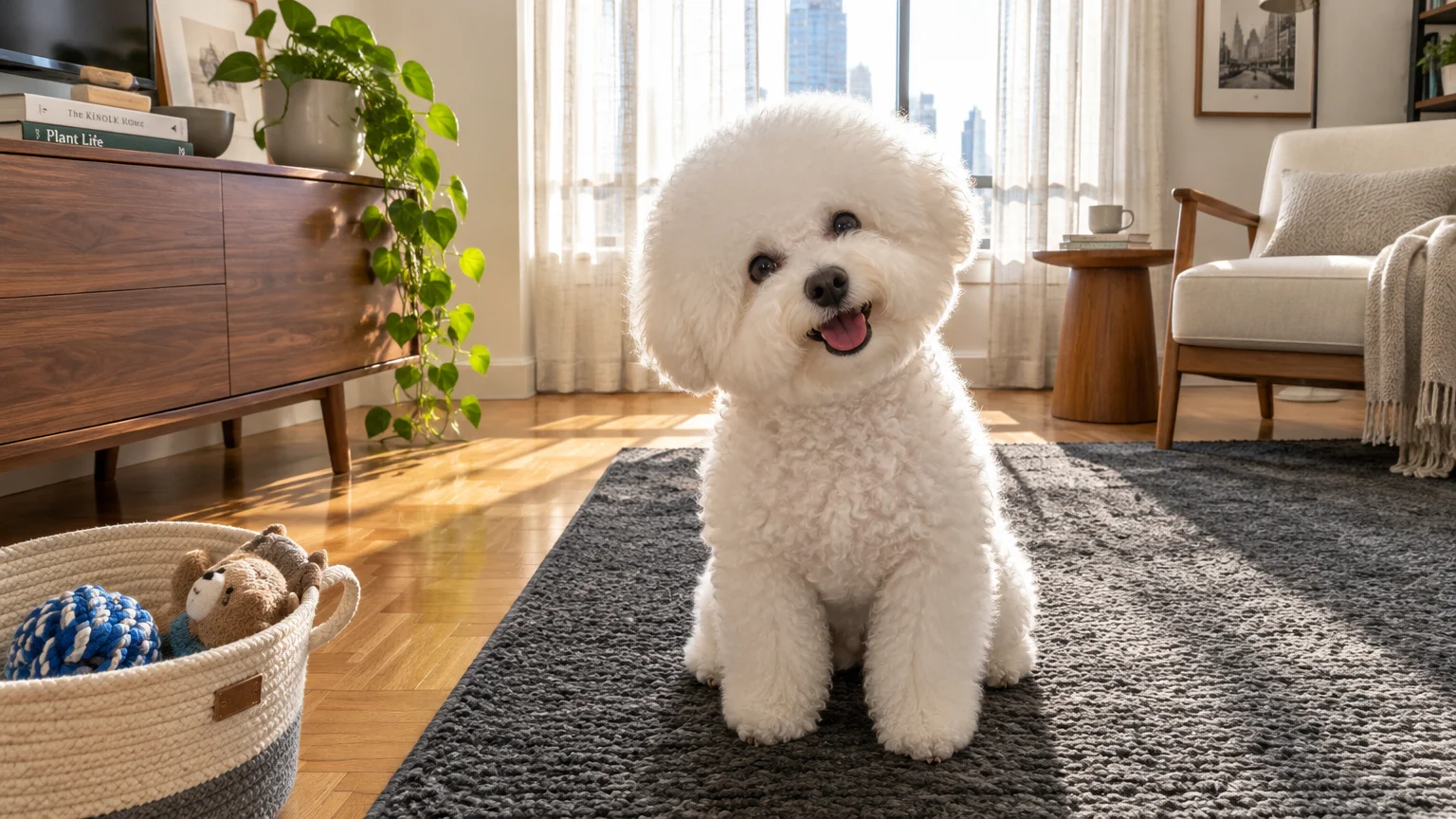
02 Bichon Frise: The Cheerful Powder Puff
The Bichon Frise charms families with its cheerful disposition and velvety white coat. Because their hair grows continuously, loose strands stay trapped inside their tight, plush curls.
This breed produces minimal dander, making them an ideal choice for sensitive households. Daily line combing and a monthly scissor trim prevent painful matting against the skin.
Bichons adapt remarkably well to apartment living and get along with other household pets. A brisk daily walk and indoor fetch easily satisfy their moderate exercise needs.
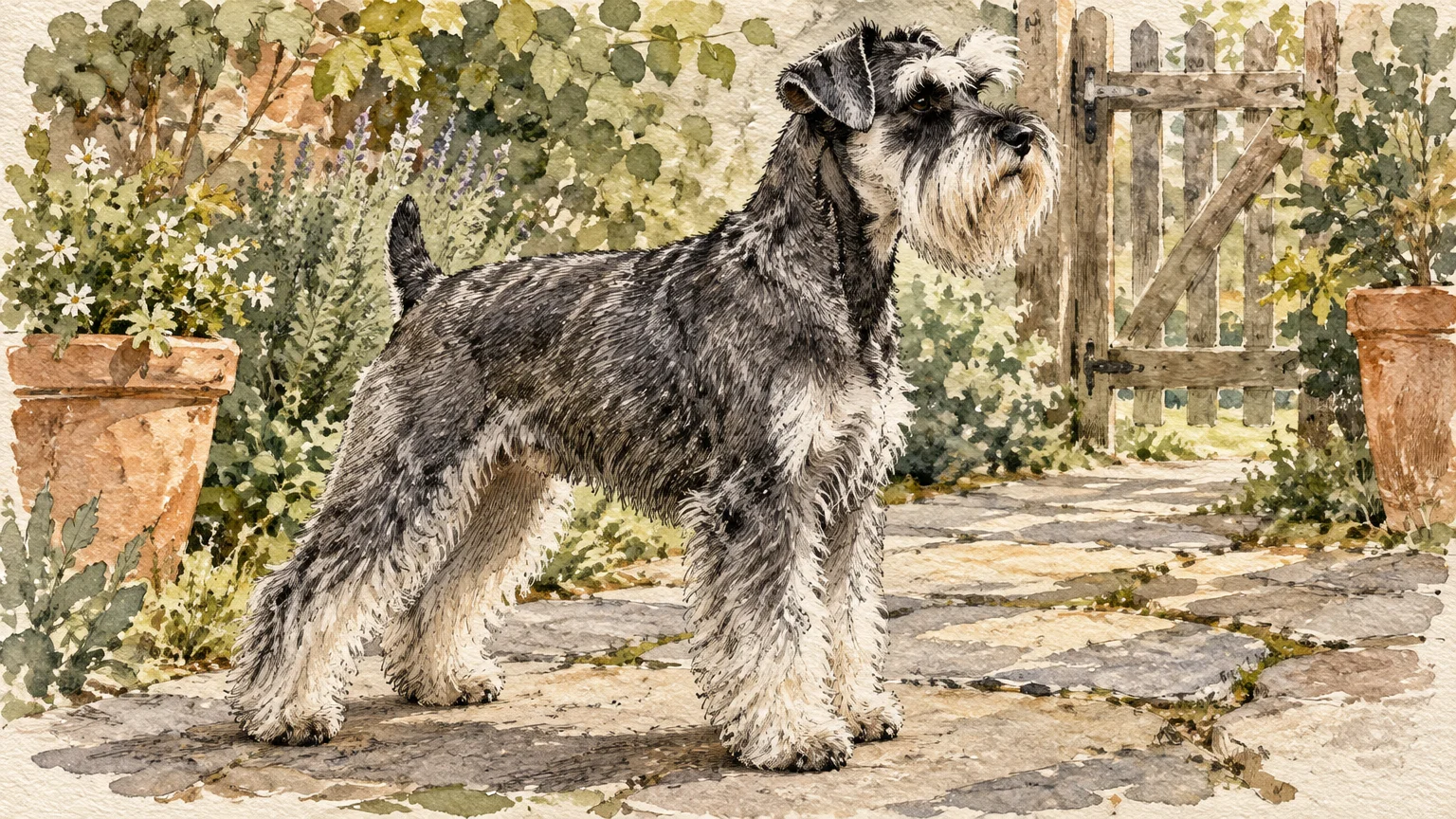
03 Miniature Schnauzer: Spirited Guard with a Wire Coat
Miniature Schnauzers sport a wiry double coat that sheds negligibly when maintained properly. Their stiff outer hairs naturally repel mud and dirt, keeping outdoor mess outside.
Hand-stripping preserves the rich color and harsh texture, while clipping offers a softer, lower-maintenance finish. Comb their beard twice weekly to remove trapped food and prevent odors.
These spirited terriers possess sharp watchdog instincts and announce visitors promptly. Their loyalty and playful enthusiasm make them devoted companions for active households.
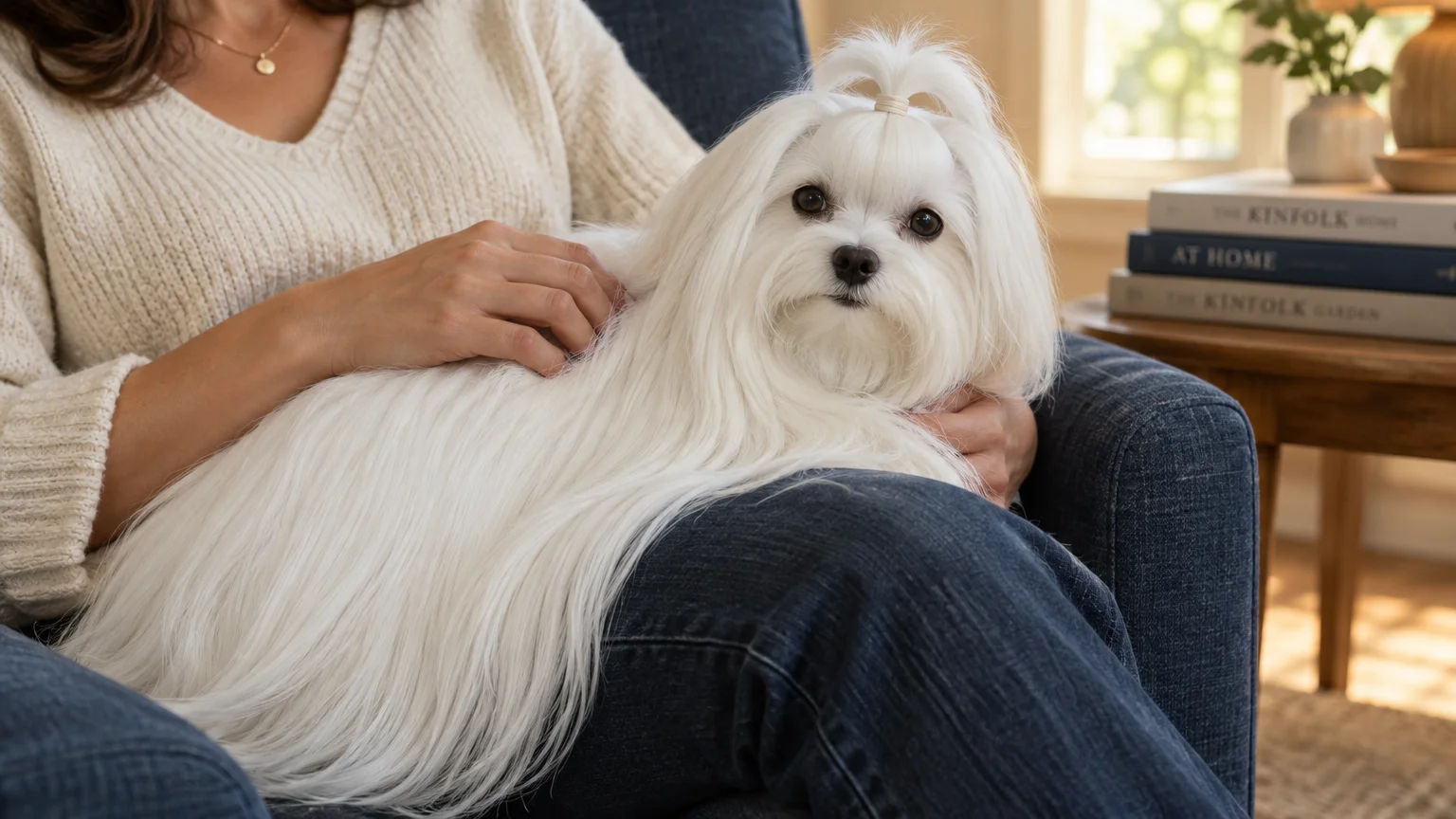
04 Maltese: Ancient Lap Dogs with Silky Strands
Maltese dogs have served as elegant lap companions for Mediterranean aristocrats across millennia. Their pure white mantle lacks an undercoat completely, eliminating floating fur balls.
Because their silky hair behaves like human hair, loose strands release only during thorough brushing. Pet parents often choose a short puppy trim to skip lengthy daily combing sessions.
Maltese dogs weigh under seven pounds and thrive in cozy indoor spaces. They require only modest indoor play and gentle neighborhood strolls to stay happy and fit.
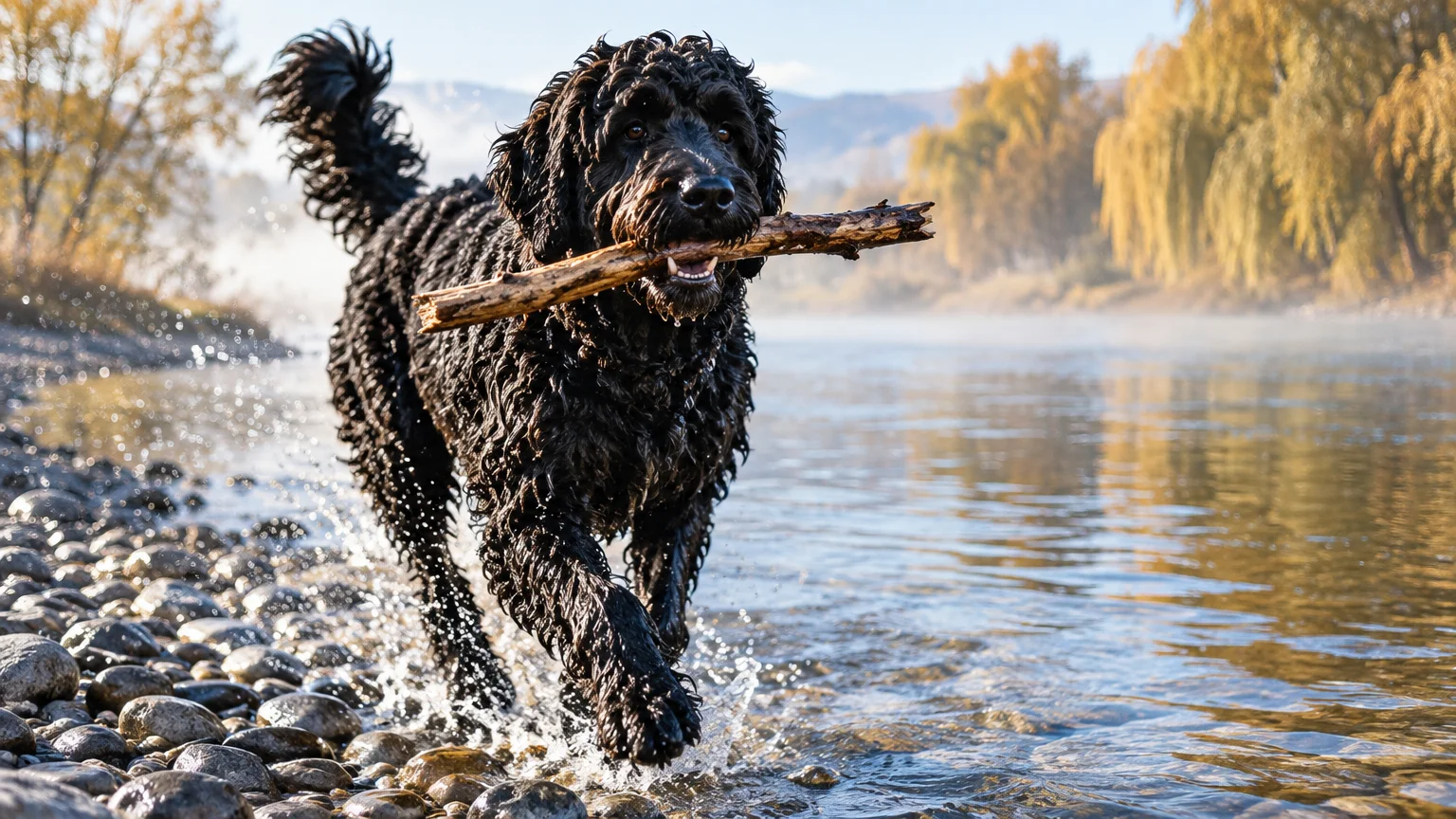
05 Portuguese Water Dog: Energetic Swimmers with Low Dander
Portuguese Water Dogs rose to fame as White House pets for an allergy-sensitive family. Originally bred to retrieve gear for fishermen, their single coat is water-repellent and low-dander.
Their single coat comes in either tight, spiral curls or shiny, loose waves. Comb their coat twice weekly and book clipping appointments every six to eight weeks.
These athletic working dogs require at least an hour of vigorous exercise daily. They excel when you involve them in agility sports, swimming, or long outdoor hikes.
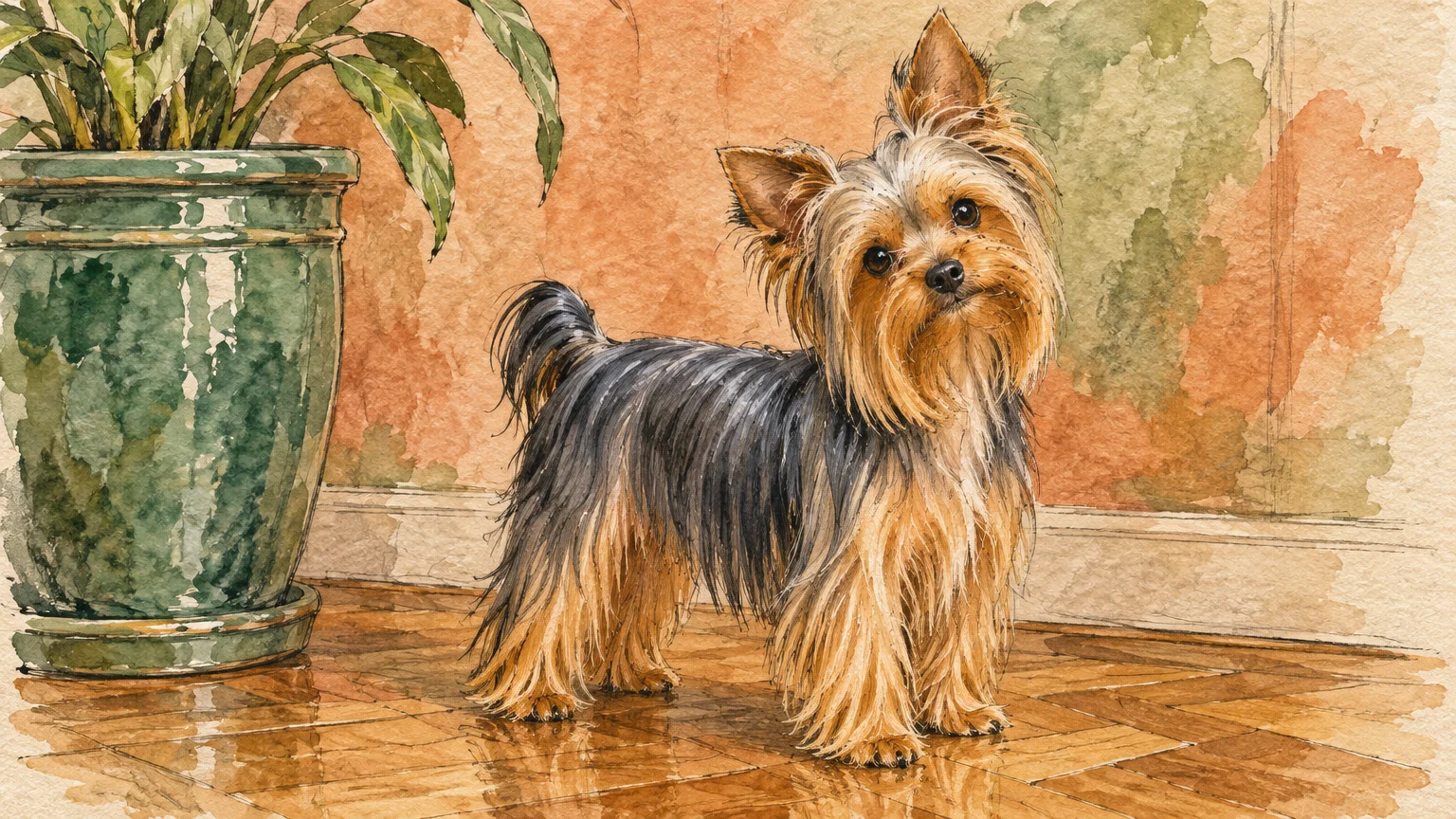
06 Yorkshire Terrier: Big Personality in a Tiny Package
Yorkshire Terriers feature fine, glossy hair that shares the exact same texture as human hair. They do not undergo seasonal shedding blowouts, keeping your bedspreads and couches immaculate.
Loose strands fall out only during combing rather than drifting through your indoor air. A neat puppy trim keeps weekly grooming fast and simple for busy owners.
Yorkies pack true terrier confidence and bravery into a tiny, portable frame. They make watchful sentinels for your home and love curling up beside you on the sofa.
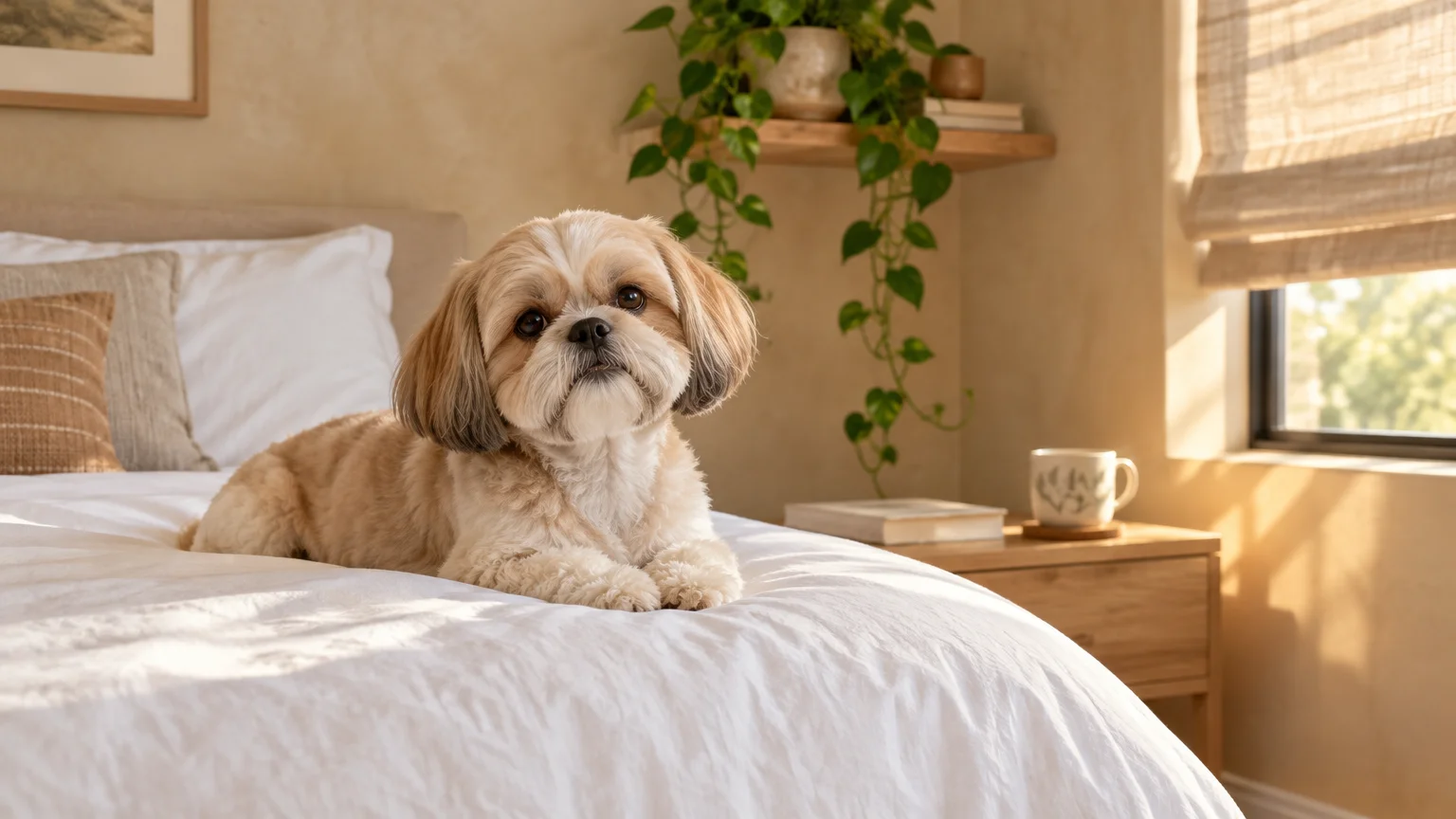
07 Shih Tzu: Gentle Companions with Luxurious Manes
Shih Tzus originated as cherished palace companions for Chinese royalty. Their luxurious coat sheds minimally because dead hairs remain caught in the longer outer strands until brushed away.
Daily brushing with a pin brush keeps their coat smooth and tangle-free. A professional puppy cut reduces weekly grooming chores down to just a few minutes.
Shih Tzus display a gentle, affectionate nature that fits peaceful homes. They demand minimal outdoor exercise and prefer lounging comfortably near their favorite humans.
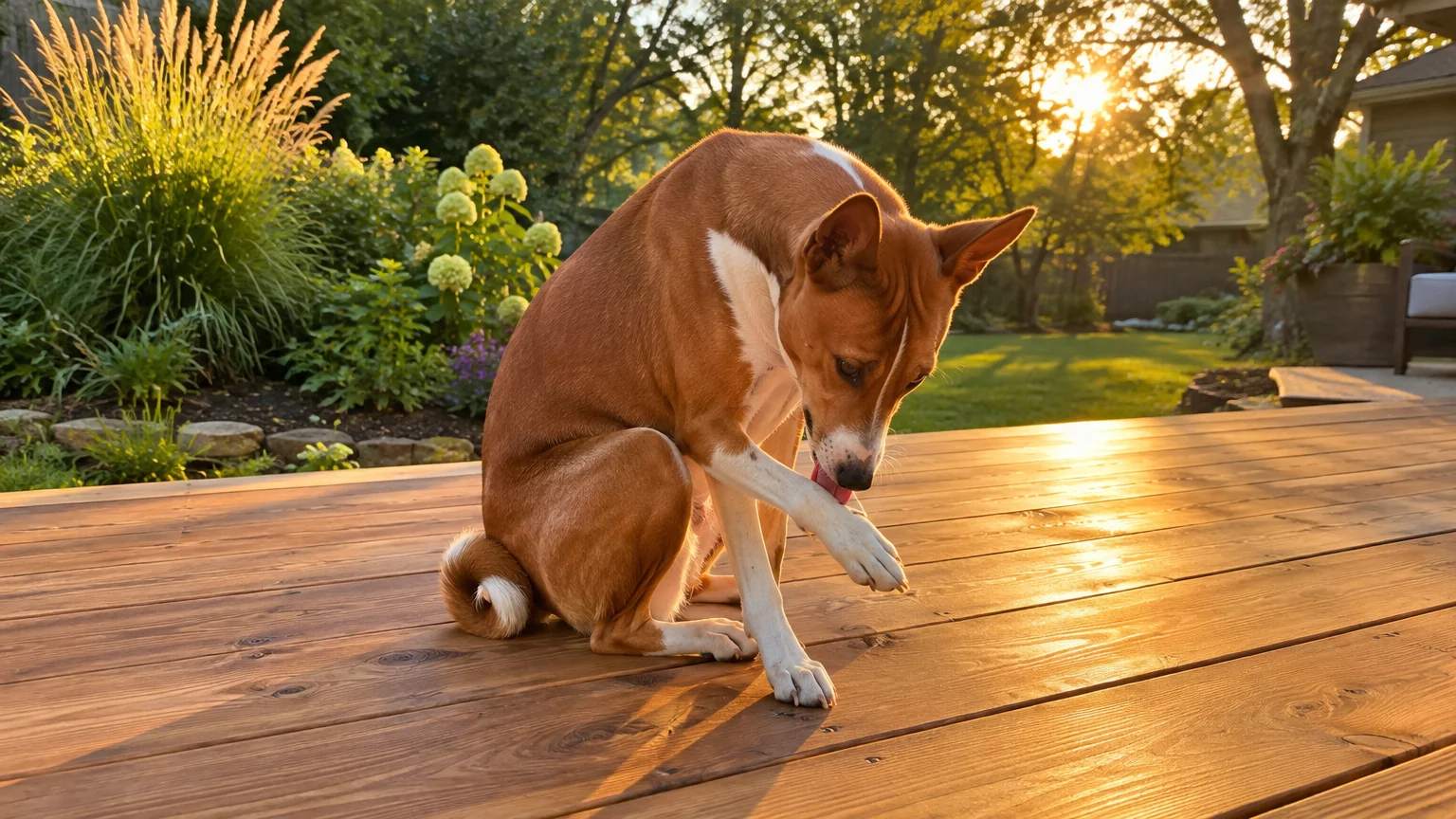
08 Basenji: The Quiet, Self-Grooming Hound
Basenjis, known as the barkless dogs of Central Africa, stand out for incredible self-grooming habits. They groom themselves thoroughly like cats, remaining virtually odor-free and immaculate.
Their short, fine coat sheds barely perceptible amounts of hair throughout the year. A quick rubdown with a rubber grooming mitt once weekly handles all their coat needs.
Basenjis do not bark, communicating instead through unique yodels and chortles when excited. Their curious, independent nature requires secure fencing and positive, reward-based training.
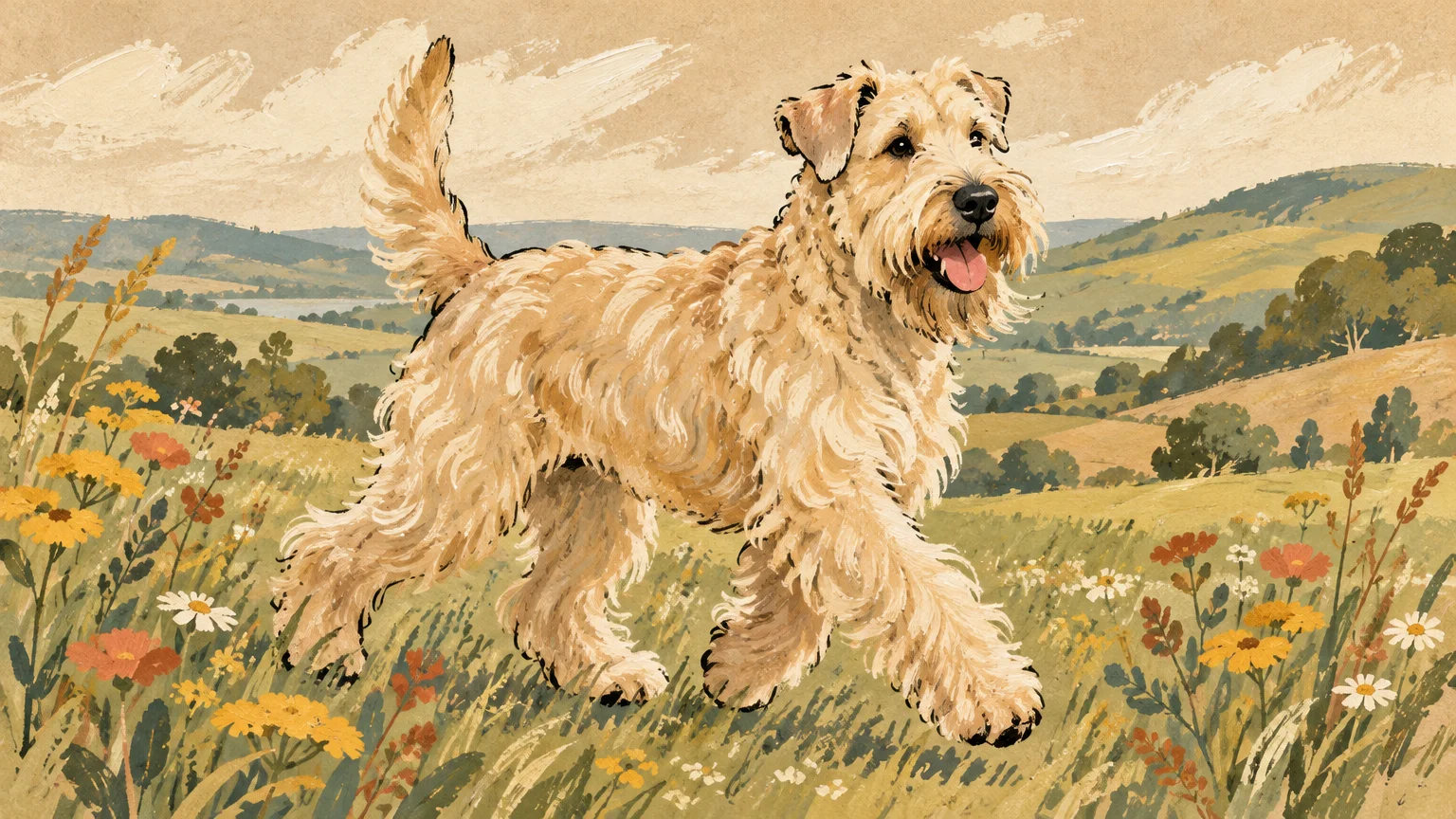
09 Soft Coated Wheaten Terrier: Silky Waves of Warmth
Soft Coated Wheaten Terriers feature a single, shimmering coat that flows in silky waves. Unlike harsh-coated terriers, their coat feels delightfully soft and sheds almost no hair indoors.
Stray hairs remain bound within the wavy coat until you comb them free manually. Comb their coat thoroughly three times weekly using a metal greyhound comb to prevent knots.
Wheatens greet their families with boundless joy, famously bouncing to deliver affectionate welcomes. They thrive with active families who provide brisk daily walks and structured outdoor games.
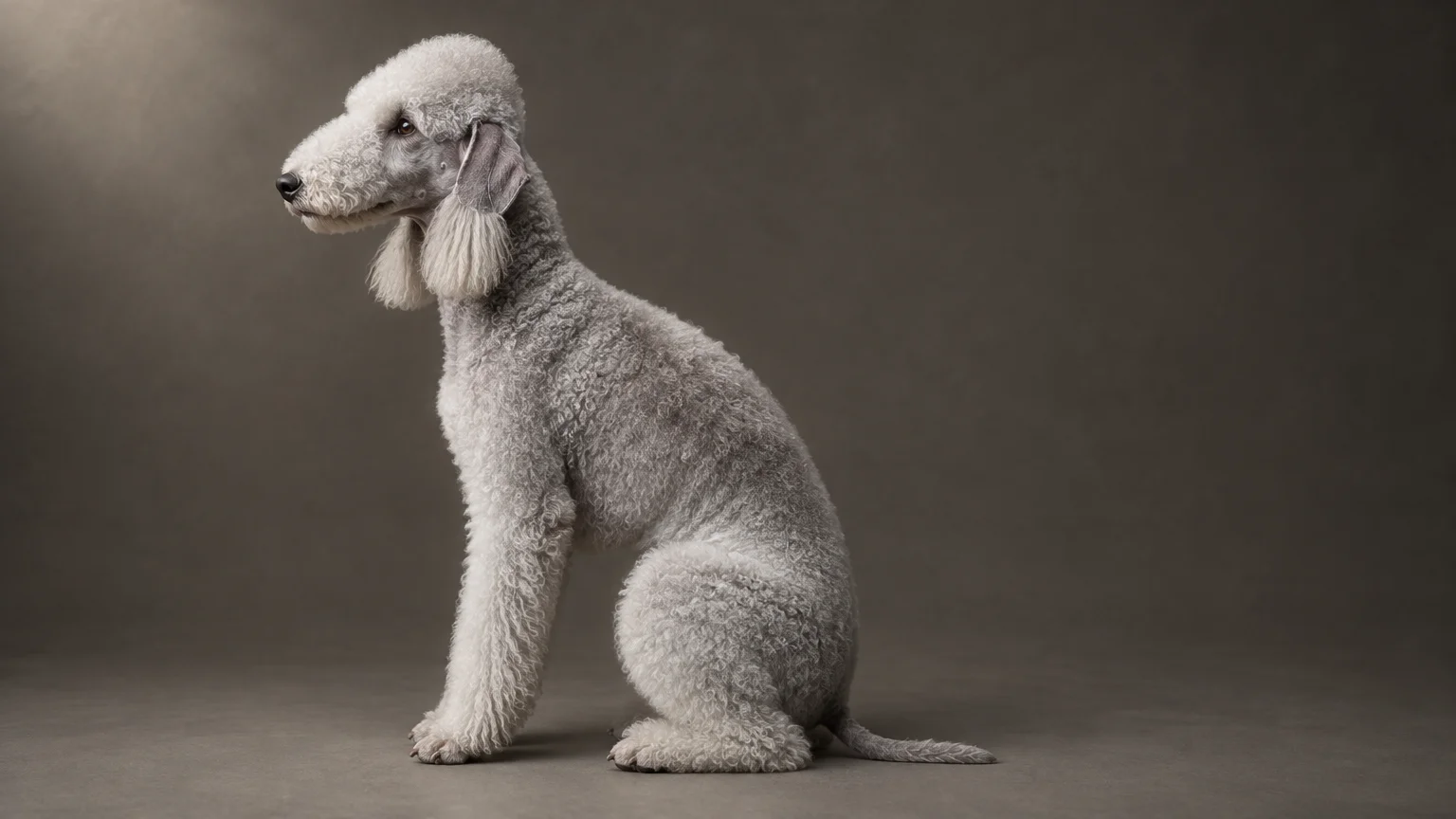
10 Bedlington Terrier: Distinctive Looks and Barely-There Shedding
Bedlington Terriers resemble fluffy lambs thanks to their arched backs and crisp, fleecy coats. Their coat combines soft and crisp hairs that do not shed onto your furniture.
Loose hairs stay anchored in the curly coat until removed during regular brushing sessions. Professional scissoring every two months maintains their distinctive, sculpted profile.
Beneath their dainty appearance lies an athletic dog bred for endurance and speed. Indoors, they behave politely, resting quietly at your feet without demanding constant attention.
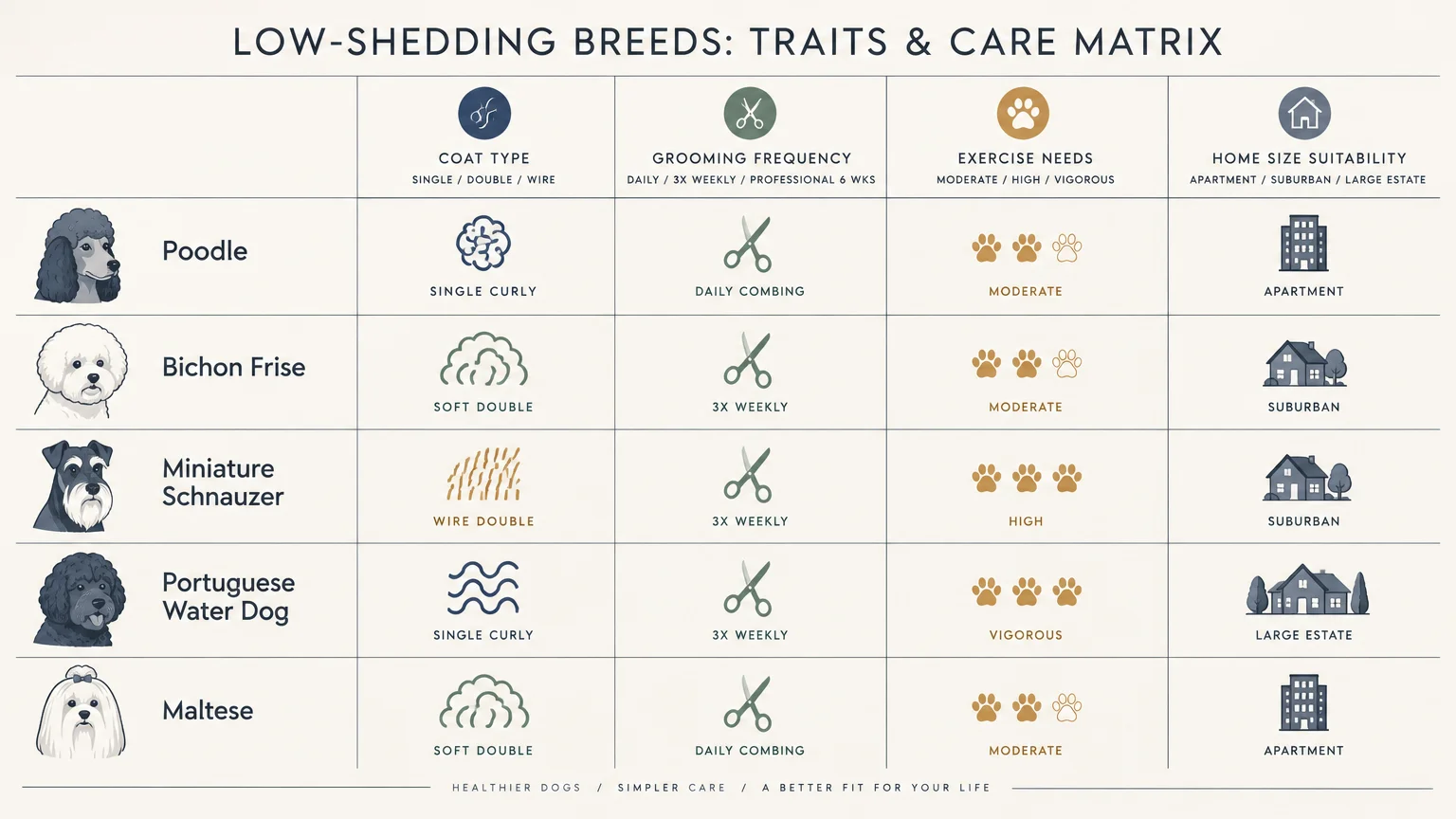
Low-Shedding Dog Breeds: Comparison at a Glance
Compare the physical characteristics, coat types, and grooming requirements of these ten low-shedding breeds to find your ideal household match.
| Breed | Size Category | Coat Type | Grooming Demand | Activity Level |
|---|---|---|---|---|
| Poodle | Toy, Miniature, Standard | Dense, curly hair | High (clipping every 4–6 weeks) | Moderate to High |
| Bichon Frise | Small (12–18 lbs) | Plush, curly hair | High (daily combing) | Moderate |
| Miniature Schnauzer | Small (11–20 lbs) | Wiry double coat | Moderate (brushing & trimming) | Moderate to High |
| Maltese | Toy (under 7 lbs) | Fine, silky hair | Moderate (puppy cut) to High | Low to Moderate |
| Portuguese Water Dog | Medium (35–60 lbs) | Curly or wavy hair | High (regular combing & clipping) | High |
| Yorkshire Terrier | Toy (under 7 lbs) | Fine, human-like hair | Moderate (puppy cut) | Moderate |
| Shih Tzu | Small (9–16 lbs) | Long, flowing hair | Moderate (puppy cut) to High | Low |
| Basenji | Small-Medium (22–24 lbs) | Short, fine hair | Very Low (weekly mitt wipe) | High |
| Soft Coated Wheaten Terrier | Medium (30–40 lbs) | Single, wavy hair | High (frequent combing) | Moderate to High |
| Bedlington Terrier | Medium (17–23 lbs) | Crisp, curly mix | High (regular scissoring) | Moderate |
Selecting the right breed requires balancing coat maintenance against your family’s daily activity schedule. High-energy working breeds need far more exercise than compact toy lap dogs.
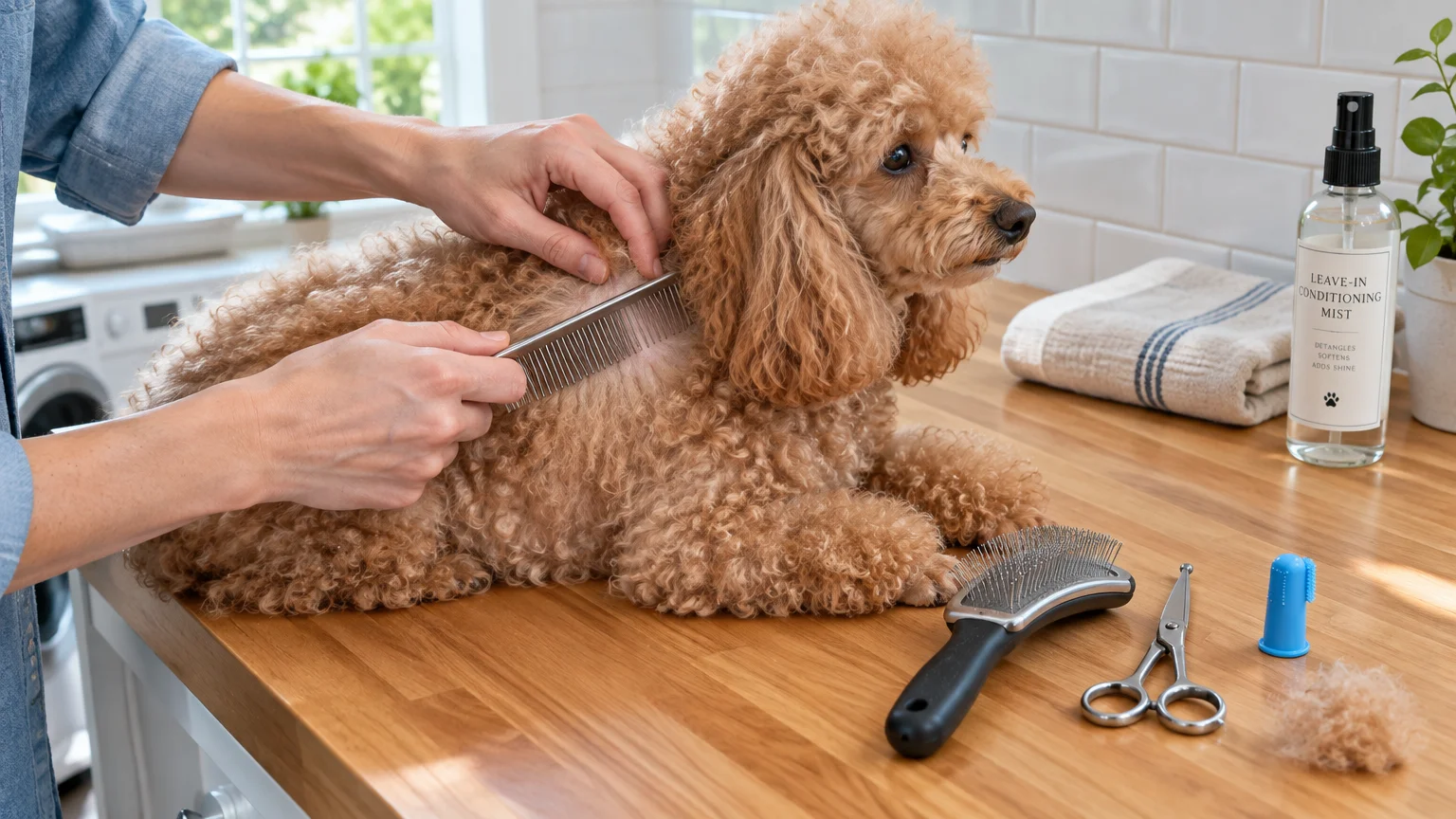
Actionable Grooming Strategies for a Clean Home
Adopting a low-shedding dog shifts your chore routine from sweeping floors to brushing fur. A few deliberate grooming practices will keep stray hairs and dander under tight control.
Incorporate these practical techniques into your weekly canine care routine:
- Use a slicker brush and a stainless steel greyhound comb to reach deep roots without scraping the skin.
- Mist the coat with a light detangling spray before brushing to prevent hair breakage and flyaway fibers.
- Trim hair around sanitary zones and paw pads every three weeks to stop outdoor dirt tracking.
- Bathe your dog every three to four weeks with a hypoallergenic shampoo to wash away dried dander.
Invest in a high-velocity pet dryer to remove loose dander and moisture after baths. Blowing the coat outside prevents trapped debris from settling back into your rugs.
Keep a dedicated grooming caddy near your front door to wipe muddy paws immediately. Microfiber cleaning towels strip pollen, dust, and outdoor allergens from the coat in seconds.
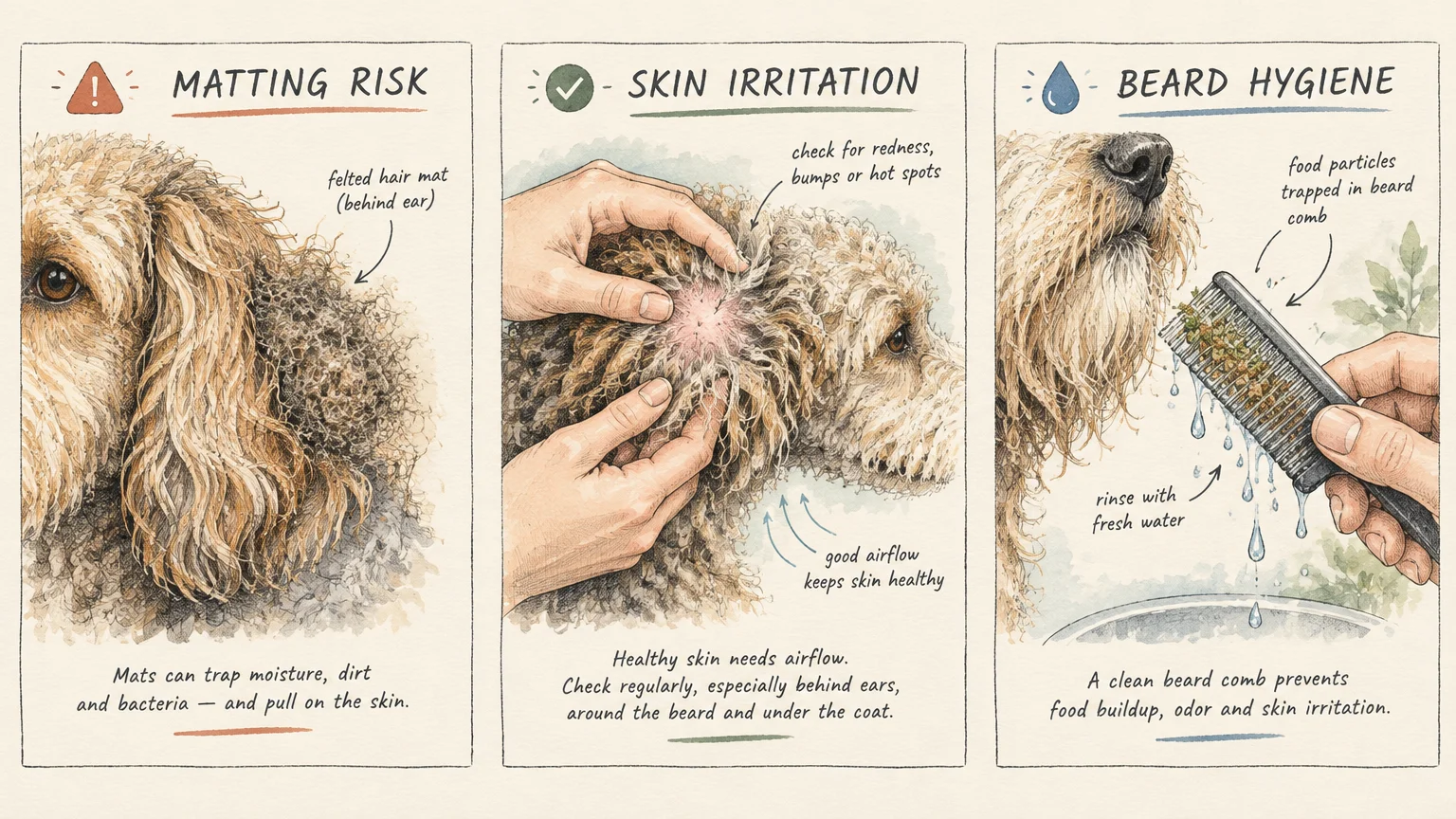
Things to Watch Out For
While low-shedding dogs save your furniture from fur, they present unique ownership challenges. Weigh these realistic considerations before welcoming one into your home.
High grooming expenses: Professional grooming visits cost seventy to one hundred fifty dollars every six weeks. Over a dog’s lifetime, these scheduled haircuts represent a substantial financial investment.
Severe matting risks: Continuous hair growth forms tight mats if you neglect regular combing. Severe mats pull painfully on delicate skin and often require a complete veterinary shave-down.
The hypoallergenic misconception: No canine breed is completely allergen-free. Saliva proteins, urine droplets, and microscopic dander can still trigger allergy symptoms in sensitive individuals.
Ear canal complications: Many non-shedding breeds grow dense hair inside their ear canals, trapping excess moisture. You must inspect and clean their ears regularly to prevent painful yeast infections.
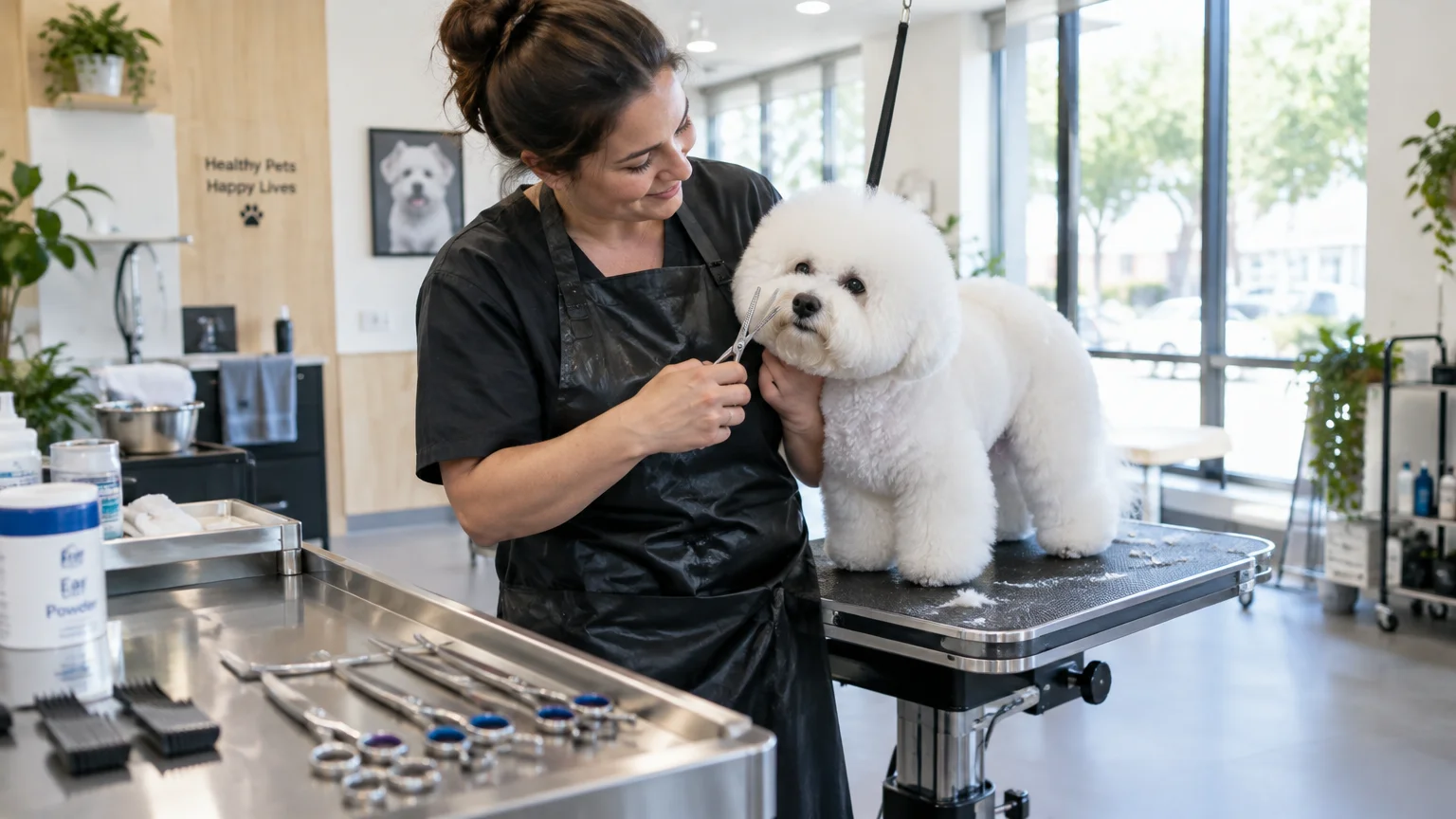
When DIY Isn’t Enough
Coat maintenance sometimes exceeds basic home brushing and requires licensed veterinary or grooming intervention. Recognizing when to seek outside help protects your dog from unnecessary pain and skin trauma.
Consult a professional immediately in these specific scenarios:
- Pelting or severe full-body matting close to the skin surface.
- Foul-smelling ear discharge, persistent head shaking, or red ear canals.
- Unexplained hair thinning, bald patches, or hot spots on the body.
- Severe skin flaking, intense scratching, or recurring allergic dermatitis.
Professional groomers have specialized equipment and restraints to safely remove dense mats without cutting delicate skin. Veterinarians can diagnose underlying endocrine disorders or food allergies that alter hair coat health.
Frequently Asked Questions
Which dog breed sheds the absolute least?
Hairless breeds shed nothing, while Poodles and Maltese shed the least among coated dogs. Their continuous hair growth cycle traps loose strands until you comb them out.
Are low-shedding dogs completely hypoallergenic?
No dog breed is completely hypoallergenic. Humans react to proteins in canine saliva and dander rather than canine hair itself.
How often do dogs that don’t shed need haircuts?
Most low-shedding breeds require a professional haircut every four to eight weeks. Regular trims prevent heavy matting and keep coats sanitary around paws and eyes.
Can low-shedding dogs still trigger seasonal human allergies?
Yes, their coats can collect outdoor tree pollen, grass seeds, and mold spores like a dust mop. Wiping your dog down after walks removes these environmental allergens promptly.
Making Your Final Choice
Choosing a low-shedding dog allows you to enjoy canine companionship without drowning in drifts of shed fur. Match each breed’s exercise needs and grooming demands to your personal lifestyle.
Spend hands-on time with your chosen breed before adopting to test your personal tolerance to their dander. A well-groomed, low-shedding dog will keep both your heart full and your floors immaculate.
The information here is meant for educational purposes. Specific circumstances—including health conditions, finances, location, and goals—may require different approaches; when in doubt, consult a licensed professional or check official sources directly.
Last updated: November 2026. Rules, prices, and details change—verify current information with official sources before acting on it.