On January 1, 2026, the American Kennel Club (AKC) granted full recognition to three rare dog breeds, pushing its total to 205 recognized breeds. If you enjoy discovering uncommon companions, these additions bring fresh variety to dog shows and family homes alike.
The newest group includes a scrappy American farm terrier, a colorful Russian lapdog, and a cheerful French scent hound. Each breed carries decades of working or companion history alongside specific grooming and lifestyle demands.
Learning what separates these new dog breeds—and what official recognition actually guarantees—helps you decide whether one belongs in your home.
Meet the Three New AKC Recognized Breeds for 2026
Announced on December 30, 2025, the AKC’s 2026 class became eligible for Stud Book entry and group competition at the turn of the year. Adding these three dogs expanded the registry from 202 breeds counted in 2025 registration statistics to 205.
You can explore the official registry details directly through the American Kennel Club. Every newly recognized breed enters a specific competitive group based on its historical job and physical structure.
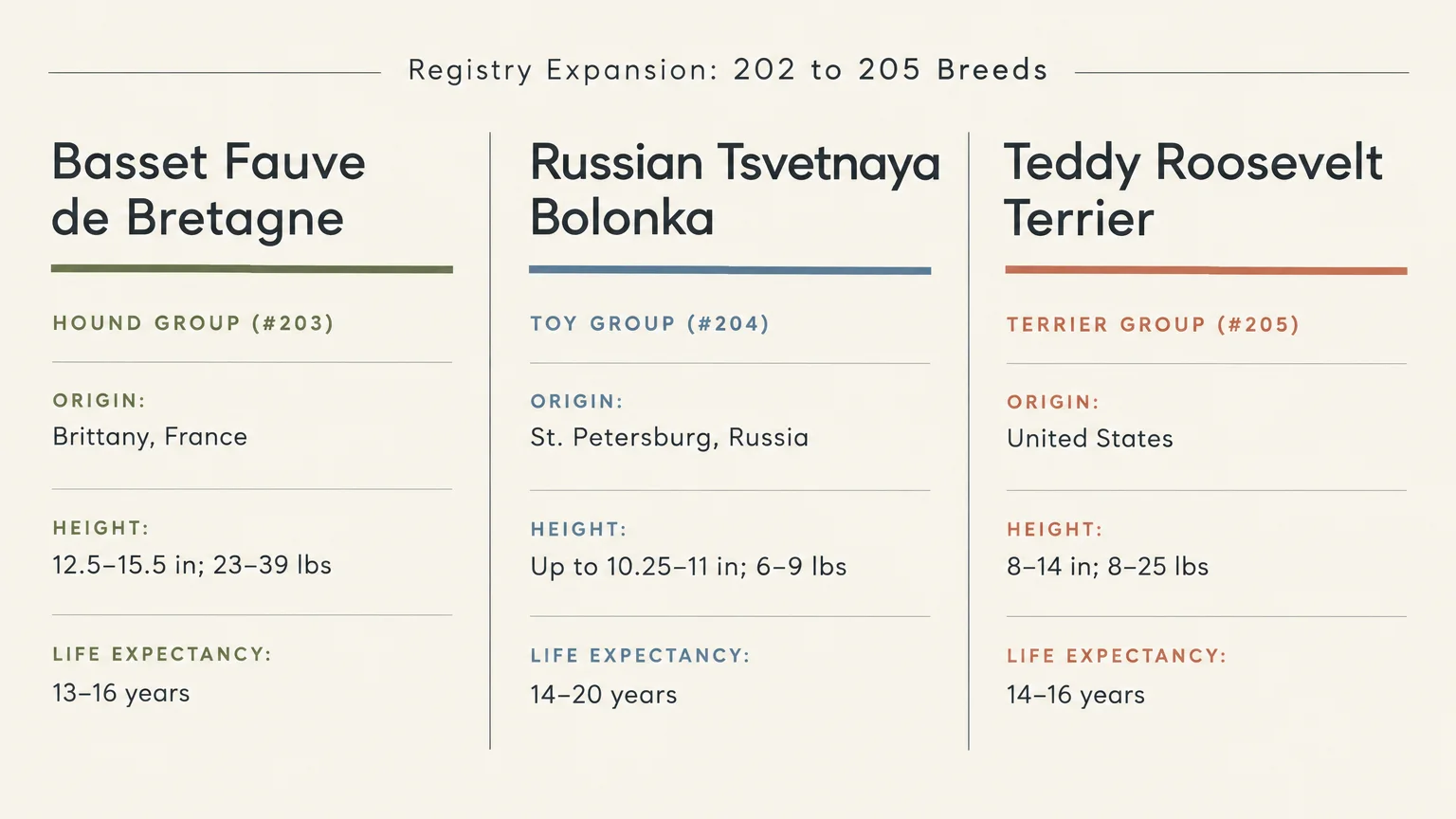
For 2026, the Basset Fauve de Bretagne became breed number 203 in the Hound Group, while the Russian Tsvetnaya Bolonka took spot 204 in the Toy Group. Rounding out the trio, the Teddy Roosevelt Terrier claimed spot 205 in the Terrier Group.
Despite this milestone, finding one of these dogs in your neighborhood remains unlikely for now. Effective March 1, 2026, the AKC placed all three newcomers on its 2026 Low Entry Breeds List due to their small U.S. show populations.
To put that rarity in context, AKC’s 2025 registration statistics—released in April 2026—ranked the Norwegian Lundehund as the rarest recognized breed in the country, followed by the Sloughi and the Grand Basset Griffon Vendéen.
Meanwhile, the French Bulldog held the number one popularity spot for the fourth straight year.
Before diving into each dog’s temperament and care, compare their core physical traits side by side.
| Breed | AKC Group & Number | Origin | Height & Weight | Life Expectancy | Coat Care Level |
|---|---|---|---|---|---|
| Basset Fauve de Bretagne | Hound Group (#203) | Brittany, France | 12.5–15.5 in; 23–39 lbs | 13–16 years | Weekly brushing; occasional hand-stripping |
| Russian Tsvetnaya Bolonka | Toy Group (#204) | St. Petersburg, Russia | Up to 10.25–11 in; 6–9 lbs | 14–20 years | Weekly grooming; frequent baths to prevent mats |
| Teddy Roosevelt Terrier | Terrier Group (#205) | United States | 8–14 in; 8–25 lbs | 14–16 years | Minimal; short, dense coat |
Numbers on a chart tell only part of the story, though. How each breed behaves inside a real household matters far more when you are choosing a lifelong companion.
Teddy Roosevelt Terrier: An American Farm Dog With Presidential Roots
If you want a compact, athletic companion with strong American roots, the Teddy Roosevelt Terrier fits that mold. Historically bred as a low-set farm and vermin-hunting dog, this breed went by names like Type B Rat Terrier, Short-Legged Rat Terrier, and Bench-Legged Feist.
Its modern name dates back to 1999, when breeders honored President Theodore Roosevelt. Roosevelt’s White House hunting Feists had helped popularize the Rat Terrier name generations earlier, making the tribute a natural fit.
That same year, the United Kennel Club recognized the Teddy Roosevelt Terrier as a distinct breed separate from taller Rat Terriers. Its AKC journey began later, entering the Foundation Stock Service (FSS) in August 2016 before advancing to the Miscellaneous Class in July 2019.
Since October 2018, the American Teddy Roosevelt Terrier Club has served as the breed’s official AKC Parent Club. Nearly a decade of grassroots work culminated in full Terrier Group status in 2026.
Size, Build, and Breed Standard Rules
Physically, this terrier packs sturdy bone into a compact frame. Dogs measure 8 to 14 inches tall at the withers and weigh between 8 and 25 pounds, with an average lifespan of 14 to 16 years.
Unlike square-framed terriers, the Teddy Roosevelt Terrier displays a rectangular silhouette with an approximate 7:10 height-to-length ratio. That low center of gravity once helped dogs navigate tight barn spaces and chase rodents underground.
Under the AKC breed standard, coat color and ear carriage follow strict rules. The short, dense coat must include white, meaning solid coats lacking white or any merle pattern are disqualifications.
Ears should remain natural and upright or tipped rather than hanging flat or altered. Hanging or cropped ears also result in disqualification in the AKC conformation ring.
Daily Life With a Teddy Roosevelt Terrier
The AKC characterizes the Teddy Roosevelt Terrier as intelligent, playful, and versatile. Unlike several other high-strung terrier breeds, its barking level rates as occasional rather than nonstop.
That trait makes it easier to manage in closer quarters, provided you supply steady mental and physical outlets. A quick stroll around the block rarely satisfies a dog built to patrol barnyards all afternoon.
Expect strong prey drive around hamsters, pet rats, or backyard squirrels. Secure fencing and early impulse-control training help channel that focus safely into agility, barn hunt, or structured games of fetch.

Russian Tsvetnaya Bolonka: A Colorful Lapdog Built for Apartment Life
For city dwellers seeking a small companion without fragile bones or high-strung habits, the Russian Tsvetnaya Bolonka stands out. Pronounced zvit-NEYE’-ah boh-LON’-kah, its name translates literally to “Russian colored lapdog.”
Breed enthusiasts refer to a single dog as a Bolonka and multiple dogs as Bolonki. Every piece of this breed’s history revolves around indoor human companionship.
According to AKC breed history compiled with its U.S. parent club, breeders developed the Russian Tsvetnaya Bolonka in post-World War II Leningrad—now St. Petersburg. They set out to create a sturdy, affectionate toy dog suited to compact Soviet apartments.
The documented foundation litter arrived in 1951 from a pairing between a white dog from Hungary named Trifon and a coffee-colored circus dog named Zhuzhu. Between 1952 and 1961, breeders introduced careful crosses with Maltese, Bolognese, and Shih Tzu dogs.
Growth stayed remarkably slow, reaching only about 100 dogs by the 1970s. Even today, the breed remains uncommon globally and is not recognized by the Fédération Cynologique Internationale (FCI).
In the United States, enthusiasts formed the Russian Tsvetnaya Bolonka Club of America in 2000 around the time the first imports arrived. The breed entered the AKC Miscellaneous Class on January 1, 2023, before earning full Toy Group recognition three years later.
Appearance, Grooming, and Color Rules
Under the AKC breed standard, a Bolonka stands up to 10¼ inches tall—with anything over 11 inches disqualified—and ideally weighs 7 to 9 pounds. The AKC breed profile summarizes height up to 11 inches and weight at 6 to 9 pounds, with an impressive 14-to-20-year lifespan.
Its signature feature is a long, dense, wavy-to-curly coat paired with a soft undercoat, expressive beard, and moustache. Because color defines the name, solid white, spotted, parti-color, and merle coats are disqualifications under the AKC standard.
Eye color also carries strict limits. Dogs with blue or partially blue eyes cannot compete in AKC conformation events.
If you picture a zero-maintenance lapdog, check your grooming expectations carefully. While AKC Marketplace lists shedding as moderate and grooming as weekly, parent club secretary Denise Dang recommends bathing every couple of weeks to keep mats from forming.
Setting aside 15 minutes a few times each week with a pin brush and steel comb keeps curls tangle-free. Many pet owners also opt for a tidy puppy trim from a professional groomer every six to eight weeks.
Recommended Health Screenings for Bolonki
Responsible breeders use targeted testing to protect this small gene pool. The Russian Tsvetnaya Bolonka Club of America recommends four primary health evaluations before breeding:
- Patella evaluation: Checks kneecaps for luxation, a common structural issue in toy breeds.
- Ophthalmologist eye exam: Screens for inherited eye conditions through a board-certified veterinary specialist.
- Cardiac exam: Evaluates heart murmurs and congenital cardiovascular issues.
- prcd-PRA DNA test: Identifies progressive rod-cone degeneration, an inherited form of progressive retinal atrophy.
The parent club lists hip evaluations as optional rather than mandatory. When researching breeders, you can verify whether parent dogs hold documented clearances in public registries like the Orthopedic Foundation for Animals.
Basset Fauve de Bretagne: A Cheerful French Scent Hound
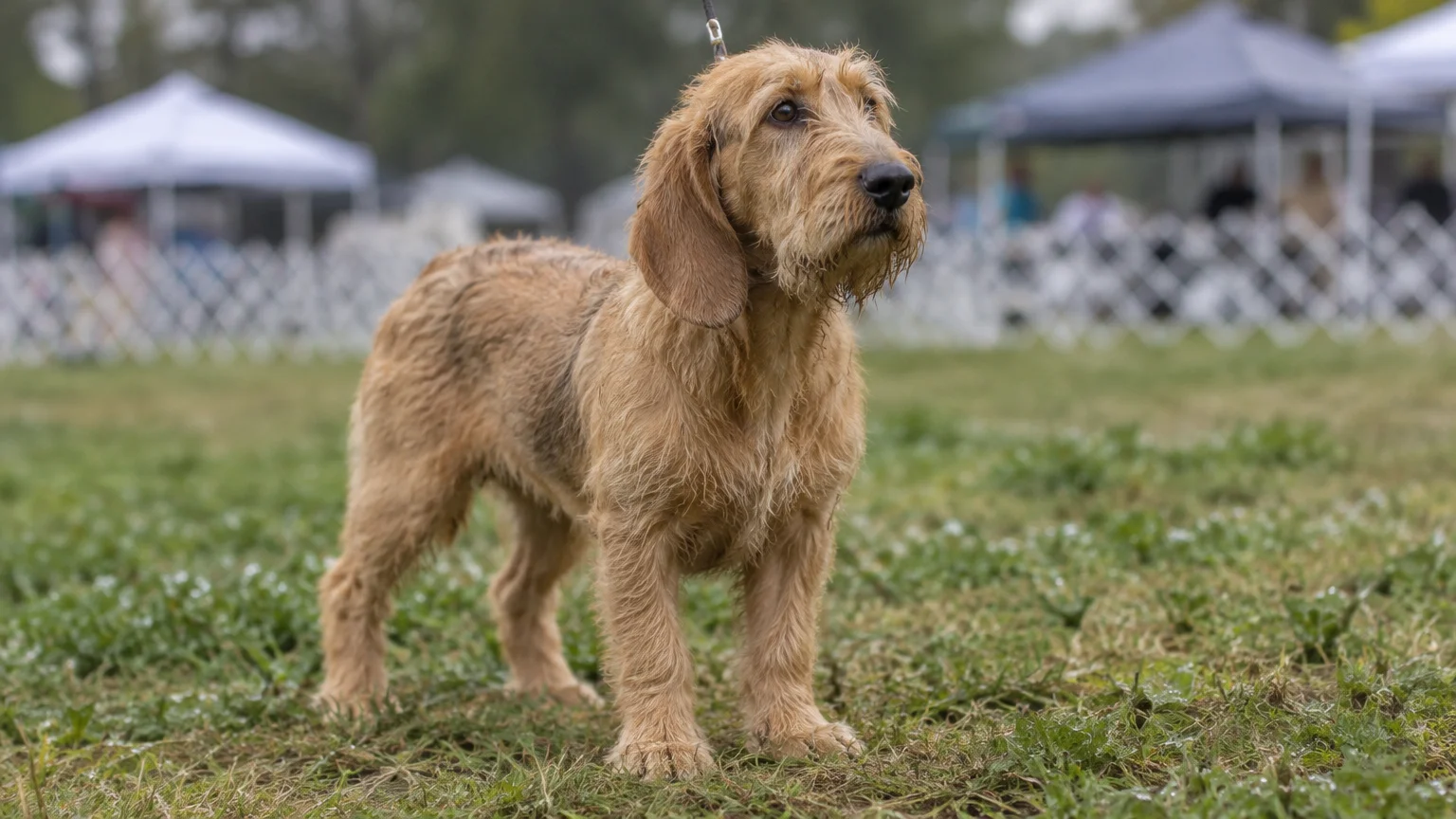
Rounding out the 2026 newcomers is the Basset Fauve de Bretagne, pronounced bah-SAY’ fove deh breh-TAHN’-yeh. Its French name translates to “fawn-colored, low-set dog from Brittany.”
Although new to full AKC competition, this breed boasts deep roots stretching back to 16th-century French hunting hounds from Brittany. Hunters prized these short-legged dogs for tracking rabbits and larger game through dense brambles.
In the United States, modern interest owes much to South Carolina trainer Cindy Hartman, who began championing the breed in 2001 after importing a pair from France. Hartman has since trained roughly 20 Fauves as medical alert service dogs, including dogs helping handlers manage diabetes.
That blend of keen scenting ability and people-focused focus explains why the breed appeals to active pet owners as well as working handlers.
Size, Coat Care, and Temperament
Measuring 12.5 to 15.5 inches tall and weighing 23 to 39 pounds, the Basset Fauve de Bretagne sits comfortably in the medium-small hound category. Most live 13 to 16 years with routine veterinary care and sensible weight management.
The AKC describes the breed as affectionate, alert, and cheerful. Unlike some aloof scent hounds, Fauves typically bond closely with family members and enjoy cooperative games.
Their coarse, wiry, dirt-repellent fawn coat protects their skin in brushy terrain and simplifies cleanup after muddy hikes. Plan on weekly brushing and combing, along with occasional hand-stripping if dead hair grows too long.
Avoid shaving a wire coat with clippers if you want to preserve its weather-resistant texture. Hand-stripping—gently pulling out dead outer hairs—keeps the harsh jacket intact and retains its rich wheaten-to-reddish-fawn color.
Like most scent hounds, Fauves follow interesting smells with single-minded enthusiasm. Keep yours on a leash in unfenced areas and inspect yard perimeter gates regularly so curiosity never leads to a wandering adventure.
How Rare Dog Breeds Earn Full AKC Recognition
Seeing three unfamiliar dogs join the AKC roster in a single year might make the process look quick. In reality, full recognition demands years of coordinated record-keeping and strict population benchmarks.
The AKC operates a three-step pipeline for aspiring breeds. First comes the Foundation Stock Service (FSS), created in 1995 and currently home to 72 developing breeds.
Not every popular mix qualifies for entry, no matter how many people own one. To enter the FSS, a breed must hold recognition from a legitimate foreign or domestic registry and prove at least 40 years of documented history as a distinct breed.
Crosses of existing AKC-recognized breeds—such as Poodle mixes or designer “doodles”—are strictly ineligible. New breeds must breed true from generation to generation with predictable traits.
From there, parent clubs work through three rigorous milestones:
- Enter the Foundation Stock Service: Establish documented multi-generation pedigrees, confirm 40+ years of breed history, and organize dedicated U.S. fanciers.
- Advance to the Miscellaneous Class: Reach at least 150 registered dogs with three-generation pedigrees, draft a viable breed standard, and gain approval for one U.S. parent club.
- Achieve Full AKC Recognition: Meet AKC Club Policies requiring at least 300 dogs with three-generation pedigrees, 20 litters bred and enrolled while in Miscellaneous, and roughly 100 geographically distributed parent club members in good standing.
Full recognition also tests whether dogs participate actively in club events rather than existing solely on paper.
Under current FSS rules, at least 20 unique dogs across at least 10 member households must earn Certificate of Merit (CM) or qualifying performance and companion titles, including at least 10 CMs.
Parent clubs must also host two Open Shows and conduct three Judges Education Seminars so licensed evaluators learn the breed standard accurately. Only after clearing those hurdles does the AKC Board vote on final approval.

What This Means for You
Full AKC recognition changes more than a breed’s trivia status. Starting in 2026, owners of registered Teddy Roosevelt Terriers, Russian Tsvetnaya Bolonki, and Bassets Fauves de Bretagne can enter more than 22,000 annual AKC events nationwide.
That access goes far beyond beauty pageants in the conformation ring. Depending on your interests, you can compete in agility, obedience, rally, scent work, barn hunt, or Fast CAT sprints alongside fellow enthusiasts.
Wider recognition also boosts public visibility, which encourages veterinary researchers, trainers, and breed clubs to share better care resources. When more judges and breeders study a standard closely, breed preservation gains steadier guardrails.
Still, AKC registration carries firm limits you should keep front and center as a buyer. Registration verifies purebred parentage from a registered sire and dam, confirming lineage rather than quality.
The AKC explicitly notes that registration alone does not guarantee a puppy is healthy, free of genetic disease, or structurally sound enough to meet conformation standards. Your own homework remains your strongest protection.
What Can Go Wrong
Shopping for newly recognized rare dog breeds brings unique hurdles compared to adopting or buying a common Lab or Golden Retriever. Watching for four predictable pitfalls protects both your wallet and your future dog.
Treating AKC Papers as a Health Guarantee
Seeing an official registration logo on a breeder’s listing can create false reassurance. Backyard breeders and commercial puppy mills can sometimes register purebred litters without running a single health test.
Never skip checking individual parent clearances just because a breed gained AKC status. Ask for proof of the specific screenings recommended by that breed’s U.S. parent club before placing any deposit.
Falling for Scams or Inflated Rare-Breed Pricing
High curiosity paired with tiny U.S. populations makes rare breeds prime targets for online scammers. Fake websites often copy photos of Russian Tsvetnaya Bolonki or Fauves and demand quick wire transfers to hold a puppy.
Even among legitimate sellers, novelty can spark opportunistic markups that have nothing to do with breeding quality. Start your search with the official AKC parent club’s breeder directory rather than random social media ads.
Underestimating Coat Care or Working Drive
Cute photos rarely capture daily maintenance realities. A Bolonka’s dense curls mat rapidly if you skip brushing, while an unstimulated Teddy Roosevelt Terrier may invent backyard digging projects out of boredom.
Similarly, a Basset Fauve de Bretagne needs patient recall training and secure fencing to counter centuries of scent-tracking instincts. Match your daily schedule to the dog’s real needs, not its novelty factor.
Ignoring Long Waitlists and Limited Geographic Access
Because all three breeds sit on the 2026 Low Entry Breeds List, finding an ethical breeder within driving distance can take patience. You may face waitlists stretching months—or even a year or more—while reputable breeders plan carefully spaced litters.
Rushing that timeline often pushes buyers toward unvetted brokers or impulse purchases. Planning ahead lets you visit litters in person, meet parent dogs, and confirm temperament fit.
Where Outside Advice Pays Off
Bringing home a rare purebred involves health, training, and contractual details where guessing can prove costly. Consulting qualified professionals in a few key scenarios saves time and heartbreak.
- Interpreting genetic and specialist health clearances: Ask your veterinarian to review OFA certificates, prcd-PRA DNA results, and ophthalmology or cardiac exams before you commit to a puppy. Guidance from the American Veterinary Medical Association can also help you prepare smart preventive-care questions for your first puppy checkup.
- Evaluating service or working prospects: If a Basset Fauve de Bretagne’s history as a medical alert dog sparked your interest, consult a certified service dog trainer before buying. Individual temperament testing matters far more than breed reputation when training high-stakes alert tasks.
- Reviewing breeder contracts and registration terms: Many rare-breed parent clubs use detailed health guarantees, spay/neuter clauses, or return-to-breeder agreements. If a co-ownership clause or breeding restriction feels unclear, ask a qualified legal professional to review the terms before signing.
- Planning specialized grooming care: Before bringing home a Bolonka or wire-coated Fauve, book a brief consultation with an experienced groomer. Learning proper combing technique and whether hand-stripping fits your routine prevents painful matting early on.
Frequently Asked Questions
Are designer mixes like Goldendoodles eligible for AKC recognition?
No, crosses of existing AKC-recognized breeds are ineligible for the Foundation Stock Service or full recognition. To qualify, a breed must hold recognition from a legitimate registry and document at least 40 years of consistent history as a distinct breed.
Which newly recognized 2026 breed is best for small apartments?
The Russian Tsvetnaya Bolonka was bred specifically in post-WWII Leningrad as a 7-to-9-pound apartment companion, making it the natural standout for compact homes. A Teddy Roosevelt Terrier can also adapt well to apartments if you provide steady daily exercise and mental enrichment.
Why are all three 2026 breeds on the AKC Low Entry Breeds List?
Effective March 1, 2026, all three breeds joined the AKC Low Entry Breeds List because their U.S. show populations remain small. That status highlights rare breeds with limited entries at conformation events nationwide.
How long do these three new AKC breeds live?
All three breeds enjoy relatively long lifespans for purebred dogs. Teddy Roosevelt Terriers average 14 to 16 years, Bassets Fauves de Bretagne typically live 13 to 16 years, and Russian Tsvetnaya Bolonki can reach 14 to 20 years.
Taking Your Next Step With Confidence
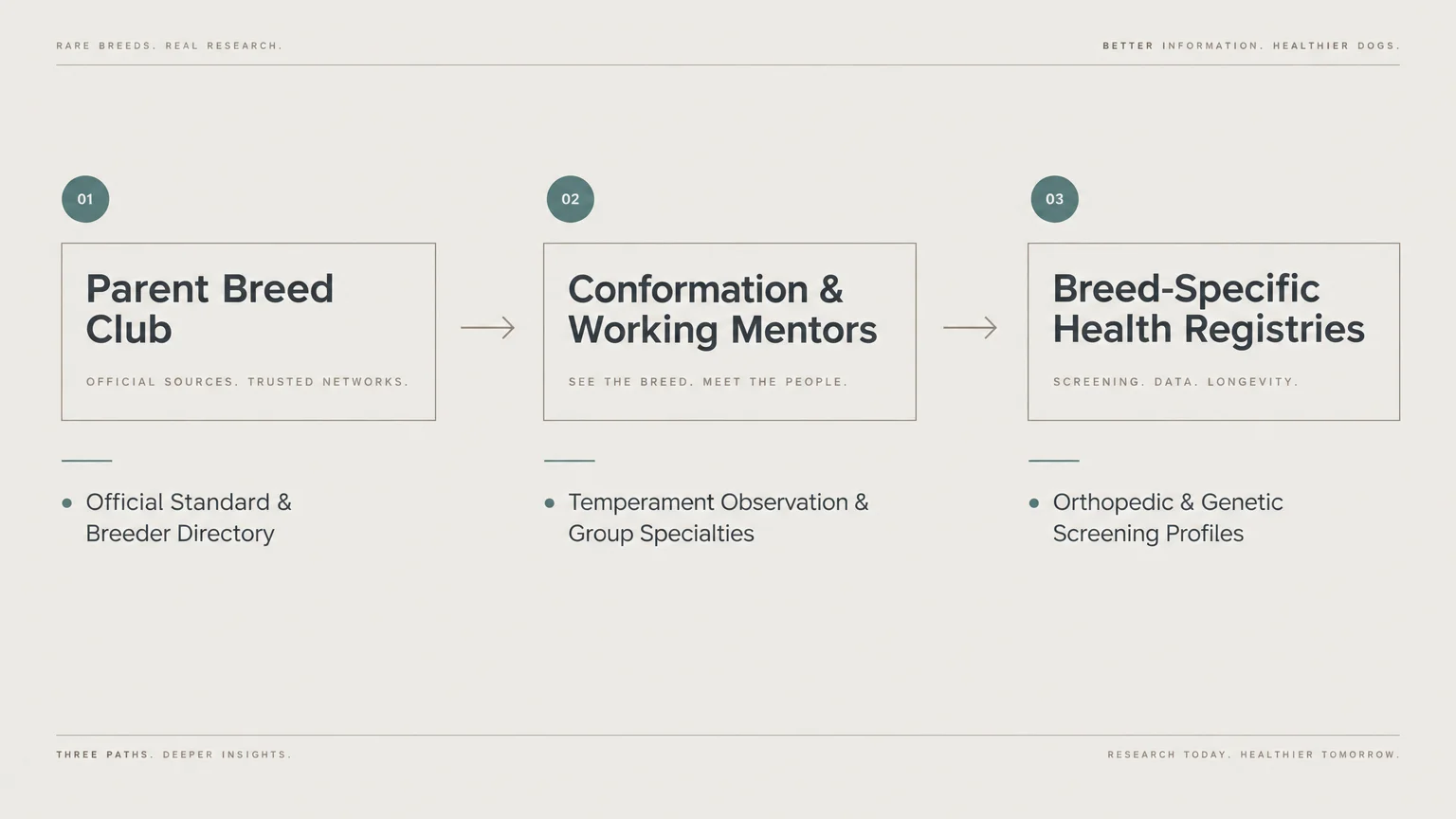
If one of these 2026 newcomers caught your eye, start by contacting its U.S. parent club or attending a local AKC dog show or Open Show to meet adult dogs in person.
Watching how these rare breeds move, greet strangers, and interact with handlers teaches you far more than any screen can.
This article provides general information only. Every reader’s situation is different—what works for others may not be the right fit for you.
For personalized guidance on health, legal, or financial matters, consult a qualified professional.
Last updated: November 2026. Rules, prices, and details change—verify current information with official sources before acting on it.