About 71 million U.S. households owned a dog in 2025, according to the American Pet Products Association, and many families bring those companions straight to the lake. Choosing the right swimming dogs turns dockside hesitation into effortless laps alongside your boat.
Some dog breeds that love water carry oily double coats, webbed toes, and rudder-like tails built over centuries of coastal work. Knowing which retriever breeds and spaniels thrive offshore helps you match your lifestyle—and prepare safely for dog breeds for lake life.
Below, you will explore eight proven water dogs, compare their sizes and coats, and learn how to prevent serious lakeside hazards.
How Water Dogs Are Built for Swimming
Water-loving dogs do not swim on enthusiasm alone; selective breeding shaped their bodies for cold rivers and rough surf. Webbed skin between their toes acts like natural paddles, giving each stroke extra forward thrust.
Many classic water dogs also grow a dense, oily undercoat beneath a tougher outer layer that traps warm air against the skin. Thick, muscular tails steer them smoothly through currents while saving energy on long swims.
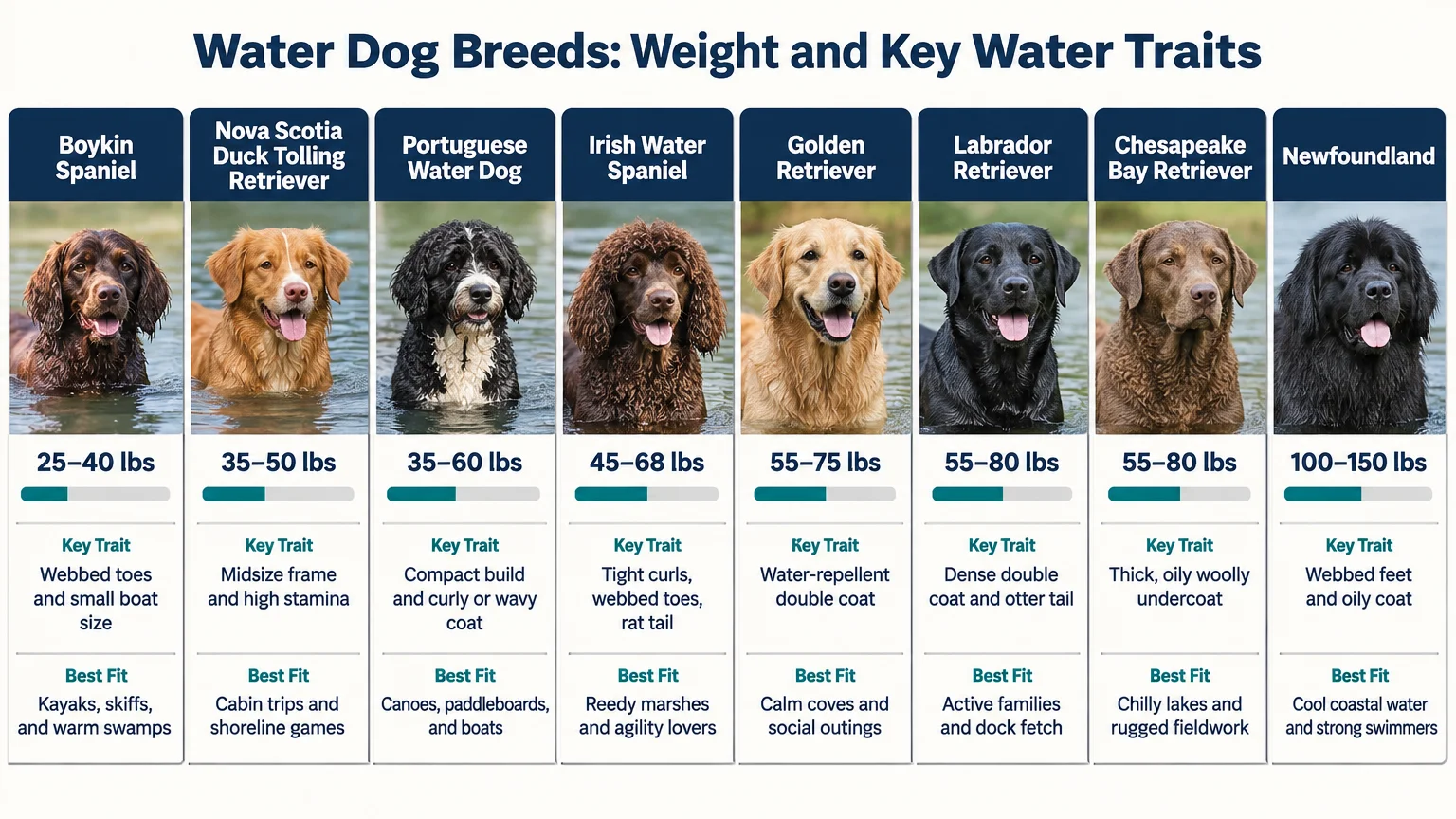
| Breed | Typical Weight | Key Water Trait | Best Fit |
|---|---|---|---|
| Labrador Retriever | 55–80 lbs | Dense double coat and otter tail | Active families and dock fetch |
| Golden Retriever | 55–75 lbs | Water-repellent double coat | Calm coves and social outings |
| Newfoundland | 100–150 lbs | Webbed feet and oily coat | Cool coastal water and strong swimmers |
| Chesapeake Bay Retriever | 55–80 lbs | Thick, oily woolly undercoat | Chilly lakes and rugged fieldwork |
| Irish Water Spaniel | 45–68 lbs | Tight curls, webbed toes, rat tail | Reedy marshes and agility lovers |
| Portuguese Water Dog | 35–60 lbs | Compact build and curly or wavy coat | Canoes, paddleboards, and boats |
| Nova Scotia Duck Tolling Retriever | 35–50 lbs | Midsize frame and high stamina | Cabin trips and shoreline games |
| Boykin Spaniel | 25–40 lbs | Webbed toes and small boat size | Kayaks, skiffs, and warm swamps |
8 Dog Breeds That Love Water
1. Labrador Retriever
Ranking second among 202 breeds in the 2025 American Kennel Club registrations, Labrador Retrievers thrive around lakes. Males stand 22.5–24.5 inches at 65–80 pounds, while females measure 21.5–23.5 inches at 55–70 pounds.
Their short, dense double coat resists chill, and their thick, tapering otter tail steers like a boat rudder. Keep swims balanced with rest breaks so you do not overwork their enthusiastic retrieving drive.
2. Golden Retriever
First recognized by the AKC in 1925, the Golden Retriever currently holds the third-most-popular breed spot nationwide. Males stand 23–24 inches at 65–75 pounds, and females stand 21.5–22.5 inches at 55–65 pounds under official standards.
A dense, water-repellent double coat lets these retriever breeds splash comfortably across ponds and calm coves. Because their feathering traps mud and debris, rinse and brush your Golden thoroughly after every lake outing.
3. Newfoundland
Built for heavy maritime rescue, Newfoundlands average 28 inches and 130–150 pounds for males, or 26 inches and 100–120 pounds for females. Their webbed feet and deep, broad chest generate remarkable pulling power in open water.
An oily, water-resistant double coat insulates them during cool coastal dips, though that bulk traps heat fast on humid afternoons. Schedule swims for early mornings and provide deep shade once you climb back onshore.
4. Chesapeake Bay Retriever
Chesapeake Bay Retrievers pair endurance with a thick, oily double coat and woolly undercoat that sheds icy water cleanly. Males stand 23–26 inches at 60–80 pounds, and females measure 21–24 inches at 55–70 pounds.
With the breed earning its latest AKC Dual Champion title in 2023, these dogs still excel at rugged fieldwork. Give yours structured fetch games and steady socialization so that natural drive stays focused on you.
5. Irish Water Spaniel
As the tallest spaniel, the Irish Water Spaniel stands 22–24 inches at 55–68 pounds for males and 21–23 inches at 45–58 pounds for females. AKC profiles list their typical life expectancy at 12–13 years.
Webbed toes, a smooth rat tail, and a dense, liver-colored curly double coat make them agile swimmers in choppy reeds. Trim and brush those tight curls regularly to prevent painful mats from drying moisture.
6. Portuguese Water Dog
Historically bred to herd fish and carry messages between boats, Portuguese Water Dogs weigh 35–60 pounds across both sexes. Their compact size fits canoes, paddleboards, and modest cabin decks far more easily than giant breeds.
Curly or wavy single coats shed lightly, yet they demand consistent grooming every few weeks to stay free of tangles. Channel their sharp intelligence into dock diving or retrieving floating bumpers rather than solitary backyard pacing.
7. Nova Scotia Duck Tolling Retriever
Weighing 35–50 pounds for both males and females, the Nova Scotia Duck Tolling Retriever packs big retriever stamina into a midsize frame. Their agile build makes them popular dog breeds for lake life when cabin space runs tight.
Playful shoreline antics originally lured waterfowl within range, and today those same instincts fuel energetic swimming sessions. Keep outings engaging with varied fetch toys, since bored Tollers quickly invent noisy games of their own.
8. Boykin Spaniel
Developed in South Carolina for swamp and boat work, Boykin Spaniels stand 15.5–18 inches at 30–40 pounds for males under National Kennel Club standards. Females measure 14–16.5 inches and weigh 25–35 pounds, complete with webbed toes.
Their compact build lets you lift them easily back into a kayak or skiff without tipping the hull. Plan daily mental puzzles alongside swimming so their eager spaniel energy stays calm indoors.
Gear and Lake Rules You Need to Know
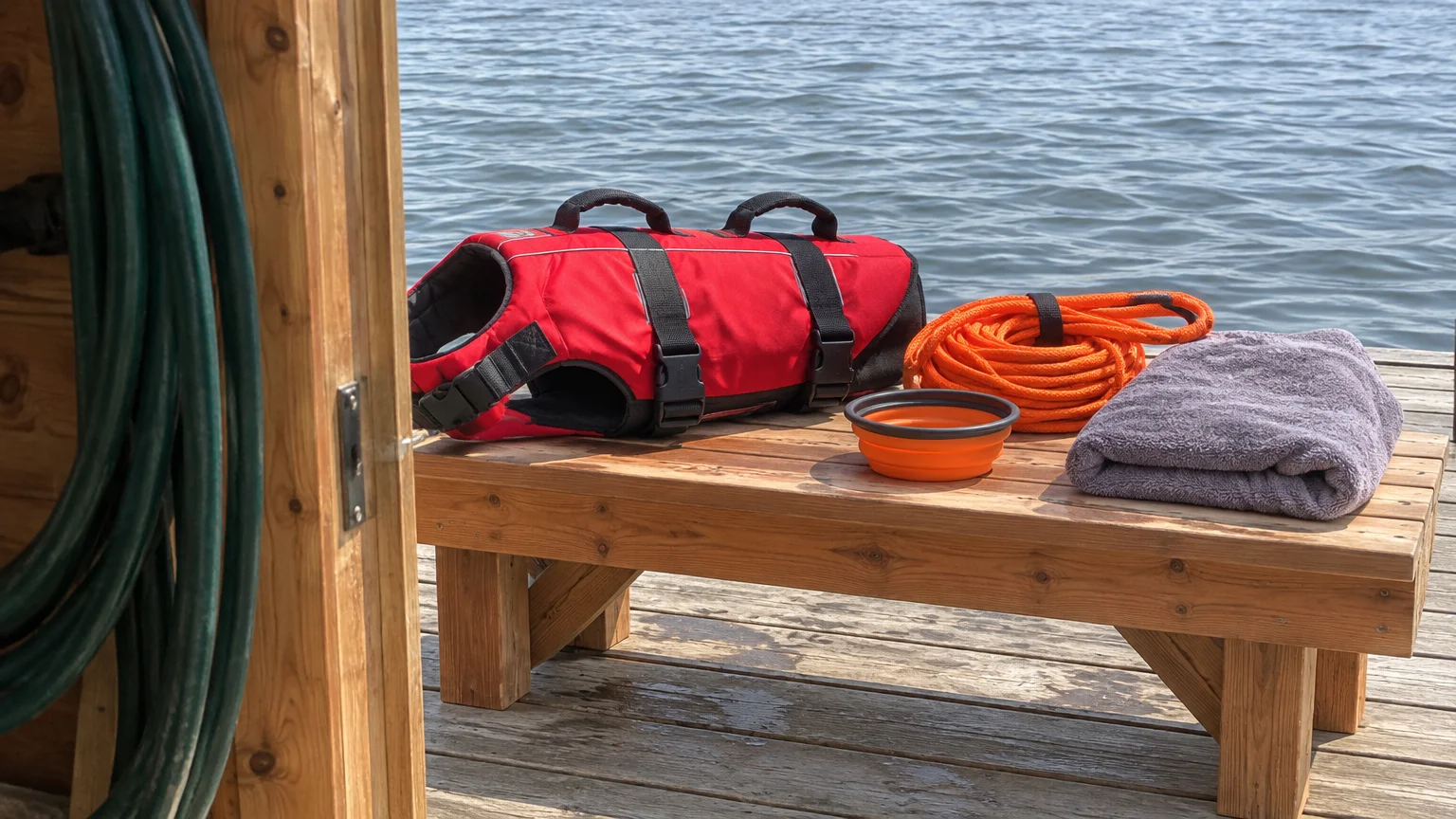
Even strong swimming dogs tire in heavy chop, currents, or unfamiliar drop-offs, so pack a well-fitted canine life jacket. The BoatUS Foundation notes that the U.S. Coast Guard does not certify dog life vests and sets no federal design standards.
Budget vests like Outward Hound cost $20–$40, mid-range models from Kurgo or West Marine run $35–$70, and rescue-grade Ruffwear or Hurtta vests reach $70–$110. Choose bright colors with sturdy top grab handles.
Before unleashing near public shorelines, verify local access laws—especially inside units managed by the National Park Service. Under federal rule 36 CFR 2.15, pets must stay crated or on a leash no longer than 6 feet on pet-permitted beaches and while swimming.
Only two of the 63 U.S. national parks—Channel Islands in California and Isle Royale in Michigan—ban dogs outright, though designated swimming beaches stay off-limits. NOAA also advises leashing dogs near marine mammals, seabirds, and sea turtles to prevent fatal disease spread.
- A bright, handle-equipped life vest checked for snug chest straps before launch
- Fresh drinking water and a collapsible bowl to discourage lake-gulping
- Clean towels and a veterinarian-approved ear-drying rinse
- A 6-foot leash and waste bags for trails, docks, and shoreline walks
What Can Go Wrong
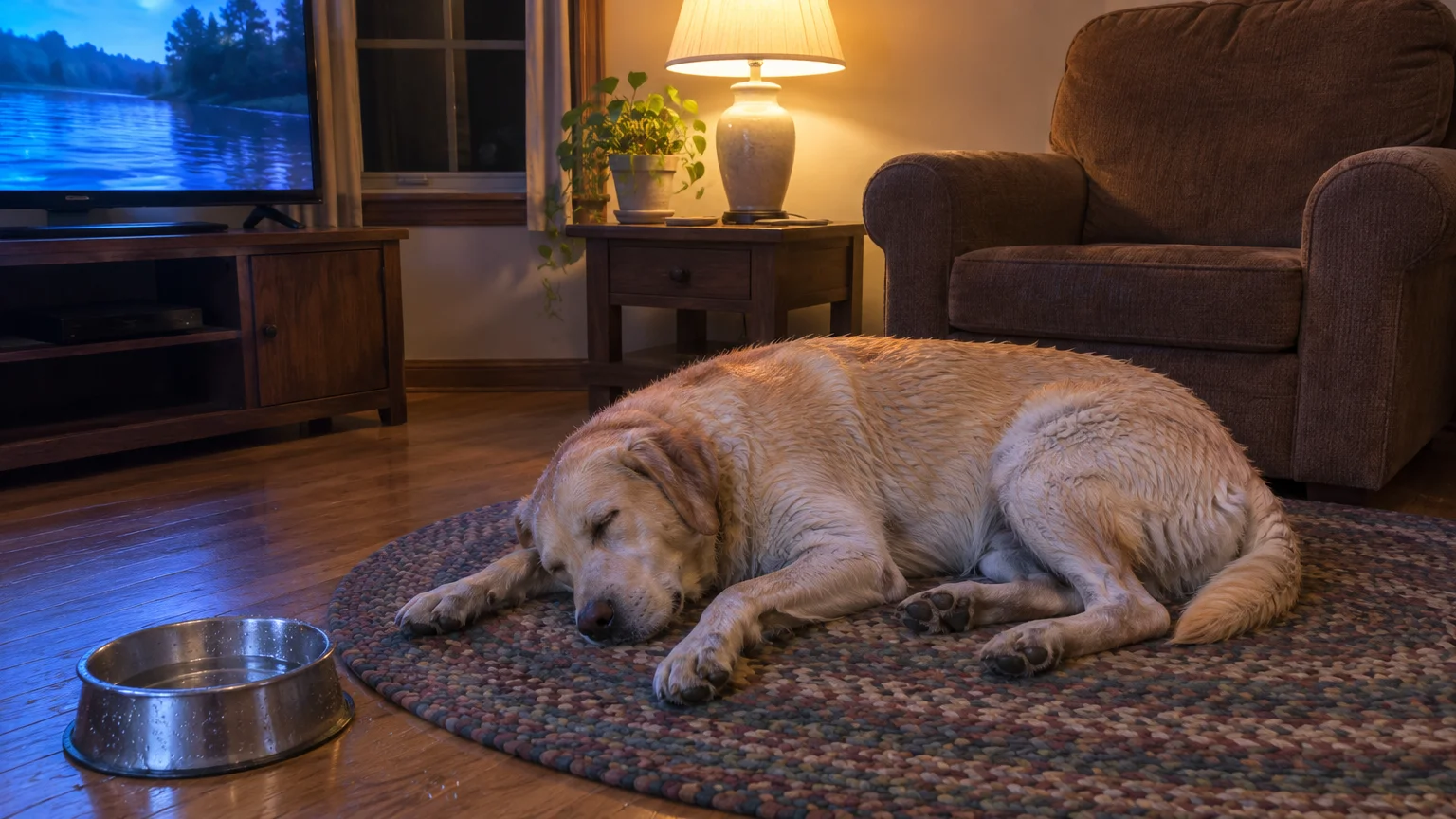
Warm summer water hides silent hazards that catch even experienced lake-goers off guard. Recognizing these common emergencies early protects your dog before minor symptoms turn critical.
Toxic Blue-Green Algae
The American Veterinary Medical Association notes that at least 95 cyanobacteria species produce toxins, with neurotoxins sometimes causing death within 1 hour. You cannot tell visually whether a bloom is toxic, warns Cornell University College of Veterinary Medicine.
According to the Centers for Disease Control and Prevention, illness strikes within minutes to hours and carries no known antidote. Keep dogs out of scummy or discolored water, and rinse coats immediately after accidental contact.
Water Intoxication and Cold Shock
ASPCA Poison Control warns that gulping water during nonstop fetch dilutes blood sodium below the normal 144–160 mEq/L range, risking brain swelling and seizures. Limit continuous ball chasing in water and enforce short shore breaks every ten minutes.
Prolonged swims below 50°F can also pose hypothermia risks, with hypothermia defined by the AKC as mild at 90–99°F, moderate at 82–90°F, and severe below 82°F. The Merck Veterinary Manual warns that shivering is not a reliable sign, so watch for lethargy or confusion.
Swimmer’s Tail and Ear Infections
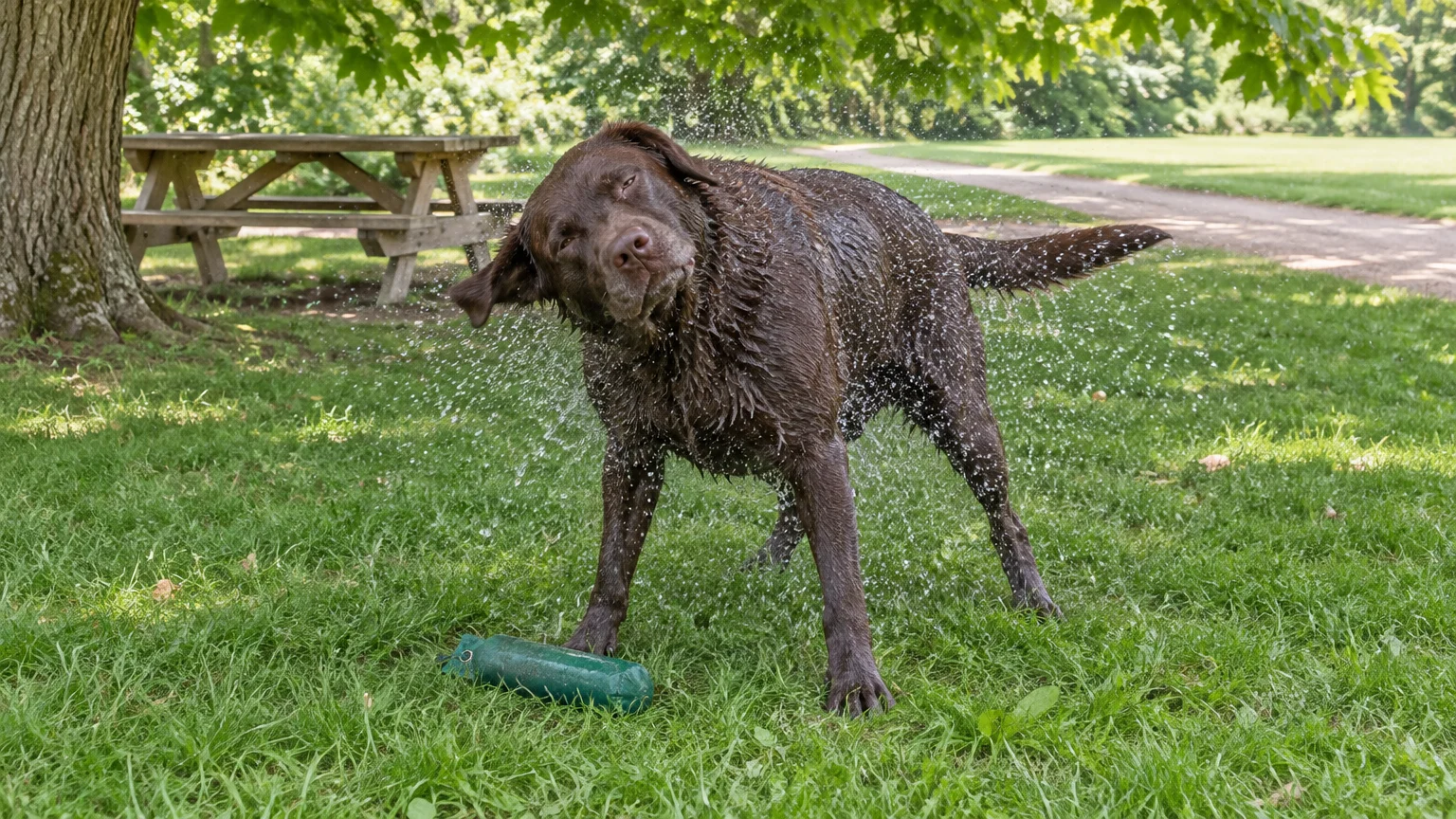
Cornell University veterinary specialists and VCA Animal Hospitals identify limber tail as an overuse strain inside tight tail fascia, often hitting Labradors after cold swims. Signs appear within 24 hours, and vet-prescribed rest and NSAIDs typically resolve it within a week.
Merck Animal Health reports that up to 1 in 7 dogs in veterinary practice develop otitis externa, often worsened by L-shaped ear canals trapping moisture. Dry ears gently after every swim, and never insert cotton swabs, alcohol, or hydrogen peroxide.
Where Outside Advice Pays Off
Good preparation handles routine splashes, yet specific water scenarios require prompt professional help rather than home guesswork. Save these contacts in your phone before leaving cell-tower range.
- Suspected toxin or heavy water ingestion: Call your emergency clinic, the ASPCA Animal Poison Control Center at 888-426-4435, or the Pet Poison Helpline at 855-764-7661 right away, noting consultation fees apply.
- Post-swim ear scratching or head shaking: Visit your veterinarian for an otoscopic exam and safe prescription drops instead of using harsh household cleansers.
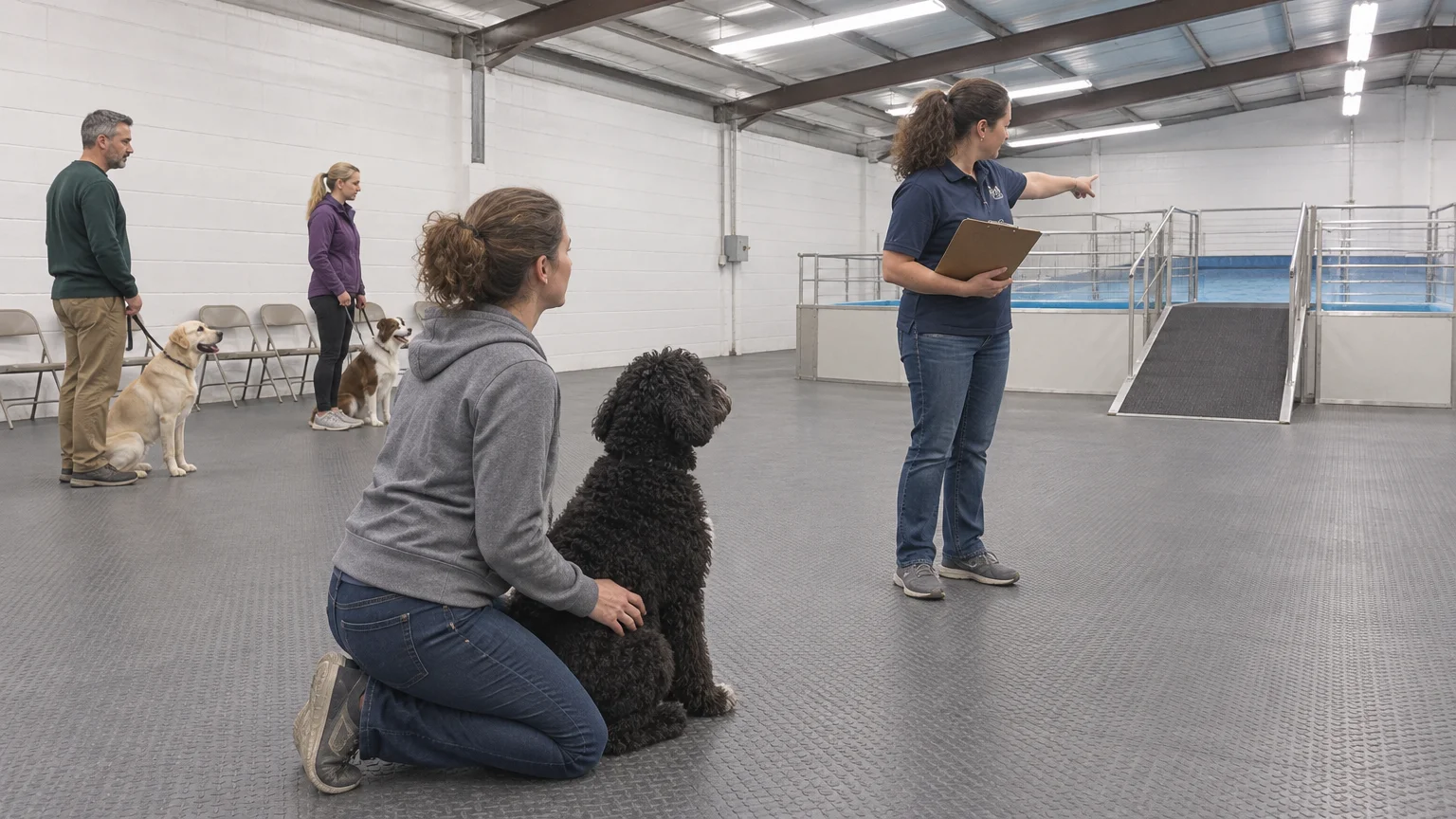
- Fear of deep water or strong prey drive around docks: Hire a certified force-free trainer to build confident entry skills and reliable shoreline recall.
Pick a breed whose energy, coat maintenance, and size match how you actually spend your weekends on the water. Pair that natural athleticism with smart gear, strict algae checks, and calm rest breaks for safer seasons ahead.
This is general informational content based on widely accepted guidance. Individual results vary.
Verify current details—rules, prices, eligibility, regulations—with official sources before making important decisions.
Last updated: November 2026. Rules, prices, and details change—verify current information with official sources before acting on it.