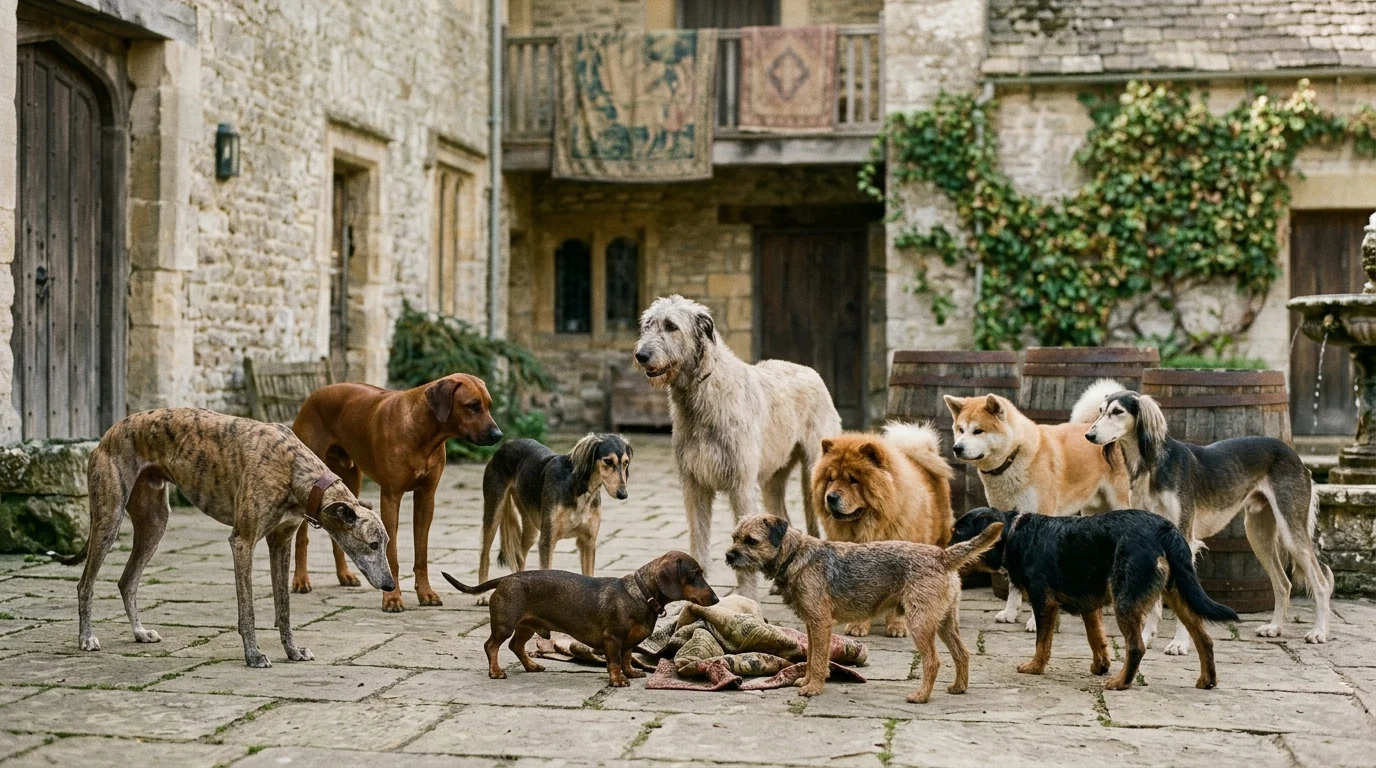
Every time you watch a pet curled up on a living room rug, you look at a living link to human history.
Canine breeds did not emerge by accident; ancient pharaohs, medieval monks, Chinese emperors, and 1800s European artisans intentionally shaped these animals for specialized roles that defined human survival and culture.
Exploring historical dog breed origins reveals how working animals transformed into beloved household companions across thousands of years. From ancient desert hunters to royal defenders, learning these dog breeds with interesting history changes how you see your favorite companions today.
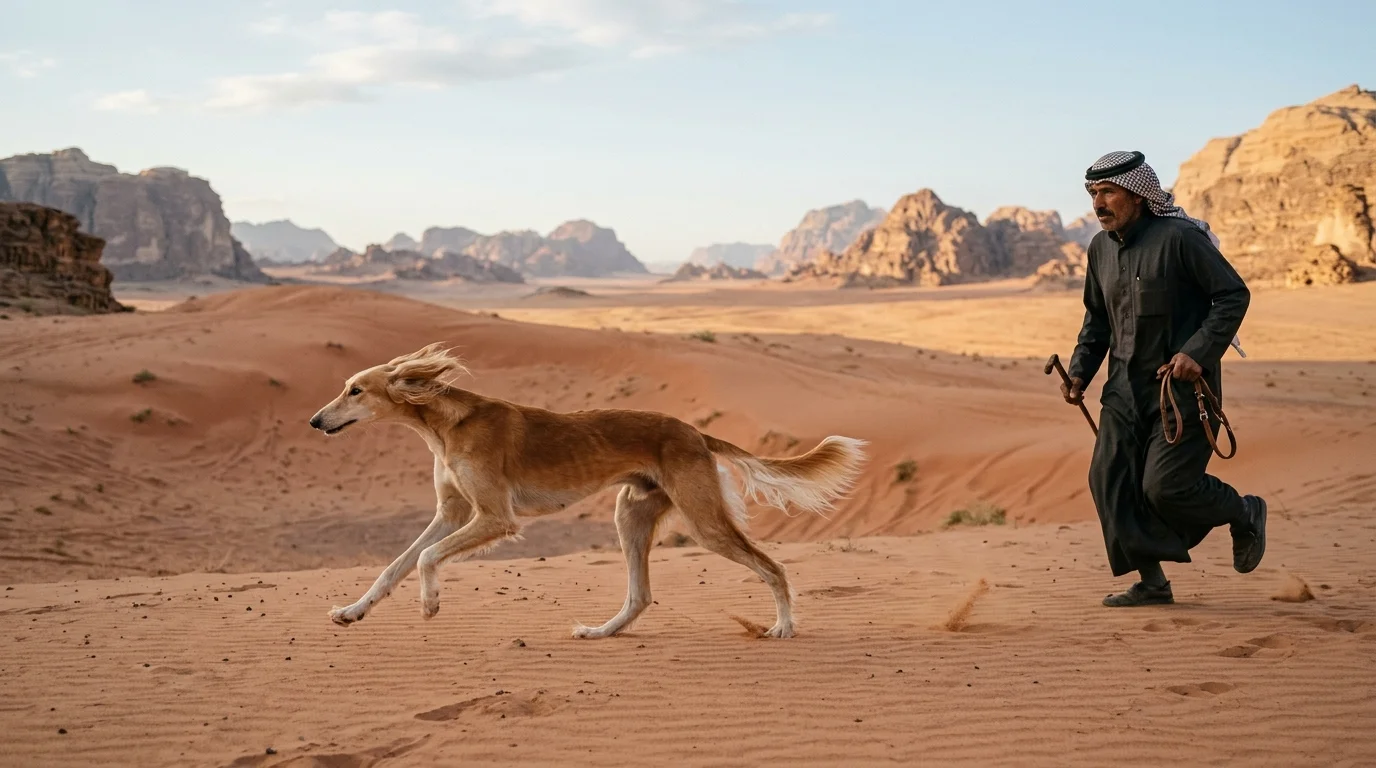
01 Saluki: The Pharaohs’ Desert Hunter
Archaeologists recognize the Saluki as one of the oldest domesticated dog breeds in human history.
Archaeological evidence and cave carvings in the Fertile Crescent trace the breed back to around 7000 BCE, where nomadic tribes and Egyptian pharaohs cherished these graceful hounds for their astonishing speed and endurance.
Unlike standard domestic animals of the ancient Middle East, desert tribes treated Salukis with deep reverence, allowing them to sleep inside family tents to protect them from harsh weather.
Bred specifically to chase swift game like gazelles across rocky terrain, the Saluki hunts primarily by sight rather than scent. According to Encyclopaedia Britannica, ancient Egyptians frequently mummified Salukis alongside royalty so the hounds could accompany pharaohs into the afterlife.
Their deep chests, flexible spines, and padded feet allowed them to leap across desert sand at high speeds—traits that modern owners still witness whenever a Saluki gets space to run.

02 Basenji: Africa’s Barkless Forest Tracker
Originating in Central Africa, the Basenji carries a lineage that dates back to at least 6000 BCE, where depictions of similar dogs appear in North African cave art.
Indigenous hunting tribes relied on these small, athletic dogs to drive small game into nets and alert hunters to dangerous wildlife in dense tropical forests. Because forest hunting required complete stealth, hunters valued dogs that did not bark indiscriminately.
The Basenji earned fame as the barkless dog due to a unique laryngeal anatomy. Rather than a typical bark, the breed produces a soft, yodel-like sound known as a barroo.
Beyond their quiet disposition, Basenji-like hounds appeared as honored companions in ancient Egyptian tomb paintings. Their cat-like grooming habits, tight curled tails, and independent intelligence reflect thousands of years of survival in dense wilderness without heavy human intervention.

03 Chow Chow: The Guard Dog of the Han Dynasty
Genetic research confirms that the Chow Chow stands among the earliest divergent dog breeds in world history. Artifacts and pottery sculptures from China’s Han Dynasty date the breed’s documented existence to at least 150 BCE.
Chinese emperors kept massive kennels housing thousands of Chow Chows, utilizing them as noble palace guardians, wild boar hunters, and haulers for heavy sleds across icy northern provinces.
The Chow Chow possesses two signature physical traits: a thick double coat resembling a lion’s mane and a blue-black tongue.
Chinese legend suggested the dogs licked up pieces of the sky when the earth was created, but geneticists attribute the dark tongue pigmentation to concentrated melanin deposits.
Their noble stature and naturally aloof temperament reflect centuries spent guarding imperial palaces and isolated rural estates across East Asia.
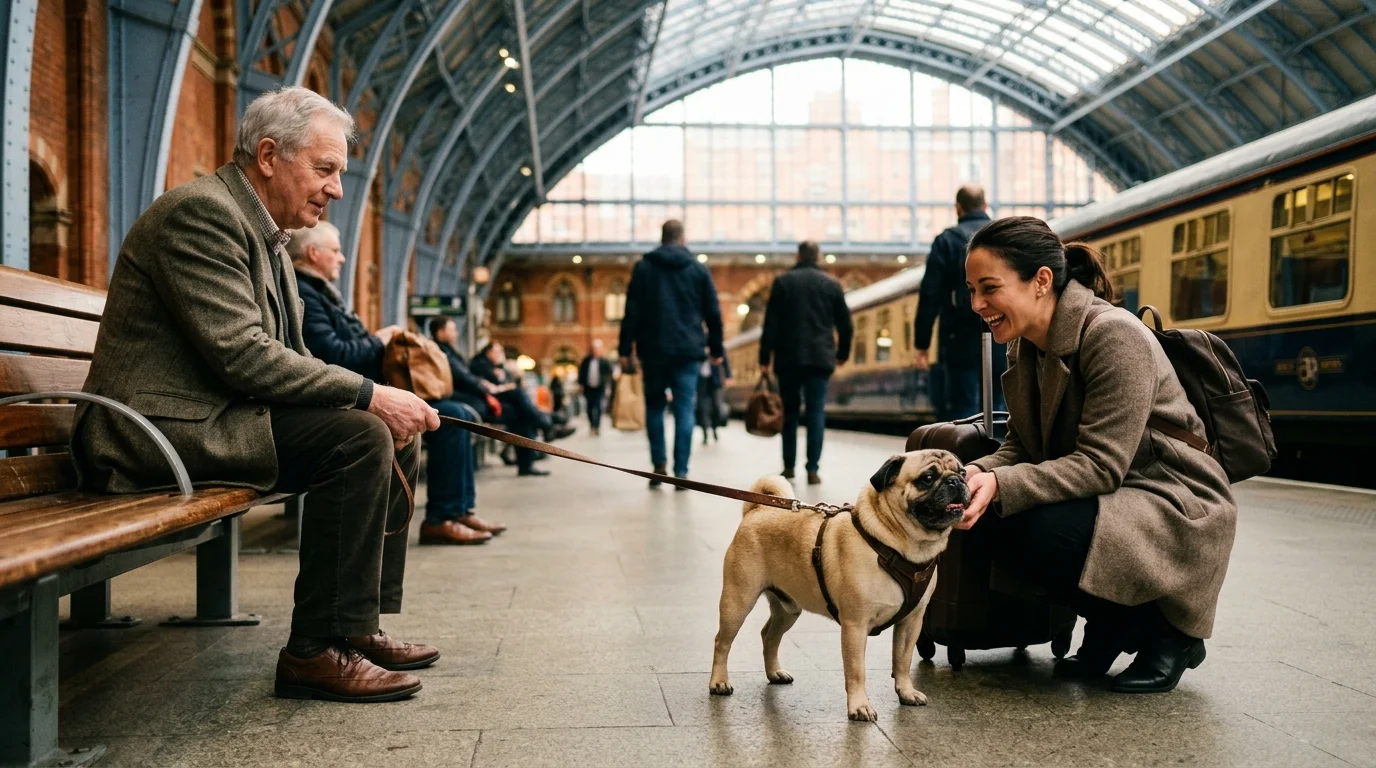
04 Pug: Imperial Chinese Lapdog turned European Hero
Long before Pugs became staple pets in modern suburban living rooms, they lived lives of lavish luxury in ancient China around 400 BCE. Chinese emperors prized these small, flat-faced dogs as royal companions, providing them with dedicated servants and guarded living quarters.
In fact, royal decrees forbade anyone outside imperial circles from owning a Pug, treating unauthorized possession as a major crime.
In the 16th century, Dutch traders introduced Pugs to Europe, where they quickly captivated Western nobility. A key turning point occurred in 1572 during the Eighty Years’ War.
A loyal Pug named Pompey saved Prince William the Silent of the Netherlands from a night attack by stealthy Spanish assassins. Pompey scratched and barked frantically outside the prince’s tent, waking him seconds before the intruders struck.
Grateful royal leaders adopted the Pug as the official dog of the Dutch House of Orange, securing the breed’s place in European history.
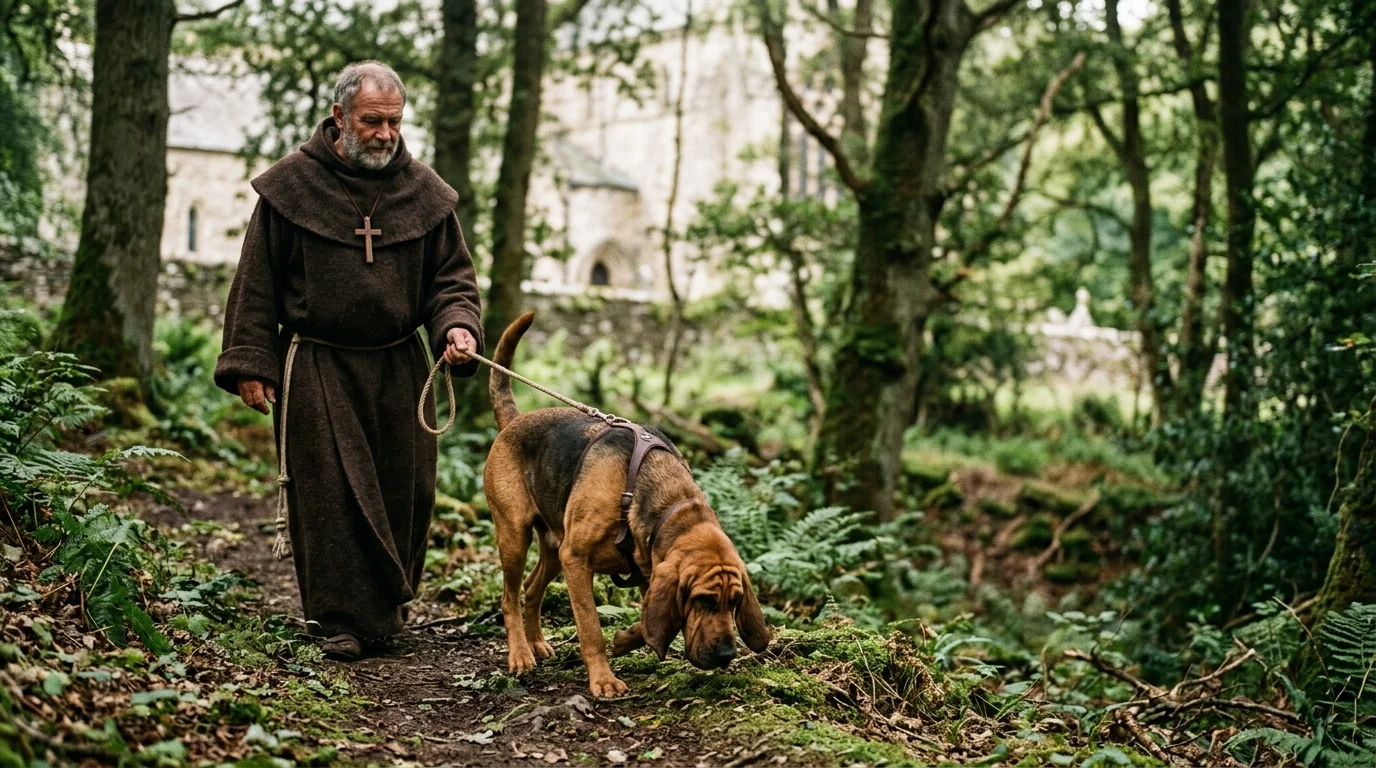
05 Bloodhound: The Medieval Monk’s Scent Hound
The noble Bloodhound owes its refined scenting ability to the meticulous breeding efforts of medieval European monks.
Around the 8th century, monks at the Monastery of Saint-Hubert in Belgium began crossing ancient scent hounds to create a hound capable of tracking game across long distances in dense forests.
These dogs, originally known as St. Hubert Hounds, earned a reputation for unmatched olfactory precision.
In 1066, William the Conqueror brought St. Hubert Hounds to England during the Norman Conquest. Over centuries of selective breeding, horsemen and hunters refined the breed into the modern Bloodhound—a name derived from aristocratic bloodlines rather than bloodthirsty habits.
Their loose skin, drooping ears, and wrinkled faces serve a direct functional purpose: sweeping scent particles toward their sensitive noses while they track cold trails across miles of difficult terrain.
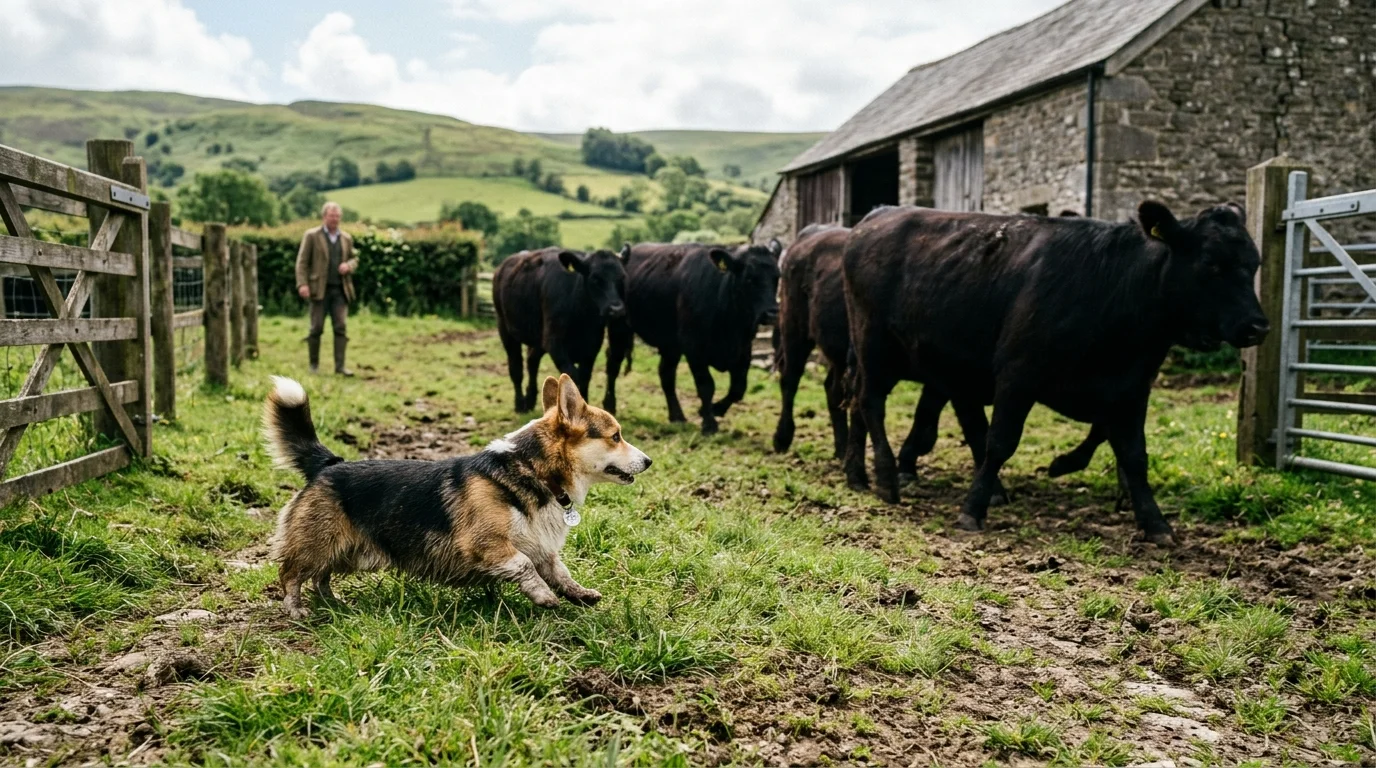
06 Pembroke Welsh Corgi: The Flemish Weaver’s Cattle Herder
While folklore suggests that woodland fairies rode Pembroke Welsh Corgis into battle, historical records provide a fascinating grounded origin. In 1107 CE, King Henry I of England invited skilled Flemish weavers to settle in southwestern Wales.
These artisans brought their native herding and spitz-type dogs, which intermingled with local Welsh dogs to forge the ancestor of the modern Corgi.
Farmers in Pembrokeshire relied on these short-legged dogs to drive cattle across communal grazing pastures. The Corgi’s low stature allowed it to nip at cattle hooves to keep herds moving while easily dodging dangerous kicks.
The American Kennel Club officially recognized the Pembroke Welsh Corgi in 1934, celebrating a breed that seamlessly transitioned from rugged farm laborer to royal favorite under Queen Elizabeth II.
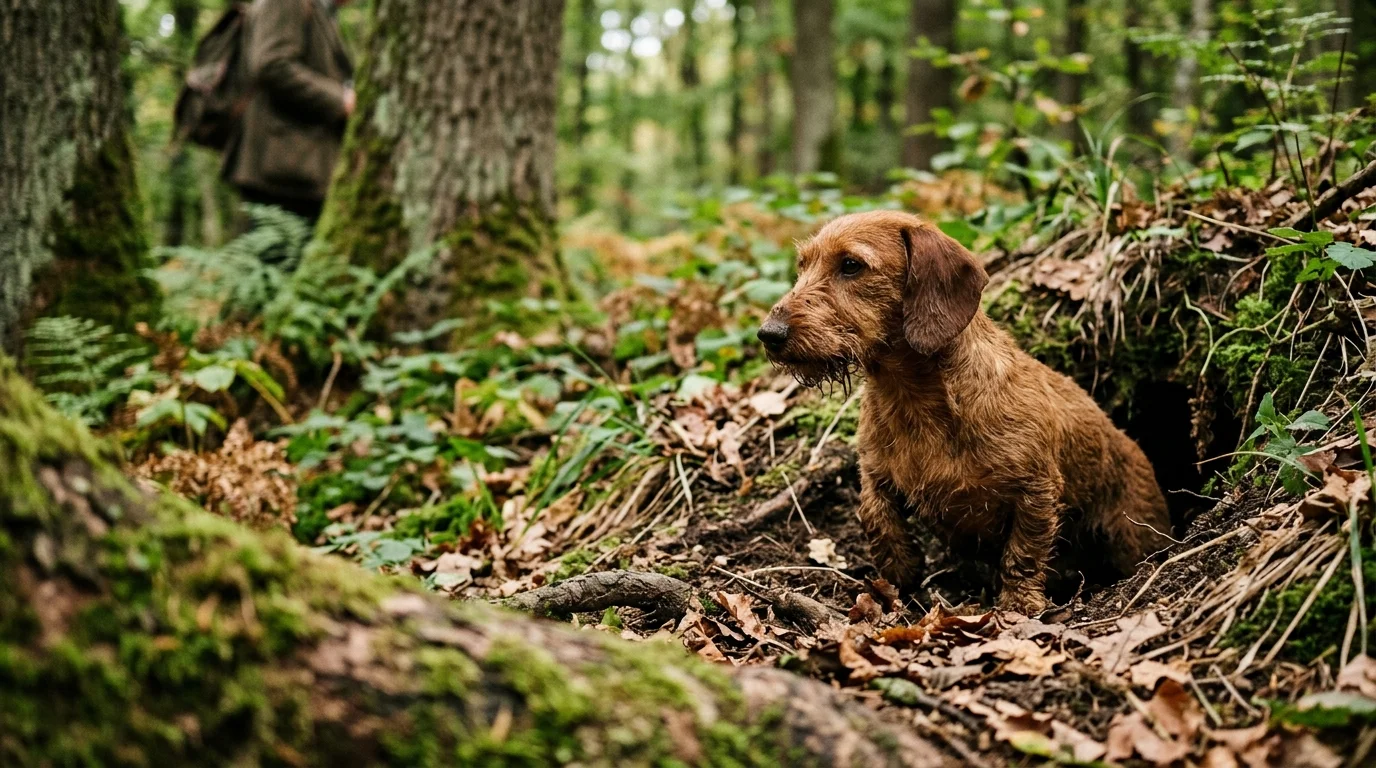
07 Dachshund: Germany’s Fearless Badger Hunter
Do not let the playful shape of a Dachshund fool you; breeders engineered this hound for high-stakes subterranean warfare.
German hunters developed the Dachshund between the 15th and 17th centuries specifically to hunt badgers—a claim embedded directly in their name, as German translates Dachs to badger and Hund to dog.
Hunting aggressive badgers underground required an elongated body, paddle-shaped paws for digging, and an astonishingly bold disposition. According to American Kennel Club data, the Dachshund surged into the top 5 most popular dog breeds list in 2025.
Their sudden rise in modern popularity mirrors how well these brave, energetic companions adapt to family life while retaining their curious, tenacious spirit.
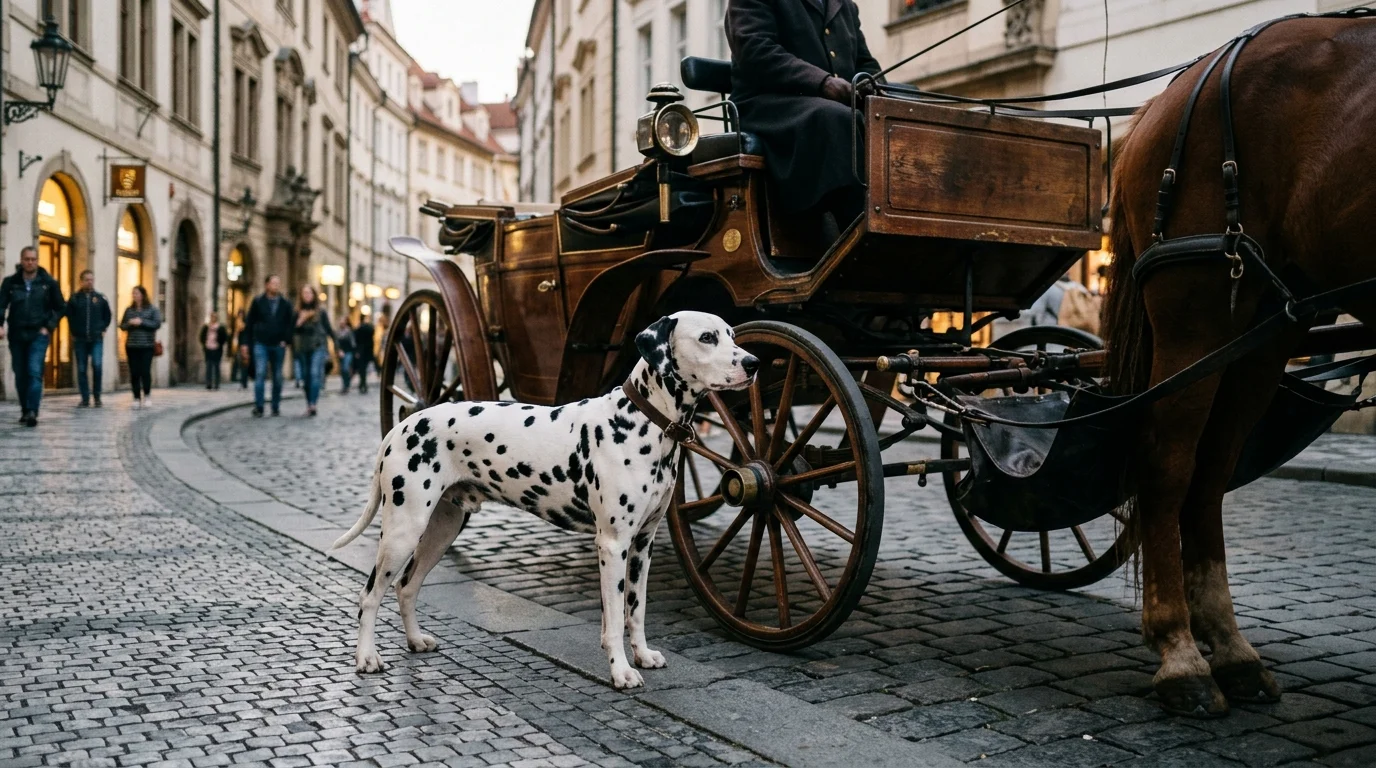
08 Dalmatian: The Guardian of European Carriages
The origin of the Dalmatian traces back to the historical region of Dalmatia in modern-day Croatia, with written records appearing in the 17th century.
During the 18th and 19th centuries, European aristocrats realized that Dalmatians possessed a rare combination of physical endurance, natural affinity for horses, and protective instincts. They quickly employed them as coach dogs.
Dalmatians ran alongside or directly underneath horse-drawn carriages, protecting passengers and cargo from highwaymen who ambushed travelers along dark roads. When horses stopped, Dalmatians guarded the team from theft or street disturbance.
This unique historical role later evolved into their famous association with fire stations, where Dalmatians ran ahead of horse-drawn fire engines to clear busy city streets and guard equipment while firefighters worked.

09 Pekingese: The Sacred Dog of the Forbidden City
Ancient Chinese royalty held the Pekingese in such high regard that commoners had to bow when imperial dogs passed by. Kept exclusively inside Beijing’s Forbidden City, emperors treated these lions in miniature as sacred protectors.
Anyone caught attempting to steal an imperial Pekingese faced immediate execution under royal law.
A dramatic historical event reshaped the breed’s fate in 1860 during the Second Opium War. As British troops occupied the Summer Palace, five surviving Pekingese dogs were discovered guarding the quarters of an imperial aunt.
Officers brought the five dogs to Great Britain, presenting one named Looty to Queen Victoria as a gift. As noted by the American Kennel Club, which officially recognized the breed in 1906, these five rescue dogs introduced the Pekingese to the Western world.

10 French Bulldog: From Nottingham Lace Workers to Global Fame
Despite its national name, the French Bulldog began its journey in 19th-century England. Industrial Revolution lace workers in Nottingham kept miniature bulldogs as affectionate lap dogs and cozy lap warmers while operating hand looms in cold workshops.
When automated lace factories pushed these artisans out of work, many migrated across the English Channel to Normandy, France, bringing their small companions with them.
French society fell in love with these compact dogs, particularly their upright bat ears and friendly humor. French breeders refined the breed into the French Bulldog we know today, capturing the hearts of Parisian artists, shopkeepers, and aristocrats.
According to official registration statistics from the American Kennel Club, French Bulldogs held the #1 spot for most popular dog breed in the U.S. from 2022 through 2025, breaking the Labrador Retriever’s historic 31-year streak (1991–2021) as America’s top dog.

Comparing Origins and Historical Roles
Reviewing historical dog breed origins side by side shows how diverse human needs created the canine diversity you see today. The following table highlights key details across these ten fascinating breeds:
| Dog Breed | Historical Origin Period | Primary Historical Role | Key Historical Fact |
|---|---|---|---|
| Saluki | c. 7000 BCE | Desert gazelle hunter | Mummified with Egyptian pharaohs for the afterlife |
| Basenji | c. 6000 BCE | Silent forest tracker | Known as the “barkless dog” with a yodel-like sound |
| Pug | c. 400 BCE | Imperial Chinese lapdog | Saved Prince William the Silent from assassins in 1572 |
| Chow Chow | c. 150 BCE | Palace guard and hunter | One of the earliest divergent breeds from the Han Dynasty |
| Bloodhound | 8th Century CE | Game and human tracker | Bred by Belgian monks; brought to England in 1066 |
| Corgi | 1107 CE | Cattle driver | Introduced to Wales by Flemish weavers under Henry I |
| Dachshund | 15th–17th Century | Subterranean badger hunter | Bred low to ground to fight badgers in underground dens |
| Dalmatian | 17th Century | Carriage escort and guard | Protected horse-drawn coaches from road highwaymen |
| Pekingese | Ancient China (1860 Western entry) | Sacred palace guardian | Five dogs brought to Britain in 1860; one gifted to Queen Victoria |
| French Bulldog | 1800s | Companion for lace workers | Migrated from Nottingham to Normandy before achieving global fame |
“A dog’s physical structure and temperament are living archives of human social history—a reflection of the tasks, environments, and values of the cultures that shaped them.”
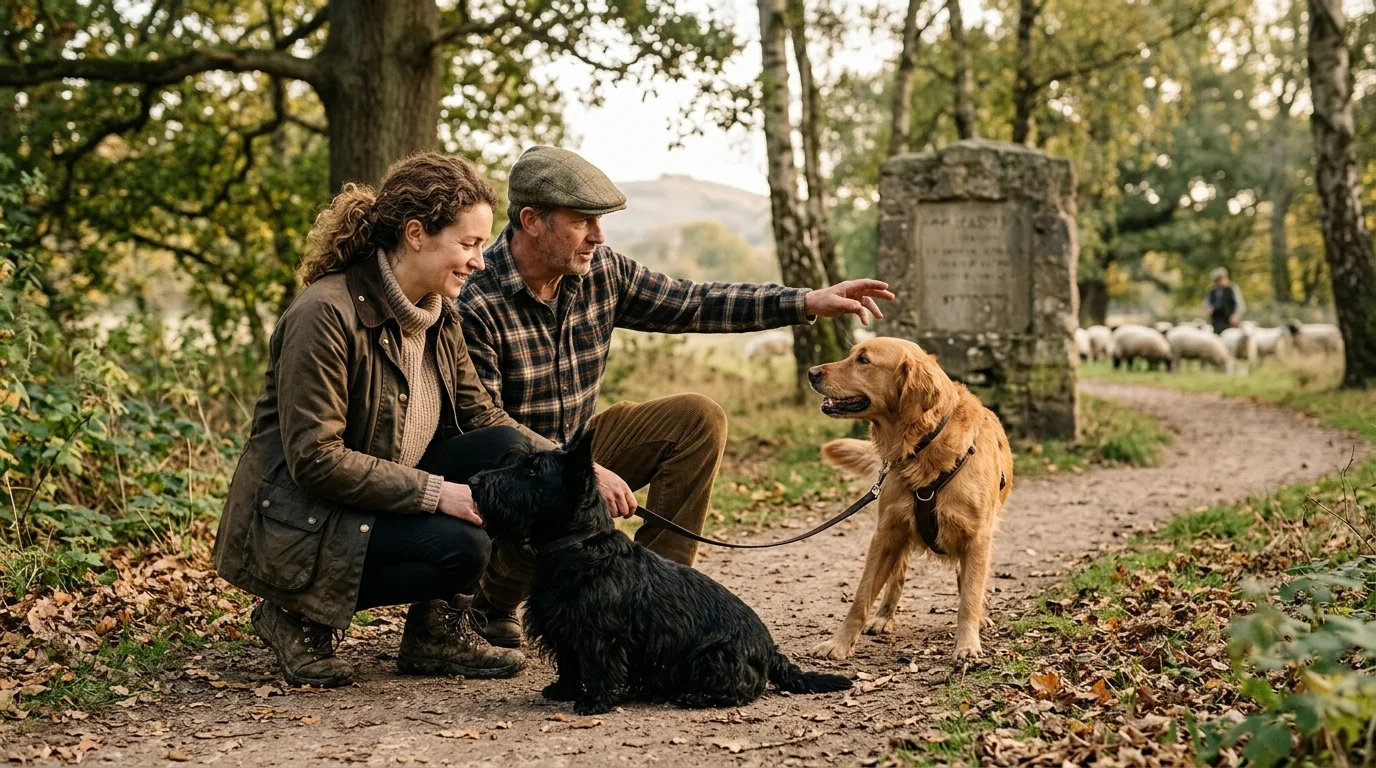
What Their History Means for Modern Dog Owners
Understanding dog breeds with unique backstories does far more than satisfy curiosity; it gives you direct insight into your dog’s daily behavior, energy needs, and personality traits.
When your Dachshund digs in the backyard or your Bloodhound keeps its nose glued to the pavement, you see instincts refined over centuries of intentional breeding.
You can use these historical insights to build a happier environment for your pet:
- Channel innate hunting and scenting drives: Scent hounds like Bloodhounds and digging breeds like Dachshunds benefit tremendously from nose-work games, puzzle toys, and designated digging zones.
- Provide appropriate exercise styles: Sighthounds like Salukis require secure, fenced sprint zones rather than long, monotonous walks on a short leash.
- Understand instinctual vocalizations: Herding breeds like Corgis and carriage guards like Dalmatians naturally alert you to environmental changes because their ancestors guarded livestock and high-value cargo.
- Respect physical adaptations: Short-muzzled lapdogs like Pugs and Pekingese were bred for indoor climate control, making them vulnerable to overheating during strenuous outdoor activities.
Frequently Asked Questions
Which dog breed has the oldest verified historical origin?
Archaeological records identify the Saluki and Basenji as two of the oldest dog breeds. Cave art and ancient relics trace their ancestors back to between 6000 BCE and 7000 BCE in the Fertile Crescent and North Africa.
Why do French Bulldogs come from England if they are called French?
Nottingham lace workers in 19th-century England originally kept toy bulldogs as companions. When workers moved to France during the Industrial Revolution, French dog lovers bred them with local dogs, perfecting the bat-eared French Bulldog we recognize today.
Why do Bloodhounds have loose skin and long floppy ears?
Monks selectively bred Bloodhounds with loose facial skin and long ears to help collect scent particles. As the dog tracks with its nose to the ground, the ears sweep scent upward toward the nose, while facial wrinkles trap scent around the muzzle.
How did Pugs become connected to European royalty?
Dutch merchants imported Pugs from China during the 16th century. After a Pug named Pompey saved William the Silent from an assassination attempt in 1572, the Dutch royal house adopted the Pug as its official dog breed, spreading its popularity across European courts.
Honoring Your Pet’s Rich Heritage
When you share your home with a dog, you share your life with centuries of human craftsmanship, survival history, and cultural heritage.
Recognizing these historical dog breed origins allows you to appreciate your dog’s quirks, provide better care tailored to their instincts, and celebrate the incredible journey that brought these animals from ancient working roles right into your heart.
This article provides general information only. Every reader’s situation is different—what works for others may not be the right fit for you. For personalized guidance on health, legal, or financial matters, consult a qualified professional.
Last updated: May 2026. Rules, prices, and details change—verify current information with official sources before acting on it.