You can enjoy canine companionship without constantly vacuuming piles of fur from your furniture or rug. Certain breeds produce significantly less loose hair than heavy shedders, creating a cleaner home and easier cleanup.
Whether you manage mild pet sensitivities or simply dislike finding stray hairs on your clothing, low-shedding dogs provide a tidy living environment. Their coats trap loose strands instead of dropping them onto floors.
Understanding how these coats work helps you choose the perfect pup for your lifestyle. Here are ten outstanding breeds that keep hair loss to a bare minimum.
The Science of Low Shedding and Pet Allergies
Many prospective owners assume low-shedding dogs cannot trigger sneezing, watery eyes, or respiratory congestion. However, immunological science reveals a more complex reality.
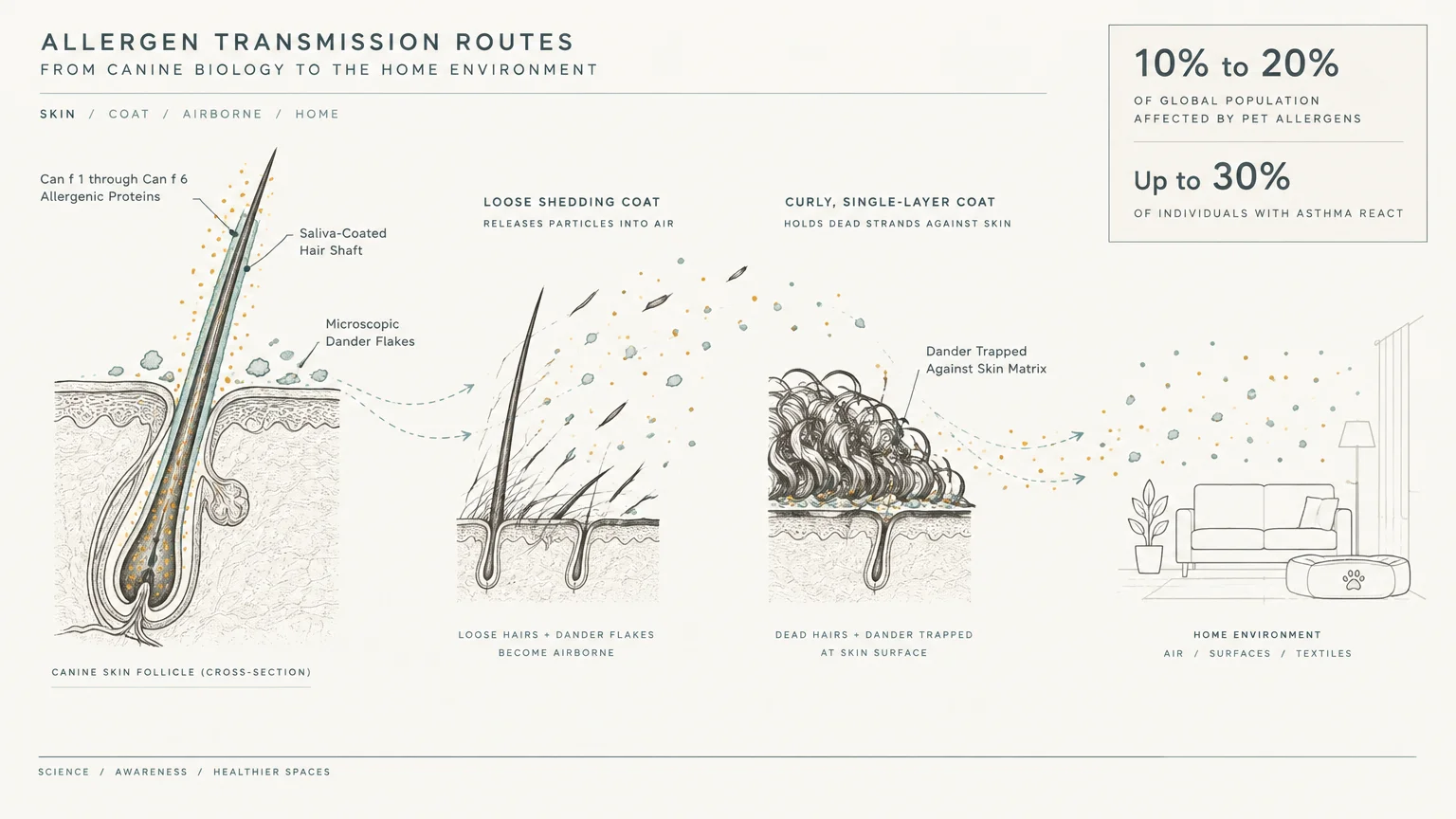
According to the Asthma and Allergy Foundation of America, between 10% and 20% of the global population experiences allergies to dogs and cats. Up to 30% of individuals with asthma react directly to pet allergens.
Veterinary and medical research confirms that zero percent of dog breeds are truly non-allergenic. Canine allergies stem from specific microscopic proteins—designated Can f 1 through Can f 6—rather than the dog hair itself.
Dogs produce these allergenic proteins in their saliva, urine, and microscopic dead skin flakes known as dander. When dogs lick their coats, dried saliva bonds to hair shafts and flakes off into your living environment.
Low-shedding breeds help sensitive owners primarily because their coats trap dander against the skin instead of casting it across your carpets. You encounter fewer airborne allergens simply because loose hairs do not drift freely through your rooms.
Hair Versus Fur: Why Some Dogs Barely Shed
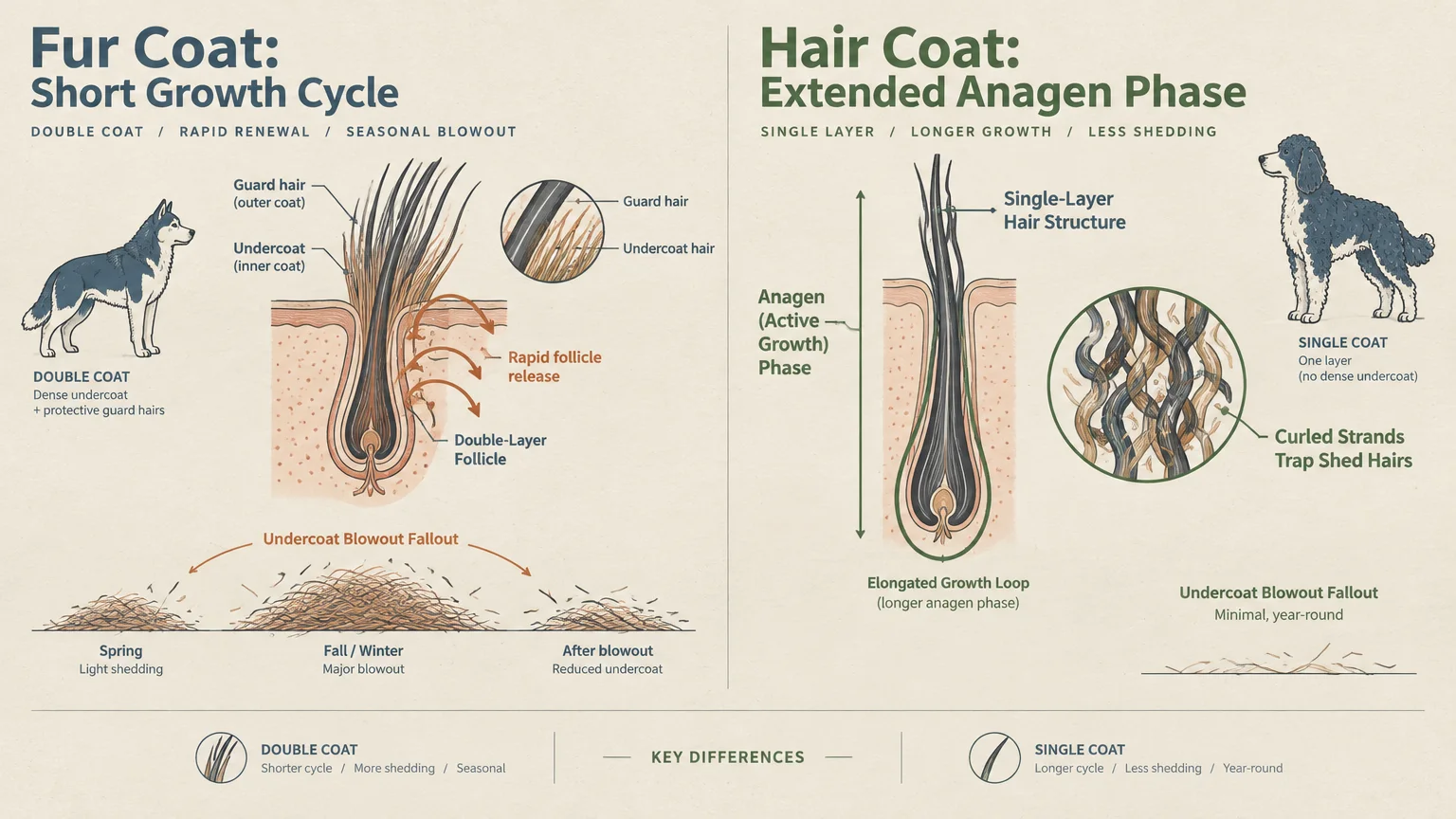
The biological difference between heavy shedders and low-shedding breeds comes down to follicle growth cycles. Canines possess either fur coats or hair coats, which behave in fundamentally different ways.
Fur-coated breeds—such as German Shepherds or Labrador Retrievers—have shorter hair cycles. Their follicles quickly produce hair, release it, and cycle through seasonal blowouts that deposit dense undercoats on your floors.
In contrast, low-shedding dogs feature hair coats that remain in the anagen, or active growth, phase for long stretches. This single-layer coat resembles human hair, growing continuously instead of dropping out en masse.
While individual hair strands eventually die, they do not drop onto your floor immediately. Instead, the surrounding curls or waves trap the dead strands until you physically brush them away.
The Grooming Trade-Off: Time and Maintenance Costs
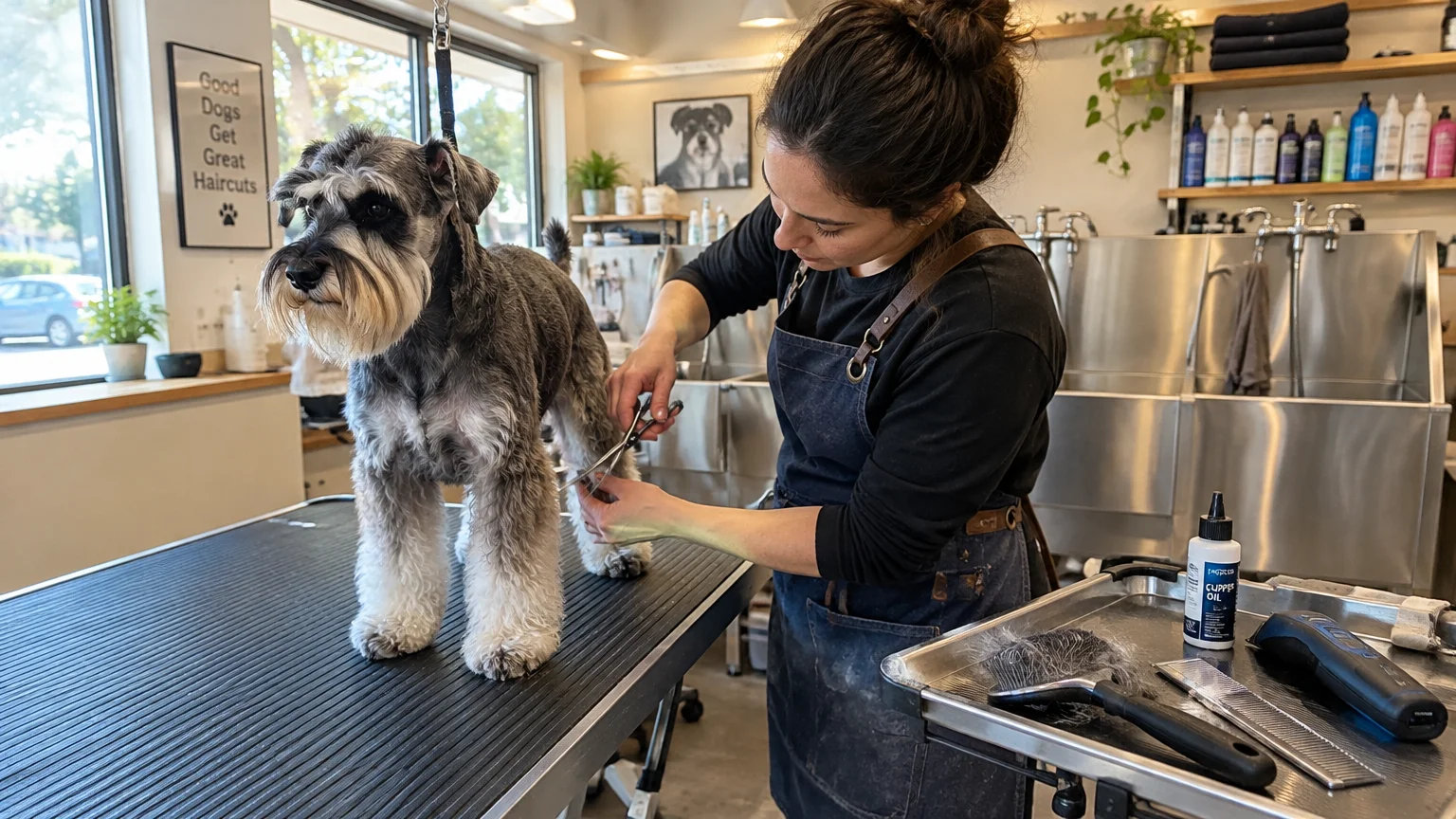
Choosing a low-shedding companion saves you from endless lint rolling, but it introduces a strict grooming commitment. Because shed hairs stay trapped within the living coat, neglected hair quickly twists into painful mats.
Dense matting cuts off airflow to the skin, trapping moisture and bacteria that can trigger painful hot spots. You must brush hair-coated breeds several times each week to maintain healthy skin ventilation.
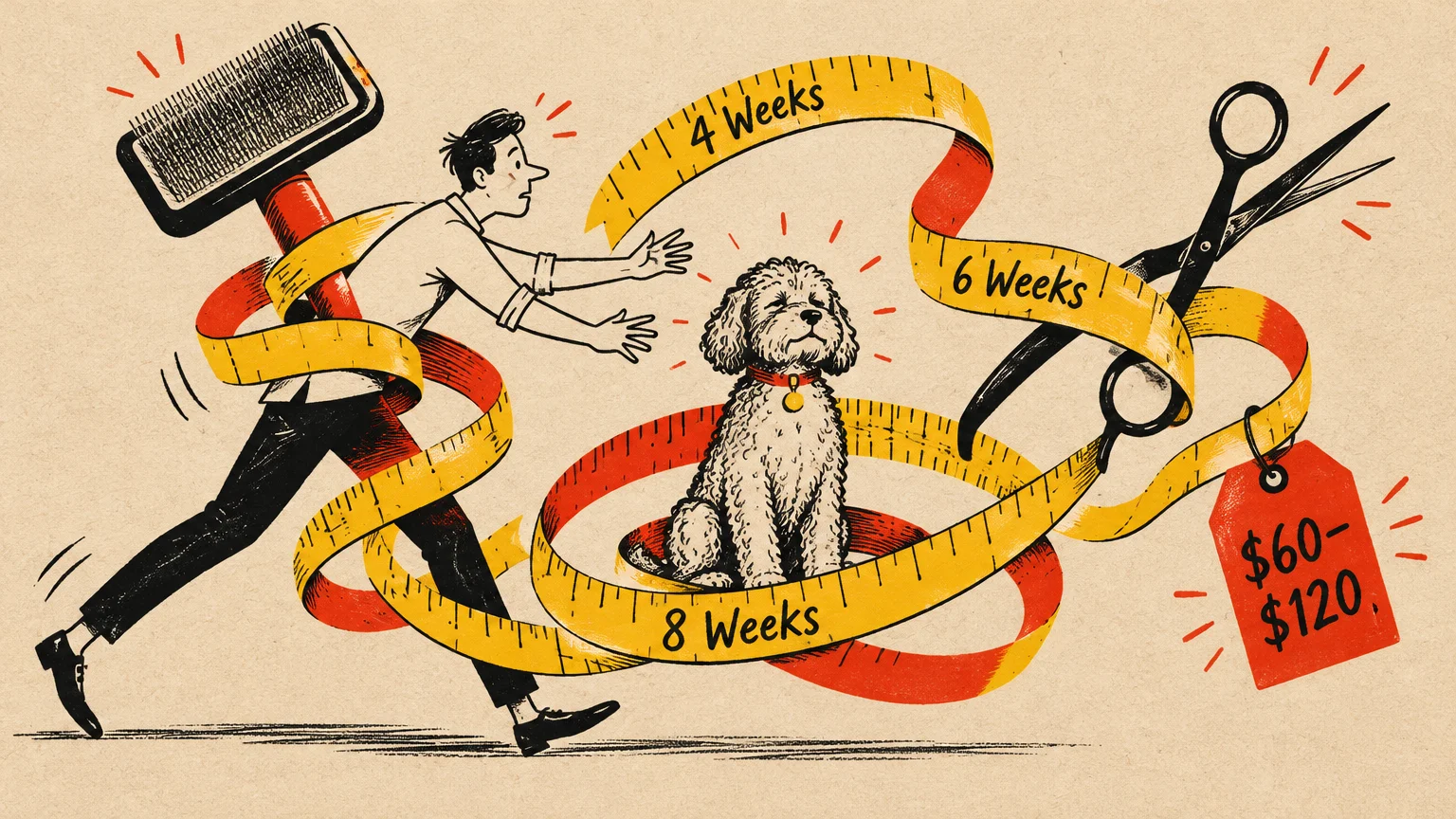
Most low-shedding breeds require professional clipping every 4 to 8 weeks. Professional groomers bathe, blow-dry, detangle, and trim the coat down to a hygienic, manageable length.
National pet care data shows that the average professional grooming visit in the United States costs between $60 and $120. Larger breeds or dogs with severely tangled coats often command even higher salon fees.
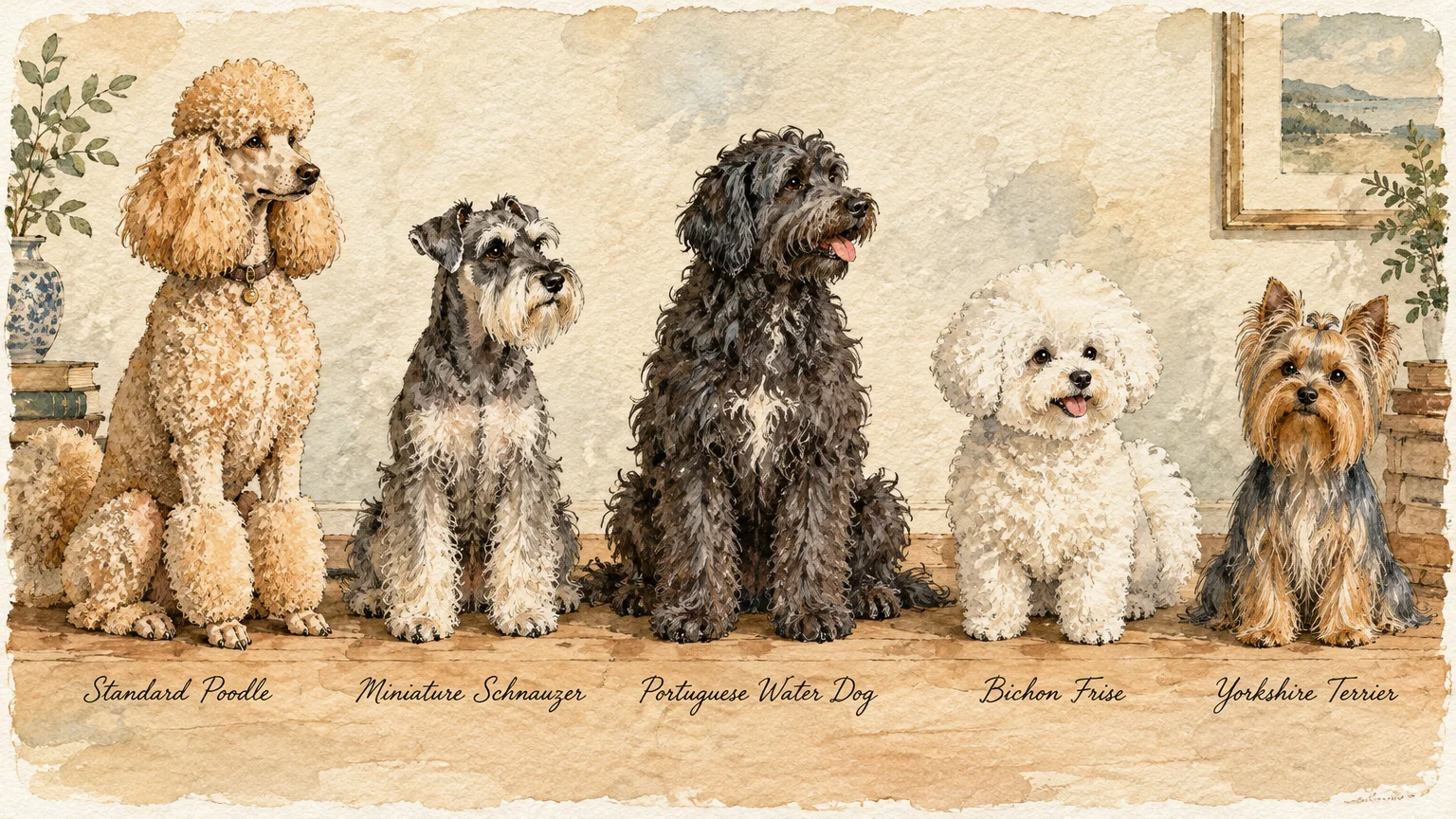
10 Dog Breeds With Low Shedding
1. Poodle (Standard, Miniature, and Toy)
Poodles set the gold standard for clean, low-shedding canine companions. Their dense, tightly curled coats catch dead hairs completely, preventing loose strands from decorating your furniture.
According to the American Kennel Club registration statistics, Poodles consistently rank among the top five most popular breeds in the United States. Families adore their remarkable intelligence and athletic versatility.
You can choose between Toy, Miniature, or Standard varieties depending on your living space. Standard Poodles excel in active households, while Toy Poodles adapt effortlessly to compact city apartments.
Work through your Poodle’s curls with a slicker brush several times each week to prevent knotting. Book professional trims every 4 to 6 weeks to keep their coat neat and sanitary.
2. Bichon Frise
The cheerful Bichon Frise sports a plush, cloud-like white coat that releases virtually no loose hair into your home. Beneath their soft outer curls lies a dense undercoat that captures loose strands.
Bred as European companion dogs, Bichons possess bright, sociable personalities. They get along famously with children, polite strangers, and other household pets.
Their spirited nature requires moderate daily exercise, such as neighborhood walks and lively indoor play sessions. They adapt comfortably to quiet suburban homes as well as bustling urban apartments.
You must comb a Bichon Frise daily to prevent friction mats from forming beneath their collar, ears, and armpits. Regular baths keep their white fur gleaming and free of trapped environmental allergens.
3. Miniature Schnauzer
Miniature Schnauzers possess a double coat consisting of a soft, insulating undercoat and a wiry outer jacket. This stiff, wiry texture sheds remarkably little compared to traditional canine fur.
Distinguished by their bushy eyebrows and expressive beards, Miniature Schnauzers bring spirited vigilance to any home. They learn obedience commands quickly and alert you faithfully to arriving guests.
Their compact size and athletic build make them ideal partners for hiking, obedience trials, or brisk park strolls. They possess an outgoing, bold personality without the fragility of some toy breeds.
Maintain their signature profile through either professional clipping or hand-stripping every 6 to 8 weeks. Comb their leg furnishings and facial beard weekly to remove trapped food and garden debris.
4. Portuguese Water Dog
Portuguese Water Dogs earned historical acclaim working alongside fishermen in the Atlantic Ocean, retrieving lost nets and ferrying tackle between vessels. Their waterproof coat lacks an undercoat entirely.
This energetic breed features either compact, tight curls or gentle, wavy locks. Both variations retain loose hair exceptionally well, keeping your home clean and airborne dander levels low.
These athletic powerhouses need active owners who provide vigorous daily exercise. Swimming, dock diving, and trail running help channel their intense physical stamina and sharp working intelligence.
Plan to trim their coat into either a practical retriever clip or a traditional lion cut every two months. Regular brushing prevents water-soaked curls from felting together near the skin.
5. Maltese
The Maltese has graced royal laps for thousands of years, boasting a silky white mantle that flows toward the floor. Remarkably, this ancient toy breed possesses no undercoat whatsoever.
Because their hair grows straight and smooth like human hair, Maltese dogs drop almost no loose strands. They rank among the cleanest companions for quiet living spaces.
Maltese dogs exhibit gentle, deeply affectionate temperaments and thrive on close human interaction. They prefer relaxed neighborhood strolls and indoor interactive puzzle toys over strenuous athletic workouts.
Pet owners often trim their Maltese into a short puppy cut to simplify weekly grooming tasks. If you maintain the coat at full length, comb it daily using a metal pin comb.
6. Yorkshire Terrier
Yorkshire Terriers pack huge, spirited personalities into tiny, portable frames. Their glistening, fine coats share a biological texture with human hair, producing negligible shedding.
Originally bred to hunt vermin in English textile mills, Yorkies retain a confident, feisty terrier drive. They investigate unfamiliar sounds and announce visitors with unmistakable enthusiasm.
These pint-sized dogs thrive in urban environments and travel easily inside soft-sided pet carriers. Short daily walks and indoor fetch games satisfy their modest exercise requirements.
Daily brushing keeps their fine locks glossy, tangle-free, and clean. A professional trim every six weeks keeps their coat sanitary and prevents long strands from dragging on wet walkways.
7. Soft Coated Wheaten Terrier
Soft Coated Wheaten Terriers originated on Irish farms as versatile herding, guarding, and hunting dogs. Unlike wiry terriers, Wheatens feature an exceptionally soft single coat that falls in warm, silky waves.
This breed stays playful well into adulthood, greeting favorite humans with exuberant, bouncing enthusiasm. They crave regular human interaction and bond devotedly with every member of the household.
Wheatens demand daily physical activity to burn off their buoyant energy. Fenced yards, interactive games, and structured obedience sessions keep their curious minds constructively occupied.
Their flowing coat acts like a duster, catching twigs, leaves, and outdoor dirt on everyday walks. Comb through their wavy tresses with a metal greyhound comb every couple of days to stop matting early.
8. Havanese
The Havanese is the national dog of Cuba, celebrated for its warm expression and plush double coat. Despite carrying two coat layers, this breed drops remarkably little hair onto your furniture.
Their outer hair feels light and silky, insulating them against hot weather in their native climate. Loose undercoat hairs become caught within the outer coat, awaiting your regular brushing sessions.
Havanese dogs charm everyone with their comical antics and gentle, sweet disposition. They excel as therapy companions and form deep, affectionate attachments to their family members.
Keep their double coat free of mats by brushing gently two or three times weekly. A practical puppy trim dramatically reduces brushing time while preserving their endearing silhouette.
9. Bedlington Terrier
With its arched back, slender build, and fleecy crown, the Bedlington Terrier looks strikingly like a miniature lamb. Their distinctive coat blends crisp, wiry hairs with soft, woolly fibers.
This British breed rarely sheds loose hair, making it an outstanding choice for spotless living rooms. Beneath that delicate appearance lies a tough athlete capable of surprising bursts of galloping speed.
Bedlingtons love family life and show quiet loyalty indoors, contrasting with their fiery history as mining vermin hunters. They require moderate daily exercise and responsive, reward-based training.
Their unique coat requires professional scissoring every 6 weeks to maintain that iconic, lamb-like head shape. Weekly brushing with a slicker brush prevents knotting close to the skin.
10. Basenji
If you prefer short-haired dogs over long, high-maintenance coats, the Basenji provides an ideal alternative. Known as the barkless dog of central Africa, this hunting breed carries an ultra-short, fine coat.
Basenjis groom themselves meticulously using their paws and tongue, mimicking the sanitary habits of domestic cats. Consequently, they produce minimal dander, negligible shedding, and almost zero characteristic dog odor.
Basenjis possess an independent, cat-like demeanor and keen visual instincts. They need secure fencing and plenty of energetic exercise to channel their natural hunting drive.
Grooming could hardly be simpler for this ancient breed. A weekly rubdown with a rubber hound mitt removes loose hairs and keeps their coat gleaming without costly salon visits.

Comparing Coat Types and Care Needs
Every low-shedding breed brings a distinct combination of grooming demands, size, and activity requirements. Review this summary table to weigh their practical differences.
| Breed | Size Category | Coat Texture | Grooming Interval | Activity Level |
|---|---|---|---|---|
| Poodle | Toy to Large | Dense, tightly curled | 4–6 Weeks | Moderate to High |
| Bichon Frise | Small | Plush, powdery curls | 4–6 Weeks | Moderate |
| Miniature Schnauzer | Small | Wiry double coat | 6–8 Weeks | Moderate |
| Portuguese Water Dog | Medium to Large | Wavy or tight curls | 6–8 Weeks | High |
| Maltese | Toy | Silky, straight hair | 4–6 Weeks | Low to Moderate |
| Yorkshire Terrier | Toy | Fine, straight hair | 4–6 Weeks | Moderate |
| Soft Coated Wheaten | Medium | Soft, wavy single coat | 6–8 Weeks | Moderate to High |
| Havanese | Small | Silky, double coat | 6–8 Weeks | Moderate |
| Bedlington Terrier | Small to Medium | Crisp, woolly blend | 6 Weeks | Moderate |
| Basenji | Small to Medium | Short, fine coat | Home care only | High |
Daily Habits to Minimize Pet Hair and Dander
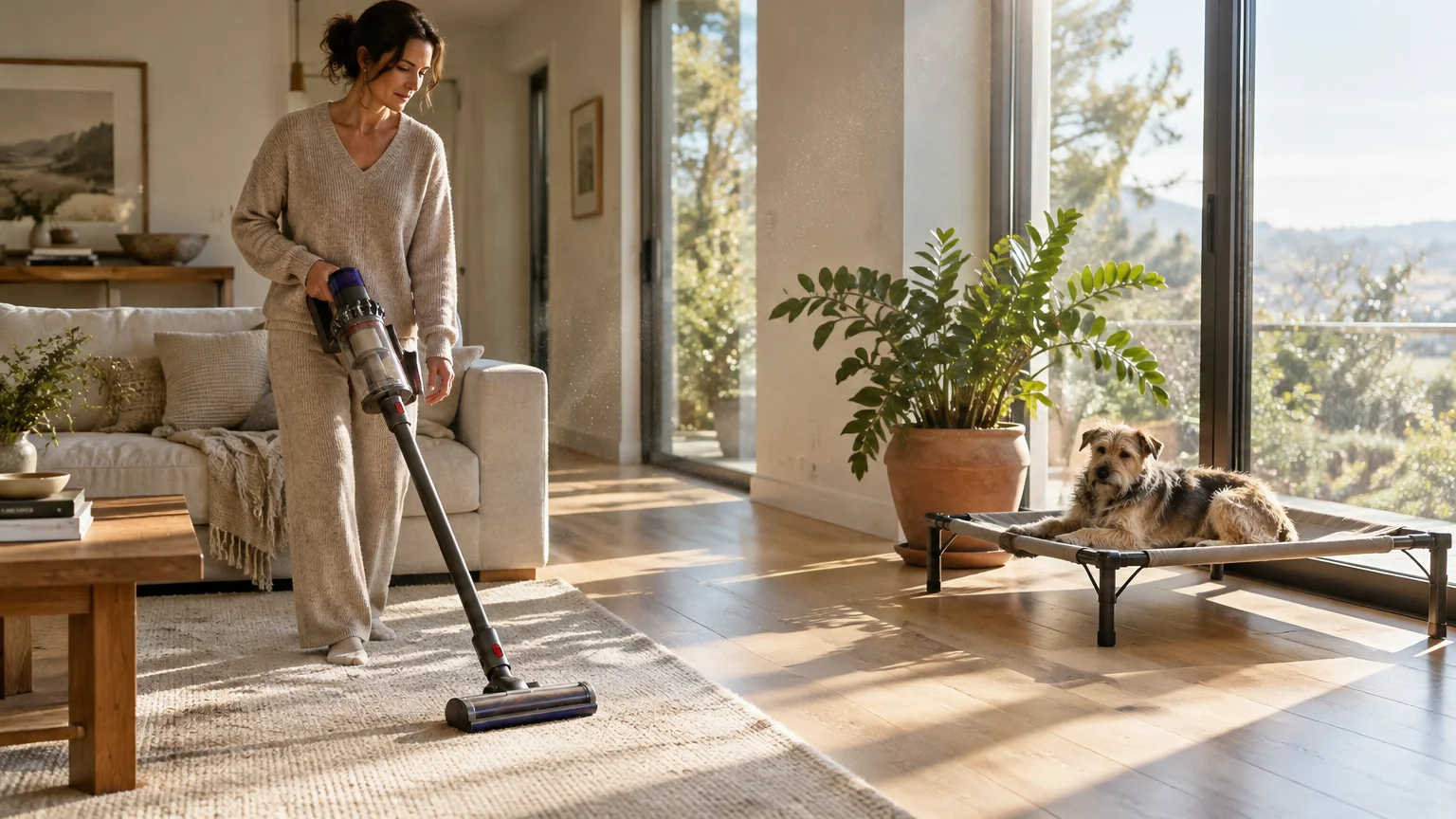
Selecting a low-shedding breed forms just one part of keeping an allergen-free, clean household. Consistent home care routines reduce lingering dander and stop stray hairs from accumulating.
Implement these practical housekeeping strategies to keep your indoor air fresh and your living spaces tidy:
- Run a certified HEPA air purifier in high-traffic rooms to capture airborne dander particles continuously.
- Brush your dog outdoors or inside a dedicated laundry room to keep trapped hairs from escaping into main living areas.
- Wash dog bedding and crate blankets weekly in hot water to neutralize accumulated salivary proteins and skin flakes.
- Designate bedrooms as pet-free zones so your sleeping space remains free of trapped dander.
- Bathe your dog every two to three weeks with a moisturizing shampoo approved by your veterinarian.
Research published through veterinary guidelines from the American Veterinary Medical Association emphasizes that routine bathing reduces surface dander significantly. However, avoid over-washing, which dries the skin and accelerates flaking.
Common Mistakes When Choosing a Low-Shedding Dog
Prospective dog owners frequently misjudge the true care demands of hair-coated breeds. Recognizing common pitfalls prevents heartbreak and unexpected financial strain.
The first major error involves assuming that hypoallergenic means completely allergen-free. Bringing a dog home without spending time with the breed beforehand often triggers severe allergic reactions in sensitive individuals.
Another frequent oversight involves underestimating the annual cost of professional grooming. Budgeting $700 to $1,400 annually for salon maintenance is essential for preserving your dog’s physical comfort.
Neglecting home brushing between salon appointments creates severe pelted mats across your dog’s body. When this happens, groomers must shave the dog down completely to prevent painful skin infections.
Finally, purchasing trendy designer crossbreeds without verifying parental coat genetics often leads to surprises. A puppy mixed with a heavy shedder may inherit a shedding double coat rather than a low-shedding hair coat.
Frequently Asked Questions
Can a low-shedding dog still trigger asthma symptoms?
Yes, low-shedding dogs can trigger asthma attacks because allergens reside in canine saliva, urine, and dander rather than the hair. Sensitive individuals inhale microscopic proteins that cause bronchial inflammation.
How often should you brush a low-shedding breed at home?
You should brush hair-coated breeds three to four times each week using a slicker brush and metal comb. Daily brushing works best for dogs maintaining full, show-length coats.
Do mixed breeds like Doodles guarantee low shedding?
No, mixed breeds cannot guarantee low shedding because genetics vary widely within litters. Puppies that inherit a shedding parent’s undercoat will shed hair throughout the year.
Why does my low-shedding dog still drop small amounts of hair?
Every mammal sheds old hair cells periodically as new hair follicles emerge. Low-shedding breeds simply drop significantly fewer strands than double-coated breeds.
Choosing the right low-shedding breed allows you to welcome a loyal companion into your home without surrendering your furniture to layers of loose fur. Match your personal energy, grooming budget, and living space to the breed that suits you best.
This is general informational content based on widely accepted guidance. Individual results vary.
Verify current details—rules, prices, eligibility, regulations—with official sources before making important decisions.
Last updated: May 2026. Rules, prices, and details change—verify current information with official sources before acting on it.