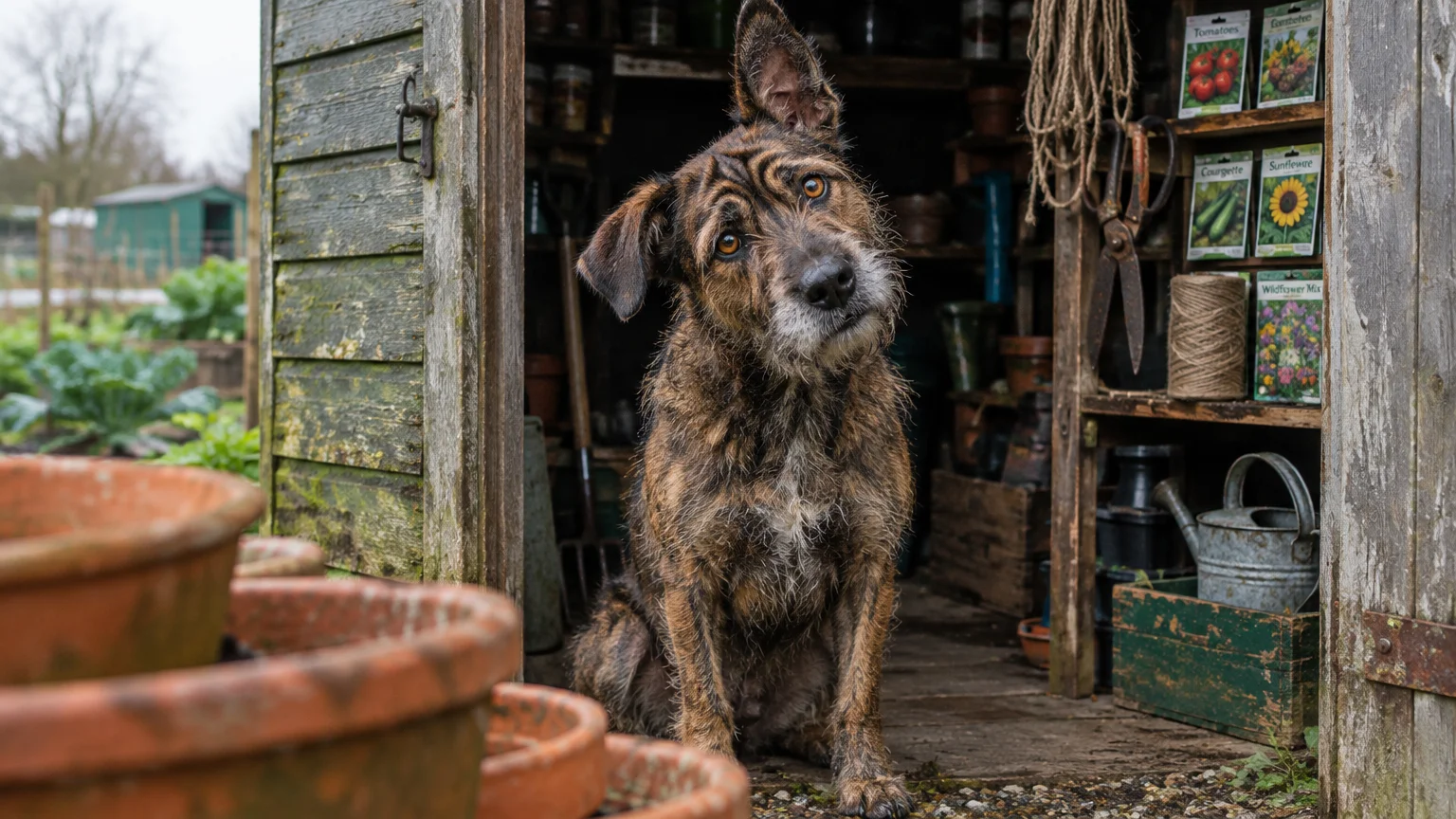
Dogs communicate their feelings through subtle twitches of their brows, shifting ears, and unmistakable smiles. You can decode your pet’s mood instantly once you learn which physical features create those unforgettable, human-like looks.
While every dog speaks volumes with their posture, certain breeds possess unique facial muscles and facial structures that amplify their emotions. These charismatic dogs make every shared moment feel like a two-way conversation.
From furrowed clown brows to dramatic side-eye glares, here are ten dog breeds with the most expressive faces on earth.
The Science Behind Dog Facial Expressions
Canine faces evolved dramatically alongside humans over thousands of years. Selective breeding reshaped not only canine behavior but also their underlying facial musculature.
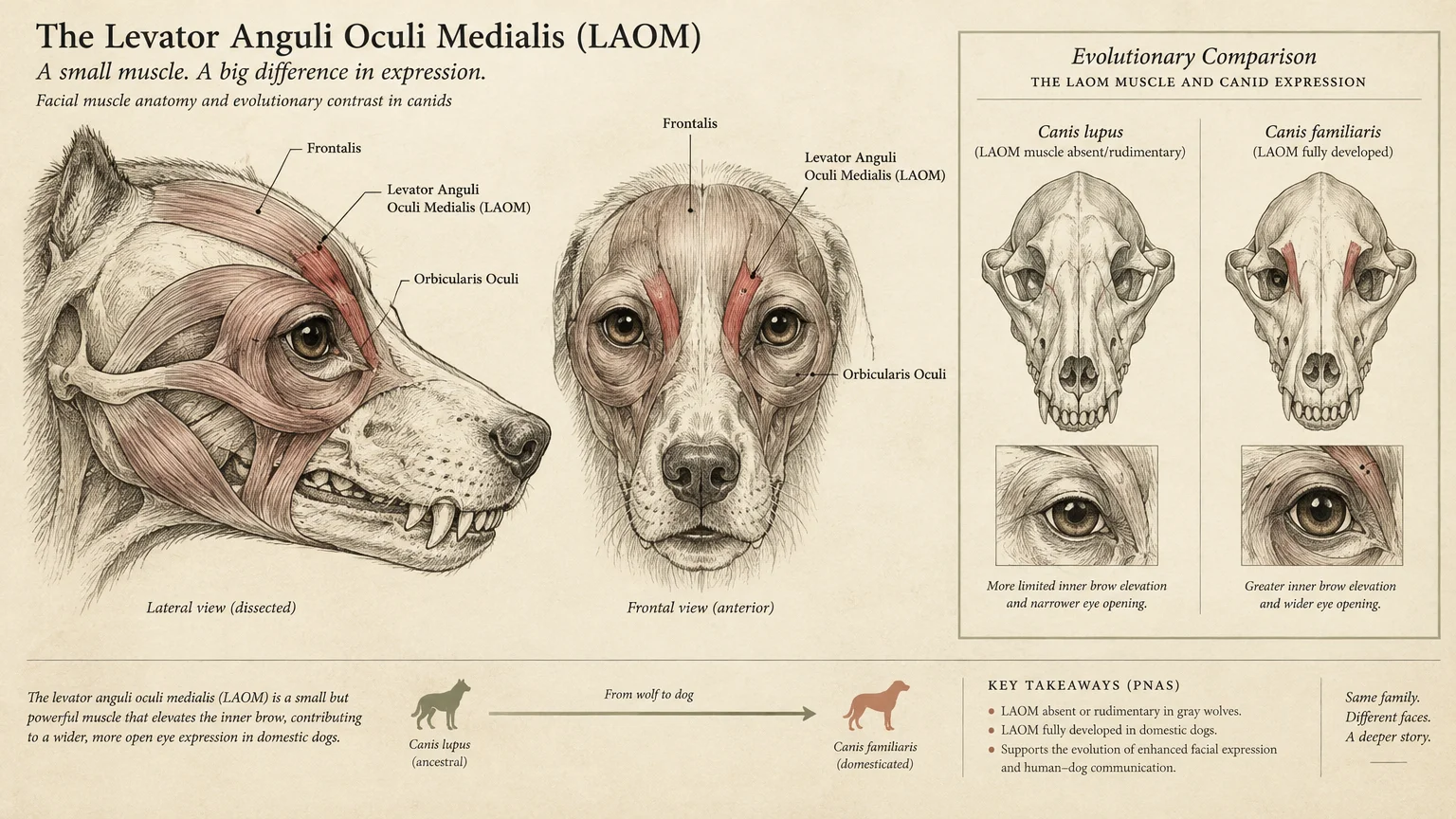
According to research published in the Proceedings of the National Academy of Sciences, domestic dogs possess a specialized eye muscle that wolves lack. This muscle, the levator anguli oculi medialis, raises the inner eyebrow.
This movement creates large, infant-like eyes that trigger an instinctive caregiving response in humans. You naturally want to nurture a dog that makes this sweet, questioning face.
Skin elasticity, muzzle length, and ear carriage also dictate how easily you read a dog. When loose skin folds over a mobile brow, every passing thought registers visibly across the dog’s face.
01 The Boxer: The Rubber-Faced Comedian
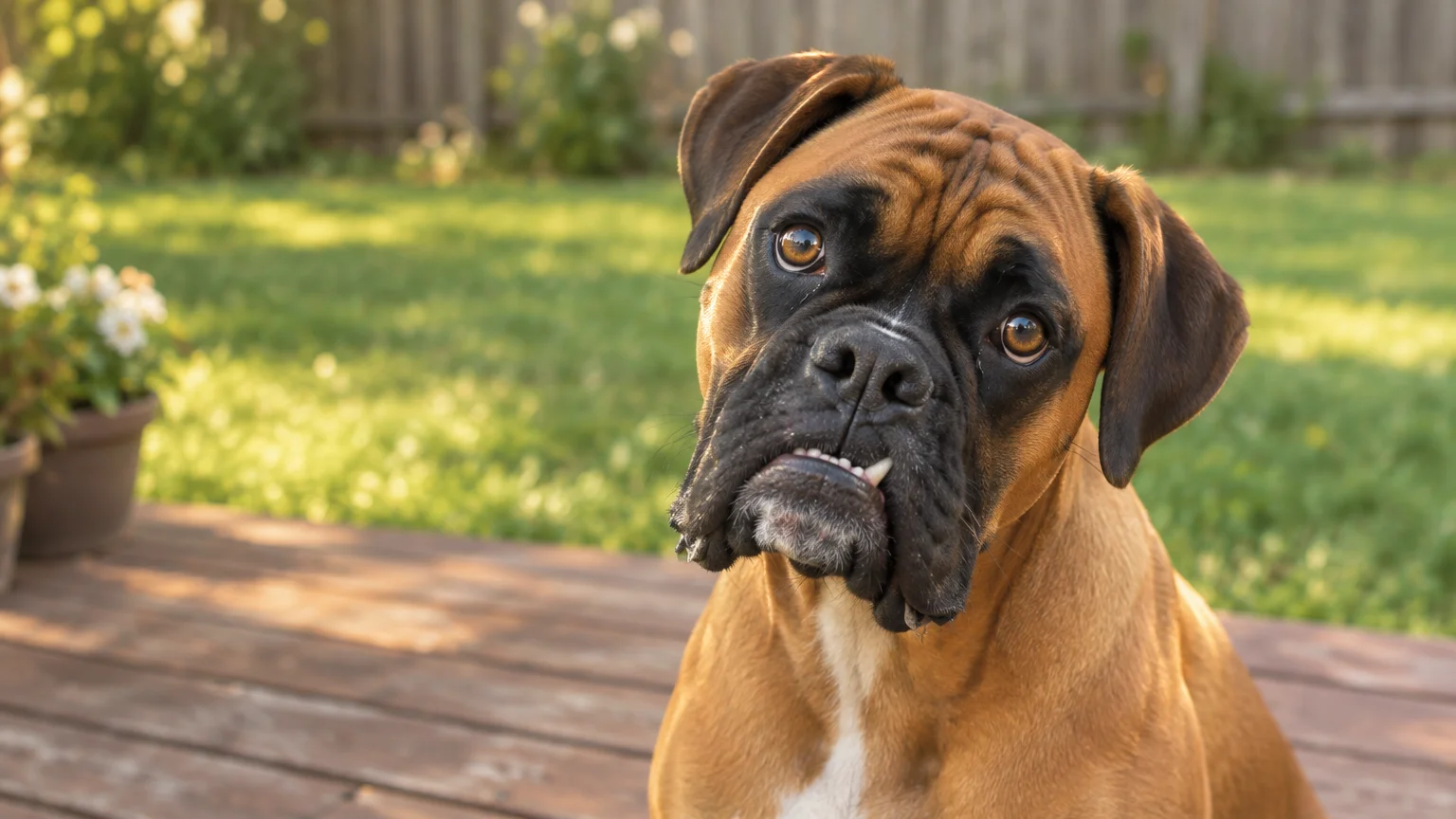
Boxers possess an uncanny ability to convey shock, skepticism, and pure delight within seconds. Their distinct underbite and loose jowls give them an elastic, rubbery face.
When you speak to a Boxer, they furrow their wrinkled brow and tilt their head as if processing a complex philosophical puzzle. Deep forehead creases emphasize their wide, curious eyes.
A Boxer’s mouth droops into a comical pout when they feel bored or disappointed. Give them a ball, however, and those heavy lips pull back into an unmistakable, goofy grin.
Their dark masks frame their features and exaggerate every twitch of their cheeks. You will rarely wonder what a Boxer thinks; their animated face reveals everything.
02 French Bulldog: Bat Ears and Big Drama
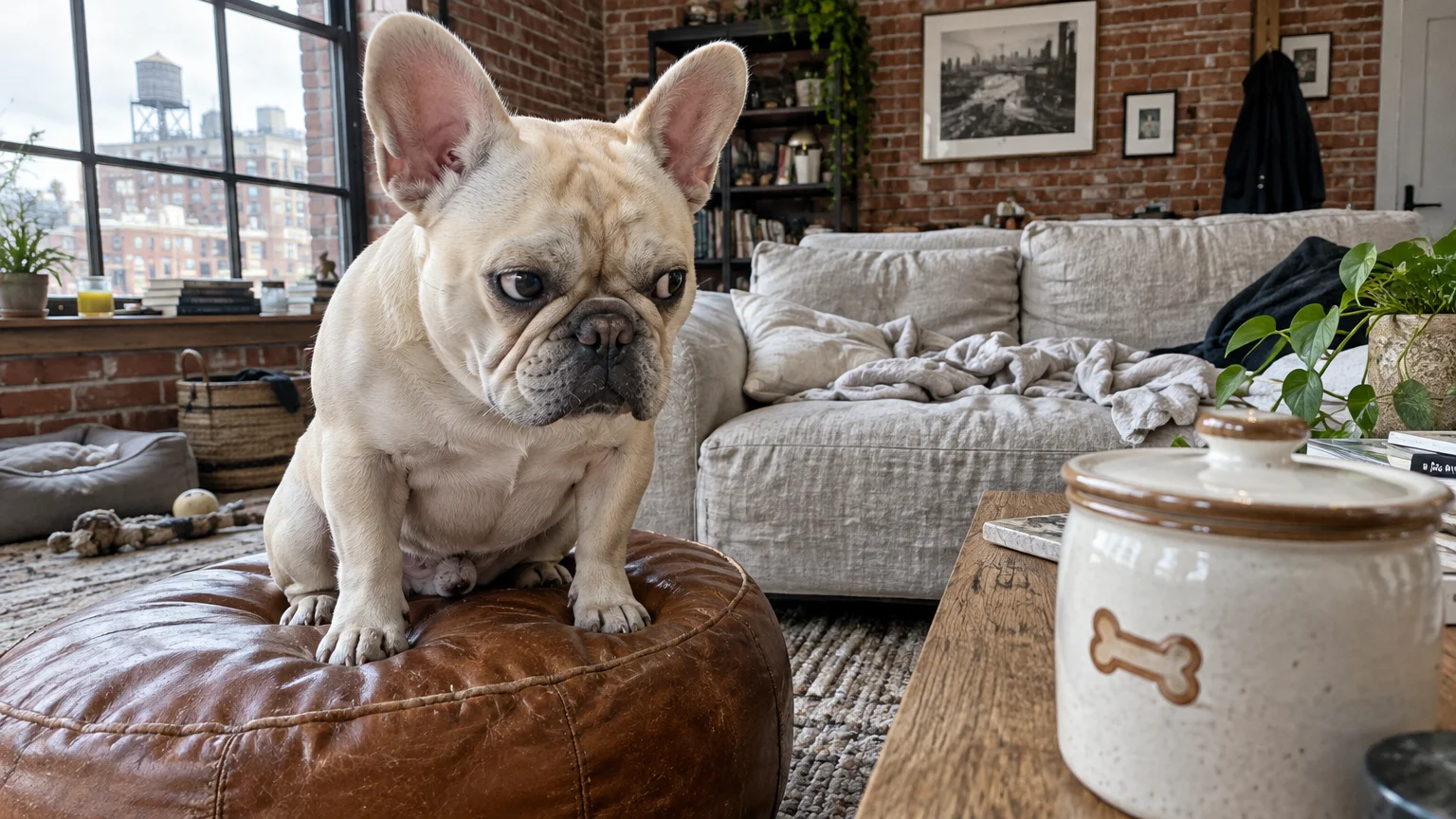
French Bulldogs pack monumental personality into a compact, sturdy frame. Their round, prominent eyes and deeply creased foreheads give them an astonishing emotional range.
Their upright bat ears act like emotional radar dishes. When your Frenchie feels intrigued, those ears pivot forward while the brow furrows in deep contemplation.
Flat-faced anatomy means their facial movements concentrate in the brow and mouth. A Frenchie can look devastatingly tragic when begging for a treat, melting your resolve instantly.
Moments later, a Frenchie rolls onto their back with a wide-mouthed smirk that radiates unadulterated mischief. Their dramatic expressions have earned them millions of fans across the globe.
03 Pug: The Master of Melodramatic Concern
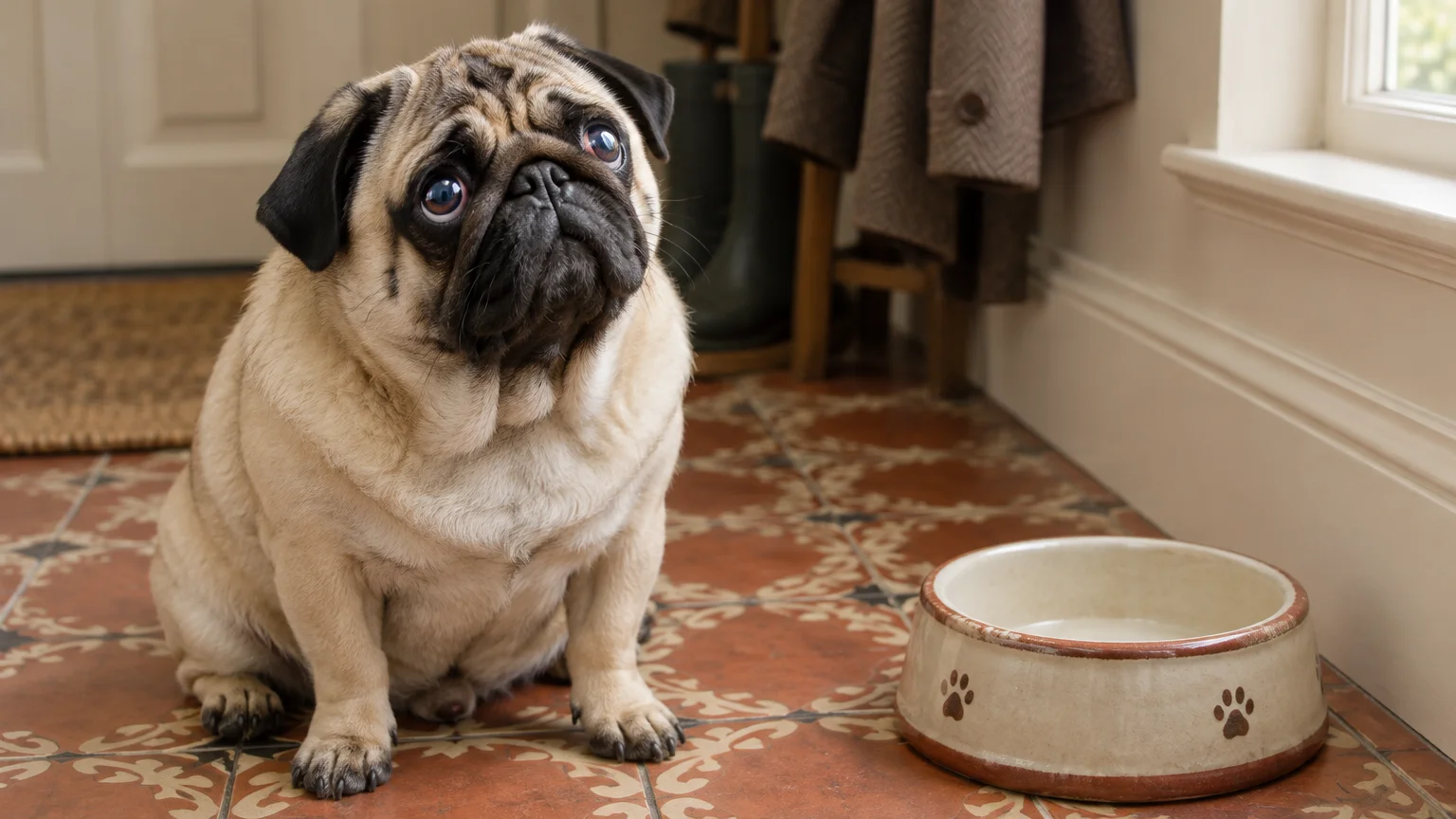
Few dogs wear existential worry as charmingly as the Pug. Their faces feature heavy velvety wrinkles and large, dark globes that capture light beautifully.
When you ask a Pug a question, their forehead folds bunch tightly together. They cock their head from side to side, creating an image of earnest bewilderment.
Pugs use their expressive eyes to maintain long, intimate gaze contact with their owners. Studies show this mutual gaze releases oxytocin in both you and your dog.
Whether displaying sleepy contentment or dramatic despair at an empty dinner bowl, a Pug communicates clearly. Their soulful faces guarantee they remain constant center-stage entertainers.
04 Siberian Husky: The Theatrical Storyteller
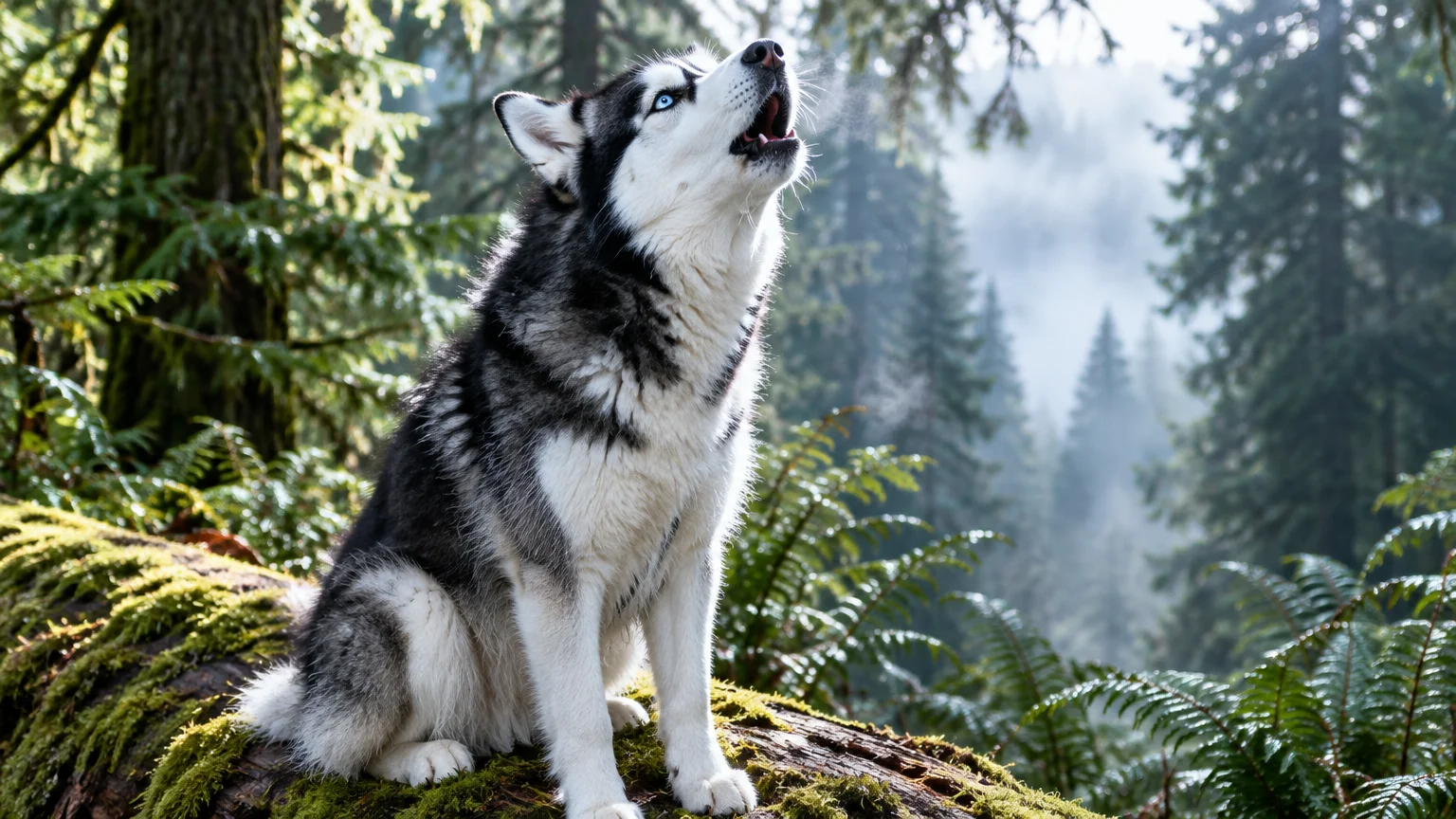
Siberian Huskies treat daily life like an operatic performance, and their faces reflect every dramatic beat. Their striking facial masks frame piercing almond-shaped eyes.
High-contrast markings around their eyes accentuate micro-movements in their brows. A subtle lift of an eyebrow creates an aristocratic glare or a mischievous smirk.
Huskies are famous for delivering scathing side-eye glances when they dislike a command. They pull their lips into tense grimaces or curl them during vocal arguments.
Because their eyes can be icy blue, rich brown, or heterochromatic, their stares carry intense focus. You always know when a Husky plots chaos or demands your undivided attention.
05 Basset Hound: The Soulful Philosopher
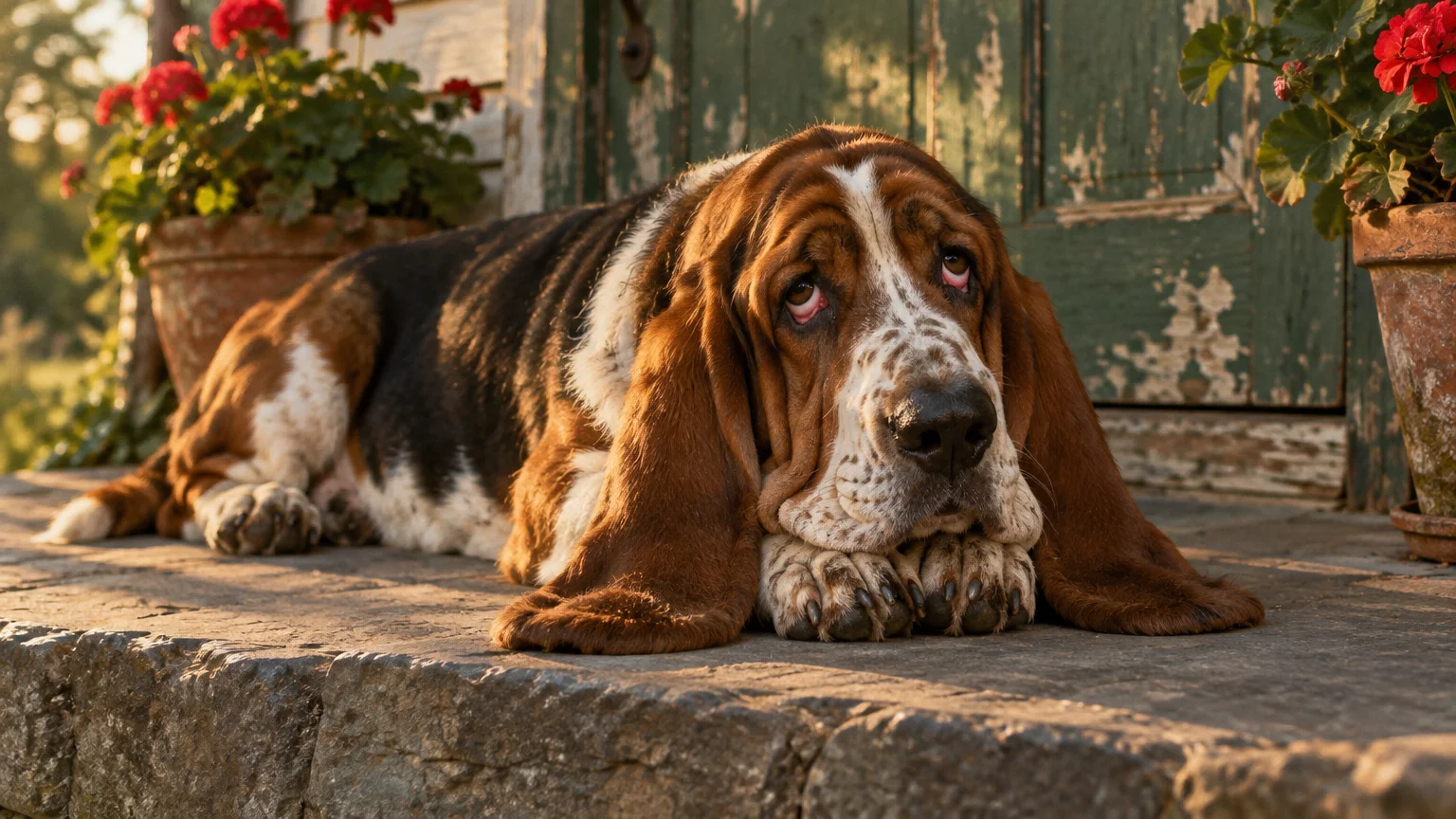
The Basset Hound holds the canine crown for the most melancholy expression in the animal kingdom. Heavy skin folds drape loosely over their skull, pulling downward with gravity.
Their droopy lower eyelids expose the soft pink haw, creating a look of perpetual sadness. Long, velvety ears frame their cheeks and amplify their mournful appearance.
Despite their solemn look, Basset Hounds are gentle, jovial companions. Their apparent gloom is simply an anatomical gift that human brains interpret as deep wisdom.
When a Basset Hound catches an irresistible scent, their face transforms. Their brows tighten, their nostrils flare wide, and their eyes burn with ancient tracking determination.
06 Golden Retriever: The Open Book of Pure Joy
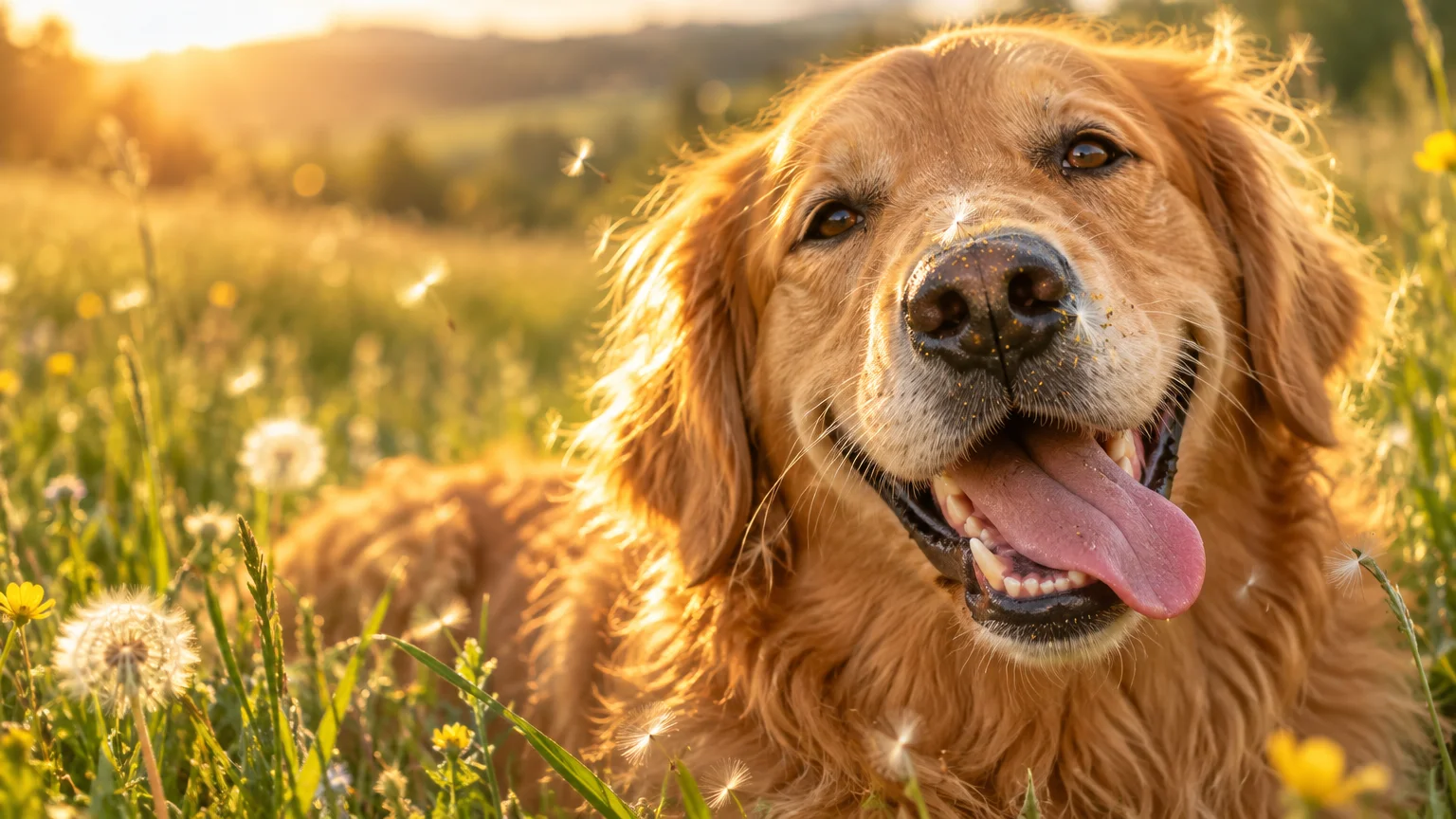
Golden Retrievers wear their hearts directly on their faces. Their classic canine smile features gently pulled-back lips, relaxed panting tongues, and bright, crinkled eyes.
A Golden’s almond eyes radiate empathy and eager cooperation. When you experience a difficult day, your Golden softens their gaze and presses their brow close to your hand.
Guidance from the American Kennel Club notes that dogs often mimic human smiles to strengthen social bonds. Goldens excel at this welcoming, submissive greeting expression.
Their brow twitches upward in polite apology whenever they step out of line. You will rarely encounter a breed whose face expresses warmth and loyalty so transparently.
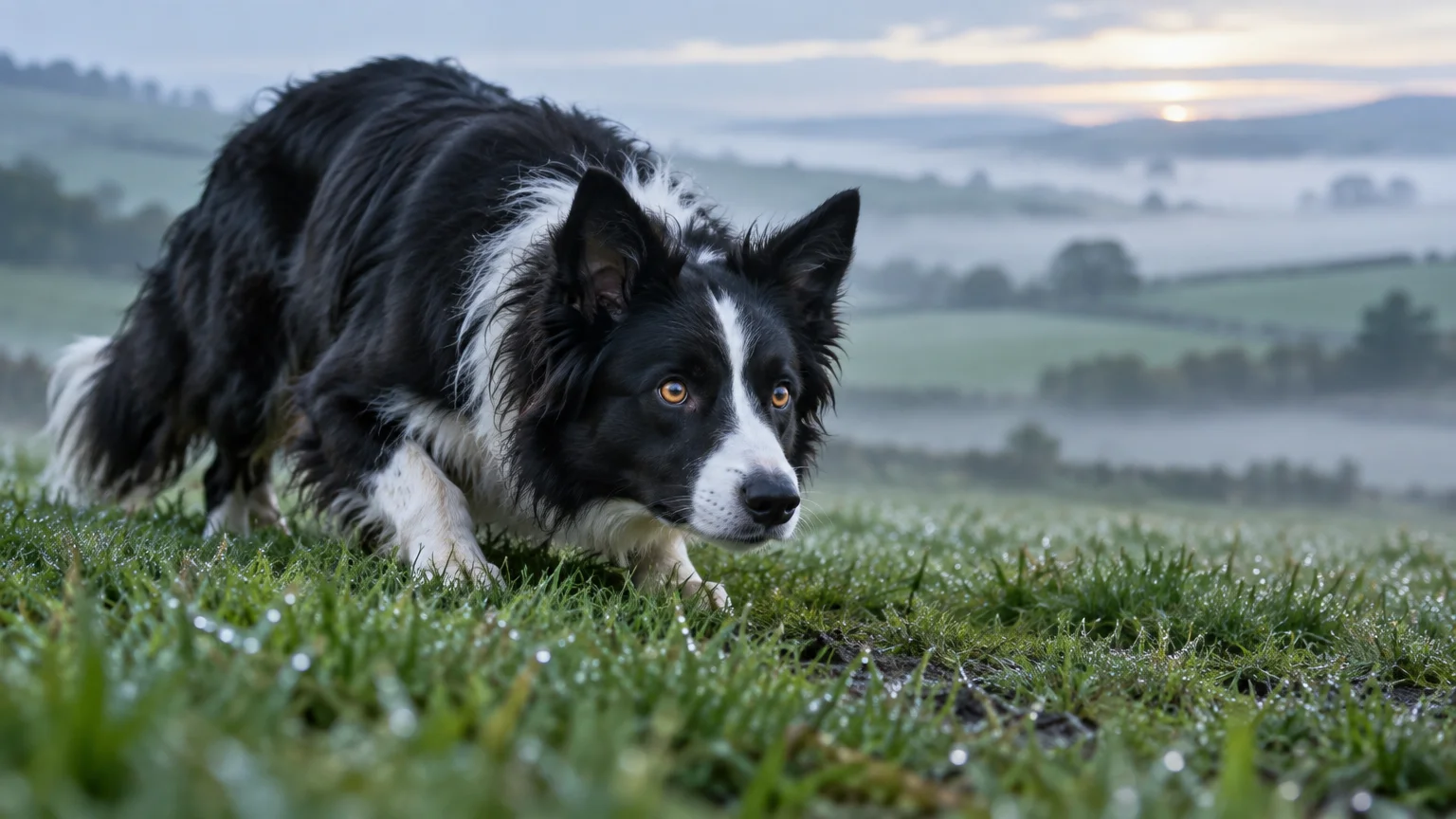
07 Border Collie: The Intense Communicator
Border Collies communicate through electrifying intensity rather than comical wrinkles. Known worldwide for their legendary herding gaze, their faces convey brilliant analytical thought.
When working or playing, a Border Collie lowers their head and locks their eyes onto a target. Their prick or semi-prick ears swivel independently to track every ambient sound.
A Border Collie’s brow displays astonishing micro-movements as they anticipate your next move. They read your posture and twitch their muzzle in eager anticipation.
When off duty, their intense working mask melts into a soft, loving smile. Living with a Border Collie means sharing your home with an observant, expressive mind.
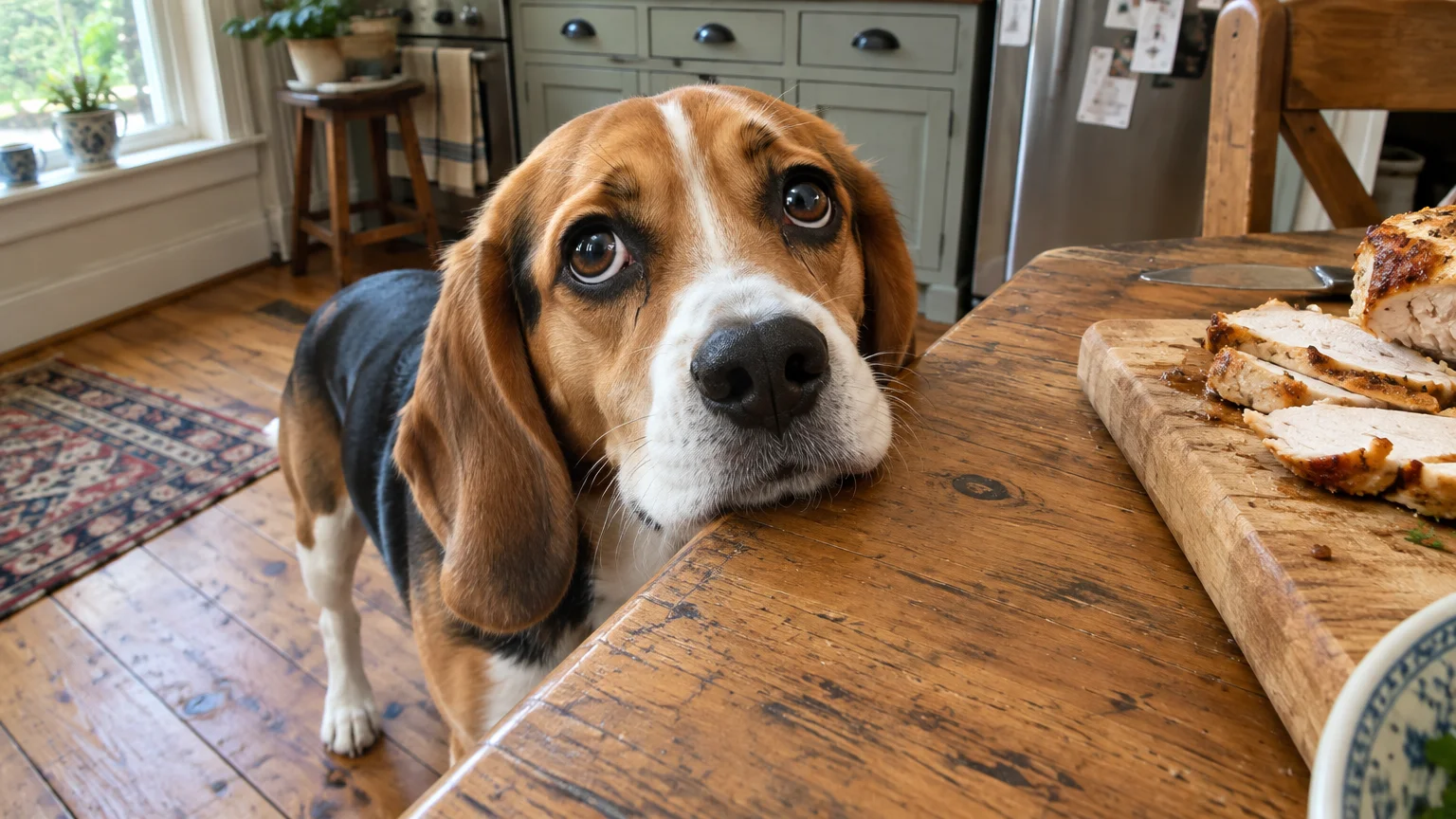
08 Beagle: The Heart-Melting Beggar
Beagles possess an irresistible expression that hunters and families have cherished for centuries. Their soft, pendant ears and large hazel or brown eyes evoke instant sympathy.
A Beagle’s prominent brow creates an enduring puppy-dog gaze that rarely fades with age. They use this pleading look masterfully whenever food enters the room.
When tracking a scent, their facial expression shifts into intense, furrowed concentration. Their lips pull tight and their ears swing forward to channel ground scents toward their nose.
When reunited with you, a Beagle’s face softens into pure, uncomplicated joy. Their open expressions make them one of the most relatable hound breeds alive.
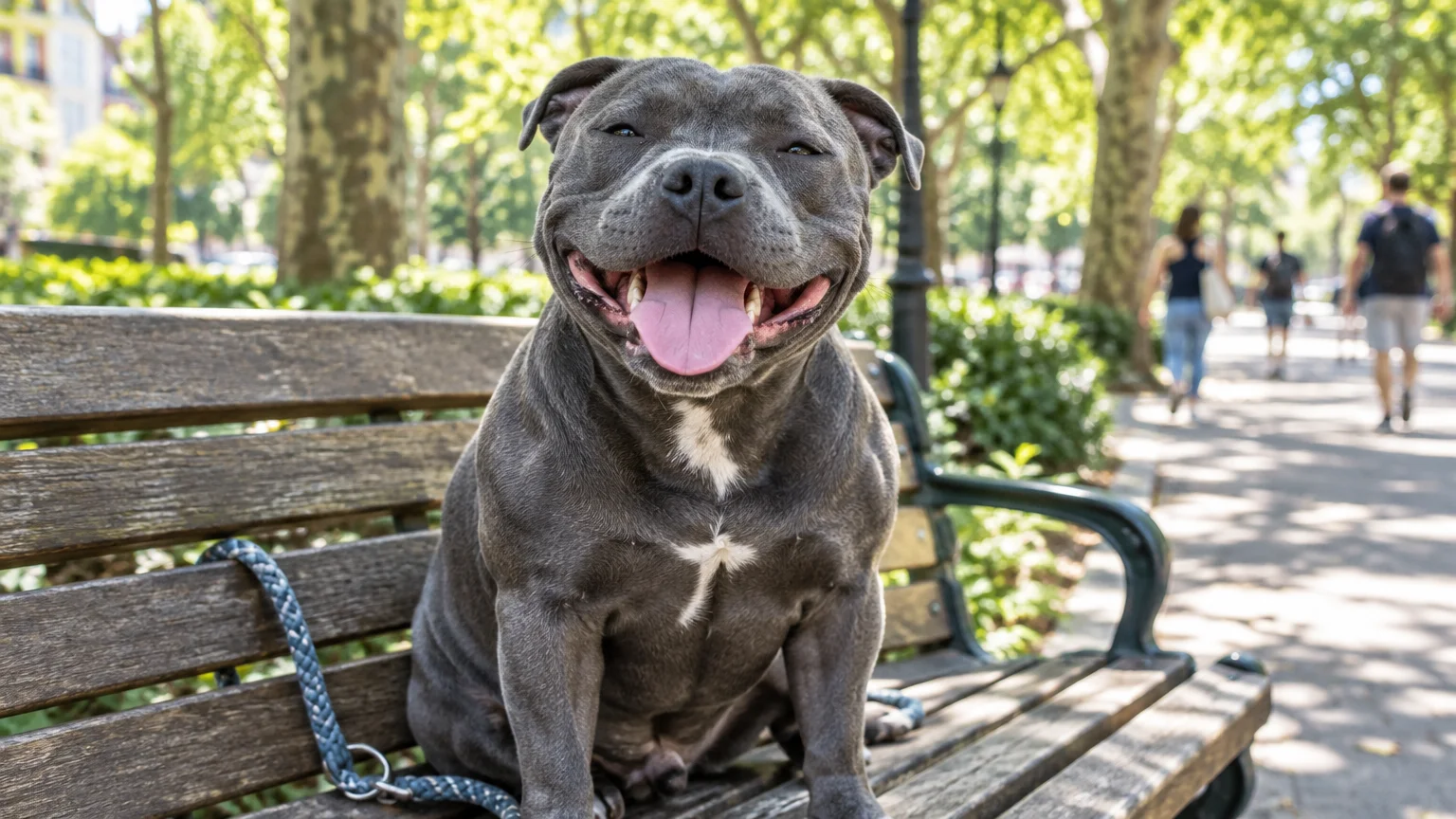
09 Staffordshire Bull Terrier: The Wide-Mouthed Grinner
Staffordshire Bull Terriers boast broad, muscular skulls and wide jaws that produce spectacular canine smiles. When happy, their cheek muscles pull back to reveal broad, toothy grins.
Their round eyes sparkle with enthusiasm whenever a familiar human walks through the door. Small rose ears perk up or fold neatly back during affectionate reunions.
Staffies often wrinkle their short snouts in play, mimicking laughter during spirited games of tug. This enthusiastic facial display signals pure, harmless playfulness.
Their expressive brows furrow with quiet devotion during cuddle sessions on the sofa. A Staffie’s beaming face banishes misconceptions about their gentle, affectionate nature.
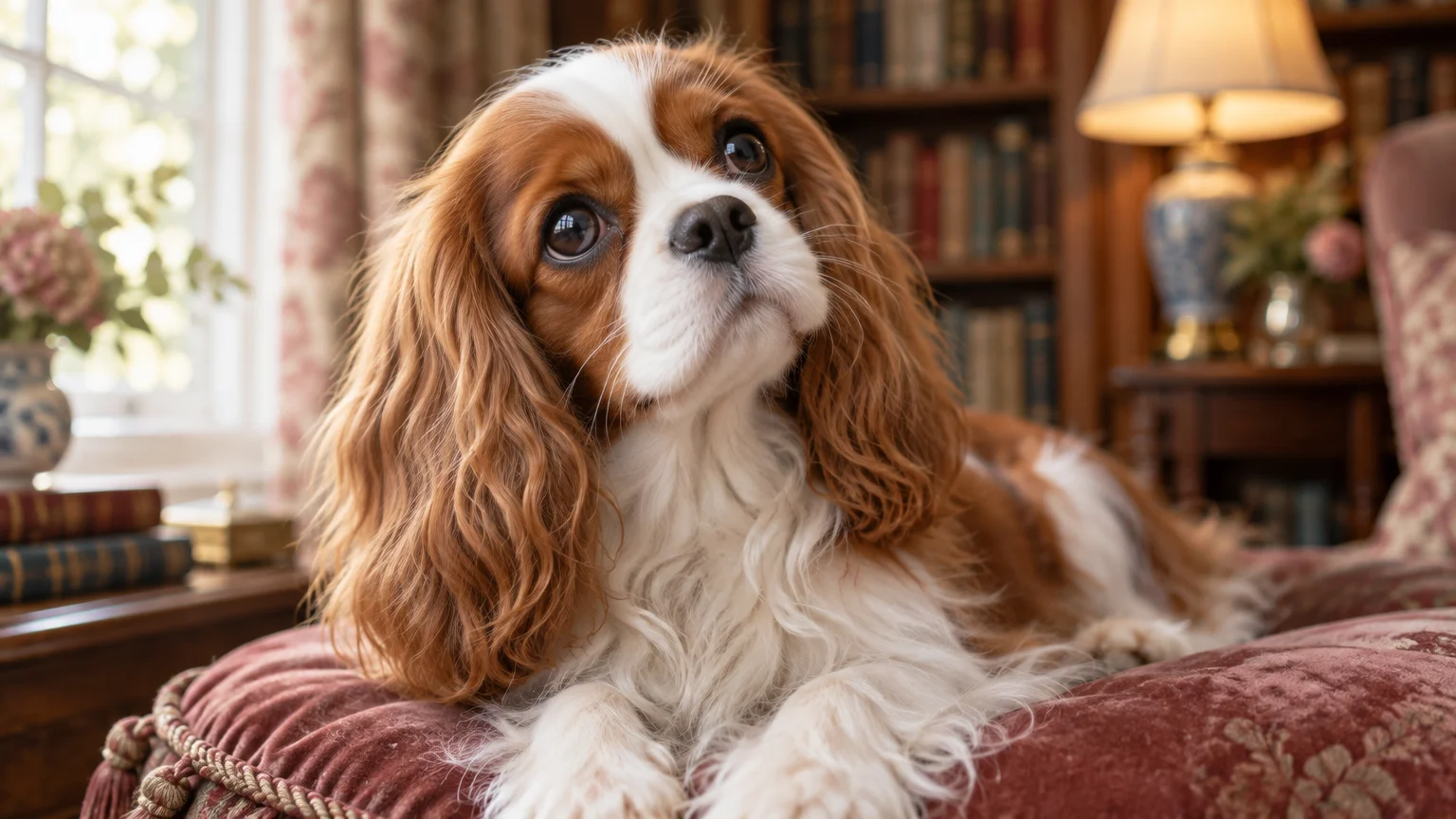
10 Cavalier King Charles Spaniel: The Sweet Innocent
Cavalier King Charles Spaniels were bred specifically as royal lap warmers, and their faces reflect that luxurious, affectionate heritage. Their large, dark eyes sit forward on sweet, domed skulls.
These expansive eyes trigger our deepest nurturing instincts. A Cavalier looks up at you with a gentle gaze that conveys profound, unwavering adoration.
Their silky, framed ears rise slightly when curious, highlighting their delicate cheekbones. A slight tilt of their head makes them appear as though they hang on your every word.
They display little tension in their jaws or brows, maintaining a permanently peaceful, sweet expression. Their face offers pure comfort after a stressful day.
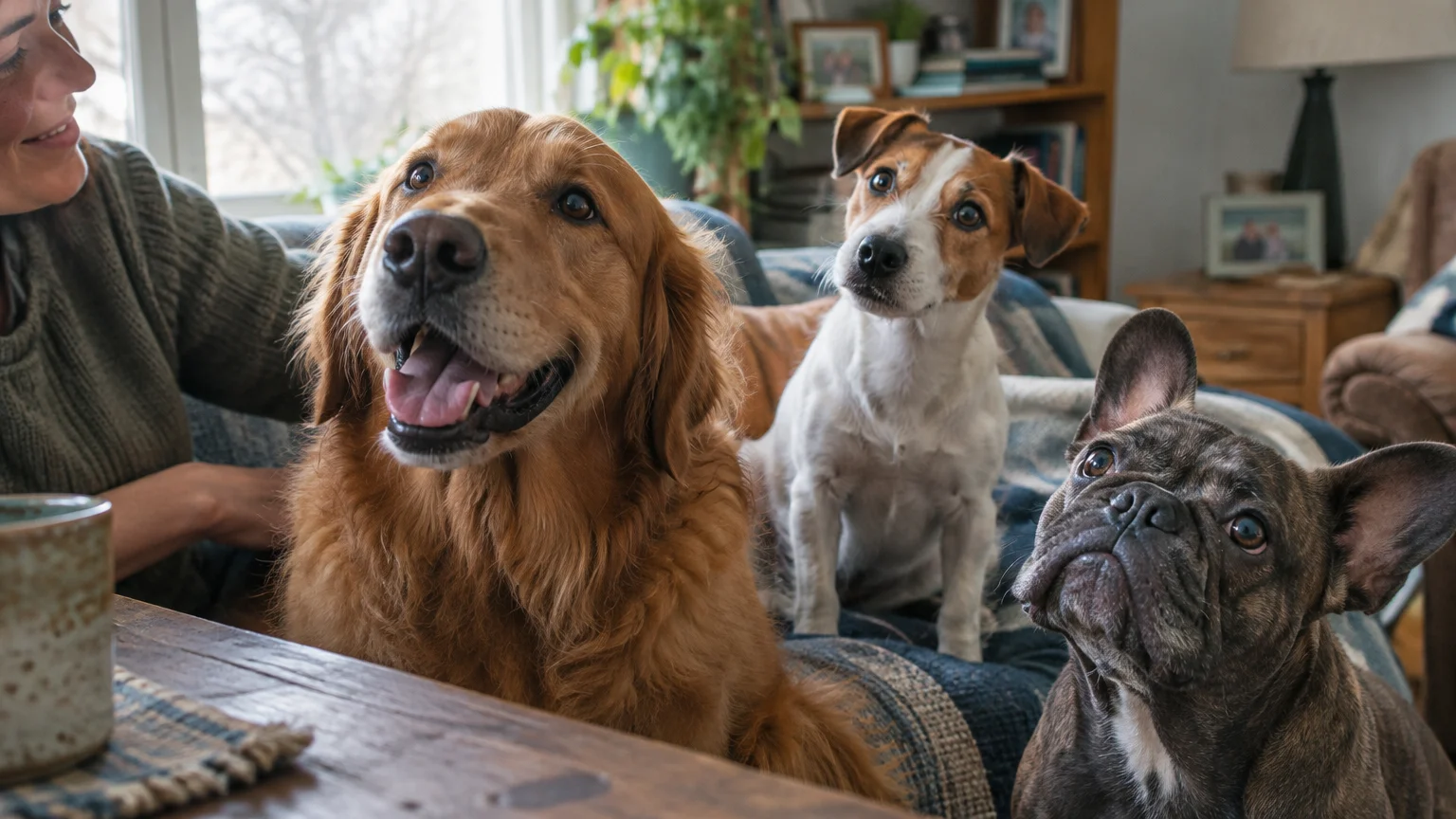
Comparing Expressive Features Across Breeds
Different physical traits generate different emotional displays. Some breeds use dramatic skin folds, while others rely on ear posture or piercing gaze intensity.
| Breed | Primary Expressive Feature | Common Facial Expression | Communication Style |
|---|---|---|---|
| Boxer | Mobile brow and underbite | Curious tilt and playful pout | Comedic and theatrical |
| French Bulldog | Wrinkles and bat ears | Pouty skepticism and wide grin | Vocal and humorous |
| Pug | Deep forehead folds | Melodramatic worry and confusion | Intimate and persistent |
| Siberian Husky | High-contrast mask and eyes | Side-eye glare and dramatic smirk | Vocal and challenging |
| Basset Hound | Drooping flews and haw | Melancholy and deep contemplation | Gentle and patient |
| Golden Retriever | Soft mouth and open brow | Radiant smile and trusting gaze | Eager and affectionate |
| Border Collie | Piercing eyes and mobile ears | Laser-like working focus | Alert and calculating |
| Beagle | Large hound eyes and soft brow | Pleading gaze and scent focus | Earnest and persistent |
| Staffordshire Bull Terrier | Wide jaw and broad skull | Ear-to-ear grin and sparkling eyes | Joyful and effusive |
| Cavalier King Charles Spaniel | Large forward-facing globes | Innocent devotion and sweet inquiry | Calm and reassuring |
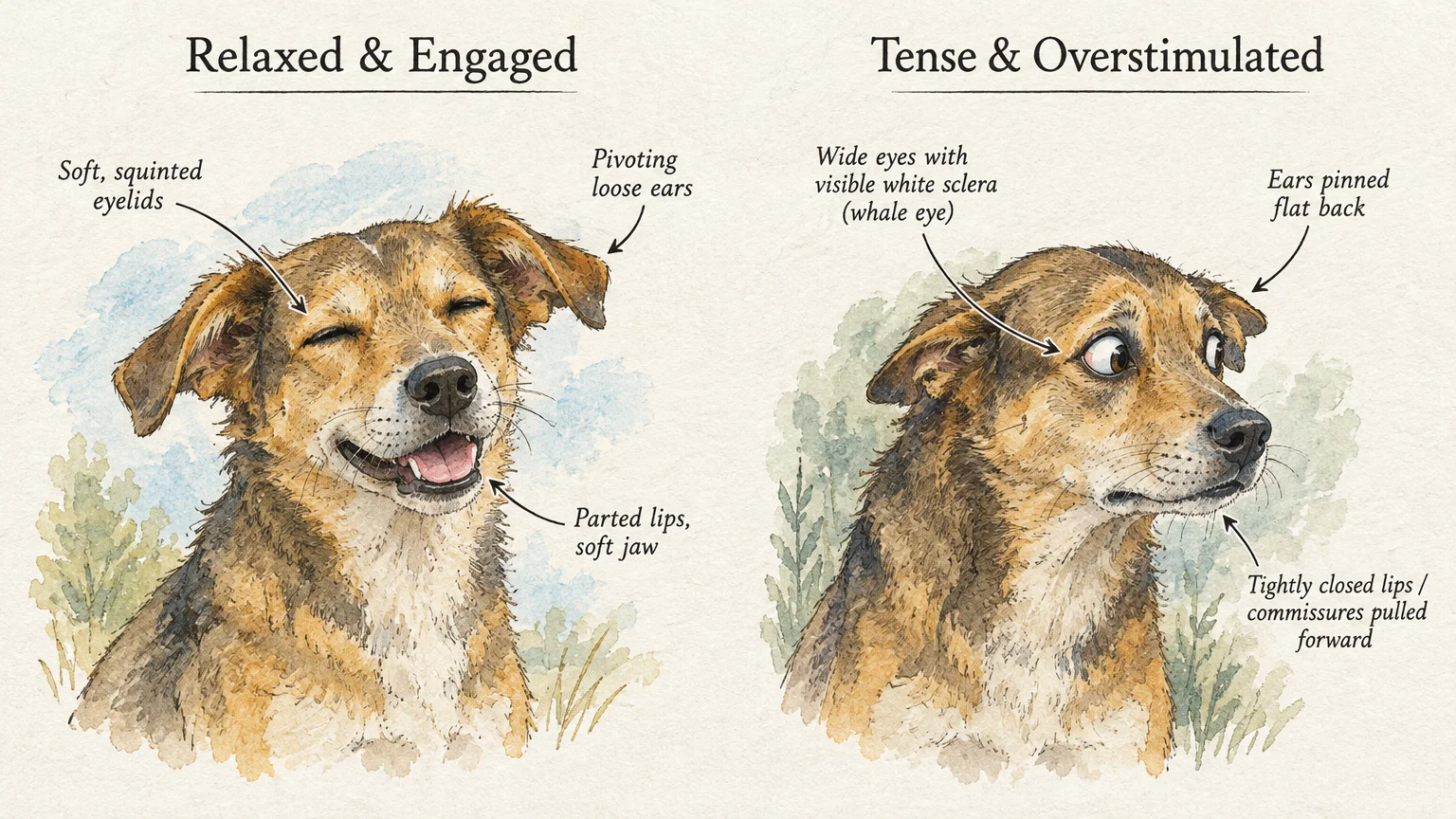
How to Read Your Dog’s Facial Cues Accurately
Reading facial expressions requires observing the whole dog rather than fixating on a single feature. Human brains easily misinterpret canine signals by projecting human emotions onto them.
Pay close attention to eye shape and tension. Relaxed dogs display soft, almond-shaped eyes, while stressed dogs show the whites of their eyes in a wide “whale eye” stare.
- Soft, blinking eyes: Indicates calm trust, safety, and receptivity to physical contact.
- Hard, unblinking stare: Signals intense arousal, guarding behavior, or an imminent challenge.
- Submissive grin: Retracted lips showing front teeth during greetings, signaling deference rather than aggression.
- Lip licking: A quick flick of the tongue over the nose often conveys anxiety or appeasement.
- Yawning when not tired: Communicates stress, social tension, or an attempt to self-soothe.
Watch the corners of your dog’s mouth. When lips pull back horizontally into a long mouth line, your dog is likely hot or nervous.
A truly relaxed smile features a loose, open jaw and soft cheek muscles. Combine facial analysis with tail position and posture to understand your dog’s authentic emotional state.
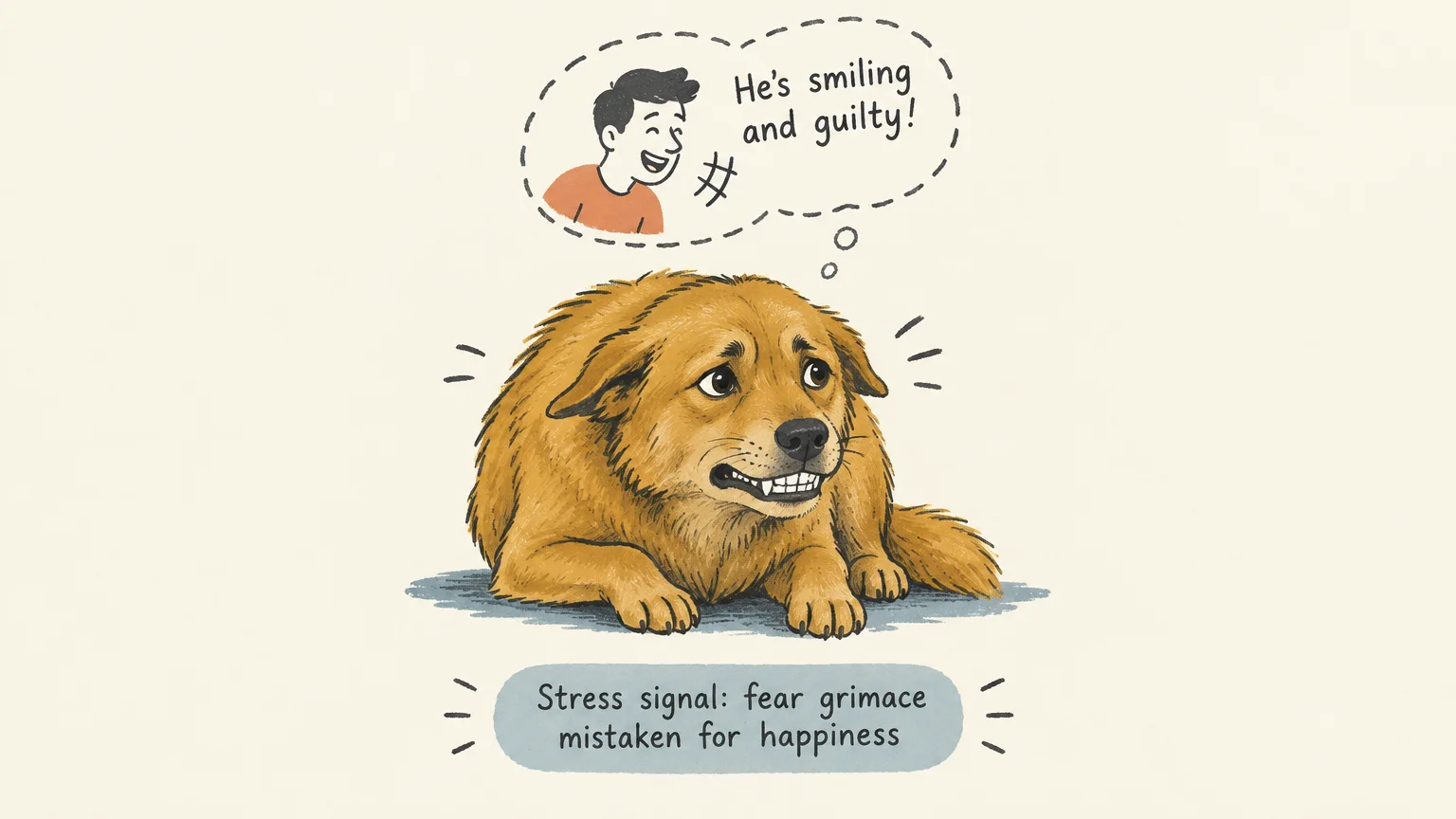
What Can Go Wrong When Misreading Faces
Misinterpreting canine expressions can lead to accidental bites, unnecessary training mistakes, or overlooked medical conditions. Recognizing subtle signals protects both you and your pet.
Owners frequently mistake the guilty look for an admission of wrongdoing. Scientific testing confirms this submissive posture actually reflects fear of human anger, not remorse.
Brachycephalic dogs with flat faces present distinct communication hazards. Their natural facial wrinkles and bulging eyes can mimic stress signals even when they feel calm.
Conversely, a panting, wide-eyed dog may suffer heat exhaustion rather than smiling happily. Knowing your dog’s baseline expressions helps you catch physical distress early.
Frequently Asked Questions
Why do dogs raise their inner eyebrows at humans?
Dogs evolved a specialized brow muscle to trigger human nurturing responses. This movement mimics human facial cues and deepens the evolutionary bond between species.
Can dogs really smile when they are happy?
Yes, dogs relax their mouths and pull their lips back when experiencing positive emotions. They also learn that human smiles bring praise, reinforcing their smiling behavior.
What does whale eye indicate in dogs?
Whale eye occurs when a dog turns their head away while keeping their eyes fixed on you, showing white sclera. This posture indicates acute anxiety, guarding, or fear.
Why do expressive dogs tilt their heads?
Dogs tilt their heads to adjust their outer ears toward novel sounds. The tilt also moves their muzzle out of their central visual field, improving sightlines.
Nurturing the Bond With Your Expressive Dog
Your dog’s expressive face serves as an open window into their thoughts, needs, and emotional world. By learning their subtle cues, you forge a deeper relationship based on mutual understanding.
Spend time quietly observing how your dog moves their ears, brows, and lips throughout the day. Respecting their communication turns simple companionship into a profound, lifelong partnership.
The information here is meant for educational purposes. Specific circumstances—including health conditions, finances, location, and goals—may require different approaches.
When in doubt, consult a licensed professional or check official sources directly.
Last updated: October 2026. Rules, prices, and details change—verify current information with official sources before acting on it.