Choosing a dog based purely on appearance often leads to frustration, while matching energy and temperament creates a seamless partnership. Understanding your daily habits helps you pinpoint the canine personality that will thrive in your home.
Dogs express distinct behavioral styles ranging from driven working mentalities to serene lap-lounging instincts. When your personal lifestyle aligns with your pet’s natural wiring, daily training and coexistence become substantially easier.
This comprehensive guide breaks down the ten primary dog personality types and highlights which human companions make their ideal lifelong partners.
Beyond Breed: Understanding Canine Temperament
Breed standards offer helpful baseline predictions, but individual genetics and early socialization shape how a dog reacts to the world. A pedigree never guarantees a specific demeanor.
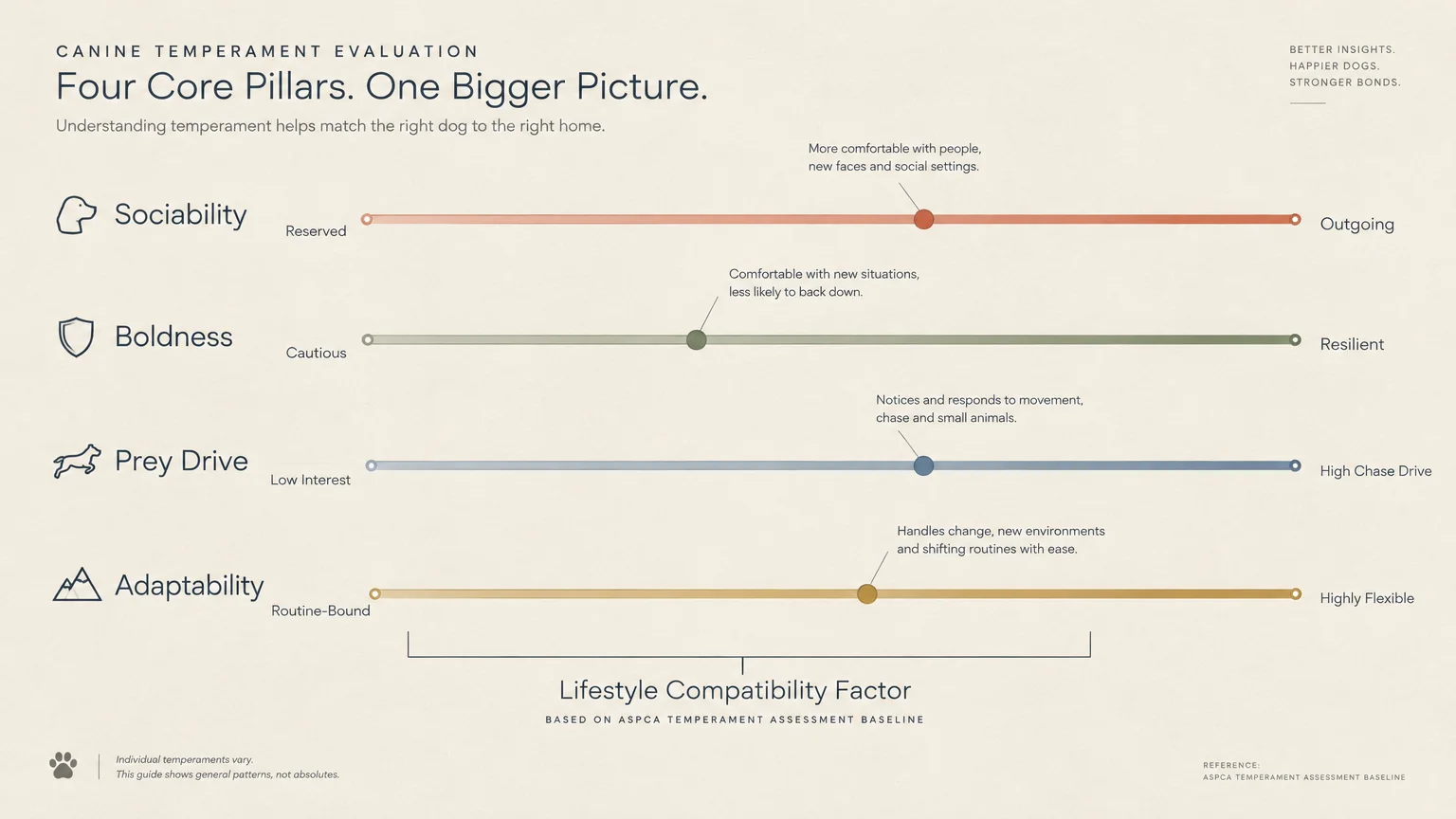
Canine behavioral researchers assess temperaments across several stable traits, including sociability, boldness, prey drive, and adaptability. These foundational attributes determine how an individual dog handles unfamiliar people, novel environments, and daily stress.
According to the ASPCA, evaluating an animal’s lifestyle compatibility matters far more than choosing a specific breed. Matching energy levels prevents shelter surrenders and home frustration.
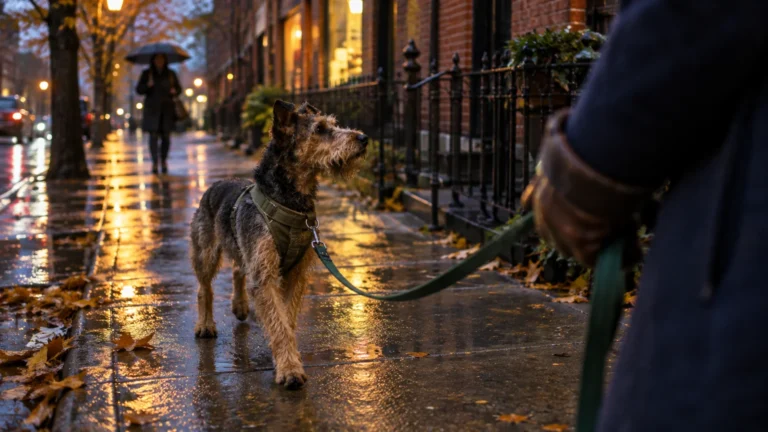
When you assess a dog, observe how quickly they recover from unexpected noises or sudden movements. Resilience signals an adaptable temperament that adjusts smoothly to diverse households.
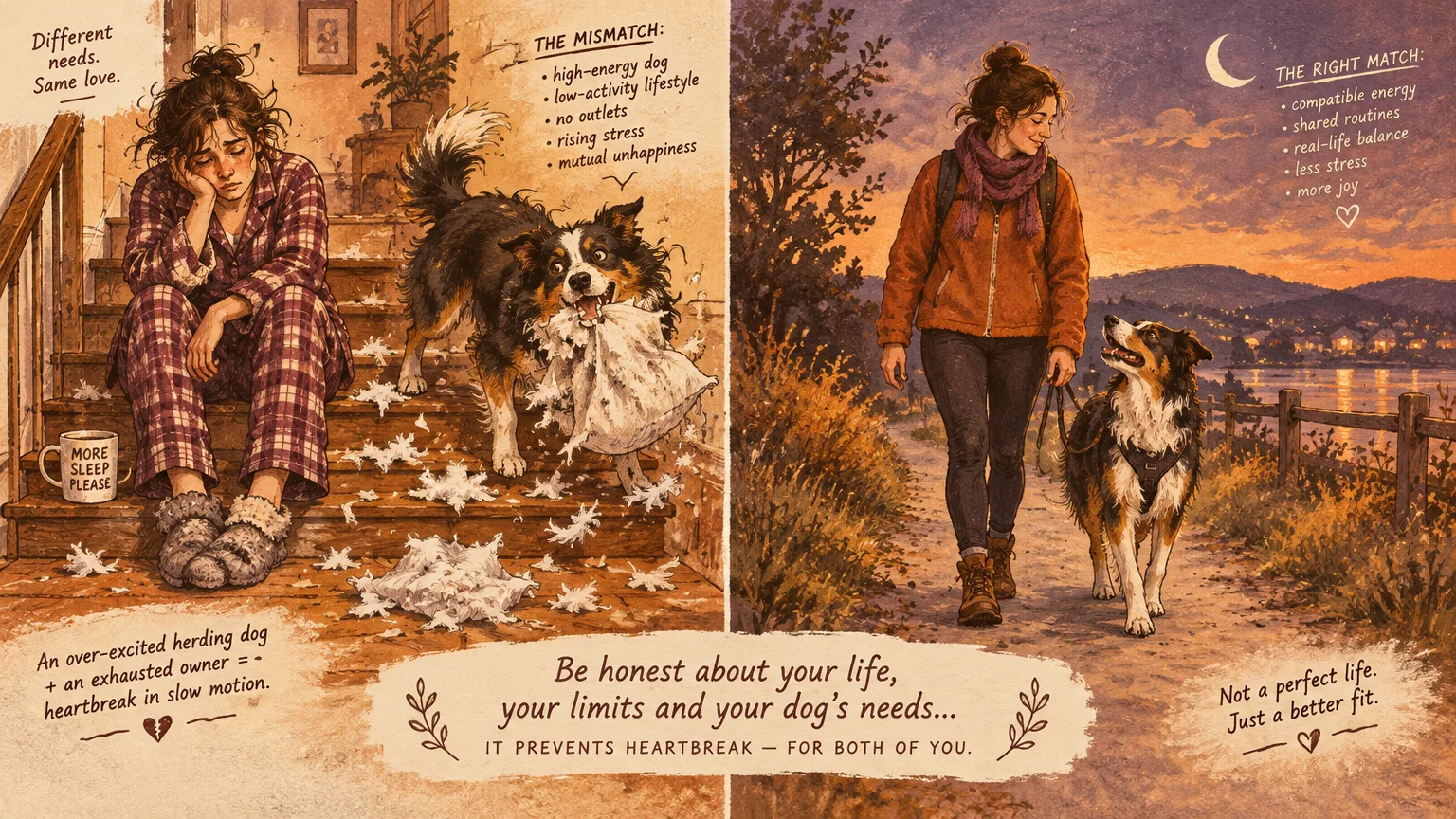
Consider your honest activity level rather than your aspirational fitness goals. Bringing a high-drive dog into a low-activity household places unfair strain on both you and the animal.
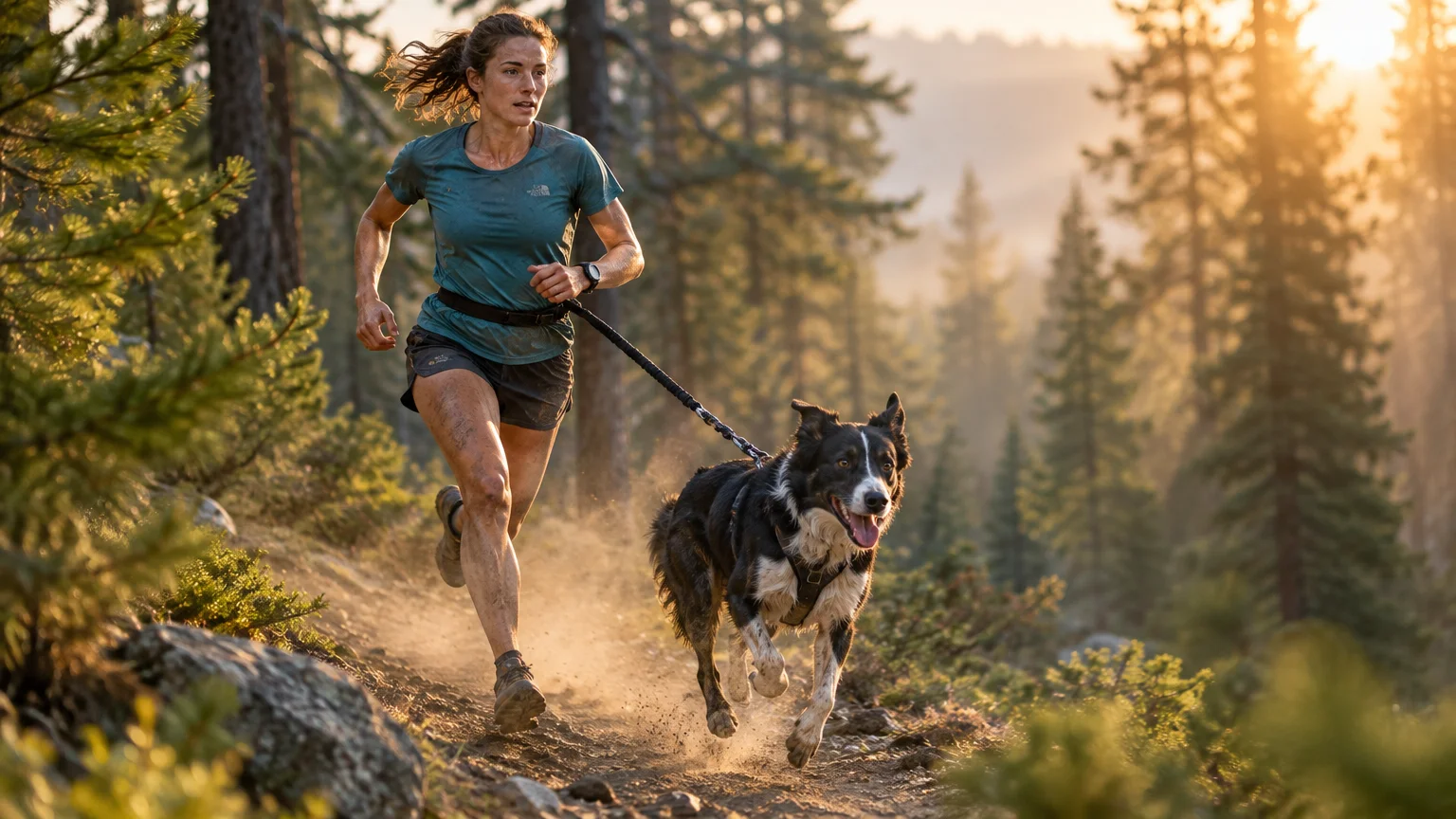
01 The High-Octane Athlete
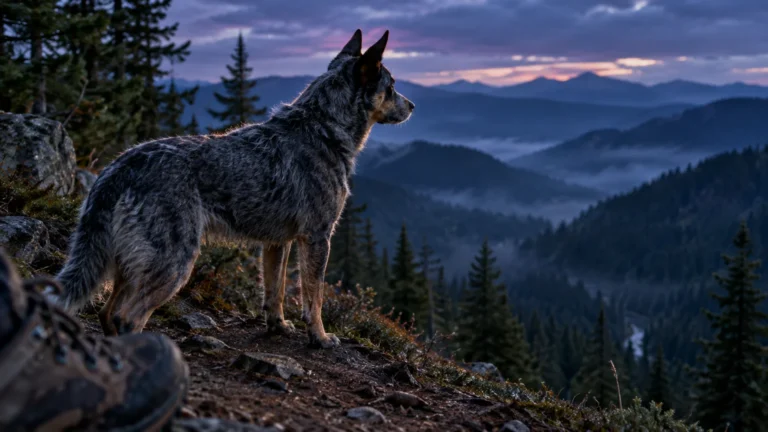
The High-Octane Athlete views life as an ongoing athletic competition. These dogs possess relentless physical stamina, rapid reflexes, and an intense desire to sprint across wide spaces.
Breeds frequently displaying this personality include Border Collies, Belgian Malinois, and Australian Shepherds. Working-line Labrador Retrievers and German Shorthaired Pointers also fit this energetic profile.
Left understimulated, an athletic dog invents creative outlets such as deconstructing couches or pacing fencelines. Physical exhaustion alone rarely satisfies them; they require structured games that tax their bodies and brains simultaneously.
The Best Human Match: Trail runners, marathon trainers, and weekend mountaineers thrive alongside this canine archetype. If you spend your free hours outdoors in motion, this dog will gladly match your stride.
These dogs also excel with hobbyists who participate in agility, flyball, or canine disc competitions. Owners must commit to ninety minutes of vigorous daily activity regardless of weather conditions.
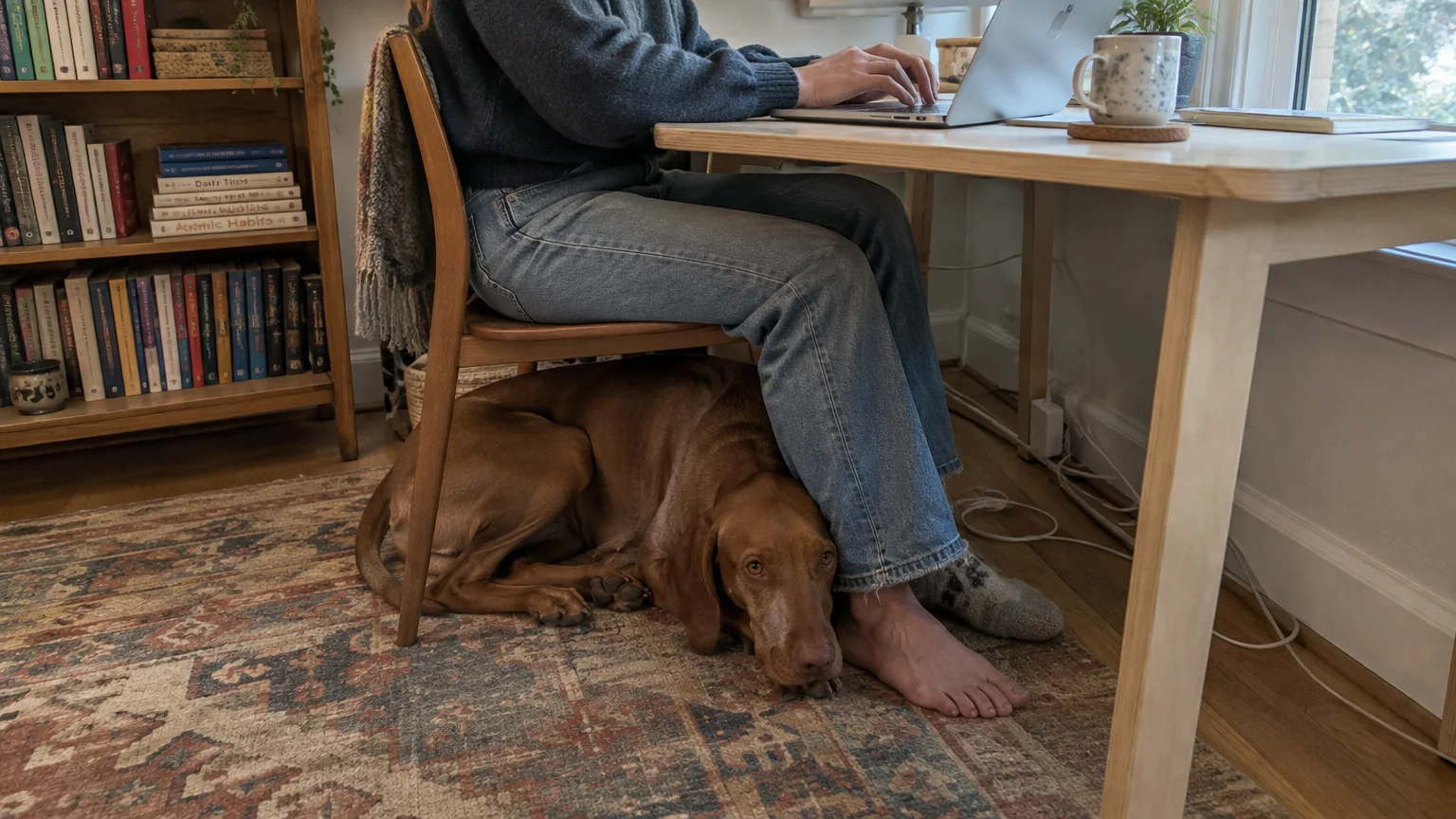
02 The Devoted Shadow
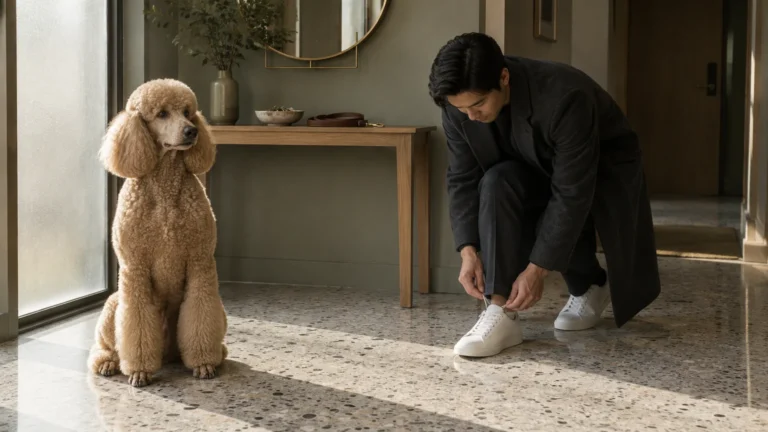
The Devoted Shadow, commonly known as a “velcro dog,” anchors their entire world around physical proximity to you. They follow you between rooms, sit on your feet, and press against your legs whenever possible.
Vizslas, Italian Greyhounds, Doberman Pinschers, and Golden Retrievers frequently express this deep attachment style. Toy breeds like Chihuahuas and Maltese also embody this devoted disposition.
These dogs display extraordinary empathy, frequently mirroring the emotional state of their primary human. However, their profound devotion leaves them vulnerable to isolation distress if you do not teach them independent coping skills early.
The Best Human Match: Remote professionals, retirees, and homebodies make ideal partners for a Devoted Shadow. These owners welcome constant canine companionship and rarely leave the house empty for extended stretches.
If you value personal space or travel frequently for work without pets, this personality will feel overwhelming. For attentive handlers, these loyal companions provide unrivaled emotional warmth.
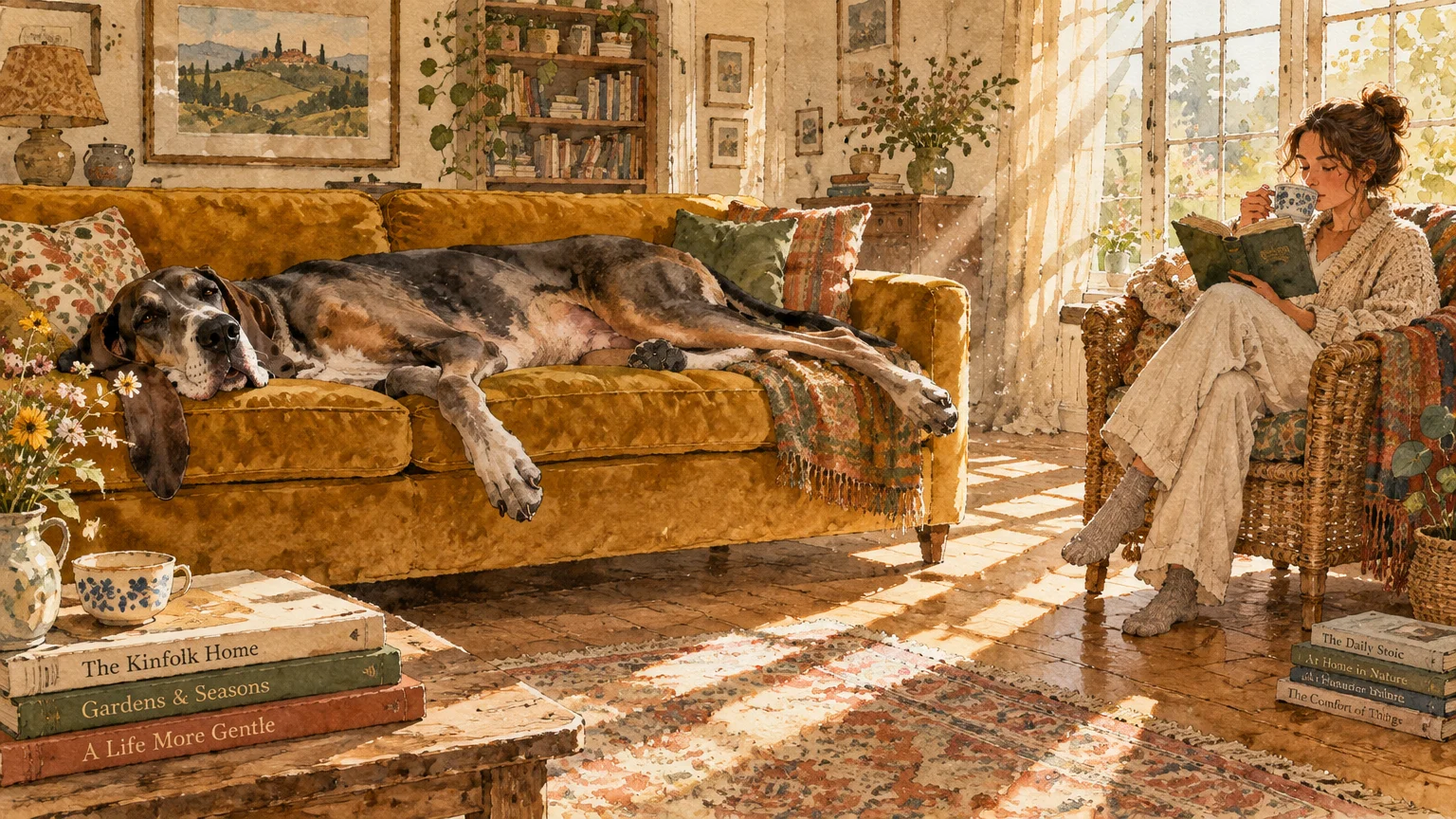
03 The Laid-Back Couch Monarch
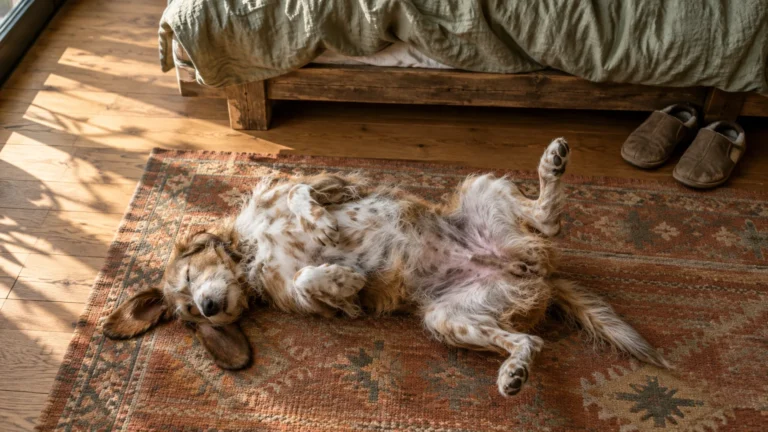
The Couch Monarch treats physical exertion as an optional hobby best enjoyed in short bursts. These low-energy dogs prioritize long naps, soft cushions, and predictable afternoon snoozes.
Classic examples include English Bulldogs, Basset Hounds, Great Danes, and surprisingly, retired racing Greyhounds. Many senior rescue dogs of any genetic heritage also settle into this peaceful rhythm.
Couch Monarchs require gentle encouragement to complete their required daily health walks. Their calm demeanor makes them steady, non-demanding companions who rarely create chaos in tight living spaces.
The Best Human Match: Urban apartment dwellers, busy office professionals, and relaxed introverts match wonderfully with this quiet archetype. They suit individuals who prefer reading a book or watching movies over strenuous outdoor hikes.
Owners still need to monitor nutrition and ensure light daily movement to avoid canine obesity. If you desire a gentle presence without constant exercise demands, this dog fits effortlessly into your life.
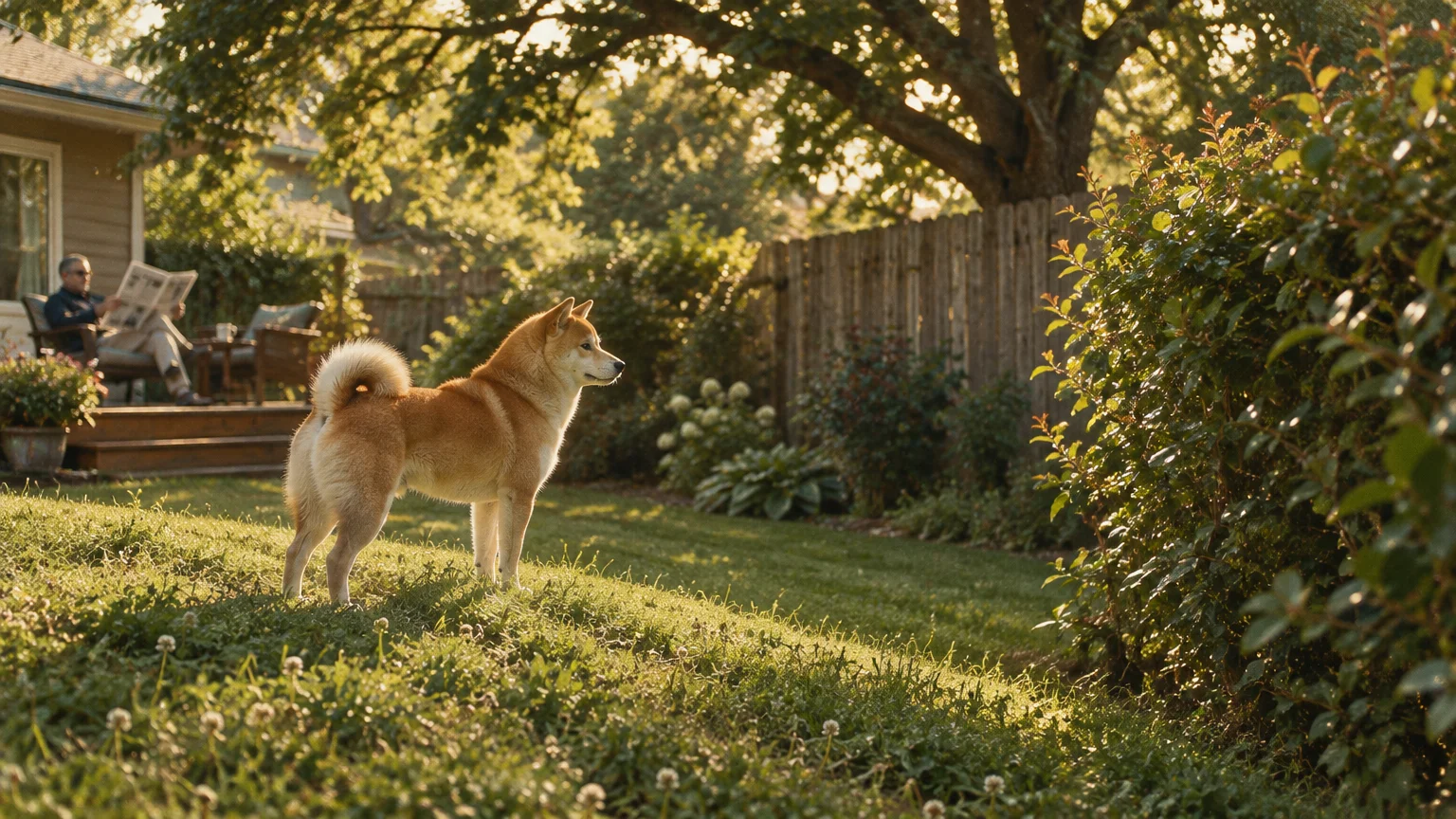
04 The Independent Free-Thinker
The Independent Free-Thinker possesses a cat-like dignity and evaluates human requests before choosing to comply. They show genuine affection on their own terms rather than fawning for constant approval.
Breeds showing this self-directed temperament include Shiba Inus, Basenjis, Afghan Hounds, and Chow Chows. Many livestock guardian breeds also demonstrate this autonomous problem-solving nature.
These dogs resist heavy-handed training tactics and quickly lose interest in repetitive obedience drills. They respect handlers who establish clear boundaries through patience, fair structure, and premium rewards.
The Best Human Match: Experienced owners who appreciate personal boundaries and canine autonomy adore this personality type. They fit quiet households where residents do not require clingy affection or immediate obedience.
First-time owners expecting an eager-to-please companion may find an independent dog aloof or stubborn. Handlers who treat them as equal partners build remarkably strong mutual respect.
05 The Social Butterfly
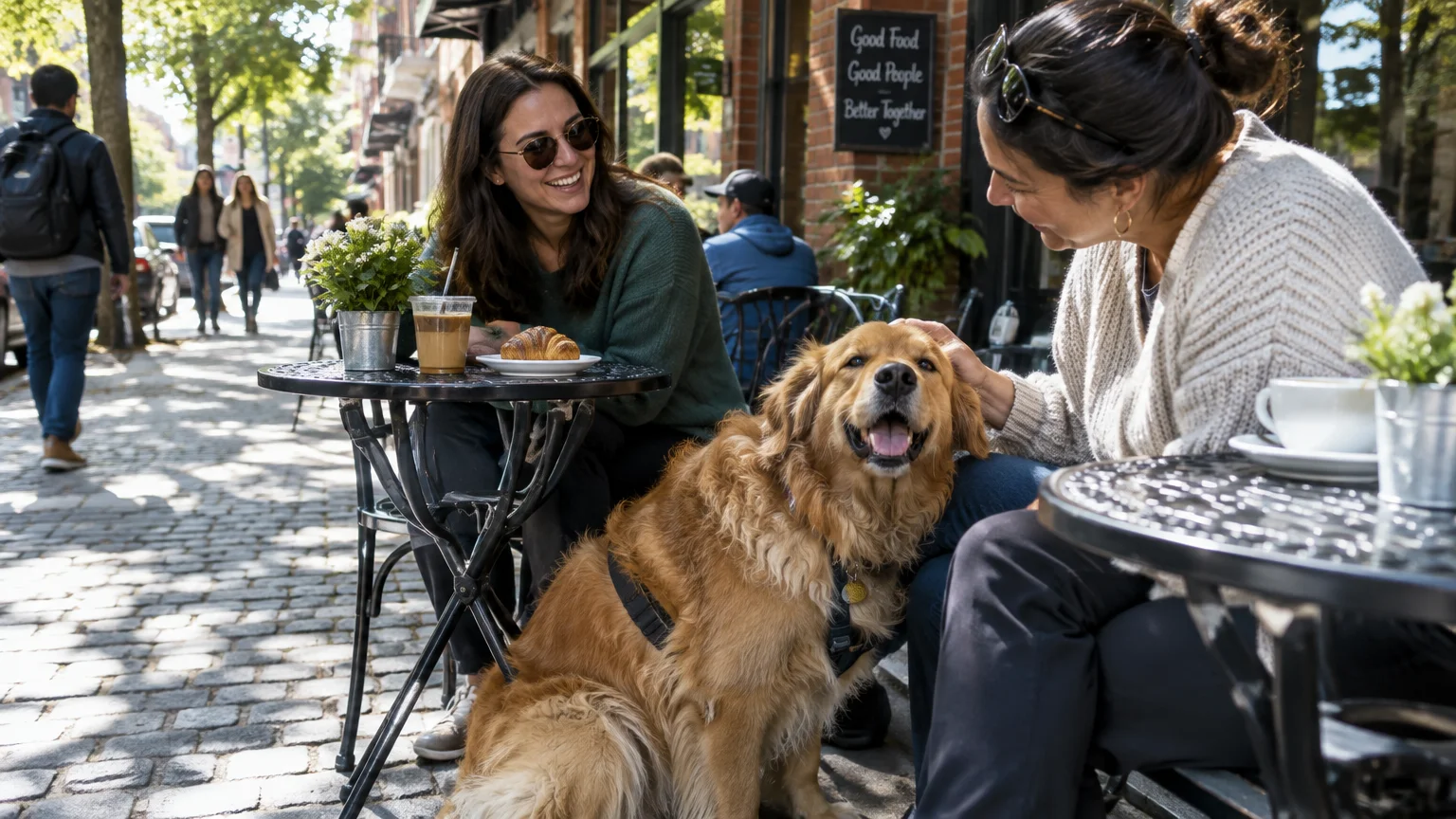
The Social Butterfly believes every stranger is simply a best friend they have not embraced yet. They greet visitors with exuberant tail wags, open body language, and immediate invitations to play.
Labrador Retrievers, Boxers, French Bulldogs, and Pembroke Welsh Corgis regularly showcase this extroverted demeanor. They navigate crowded farmer markets and bustling outdoor patios with relaxed confidence.
Because their desire to greet others runs deep, owners must invest time teaching them polite greeting manners. Unchecked enthusiasm can easily lead to jumping on children or pulling toward passing pedestrians.
The Best Human Match: Active suburban families, social hosts, and dog-friendly office workers provide the stimulation these dogs crave. If your front door constantly opens for neighbors and friends, a Social Butterfly will thrive.
Owners who prefer solitary walks or feel embarrassed by enthusiastic greetings may find this personality exhausting. For gregarious households, their friendly warmth brightens every room.
06 The Vigilant Guardian
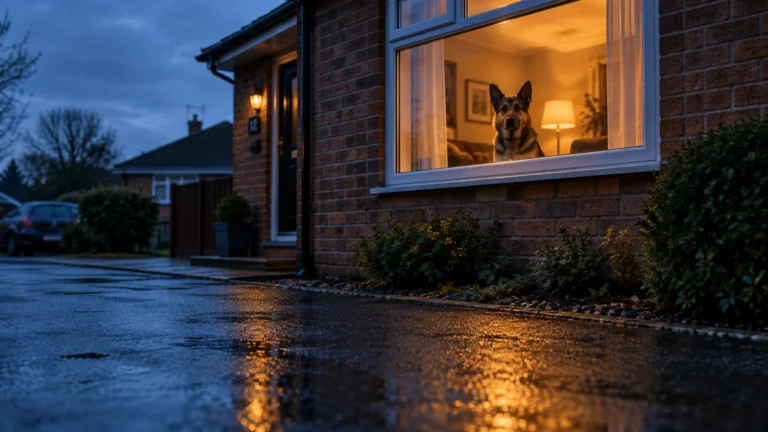
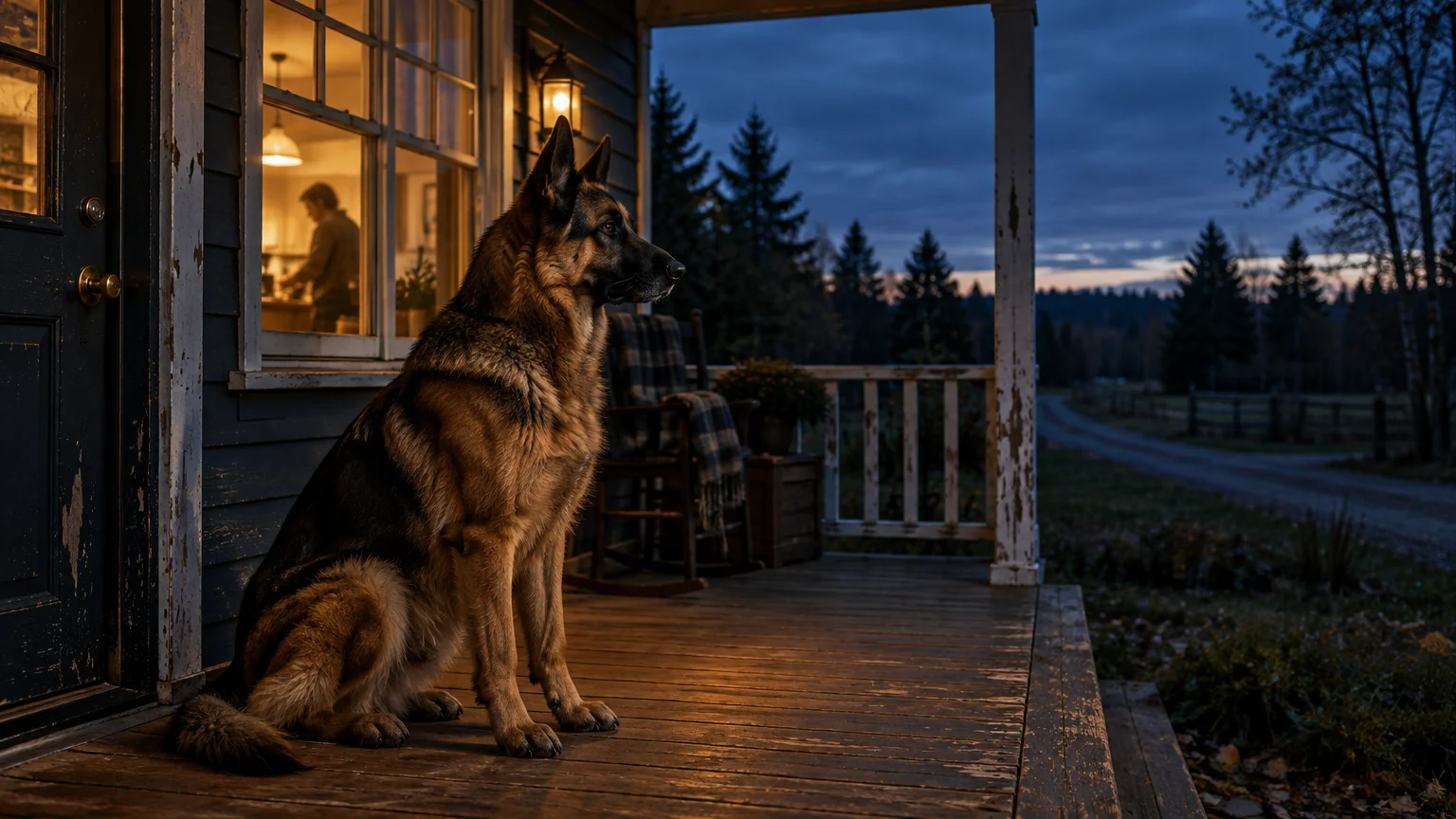
The Vigilant Guardian stays acutely aware of environmental shifts, strange noises, and property perimeters. They maintain a calm, watchful presence and prioritize family safety above casual social interactions.
German Shepherds, Rottweilers, Bullmastiffs, and Great Pyrenees naturally display this protective instinct. Their primary loyalty belongs strictly to their inner circle, viewing unfamiliar individuals with polite suspicion.
Guidance from the American Kennel Club emphasizes that protective breeds require extensive early socialization to differentiate normal human activity from genuine threats. Without guidance, their protective drive can manifest as unwanted territorial reactivity.
The Best Human Match: Structured, experienced dog owners who provide consistent leadership and secure home perimeters match best here. Handlers must stay dedicated to lifelong obedience maintenance and sensible management.
Homes with unpredictable foot traffic, rowdy teenage gatherings, or unmanaged visitors may struggle with a guardian personality. A disciplined owner will cultivate a steadfast, discerning companion.
07 The Gentle, Sensitive Soul
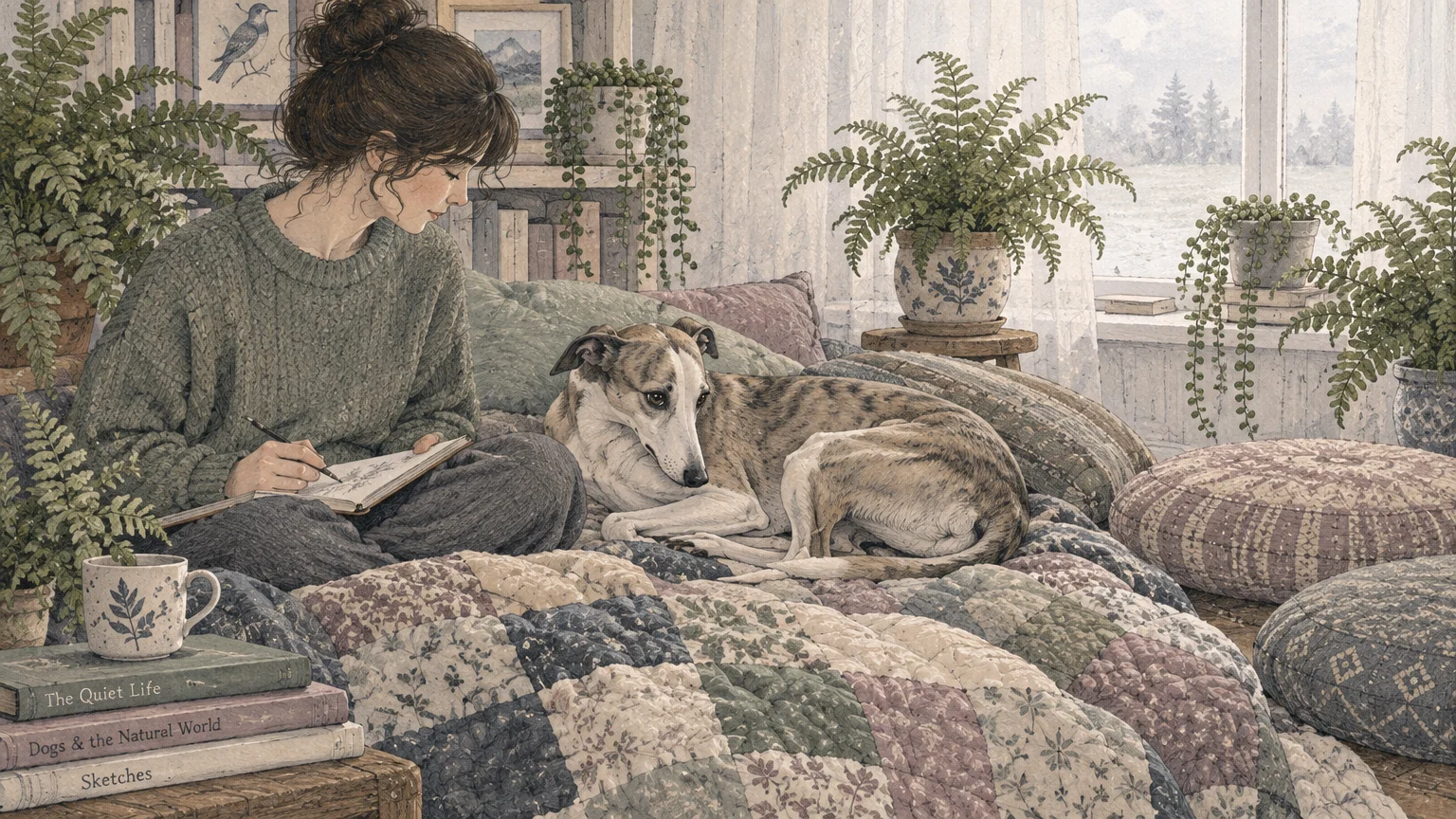
The Sensitive Soul possesses an acutely receptive emotional radar and shies away from harsh tones or chaotic environments. They flourish under soft spoken encouragement and gentle handling methods.
Cavalier King Charles Spaniels, Whippets, Shetland Sheepdogs, and many smaller sighthounds display this fragile, tender nature. They frequently retreat when household arguments or loud domestic appliances shatter the peace.
These dogs struggle in loud, bustling homes filled with screaming toddlers or erratic schedules. Stress manifests in sensitive dogs through loss of appetite, trembling, or hiding beneath furniture.
The Best Human Match: Gentle retirees, quiet single-person households, and calm introverts provide the serene sanctuary these dogs need. Owners who communicate through positive reinforcement build tremendous trust with these delicate companions.
If you maintain a boisterous household or use stern corrections, avoid this personality profile. In a predictable, calm space, their deep tenderness shines brightly.
08 The Methodical Problem-Solver
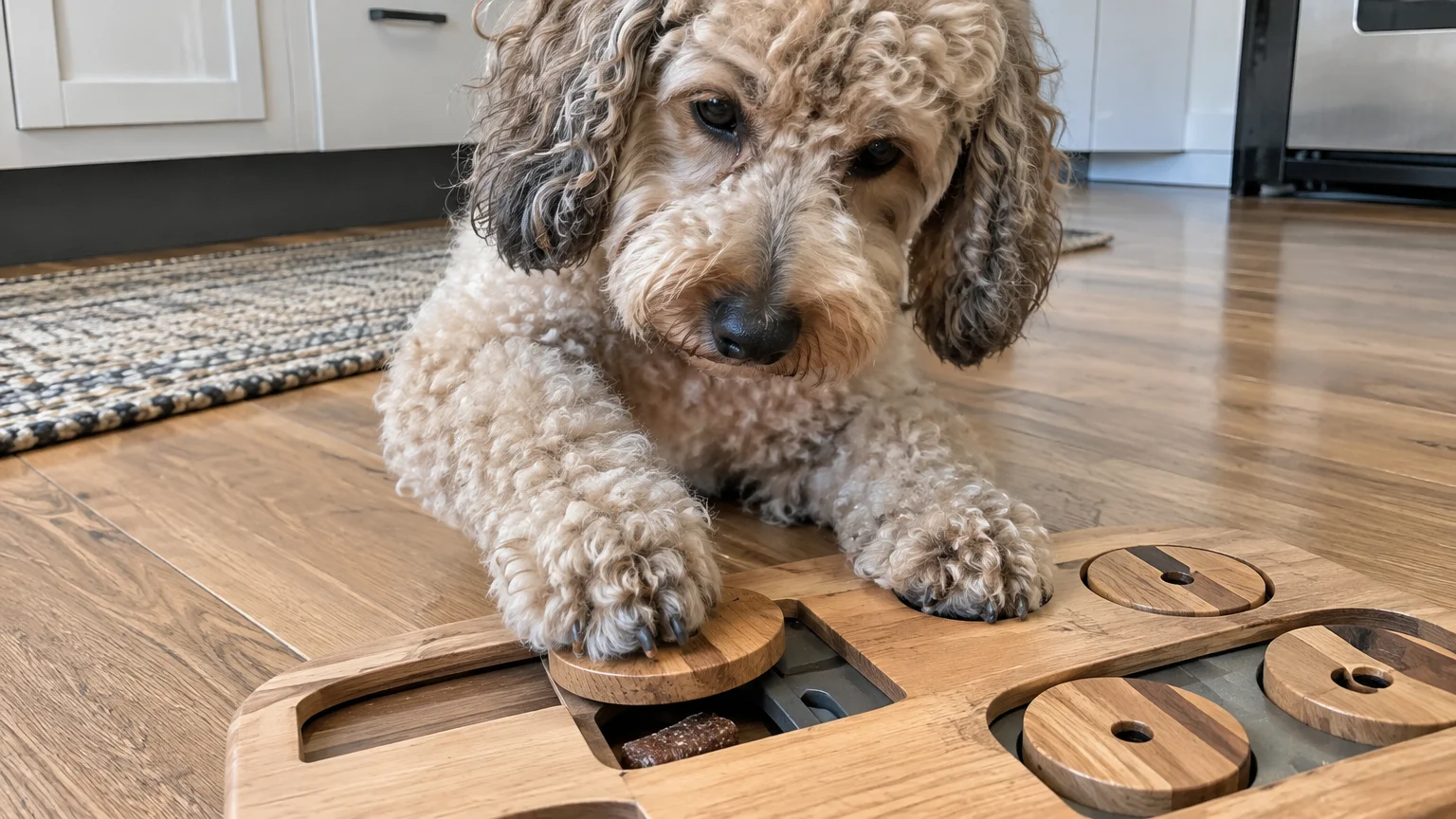
The Problem-Solver approaches the domestic environment like an intricate puzzle waiting to be unlocked. These intelligent dogs quickly learn how to open latches, slide cabinet doors, and outsmart basic baby gates.
Standard Poodles, Australian Cattle Dogs, Border Collies, and Belgian Tervurens embody this keen cognitive sharpness. They observe human routines closely, anticipating your next move before you make it.
Without mental challenges, problem-solvers experience profound boredom that translates into complex behavioral quirks. They need interactive food puzzles, scent work games, and trick training to burn cognitive energy.
The Best Human Match: Dog training enthusiasts, puzzle lovers, and dedicated trick handlers will find endless joy in this canine thinker. If you enjoy teaching your dog practical tasks around the house, this personality provides endless reward.
Passive owners who want an unthinking companion will quickly find themselves outmaneuvered by this dog. These thinkers require humans who actively enjoy out-thinking their pet.
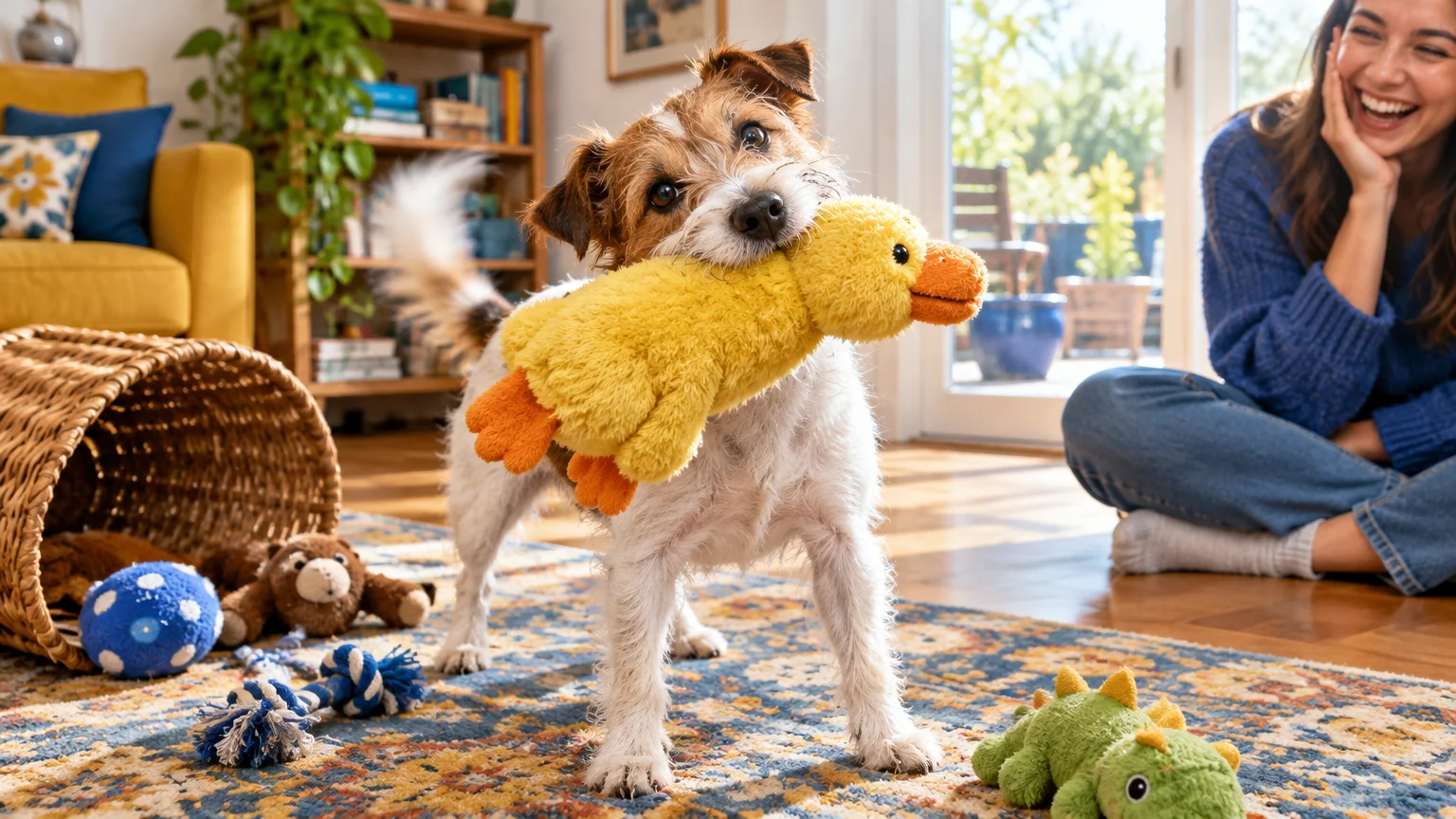
09 The Feisty Comedian
The Feisty Comedian infuses every day with theatrical flair, bold humor, and spirited persistence. These dogs greet challenges with swagger, playful defiance, and unmistakable character.
Jack Russell Terriers, Miniature Schnauzers, Cairn Terriers, and English Bulldogs often demonstrate this clownish charisma. They possess high prey drive, quick vocal opinions, and boundless self-confidence.
A comedian tests household rules purely to observe your reaction, turning basic discipline routines into collaborative games. They require firm, fair boundaries delivered without losing your temper.
The Best Human Match: Patient handlers with a sturdy sense of humor and thick skin suit these spirited characters best. If you chuckle when a dog cheekily steals your sock and invites a chase, you will adore them.
Owners who demand military-style precision and quiet compliance will clash quickly with a feisty dog. For playful homes, their infectious charisma guarantees daily laughter.
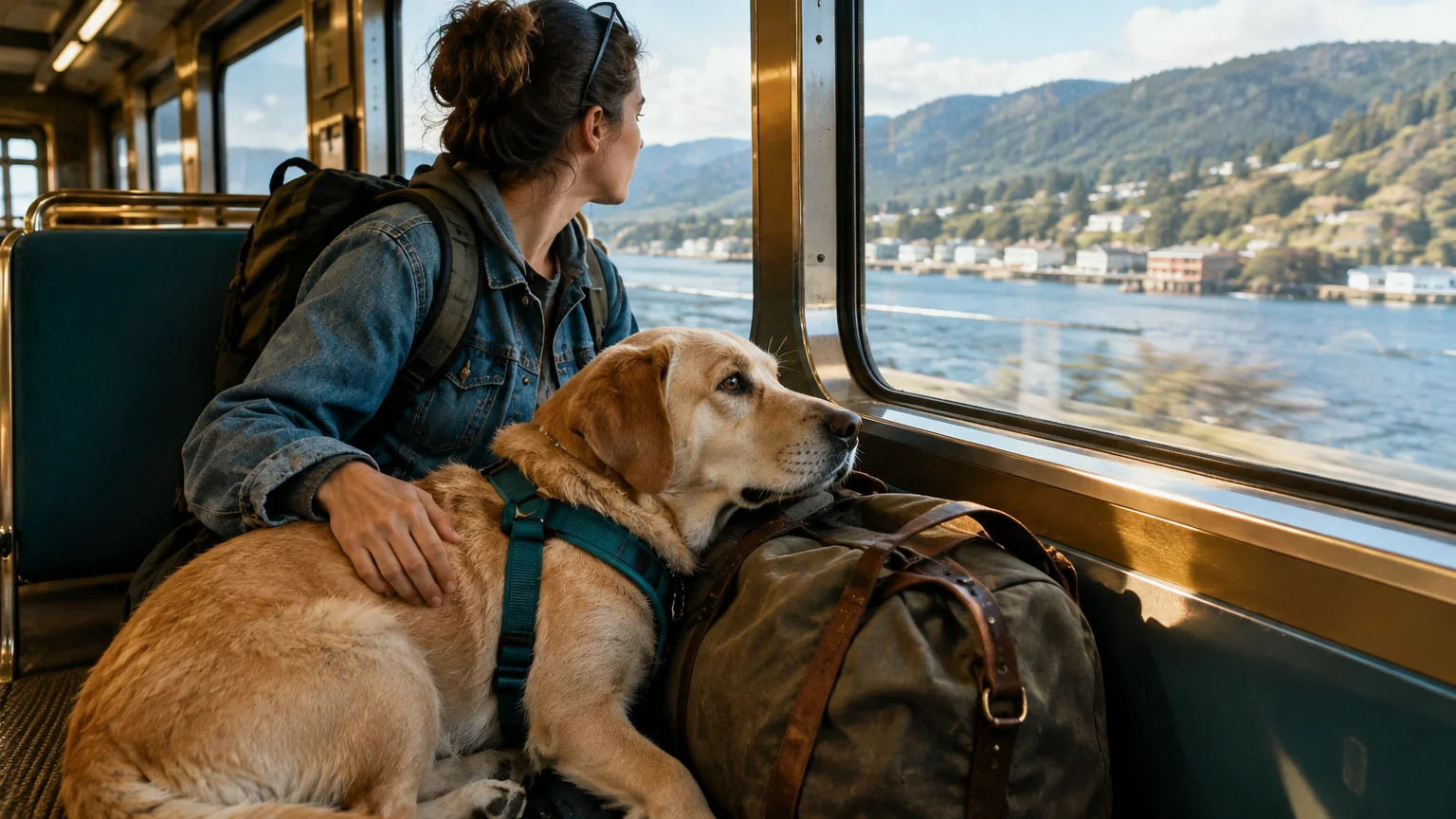
10 The Adaptable All-Rounder
The Adaptable All-Rounder serves as the canine world’s dependable mediator. They handle schedule changes calmly, tolerate mild handling mistakes, and shift comfortably from morning hikes to afternoon sofa lounging.
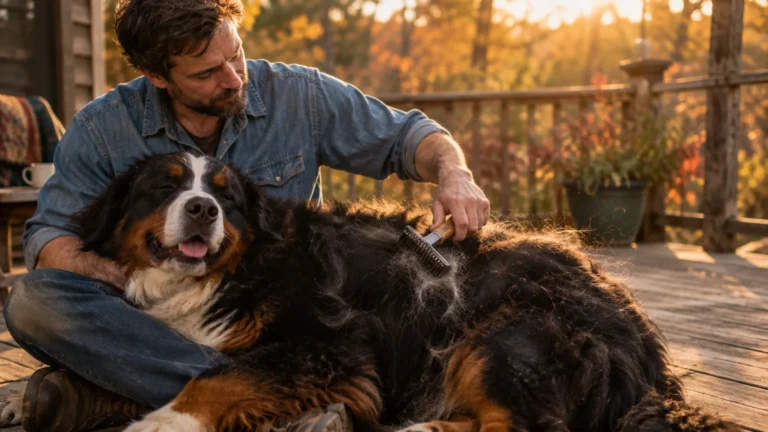
Many multi-generation mixed-breed shelter dogs display this balanced, resilient demeanor. Well-bred Bernese Mountain Dogs, Golden Retrievers, and English Springer Spaniels can also exhibit this harmonious blend.
These dogs possess moderate energy levels, steady nervous systems, and balanced social curiosity. They rarely develop extreme behavioral issues, making them exceptionally forgiving partners.
The Best Human Match: First-time dog owners, dynamic young families, and people with shifting professional schedules match wonderfully here. If your lifestyle mixes quiet weekdays with adventurous weekends, this companion accommodates both.
While low-maintenance compared to specialized working dogs, they still require consistent affection, basic manners, and regular healthcare. Their steady nature makes them beloved, stress-free household partners.
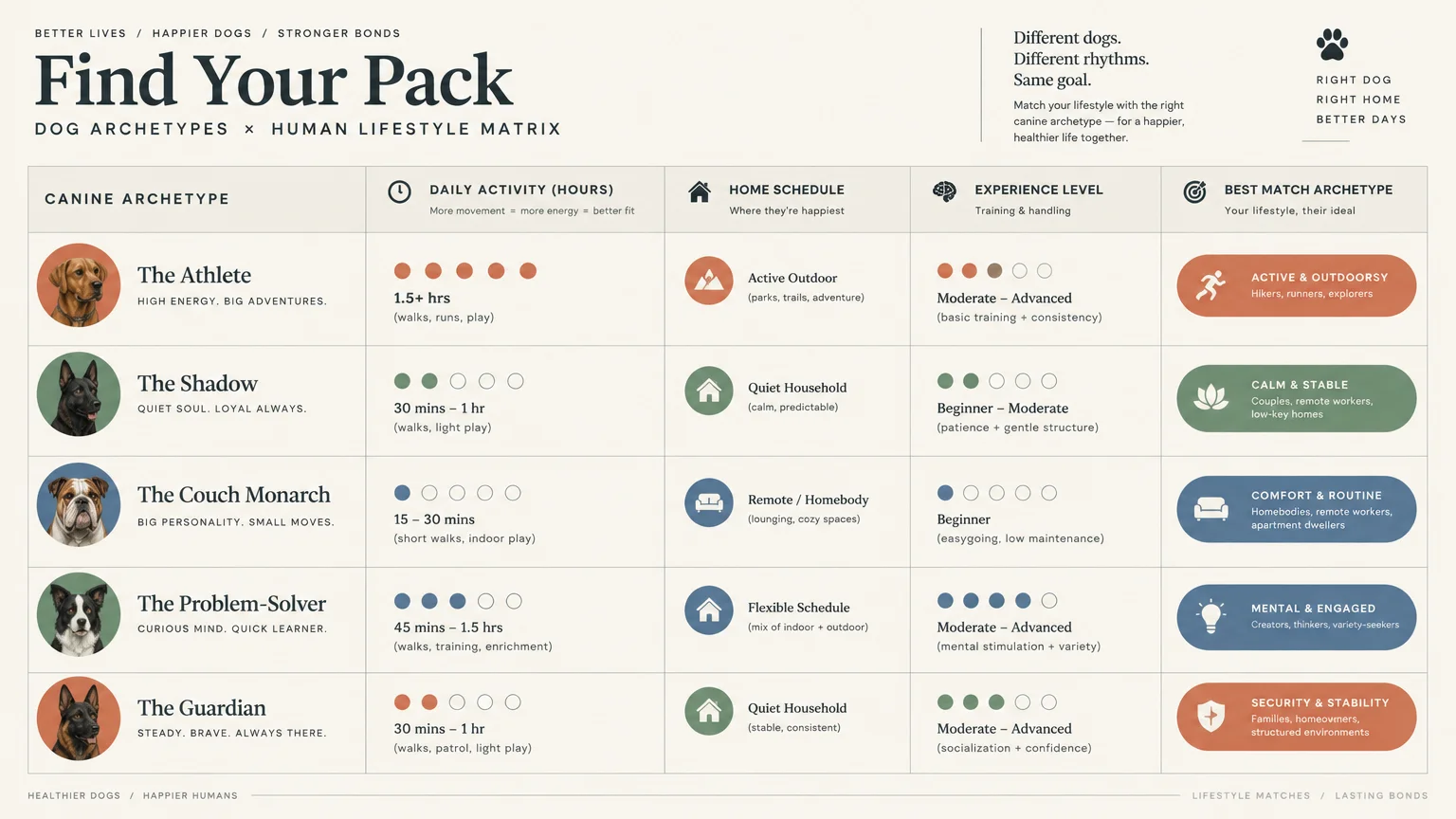
Personality Compatibility Matrix
Review this comparison chart to evaluate how each canine personality aligns with specific household traits and owner requirements.
| Personality Type | Energy Level | Core Behavioral Trait | Best Owner Profile |
|---|---|---|---|
| High-Octane Athlete | Very High | Relentless physical drive | Runners, hikers, agility competitors |
| Devoted Shadow | Moderate | Constant physical closeness | Remote workers, retirees, homebodies |
| Couch Monarch | Low | Prefers restful lounging | Apartment dwellers, busy professionals |
| Independent Thinker | Low to Moderate | Self-reliant, cat-like autonomy | Experienced, non-demanding handlers |
| Social Butterfly | High | Indiscriminate affection | Lively families, social hosts |
| Vigilant Guardian | Moderate to High | Protective territorial focus | Disciplined handlers, structured homes |
| Sensitive Soul | Low to Moderate | Emotionally delicate | Quiet homes, patient introverts |
| Problem-Solver | High | Intense cognitive curiosity | Training hobbyists, puzzle lovers |
| Feisty Comedian | Moderate to High | Playful, stubborn swagger | Humorous, patient owners |
| Adaptable All-Rounder | Moderate | Balanced, forgiving temperament | First-time owners, dynamic households |
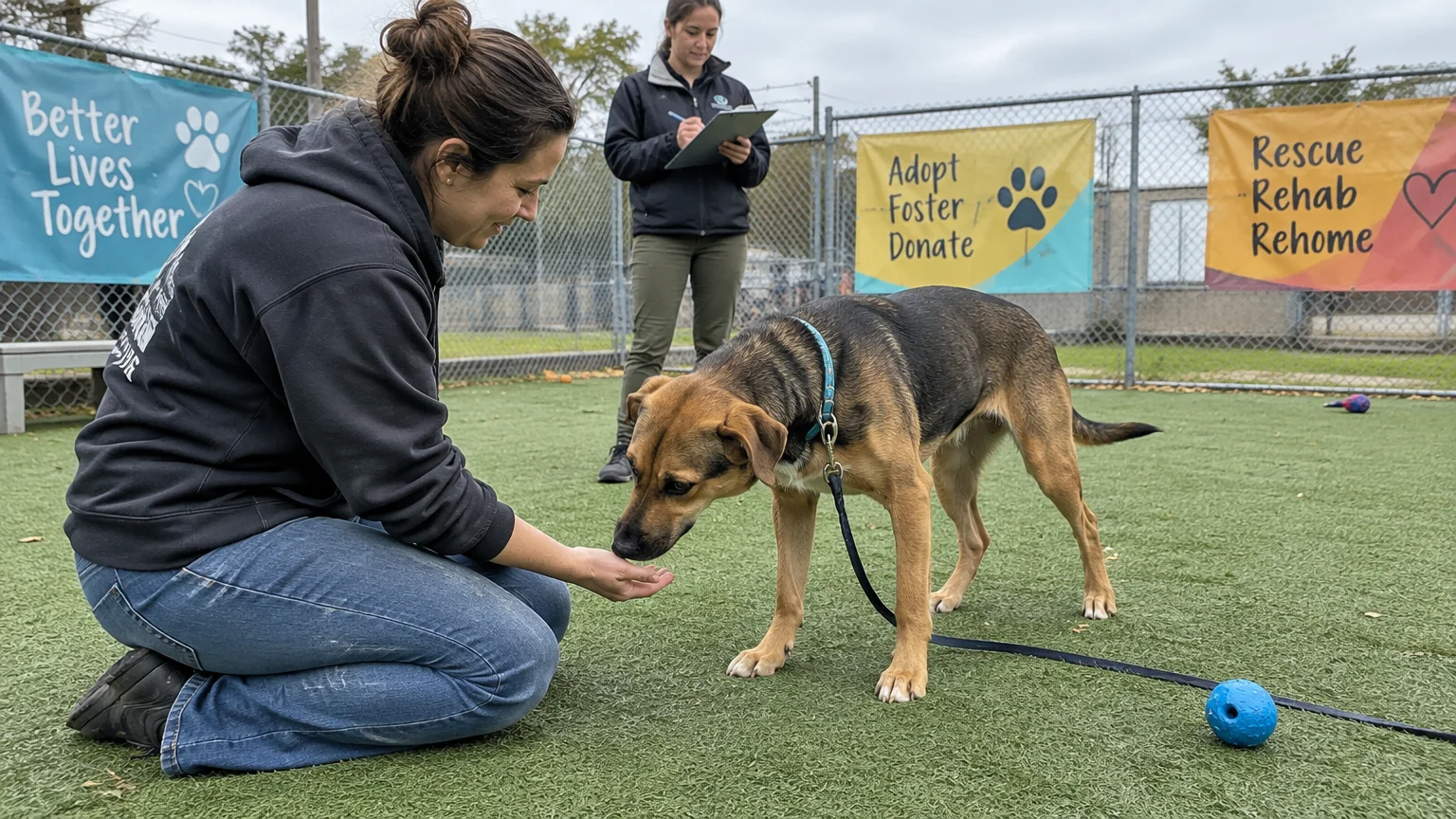
How to Test Temperament Before Bringing a Dog Home
Evaluating an adult dog or young puppy requires looking past surface cuteness to assess behavioral tendencies. Systematic observation reveals critical information about an animal’s core character.
Behavior resources from the American Veterinary Society of Animal Behavior recommend using positive, low-stress handling checks to observe how a dog responds to touch and pressure. A resilient dog accepts gentle touch without stiffening or panic.
Use this evaluation checklist when visiting a rescue shelter or ethical breeder:
- Environmental Recovery: Drop a set of keys several feet away; note whether the dog investigates curiously or cowers persistently.
- Handling Tolerance: Gently stroke their paws, ears, and muzzle to confirm they remain relaxed with gentle human handling.
- Social Motivation: Step two paces back; observe if the dog approaches willingly or remains indifferent in the corner.
- Resource Guarding Check: Offer a low-value chew toy and observe their body language when you gently walk past them.
- Resting Ability: Sit quietly on a chair for five minutes to see if the dog can calm down without constant entertainment.
Ask shelter caretakers or breeders how the dog behaves during meal distribution and veterinary examinations. Caretakers witness the dog’s true personality once shelter adrenaline fades.
Things to Watch Out For
Even well-intentioned adopters can make critical mistakes by projecting human desires onto canine companions. Avoid these common lifestyle pitfalls before bringing a dog home.
Aspirational Adopting: Acquiring an athletic working dog hoping it will force you off the couch rarely succeeds. When your daily habits do not change, the dog suffers from under-exercise and develops destructive behaviors.
Overlooking Teenage Regression: Puppies often seem adaptable and calm until adolescent hormone surges hit between eight and eighteen months. Prepare for temporary boundary pushing as your dog matures into their true adult temperament.
Mistaking Anxiety for Devotion: A dog that panics whenever you leave the room does not love you more; they may suffer from separation anxiety. True devotion remains calm and secure even when you step out the door.
Ignoring Breed Tendencies: While individual variance exists, genetics matter immensely. Expecting an instinctive herding dog to ignore sprinting neighborhood children sets everyone up for failure.
Frequently Asked Questions
Can a dog’s personality change as they grow older?
Yes, dogs settle significantly as they pass social maturity around two to three years of age. While core traits like boldness or sensitivity persist, excess puppy exuberance transitions into steady adult behavior.
How can I tell if a rescue dog is truly calm or just shut down?
A shut-down dog avoids eye contact, displays tight lip posture, and freezes in place. A genuinely calm dog shows loose muscle tone, soft blinking eyes, and rhythmic, steady respiration.
Can training change a dog’s fundamental personality type?
Training teaches behavioral management and emotional impulse control, but it does not erase underlying genetic temperament. You can teach a guardian dog polite greetings, but you cannot transform them into a carefree Social Butterfly.
What should I do if my dog’s personality clashes with my household?
Consult a certified professional dog trainer or a veterinary behaviorist to develop targeted management routines. Implementing structured mental enrichment and proper exercise outlets often resolves perceived personality mismatches.
Finding Your Ideal Companion
A thriving relationship with your dog stems from mutual compatibility rather than training perfection. When you honor a dog’s natural personality, daily life shifts from constant management to genuine companionship.
Take an honest inventory of your daily schedule, energy reserves, and noise tolerance before choosing a new pet. The right canine match will enrich your life for many years to come.
This is general informational content based on widely accepted guidance. Individual results vary.
Verify current details—rules, prices, eligibility, regulations—with official sources before making important decisions.
Last updated: October 2026. Rules, prices, and details change—verify current information with official sources before acting on it.