Leaving the workforce transforms your daily schedule, and your dog notices this sudden shift immediately. Your companion thrives on your presence and quickly adjusts to a calmer household rhythm.
While you settle into your new lifestyle, you might wonder whether your dog truly enjoys this slower pace. Fortunately, canine body language offers unmistakable clues about your pet’s emotional well-being.
Learning to read these behavioral cues gives you confidence that your shared journey is bringing genuine comfort. Here are the seven clearest signs your dog is flourishing alongside you in retirement.
01 Deep, Restful Sleep and Exposed Belly Postures
During your working years, your dog likely dozed lightly while listening for your car or footsteps. In a quiet retirement home, dogs often transition into far deeper, more restorative stages of sleep.
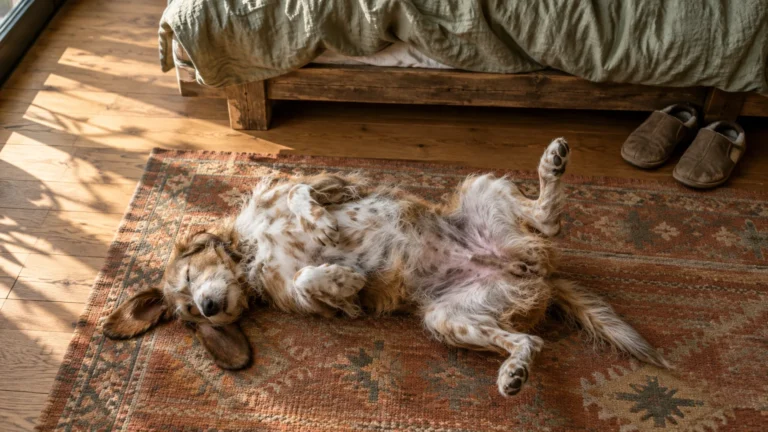
Watch your dog’s sleeping posture closely when you relax in your favorite armchair. When dogs feel completely secure, they frequently roll onto their backs with their paws curled in the air.
Animal behaviorists call this vulnerable posture a hallmark of canine safety. Because the abdomen houses vital organs, dogs only expose their undersides when they perceive zero environmental threats.
You might also notice twitching whiskers, gentle paddling paws, and quiet yips during their midday naps. These physical movements signal active REM cycles, proving your pet feels settled enough to enjoy deep slumber.
Slower afternoons allow your canine companion to complete these restorative sleep cycles without sudden disruptions. A well-rested dog wakes up refreshed, emotionally balanced, and eager for your next quiet activity together.
02 Gentle Leaning and Proximity Seeking
Does your dog gently press their body against your legs while you prepare a morning tea? This deliberate physical contact reveals a profound sense of trust, love, and emotional security.
Some pet owners mistakenly interpret this leaning behavior as an attempt to establish dominance. In reality, canine behavioral specialists confirm that physical leaning represents a dog’s version of a warm embrace.
According to the American Kennel Club, dogs lean against trusted humans to seek closeness and communicate quiet reassurance.
You will notice this habit when you sit down to read or tend to patio plants. Your companion often chooses to lie just close enough to touch your foot or rest against your ankle.
This consistent proximity indicates that your dog finds your constant presence naturally comforting. You have established a secure emotional base that enriches their daily life.
03 Soft Facial Expressions and Lingering Eye Contact
When your dog glances up at you from the rug, observe the muscles around their eyes and muzzle. A contented dog maintains relaxed facial tissues without visible tightness along the brow or jawline.
Happy companions often display what professional trainers describe as “soft eyes”—a loose gaze accompanied by slow, gentle blinking. This relaxed gaze stands in sharp contrast to the wide-eyed stare of a stressed pet.
When you and your dog share gentle, mutual eye contact, both of your bodies release oxytocin; this biochemical cascade reinforces mutual bonding. Scientists often call oxytocin the cuddle hormone because it deepens companionship.
If your dog blinks languidly across the breakfast table, they are expressing quiet satisfaction. They acknowledge your presence without demanding immediate games, walks, or high-value treats.
Return that gentle gaze with a soft word or a soothing stroke behind the ears. This simple, quiet exchange reaffirms your shared bond and keeps your dog feeling grounded.
04 Play Bows and Spontaneous Bursts of Joy
Retirement frees up emotional energy for both you and your canine companion. Without the lingering stress of hurried morning departures, your dog may rediscover a playful, carefree spirit.
Watch for the classic play bow, where your dog drops their front elbows while keeping their hindquarters high. This universal canine posture signals sheer joy and invites you to participate in spontaneous fun.
Even older dogs with graying muzzles frequently offer play bows when daily stress dissolves. They might grab a favorite squeaky toy, toss it across the carpet, or scamper around a living room table.
These sudden bursts of whimsical energy confirm that your pet feels emotionally unburdened and physically comfortable. An anxious or neglected dog rarely spends energy on lighthearted, self-directed play.
Support these playful overtures by engaging in gentle games that match your dog’s physical stamina. A five-minute session of indoor roll-the-ball keeps their brain active without overtaxing sensitive joints.
05 A Relaxed Mouth and Loose, Fluid Body Posture
A dog’s posture reflects their inner emotional world with remarkable clarity. When your pet settles happily into retirement living, their entire spine appears loose, fluid, and noticeably free of muscular tension.
Notice how your dog holds their mouth during quiet afternoons on the porch. Content dogs often hold their jaws slightly open, letting their tongues flop softly over their lower teeth.
This canine smile indicates physiological comfort and emotional balance. Conversely, tightly clamped lips or rapid panting in cool air often signal underlying distress or discomfort.
Pay close attention to your dog’s tail carriage when you speak to them from across the room. A contented tail wags in wide, rhythmic sweeps at a natural, level height with the spine.
When your dog wags their entire backside along with their tail, they are broadcasting total contentment. These soft, flowing movements prove that your home provides a genuinely serene sanctuary.
06 Cheerful Engagement with New Daily Routines
Canines thrive on predictable structure, and your retirement provides stability without the hectic rush of alarms. Your dog quickly memorizes your new daily habits and anticipates each peaceful transition.
You will likely find your dog waiting patiently near the front door right when you finish your morning coffee. They appreciate the leisurely pace of morning neighborhood strolls and look forward to extended sniffing sessions.
Guidance from the ASPCA confirms that predictable daily schedules reduce canine anxiety and establish healthy emotional boundaries.
An attentive, cooperative demeanor during regular activities demonstrates that your dog feels secure in their environment. They walk politely beside you, investigate novel scents happily, and return home ready to relax.
Instead of pacing nervously, your dog synchronizes their resting cycles with your personal calendar. This effortless rhythm makes living as a retiree with dog immensely rewarding for both of you.
07 Confident Independence and Peaceful Solo Resting
True canine well-being does not require your dog to follow you into every single room. A genuinely secure pet possesses the confidence to nap quietly on their own bed downstairs.
When you head to the garage for a gardening project, your dog might simply yawn and remain curled up. This relaxed independence demonstrates complete trust that you will return whenever you step away.
Dogs wrestling with separation anxiety often trail their humans anxiously from room to room, unable to settle. If your dog rests peacefully without monitoring your every footstep, their confidence is thriving.
Your dog understands that your physical presence remains accessible, which removes their urge to guard your movements. This healthy emotional detachment prevents clingy distress and supports a balanced household.
Value these peaceful intervals as definitive proof of your dog’s emotional resilience. Your dependable companionship gives your dog the peace of mind they need to truly rest.
Comparing Thriving Dogs to Stressed Companions
Evaluating subtle shifts in your dog’s posture helps you identify whether your retirement routine meets their emotional needs. Small behavioral markers reveal whether your companion feels truly relaxed or mildly unsettled.
Review this comparison table to assess how your dog responds to your shared everyday environment.
| Behavioral Category | Thriving in Retirement | Experiencing Routine Stress |
|---|---|---|
| Resting Posture | Exposed belly, sprawled limbs, relaxed muscles | Curled tightly, tense shoulders, easily startled |
| Eye Contact | Soft gaze, slow blinks, calm facial muscles | Hard staring, wide eyes showing white sclera (“whale eye”) |
| Daily Activity | Eager participation, spontaneous play bows | Restless pacing, apathy, reluctance to engage |
| Physical Contact | Gentle leaning, loose proximity seeking | Frantic pawing, clingy shadowing, hypervigilance |
| Mouth & Breathing | Open jaw, lolling tongue, steady respiration | Tightly clamped lips, lip licking, rapid stress panting |
Tracking these subtle behaviors over several weeks reveals your pet’s overall emotional trajectory. Most dogs adjust quickly to a quieter household, but some require extra patience and gentle guidance.
If your companion displays mostly thriving traits, your current daily rhythm works wonderfully. If you observe persistent stress signals, introducing structured downtime can help your pet regain their composure.
Enrichment Ideas to Keep Your Retired Dog Mentally Sharp
Having open days allows you to provide engaging mental stimulation that enriches your dog’s retirement experience. Mental workouts burn excess nervous energy and preserve cognitive function as dogs grow older.
You do not need demanding agility courses or expensive gadgets to keep your dog’s mind sharp. Simple, low-impact sensory activities provide excellent cognitive workouts while protecting aging joints.
- Decompression Walks (“Sniffaris”): Let your dog set the walking pace and thoroughly explore tree trunks, grass patches, and fence lines without rushing.
- Interactive Food Puzzles: Place midday snacks inside durable rubber toys or snuffle mats to stimulate your dog’s innate problem-solving abilities.
- Gentle Scent Games: Hide aromatic treats behind living room furniture or beneath cardboard boxes to turn hunting instincts into fun games.
- Novel Training Challenges: Spend three minutes daily teaching gentle hand touches or simple paw cues to keep your pet’s brain nimble.
Rotate between these engaging activities throughout the week to offer variety without triggering sensory overload. A sensible combination of scent games and undisturbed napping keeps retired dogs remarkably contented.
Always tailor each game to match your pet’s current vision, hearing, and mobility levels. Modifying activities ensures your companion experiences continuous success without unnecessary frustration.
When Behavior Changes Signal Health Problems
While a relaxed dog spends substantial time sleeping, you must distinguish between peaceful rest and clinical lethargy. Sudden shifts in your dog’s energy, appetite, or mobility require prompt veterinary attention.
Dogs naturally slow down over time, but sudden reluctance to climb stairs often points to joint inflammation. Degenerative joint disease frequently masquerades as contentment when a dog is actually avoiding painful physical movement.
The American Veterinary Medical Association recommends regular wellness exams for senior pets to detect chronic degenerative issues early.
In addition, repetitive night pacing, vocalizing at walls, or sudden house soiling can indicate canine cognitive dysfunction. Catching cognitive decline early allows your veterinarian to recommend therapeutic diets, supplements, and lifestyle modifications.
Schedule a professional veterinary consultation whenever you feel uncertain about your pet’s physical or behavioral changes. Comprehensive medical care ensures your dog enjoys their retirement in comfort and dignity.
Frequently Asked Questions
Can having me home all day overwhelm my dog?
Yes, some dogs experience sensory fatigue when their owners suddenly introduce constant hovering, talking, and handling. Canines require substantial quiet downtime each day to keep their nervous systems regulated.
Designate a quiet sanctuary room where your dog can rest undisturbed by household chores or television noise. Respecting their need for personal space prevents irritability and supports emotional balance.
How can I tell if my senior dog is sleeping too much?
Older dogs frequently sleep between sixteen and eighteen hours daily, but they should wake alert and eager for food. If your dog refuses meals or seems disoriented upon waking, consult your veterinarian.
True lethargy differs from peaceful rest because lethargic dogs show no interest in everyday pleasures like treats or walks. Monitor their responsiveness to familiar sounds to gauge their underlying vitality.
Does my retirement increase the risk of canine separation anxiety?
Spending every moment together can foster unhealthy overdependence if your dog never practices being alone. When unexpected appointments force you to leave, an unprepared pet can suffer severe distress.
Prevent hyper-attachment by running solo errands for an hour or two several times every week. Brief, routine absences reassure your dog that departures are normal, safe, and temporary.
How much exercise does a dog need during retirement?
Exercise needs depend on your pet’s breed, overall health, and joint condition rather than your schedule. Most adult dogs do well with two twenty-minute strolls focused heavily on sniffing.
Prioritize mental exploration over strenuous distance, especially for dogs coping with arthritis. Allowing your dog to thoroughly explore their environment provides exceptional low-impact mental exercise.
Embracing the Journey Together
Retiring with a canine companion brings rare joy, companionship, and emotional enrichment to your everyday life. Recognizing the subtle signs of dog happiness lets you appreciate the deep bond you share.
Take time to savor quiet morning walks, gentle ear scratches, and synchronized afternoon naps together. Your steady presence and patient love provide the ultimate reward for your loyal companion.
This is general informational content based on widely accepted guidance; individual results vary. Verify current details—rules, prices, eligibility, regulations—with official sources before making important decisions.
Last updated: October 2026. Rules, prices, and details change—verify current information with official sources before acting on it.