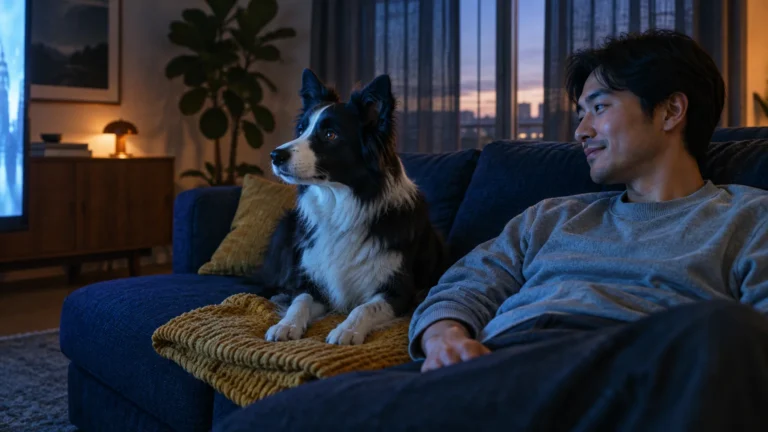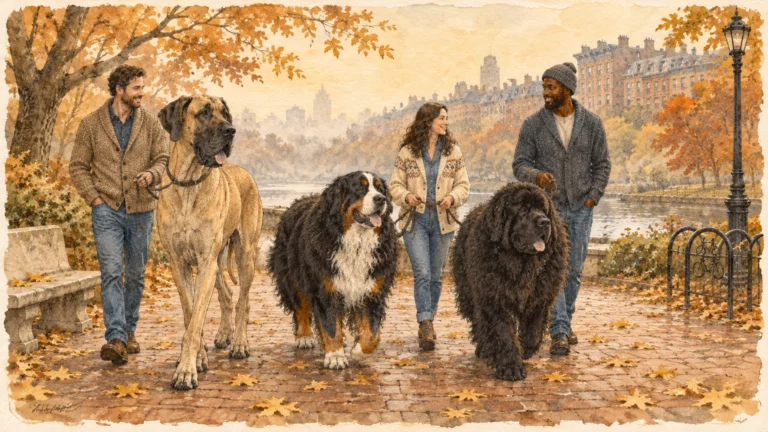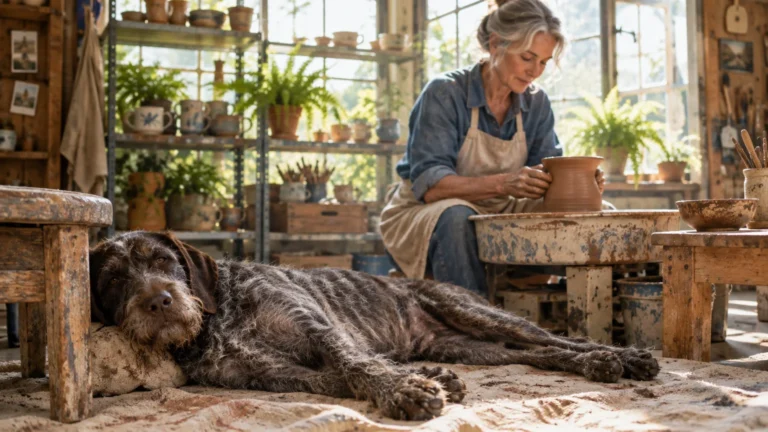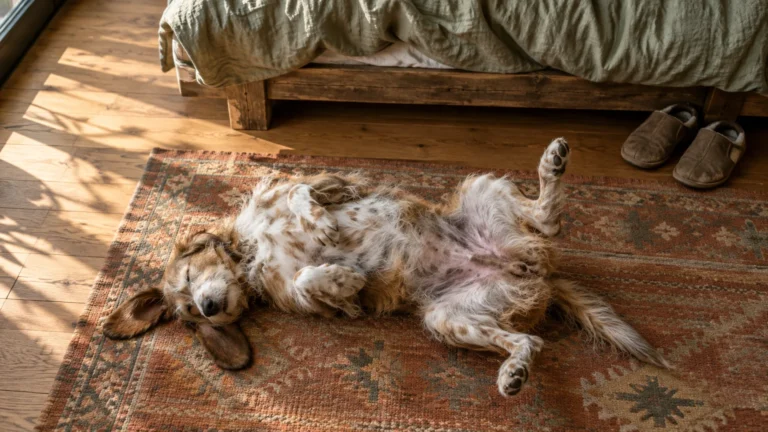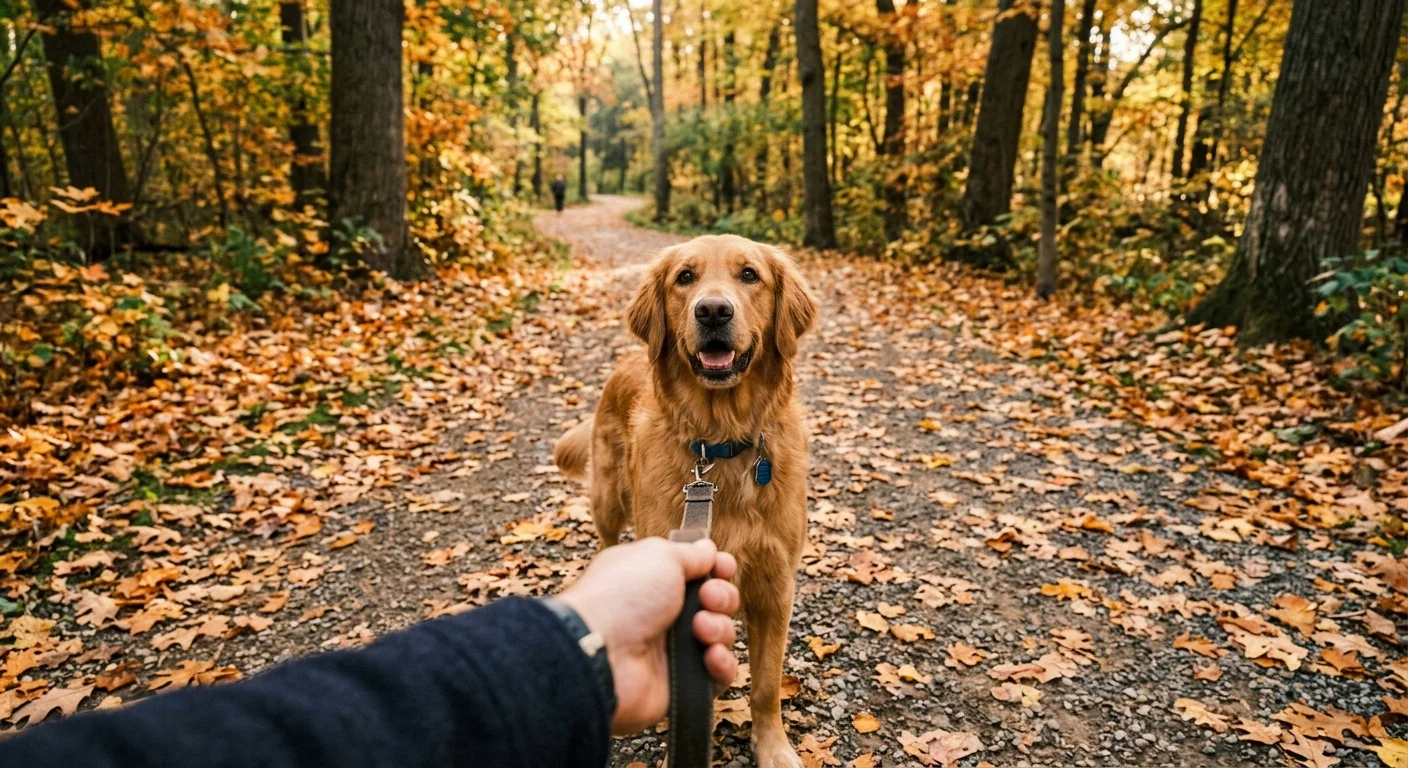
When your dog looks to you for direction during unfamiliar sounds, yields space calmly, or relaxes completely in your presence, they demonstrate profound trust in your guidance.
While modern veterinary science has reframed traditional “alpha” dominance theories, dogs still naturally thrive within structured household routines where humans provide calm, predictable direction.
Recognizing these subtle daily behavioral cues helps you strengthen your bond, confirm your role as a trusted decision-maker, and ensure your canine companion feels completely safe.
Understanding these key dog trust and respect signs empowers you to build a harmonized relationship based on clear communication and mutual respect rather than coercion.
The Essentials: What Canine Leadership Actually Means
For decades, popular culture promoted the idea that human pet parents must act as dominant “alpha dogs” to maintain order. Modern animal behaviorists and organizations like VCA Animal Hospitals have dismantled this myth.
Wild wolf packs operate as cooperative family units led by parents rather than tyrannical combatants; similarly, domestic dogs do not spend their days plotting to overthrow your household hierarchy.
Instead, dog pack behavior in the home manifests as a search for emotional security, clear boundaries, and consistent decision-making.
When animal behaviorists discuss dog leadership behavior signs today, they refer to cooperative leadership. Your dog naturally looks to you for guidance because you control essential resources—food, access to the outdoors, safety, and social engagement.
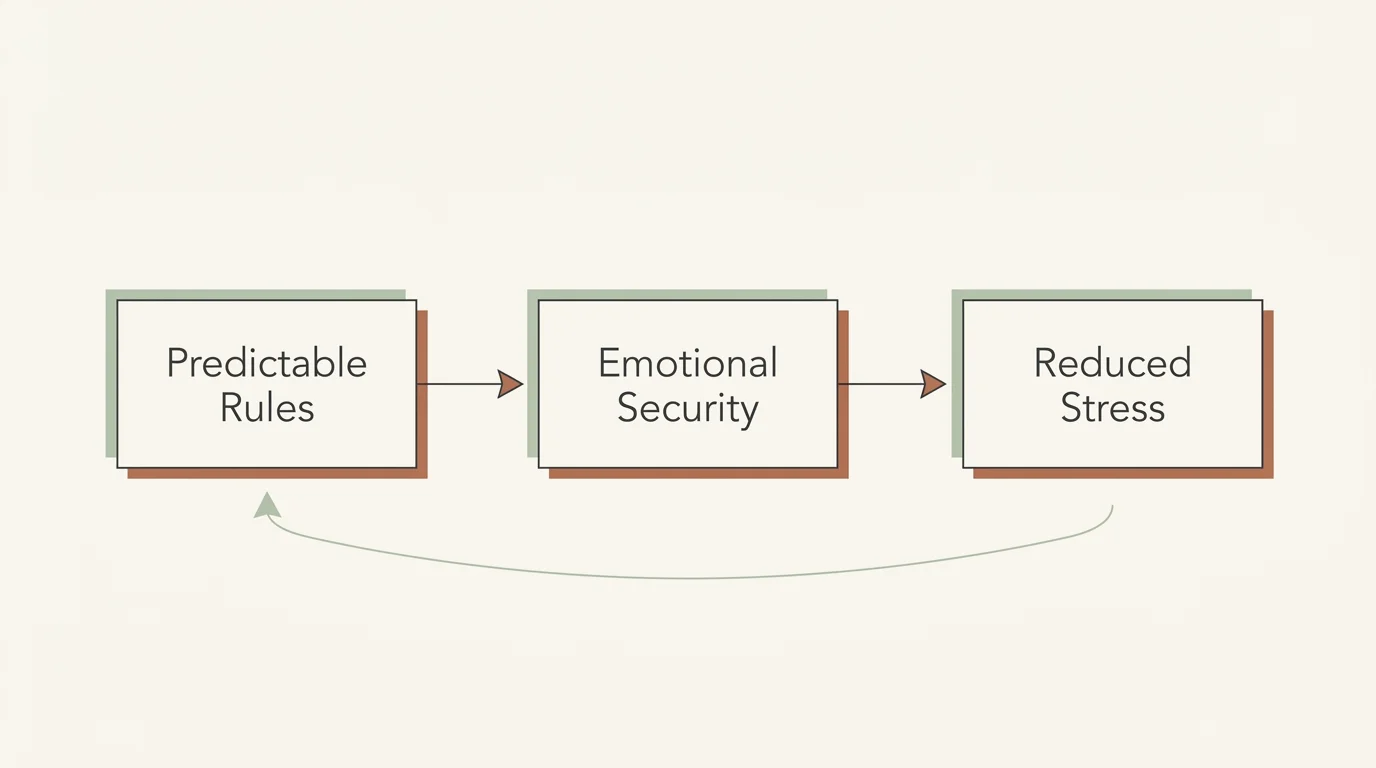
When you establish fair, predictable rules without resorting to physical force or intimidation, your dog willingly defers to your choices. This mutual dynamic creates a stable home environment where your dog feels secure, lowering their stress levels and fostering deeper companionship.
10 Clear Signs Your Dog Respects Your Household Guidance
Canine communication relies heavily on body language, subtle eye movements, and spatial relationships. By paying close attention to these ten distinct behaviors, you can assess how comfortably your dog integrates into your home’s social structure.
1. Frequent Eye Contact and Direct Visual “Checking In”
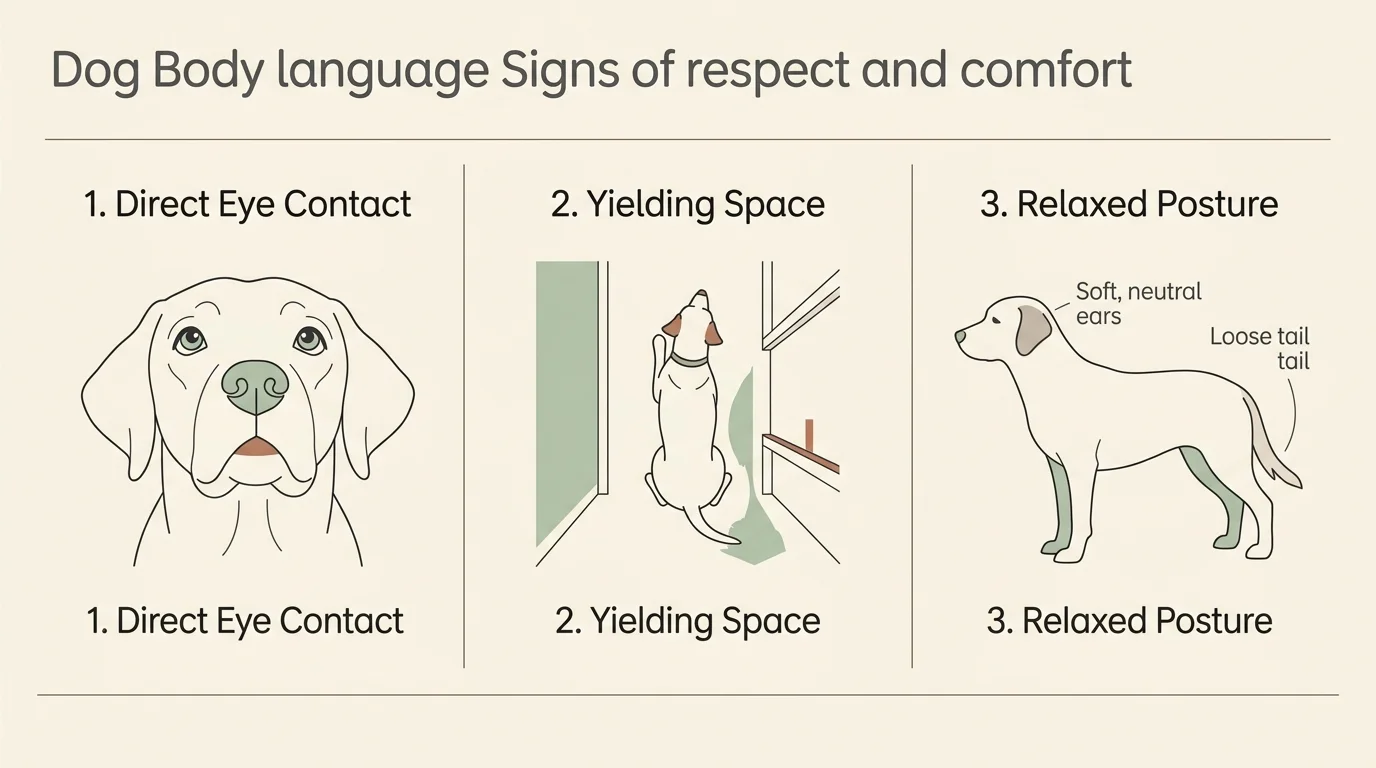
In the canine world, prolonged direct eye contact between strangers can signal a threat. However, when your dog intentionally seeks eye contact with you during uncertain moments, they demonstrate high trust and reliance on your guidance.
Behavioral studies confirm that mutual gaze between dogs and their human caregivers triggers a release of oxytocin—the hormone responsible for social bonding and emotional connection.
When your dog looks up at you while walking past a noisy construction site or encountering a strange object, they ask a specific question: “How should we handle this?” Your calm demeanor reassures them, proving that they view you as the ultimate decision-maker.
2. Yielding Physical Space Comfortably
Pay attention to what happens when you walk down a narrow hallway or move toward the sofa where your dog sits. A dog that respects your household authority moves out of your path smoothly and without tension.
This behavior does not stem from fear; rather, it reflects an innate understanding of spatial rights within a canine social hierarchy home environment. When your dog politely shifts their weight to grant you passage, they acknowledge your priority movement through shared territory.
Conversely, a dog that consistently blocks doorways or refuses to move when nudged may require clearer spatial boundaries.
3. Emotional Regulation in Novel Environments
When you enter an unfamiliar park, a busy outdoor cafe, or a friend’s house, observe your dog’s immediate reaction. A dog that trusts your leadership looks to your body language before deciding how to feel.
Animal behavior experts call this process “social referencing.” If you walk confidently with a relaxed posture, your dog mirrors that emotional stability, keeping their ears neutral and tail relaxed.
By leaning on your composure, your dog demonstrates that they trust your evaluation of potential environmental threats far more than their own immediate anxieties.
4. Willingness to Relinquish High-Value Items
Resource guarding—growling or snapping when someone approaches food, bones, or toys—represents a clear sign that a dog feels insecure about their ownership rights.
Conversely, when your dog allows you to take away a chew toy, drop a stolen shoe, or move their dinner bowl without stiffening or showing tension, they display profound trust.
According to behavioral guidelines published by the ASPCA, willingness to relinquish high-value items without conflict demonstrates that your dog accepts your control over household resources and knows you treat them fairly.
5. Sleeping Near You in Vulnerable Positions
Sleep requires absolute physical surrender. In nature, animals only drop their guard completely when they feel entirely protected from predators and environmental hazards.
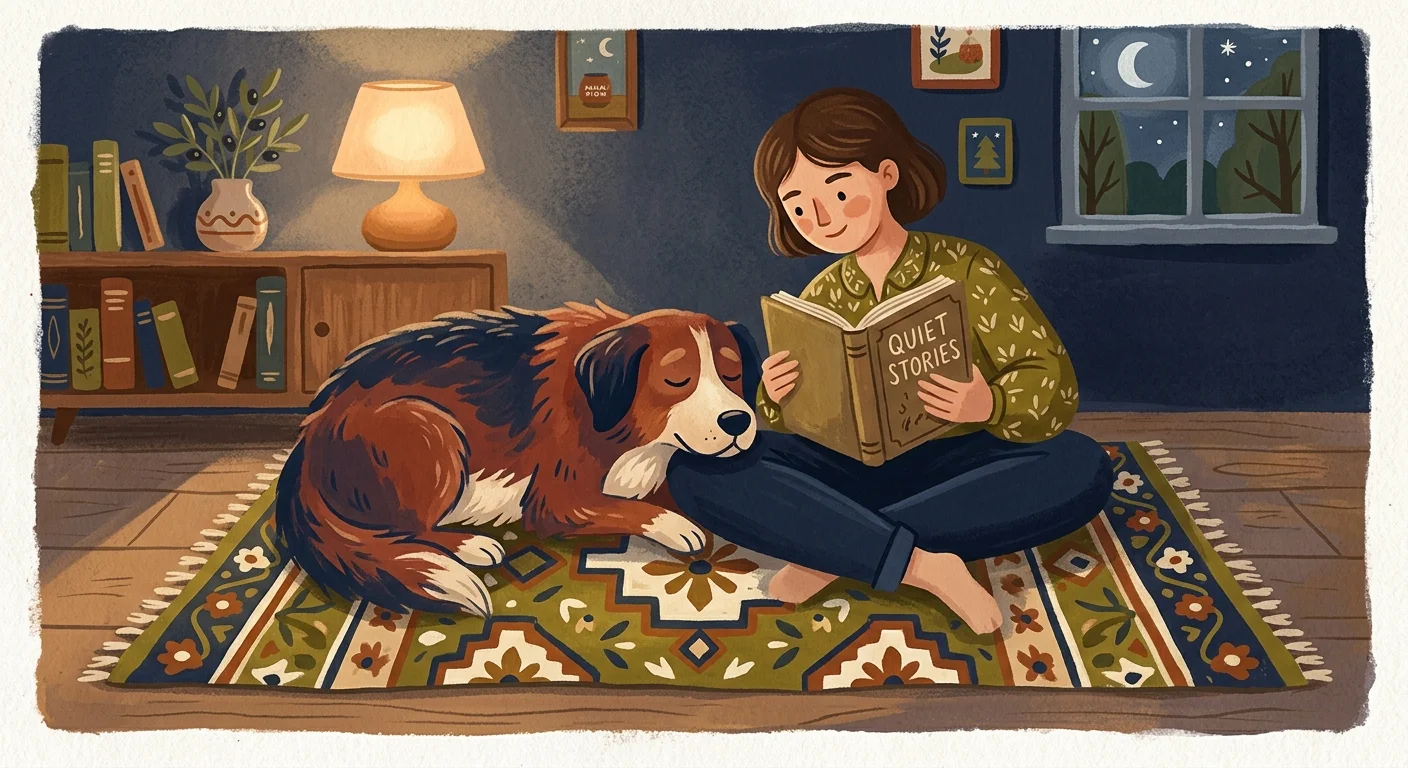
If your dog regularly slumps against your legs, curls up at your feet, or exposes their belly while sleeping nearby, they acknowledge your role as a protective anchor.
By choosing to rest in close physical proximity, your dog demonstrates that they trust your vigilance to keep the household safe while they recharge.
6. Rapid Responsiveness to Basic Commands
Prompt obedience to basic cues—such as “sit,” “stay,” or “come”—is rarely about mere conditioning; it serves as a primary metric of focus and respect.
When you call your dog from across the yard and they pivot immediately toward you, they prioritize your engagement over environmental distractions.
A dog that considers you a reliable guide pays close attention to your voice because previous interactions have taught them that following your cues leads to clarity, safety, and positive rewards.
7. Patience at Thresholds and Doorways
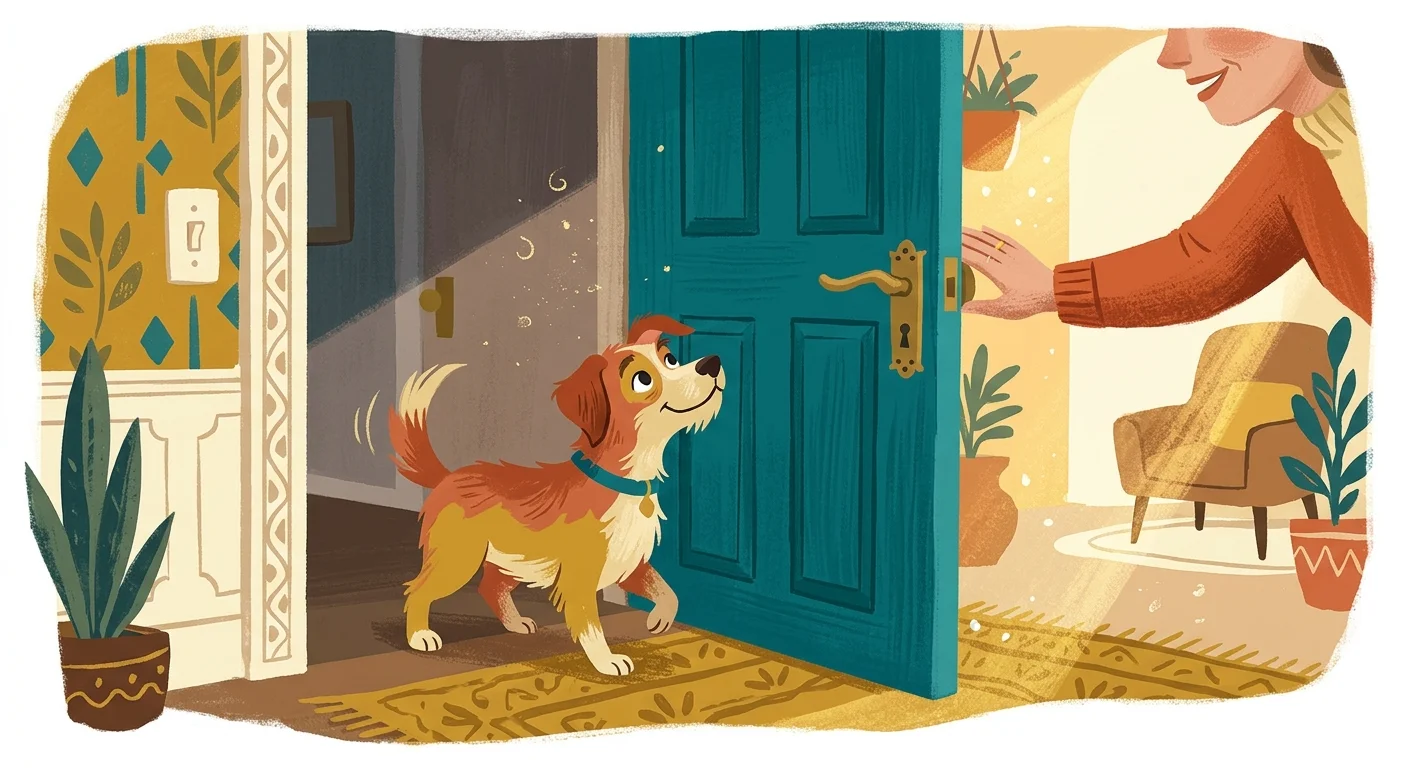
Doorways act as natural boundary lines in a dog’s mind, separating secure indoor territory from the unpredictable outside world. A dog that surges past you, shoving through opening doors, often feels compelled to take charge of exploring unknown space first.
Conversely, a dog that pauses at open doors, sits patiently, and waits for your release signal demonstrates impulse control and social deference. This patient pause confirms that they trust you to cross the boundary line first and clear the path ahead.
8. Seeking You as a “Safe Haven” Under Stress
When sudden thunder strikes, fireworks detonate, or a loud appliance crashes in the kitchen, where does your dog run? Dogs that view their owners as capable leaders move toward them rather than fleeing into hidden corners or displaying outward panic.
Canine attachment science shows that dogs utilize human caregivers much like human children utilize parents: as a secure base for exploration and a safe haven during distress. When your dog sits near your feet during a storm, they draw confidence from your calm presence.
9. Matching Your Gait and Energy Dynamics
During daily walks on a loose leash, observe how closely your dog matches your pace. A balanced relationship manifests as a fluid, dynamic partnership on the lead.
When you slow down, your dog naturally decrescendoes their gait; when you change direction, they adjust their angle without requiring a sharp tug on the collar.
This synchrony indicates that your dog remains mentally engaged with your movement, treating the walk as a shared journey guided by you rather than an uncontrolled pull toward environmental scents.
10. Polite Affection Demeanor
Affection displays reveal a great deal about household power dynamics. A dog that respects your leadership approaches you with soft eyes, a gently wagging tail, and an relaxed body, inviting touch without demanding it.
They enjoy pets and vocal praise, but when you stop, they settle down comfortably nearby. This polite demeanor contrasts sharply with demanding behaviors—such as relentless demand-barking, intrusive pawing, or jumping on your chest—which often signal a lack of structured boundaries surrounding human attention.
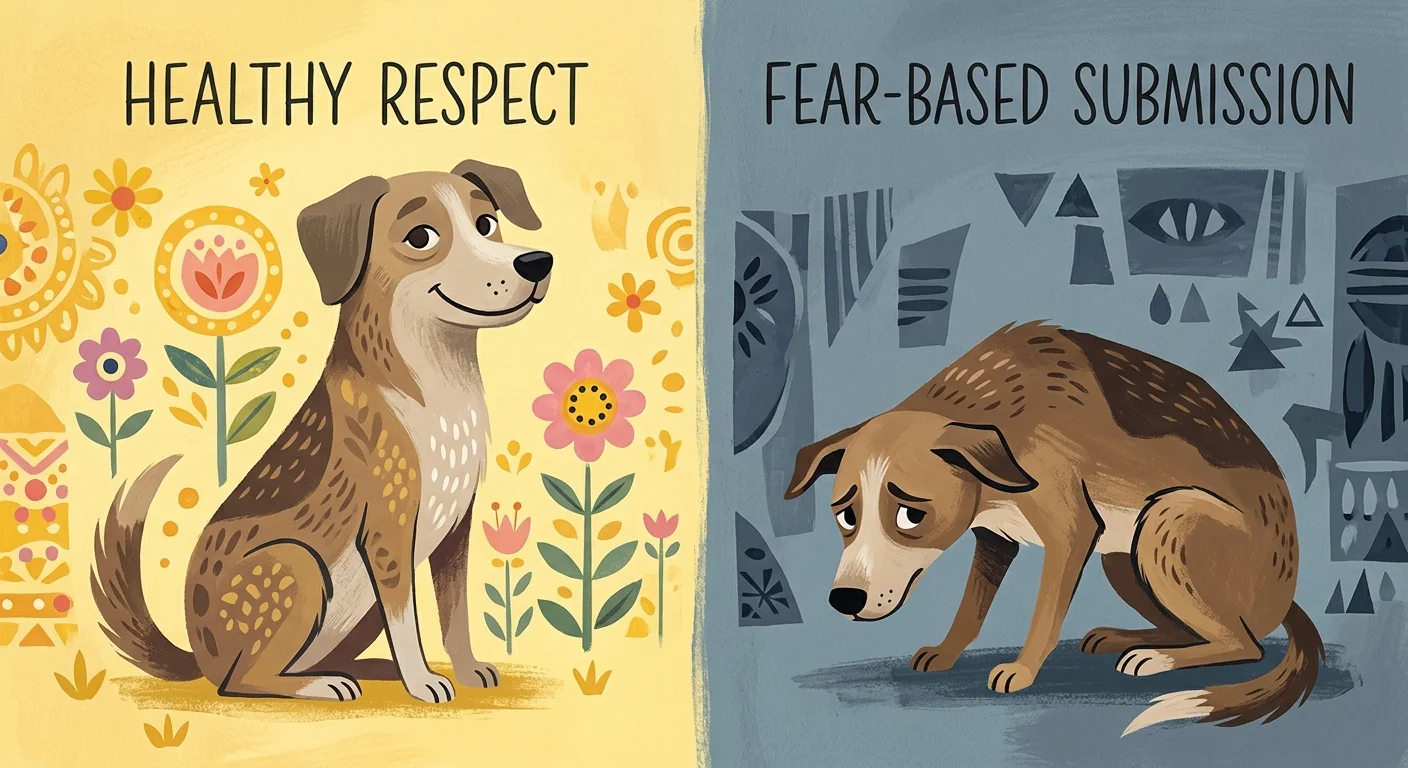
Healthy Respect vs. Fear-Based Submission
It is vital to distinguish between a dog that respects your guidance through calm trust and a dog that acts submissively out of fear or conflict avoidance. Intimidation tactics produce suppressed behaviors that look like obedience on the surface, but create dangerous underlying anxiety.
| Behavior Category | Healthy Respect & Calm Trust | Fear-Based Submission |
|---|---|---|
| Eye Contact | Soft, frequent visual check-ins with relaxed facial muscles. | Avoiding eye contact entirely, showing “whale eye” (whites of eyes), or hyper-vigilant staring. |
| Body Posture | Upright yet loose posture; fluid tail wags at mid-height. | Cowering, tucked tail, lowered head, or rolling onto back with a stiff body. |
| Spatial Movement | Yields room gracefully; settles comfortably nearby. | Slinking away rapidly, hiding under furniture, or freezing when approached. |
| Response to Cues | Enthusiastic or calm compliance with bright, open expression. | Slow, hesitant responses accompanied by lip-licking, yawning, or panting. |
Actionable Ways to Reinforce Positive Leadership at Home
If your dog displays some of these respectful behaviors but still struggles with household boundaries, you can implement structured, non-confrontational daily routines to reinforce your role as a calm decision-maker. Educational resources from the American Kennel Club recommend incorporating clear structure into everyday interactions:
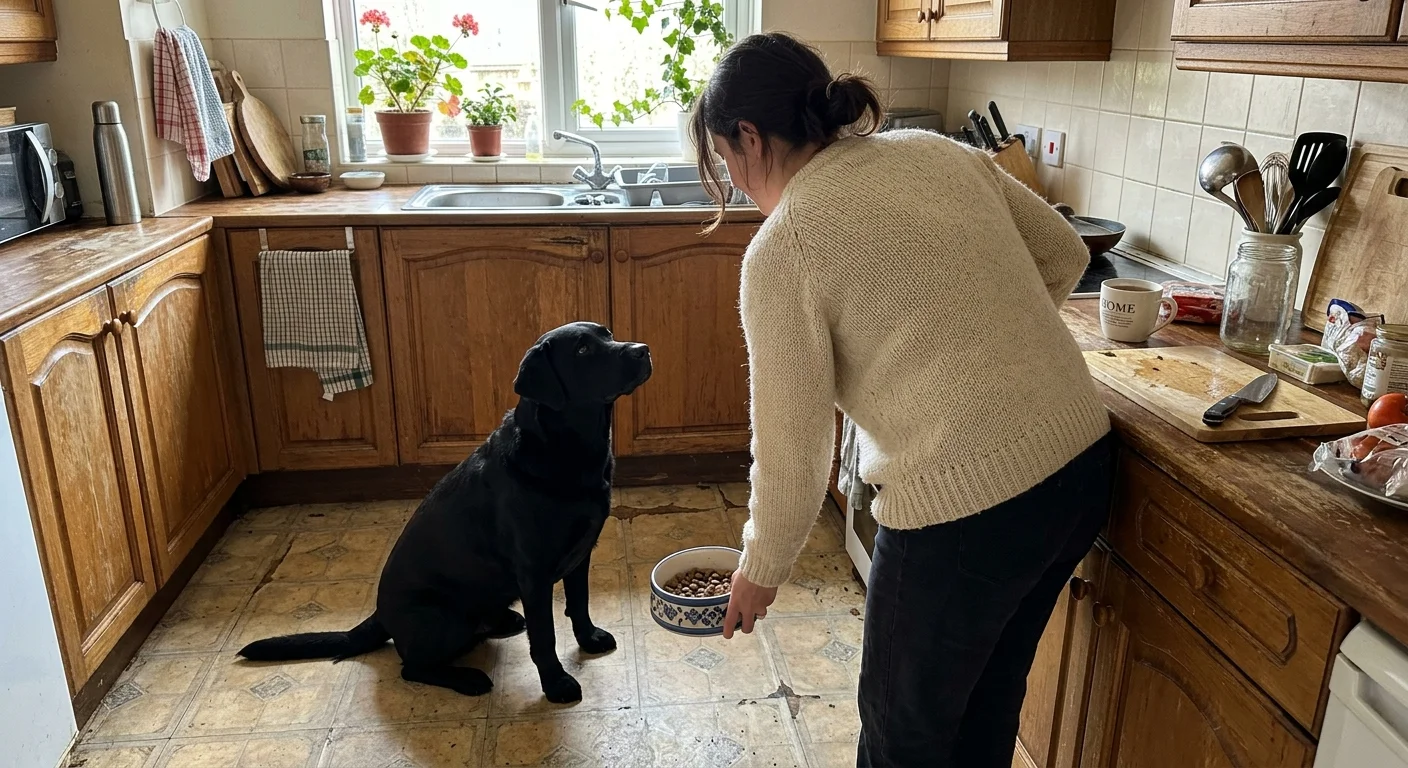
- Implement the “Nothing in Life is Free” Protocol: Ask your dog to sit or lay down before giving them meals, putting on their leash, opening the door for a walk, or tossing a ball. This simple habit teaches your dog that deferring to you unlocks access to fun activities and food.
- Maintain Consistent Boundaries: Establish firm, clear rules for household behavior and enforce them consistently. If your dog is not allowed on the furniture during family meals, enforce that rule every single day rather than sporadically. Predictability reduces canine stress.
- Control High-Value Resources: Keep special chew toys, puzzle games, and interactive treats stored away when not in use. Bring them out deliberately for structured play or quiet chew time, then pack them up when the session ends.
- Lead Through Calm Energy: Dogs read non-verbal cues instantly. Avoid screaming, slamming doors, or using physical corrections when your dog misbehaves. Use a clear, firm tone paired with immediate redirection to show your dog what you expect.
- Initiate and End Play Sessions: Start play sessions on your terms and end them before your dog becomes over-aroused or mouthy. Store toys away when the session ends so your dog views you as the source of entertainment.
The Bigger Picture: Understanding Domestic Dog Psychology
To truly understand dog leadership behavior signs, we must look at how thousands of years of domestication reshaped canine psychology. When humans domesticated ancient wolves, we selected for neoteny—the retention of juvenile behavioral traits into adulthood.
Consequently, domestic dogs view human caregivers much like adolescent animals view older family members.
They do not desire to control human households through aggressive dominance; rather, they seek clarity. When human guardians fail to set firm boundaries, dogs often step into the decision-making void out of sheer necessity and stress.
This burden frequently causes behavioral problems such as territorial reactivity, leash aggression, and separation distress.
When you step up as a calm, structured guide, you relieve your dog of the overwhelming responsibility to manage their environment, allowing them to relax into their natural role as a beloved companion.
Worth Keeping in Mind
When analyzing your dog trust and respect signs, consider several contextual factors that influence how individual dogs express deference:
- Breed-Specific Traits: Working and livestock guardian breeds (such as Great Pyrenees or Border Collies) possess high independent problem-solving traits. They may express respect differently than eager-to-please companion breeds like Golden Retrievers.
- Adoption and Trauma History: Rescue dogs coming from neglectful backgrounds may exhibit hyper-vigilance or spatial sensitivity. Re-establishing trust requires patience, gentle structure, and consistent, non-punitive routines.
- Adolescence and Aging: Teenage dogs (typically between 8 and 18 months old) naturally test boundaries as their brain chemistry matures. Conversely, senior dogs suffering from cognitive decline or arthritis may show behavioral shifts due to physical discomfort rather than a change in social respect.
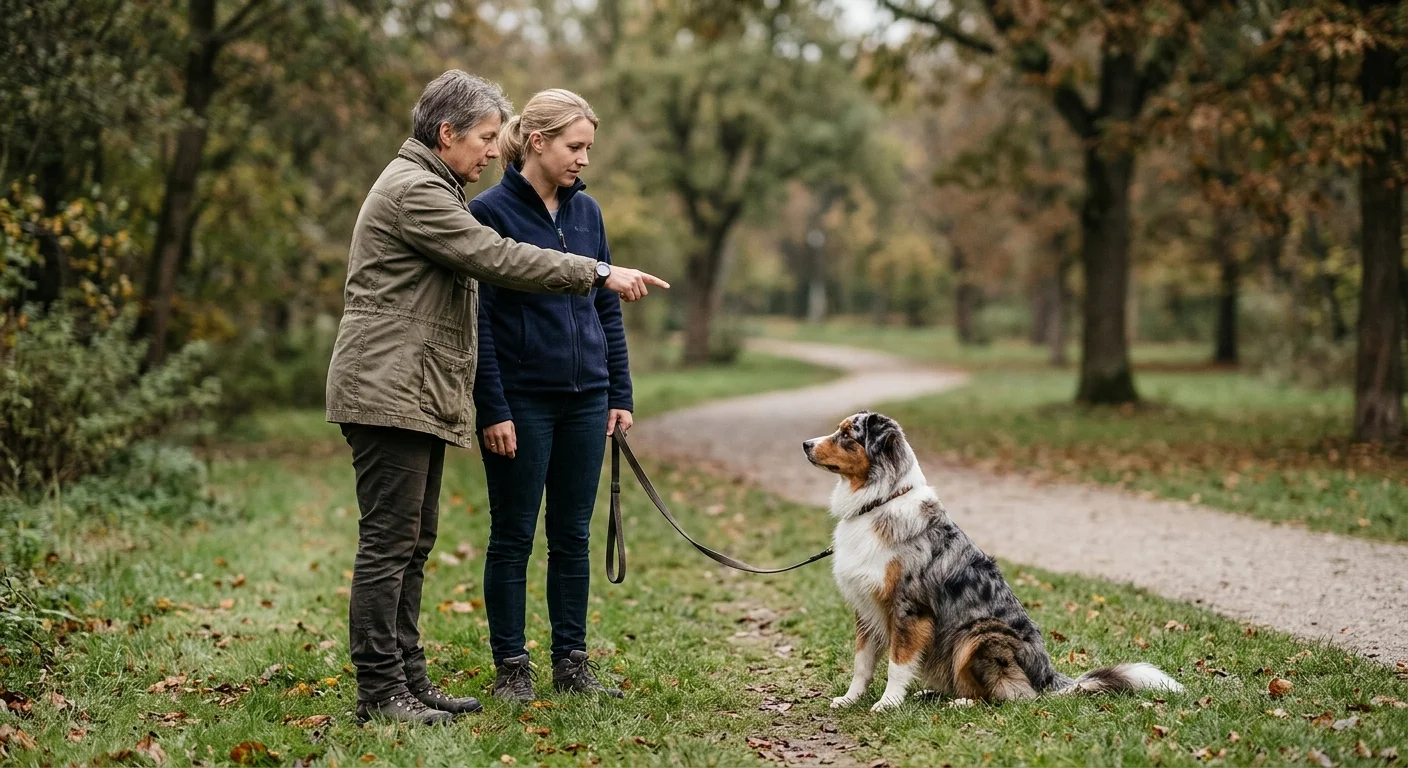
When to Get Professional Help
While standard behavioral training handles minor boundary issues, certain situations demand expert assistance from qualified animal professionals. Seek specialized support if you notice any of the following scenarios:
- Severe Resource Guarding: Your dog growls, freezes, or snaps when family members walk near food bowls, resting spots, or toys.
- Sudden Aggressive Shifts: An otherwise gentle dog suddenly shows unprovoked aggression, snapping, or stiffening during routine handling.
- Extreme Separation Anxiety: Your dog destroys window frames, vocalizes frantically for hours, or injures themselves trying to escape when left alone.
- Sudden Personality Changes: Rapid shifts in mood, spatial sensitivity, or responsiveness often indicate hidden physical pain or neurological issues. Always schedule a full veterinary checkup to rule out medical causes before beginning a behavioral modification protocol.
Frequently Asked Questions
Do I need to eat my meals before feeding my dog to prove leadership?
No. The idea that humans must eat before their dogs to establish dominance stems from outdated alpha-wolf myths. Dogs understand that you handle their food preparation; eating a cracker over their bowl does not alter social dynamics.
Simply asking your dog to sit quietly while you set their food bowl down provides all the boundary training needed.
Why does my dog follow me from room to room constantly?
Following you—often called “velcro dog” behavior—usually indicates strong social attachment and curiosity. If your dog relaxes comfortably when you sit down, it simply demonstrates affection and a desire to remain near their trusted decision-maker.
However, if your dog pants, paces, or panics whenever a door closes between you, this behavior may reflect separation distress rather than healthy respect.
Can a dog view one family member as the leader while ignoring others?
Yes. Dogs respond directly to consistency, tone, and engagement.
They naturally defer to the household member who consistently enforces rules, handles daily walks, provides training, and maintains a calm, confident demeanor. Family members who allow unearned access to resources or act unpredictably may find the dog ignoring their commands.
What should I do if my dog suddenly stops listening to basic commands?
First, visit your veterinarian to ensure your dog is not suffering from underlying pain, ear infections, or age-related vision and hearing loss. If health issues are ruled out, evaluate your household routine.
Inconsistent rule enforcement, lack of mental stimulation, or accidental reinforcement of unwanted behaviors can cause your dog to tune out familiar commands. Return to basic reward-based training to rebuild engagement.
Building a Strong, Trust-Based Relationship
Recognizing how your dog interprets your household structure is the first step toward building an incredible lifetime bond. True canine leadership has nothing to do with physical dominance, loud voice commands, or intimidation.
Instead, it relies entirely on fair, predictable rules, clear boundaries, emotional stability, and positive reinforcement. When you provide dependable guidance, your dog drops their defenses, relies on your choices, and thrives as a secure, confident member of your home.
Take time today to observe your dog’s subtle body language. Celebrate the quiet moments when they check in with soft eyes, yield space gracefully, or curl up at your feet for a restful sleep.
Every small sign of trust confirms that your canine companion views you as their safe anchor in an unpredictable world.
The information here is meant for educational purposes. Specific circumstances—including health conditions, finances, location, and goals—may require different approaches.
When in doubt, consult a licensed professional or check official sources directly.
Last updated: May 2026. Rules, prices, and details change—verify current information with official sources before acting on it.