Your dog constantly communicates emotional states and physical needs through subtle posture shifts, facial expressions, and vocal cues. Learning to interpret these signals strengthens your relationship and prevents stressful misunderstandings.
While canines lack spoken words, their physical vocabulary is remarkably nuanced, consistent, and easy to learn. Every ear angle, tail movement, and sustained glance carries distinct meaning regarding their comfort level and intentions.
Developing strong dog communication tips and observation skills empowers you to advocate for your pet during veterinary visits, social encounters, and everyday home routines.
1. The “Whale Eye” and Direct Eye Contact
A dog’s eyes offer immediate insight into their emotional state and comfort level. Reading your dog’s behavior begins with observing pupil dilation, eye tension, and where their gaze lands.
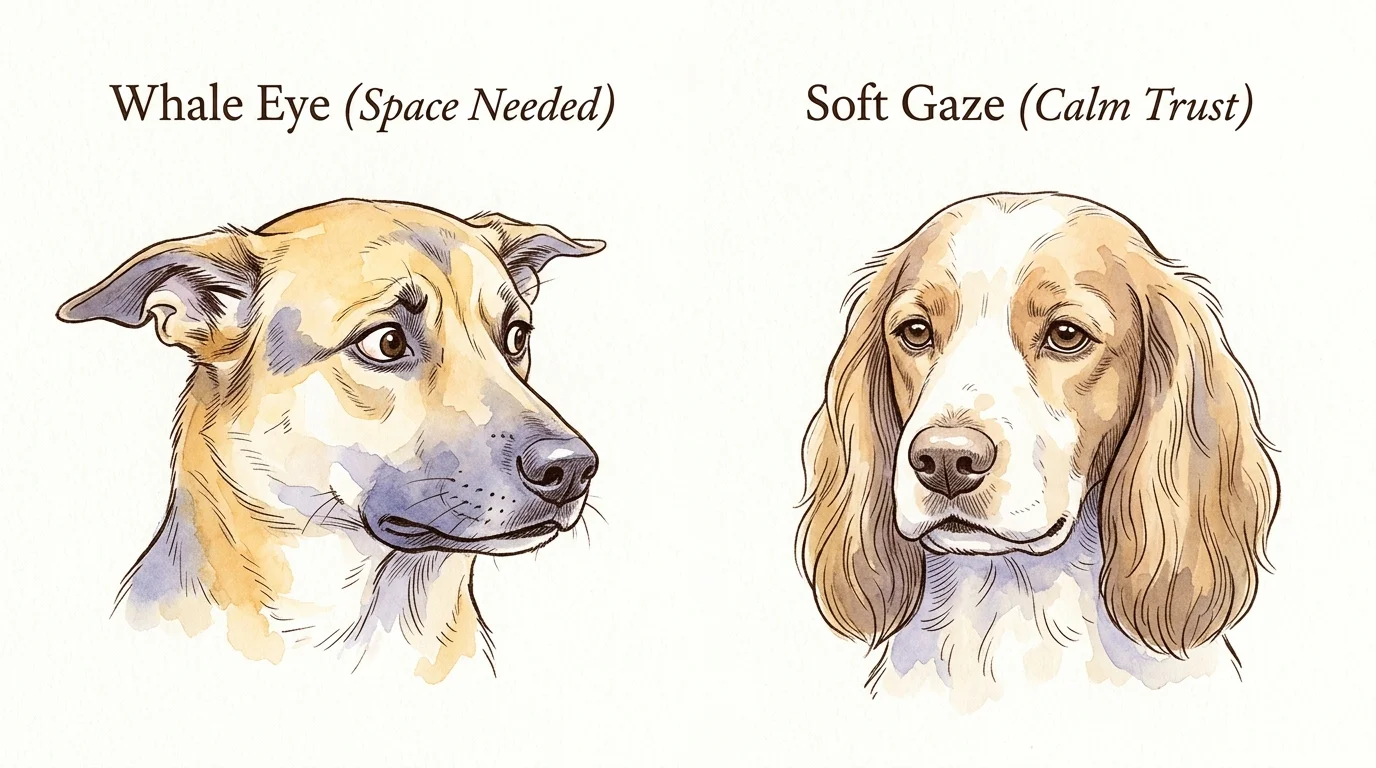
When a dog turns their head away while keeping their eyes locked on you, the white outer crescent—known as the sclera—becomes visible. Animal behaviorists refer to this pattern as whale eye.
Whale eye signals that a dog feels anxious, trapped, or fiercely defensive of an object or territory. If you observe this posture, give your pet physical space immediately to de-escalate tension.
In contrast, soft eye contact with relaxed eyelids indicates trust and security. According to research highlighted by the American Kennel Club, calm mutual gazing triggers oxytocin release in both dogs and humans.
2. Yawning and Lip Licking Out of Context
Dogs yawn when they wake up, and they lick their chops after finishing a satisfying meal. However, these actions take on entirely new meanings when performed outside routine contexts.
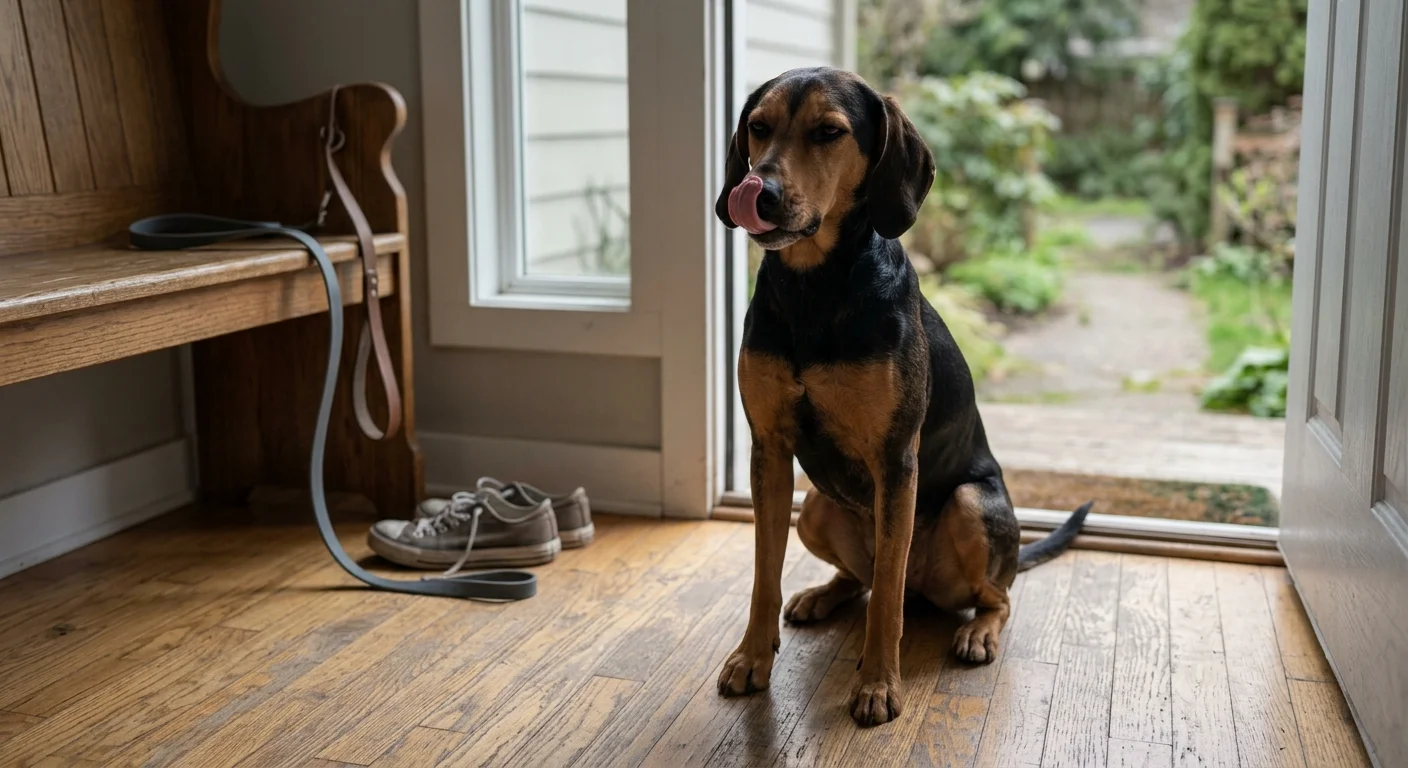
Lip licking without food present is a classic appeasement signal used to communicate mild stress or uncertainty. Dogs flick their tongue rapidly over their snout to soothe themselves and signal harmlessness.
Similarly, an exaggerated yawn during a training session or veterinary exam reflects nervous tension rather than exhaustion. The animal uses this physiological reflex to release internal pressure.
The ASPCA notes that recognizing these early stress displacement behaviors prevents minor anxiety from escalating into reactive aggression. When you notice sudden yawning, lower your demands and evaluate the environment.
3. The Play Bow Versus Sudden Freezing
Body posture reveals whether a canine feels playful or defensively guarded. Understanding dog body language requires evaluating whole-body fluidity versus muscular rigidity.
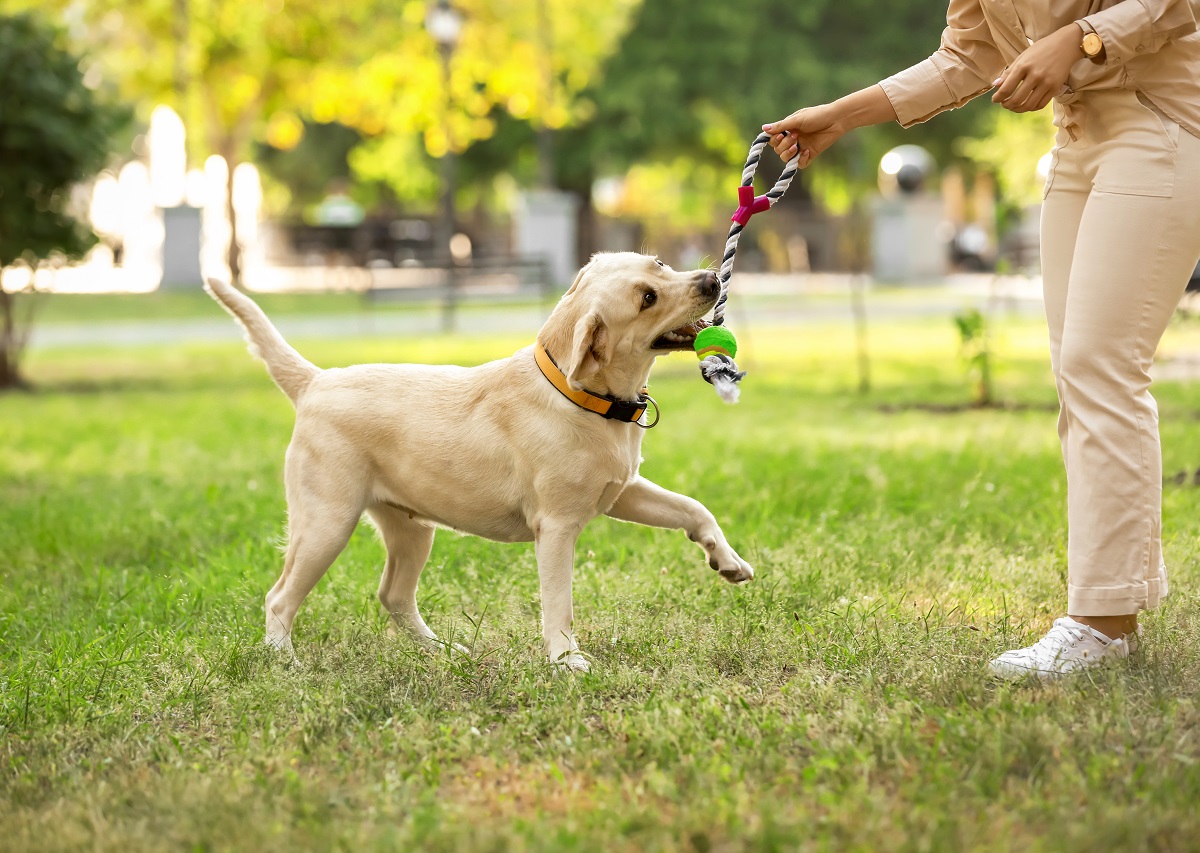
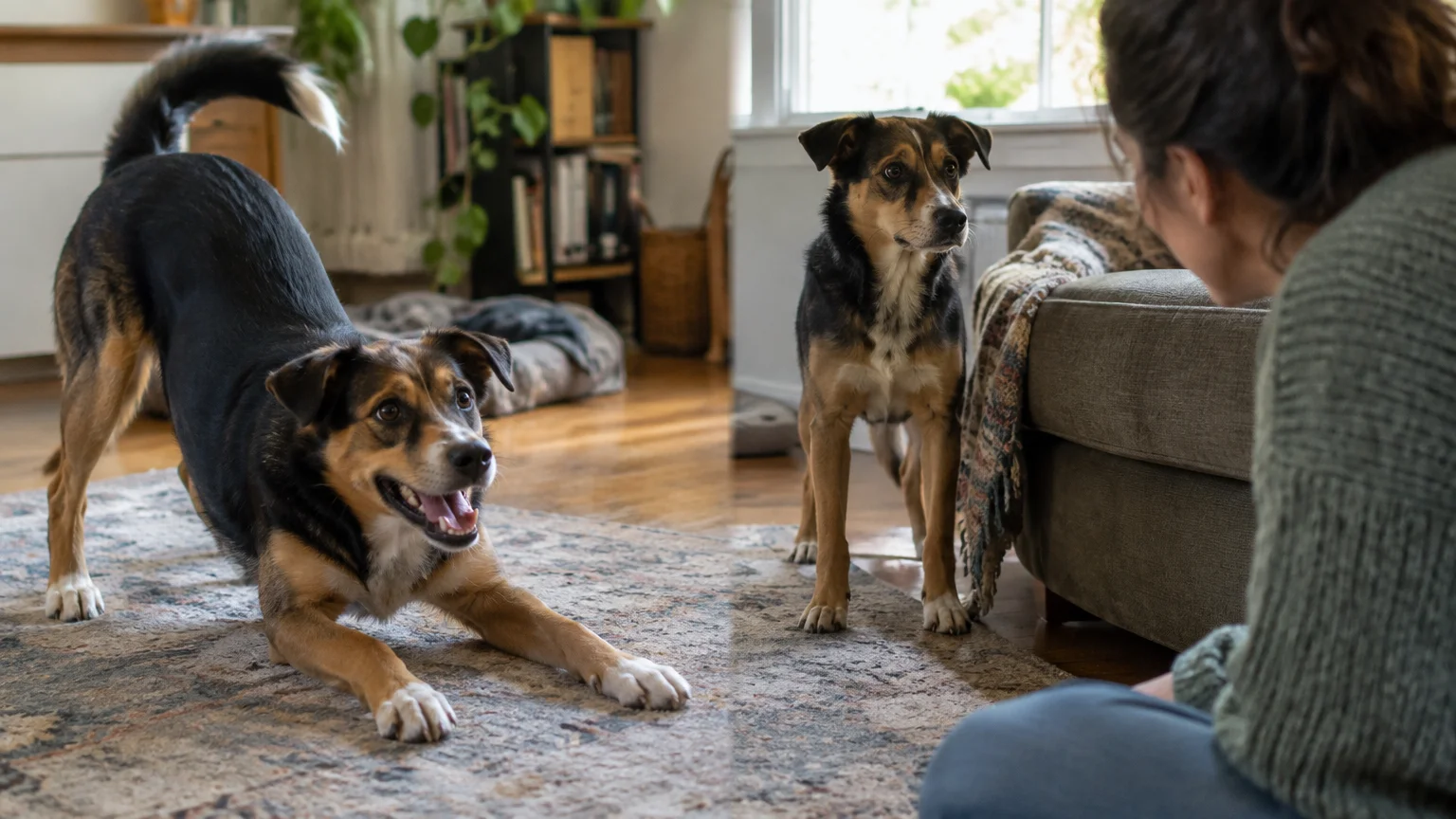
A play bow occurs when a dog drops their front elbows to the ground while keeping their rear end elevated. This movement invites interaction and frames any upcoming energetic antics as friendly fun.
In contrast, sudden bodily stillness—often called a freeze—demands immediate caution. A freezing dog stops all movement, closes their mouth, and locks their muscles in place.
Freezing serves as a critical warning sign that your pet feels threatened or overwhelmed. The American Veterinary Medical Association emphasizes that respecting this warning prevents defensive bites.
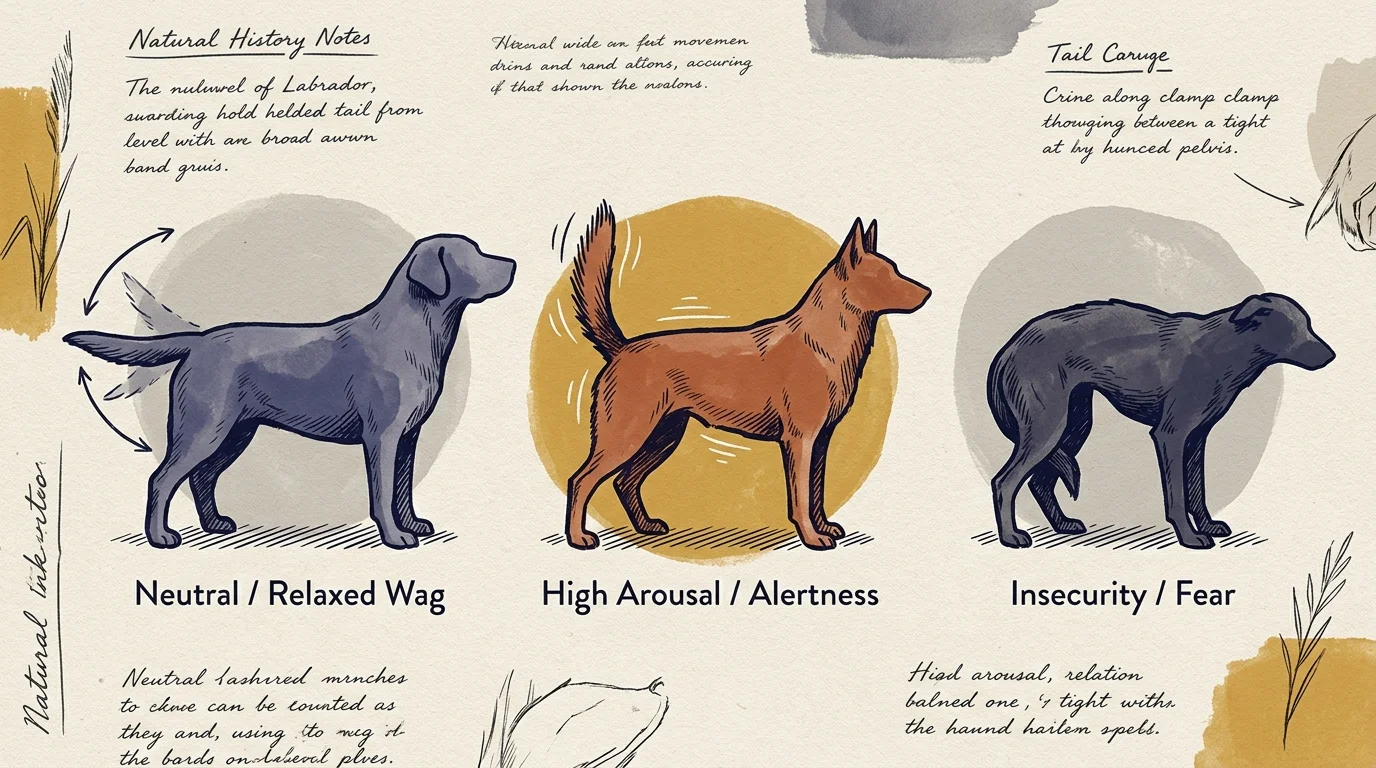
4. Tail Carriage, Speed, and Direction
Many pet parents assume a wagging tail always denotes happiness. In reality, the tail serves as an emotional barometer that communicates arousal, insecurity, and social intent.
A broad, loose wag held at spine level indicates a friendly, relaxed disposition. The hips often sway rhythmically along with the tail during these joyful encounters.
Conversely, a stiff tail held vertically and vibrating quickly signals intense arousal, vigilance, or potential reactivity. This posture indicates the dog is on high alert and evaluating a perceived challenge.
A tail tucked tightly against the belly communicates fear, appeasement, or pain. The dog uses this posture to protect vulnerable anatomy and minimize their physical presence.

5. Leaning Against You or Pressing Close
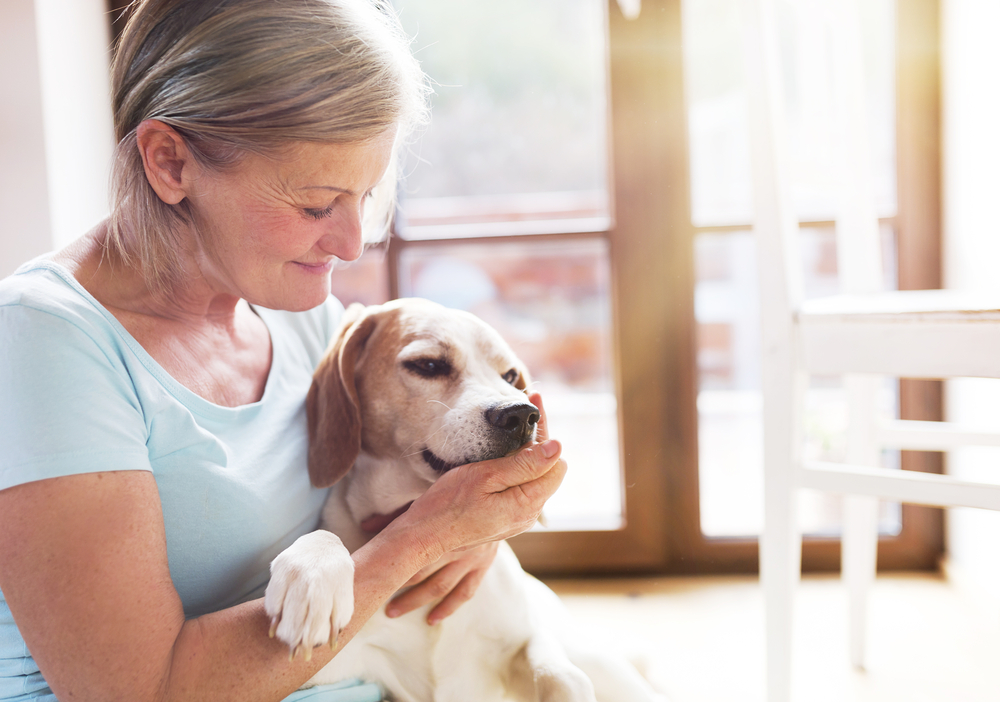
When your dog walks over and leans their entire body weight against your legs, they are sending a deliberate physical message. Context determines whether this gesture represents affection or anxiety.
In a quiet home environment, leaning is often a canine hug that fosters social connection. Dogs seek physical contact with trusted companions to exchange warmth and reinforce emotional bonds.
However, if your dog presses tightly against you during thunderstorms or in bustling public spaces, they are seeking security. Your presence provides a grounding anchor during overwhelming sensory events.
Allow your dog to lean on you if it provides comfort, but avoid forcing close physical restraint if they prefer retreating to a quiet den or crate.
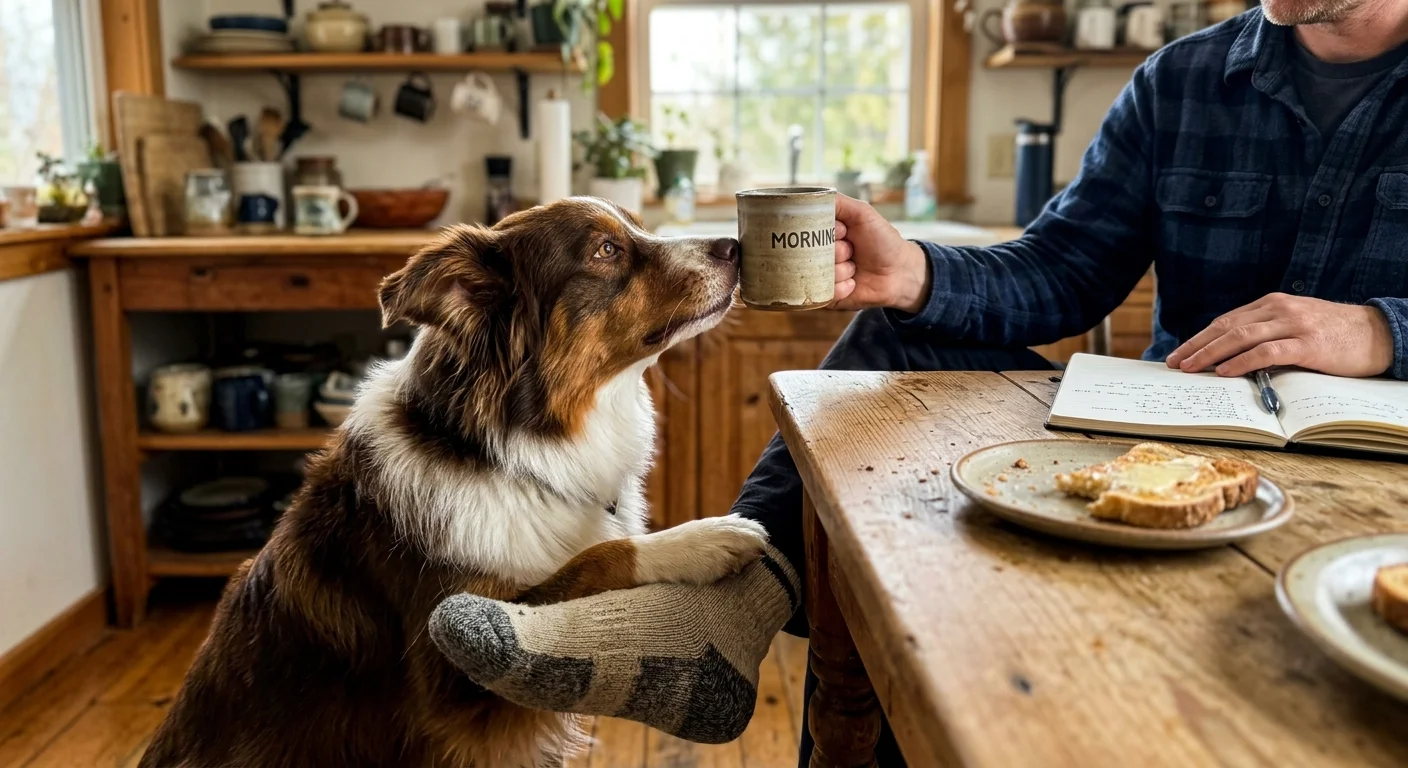
6. Nose Nudging and Persistent Pawing
Dogs frequently use their physical appendages to solicit interaction and direct human attention. These intentional gestures represent active communication requests.
A gentle nose nudge against your hand or knee usually means your pet wants attention, affection, or dinner. Dogs learn quickly that physical contact prompts their owners to look down and engage.
Pawing at you can signify an urgent practical need, such as an immediate trip outside for a bathroom break. Some dogs also paw when their water dish runs empty.
Observe what happens right after the nudge to decipher the exact request. If your dog nudges you and then walks toward the door, their objective is unmistakable.
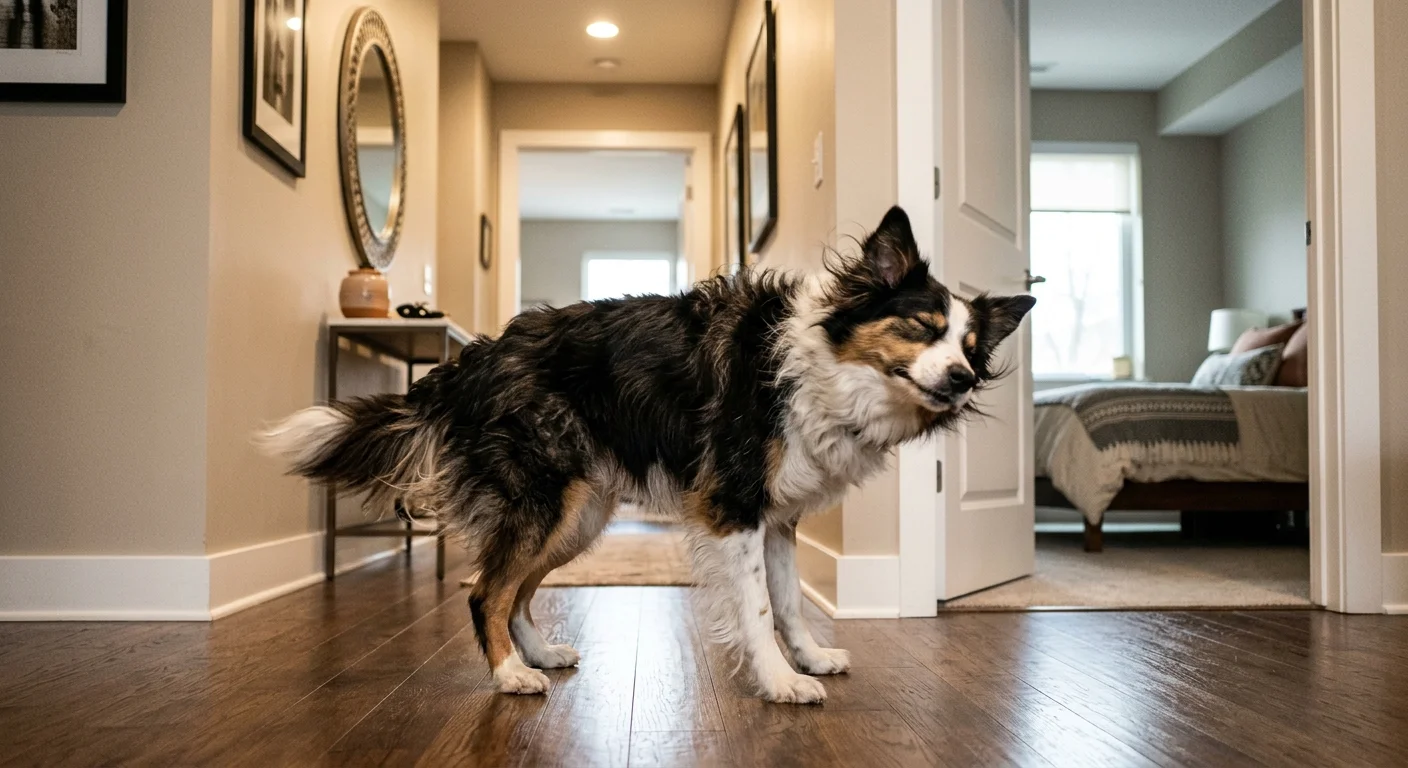
7. The “Shake-Off” When Completely Dry
You expect your dog to shake their coat vigorously after a bath or a swim in the lake. Yet dogs also perform full-body shakes when their fur is completely dry.
This behavior is known in behavioral science as a displacement shake-off. Dogs use this physical action to reset their central nervous system following an adrenaline surge.
You will often see a shake-off right after an awkward canine greeting, an intense training repetition, or a veterinary examination. It functions as a canine sigh of relief.
When you see your dog shake off after a tense situation, it confirms they are transitioning back into a calm, baseline state. Give them a moment to complete this natural reset.
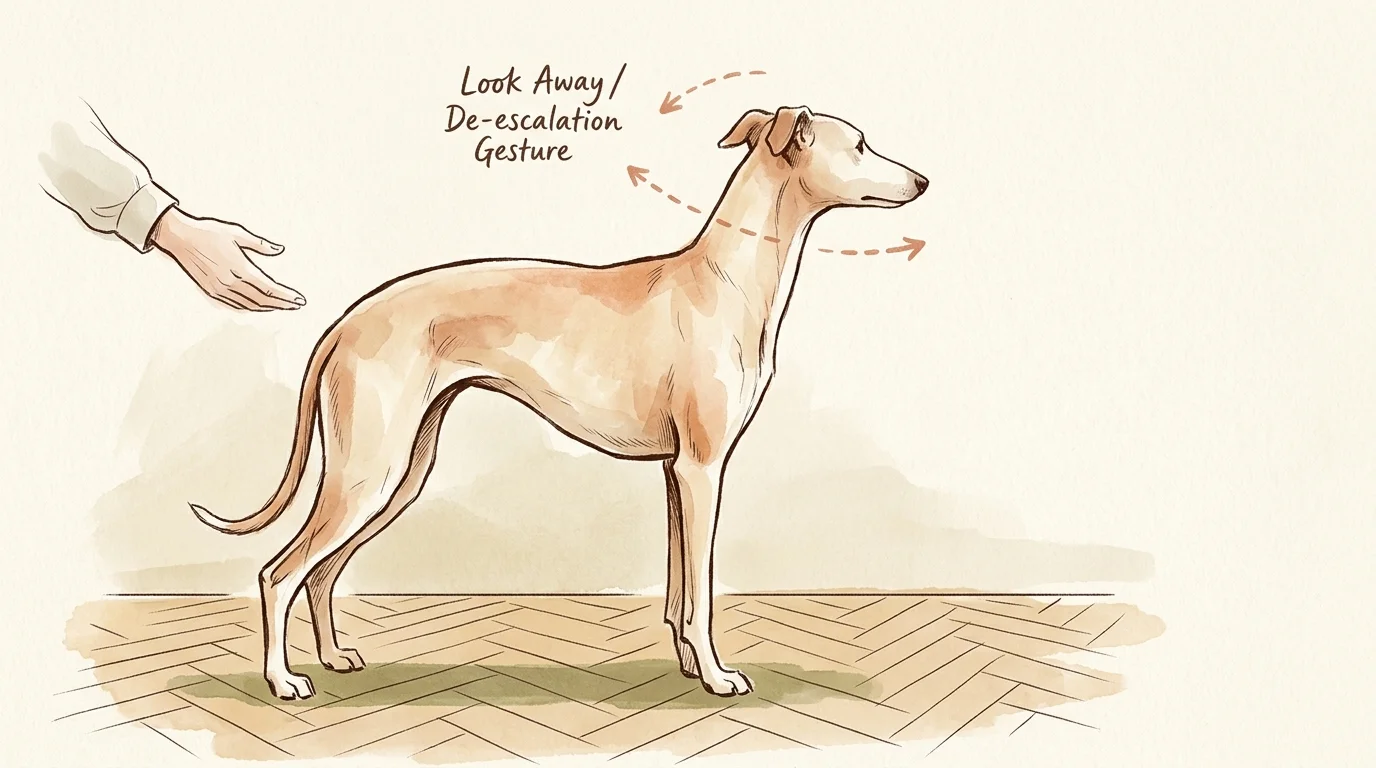
8. Turning Away and Offering a Side Profile
Direct frontal approaches can feel confrontational or intimidating in the canine social world. When a dog turns their head away or presents their flank, they are communicating peaceful intentions.
This gesture acts as a polite de-escalation signal designed to diffuse social friction. Your pet is showing they have no desire for conflict or aggression.
If you reach over a dog’s head to pet them and they turn their face away, they are politely asking for space. Respecting this subtle boundary prevents discomfort and builds mutual trust.
You can mirror this etiquette by turning your own body slightly sideways when meeting unfamiliar or timid dogs. Approaching at a gentle curve feels far less threatening to an anxious animal.
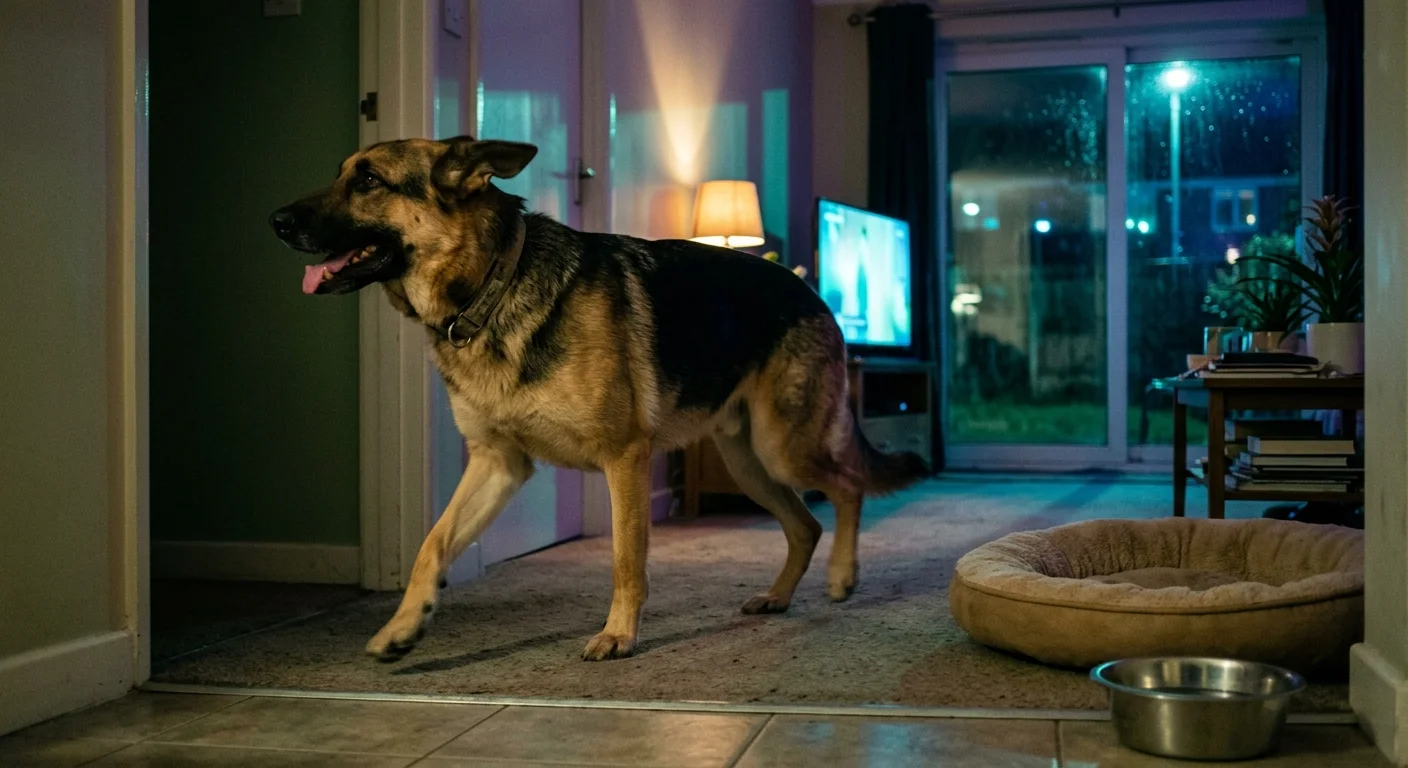
9. Panting and Pacing Without Heat or Exercise
Panting is the primary biological mechanism dogs use to cool their bodies after physical activity. However, heavy panting in a climate-controlled room signals an underlying problem.
Excessive panting accompanied by restless pacing frequently indicates physical pain, nausea, or acute anxiety. Conditions like arthritis, spinal discomfort, and gastrointestinal distress often manifest through this pacing routine.
In older dogs, sudden nocturnal pacing and aimless wandering can indicate Canine Cognitive Dysfunction. This neurological condition alters sleep-wake cycles and causes spatial disorientation.
If your dog pants with a tense facial expression or cannot settle into a resting position, schedule a prompt veterinary assessment to identify potential medical causes.
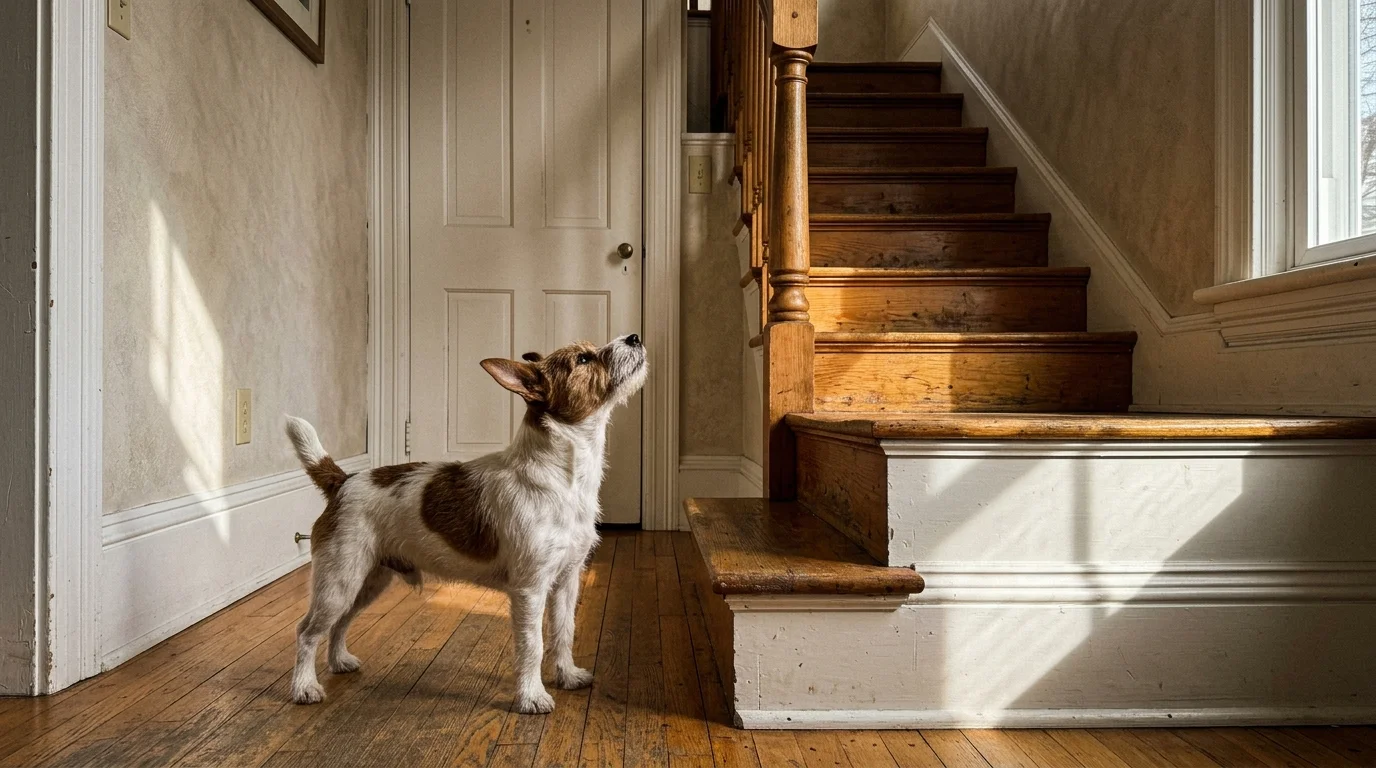
10. Intense Staring or Fixating on Specific Spaces
Dogs possess olfactory and auditory capabilities that far exceed human perception. When your pet stares fixedly at a blank wall or ceiling corner, they are likely tracking sensory stimuli you cannot detect.
They may hear the faint scurrying of mice behind drywall or detect plumbing vibrations. Their intense fixation reflects natural predatory curiosity and heightened auditory focus.
However, prolonged staring into corners accompanied by a vacant expression can indicate cognitive decline or focal seizure activity. Monitoring the duration and responsiveness during these episodes is essential.
Try calling your pet’s name softly while they are staring. If they break focus immediately to look at you, they were simply listening to an environmental sound.
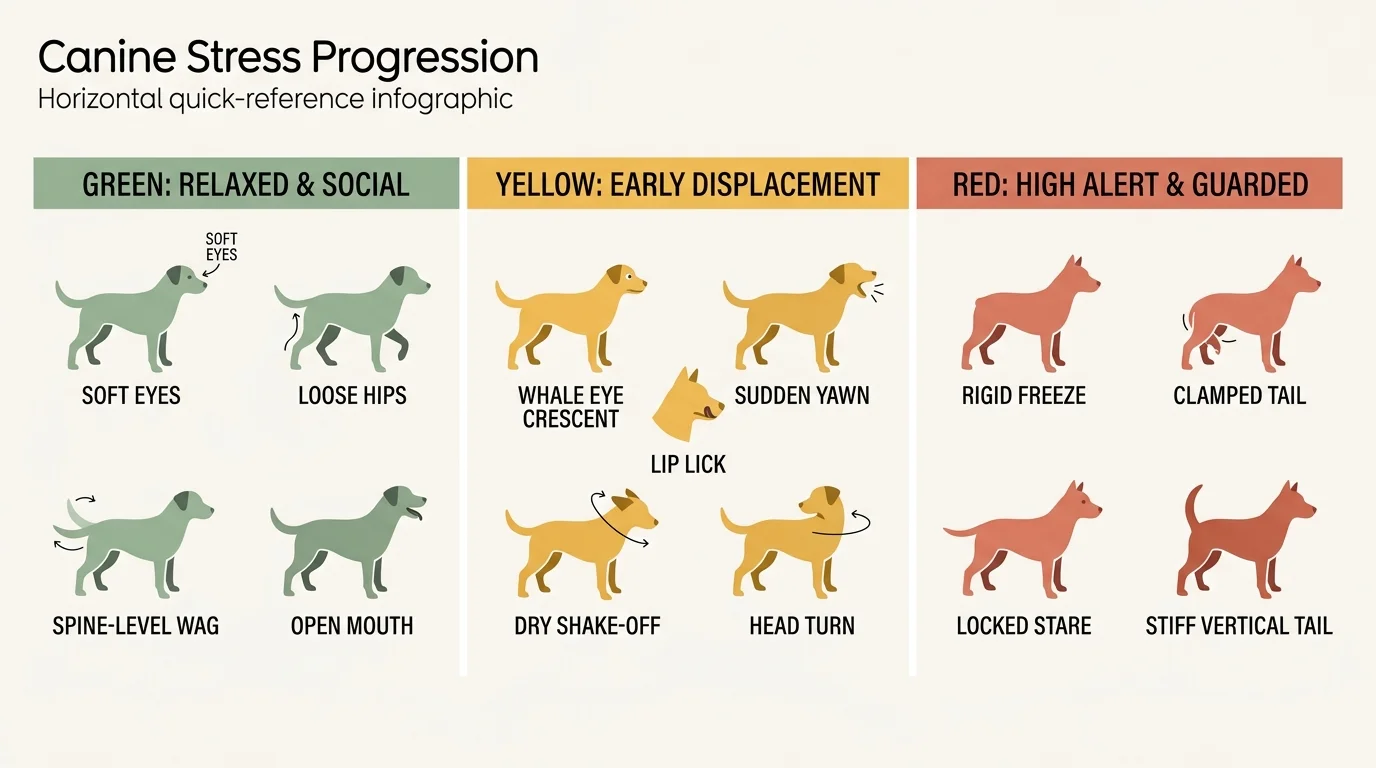
Deciphering Dog Body Language: Quick Reference Guide
Interpreting canine signals requires examining the whole body alongside environmental context. Use this comparison table to evaluate common behavioral signs accurately.
| Behavioral Signal | Primary Meaning | Accompanying Body Cues | Recommended Action |
|---|---|---|---|
| Whale Eye | High anxiety, defensive threat | Stiff neck, closed mouth, pinned ears | Give space and remove the stressor |
| Play Bow | Friendly invitation to play | Elbows down, hips up, loose wag | Engage with toys or interactive games |
| Out-of-Context Yawn | Appeasement, mild stress | Averted gaze, lip licking, low posture | Lower training demands and reduce stimulation |
| Full-Body Dry Shake | Releasing stress, resetting | Loose skin, relaxed tail, audible sigh | Allow a brief pause before resuming activity |
| Stiff, High Tail Wag | Vigilance, high arousal | Locked knees, intense stare, upright ears | Redirect attention calmly away from triggers |
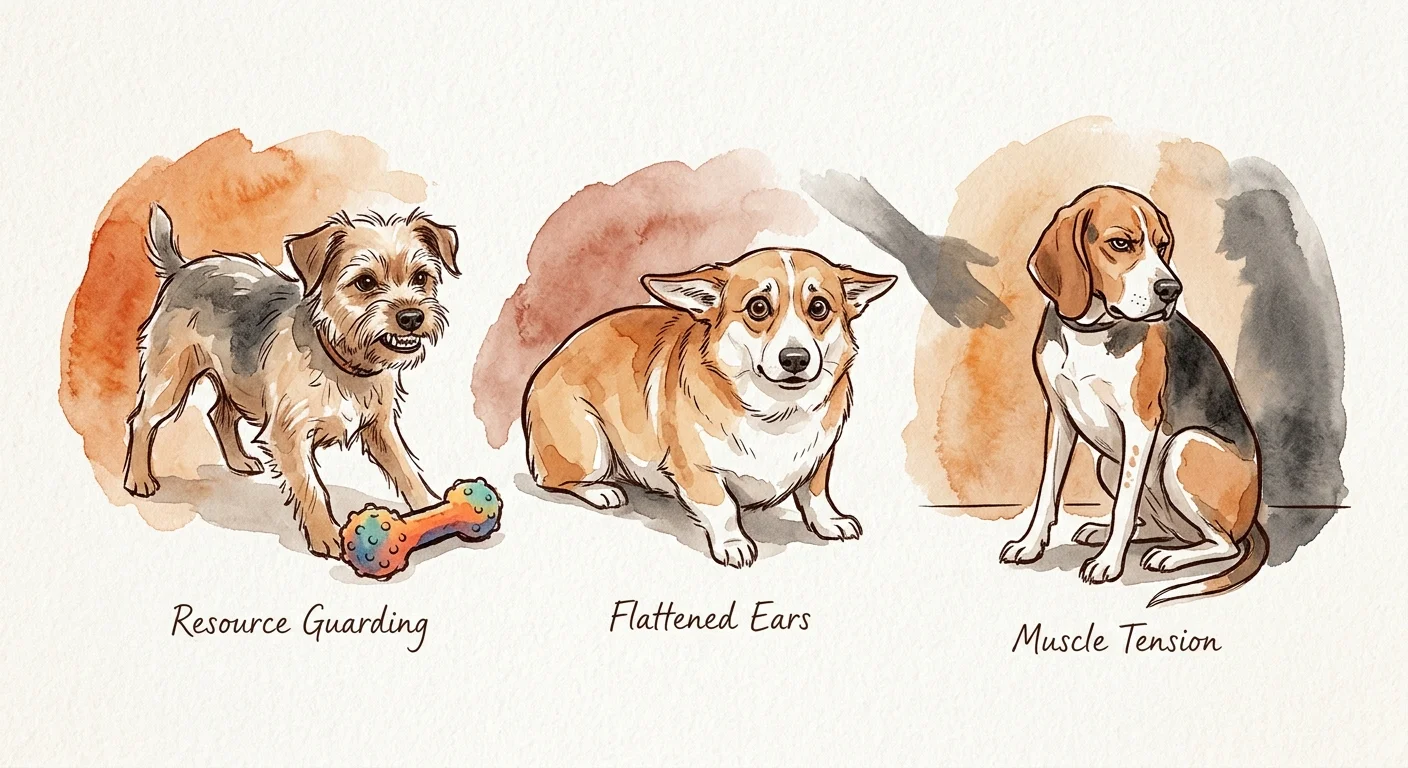
Things to Watch Out For
Misinterpreting canine communication is common, even among experienced pet guardians. Avoiding these frequent missteps protects your pet’s welfare and strengthens your companionship.
- Assuming all tail wags mean happiness: Stiff, high-frequency tail movements often indicate heightened arousal or territorial guarding rather than welcoming friendliness.
- Punishing growls and vocal warnings: Growling is vital communication, not bad behavior. Suppressing a growl through punishment removes an early warning system, increasing the risk of an unheralded bite.
- Forcing socialization when appeasement signals appear: If your dog licks their lips or turns their head away from another dog, do not force them forward. Allow them distance to decompress.
- Overlooking subtle pain indicators: Gradual behavioral shifts—such as reluctance to jump, sudden irritability, or abnormal panting—frequently stem from hidden orthopedic or dental pain.
- Misreading human hugs as canine comfort: Wrapping your arms tightly around a dog can trigger panic or defensiveness. Most canines prefer gentle side petting over restrictive hugs.
When DIY Isn’t Enough
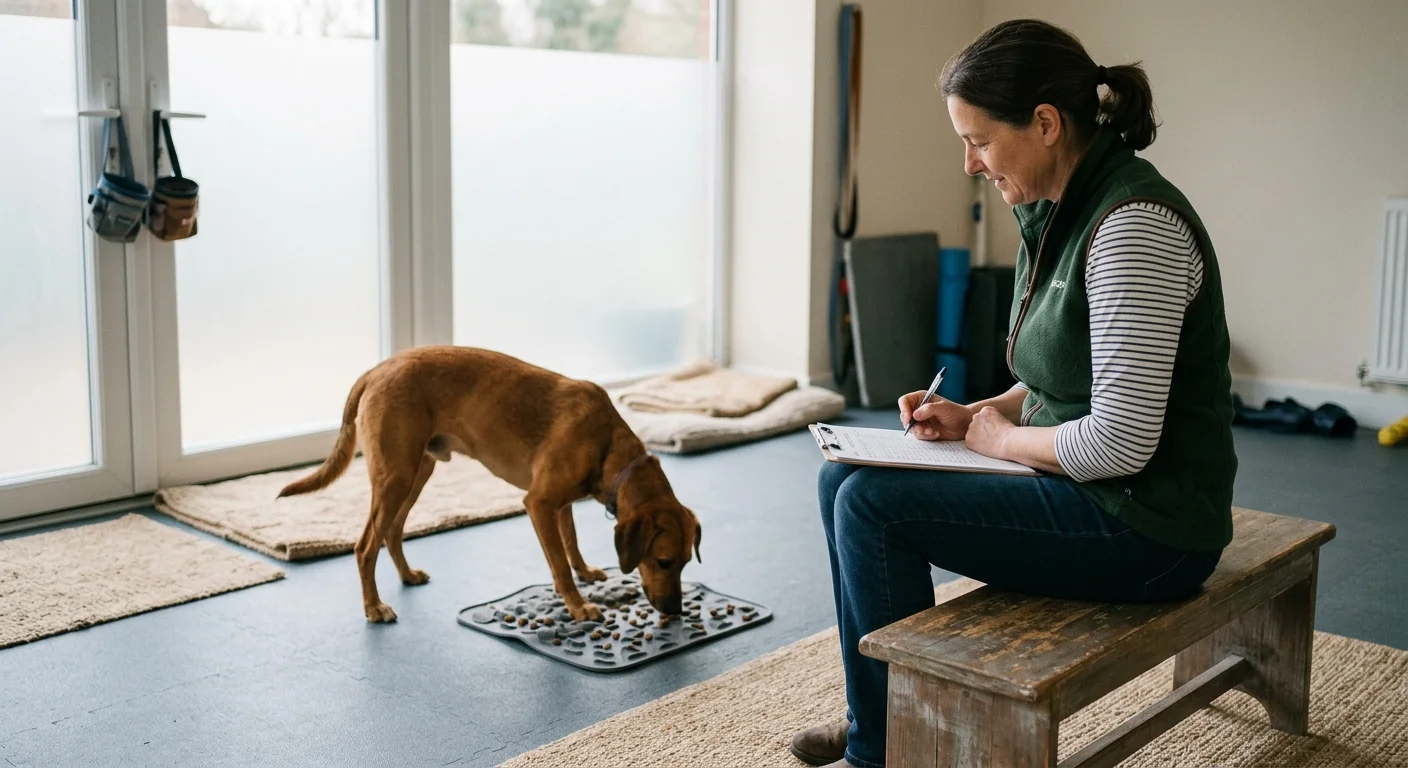
While daily observation helps you manage routine interactions, certain canine behaviors require professional intervention. Seeking qualified guidance ensures accurate diagnosis and humane management.
Schedule an evaluation with your veterinarian if you observe sudden behavioral changes, unexplained lethargy, persistent pacing, or signs of acute physical distress. Medical issues must always be ruled out before assuming a problem is purely behavioral.
If your dog displays escalating resource guarding, fear-based reactivity toward people, or severe separation anxiety, partner with a certified professional. Look for trainers certified through reputable organizations like the International Association of Animal Behavior Consultants or the Certification Council for Professional Dog Trainers.
Board-certified veterinary behaviorists provide comprehensive medical and behavioral treatment plans for complex psychiatric challenges in pets. Early professional support prevents behavioral issues from becoming deeply entrenched habits.
Frequently Asked Questions
Understanding canine communication brings up practical questions for pet parents. Here are answers to common queries about reading dog behavior signs.
Why does my dog sigh when settling down?
A long canine sigh indicates physiological decompression and relaxation when paired with a soft body posture. If your dog’s eyes are half-closed as they sigh, they are feeling secure and content.
What does it mean when a dog shows their belly?
Exposing the belly can represent an invitation for gentle belly rubs or a submissive appeasement signal. Check muscle tension; a relaxed, loose body wants affection, while a stiff, tucked posture asks for space.
Why do dogs tilt their heads when you speak?
Head tilting helps dogs pinpoint sound location and adjust their ear flaps to hear vocal inflections clearly. It also repositions their muzzle so they can better see your facial expressions.
How can I tell if my dog is stressed or just tired?
A tired dog relaxes their musculature, breathes slowly, and seeks a quiet resting spot. A stressed dog exhibits tense facial muscles, dilated pupils, out-of-context yawning, and an inability to settle comfortably.
Strengthening Your Canine Connection
Becoming fluent in your dog’s nonverbal language transforms the way you interact every single day. Taking time to observe subtle physical cues builds profound mutual trust and enhances your pet’s emotional well-being.
The information here is meant for educational purposes; specific circumstances—including health conditions, finances, location, and goals—may require different approaches. When in doubt, consult a licensed professional or check official sources directly.
Last updated: May 2026. Rules, prices, and details change—verify current information with official sources before acting on it.