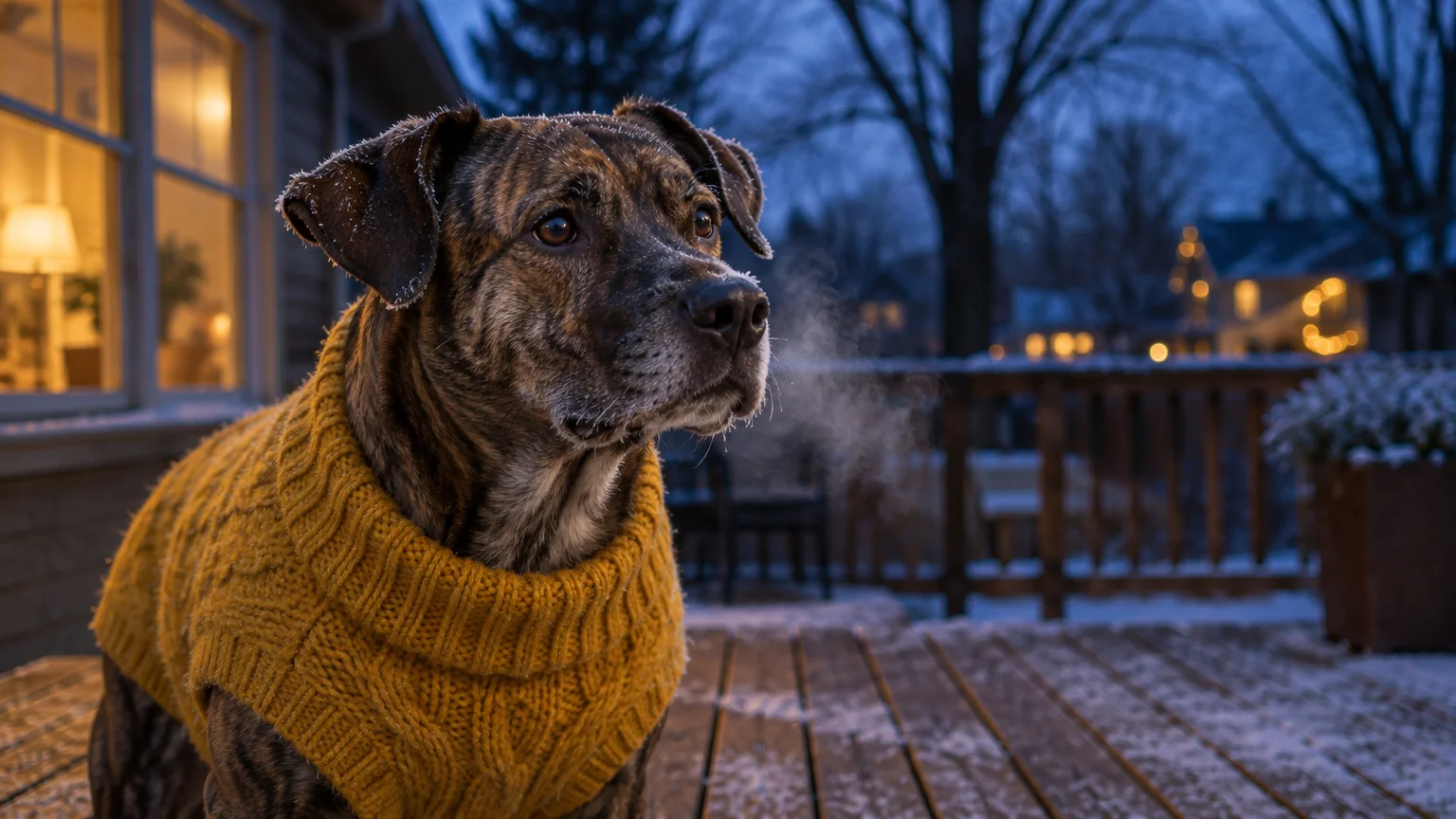
Crisp frost and shorter daylight hours shift your dog’s biological rhythms just as dramatically as your own. You may notice subtle quirks in your pup’s routine the moment temperatures drop.
These cold-weather habits reveal how canine biology adapts to chilly air, dry indoor heat, and frozen terrain. Learning what causes these seasonal changes helps you protect your dog’s comfort and well-being.
From sudden changes in sleep patterns to quirky snow sprints, winter reshapes canine daily life. Recognizing these shifts ensures you can provide the best seasonal care for your furry companion.
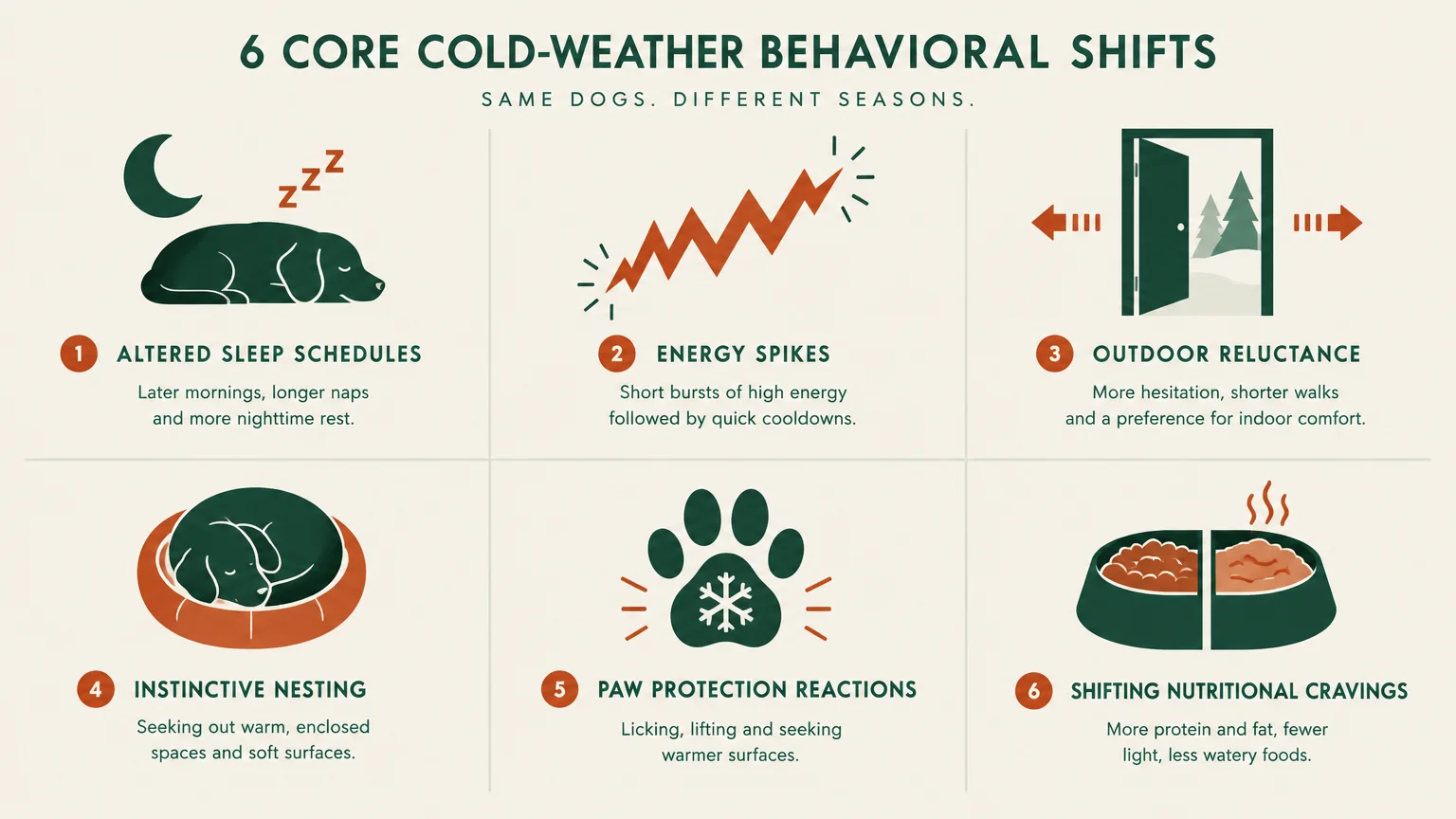
At a Glance: Common Cold-Weather Behavioral Shifts
Winter alters your dog’s physical environment, sensory input, and daily routine. Here are the primary behavioral shifts you may observe during the colder months:
- Altered Sleep Schedules: Shorter daylight periods trigger increased melatonin production, prompting longer naps.
- Energy Spikes: Crisp, cold air often stimulates brief, explosive bursts of play and running.
- Outdoor Reluctance: Freezing ground surfaces cause many dogs to rush or resist bathroom breaks.
- Instinctive Nesting: Denning behaviors emerge as dogs gather blankets and curl tightly to preserve core heat.
- Paw Protection Reactions: Ice crystals and chemical de-icers prompt immediate paw lifting and grooming.
- Shifting Nutritional Cravings: Metabolic demands fluctuate based on activity levels and indoor versus outdoor exposure.
01 Deep Sleeping and Longer Slumbers
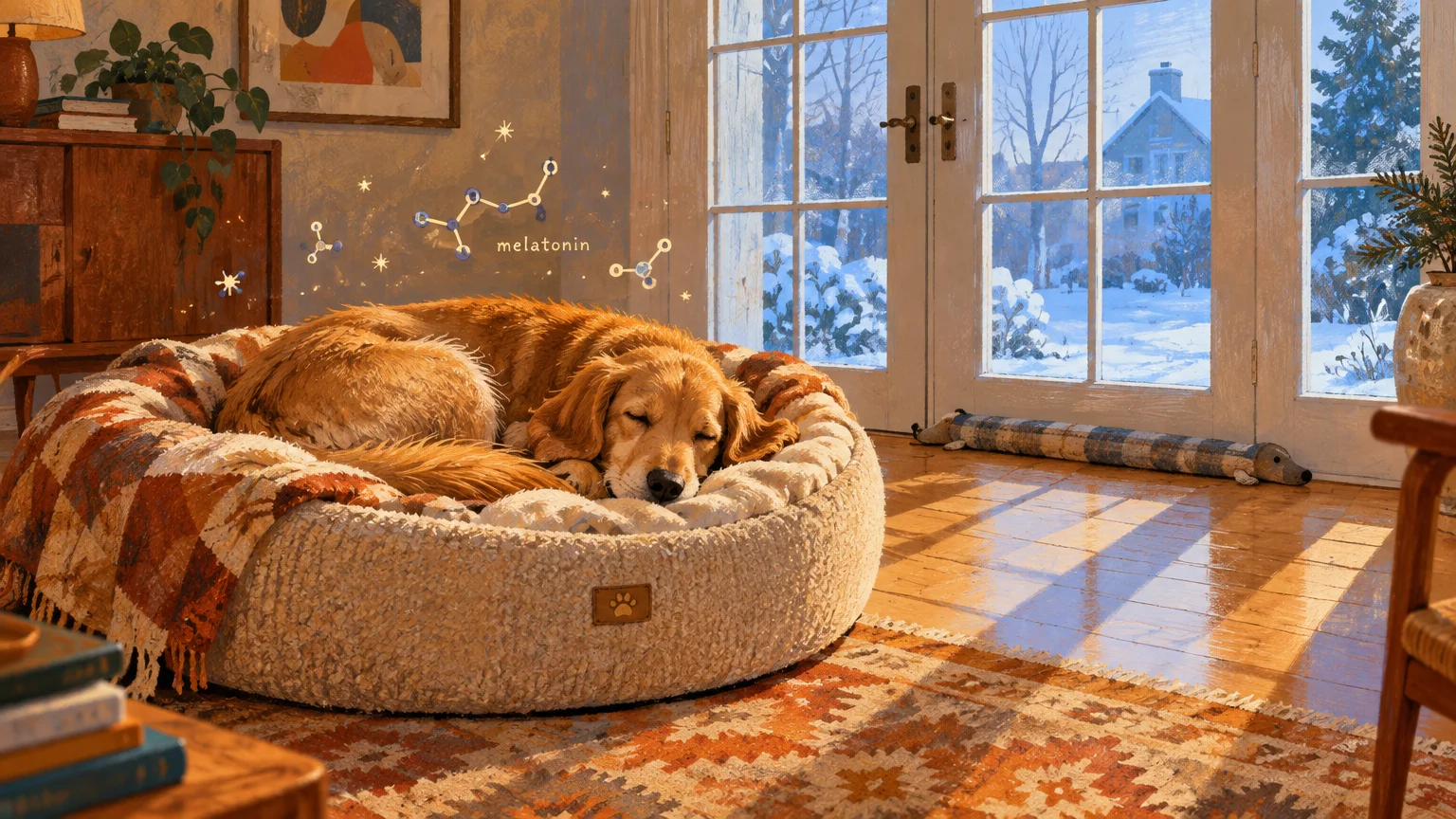
You may find your dog sleeping more in winter than during any other season. As daylight fades earlier, your dog’s brain produces higher levels of melatonin.
This natural hormone promotes relaxation and regulates circadian rhythms across mammalian species. Dogs intuitively conserve their metabolic energy during colder, darker winter days.
Cold drafts on floorboards also encourage dogs to stay tucked into their beds longer. Providing an orthopedic bed lifted away from drafty doorways helps them rest comfortably.
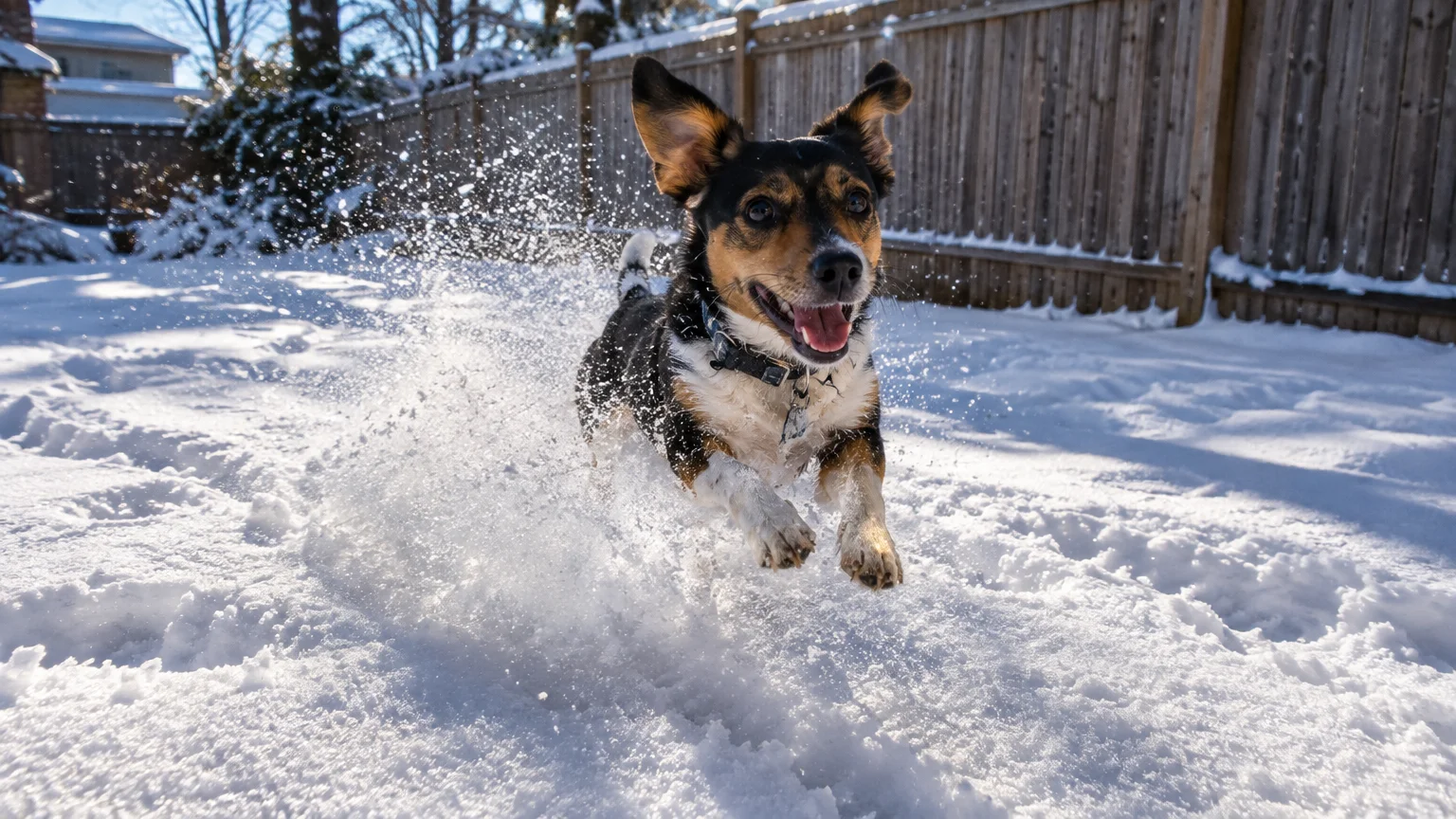
02 Sudden Bursts of “Snow Zoomies”
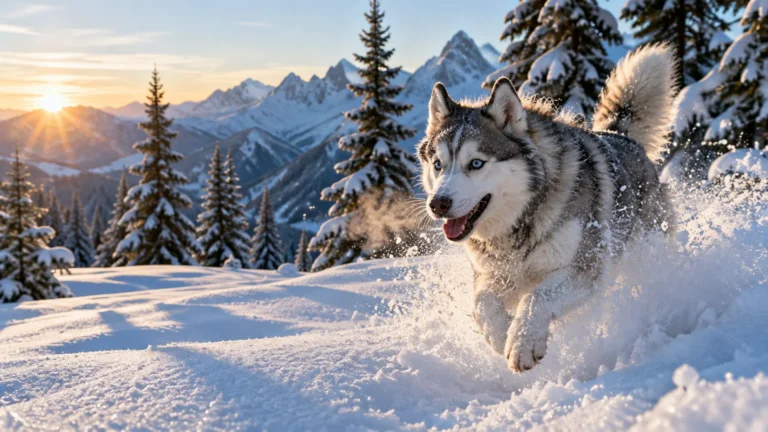
Few sights compare to a dog sprinting frantically through fresh powder. Frigid temperatures invigorate your dog’s nervous system, triggering sudden explosions of physical energy.
Running hard generates rapid body heat, helping your dog warm their core quickly. The unusual texture of snow also provides intense sensory stimulation that sparks playful excitement.
Keep these outdoor sprints brief to avoid hypothermia or muscle strain. Frigid temperatures place extra strain on cold muscles before they have warmed up properly.
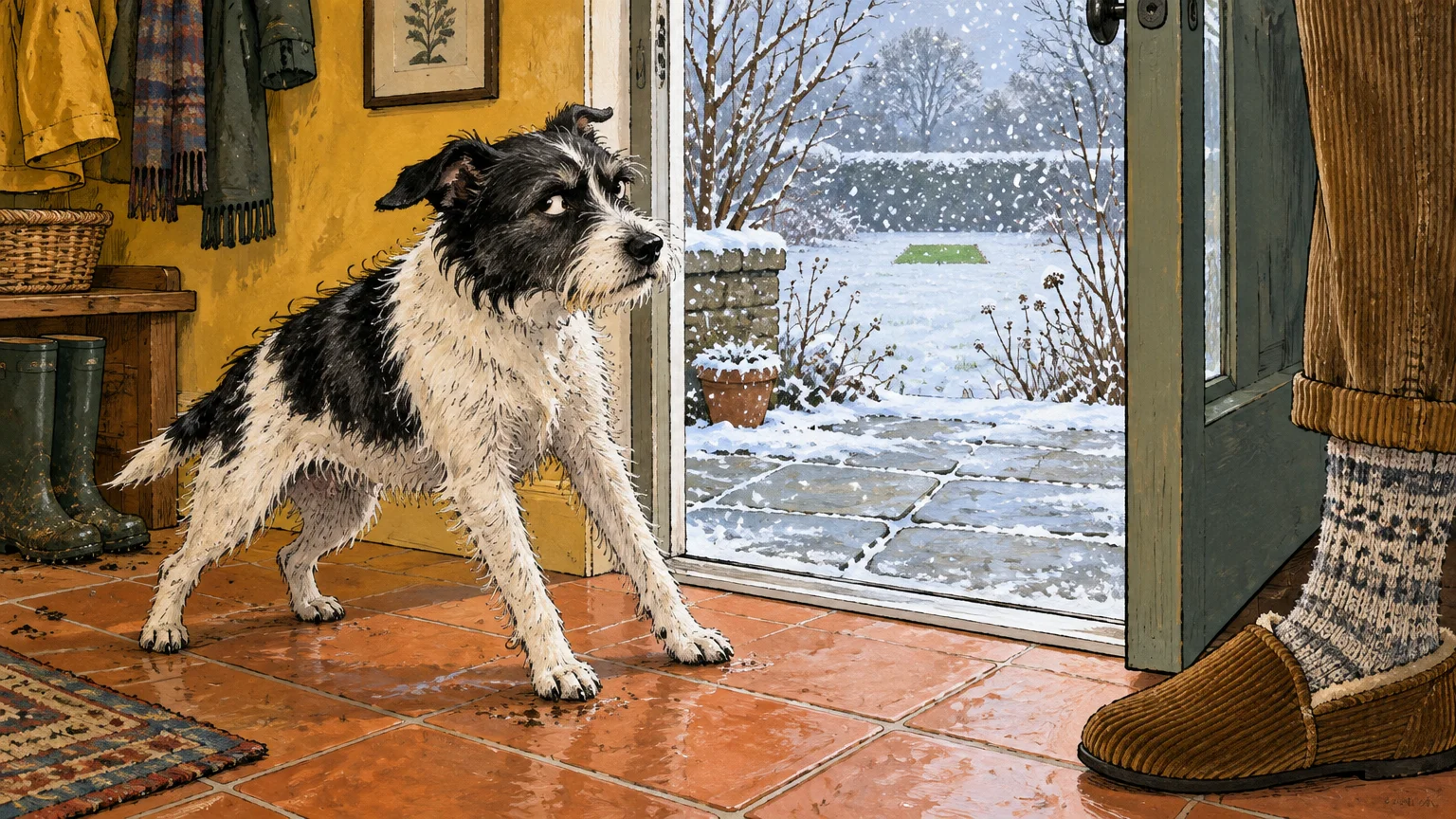
03 Hesitation at the Door and Rushed Potty Breaks
Does your dog suddenly stop dead at the back door when it opens? Frigid air, howling wind, and wet snow can make outdoor elimination deeply uncomfortable.
Many dogs rush through their routine or refuse to squat on freezing surfaces. Some pets will even hold their bladder for hours to avoid stepping outside.
Clear a small patch of grass in your yard to give your dog a comfortable, snow-free area. Rushing outdoor breaks is normal, but holding urine too long can lead to urinary issues.
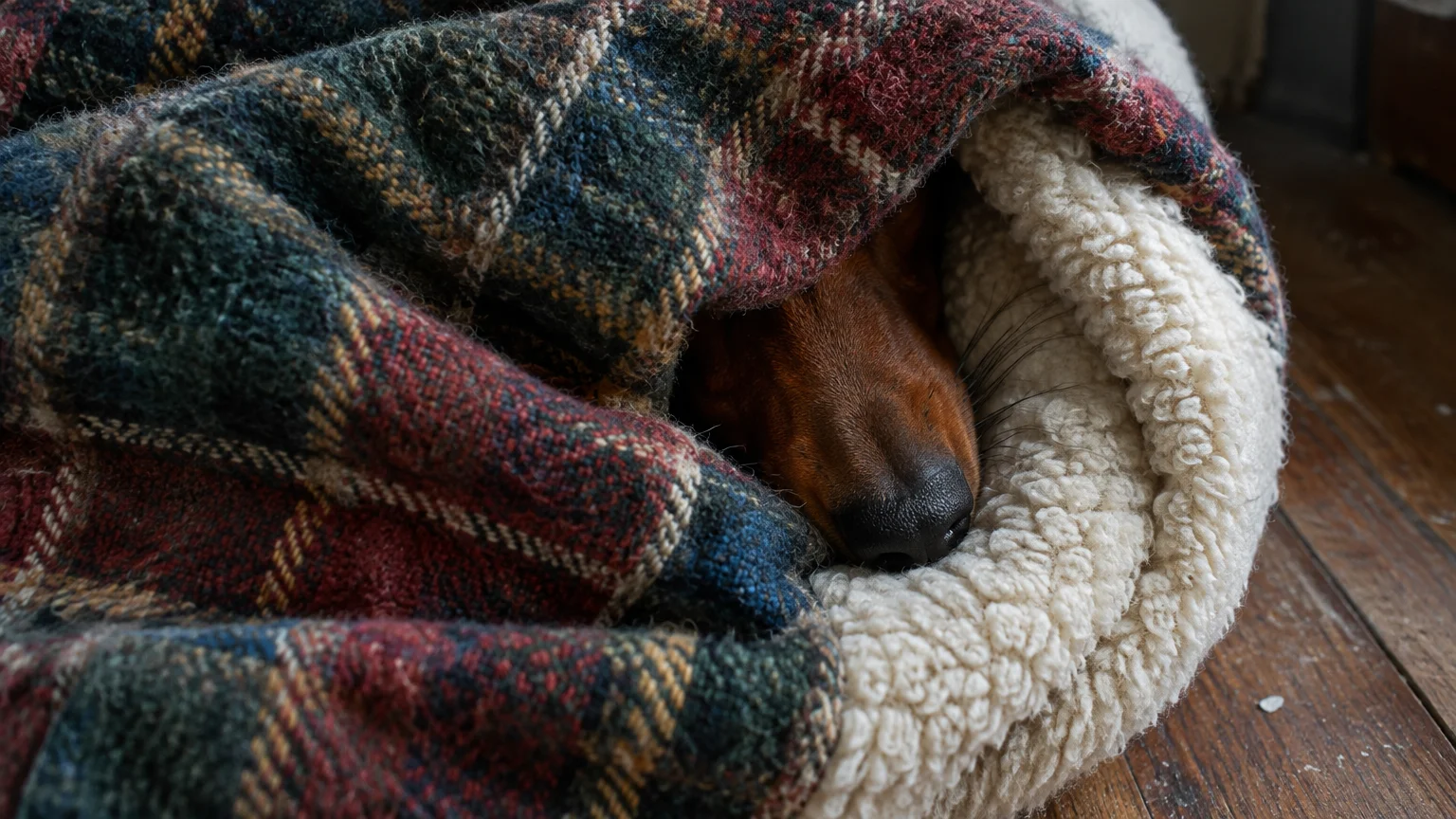
04 Intense Nesting and Blanket Burrowing
Winter awakens ancient denning instincts in domestic dogs. You may watch your dog vigorously scratch their bedding or circle repeatedly before settling down.
Dogs also curl into tight balls, tucking their noses beneath their tails. This compact posture minimizes exposed surface area and traps warm expired air near their body.
Offer extra fleece blankets so your pet can build their own insulating nest. Heated pet pads with chew-proof cords also provide safe, consistent warmth on chilly evenings.
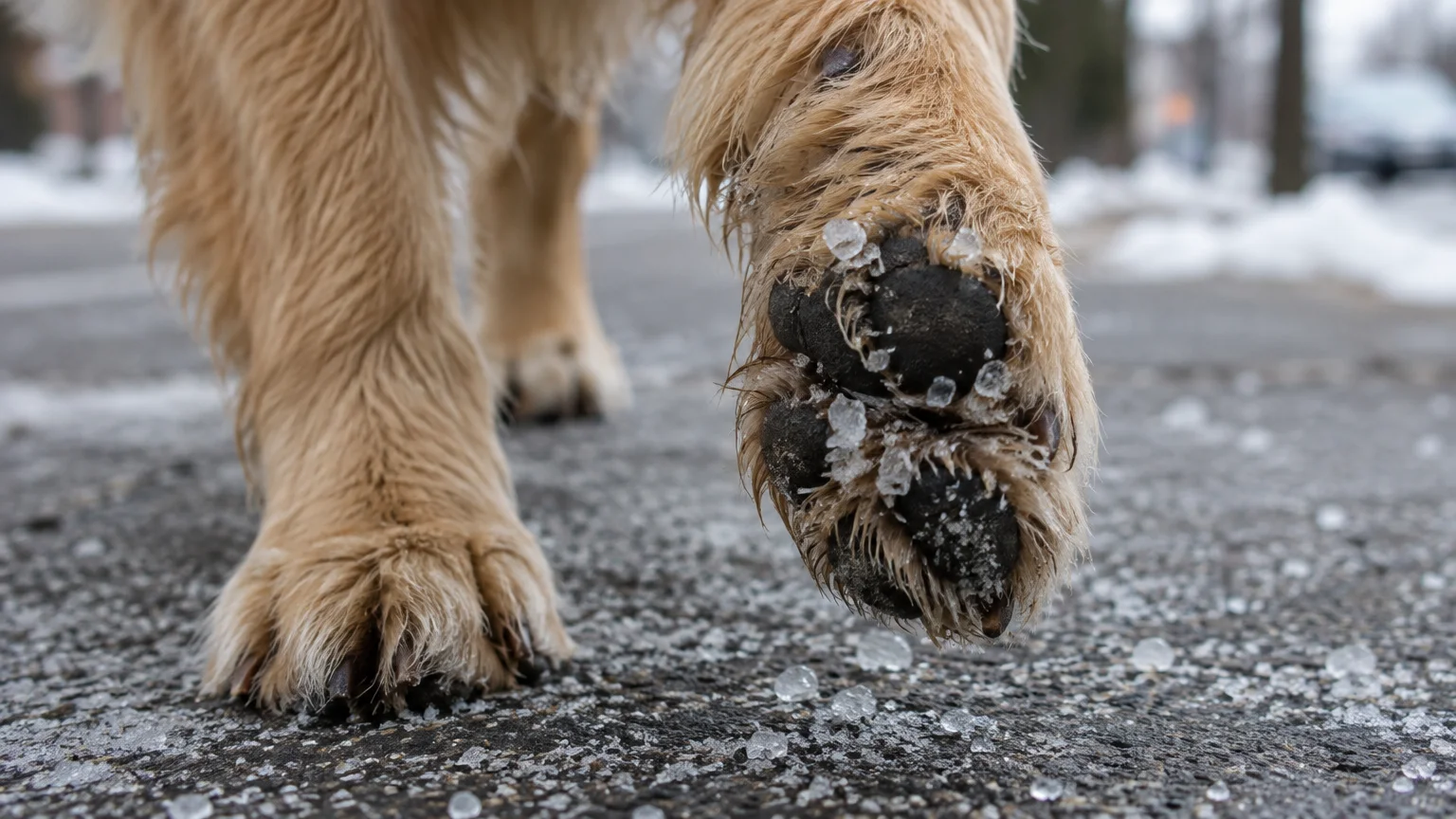
05 Paw Lifting and Compulsive Pad Licking
When walking on frozen sidewalks, dogs often lift their paws one by one. Freezing concrete draws heat away from paw pads rapidly, causing painful stinging sensations.
Sharp ice crystals can also wedge between toes, cutting delicate webbed skin. According to the ASPCA, chemical ice melts and salt irritate paw pads and cause toxic hazards if ingested through grooming.
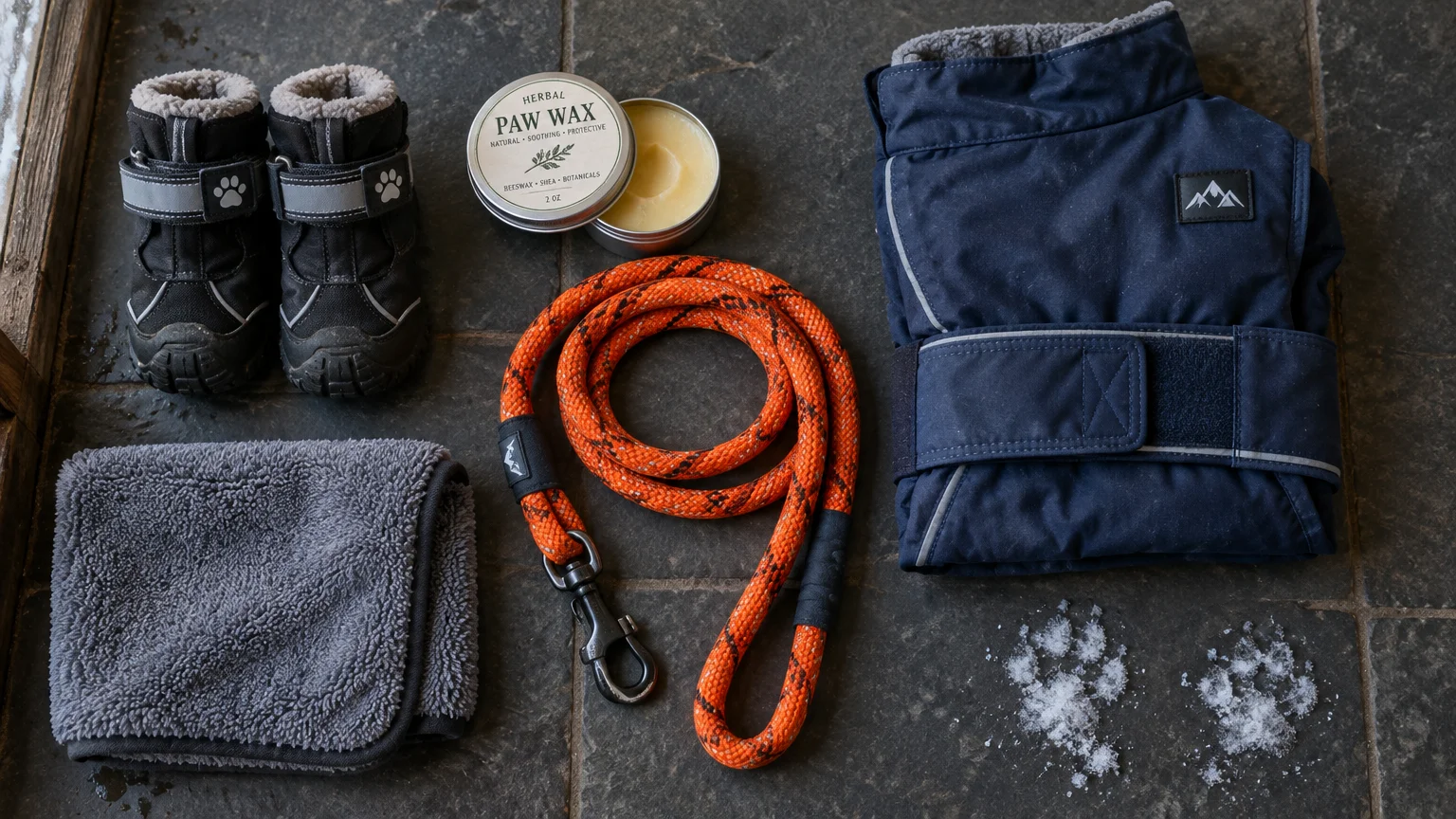
Wipe your dog’s paws with a warm, damp cloth immediately after every winter walk. Protective booties or food-grade paw waxes create a resilient physical barrier against chemicals and ice.
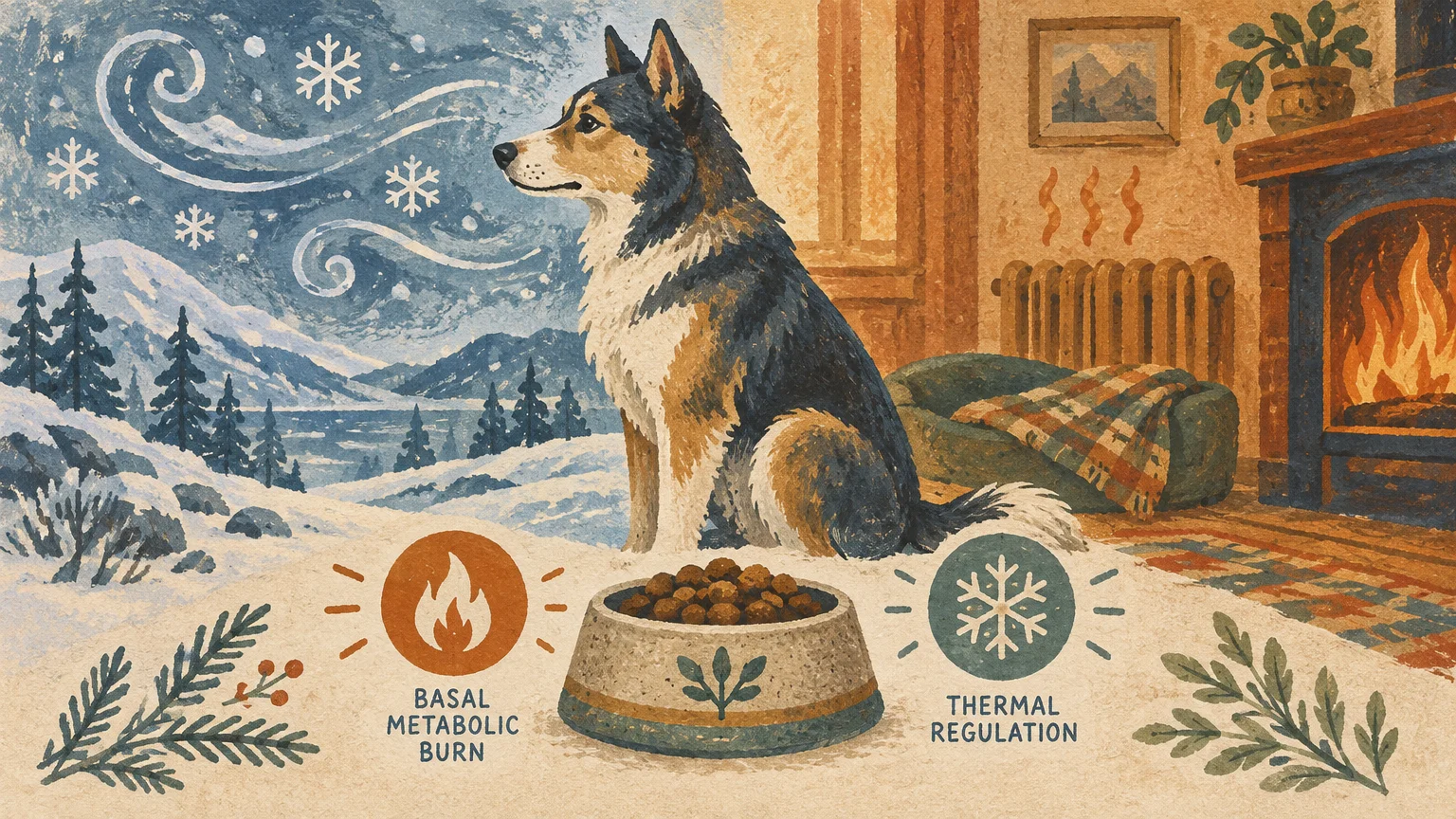
06 Fluctuating Appetite and Caloric Needs
Cold weather changes how your dog burns calories, but the direction depends on their lifestyle. Outdoor working dogs burn significantly more calories just maintaining their baseline core temperature.
Conversely, many indoor family pets exercise far less during freezing winter storms. These indoor dogs require fewer daily calories to prevent unwanted seasonal weight gain.
Monitor your dog’s body condition score closely as the temperature drops each month. Adjust their meal portions based on their actual exercise output rather than their begging habits.
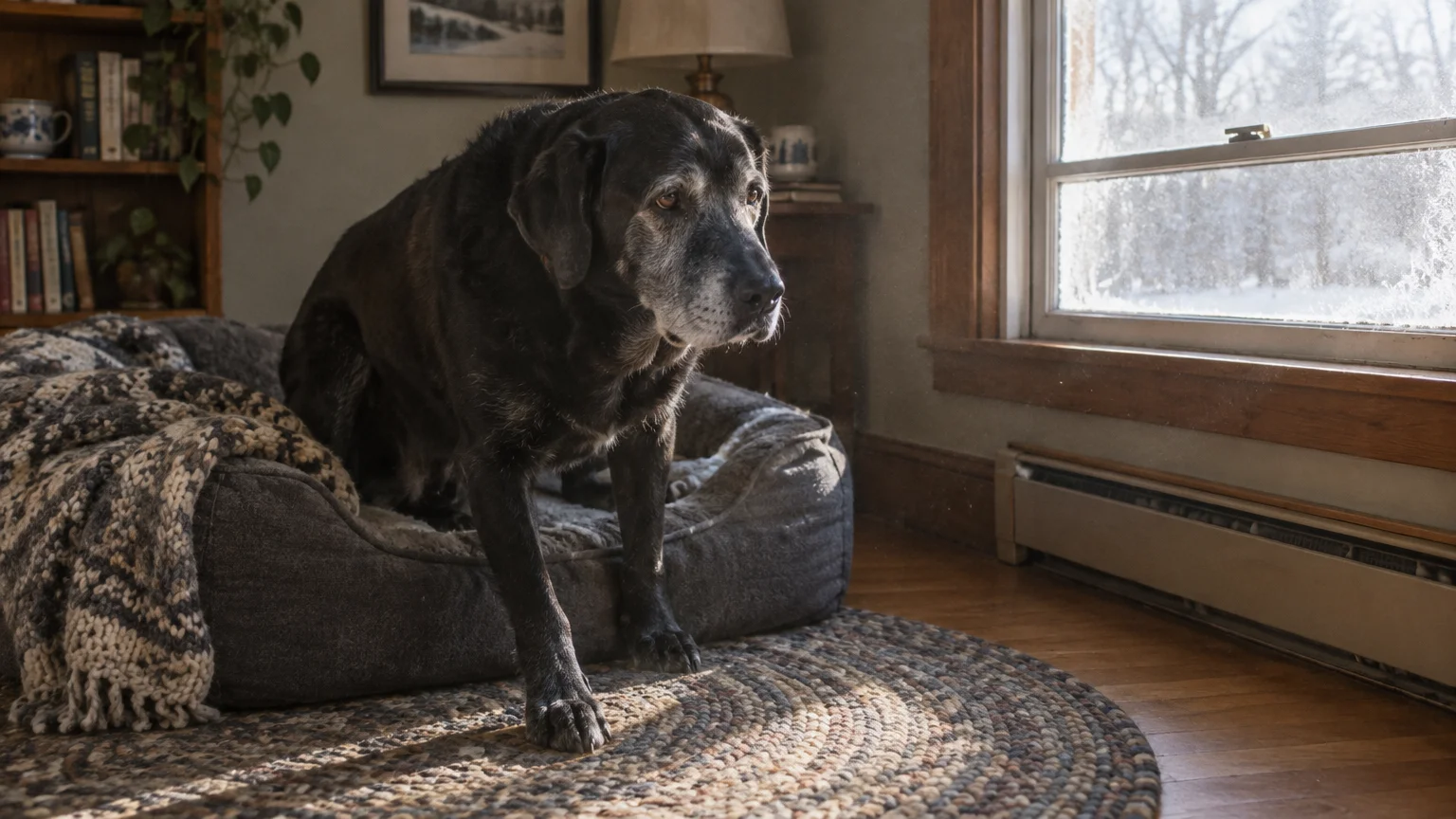
07 Slower Movements and Joint Stiffness
If you share your home with an older dog, winter may bring noticeable physical hesitation. Dropping temperatures and barometric pressure shifts can increase joint stiffness and discomfort.
Synovial fluid inside canine joints thickens in cold conditions, making smooth movement more difficult. Dogs with underlying osteoarthritis may hesitate before climbing stairs or getting up from the floor.
The American Veterinary Medical Association recommends keeping arthritic pets warm and consulting veterinarians about joint management during cold spells. Gentle warm-up stretches before walks keep stiff joints mobile.
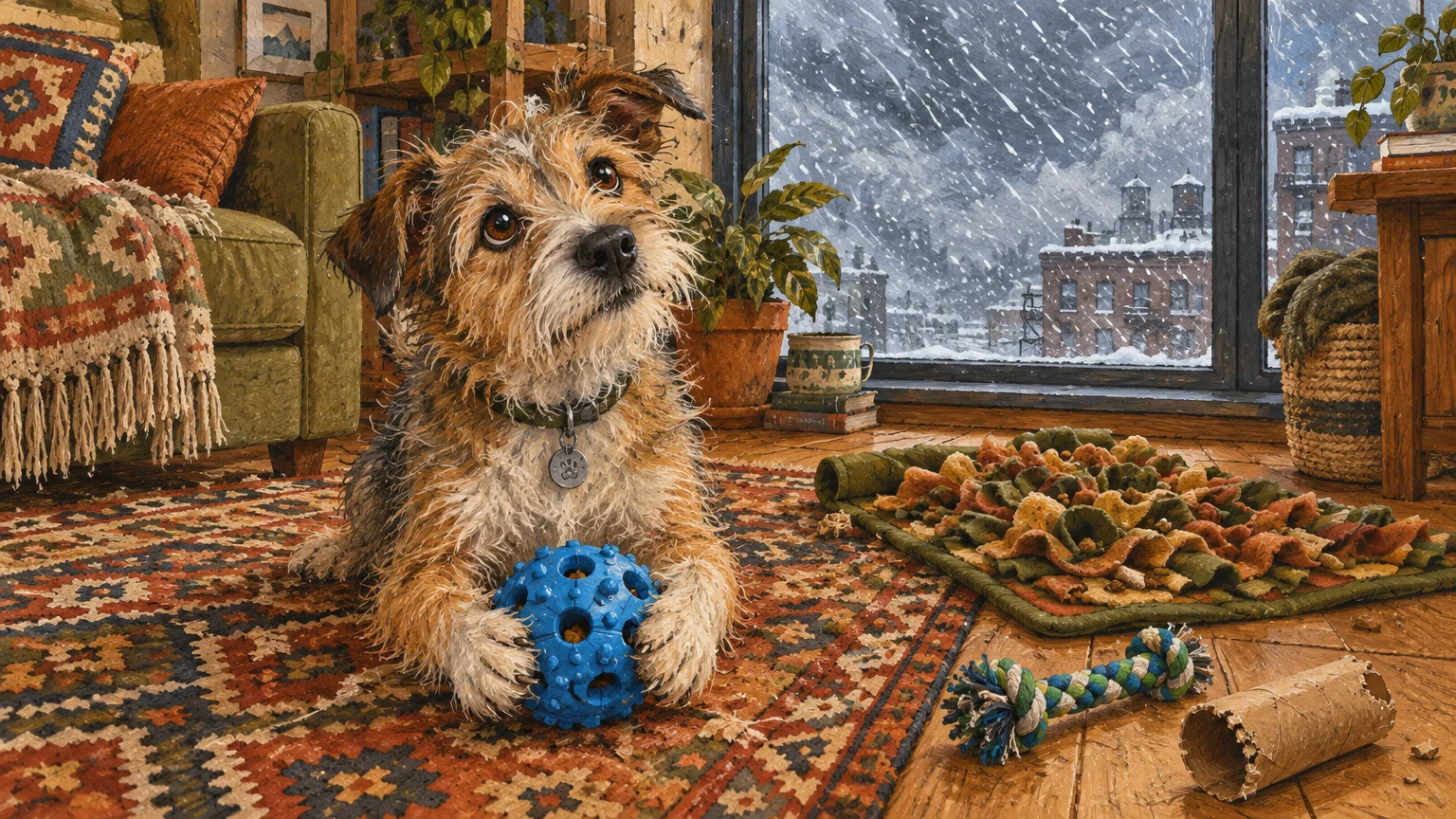
08 Indoor Restlessness and Cabin Fever
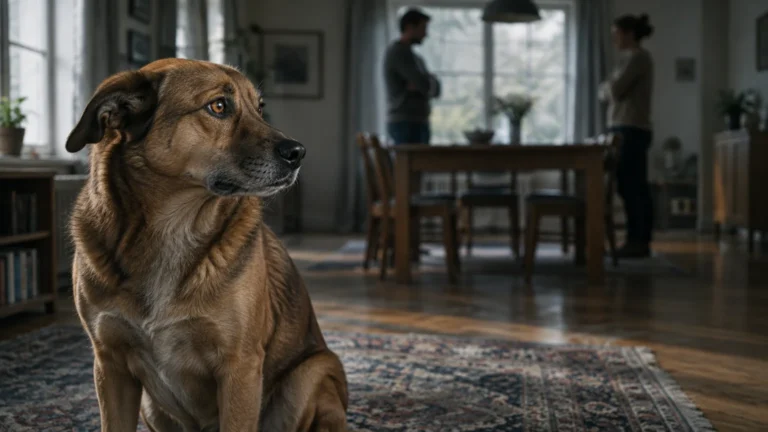
When sub-zero blizzards cancel daily excursions, indoor restlessness inevitably sets in. Dogs accumulate surplus physical and mental energy without their customary sniffing walks and outdoor play.
This pent-up energy often appears as pacing, persistent whining, or destructive chewing on household items. Boredom frustrates dogs just as thoroughly as a lack of physical exercise.
Combat winter cabin fever with interactive puzzle feeders, scent-work games, and basic obedience drills. Ten minutes of focused mental engagement tires your dog as effectively as a short walk.

09 Clinginess and Seeking Physical Contact
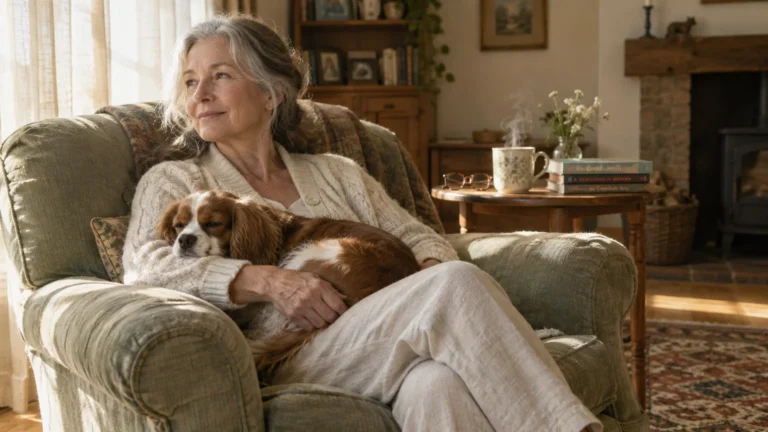
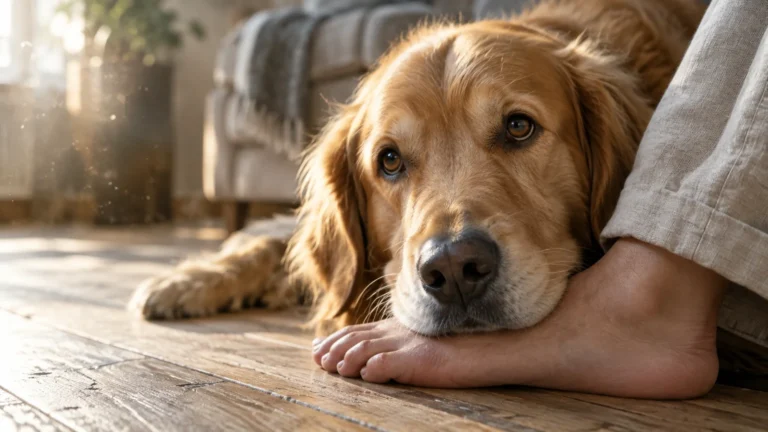
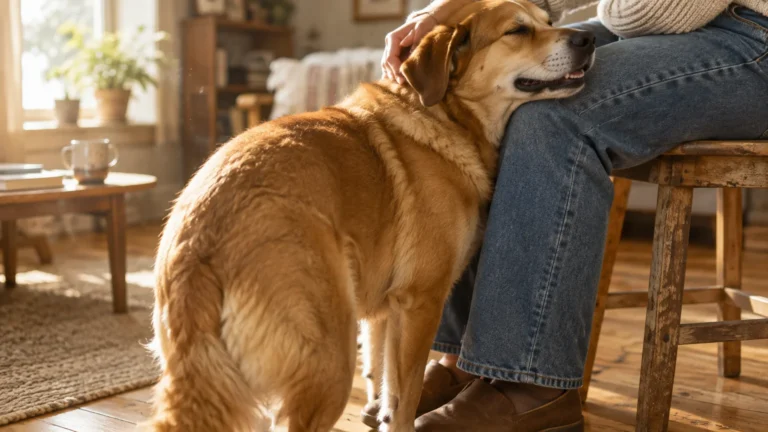
Your independent dog may suddenly turn into a persistent “velcro dog” during winter. Dogs instinctively seek external sources of warmth, including your lap, body, and cozy furniture.
Leaning against you or sleeping pressed to your side helps them absorb your radiant body heat. This close physical contact also provides comforting reassurance during noisy winter windstorms.
Embrace this extra snuggle time while ensuring your dog maintains healthy emotional independence. Giving them their own cozy sanctuary prevents separation distress when you leave the house.
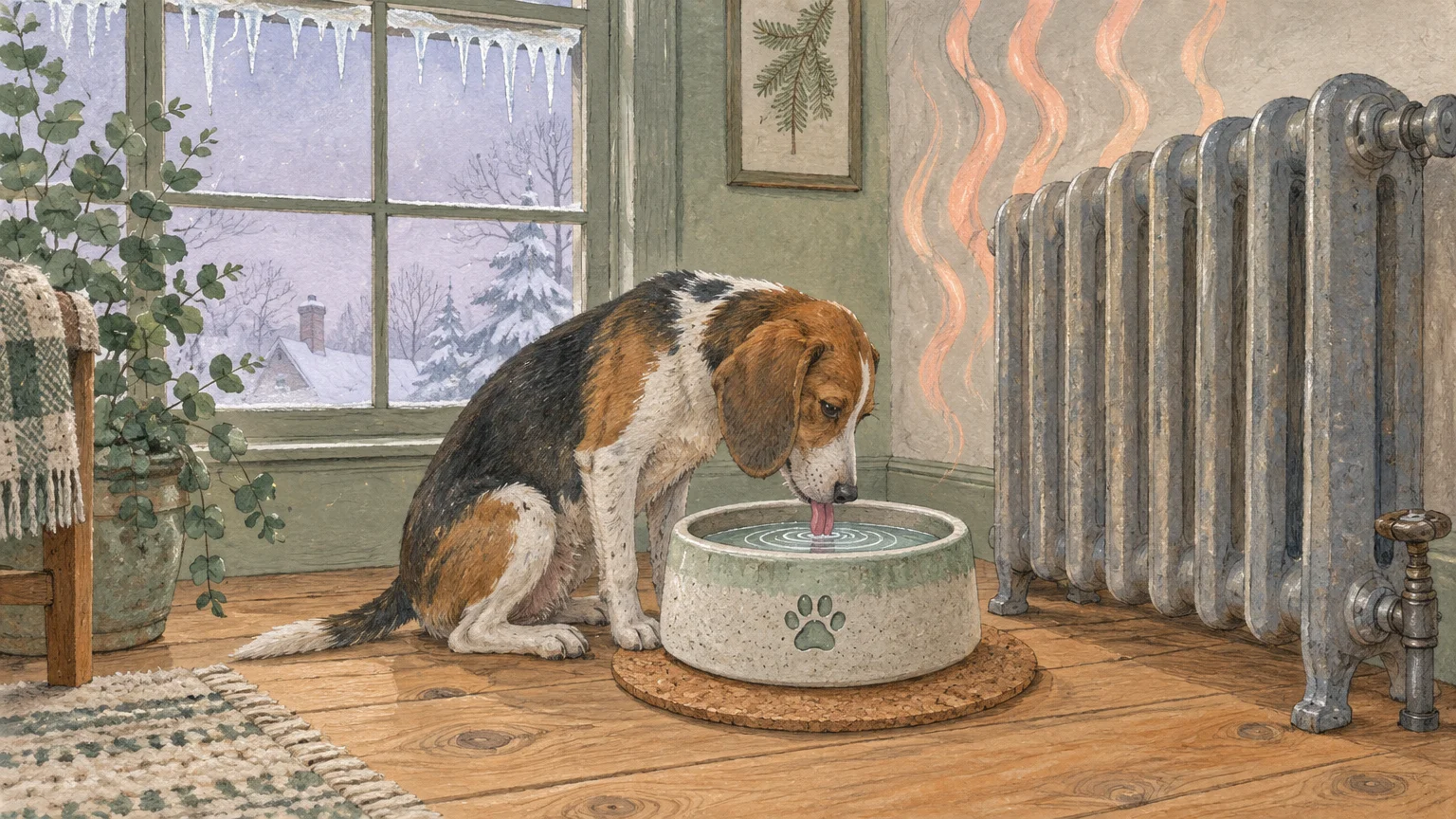
10 Altered Drinking Habits and Dehydration Risks
Dogs often drink noticeably less water in cold weather than during humid summer months. Frigid water in metal bowls feels unpleasant on sensitive teeth and gums.
However, indoor heating systems drastically reduce indoor humidity, accelerating respiratory moisture loss. Dehydration slows canine digestion, dulls coat health, and impairs natural temperature regulation.
Keep indoor water bowls clean, fresh, and slightly warm to encourage regular hydration. Adding warm, low-sodium bone broth to their regular meals also boosts daily fluid intake.
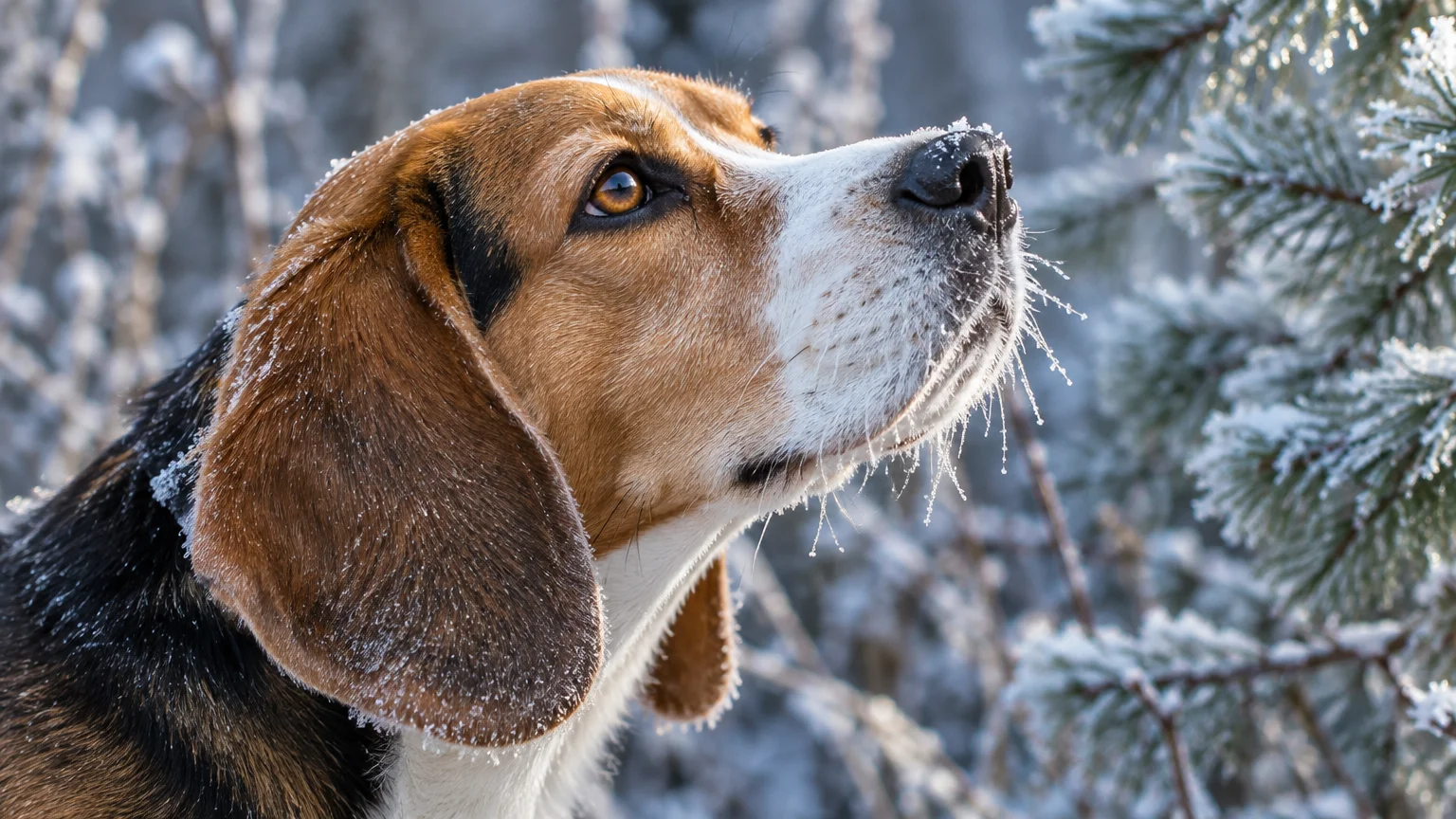
11 Sensory Alertness and Heightened Scent Tracking
Crisp winter conditions alter how scents travel through the air and across the ground. Cold, dense air holds scent molecules closer to the surface than hot, rising air.
According to the American Kennel Club, environmental changes like snow cover require careful supervision because scent trails can vanish under fresh snowfall. Dogs often sniff tracks with heightened intensity.
You may see your dog freeze, sniff the breeze, or track animal prints with intense concentration. Wildlife moves closer to human dwellings in winter, triggering your dog’s natural curiosity.
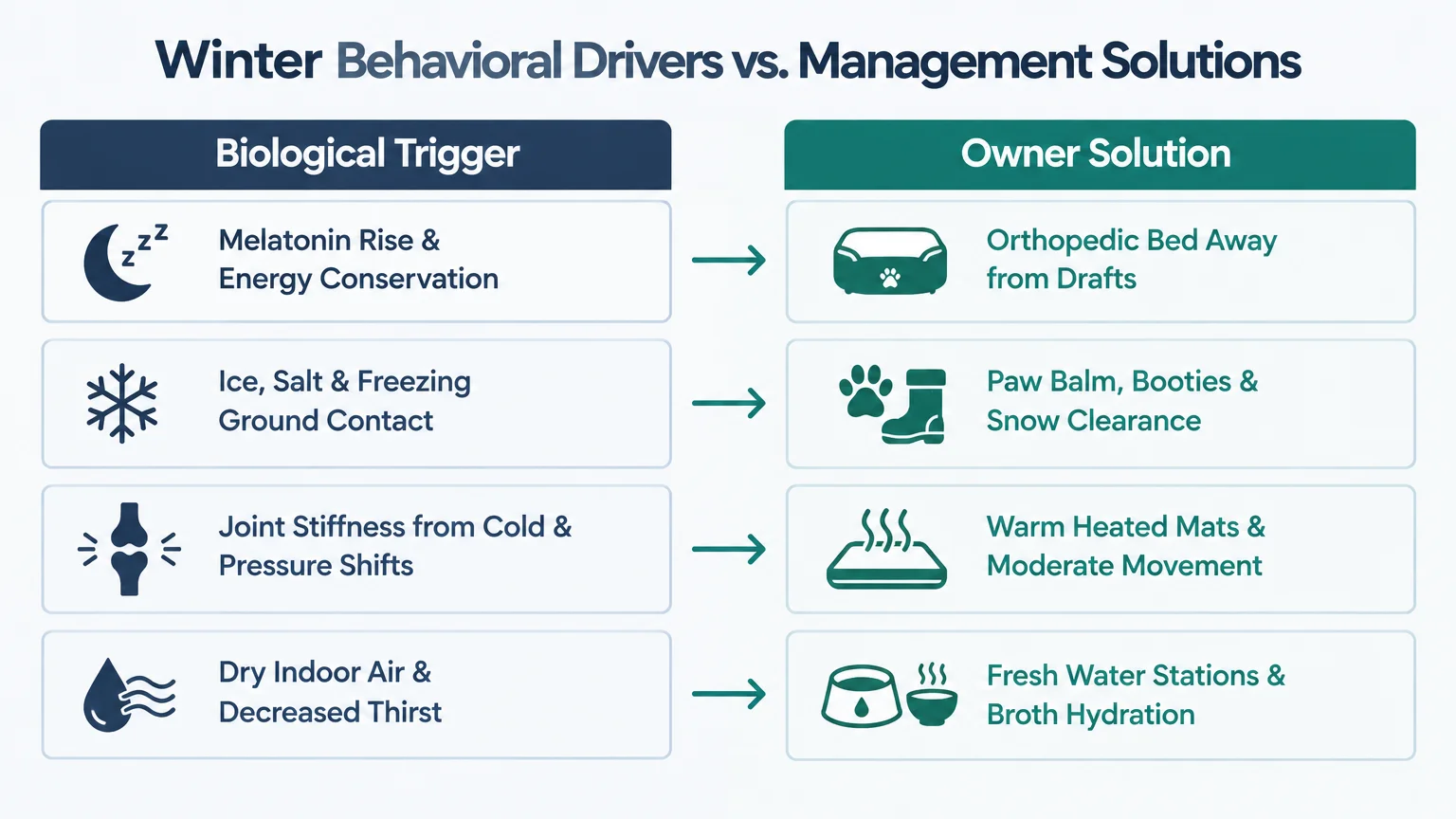
Comparison: Winter Behavioral Drivers vs. Management Solutions
Understanding the root cause of seasonal behavioral shifts allows you to respond with practical solutions. Use this quick reference guide to support your dog through winter:
| Observed Winter Behavior | Primary Biological Cause | Practical Care Solution |
|---|---|---|
| Sleeping more throughout the day | Elevated melatonin from reduced daylight | Provide a draft-free, warm orthopedic bed. |
| Reluctance to eliminate outside | Discomfort from freezing paws and cold wind | Clear a sheltered grass patch in the yard. |
| Lifting paws during daily walks | Ice accumulation and toxic de-icing salts | Fit protective booties or apply protective wax. |
| Destructive chewing and pacing | Cabin fever from canceled outdoor walks | Introduce puzzle toys and indoor nose-work games. |
| Stiffness when rising or walking | Thickened joint fluid and arthritis flare-ups | Use warm coats, ramps, and vet-approved joint care. |

The Bigger Picture: How Seasonality Affects Canine Biology
Modern dogs share deep evolutionary roots with wild canids that adapted to harsh seasonal shifts. Wolves and wild dogs naturally adjust their metabolic rates, fur density, and pack dynamics for winter.
While domestic dogs sleep in temperature-controlled living rooms, their ancient survival biology remains intact. Seasonal hormone shifts, coat shedding cycles, and calorie-conserving instincts still influence modern pets.
Recognizing these evolutionary patterns fosters deeper patience with your dog’s seasonal moods. Your pet is not being stubborn; their ancient biology is simply responding to the changing environment.
Worth Keeping in Mind
Winter pet care requires careful attention to avoid common seasonal hazards. Keep these critical considerations in mind throughout the cold months:
- Antifreeze Toxicity: Ethylene glycol has a sweet scent that attracts dogs, yet even tiny drops prove fatal. Always store automotive fluids securely away from pets.
- Thin Coat Vulnerability: Short-haired, lean, or toy breeds lose body heat rapidly without protective outerwear. Invest in a windproof, insulated dog coat for winter walks.
- Hidden Ice Hazards: Frozen ponds and slippery sidewalks pose severe risks of hypothermia or cruciate ligament tears. Keep dogs securely leashed near all frozen water sources.
- Space Heater Dangers: Curious dogs can easily tip over space heaters or suffer contact burns while warming up. Always supervise supplemental heating appliances around pets.
When to Get Professional Help
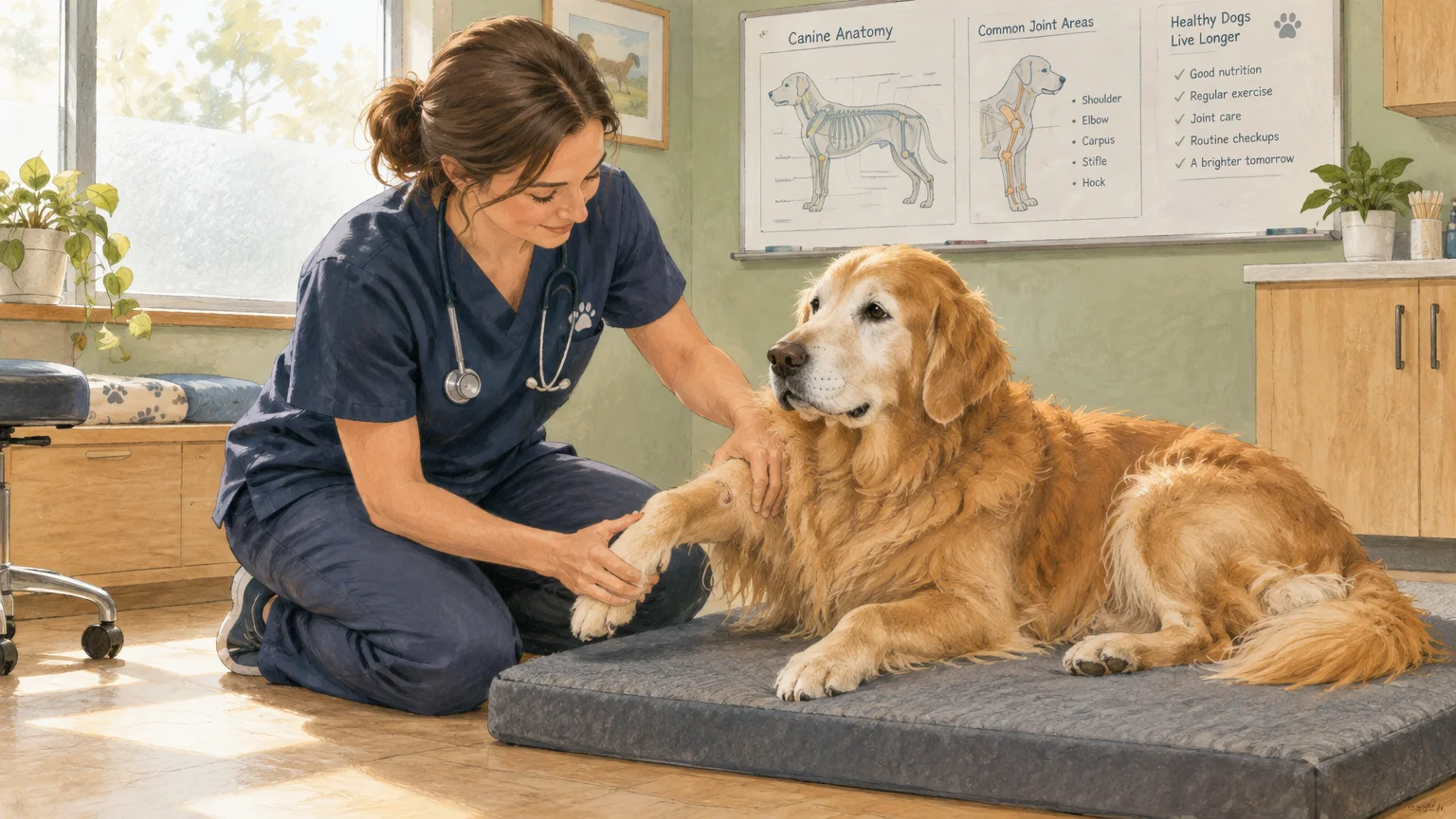
While minor behavioral adjustments are entirely normal, some seasonal changes indicate medical emergencies. Contact your veterinarian immediately if you observe any of the following symptoms:
- Signs of Hypothermia: Intense shivering, weak pulse, lethargy, or shallow breathing require emergency veterinary treatment.
- Suspected Frostbite: Pale, gray, or brittle skin on ear tips, paw pads, or tail indicates tissue damage that demands prompt medical evaluation.
- Extreme Mobility Loss: If cold weather leaves your dog unable to stand, crying in pain, or refusing to bear weight, seek professional joint assessments.
- Suspected Toxin Ingestion: Contact an emergency vet immediately if your dog licks de-icer salt pools, antifreeze, or toxic winter plants.
Frequently Asked Questions
Do dogs sleep more in winter naturally?
Yes, dogs naturally sleep more as daylight hours decrease during late autumn and winter. Diminished light stimulates higher melatonin production, encouraging longer and deeper rest periods.
Why does my dog refuse to pee when it snows?
Freezing winds, wet snow, and stinging ice crystals create severe sensory discomfort on sensitive paws and bellies. Clearing a small patch of grass makes elimination much more comfortable.
How cold is too cold for walking my dog?
Temperatures below 32°F (0°C) pose risks for small breeds, puppies, seniors, and thin-coated dogs. Below 20°F (-7°C), all dogs face increased risks of hypothermia and frostbite.
Can dogs suffer from winter depression or SAD?
Dogs can experience mood dips from decreased light exposure and lack of physical exercise. Increasing indoor play, natural light exposure, and mental enrichment helps brighten their mood.
Supporting Your Dog Through the Cold Months
Winter transforms your dog’s daily world, shifting their sensory environment, physical stamina, and instinctual routines. Paying close attention to these eleven behavioral changes helps you respond with warmth, comfort, and safety.
Equip your dog with warm gear, provide enriching indoor activities, and protect their paws from chemical ice melts. A little extra seasonal care ensures your furry companion stays safe, happy, and cozy until spring arrives.
This article provides general information only. Every reader’s situation is different—what works for others may not be the right fit for you.
For personalized guidance on health, legal, or financial matters, consult a qualified professional.
Last updated: May 2026. Rules, prices, and details change—verify current information with official sources before acting on it.