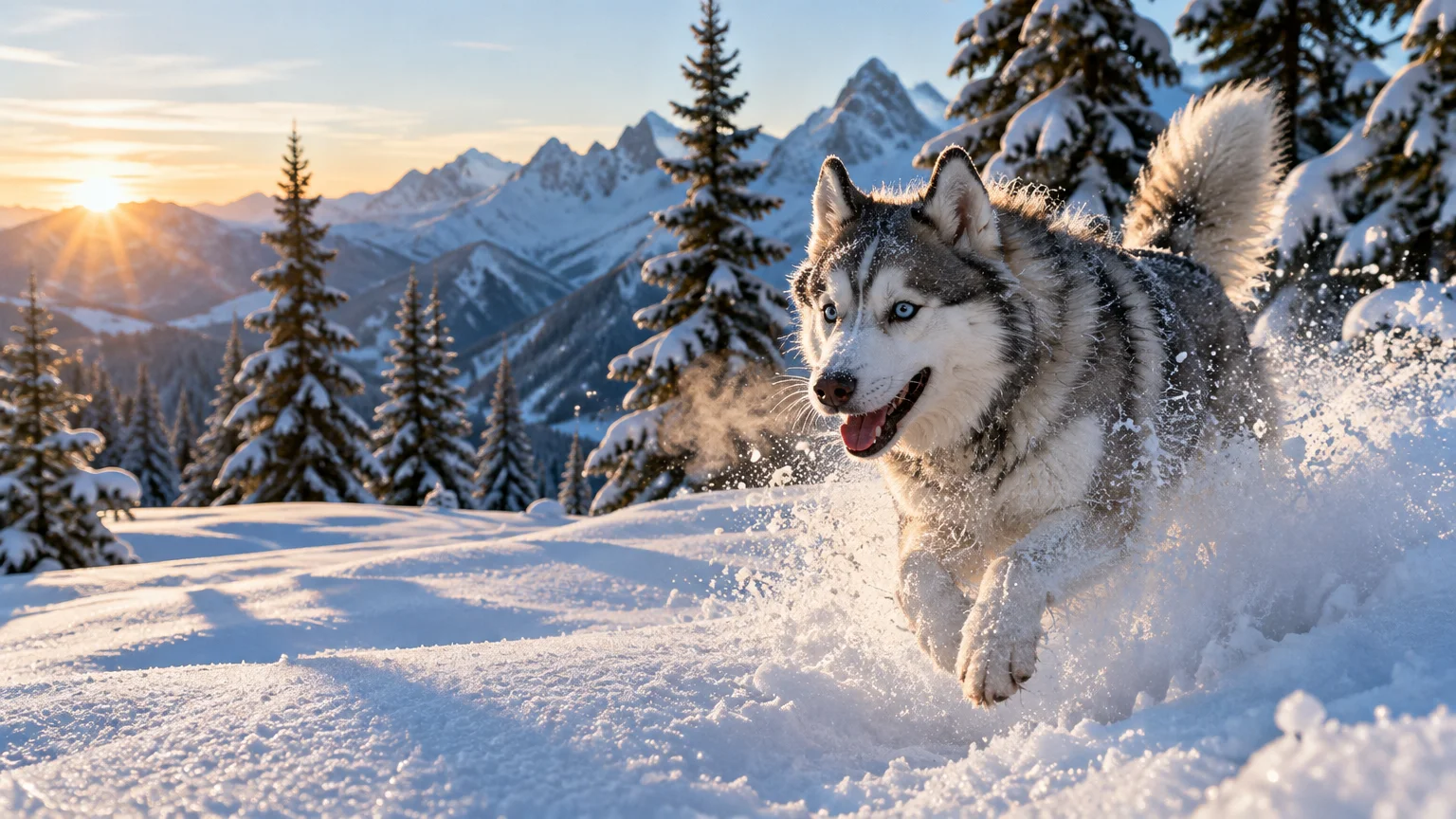
Freezing temperatures and deep snowdrifts send most pets scurrying back indoors; however, certain canine companions actively celebrate winter. If you live in a snowy climate, finding a dog equipped for frigid adventures transforms cold winter mornings into pure joy.
These resilient working breeds feature dense double coats, specialized paws, and muscular builds engineered to withstand sub-zero conditions. Whether you hike frosted alpine trails or simply shovel the driveway, these winter-loving canines will happily stand by your side.
Here are twelve incredible cold-weather dog breeds that thrive when the mercury drops, along with practical tips to keep them healthy all season long.
Biological Adaptations: What Makes a Dog Thrive in Cold Weather?
Sub-zero endurance requires remarkable evolutionary engineering. Arctic and mountain breeds possess specialized physical traits that shield their vital organs from biting winds and icy slush.
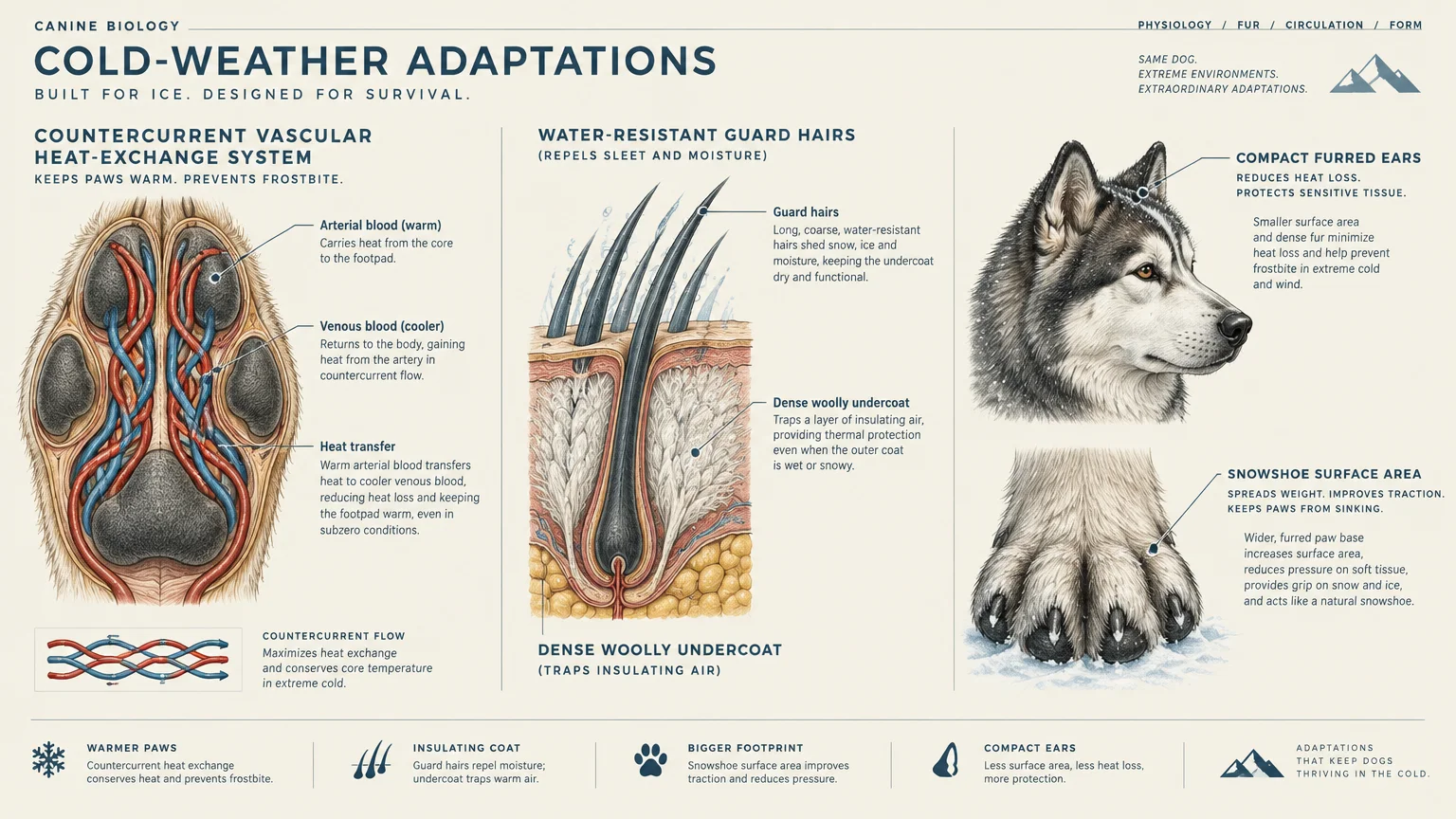
Most cold-tolerant breeds rely on a dense double coat. The soft, woolly undercoat traps insulating pockets of warm air, while long, water-resistant guard hairs repel rain, sleet, and driving snow.
Furthermore, their paws feature a natural countercurrent vascular heat-exchange system. Warm arterial blood heats incoming venous blood, preventing extremity frostbite as they trek across frozen tundra.
Compact, well-furred ears also minimize surface heat loss compared to large, upright ear flaps. Wide paws act like natural snowshoes, distributing heavy body weight evenly across fragile crusts of snow.
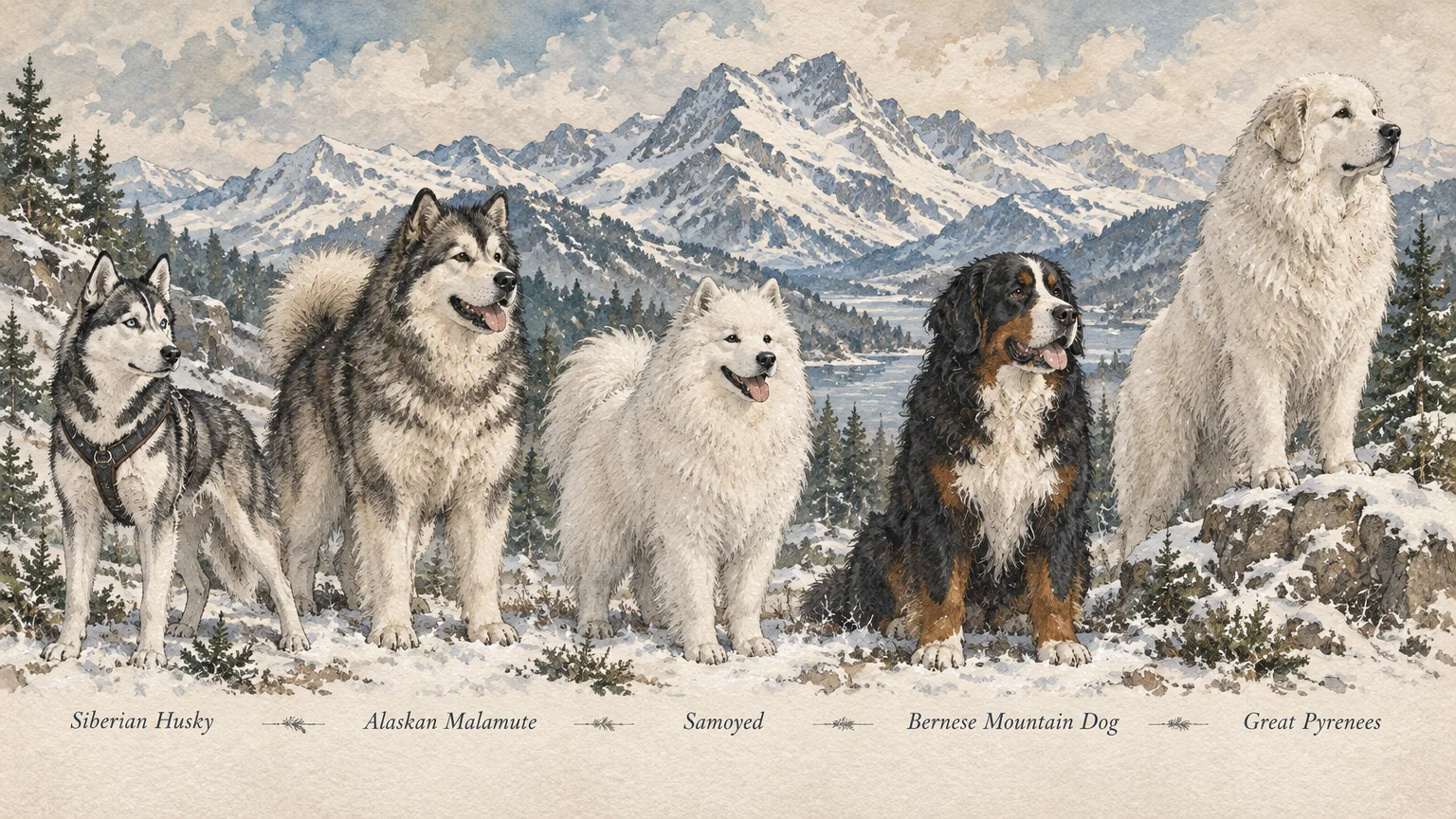
The 12 Best Dog Breeds for Cold Climates
1. Siberian Husky
Originally developed by the Chukchi people in northeastern Asia, Siberian Huskies thrive when pulling light sled loads over vast frozen distances. Their energetic disposition and high stamina make them iconic winter athletes.
Their medium-length double coat provides superior insulation against arctic chill. You will quickly discover that a brisk snowfall often energizes them far more than a warm sunny afternoon.
2. Alaskan Malamute
As one of the oldest Arctic sled dogs, the powerful Alaskan Malamute hauled heavy freight across frozen Alaskan terrain. Their substantial bone structure and deep chests provide enormous pulling power.
Malamutes sport a coarse outer coat over a dense, oily undercoat that locks out moisture. According to the American Kennel Club, this working breed requires consistent daily exercise to prevent destructive boredom.
3. Samoyed
Bred by nomadic Siberian reindeer herders, the Samoyed stands out with an unmistakable, cloud-like white coat. Their upturned mouth corners create the famous “Sammy smile,” an evolutionary trait that prevents icicles from forming at the lips.
This fluffy dog breed craves close human companionship and loves bounding through deep snowdrifts. Regular brush-outs are essential, especially during seasonal shedding cycles when they drop significant amounts of undercoat.
4. Bernese Mountain Dog
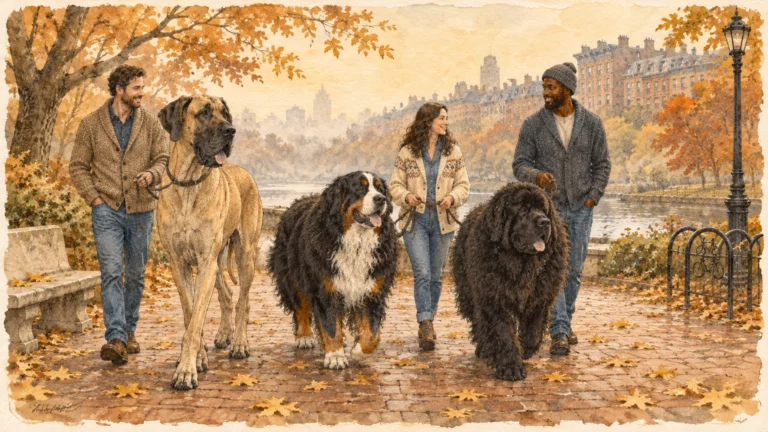
Hailing from the snowy pastures of Switzerland, the Bernese Mountain Dog served farmers as an all-around draft animal, cattle drover, and loyal companion. Their tricolored, silky double coat protects them from alpine drafts.
While they remain calm and patient indoors, cold weather brings out their playful puppy spirit. You can easily train them to pull a snow sled or accompany you on frosty mountain hikes.
5. Great Pyrenees
For centuries, the Great Pyrenees guarded livestock on freezing, windswept slopes between France and Spain. Their immense size, calm demeanor, and weatherproof white coat make them natural guardians of winter homesteads.
They possess unique double dewclaws on their hind legs, which enhance traction across rocky, snow-covered ridges. These gentle giants will gladly lounge on a frozen porch for hours if you let them.
6. Saint Bernard
Famous for locating stranded travelers in the Swiss Alps, Saint Bernards possess legendary snow rescues in their historical lineage. Their broad skulls, massive bodies, and heavy fur allow them to navigate deep alpine terrain effortlessly.
Saint Bernards come in both shorthaired and longhaired coat varieties, both of which provide substantial cold defense. Because of their sheer size, you must provide ample living space and regular joint support during chilly weather.
7. Newfoundland
Born on the rocky coasts of eastern Canada, the massive Newfoundland excels at cold-water rescues and heavy haulage. Their webbed paws and water-resistant double coat allow them to swim in near-freezing surf without losing core body heat.
These gentle giants possess sweet, calm temperaments that make them wonderful family companions. You should prepare for copious amounts of drool and heavy snowballs clinging to their thick leg feathering.
8. Tibetan Mastiff
Centuries of guarding isolated monasteries and nomadic camps in the Himalayas molded the formidable Tibetan Mastiff. Their imposing mane, heavy bone structure, and immense undercoat withstand extreme high-altitude mountain winters.
Independent and highly protective, this primitive guardian demands experienced leadership. They show distinct vigor in sub-zero climates, often preferring frozen ground over plush, indoor dog beds.
9. Akita
Originating in the mountainous, snow-laden northern regions of Japan, the Akita served as a fearless big-game hunter. Their dense double coat and webbed toes provide superb protection and stability on icy trails.
Akitas carry their tails curled tightly over their backs, which helps shield their faces when curled up asleep in the snow. They tend to be quiet, dignified, and deeply loyal to their immediate family.
10. Norwegian Elkhound
An ancient Viking companion, the Norwegian Elkhound hunted elk, bears, and wolves across rugged Scandinavian forests. Their silver-gray, weather-resistant double coat easily sheds driving sleet and sub-zero squalls.
This energetic spitz breed thrives on vigorous outdoor winter work. If you enjoy cross-country skiing or brisk mountain trail running, their boundless cold-weather stamina will impress you.
11. Keeshond
Known for their distinctive spectacle markings, Keeshonden historically guarded Dutch canal barges through biting damp winds and frozen winters. Their plush double coat forms an impressive ruff around the neck and shoulders.
Keeshonden remain cheerful, social, and eager to please in any weather. Their nimble, compact feet act like snowshoes, enabling them to scramble across frosty yards with nimble agility.
12. Chow Chow
Recognized for their blue-black tongues and lion-like ruffs, Chow Chows trace their ancestry back thousands of years to cold northern China. They served as rugged working dogs capable of hunting, cart pulling, and guarding.
Their incredibly thick coat comes in rough and smooth varieties, with both providing superior defense against bitter winds. You should expect an aloof, cat-like demeanor paired with profound loyalty toward their household.
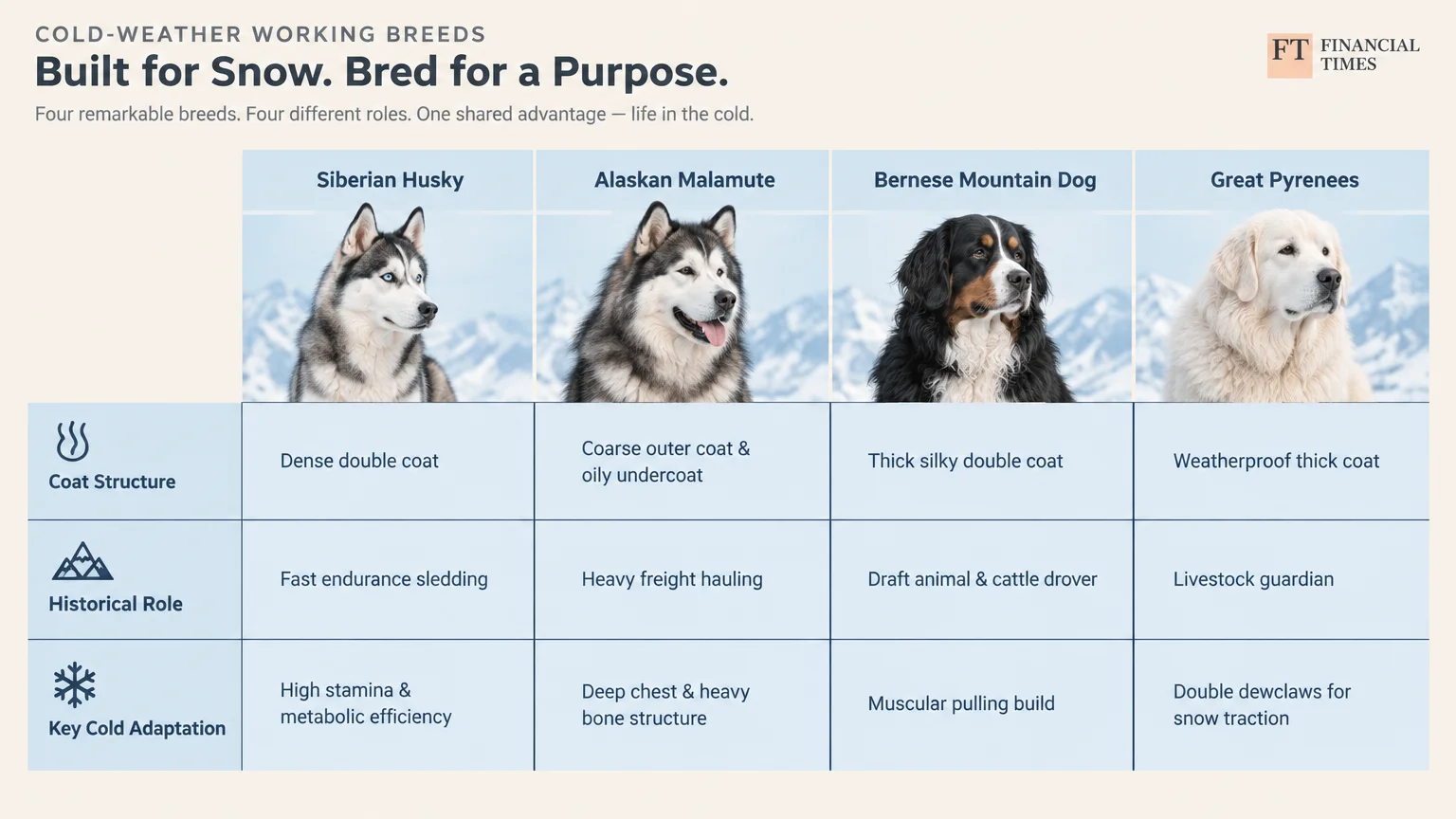
Comparing Cold-Weather Canine Breeds
Every winter dog breed brings unique physical traits and behavioral characteristics to your household. Review this side-by-side comparison to discover which cold-weather companion matches your lifestyle.
| Breed | Origin | Coat Type | Primary Winter Trait | Activity Level |
|---|---|---|---|---|
| Siberian Husky | Siberia | Medium Double | High Endurance Pulling | Very High |
| Alaskan Malamute | United States (Alaska) | Heavy Double | Exceptional Draft Strength | High |
| Samoyed | Siberia | Dense, Woolly Double | Snow-Resistant Smile | High |
| Bernese Mountain Dog | Switzerland | Thick, Silky Double | Drafting and Cold Hiking | Moderate |
| Great Pyrenees | France / Spain | Weather-Resistant Double | Protective Snow Patrol | Moderate |
| Saint Bernard | Switzerland | Dense Short or Long | Alpine Search and Rescue | Moderate |
| Newfoundland | Canada | Oily Water-Resistant Double | Frigid Water Swimming | Moderate |
| Tibetan Mastiff | Tibet (Himalayas) | Heavy Mane Double | High-Altitude Hardiness | Low to Moderate |
| Akita | Japan | Thick, Plush Double | Sure-Footed Snow Trekking | Moderate |
| Norwegian Elkhound | Norway | Weatherproof Double | Vigorous Scent Tracking | High |
| Keeshond | Netherlands | Lush, Stand-Off Double | Agile Cold Scrambling | Moderate |
| Chow Chow | China | Thick Woolly Double | Cold-Wind Insulation | Low to Moderate |
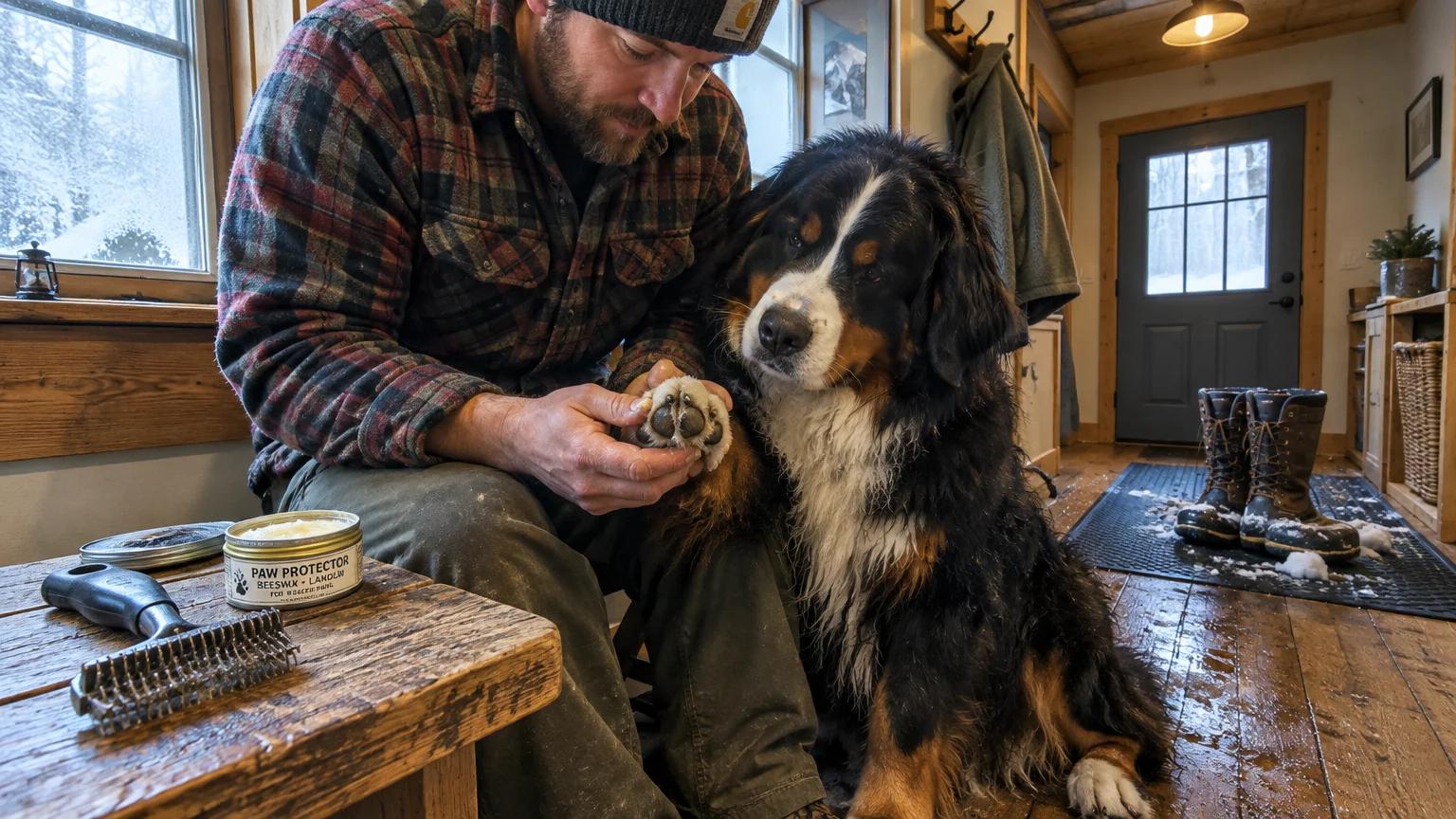
Winter Care: Essential Grooming and Paw Protection
Even northern breeds engineered for sub-zero climates require thoughtful seasonal care. Proper winter maintenance preserves your dog’s natural defenses and prevents uncomfortable grooming complications.
According to the American Society for the Prevention of Cruelty to Animals (ASPCA), routine winter grooming keeps insulating layers free of dirt and mats.
- Brush the undercoat weekly: Mats crush the woolly undercoat and destroy its air-trapping insulation.
- Trim paw hair flush: Excess fur between pads collects ice balls that cause painful skin tears.
- Apply protective paw balm: Food-grade waxes seal paw pads against toxic chemical deicers and coarse salt.
- Never shave a double coat: Shaving strips their built-in thermal protection, exposing skin to extreme cold.
- Towel dry thoroughly after walks: Melting slush trapped against skin creates hypothermia risks once dogs rest indoors.
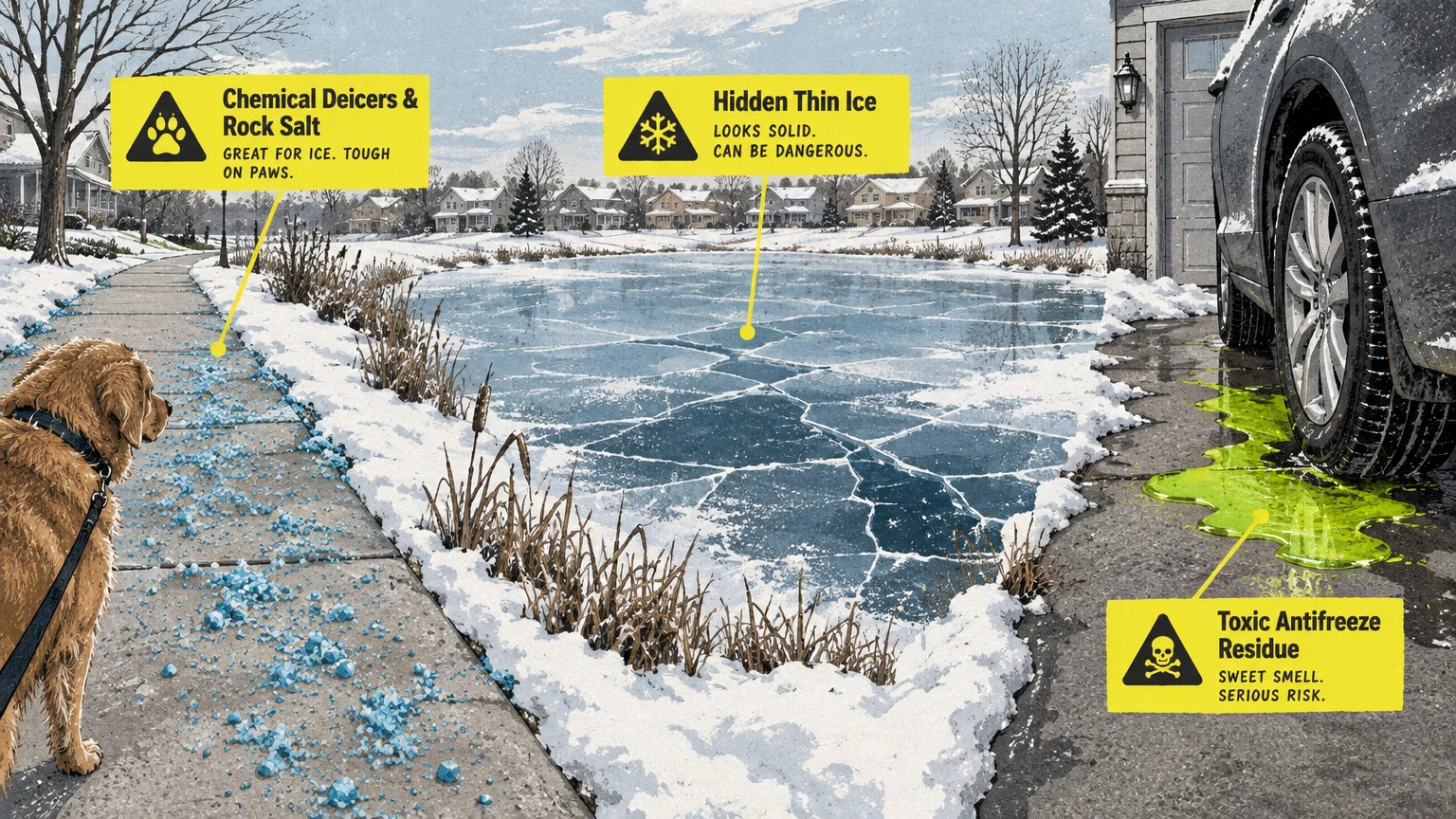
Things to Watch Out For: Winter Hazards for Cold-Tolerant Dogs
High cold tolerance does not grant absolute immunity from winter hazards. Pet parents often make dangerous assumptions about their dog’s cold resistance during severe weather events.
Chemical ice melters present an acute toxic hazard on suburban sidewalks. Rock salt can irritate sensitive paw pads and cause severe gastrointestinal distress if your dog licks their feet.
Eating excessive snow causes rapid drops in internal core body temperature. Furthermore, roadside snowbanks frequently contain hidden anti-freeze, motor oil, and sharp discarded debris.
Freezing temperatures also stiffen joint fluid and exacerbate existing arthritis. Even mountain dogs with lush coats suffer painful joint inflammation when lying on frozen concrete surfaces for extended periods.
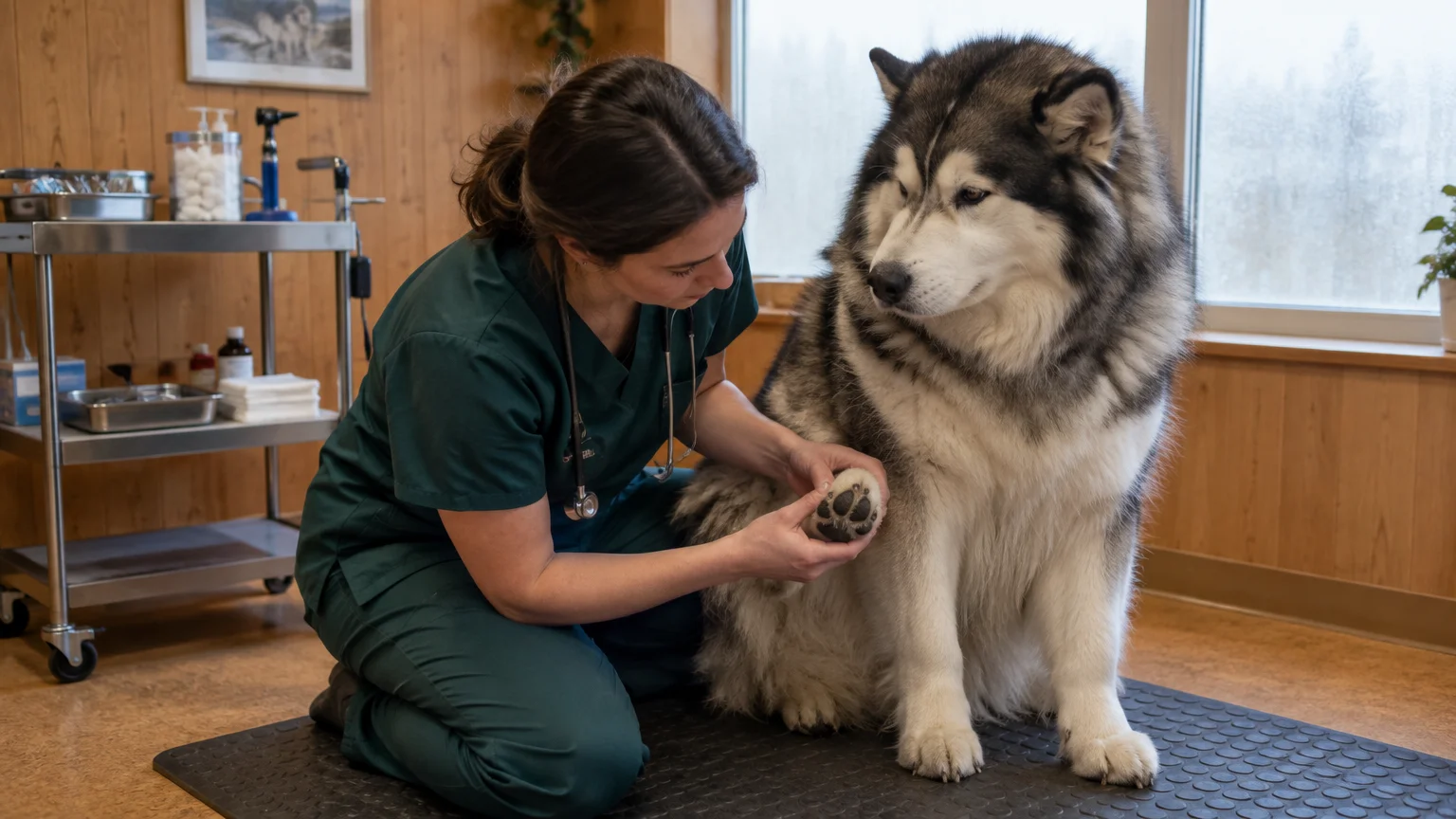
When DIY Isn’t Enough: Navigating Winter Veterinary Concerns
While standard winter care remains manageable at home, certain cold-weather injuries demand prompt professional medical attention. Knowing when to visit an emergency clinic protects your dog from permanent tissue damage.
Veterinary guidance from the American Veterinary Medical Association (AVMA) warns that hypothermia and frostbite develop insidiously. Cold, pale, or brittle ear tips and scrotal tissue require urgent clinical assessment.
Seek immediate veterinary evaluation if your companion displays uncoordinated walking, severe lethargy, or shallow breathing after winter exposure. Cracked, bleeding paw pads that resist topical balm also require prescription antiseptic therapy.
Frequently Asked Questions
Can cold-weather dog breeds live comfortably in warm climates?
They can adapt with careful management, but hot climates require substantial adjustments. You must provide continuous air conditioning, shade, and fresh water during summer months.
Exercise them strictly during cool early mornings or late evenings. Never shave their double coat, as it insulates against summer heat just as it blocks winter cold.
Do double-coated winter breeds need to wear a dog coat or sweater?
Most healthy northern breeds do not need coats or sweaters during typical winter outings. Their dense double fur traps warm air far more efficiently than synthetic apparel.
However, senior dogs or those suffering from arthritis may appreciate an extra layer in freezing rain. Monitor your pet for shivering to determine if they need added protection.
At what temperature is it too cold for winter-loving dogs?
Most cold-hardy breeds comfortably handle temperatures down to 10°F to 20°F (-12°C to -7°C) during active exercise. Highly conditioned Arctic working dogs can tolerate sub-zero temperatures with ease.
When temperatures plummet below zero, monitor their extremities and bring them indoors after play sessions. Dampness and windchill dramatically increase hypothermia risks regardless of breed hardiness.
Why do snowballs stick to dog fur, and how can you prevent them?
Body heat melts falling snow, which then refreezes into hard ice clusters around the outer guard hairs. These heavy ice balls tug painfully on delicate skin as your dog moves.
You can prevent ice accumulation by trimming long hair around paws and applying a light layer of pet-safe coconut oil to leg feathering before snowy excursions.
Sharing the winter season with a snow-loving canine transforms dreary blizzards into thrilling outdoor expeditions. When you pair their natural evolutionary adaptations with attentive paw care and hydration, your winter companion will truly thrive.
This article provides general information only; every reader’s situation is different—what works for others may not be the right fit for you. For personalized guidance on health, legal, or financial matters, consult a qualified professional.
Last updated: May 2026. Rules, prices, and details change—verify current information with official sources before acting on it.