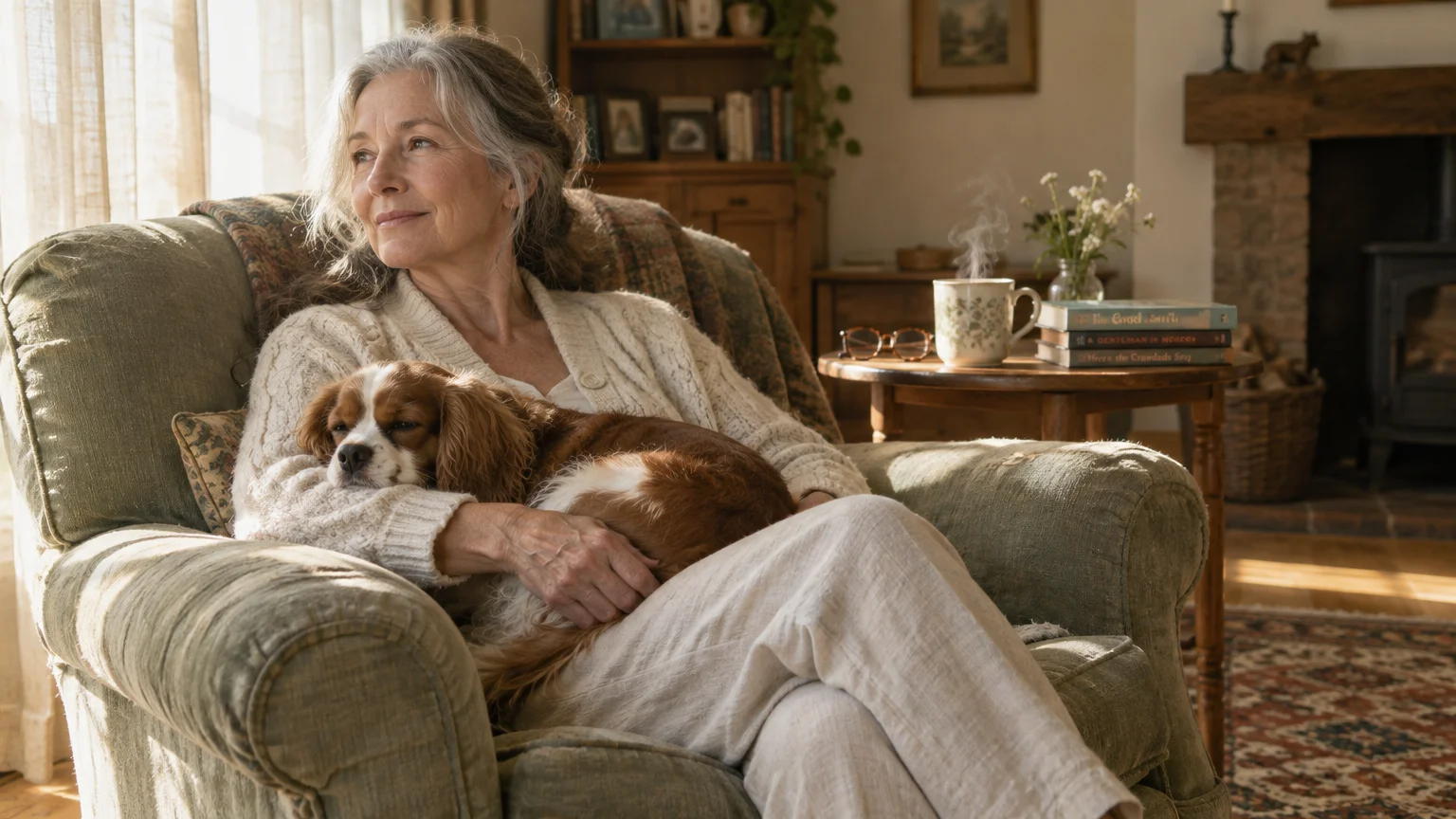
Retirement gives you the gift of open time, and curling up with a gentle companion makes quiet afternoons even sweeter. The right canine friend brings steady warmth, predictable routine, and unconditional loyalty straight to your favorite armchair.
Choosing a small dog ensures manageable walking, effortless lifting, and comfortable living in spaces of any size. From calm cuddle bugs to spirited sidekicks, these petite breeds match a relaxed pace of life.
Data confirms that the human-animal bond runs deep. Research shows over half of older adults share their homes with pets, gaining measurable physical vitality and emotional comfort every single day.
Science-Backed Perks of Canine Companionship
Sharing your retirement years with a four-legged friend improves your physical health and daily emotional outlook. Daily walks keep you moving, while gentle cuddle sessions lower stress hormones.
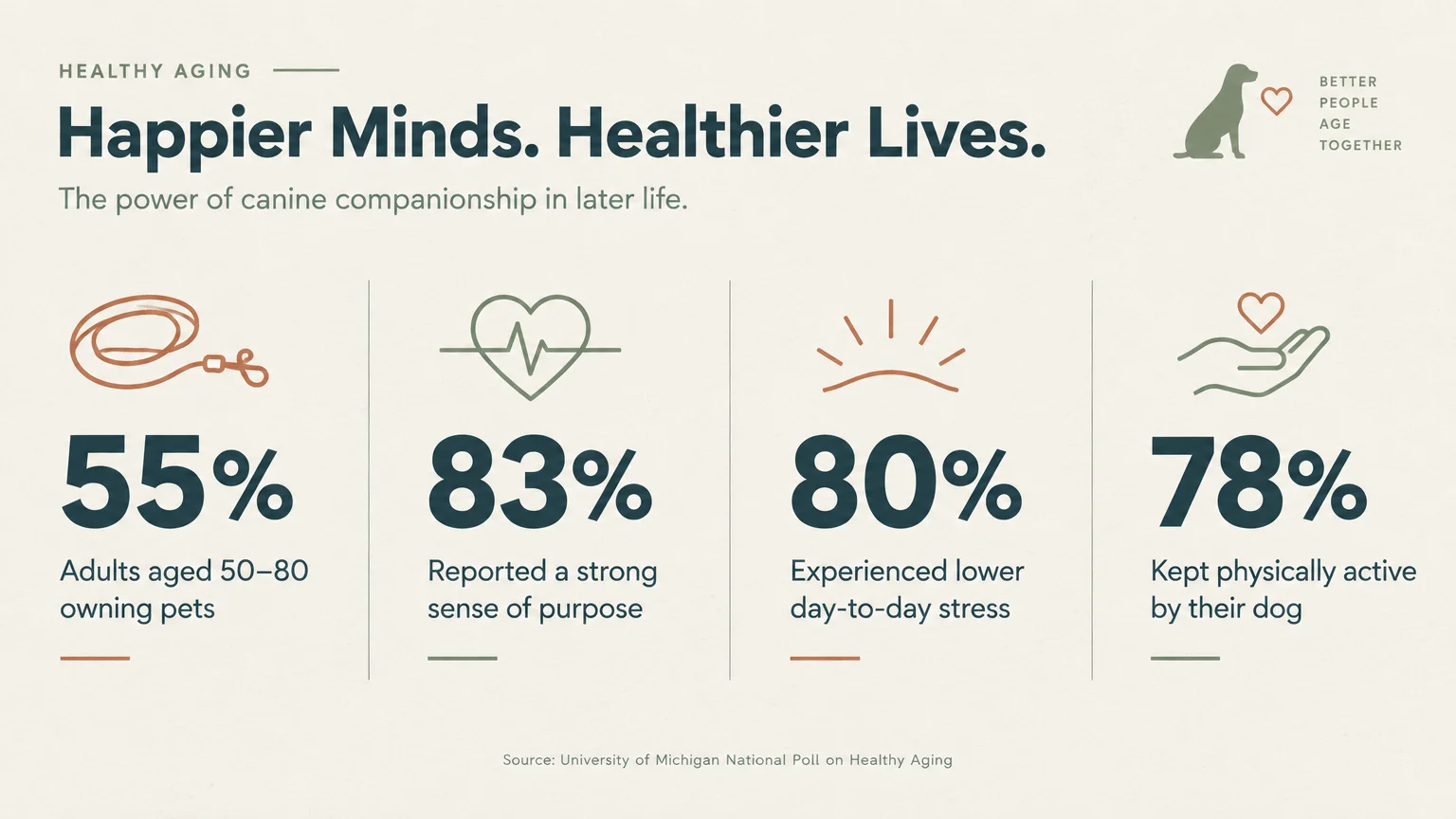
According to the University of Michigan National Poll on Healthy Aging, 55 percent of adults aged 50 to 80 own at least one pet. Among those pet parents, dogs represent 68 percent of animal companions.
The survey revealed striking benefits for older pet owners. An overwhelming 83 percent reported their pets give them a strong sense of purpose, while 80 percent experienced lower day-to-day stress.
In addition, 78 percent of dog owners noted that their pets keep them physically active. Stepping outside for gentle potty breaks creates a reliable, healthy morning rhythm.
Beyond fitness, lap dogs act as social catalysts. Walking a friendly pup sparks conversations with neighbors and wards off feelings of social isolation.
Financial Planning: Budgeting for a Small Dog on a Fixed Income
Managing finances carefully is a reality for most retirees living on fixed incomes or pension distributions. Fortunately, small dogs cost significantly less to maintain over their lifetimes than larger breeds.
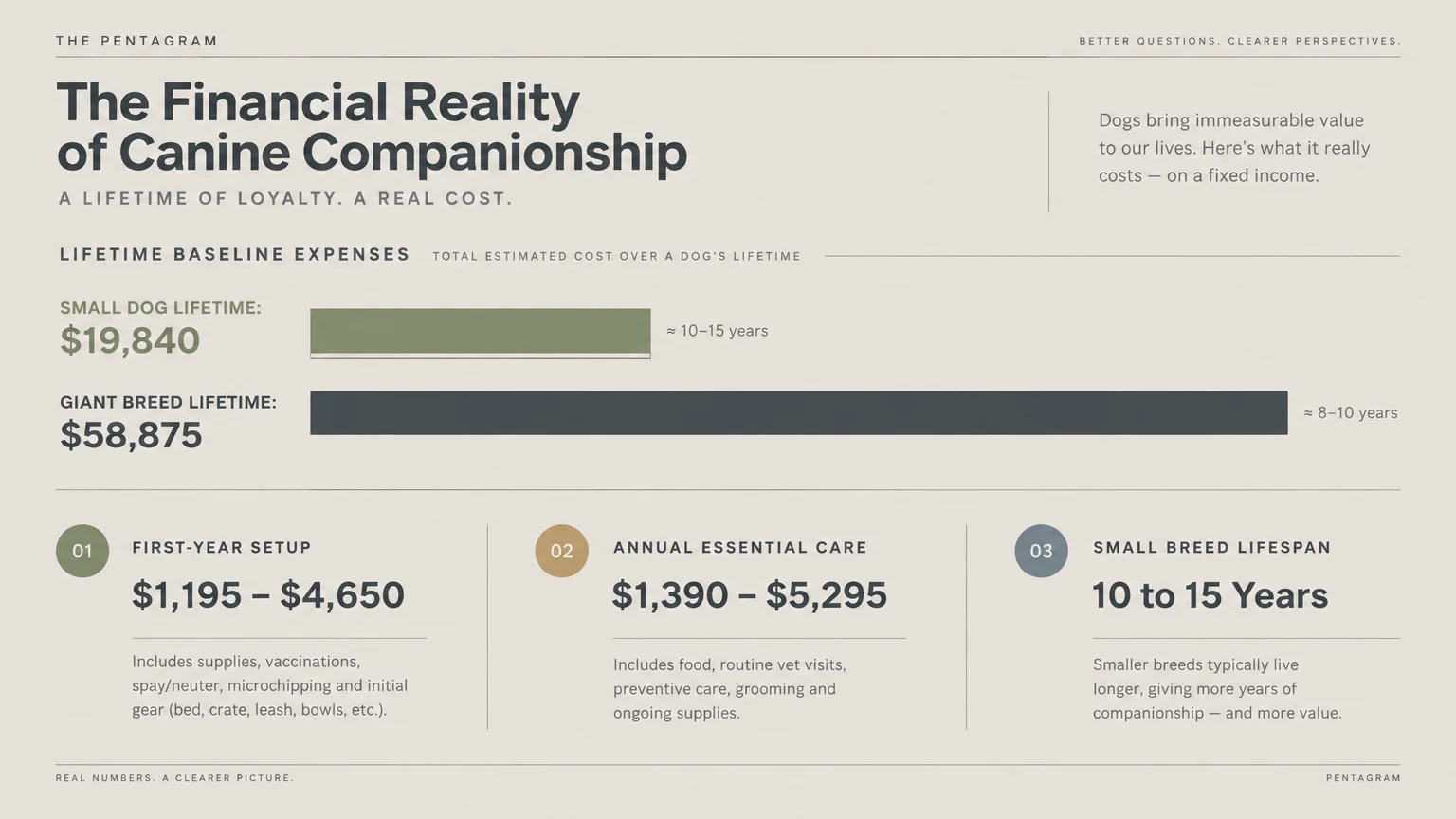
Data from the Rover Cost of Pet Parenthood study indicates essential ongoing care for a dog ranges between $1,390 and $5,295 per year. Food volume and grooming frequency heavily shape that range.
First-year setup costs—including adoption fees, initial vaccinations, crate, and microchipping—typically total between $1,195 and $4,650. Budgeting for these upfront investments prevents unexpected fiscal surprises.
Over an average 10- to 15-year lifespan, baseline care for a small dog starts around $19,840. By contrast, giant breeds can demand up to $58,875 over their lives.
Small dogs eat modest portions of kibble and require lower medication dosages at the vet clinic. That built-in financial advantage makes petite breeds an exceptionally smart choice for retirees.
What Makes an Ideal Lap Dog for Seniors?
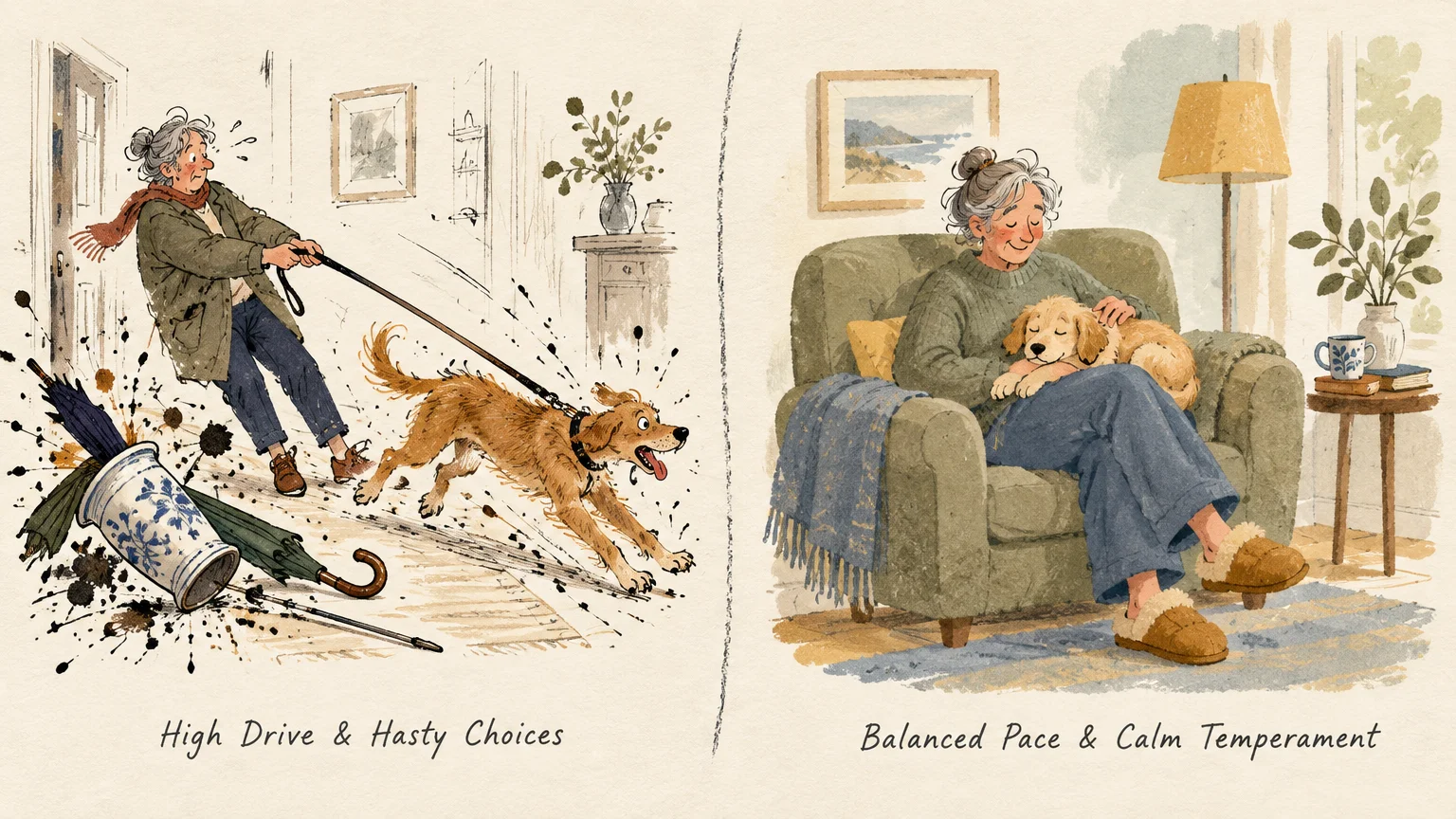
Not every small dog automatically fits a calm retirement lifestyle. High-drive hunting terriers and hyperactive toy breeds may demand more chasing and physical control than you prefer.
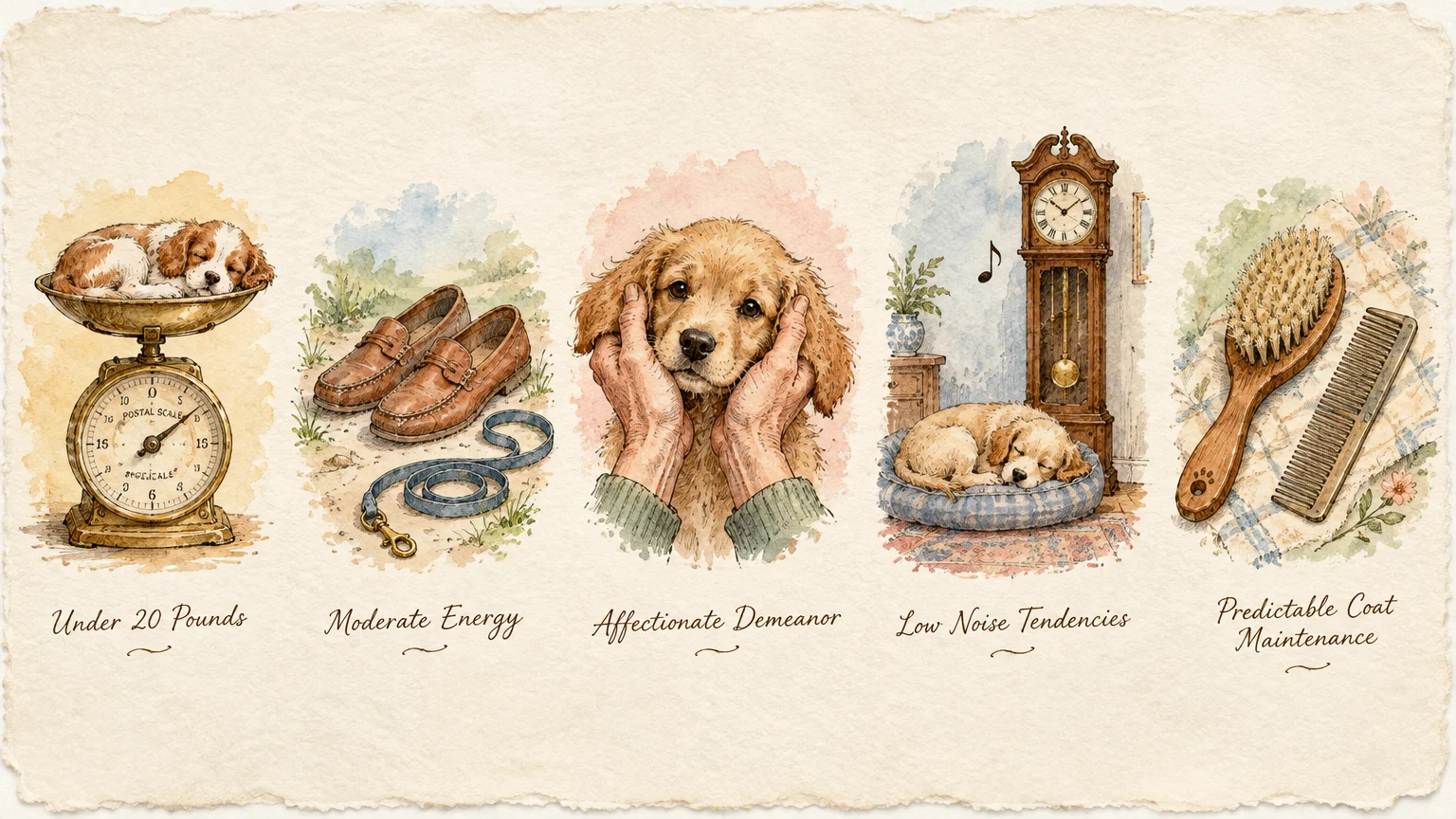
The most dependable companion dogs share specific temperamental and physical traits. Look for these qualities when evaluating which breed aligns with your living space:
- Manageable Weight: Staying under 20 pounds makes carrying, bathing, and vet visits physically easy.
- Moderate Energy Levels: Choosing dogs satisfied by short strolls prevents physical fatigue.
- Affectionate Demeanor: Natural instincts to cuddle provide emotional fulfillment during quiet indoor hours.
- Low Noise Tendencies: Minimal barking protects peace of mind and keeps condominium neighbors happy.
- Predictable Coat Maintenance: Coat types that match your monthly grooming budget and hand dexterity.
Assessing these factors upfront ensures you welcome a companion whose daily energy mirrors your own peaceful routine.

12 Small Dog Breeds Perfect for a Retiree’s Lap
1. Cavalier King Charles Spaniel
Cavalier King Charles Spaniels represent the quintessential royal lap companion. Breeders originally developed them specifically to warm regal laps through chilly English winters.
Weighing between 13 and 18 pounds, Cavaliers offer a soft, melting expression and naturally gentle manners. They love nothing more than snuggling against you while you read or watch television.
Their silky coat requires brushing a few times each week to prevent tangles around the ears and legs. Short, leisurely strolls around the neighborhood fully satisfy their modest exercise needs.
According to the American Kennel Club, their average lifespan spans 12 to 15 years, offering long-lasting companionship.
2. Shih Tzu
Shih Tzus were bred centuries ago as cherished indoor companions for Chinese emperors. Their name means “little lion,” but their temperament is sweet, affectionate, and profoundly docile.
Typically weighing 9 to 16 pounds, these sturdy dogs adapt instantly to apartment living and quiet lifestyles. They do not demand intense exercise, thriving instead on playful indoor romps and cuddles.
You can clip their luxurious double coat into a practical “puppy cut” every six weeks to minimize brushing. They enjoy an impressive life expectancy of 10 to 18 years.
3. French Bulldog
The French Bulldog currently holds the top spot on the American Kennel Club most popular dog breeds list. Their comical bat ears and affectionate personalities capture hearts across every generation.
Frenchies stay quiet and rarely bark without reason, making them wonderful neighbors in retirement communities. Because they weigh under 28 pounds, they are easy to lift and manage.
Their short coat requires almost no complex grooming beyond routine wipe-downs of their facial wrinkles. Their moderate build and low endurance mean they prefer resting beside you over strenuous outdoor treks.
With an average lifespan of 10 to 12 years, Frenchies excel at providing calm, sturdy companionship.
4. Bichon Frise
If you struggle with seasonal allergies, the Bichon Frise provides a welcome breath of fresh air. Their plush, hypoallergenic white coat produces minimal dander and sheds very little around your furniture.
Weighing 12 to 18 pounds, Bichons greet the world with a cheerful disposition and radiant charm. They carry an average life expectancy of 14 to 15 years.
Professional grooming every four to six weeks keeps their curly fleece clean and velvety soft. In return, you receive a devoted shadow who delights in resting peacefully across your knees.
5. Pug
Pugs live by the Latin motto multum in parvo, which translates to “a lot of dog in a small space.” Weighing 14 to 18 pounds, they pack immense devotion into a compact frame.
Their charming, expressive faces and comical antics provide steady laughter throughout your retirement days. Pugs thrive in climate-controlled indoor comfort, lounging contentedly beside their favorite humans for hours.
With a typical lifespan of 13 to 15 years, Pugs bond deeply with single owners and quiet households. You only need to wipe their facial folds regularly to keep their skin healthy.
6. Maltese
Tipping the scales at under 7 pounds, the Maltese is one of the smallest toy breeds on Earth. They fit naturally onto any lap and travel effortlessly inside a shoulder tote.
Despite their aristocratic white coat, Maltese are remarkably sturdy and spirited companions. They shower their guardians with boundless affection and respond sensitively to your moods.
Keeping their hair trimmed short makes home care straightforward and quick. They enjoy a long lifespan of 12 to 15 years, filling your days with steady, peaceful comfort.
7. Havanese
As the national dog of Cuba, the Havanese charms everyone with an elastic spring in its step. These sociable pups weigh between 7 and 13 pounds and possess rich, silky coats.
They earned the nickname “velcro dog” because they prefer staying glued right to your side. When you settle into your armchair, your Havanese will curl up without hesitation.
Havanese are exceptionally bright and eager to please, making positive reinforcement training a pure pleasure. They boast an average lifespan of 14 to 16 years.
8. Pomeranian
Pomeranians pack huge personalities into tiny, fox-like bodies weighing just 3 to 7 pounds. Their buoyant spirit brings lively energy into your living room without exhausting your physical stamina.
Poms possess a thick double coat that needs brushing two or three times a week. Because of their tiny size, quick strolls and indoor games fulfill their daily exercise needs.
They love perching on laps or cushions, keeping a watchful, loving gaze on their favorite human. With proper veterinary care, Pomeranians routinely live 12 to 16 vibrant years.
9. Yorkshire Terrier
Yorkshire Terriers weigh under 7 pounds but possess the brave, inquisitive heart of a true terrier. They provide spirited companionship while remaining compact enough to hold with one hand.
Yorkies feature a fine, human-like hair coat that sheds minimally, keeping your sofa free of stray fur. Regular clipping keeps their grooming routine simple and hassle-free.
These loyal companions form intense bonds with their primary caregivers and eagerly protect your lap during afternoon naps. You can expect 11 to 15 years of lively companionship.
10. Boston Terrier
Boston Terriers earned the title “The American Gentleman” thanks to their dapper tuxedo markings and polite demeanor. They weigh between 12 and 25 pounds, offering a solid yet manageable cuddle partner.
Their short, smooth coat requires virtually no maintenance beyond a quick weekly brushing. They walk nicely on a leash and settle down quickly once you return indoors.
Bostons rarely bark excessively, which suits quiet condo living and shared retirement communities. They enjoy a typical life expectancy of 11 to 13 years.
11. Japanese Chin
Japanese Chins were bred strictly for nobility, serving as aristocratic lap warmers in Asian royal courts. Weighing between 4 and 9 pounds, they carry a distinctly refined, cat-like poise.
These gentle dogs love perching on sofa backs and draping themselves softly over your lap. They wash their faces with their paws and maintain immaculate personal cleanliness.
Their single silky coat does not mat easily, requiring only light brushing twice a week. Japanese Chins typically live 10 to 14 serene, quiet years.
12. Chihuahua
Weighing under 6 pounds, the Chihuahua holds the crown as the world’s smallest dog breed. Their tiny stature makes them portable, economical to feed, and effortless to pick up.
Chihuahuas form fiercely devoted attachments to their guardians, often choosing one special person to adore endlessly. They burrow beneath blankets and press tightly against you for warmth.
With a remarkable life expectancy of 14 to 16 years, Chihuahuas make enduring friends for your retirement journey. They require only minimal daily walking to stay fit and happy.
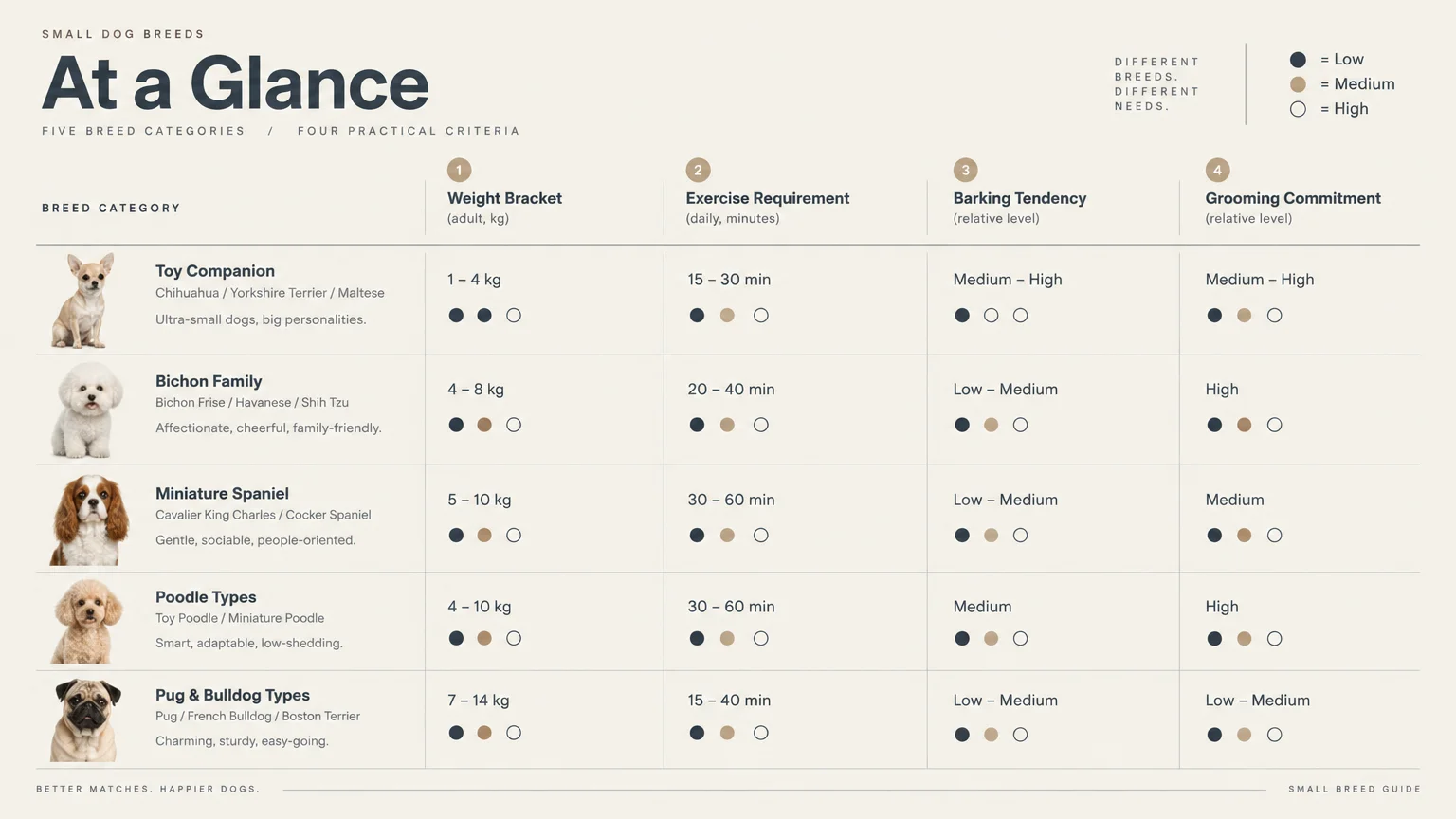
Lap Dog Breed Comparison Table
| Breed | Standard Weight | Grooming Needs | Energy Level | Average Lifespan |
|---|---|---|---|---|
| Cavalier King Charles Spaniel | 13–18 lbs | Moderate (brushing weekly) | Low to Moderate | 12–15 years |
| Shih Tzu | 9–16 lbs | High (or short trim) | Low | 10–18 years |
| French Bulldog | Under 28 lbs | Low (skin fold wipes) | Low | 10–12 years |
| Bichon Frise | 12–18 lbs | High (professional cuts) | Moderate | 14–15 years |
| Pug | 14–18 lbs | Low to Moderate | Low | 13–15 years |
| Maltese | Under 7 lbs | High (or short trim) | Low to Moderate | 12–15 years |
| Havanese | 7–13 lbs | Moderate to High | Moderate | 14–16 years |
| Pomeranian | 3–7 lbs | Moderate (double coat) | Moderate | 12–16 years |
| Yorkshire Terrier | Under 7 lbs | Moderate to High | Moderate | 11–15 years |
| Boston Terrier | 12–25 lbs | Low (wash and wear) | Moderate | 11–13 years |
| Japanese Chin | 4–9 lbs | Low to Moderate | Low | 10–14 years |
| Chihuahua | Under 6 lbs | Low | Low to Moderate | 14–16 years |
Common Mistakes to Avoid When Choosing a Senior Companion
Welcoming a new pet should enhance your retirement, not introduce unneeded stress or physical strain. Sidestep these common pitfalls to make sure your match is a lasting success:
Underestimating Professional Grooming Costs: Breeds like Bichons and Shih Tzus need haircuts every four to six weeks. Budget roughly $60 to $100 per salon visit, or practice safe home trimming with rounded clippers.
Adopting a High-Energy Puppy: Puppies demand midnight potty outings, constant supervision, and vigorous chew training. Consider adopting a calm adult dog aged three or older whose personality is already established.
Overlooking Fragility and Fall Hazards: Tiny toy breeds under 5 pounds easily slip underfoot in dimly lit hallways. Attach a small bell to your dog’s collar so you always know their location while walking through the house.
Skipping Preventive Veterinary Care: Small dogs are notoriously prone to dental tartar and periodontal disease. Establishing an annual dental cleaning routine prevents painful mouth infections and saves money on tooth extractions.
Expert Input: Matching With the Right Pet
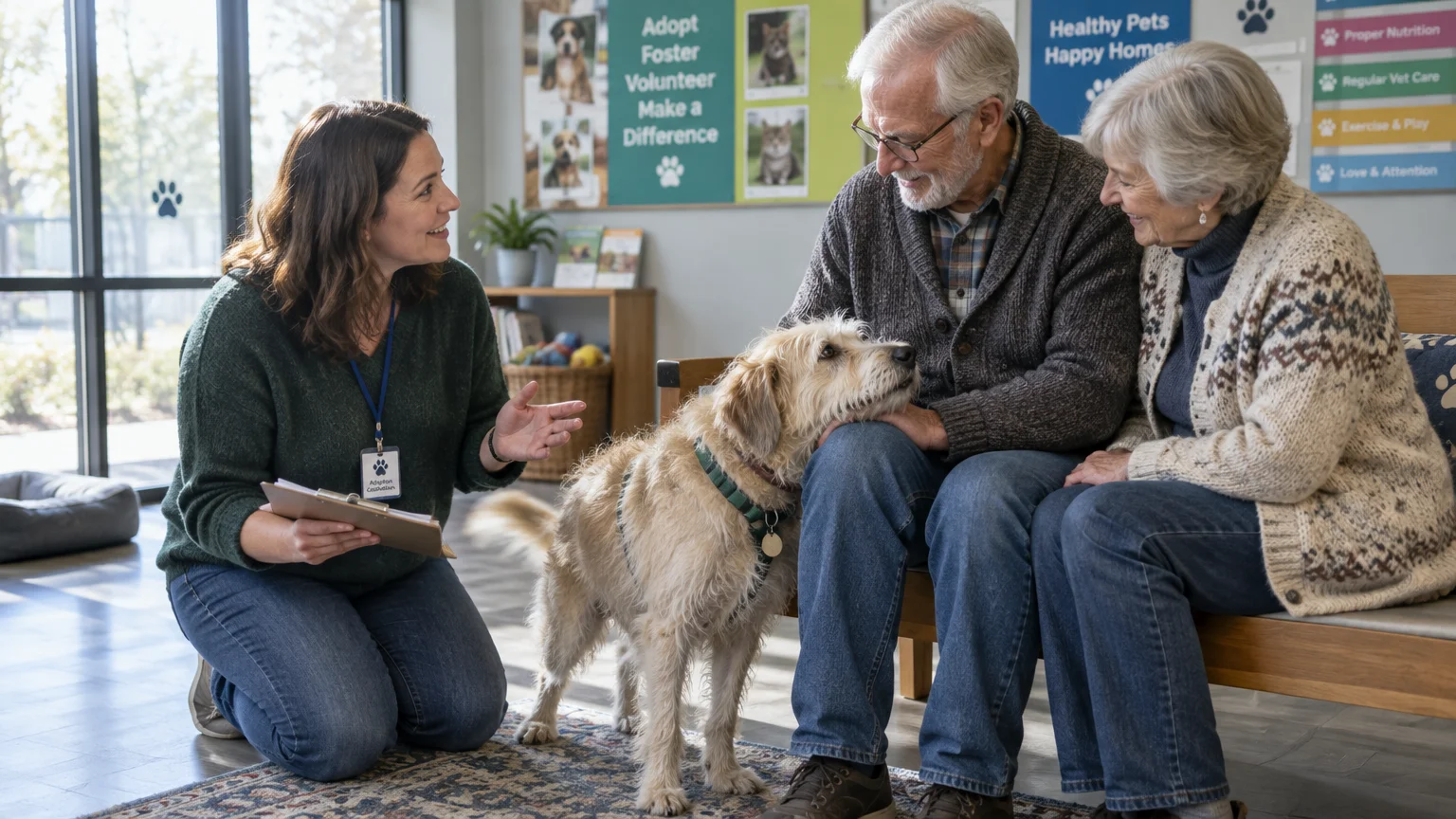
Finding the right dog involves evaluating your personal mobility, housing rules, and support system. A realistic look at your lifestyle helps you select the right companion without regrets.
Reach out to breed-specific rescues that utilize foster homes. Foster volunteers observe dogs in home environments and can tell you precisely how much a dog barks, cuddles, or walks.
If purchasing from a breeder, verify they perform recommended genetic screenings for heart, eye, and patella issues. Reputable breeders answer questions willingly and provide official health certifications.
Finally, identify a trusted friend, family member, or pet-sitting service before finalizing adoption. Having an emergency care plan gives you peace of mind if travel or unexpected medical procedures arise.
Frequently Asked Questions About Lap Dogs for Retirees
Which small dog breed is the calmest for a retiree’s lap?
The Cavalier King Charles Spaniel and Japanese Chin are widely regarded as the calmest lap companions. Both breeds possess low prey drives and naturally seek tranquil human touch.
Are female or male small dogs better lap companions?
Individual temperament and early socialization matter far more than sex. Once neutered or spayed, both male and female small dogs demonstrate equal devotion, affection, and loyalty to their owners.
How much daily exercise does a small lap dog actually require?
Most small lap dogs require only 20 to 30 minutes of gentle walking each day. Short neighborhood strolls paired with light indoor fetch satisfy their physical and mental stimulation needs.
What small lap dog breed is easiest to groom at home?
Smooth-coated Chihuahuas, Boston Terriers, and French Bulldogs are easiest to maintain at home. They only require weekly brushing with a rubber grooming mitt and occasional nail trims.
Embracing Your Golden Years With a Four-Legged Friend
Bringing a small companion into your retirement home opens the door to years of laughter, warmth, and daily purpose. Whether you choose a sweet Cavalier or a playful Pug, your lap will rarely be empty.
Take your time meeting prospective companions, assessing your lifestyle, and setting up a comfortable environment. The unconditional love waiting for you is well worth every thoughtful preparation step.
The information here is meant for educational purposes. Specific circumstances—including health conditions, finances, location, and goals—may require different approaches.
When in doubt, consult a licensed professional or check official sources directly.
Last updated: May 2026. Rules, prices, and details change—verify current information with official sources before acting on it.