
When your affectionate dog leans in for a warm kiss and delivers a sudden blast of fishy breath, your initial reaction is likely confusion, especially if fish is nowhere on their daily menu.
While canine breath rarely smells like mint, a distinct maritime stink usually points to specific biological triggers ranging from impacted anal glands to hidden oral infections.
Uncovering why your dog’s breath smells like a seafood market helps you spot underlying health issues early and protect your pet’s overall well-being.
By understanding these five surprising causes, you can take practical steps to restore fresh breath and maintain optimal canine dental health.
01 Anal Gland Secretions and Licking Behaviors
The most frequent culprit behind an unexplained fishy odor in a dog’s mouth has nothing to do with the mouth itself.
Dogs possess two small scent glands, known as anal sacs, located inside the rectum at approximately the four o’clock and eight o’clock positions. These glands produce an oily, extremely pungent fluid that carries a strong fishy, metallic, or chemical stench.
In wild canids, this fluid marks territory and communicates individual identity during social interactions.
Normally, your dog expresses these glands naturally whenever they pass a firm stool. However, if the fluid becomes trapped, overly thick, or infected, your dog experiences pressure and discomfort; this discomfort prompts them to lick their rear end obsessively.
When your dog licks their anal area, the foul-smelling secretion coats their tongue and teeth. The volatile organic compounds in the secretion mix with saliva, transferring that potent fishy aroma directly to their mouth.
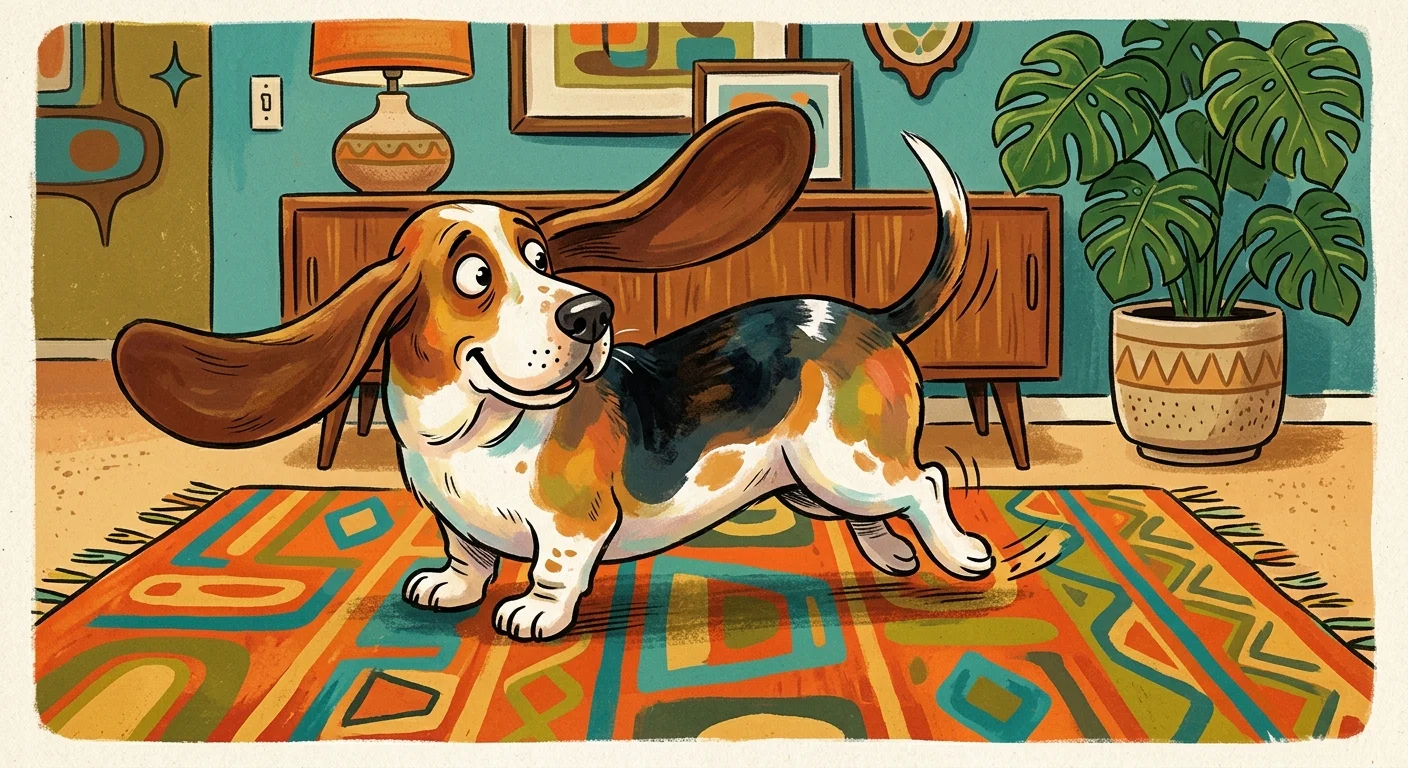
If you notice your dog turning around to lick their tail base frequently, dragging their rear across the floor (known as scooting), or leaving small moist spots on furniture, full anal glands are almost certainly the source of their bad breath.
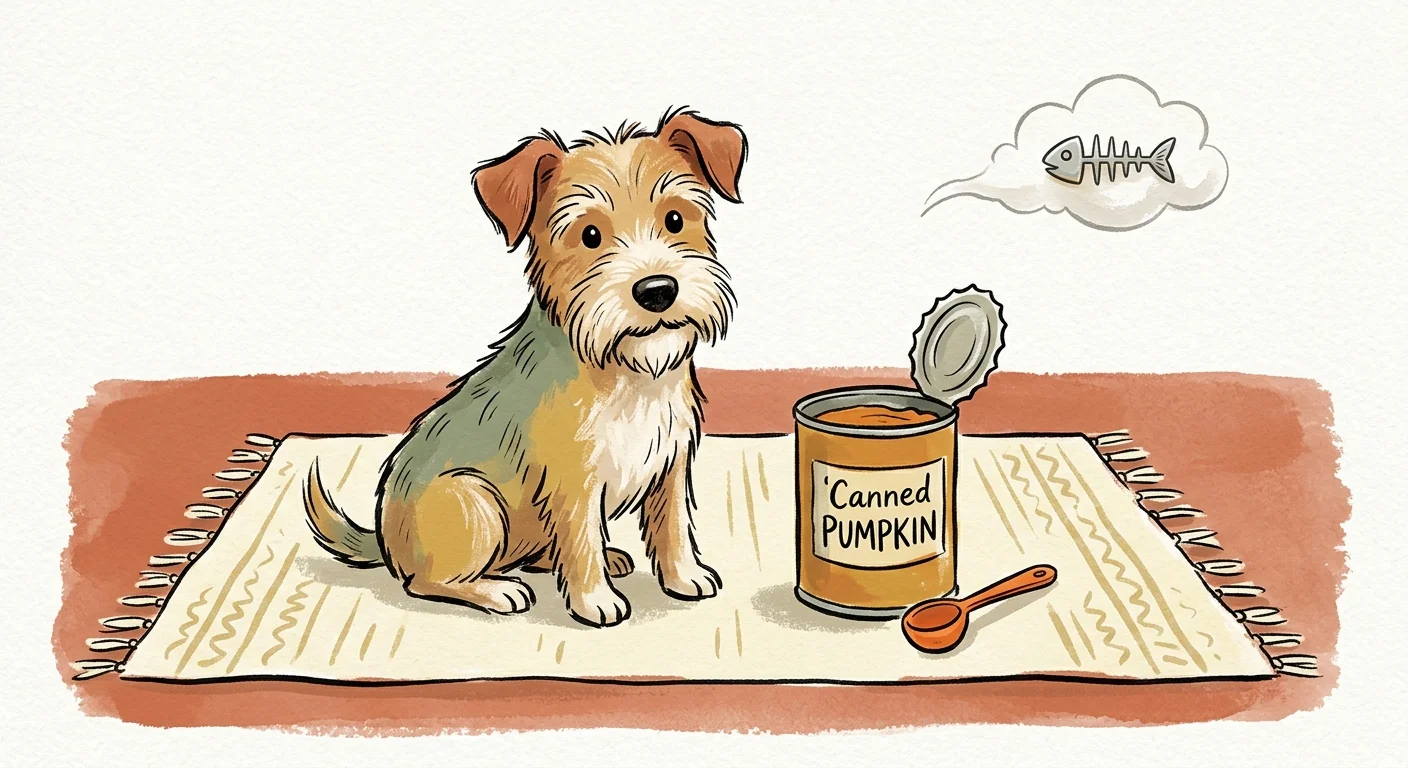
Adding dietary fiber—such as plain canned pumpkin or specific veterinary fiber supplements—helps firm up their stool, which encourages natural gland expression during bowel movements.
02 Advanced Periodontal Disease and Anaerobic Bacteria
A second major cause of fishy breath involves the complex microbial ecosystem living inside your dog’s mouth.
According to veterinary dental research highlighted by the American Veterinary Medical Association, over 80% of dogs show signs of canine dental health issues by the time they reach three years of age.
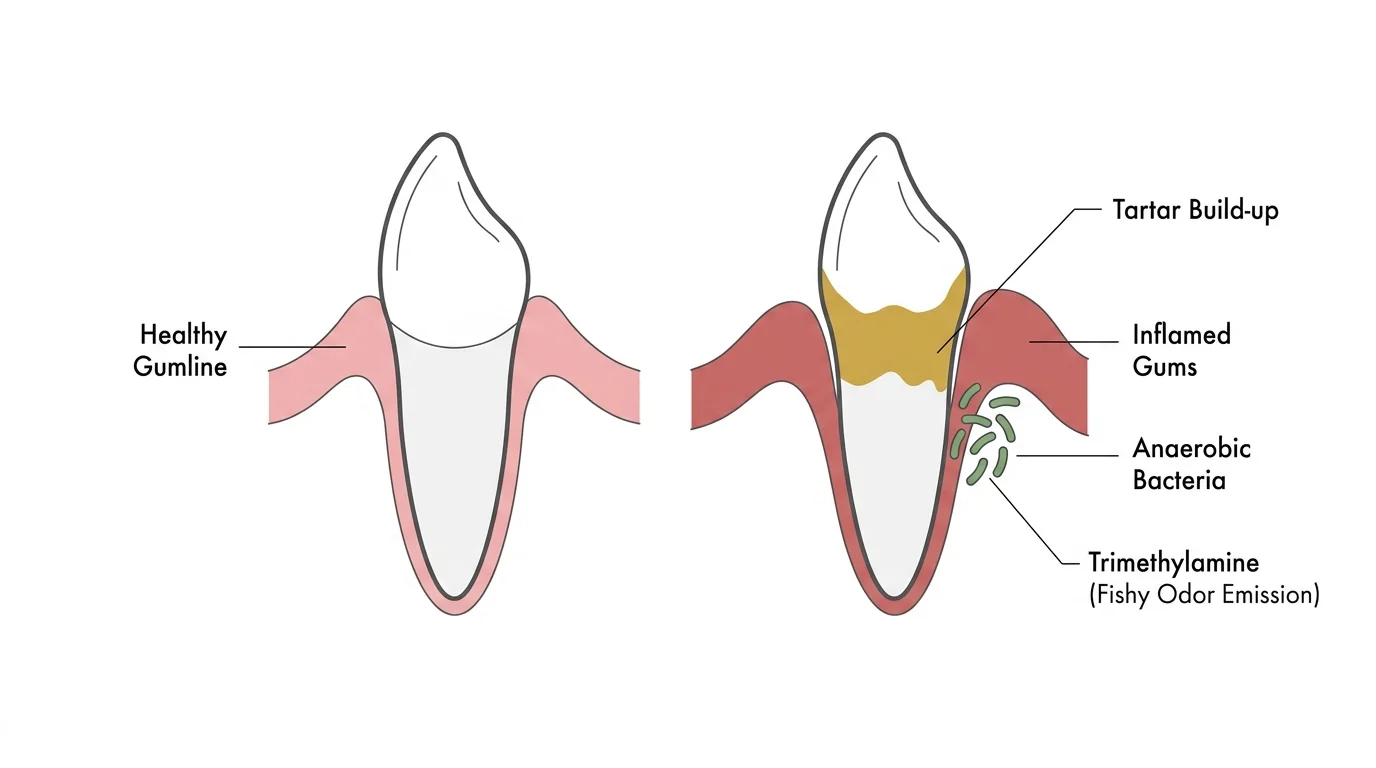
When plaque builds up on teeth, it hardens into tartar, creating ideal oxygen-deprived pockets under the gumline where anaerobic bacteria thrive.
These anaerobic bacteria consume proteins found in leftover food particles, shed mouth cells, and blood. As they metabolize these proteins, they release volatile sulfur compounds alongside organic amine molecules such as trimethylamine, putrescine, and cadaverine.
Trimethylamine is the exact organic compound responsible for the smell of decomposing fish; when present in high concentrations inside inflamed gum pockets, it gives your dog’s mouth a unmistakably fishy odor.
Periodontal disease does not just smell bad—it destroys the underlying bone structures supporting your dog’s teeth. Chronic oral inflammation allows bacteria to enter the bloodstream, potentially placing stress on internal organs like the heart and kidneys.
Establishing a consistent routine focused on pet oral hygiene stops this bacterial proliferation before it degrades tissue and causes severe discomfort.
“Bad breath in dogs is not just an aesthetic nuisance; it is often the primary outward indicator of active oral inflammation, bacterial infection, or underlying systemic illness that requires professional evaluation.”
03 Dietary Fish Oils, Omega-3 Supplements, and Oxidation
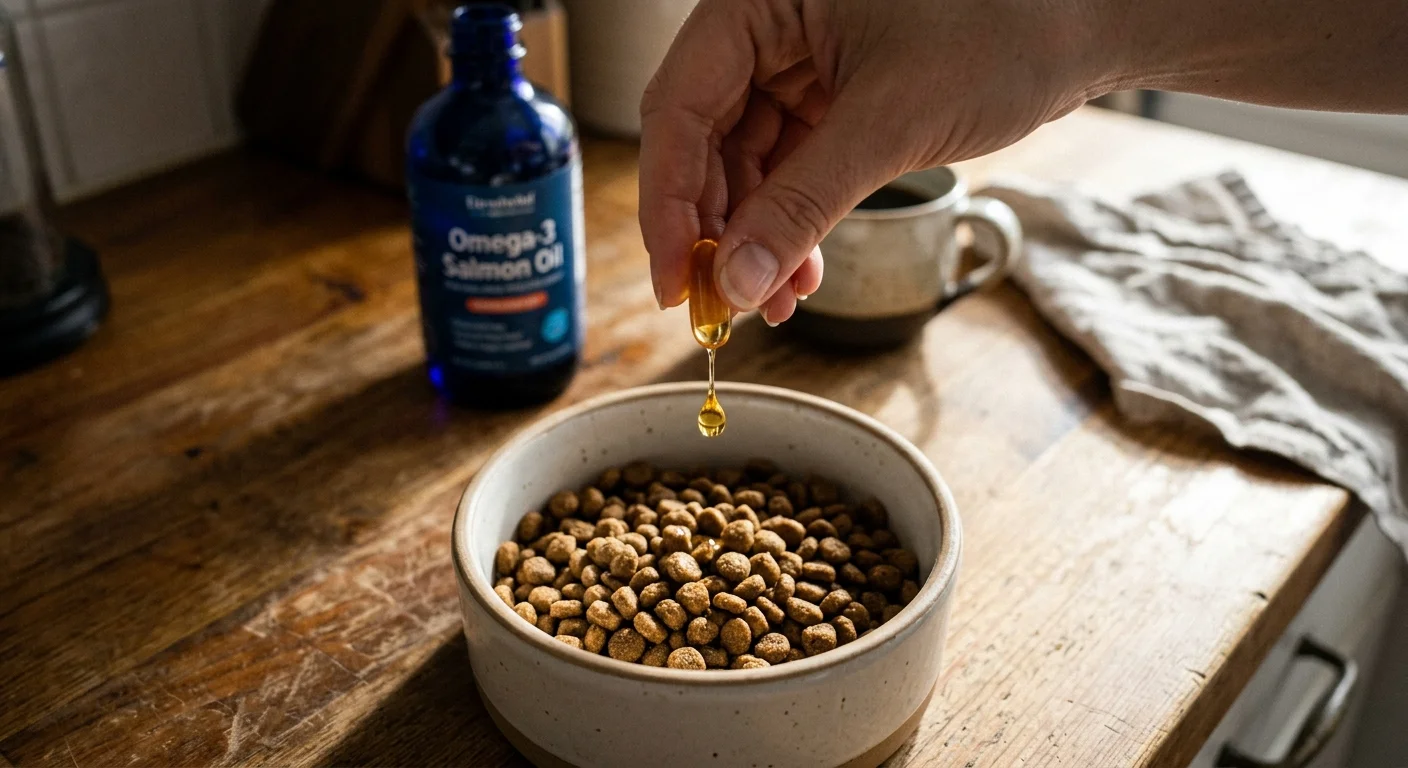
If you supplement your dog’s food with salmon oil, krill oil, or specialized omega-3 fatty acids to improve joint health or coat texture, the source of the stink might sit right on top of their kibble.
While these fatty acids provide exceptional anti-inflammatory benefits, residual oil easily coats the papillae on your dog’s tongue, their lip folds, and the fur around their muzzle.
The situation worsens when omega-3 supplements oxidise. Polyunsaturated fatty acids react quickly with oxygen, heat, and light, causing the oil to go rancid.
Rancid fish oil yields a concentrated, stale, rotting fish smell that clings stubbornly to oral tissue and fur. Even high-quality commercial dog foods that list fish meal or salmon as primary ingredients can leave behind aromatic compounds that linger long after mealtime.
To determine if dietary oils are causing dog bad breath causes, inspect your supplement bottles for rancidity—rancid oil often turns cloudy, thick, or unusually dark—and store liquid oils in the refrigerator.
Wiping your dog’s muzzle with a warm, damp cloth after meals and offering fresh water helps flush away remaining oil residues before they oxidise inside the mouth.
04 Internal Organ Pathology: Kidney and Liver Dysfunction
Sometimes a fishy or ammonia-like breath points to deeper metabolic disturbances inside the body. Your dog’s kidneys and liver act as primary filtration systems, breaking down metabolic waste and excreting toxins.
When these organs fail to function efficiently, waste products build up in the bloodstream and leak into secretions like saliva and breath.
In cases of renal impairment or kidney disease, the body cannot filter urea properly. The excess blood urea nitrogen (BUN) circulates throughout the body and breaks down into ammonia and related nitrogenous compounds inside the oral cavity.
This creates a sharp, fishy, or chemical breath odor often described as uremic breath. In clinical resource guides published by VCA Animal Hospitals, systemic disorders like renal failure and hepatic disease are recognized as major metabolic causes of severe halitosis in pets.
Similarly, liver disease prevents the proper breakdown of toxic compounds, producing a distinct, musty, or sweet fishy odor known as fetor hepaticus. If organ dysfunction is causing your dog’s breath to smell like fish, you will typically observe systemic symptoms alongside the smell, including:
- Increased daily water consumption and frequent urination
- Unexplained weight loss or loss of appetite
- Lethargy, weakness, or unusual tiredness
- Vomiting or soft, discolored stools
- Pale, yellowed, or dark pink gums
05 Trapped Foreign Objects, Tissue Necrosis, and Gut Reflux
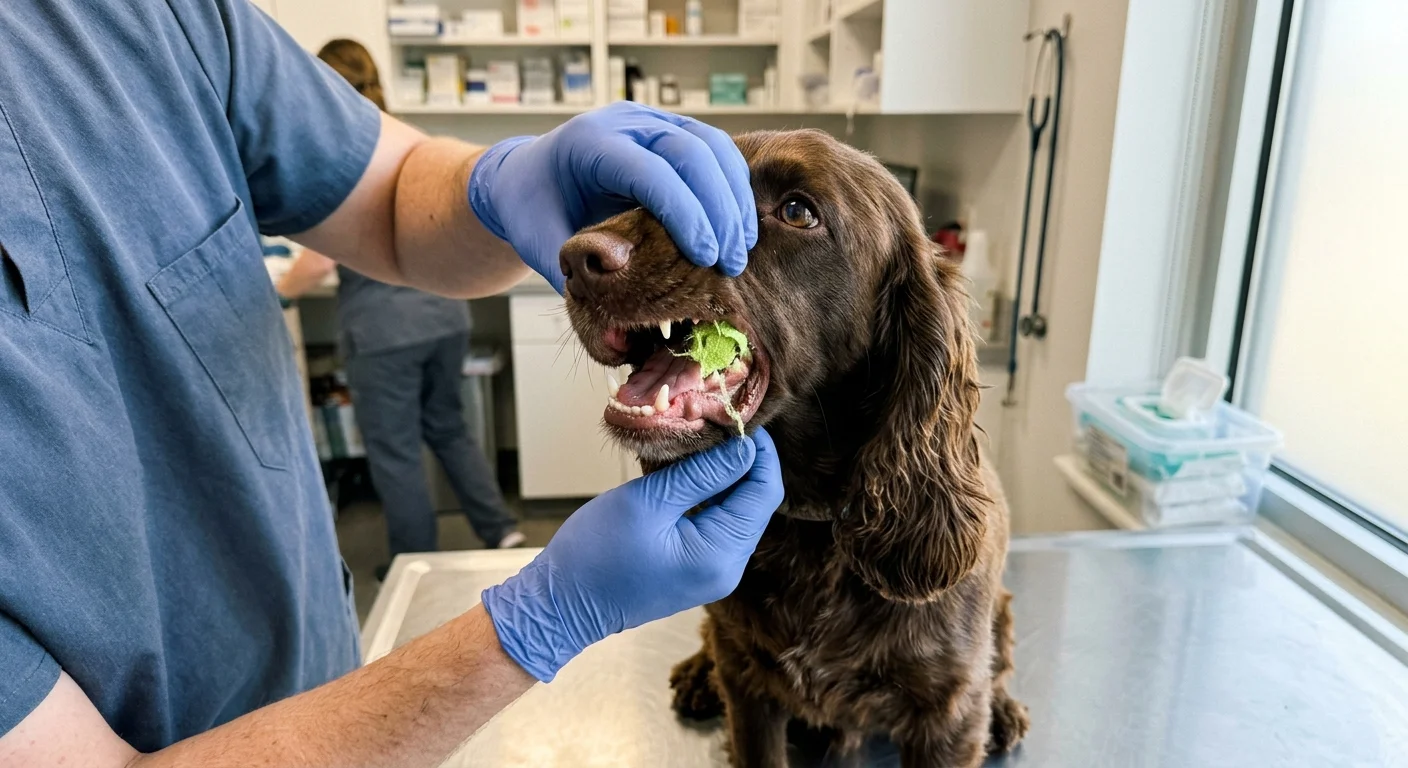
Dogs explore the world with their mouths, which frequently exposes them to foreign objects like small sticks, splintered bones, fabric threads, and rubber chew pieces.
These items can easily become wedged between the upper molars, lodged tightly across the roof of the mouth, or embedded deep within cheek pockets.
Once trapped, the object cuts off circulation to localized mucosal tissue and prevents saliva from clearing out debris. Bacteria swarm the site, causing local tissue death (necrosis) and infection.
As organic material decays against the foreign object, it emits a foul, decomposing odor that closely resembles rotting fish or severe rot.
Because dogs rarely show obvious signs of oral pain early on, a hidden object can sit wedged in the mouth for days or weeks before you notice the smell.
Additionally, gastrointestinal issues like acid reflux, delayed stomach emptying, or megaesophagus allow partially digested proteins and digestive fluids to travel back up the esophagus into the throat.
According to the MSD Veterinary Manual, persistent esophageal inflammation or gastric stasis frequently manifests as severe, sour, or fishy halitosis due to the backflow of stomach contents.

Comparing Causes, Key Symptoms, and Immediate Action Steps
Identifying why does my dog’s breath smell like fish requires systematic observation. Use the following comparison matrix to evaluate your dog’s specific symptoms and select the safest, most effective response strategy:
| Suspected Cause | Primary Odor Characteristics | Accompanying Physical Behaviors | Recommended Action Step |
|---|---|---|---|
| Anal Gland Secretions | Sharp, pungent, metallic fish odor | Scooting, licking tail base, moist tail spots | Increase dietary fiber; consult vet or groomer for gland expression |
| Periodontal Disease | Rotting fish smell combined with sour rot | Red gums, yellow tartar, difficulty chewing hard food | Begin daily tooth brushing; schedule professional veterinary dental cleaning |
| Dietary Supplements | Oily, stale, intense salmon aroma | Licking lips post-meal, residue on facial fur | Refrigerate fish oils; wipe muzzle after meals; check for oil rancidity |
| Kidney or Liver Issues | Ammonia-like, chemical, or sweet fishy odor | Excessive thirst, increased urination, lethargy, vomiting | Schedule an immediate veterinary evaluation and blood work testing |
| Trapped Foreign Body | Foul, concentrated decaying fish stench | Pawing at face, drooling, head shaking, soft food preference | Perform a careful oral inspection; seek vet care to clear obstruction safely |
Effective Dog Halitosis Remedies and Daily Oral Hygiene Protocols
Once you rule out underlying medical emergencies with your veterinarian, implementing targeted dog halitosis remedies helps keep your pet’s mouth clean and odorless. Establishing a proactive pet oral hygiene routine preserves healthy gums, protects dental enamel, and neutralises volatile compounds before they become overwhelming.
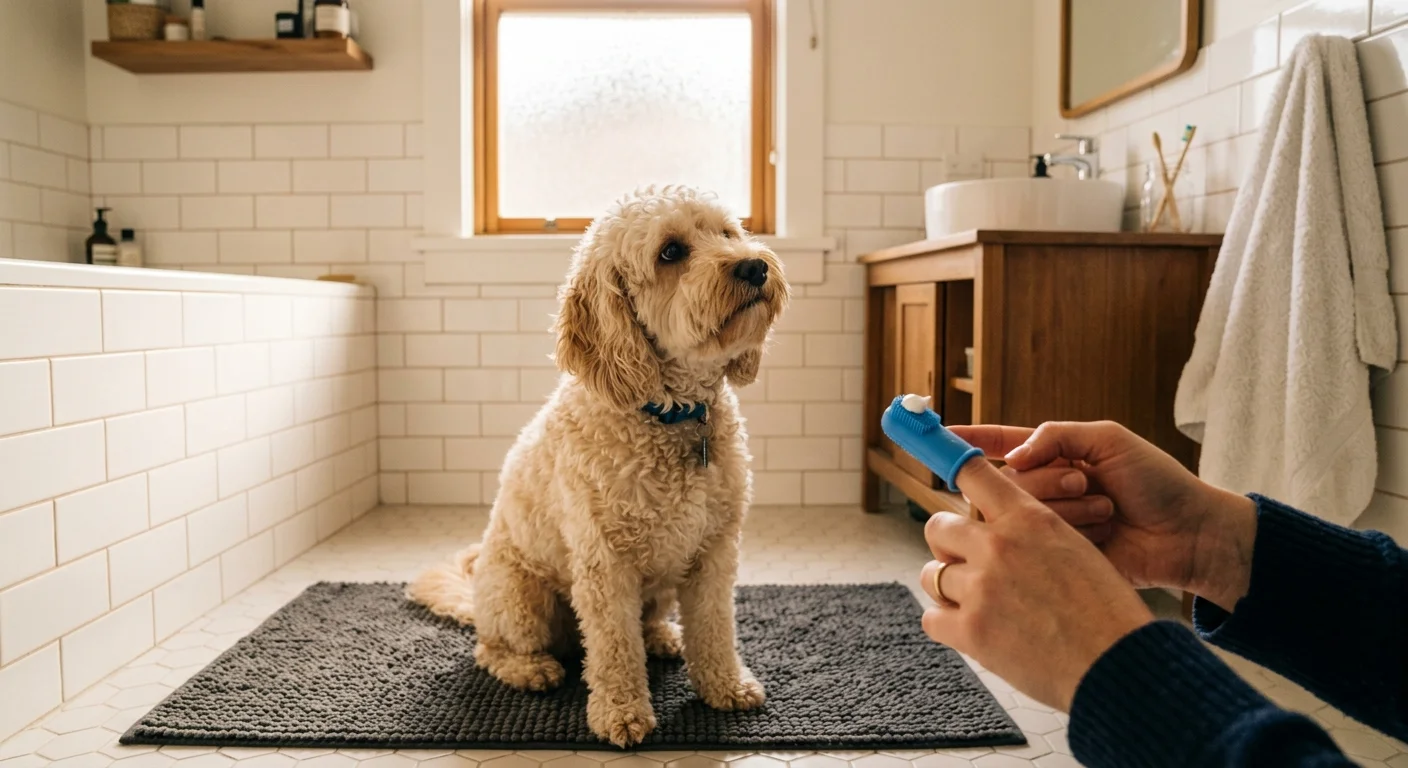
Daily brushing represents the absolute gold standard for canine dental care. Use an enzymatic toothpaste formulated specifically for dogs—never human toothpaste, which contains toxic ingredients like xylitol or high fluoride levels.
Enzymatic formulas break down protein chains and plaque biofilm even if your dog only allows you to brush for a few seconds per side. Introduce brushing gradually, using a soft finger brush or a small dog toothbrush with gentle circular motions along the outer gumline.
Incorporate secondary protective measures into your dog’s routine to support active brushing:
- Veterinary Oral Health Council (VOHC) Approved Chews: Look for the official VOHC seal on dental chews; these products undergo rigorous testing to prove they mechanically reduce plaque and calculus buildup.
- Water Additives: Veterinary-approved oral rinses added to fresh drinking water contain zinc compounds and enzymes that suppress odour-producing bacteria throughout the day.
- Probiotic Oral Supplements: Friendly probiotic strains balance the oral and gut microbiomes, outcompeting the anaerobic bacteria responsible for producing offensive volatile sulfur compounds.
- Fresh Water Accessibility: Ensure your dog has constant access to clean water, which stimulates natural saliva production to sweep away residual food debris naturally.
Things to Watch Out For
When dealing with persistent bad breath in pets, well-meaning owners often fall into common traps that delay effective treatment or accidentally cause harm. Keep these critical warnings in mind:
Avoid using commercial human breath mints, drops, or mouthwashes to mask your dog’s bad breath.
These products frequently contain xylitol—an artificial sweetener that triggers rapid, life-threatening insulin release and acute liver failure in dogs—as well as high concentrations of alcohol or essential oils that irritate canine digestive systems.
Do not attempt to manually squeeze or express your dog’s anal glands at home without hands-on professional training. Applying pressure incorrectly can rupture delicate internal gland tissues, push localized infections deeper into surrounding muscle layers, or cause severe pain that leads to accidental biting.
Never ignore a sudden, dramatic shift in your dog’s breath odor profile. While mild dog breath is normal, a sudden change to a sharp fishy, sweet, or chemical stench indicates an active biological process or internal issue that home sprays and chews cannot fix.

When DIY Isn’t Enough
While home dental care maintains oral health effectively, certain clinical situations demand immediate intervention from a licensed veterinarian. Seek professional diagnostic evaluation in the following scenarios:
Your dog exhibits signs of acute oral pain, such as dropping food while eating, crying out when chewing hard kibble, pawing at their mouth repeatedly, or refusing touch around their muzzle. These behaviors indicate painful root abscesses, loose teeth, or severe mucosal ulceration.
The fishy odor persists for more than three consecutive days despite thorough brushing, dietary adjustments, and clean anal glands. Persistent halitosis warrants full diagnostic screening, including blood panels, urinalysis, and dedicated intraoral dental radiographs under anesthesia.
You observe visible physical abnormalities inside the mouth, including swollen, bleeding, or recessed gums; dark brown calculus crusting over teeth; tissue growths; or lodged objects that you cannot gently dislodge with your fingers.
Your dog exhibits systemic signs of disease alongside fishy breath, such as unexplained weight loss, persistent vomiting, yellowing eyes or gums (jaundice), elevated body temperature, or significant changes in daily water intake and urination habits.
Maintaining Long-Term Freshness
Eliminating fishy breath in your dog requires identifying the true root cause rather than covering up the odor.
Whether the stink stems from full anal glands, lingering salmon oil, or advanced plaque build-up, taking action restores your dog’s comfort and brings back those pleasant, close-up cuddle sessions.
Inspect your dog’s mouth regularly, stay consistent with daily brushing, and work closely with your veterinarian to establish a tailored wellness plan that supports lifelong canine dental health.
This is general informational content based on widely accepted guidance. Individual results vary.
Verify current details—rules, prices, eligibility, regulations—with official sources before making important decisions.
Last updated: May 2026. Rules, prices, and details change—verify current information with official sources before acting on it.