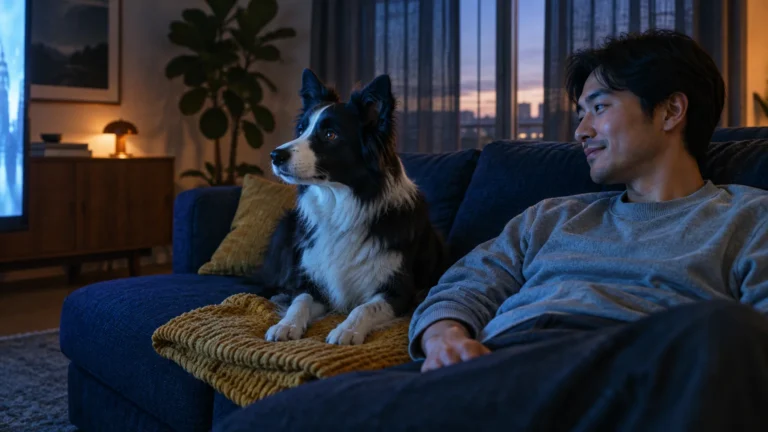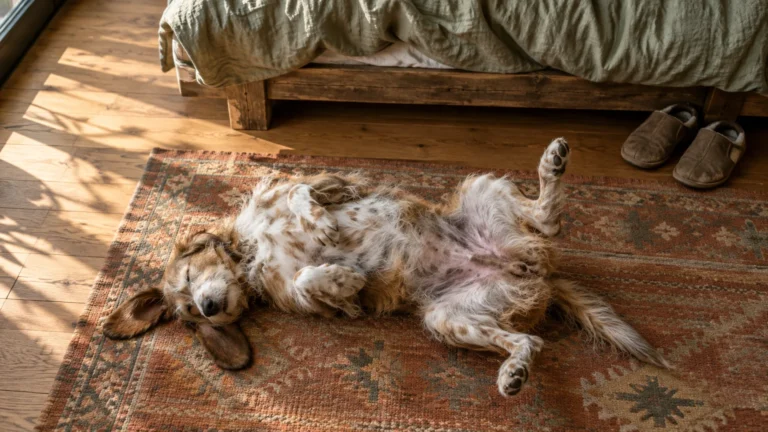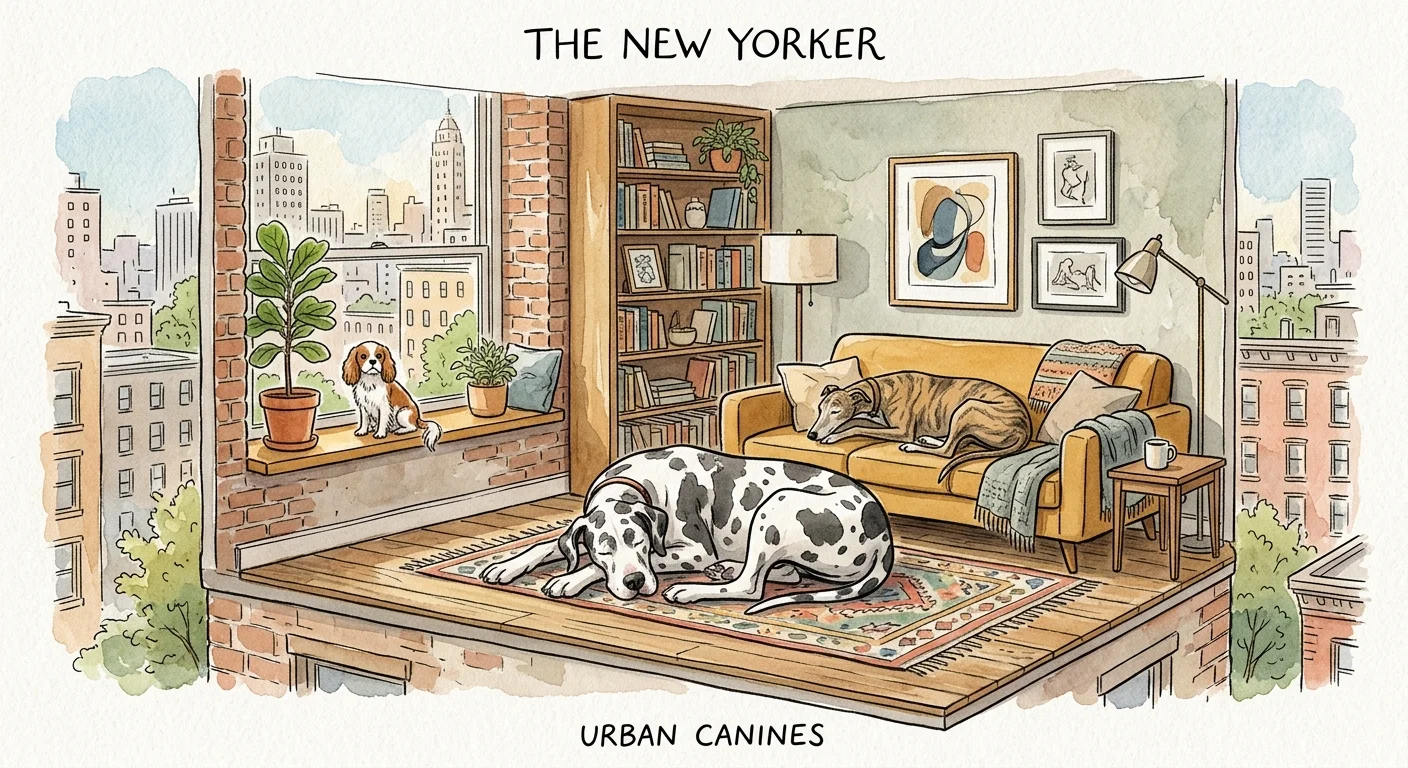
Living in a compact apartment does not mean you must limit your canine companionship to miniature or purse-sized dogs.
Many prospective pet owners assume that high square footage dictates a dog’s happiness, yet exercise needs, barking tendencies, and indoor temperament matter far more than physical body size.
From gentle giants who spend eighteen hours a day dozing on a rug to calm, scent-driven hounds that rarely make a sound, several unexpected breeds thrive in multi-family buildings.
Understanding how specific breed traits align with close-quarters living helps you choose a companion that stays healthy and relaxed without frustrating your downstairs neighbors.
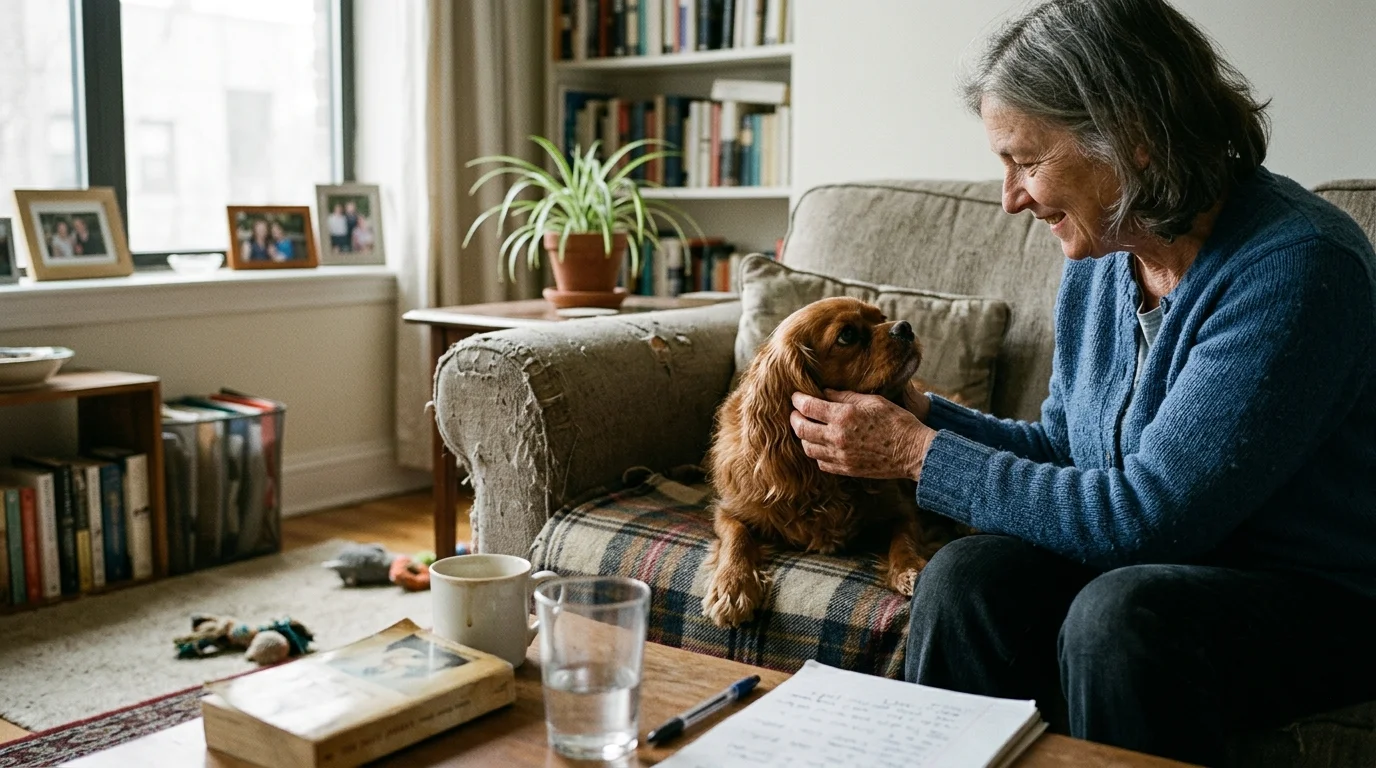
At a Glance: What Makes a Dog Apartment-Friendly?
When you evaluate apartment friendly dog breeds, physical size is often the most misleading metric. A high-strung, twenty-pound terrier bred to chase vermin can easily out-pace a seventy-pound sighthound in daily activity demands and vocal output.
To determine whether a canine companion suits a studio or a mid-rise flat, you must evaluate three core behavioral components: energy burn patterns, vocalization triggers, and indoor settle behavior.
Energy burn patterns define how a dog expends its stamina. Sprinters and low-endurance working breeds release their energy in short, concentrated bursts before returning to a deeply sedentary resting state.
Conversely, endurance breeds require continuous physical exertion and mental jobs; when confined to small quarters without intensive outlets, they often develop destructive habits like chewing door frames or pacing hallways.
Vocalization tendencies matter just as much in shared-wall living. Some breeds possess a strong genetic predisposition to sound an alarm at every corridor footstep, elevator chime, or passing delivery driver.
Quiet apartment dog breeds tend to be observant rather than reactive, reserving barks for genuine emergencies or ignoring ambient corridor noise altogether.
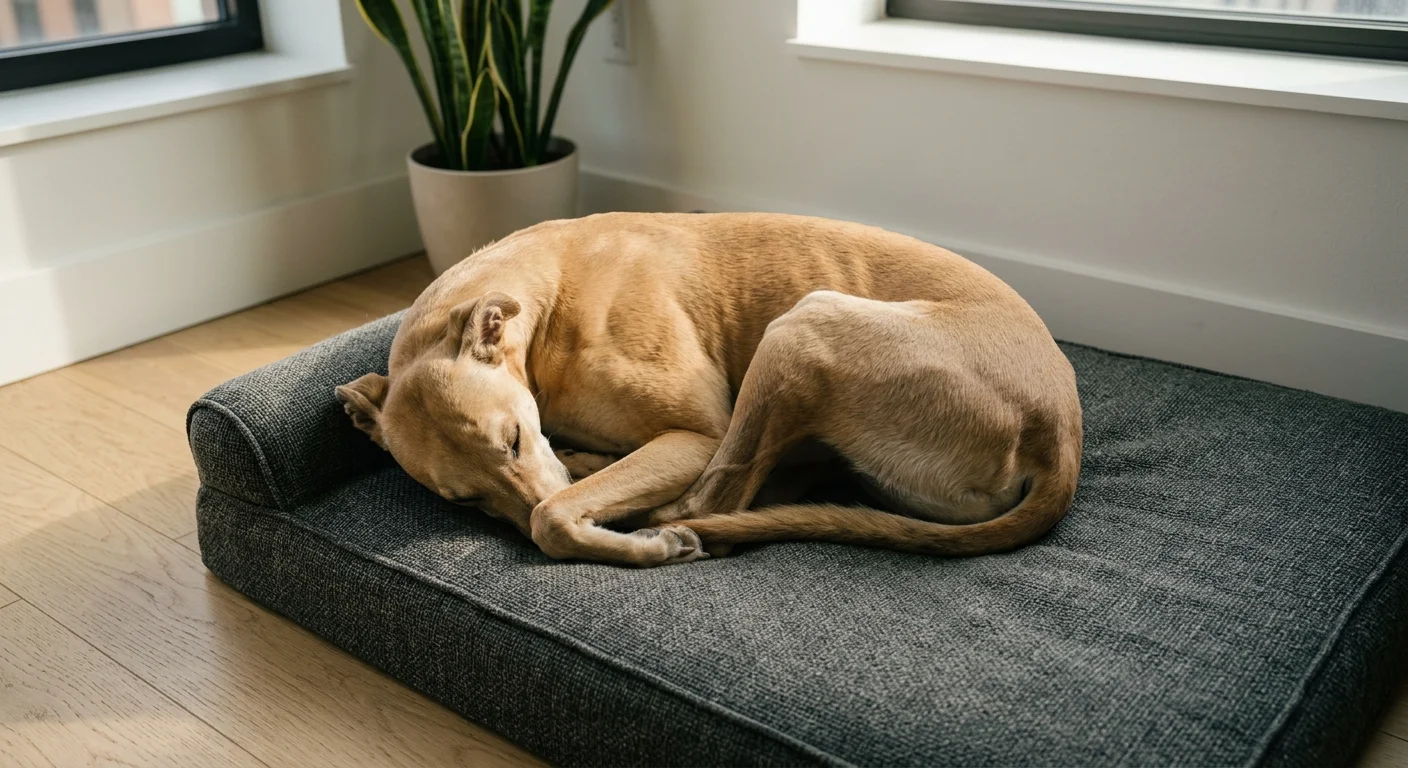
01 Greyhound: The 45-MPH Couch Potato
The Greyhound frequently surprises prospective adopters who assume a racing background equates to an unquenchable need for open acreage. In reality, these sleek sighthounds are the quintessential sprinters of the canine world.
Because their physiology relies heavily on fast-twitch muscle fibers, they exhaust their energy reserves in rapid, high-speed dashes rather than sustained endurance runs.
Once they complete a brisk walk or a controlled sprint in an enclosed park, they happily spend sixteen to eighteen hours a day sleeping.
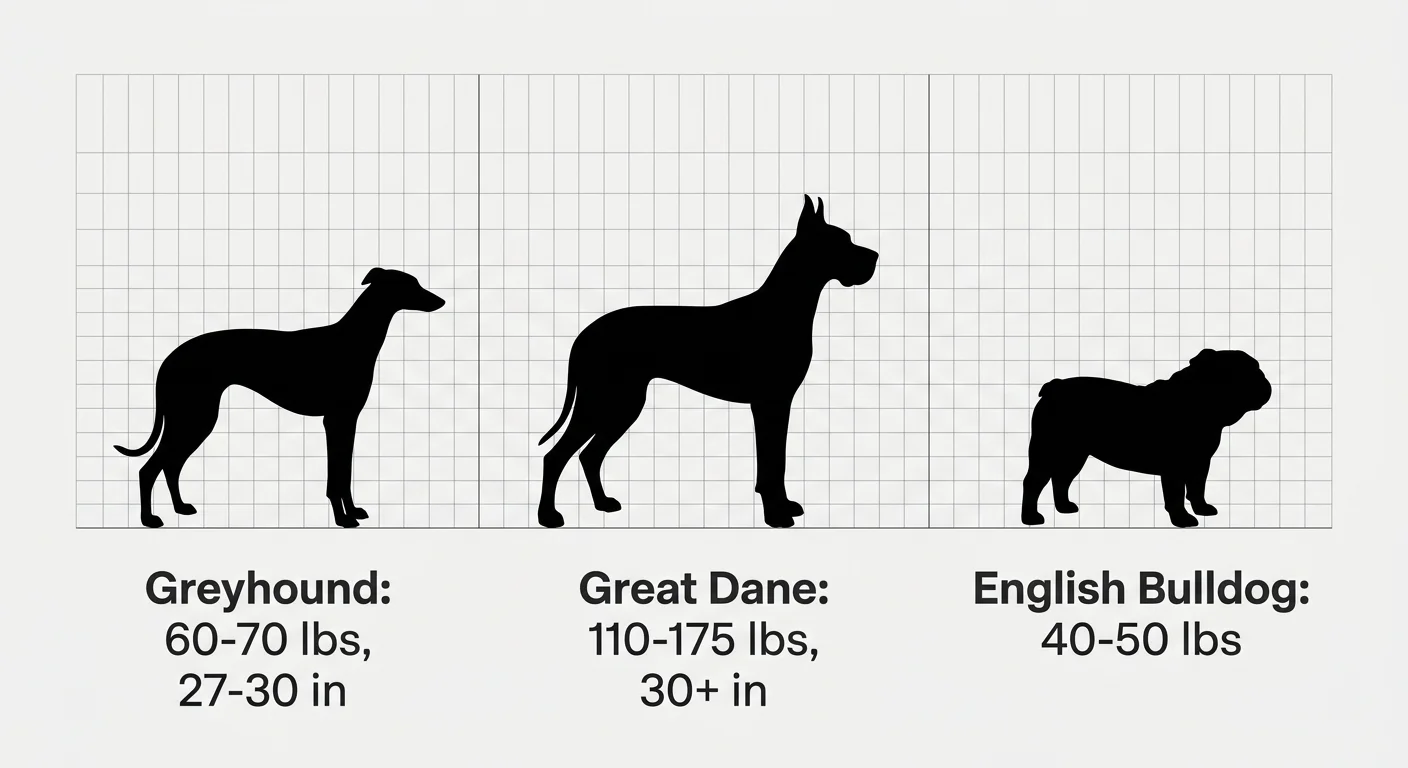
Male Greyhounds generally stand 28 to 30 inches tall and weigh between 65 and 70 pounds, while females reach 27 to 28 inches and weigh 60 to 65 pounds. Despite their long limbs, they curl into surprisingly compact balls when resting.
According to the American Kennel Club, their gentle, dignified nature and low-shedding single coat make them remarkably clean and docile housemates.
Greyhounds rarely bark, which makes them exceptional neighbors in thin-walled buildings. However, their strong prey drive requires you to keep them securely leashed during urban strolls, as sudden movements from neighborhood cats or squirrels can trigger an instinctive chase response.
Provide them with a plush, supportive orthopedic bed to cushion their lean bodies against hard apartment flooring.
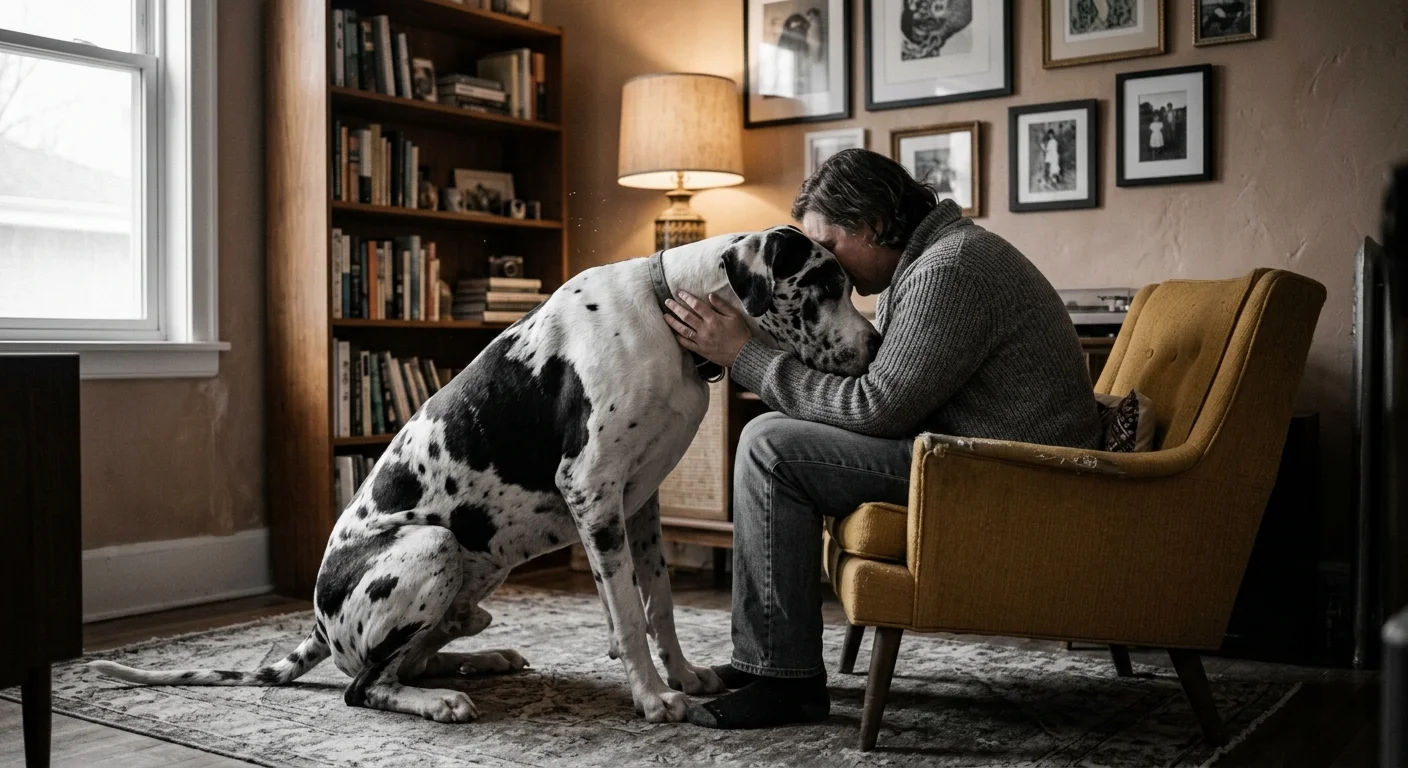
02 Great Dane: The Low-Energy Gentle Giant
Welcoming a canine that stands over 30 inches tall and weighs between 110 and 175 pounds into an apartment sounds counterintuitive, yet Great Danes are among the best dogs for small living spaces. Known widely as gentle giants, adult Danes exhibit an exceptionally calm, low-key indoor temperament.
They do not pace restlessly or demand hours of high-intensity fetching; instead, they prefer leaning against your legs and lounging across a designated couch or oversized floor cushion.
A moderate daily walk of 30 to 45 minutes provides sufficient physical stimulation for an adult Great Dane. Because their massive bone structure requires careful joint management, you must avoid over-exercising them on hard pavement during their developmental puppy stages.
Indoors, their low prey drive and steady disposition mean they rarely react to noises outside your entry door.
The primary hurdle with a Great Dane in an apartment is navigating narrow hallways and tight elevators. You must invest time into loose-leash training early so your dog navigates communal spaces politely without accidentally blocking corridor traffic or intimidating nervous neighbors.
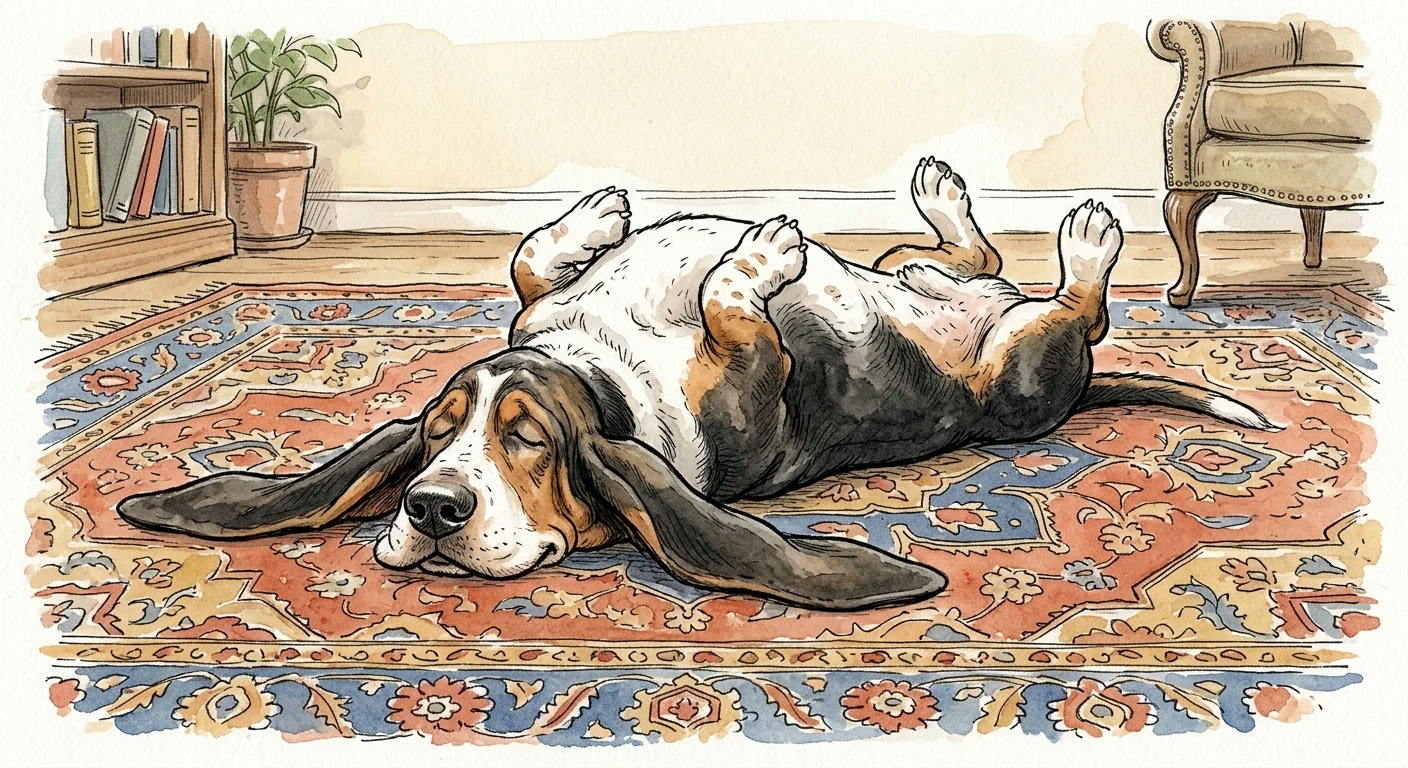
03 Basset Hound: The Low-Slung Lounger
Standing under 15 inches at the shoulder but carrying a solid 40 to 65 pounds of dense bone and muscle, the Basset Hound offers a unique blend of heavy-dog substance and low-clearance convenience.
Originally bred to track game at a pace hunters could follow on foot, Bassets have a naturally slow, methodical pace. Indoors, their default state is deep relaxation.
Basset Hounds do not require strenuous cardiovascular workouts; they prioritize mental exercise through their exceptional olfactory sense.
A leisurely twenty-minute sniff-walk around the block—where you allow them to inspect fire hydrants, tree bases, and grass patches—tires their brain far more effectively than a fast-paced jog. Back inside, they will happily nap for hours at your feet.
Keep in mind that Bassets possess a distinctive bay rather than a standard bark. While they are generally calm, boredom or separation anxiety can lead to loud vocalizations that carry through shared walls.
Establishing a dependable daily routine and leaving interactive food puzzles helps keep your Basset content and quiet while you are away.
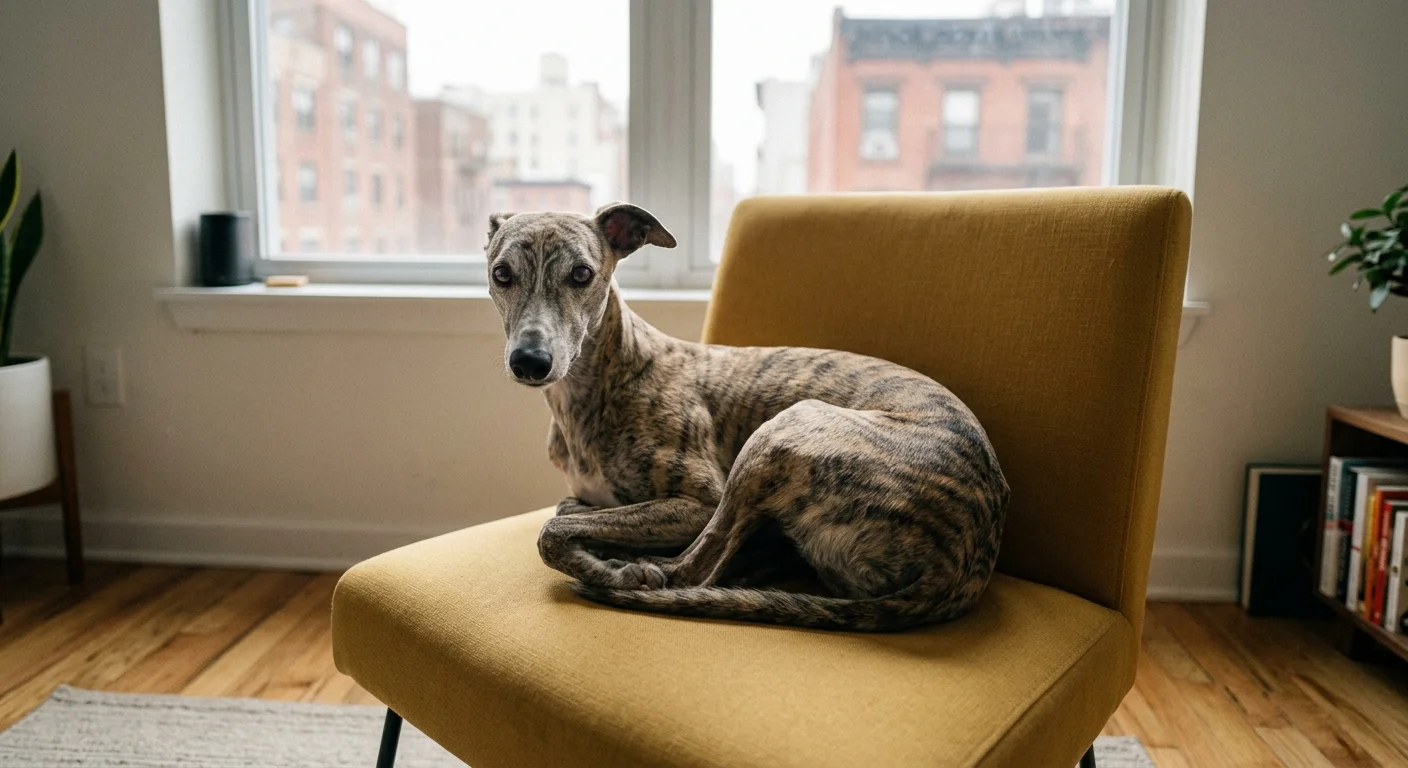
04 Whippet: Quiet, Clean, and Compact
If you admire the calm demeanor and athletic grace of the Greyhound but need a dog that fits more comfortably under tight landlord weight restrictions, the Whippet is an ideal match.
Weighing between 25 and 40 pounds and standing 18 to 22 inches tall, Whippets bring sighthound serenity to an easily manageable medium size frame.
Whippets are famous for their virtually silent nature indoors. They rarely bark at hallway foot traffic and lack the typical doggy odor found in heavier-coated working breeds.
Their short, single coat sheds minimally, requiring only an occasional brush and a warm sweater during chilly winter walks. Like their larger Greyhound cousins, Whippets love nothing more than tucking themselves beneath a soft fleece blanket on the sofa.
To keep a Whippet healthy in an apartment, schedule one or two thirty-minute brisk walks each day, punctuated by occasional off-leash sprints in safely fenced areas. Their sensitive, affectionate nature makes them deeply bonded companions who thrive in quiet, low-conflict households.
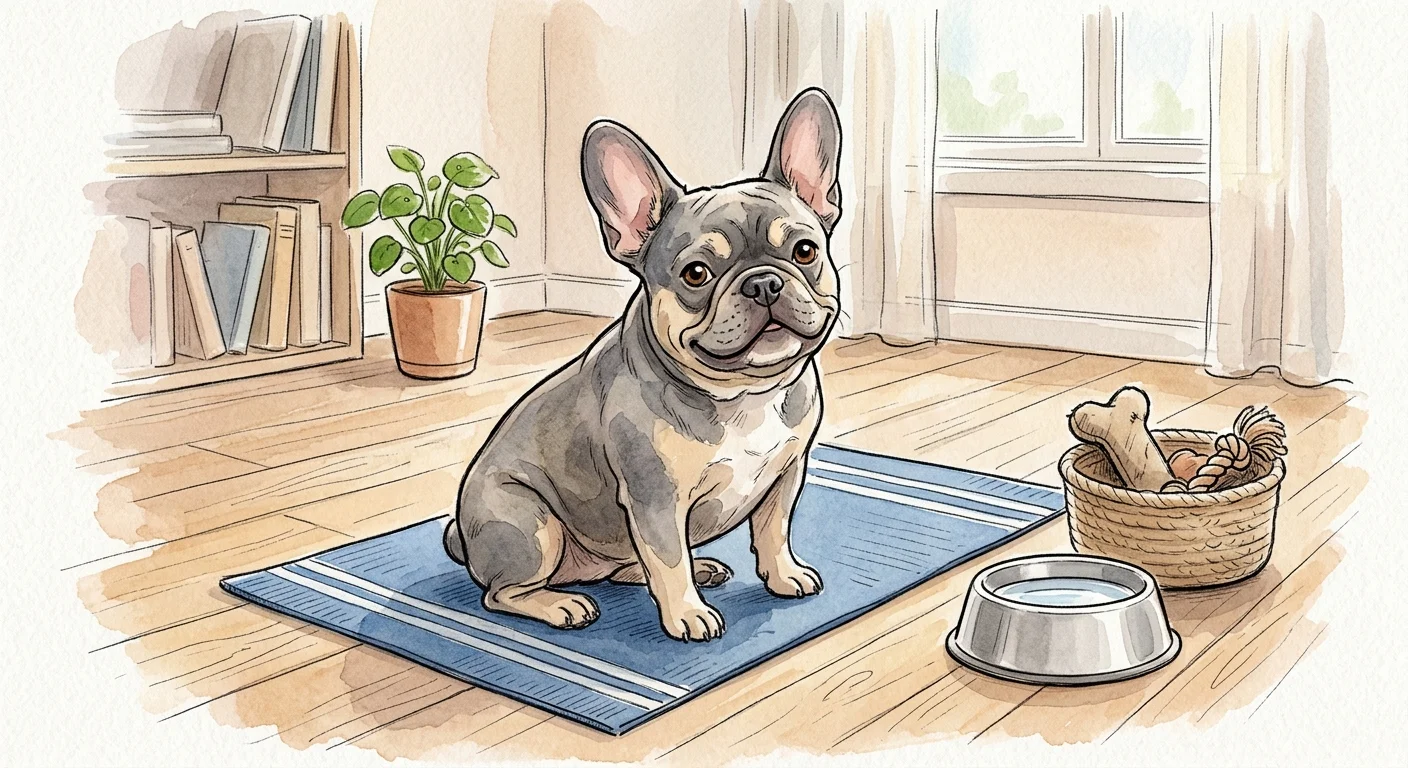
05 French Bulldog: Compact Companion With Low Exercise Demands
The French Bulldog has maintained a top position in national breed popularity for years, largely due to its custom-fit compatibility with urban living. Weighing under 28 pounds, this sturdy, compact breed fits comfortably into studios and high-rise apartments without violating standard residential weight limits.
Frenchies require minimal physical exercise; a couple of short fifteen-minute walks per day keep them fit and satisfied. Because they are a brachycephalic (flat-faced) breed, they struggle to regulate their body temperature in extreme heat or humidity.
A climate-controlled apartment environment is not merely comfortable for them—it is a vital health safeguard. Research published by veterinary authorities through the American Veterinary Medical Association emphasizes protecting flat-faced dogs from respiratory strain by avoiding vigorous midday workouts in warm weather.
French Bulldogs are naturally quiet dogs that rarely sound nuisance alarms. They channel their energy into playful indoor interaction with their owners, followed by long stretches of snoring on their favorite chair.
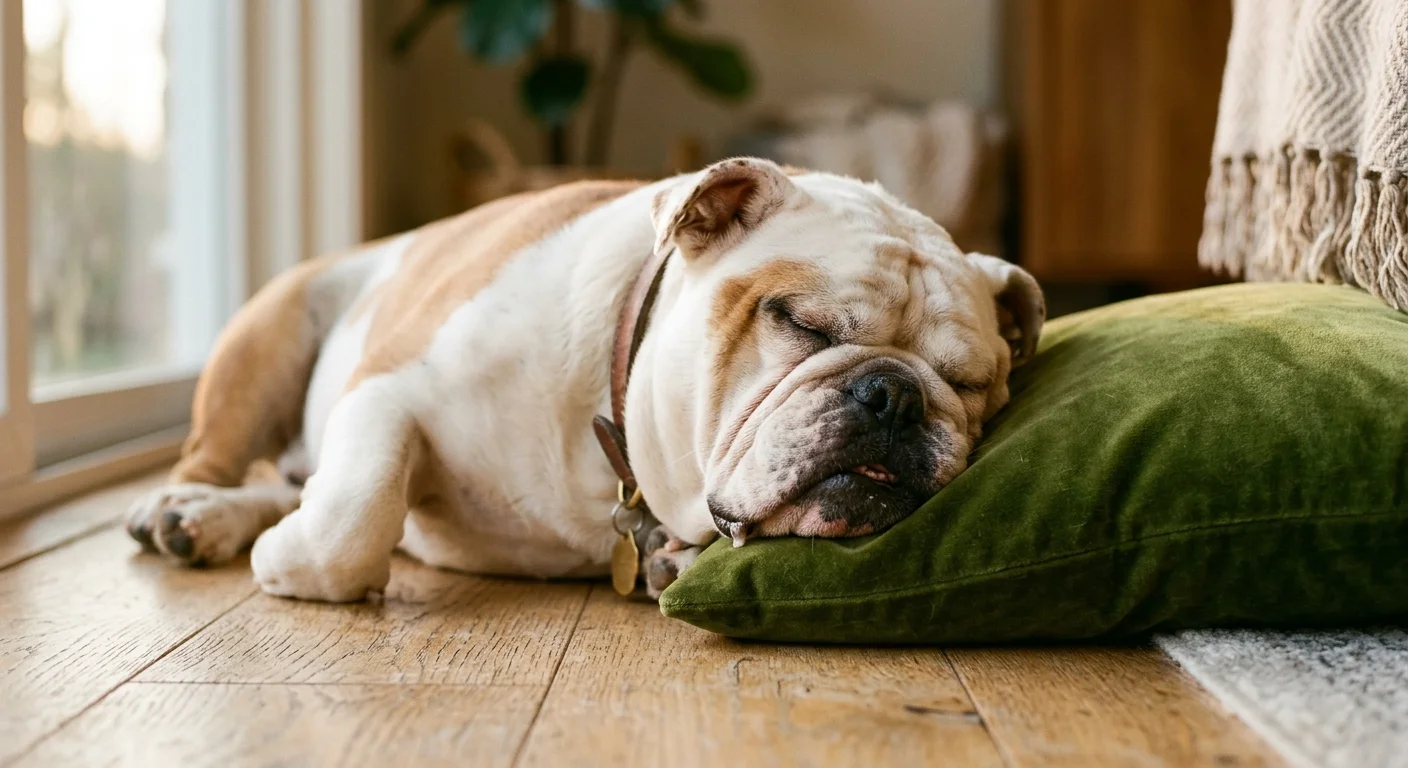
06 English Bulldog: Calm Demeanor and Built-In Rest Mode
For city dwellers seeking a medium-sized dog with virtually zero desire for athletic marathons, the English Bulldog represents the pinnacle of low-maintenance indoor energy. Adult males weigh around 50 pounds while females average 40 pounds, packing immense character and substantial muscle into a short, wide frame.
English Bulldogs are content with brief, unhurried morning and evening strolls around your apartment complex. They do not demand extensive games of fetch, nor do they jump frantically against doors when delivery couriers walk by.
Their stoic, laid-back personality makes them unbothered by sirens, traffic, or hallway activity, creating a peaceful living environment in dense urban neighborhoods.
You must maintain strict climate control in your apartment during the summer months, as their short airways leave them vulnerable to heat exhaustion. Regular facial wrinkle cleaning and weight management through measured meals will keep your Bulldog healthy and mobile without needing a dedicated backyard.
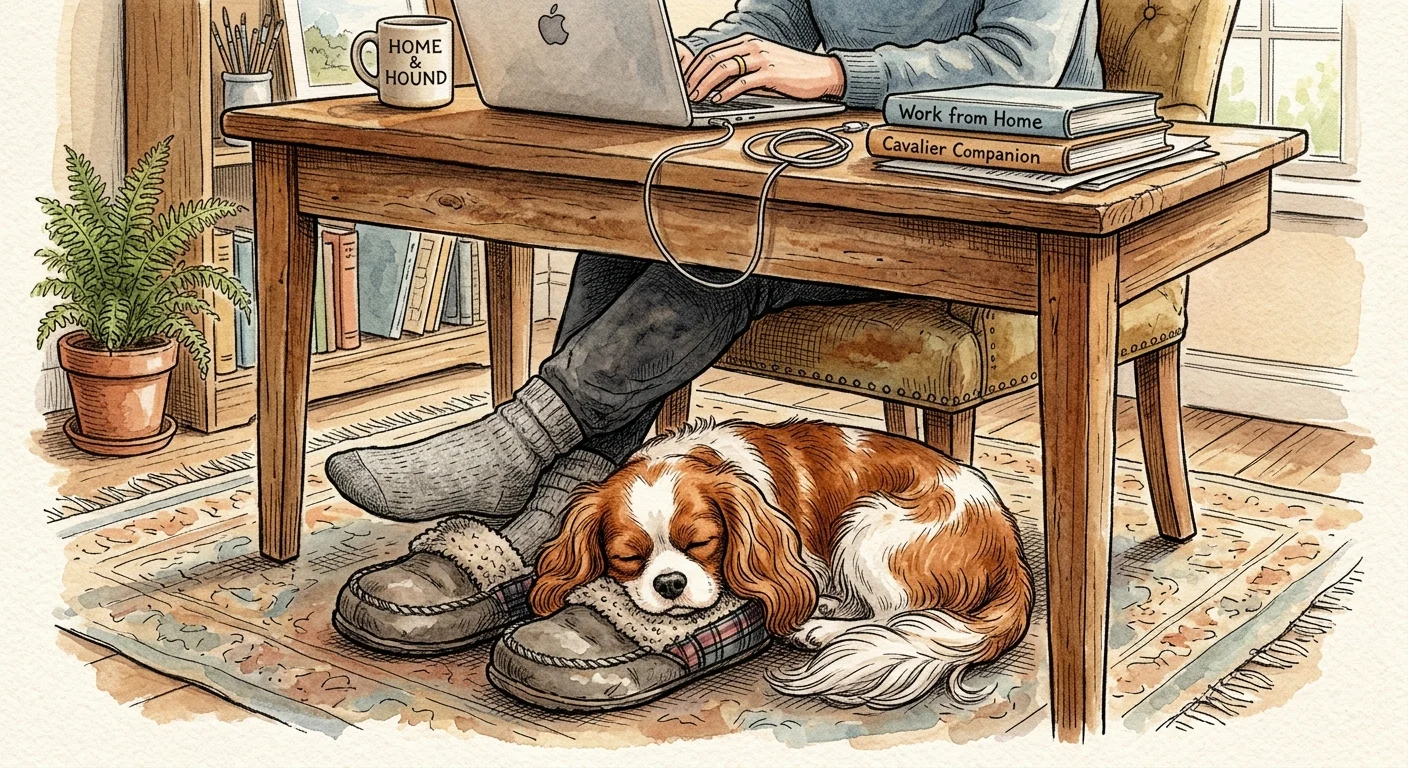
07 Cavalier King Charles Spaniel: The Naturally Adaptive Shadow
Weighing between 13 and 18 pounds and standing 12 to 13 inches tall, the Cavalier King Charles Spaniel was historically bred as an aristocratic companion lapdog.
This legacy translates into an innate desire to stay close to you and adapt seamlessly to your lifestyle, whether you spend your weekends hiking urban trails or working quietly from a home desk.
Unlike many high-drive sporting spaniels, Cavaliers match their energy output directly to their living environment. In a small apartment, they navigate tight layouts effortlessly, settling onto a nearby pillow whenever you sit down.
They respond exceptionally well to gentle positive-reinforcement training, making them quick to learn elevator etiquette and quiet indoor manners.
Cavaliers do shed moderately, requiring a few minutes of daily brushing to prevent mats in their silky ears and tail feathers.
Because they form intense bonds with their humans, you should introduce crate training and independent play routines early to prevent separation anxiety when you leave for the office.
Comparison of Apartment-Friendly Breeds
Evaluating your personal living situation alongside breed traits ensures you pick a dog that complements your daily schedule and building regulations.
| Breed | Typical Weight | Daily Exercise | Vocalization Level | Standout Apartment Trait |
|---|---|---|---|---|
| Greyhound | 60–70 lbs | 30–45 mins | Very Low | Sleeps 16–18 hours; gentle and clean indoors |
| Great Dane | 110–175 lbs | 30–45 mins | Low | Low-energy homebody; rarely barks at hallway sounds |
| Basset Hound | 40–65 lbs | 30–40 mins | Low to Moderate | Satisfied with leisurely sniffing walks; calm indoors |
| Whippet | 25–40 lbs | 30–45 mins | Very Low | No doggy odor; quiet, clean, and loves cozy nesting |
| French Bulldog | 16–28 lbs | 20–30 mins | Low | Compact size; thrives in climate-controlled spaces |
| English Bulldog | 40–50 lbs | 15–25 mins | Very Low | Sedentary disposition; unfazed by city bustle |
| Cavalier King Charles Spaniel | 13–18 lbs | 30–40 mins | Low to Moderate | Eager to please; mirrors owner’s indoor energy level |
Essential Strategies for Managing Dogs in Small Living Spaces
Even the most naturally low space dog breeds require thoughtful daily management to thrive in multi-family housing. By establishing structured habits early, you can prevent behavioral problems before they start.
- Prioritize Mental Enrichment Over Yard Time: You do not need a fenced yard to exhaust a dog’s energy. Engage their cognitive abilities with lick mats, snuffle mats, and puzzle feeders during meal times. Ten minutes of focused nose work or obedience practice drains mental energy faster than a monotonous thirty-minute leashed walk.
- Desensitize Shared Corridor Stimuli: Multi-family buildings present constant auditory triggers, including slamming fire doors, footsteps, and elevator bells. Play low-volume white noise or classical radio near your entryway, and reward your dog with high-value treats whenever they hear a hallway sound without barking.
- Establish a Consistent Elimination Schedule: Without an open doggy door to a backyard, your pet relies entirely on your schedule. Set strict morning, midday, evening, and bedtime outdoor breaks so your dog feels secure in their biological routine.
- Designate a Dedicated Settle Zone: Help your dog understand indoor boundaries by assigning a specific orthopedic bed or crate as their sanctuary. Teach a reliable “go to place” cue so your dog has a comfortable spot to retreat during housekeeping or meal prep in small kitchens.
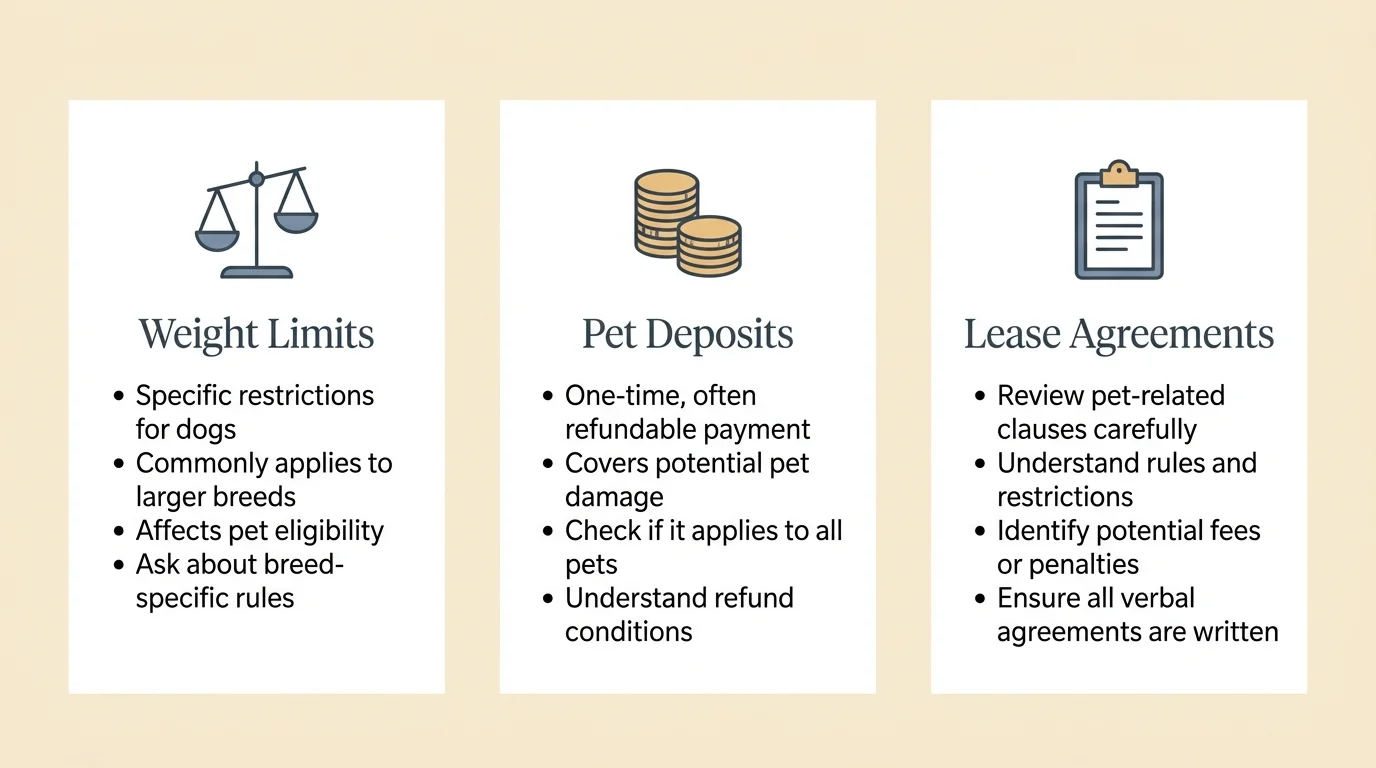
Worth Keeping in Mind: Apartment Policies and Hidden Costs
Before bringing home any dog breeds suited for apartments, you must navigate the legal and financial realities of residential leasing. Pet ownership data highlights several significant hurdles that renters encounter:
Rental Disconnect and Lease Restrictions: While approximately 79% to 80% of U.S. rental properties advertise themselves as pet-friendly, nearly 72% of pet-owning renters report difficulty securing housing.
According to research from the Pet-Inclusive Housing Initiative, 64% of pet-allowing rentals enforce strict weight caps (often 25 to 35 pounds), while 80% maintain specific breed restriction lists.
This means that while a 140-pound Great Dane or a 65-pound Greyhound makes an exceptional apartment roommate in practice, arbitrary building limits may legally exclude them.
Recurring Monthly Fees and Deposits: Living with a pet in a rental community involves real financial overhead beyond food and veterinary care.
U.S. renters pay an average of $34 to $37 per month in non-refundable pet rent alongside an initial pet deposit or move-in fee averaging $287 to $311. Review your lease terms carefully to identify whether these fees are charged per animal or as a flat rate.
Mobility and Physical Access Hurdles: If you live in an upper-floor walk-up without an elevator, consider how your dog’s age and health will impact daily life.
Heavy-boned dogs like Basset Hounds can suffer spinal strain from repeatedly climbing steep staircases, while giant breeds like Great Danes cannot easily be carried down multiple flights if they suffer an injury or develop arthritis in their senior years.
Frequently Asked Questions
Can large dogs really live comfortably in a small studio apartment?
Yes. Large breeds with low indoor energy, such as Great Danes and Greyhounds, do not utilize high square footage for exercise.
As long as you fulfill their daily outdoor walking needs and provide a supportive bed, they spend most of their indoor hours resting peacefully.
Which apartment-friendly dog breeds bark the least?
Greyhounds, Whippets, French Bulldogs, and English Bulldogs are celebrated for their minimal vocalization. They rarely sound territorial alarms over passing hallway footsteps, making them ideal for buildings with thin walls or noise-sensitive neighbors.
How do I exercise a dog without a private yard?
Combine structured daily walks with indoor scent games, obedience drills, and puzzle toys. Sniffing and mental problem-solving stimulate a dog’s brain deeply, fulfilling their instinctual drives without requiring an open lawn.
What should I do if my building has a strict 30-pound weight limit?
If your property enforces weight restrictions, focus on compact breeds with calm indoor dispositions, such as the Whippet, French Bulldog, or Cavalier King Charles Spaniel. Always confirm weight maximums with your property manager in writing before adopting.
Finding Your Ideal Apartment Companion
Selecting the right canine partner for close-quarters living comes down to matching energy profiles and temperaments rather than focusing solely on physical dimensions.
When you provide structured mental stimulation, reliable outdoor routines, and clear indoor boundaries, these surprisingly calm breeds will turn your apartment into a peaceful, welcoming home.
The information here is meant for educational purposes. Specific circumstances—including health conditions, finances, location, and goals—may require different approaches.
When in doubt, consult a licensed professional or check official sources directly.
Last updated: May 2026. Rules, prices, and details change—verify current information with official sources before acting on it.