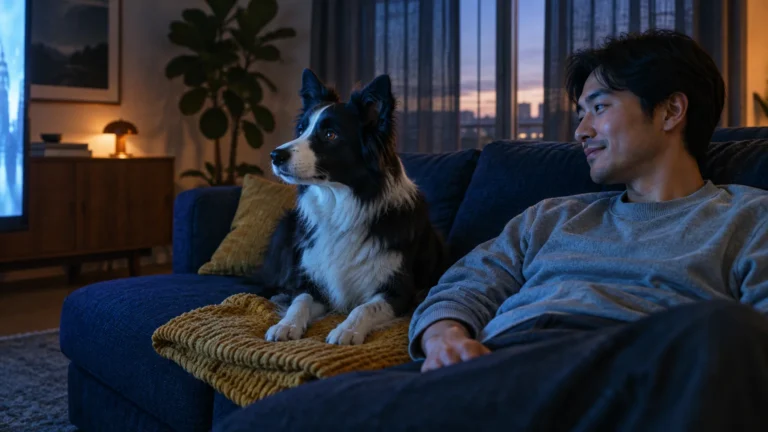
Bringing home a high-powered canine companion without understanding its athletic capacity can quickly overwhelm your daily schedule. Certain working and herding canines possess genetic blueprints refined over centuries for continuous physical labor across rugged terrain.
When you choose high exercise requirement dogs, fulfilling their two-hour daily movement quota forms the absolute foundation of their physical and emotional health. This biological necessity involves far more than casual neighborhood walks; it demands structured cardiovascular workouts, agility challenges, and deep mental engagement.
Discovering which energetic dog breeds daily needs require this rigorous physical commitment ensures you can properly match your personal lifestyle with the demands of an unstoppable canine athlete.
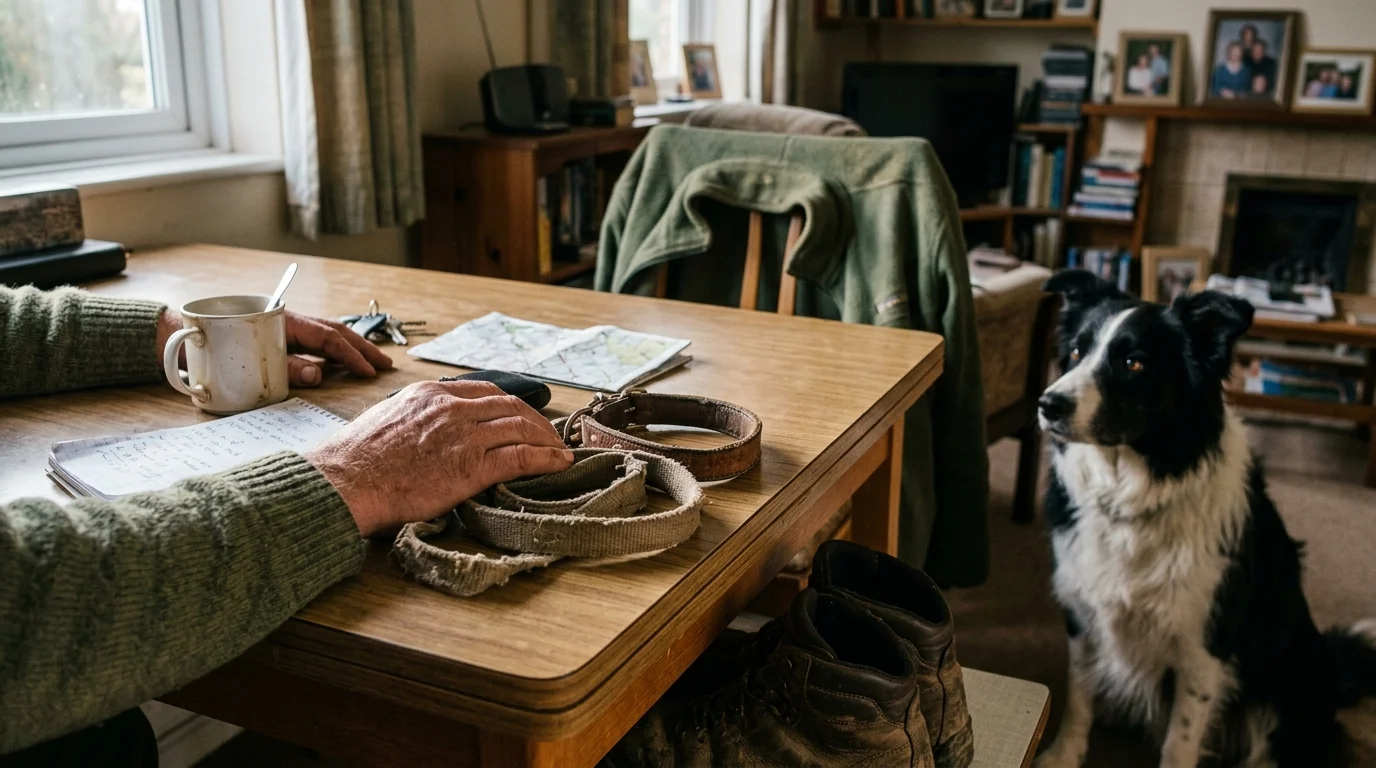
The Essentials
If you are considering one of the most active dog breeds, keep these key points at the forefront of your planning:
- Two hours means active work: A slow stroll on a leash does not fulfill the cardiovascular or mental demands of these breeds.
- Mental tire is as critical as physical tire: Physical running alone builds stamina; puzzle games, scent work, and training burn mental energy.
- Unmet energy turns destructive: Bored, high-energy dogs often create their own jobs, which usually involves chewing walls, frantic barking, or escaping yards.
- Age and health dictate intensity: Young puppies and senior dogs need modified routines to protect growing joints and aging hearts.
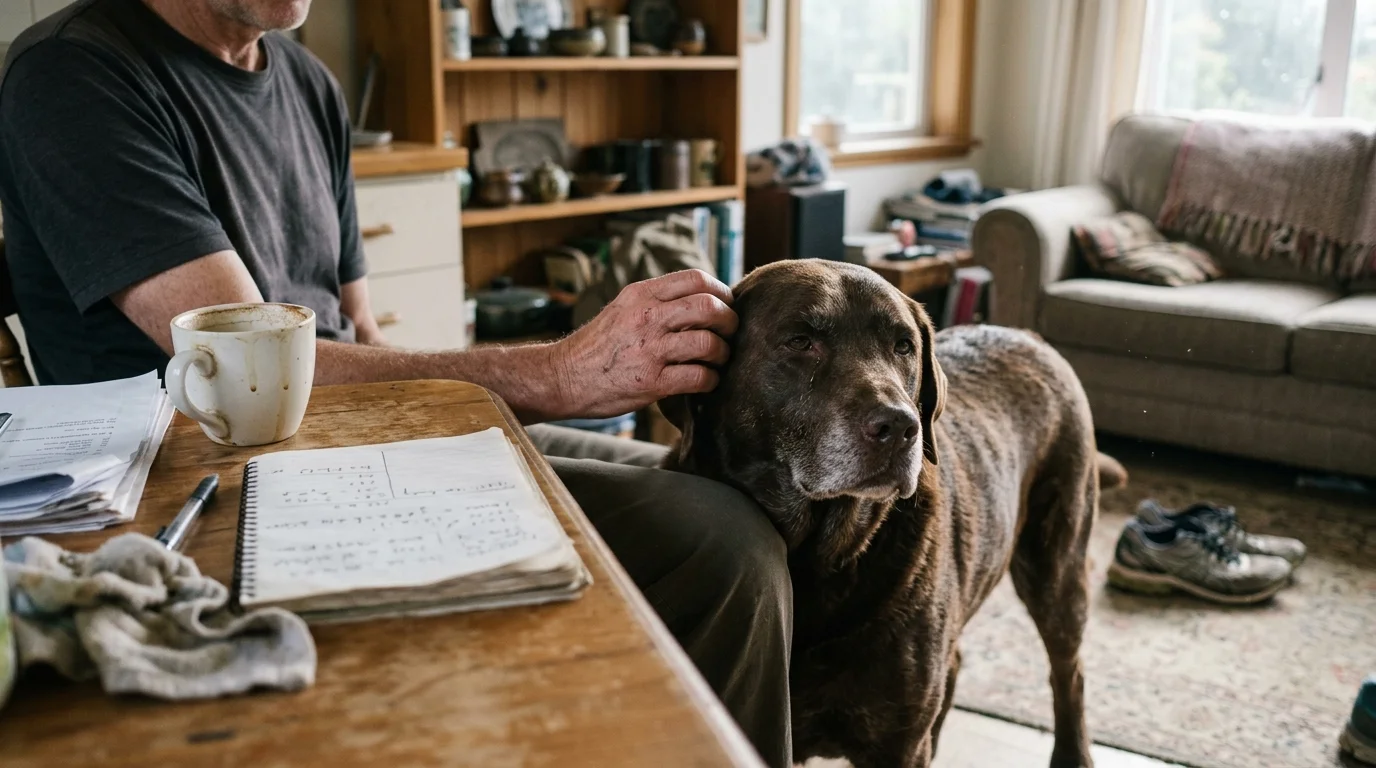
The Science Behind Canine Energy Budgets
To understand why certain dogs require at least two hours of daily exercise, you must look at their selective breeding history.
For generations, humans selected specific canines for specialized working roles—herding sheep across vast Scottish hills, running dozens of miles alongside sleds in sub-zero temperatures, or tracking game through dense brush for hours without tiring. These intense working requirements altered canine physiology and neurochemistry.
According to the American Kennel Club, working and herding breeds were intentionally selected for high stamina, intense focus, and extraordinary athletic drive. High-energy working breeds produce high levels of dopamine and endorphins during physical exertion.
When these dogs remain sedentary, stress hormones like cortisol spike; this elevated stress frequently manifests as reactivity, compulsive pacing, or destructive chewing.
Physical movement alone, however, only tells half the story. If you run a high-drive dog for two hours straight every day without challenging its mind, you simply produce a canine marathon runner with incredible cardiovascular endurance.
Fulfilling dogs that need two hours exercise requires a balance of high-speed cardio alongside complex problem-solving activities like obedience drills, nose work, or agility courses.
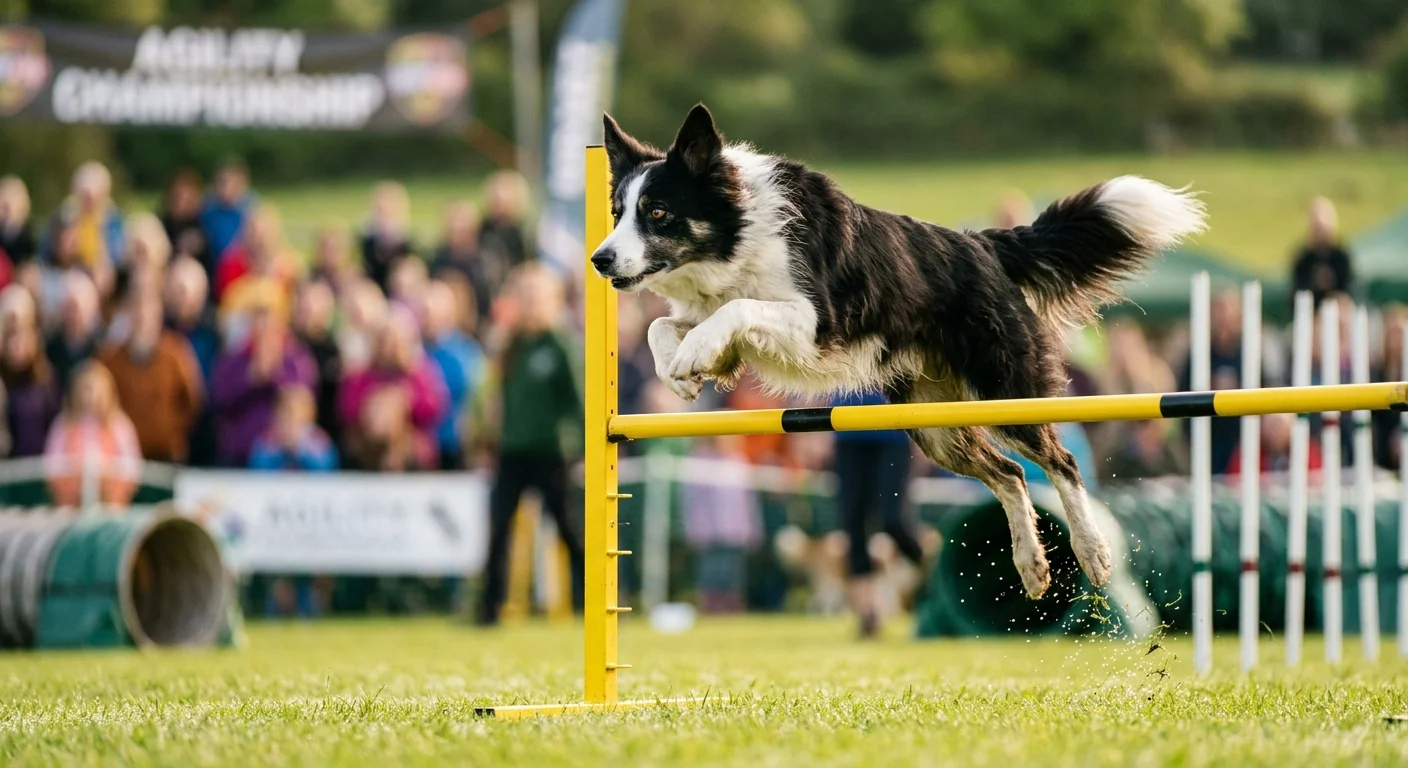
01 Border Collie: The Unmatched Master of Agility and Focus
Originating along the windswept border country between Scotland and England, the Border Collie stands as the undisputed champion of canine intellect and physical stamina.
Shepherds bred these dogs to cover dozens of mountainous miles per day, gathering scattered sheep using quick bursts of speed, precise crouching movements, and intense eye contact known as “the eye.”
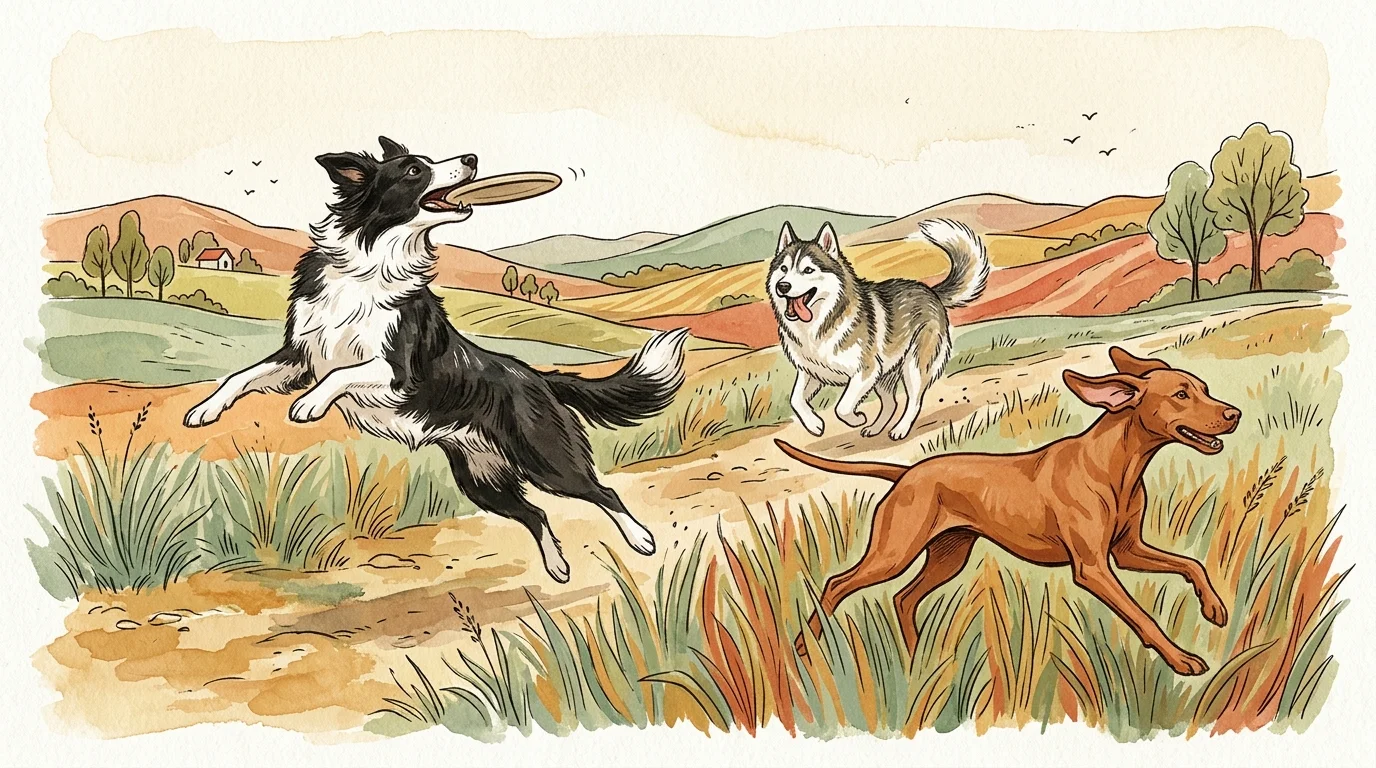
Meeting a Border Collie’s two-hour daily threshold requires an active partnership. These dogs possess explosive acceleration and boundless stamina, making them ideal partners for distance running, flyball, and advanced agility courses.
A quick 30-minute walk around the block barely registers as a warm-up for this breed.
To keep a Border Collie satisfied, divide their daily exercise budget into distinct physical and mental workouts:
- 60 Minutes of High-Cardio Exercise: Off-leash fetching with a ball launcher, trail running, or frisbee training.
- 60 Minutes of Directed Brain Work: Advanced trick learning, herding ball drills (Treibball), or complex hide-and-seek scent puzzles.
Without this rigorous daily regimen, a Border Collie’s hyper-focused brain turns inward. They will readily herd family members, nip at bicycle tires, or systematically disassemble your couch cushions out of sheer frustration.
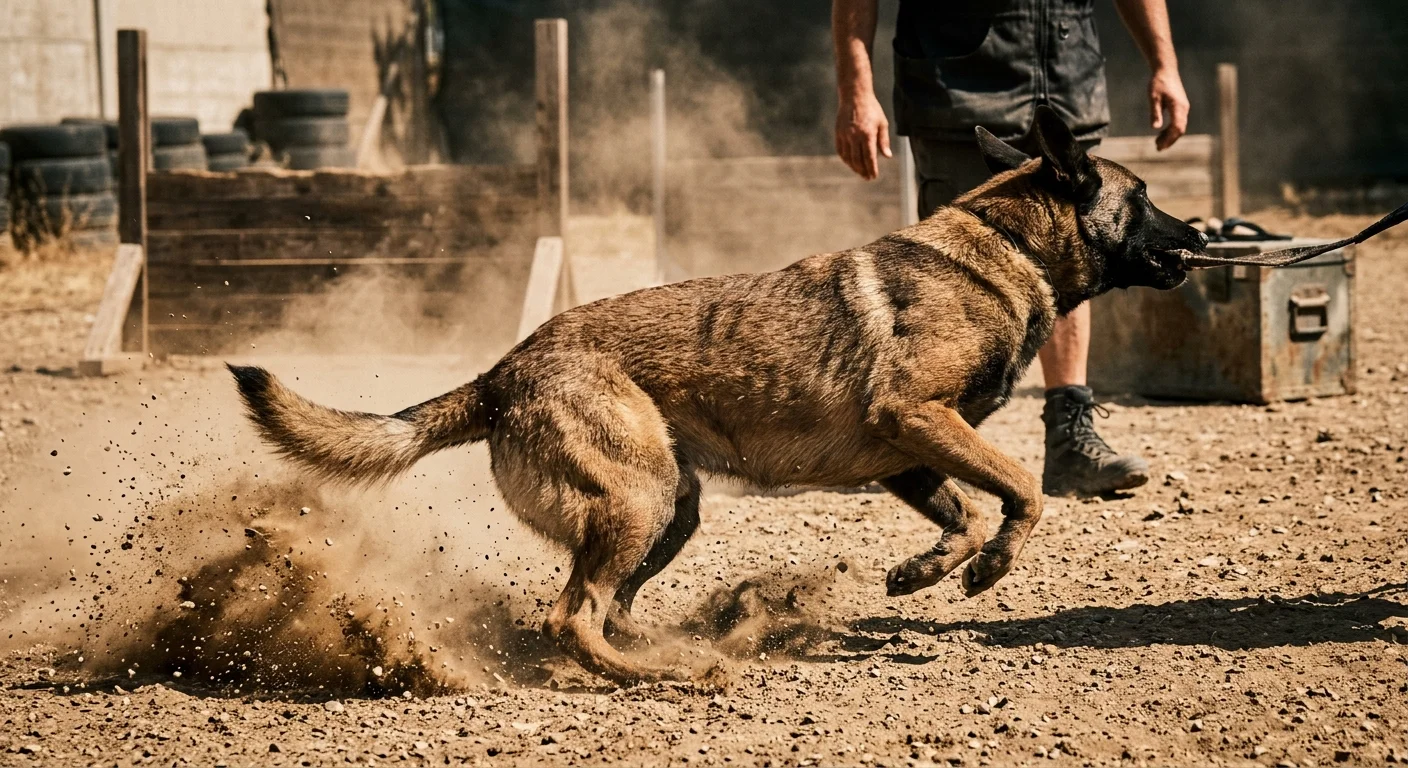
02 Belgian Malinois: The High-Drive Working Powerhouse
Originally bred in Belgium as a livestock herder, the Belgian Malinois has evolved into the premier choice for military, police, and specialized protection work worldwide. This sleek, athletic Belgian shepherd possesses unmatched athletic explosiveness combined with an intense drive to work alongside human handlers.
As noted by PetMD, the Belgian Malinois requires intense, structured exercise paired with rigorous obedience training to thrive safely in a home environment. These canines do not rest quietly in a backyard; they demand active tasks that engage their physical strength and keen intelligence simultaneously.
A typical two-hour routine for a Belgian Malinois should include high-intensity activities such as canicross (hands-free cross-country running), weight pulling, or heavy obedience work with rapid direction changes.
Their intense prey drive and physical power demand an owner who can confidently handle a dog that reaches full sprinting speed within a few strides. If left under-stimulated, a Malinois can easily jump eight-foot fences, chew through doors, or display extreme behavioral reactivity.
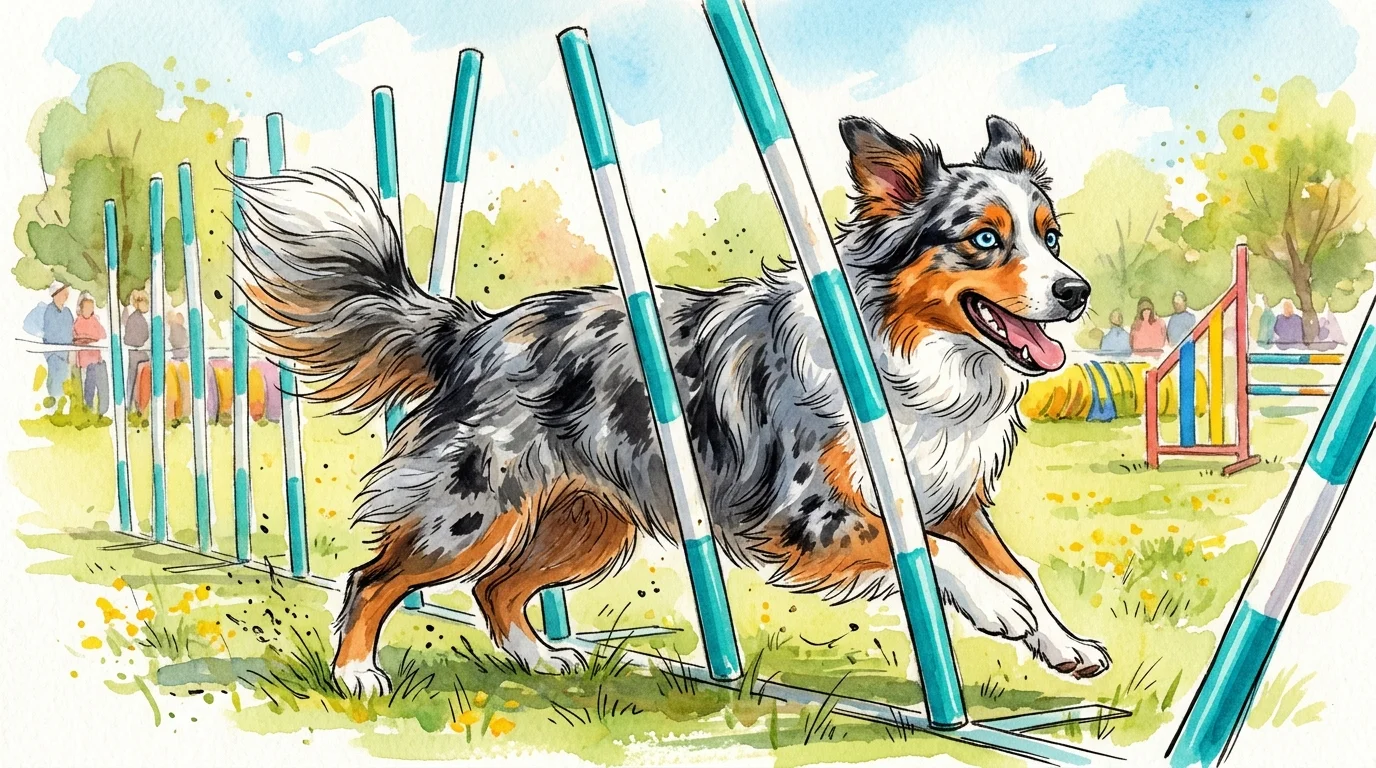
03 Australian Shepherd: The Relentless Herding Athlete
Despite its name, the Australian Shepherd was perfected in the western United States to handle stubborn cattle and sheep across rugged, high-altitude terrain.
The “Aussie” is a medium-sized power pack of agility, balance, and relentless work ethic, equipped with an eager-to-please personality that thrives on human interaction.
Aussies are built for continuous movement over varying landscapes. Running alongside a bicycle, accompanying you on mountain hikes, or participating in competitive agility trials represents ideal exercise for this breed.
They excel at sports requiring quick turns, vertical jumping, and rapid decision-making.
To manage their intense energy, integrate structured play into their daily routines. Incorporate flirt poles—a long wand with a lure attached to a rope—to work on impulse control while burning immense amounts of physical energy in short bursts.
Combine this physical exertion with daily obedience training, and your Aussie will transform into a focused, calm companion indoors.
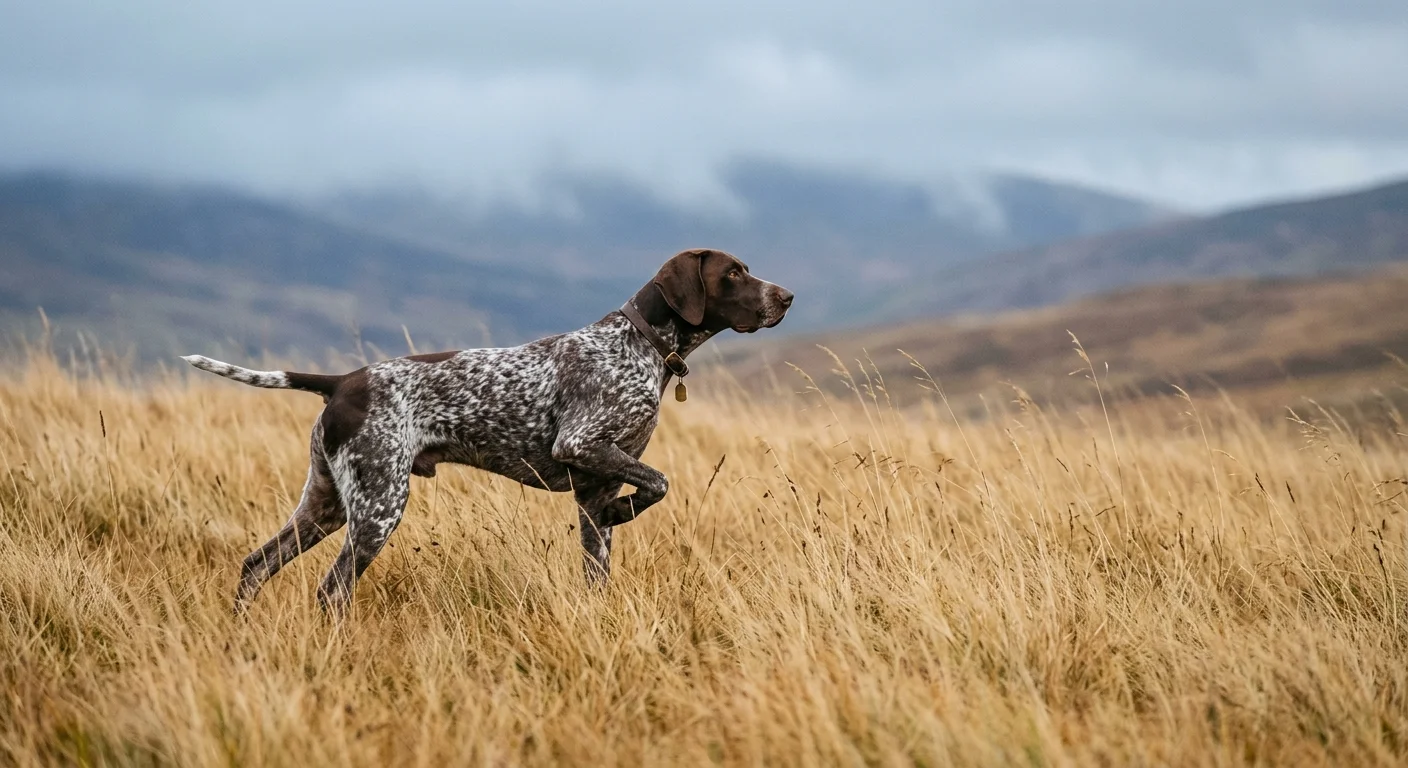
04 German Shorthaired Pointer: The Endurance Field Champion
Developed in 19th-century Germany as a versatile, all-purpose hunting companion, the German Shorthaired Pointer (GSP) possesses a physiological build streamlined for sustained endurance.
With sleek coats, deep chests, and powerful muscular hindquarters, GSPs can point, retrieve, and track across land and water for hours without slowing down.
Among high energy dog breeds needing exercise, the GSP ranks near the top for raw athletic stamina. These dogs do not just walk; they glide at a rapid trot or full gallop whenever given room to move.
They require large open fields or dog-safe wilderness trails where they can safely run off-leash or on a long line while exploring scents.
GSPs love water and excel at dock diving, long-distance swimming, and retrieve games in lake environments. If you are an avid marathon runner, trail runner, or long-distance cyclist, a GSP will happily match your pace mile for mile, regardless of terrain.
Skimping on their two hours of daily exertion often results in hyperactive pacing, destructive digging, and vocal whining.
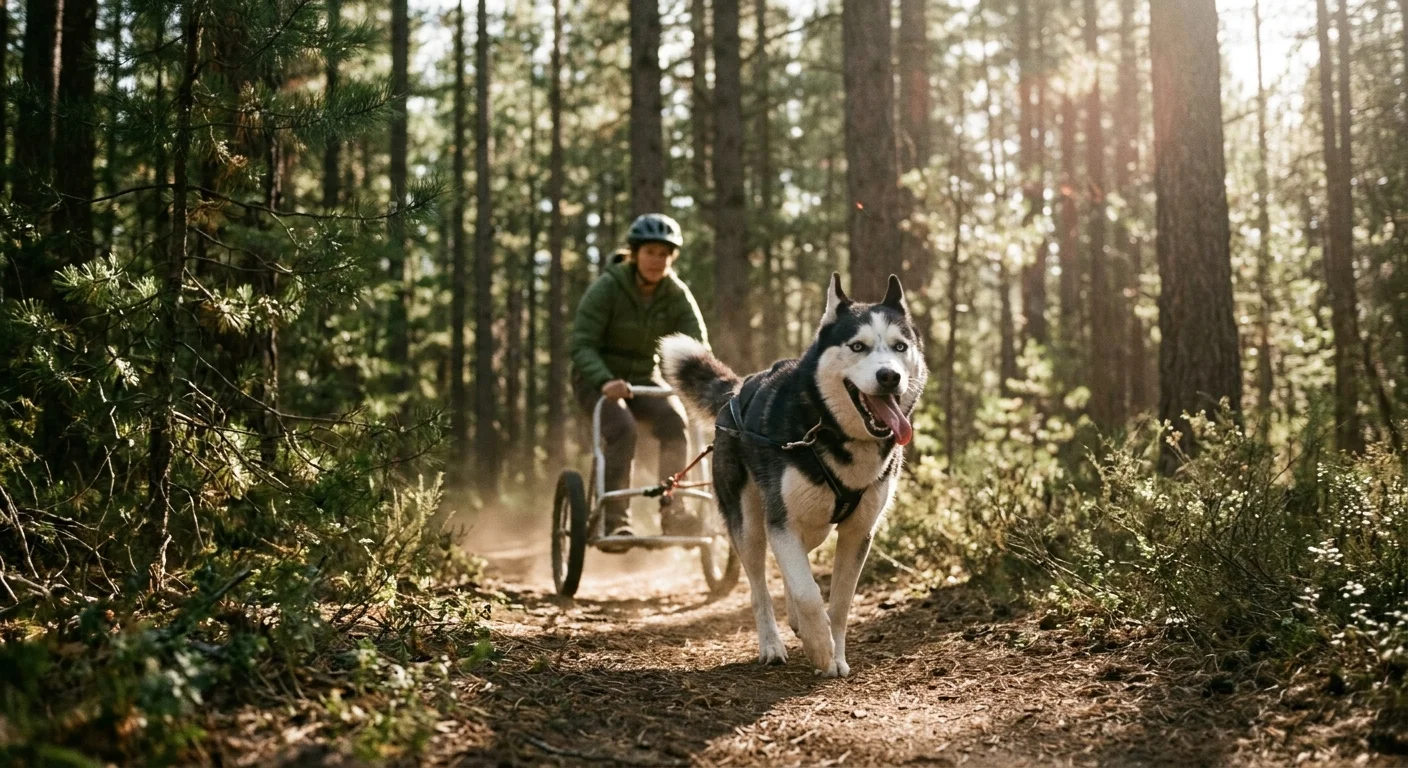
05 Siberian Husky: The Long-Distance Stamina Specialist
Bred by the Chukchi people of northeastern Siberia to pull light loads over vast icy distances in extreme arctic conditions, the Siberian Husky represents the pinnacle of canine metabolic efficiency.
Huskies possess an extraordinary biological trait: they can modify their metabolism to burn calories efficiently without exhausting their glycogen stores, allowing them to travel over 100 miles a day.
Because their instinct to pull and run is deeply embedded in their DNA, casual walks on a short leash often lead to frustration for both owner and dog. Huskies need activities that let them stretch their legs and pull against resistance in a controlled manner.
Top physical outlets for Siberian Huskies include:
- Bikejoring: Allowing your husky to safely pull you on a bicycle using a specialized harness and shock-absorbing towline.
- Canicross: Running cross-country while attached to your dog via a hands-free waist belt.
- Weighted Backpack Walks: Adding a fitted pack with modest weight (up to 10-15% of their body weight) to increase physical effort during hikes.
Keep in mind that Huskies are infamous escape artists. If their two-hour daily exercise quota is not met, their combination of athletic strength and boredom will lead them over, under, or through backyard fences in search of adventure.
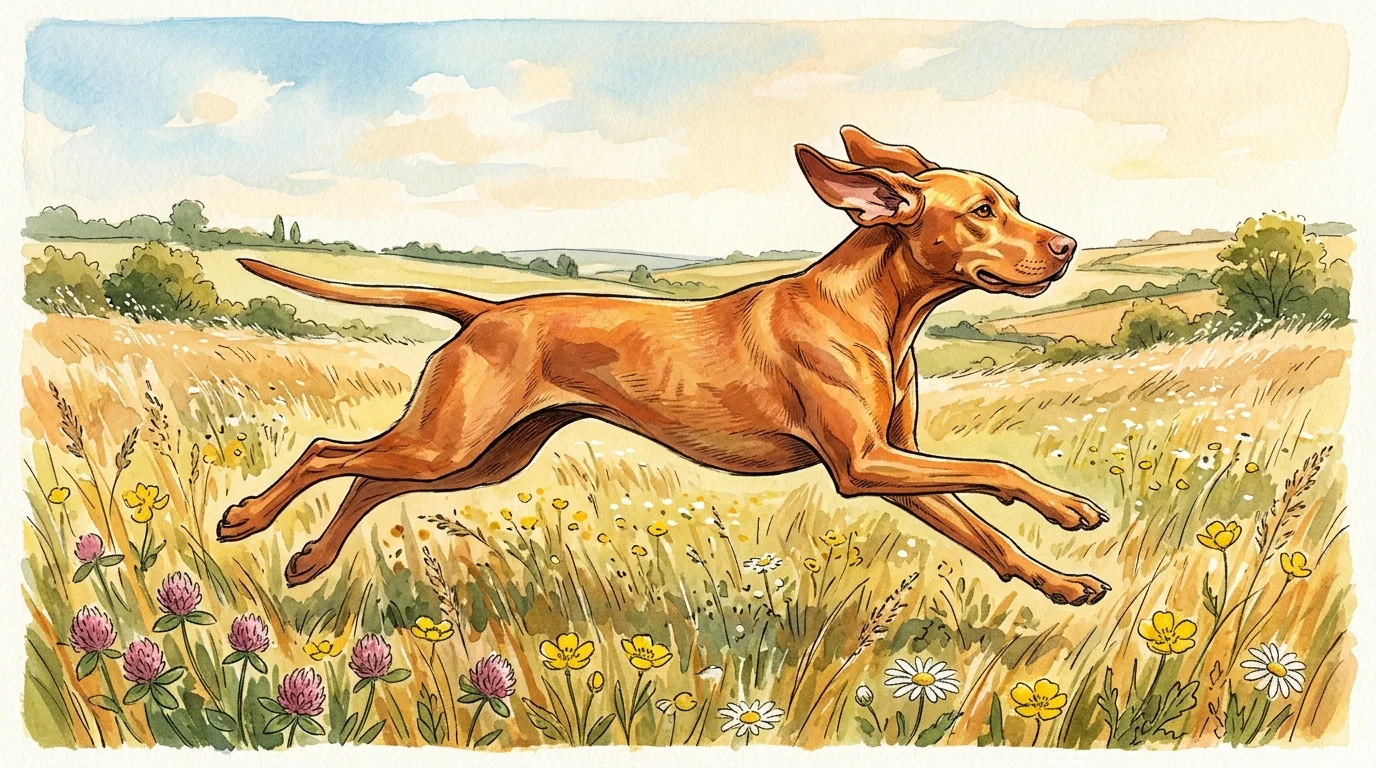
06 Vizsla: The High-Speed Hungarian Hunting Companion
The Vizsla, often called the “Hungarian Pointer,” was bred by nobility to track, point, and retrieve upland game and waterfowl. Known for their striking golden-rust coat and affectionate, “velcro-like” attachment to their human families, Vizslas combine explosive running speed with deep emotional sensitivity.
A Vizsla’s energy is fast, light, and virtually boundless. They possess incredible sprinting acceleration and love nothing more than running full speed through wide-open fields.
Because they bond so closely with their owners, they dislike being left alone in a yard to self-exercise; they require shared physical activities with you.
To meet their energetic dog breeds daily needs, commit to a mix of off-leash trail running, field retrieval games, and swimming. Because Vizslas possess a thin single-layer coat and little body fat, ensure you protect them from extreme cold or heavy brush during winter workouts.
A well-exercised Vizsla is one of the most gentle, affectionate house pets imaginable; an under-exercised Vizsla becomes anxious, needy, and destructive.
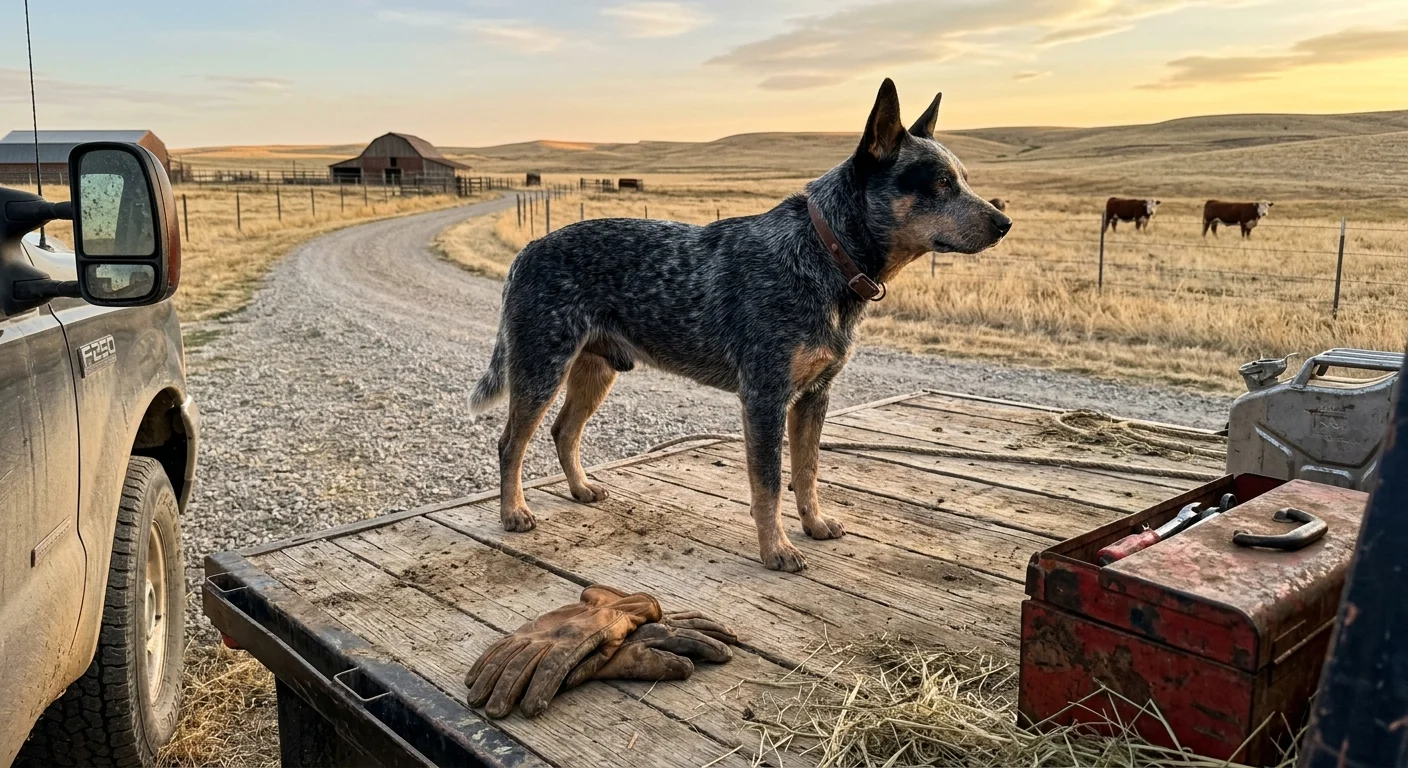
07 Australian Cattle Dog: The Indefatigable Livestock Handler
Also known as the Blue or Red Heeler, the Australian Cattle Dog was forged by crossing domestic herding dogs with wild Australian Dingoes. The result was a dog built like a brick vault: immensely strong, heat-tolerant, structurally tough, and relentlessly determined.
Heelers were bred to drive stubborn herds across thousands of miles of rough, arid Australian Outback by nipping at the cattle’s heels.
This heritage endows the Cattle Dog with incredible physical endurance and a high tolerance for physical discomfort. They do not quit easily.
A simple walk will not satisfy a Heeler; they need high-impact activities that engage their powerful working instincts.
Engage your Australian Cattle Dog with heavy fetch sessions, flirt poles, agility obstacles, or herding balls. Because they possess intense problem-solving minds, pairing physical activity with obedience commands—such as forcing them to sit and stay mid-chase—burns cognitive energy while reinforcing impulse control.
Without this intense daily physical outlet, their strong herding instincts often lead to nipping at the heels of running children or running household pets.

Comparing High-Energy Dog Breeds
Understanding how these active dog breeds differ in physical style and mental needs helps you pick the right partner for your lifestyle:
| Breed | Primary Exercise Style | Mental Stimulation Focus | Key Behavioral Trait |
|---|---|---|---|
| Border Collie | Agility, Fast Catch, Trail Running | Herding Drills, Complex Puzzles | Hyper-focused, visual worker |
| Belgian Malinois | Canicross, Weight Pulling, Obedience | Bite Work, Tracking, Tactical Drills | Extreme intensity, high drive |
| Australian Shepherd | Agility, Flyball, Frisbee | Impulse Control, Trick Training | Bouncy, versatile, human-focused |
| German Shorthaired Pointer | Field Running, Swimming, Tracking | Scent Detection, Retrieval Work | Relentless field endurance |
| Siberian Husky | Bikejoring, Sledding, Hiking | Navigation, Team Pulling | High metabolism, flight risk if bored |
| Vizsla | Off-Leash Sprinting, Field Work | Retrieving, Hide-and-Seek | Affectionate, speed-oriented |
| Australian Cattle Dog | Flirt Pole, Herding Ball, Rough Hikes | Problem-Solving, Task Obedience | Tough, stubborn, high prey drive |
Practical Exercise Strategies for High-Energy Breeds
Fitting two full hours of quality physical and mental exertion into a busy modern daily schedule requires creativity and structure. You cannot simply throw a ball in the yard for 120 minutes without risking joint strain or extreme boredom for both you and your dog.
Consider structuring your daily routine around these high-efficiency exercise strategies:
- Implement the “Split Session” Strategy: Divide the exercise budget into two distinct 60-minute blocks—one vigorous cardiovascular session in the early morning (running, bikejoring) and one brain-heavy work session in the evening (nose work, agility, trick work).
- Use a Flirt Pole for High-Burn Workouts: A 20-minute session with a flirt pole provides high-intensity interval training (HIIT) for dogs, burning as much energy as a 45-minute steady trot while sharpening impulse control.
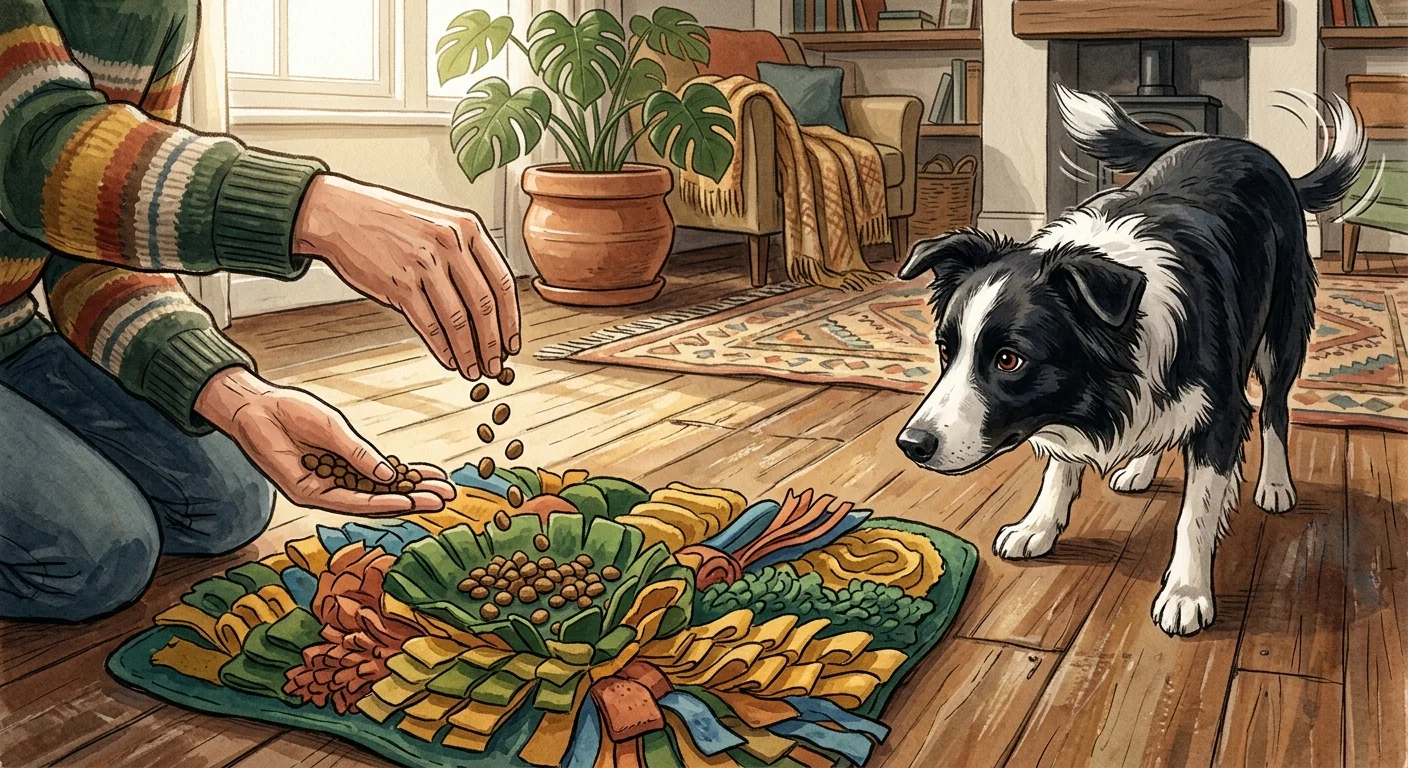
- Turn Feeding Time into Brain Games: Ditch standard food bowls completely. Feed your dog their daily kibble using puzzle toys, snuffle mats, or by hiding small portions around the house for them to hunt using their nose.
- Enroll in Canine Sports: Joining local clubs for agility, dock diving, barn hunt, or flyball provides structured weekly outlets that challenge your dog’s mind and body under expert supervision.
Worth Keeping in Mind
While fulfilling the biological needs of high exercise requirement dogs is vital, pushing canines too hard or without proper preparation can lead to serious medical and behavioral setbacks:
1. Over-Exercising Growing Puppies
Puppies of large, athletic breeds have open growth plates in their long bones that do not fully fuse until 12 to 24 months of age.
Subjecting young puppies to repetitive, high-impact running on hard surfaces (like asphalt running alongside a bike) can cause permanent joint damage, hip dysplasia, and early-onset arthritis. Stick to short, exploratory play sessions for young puppies until your veterinarian clears them for distance running.
2. The Endurance Conditioning Trap
If you rely strictly on physical cardio to tire out a high-energy dog, you will gradually build their metabolic stamina.
Within months, a dog that used to tire after five miles will comfortably run ten miles without breaking a sweat, leaving you with an ultra-conditioned canine athlete who still demands mental stimulation. Always balance physical running with cognitive work.
3. Heat Stroke and Environmental Hazards
High-drive working breeds will often run themselves to total exhaustion because their drive to work overrides their internal fatigue signals. Dark-coated breeds, heavy-coated Huskies, and deep-chested pointers are highly susceptible to heat stroke in warm weather.
Monitor environmental temperature, check paw pads for tears on hot pavement, and carry fresh water during summer workouts.
When to Get Professional Help
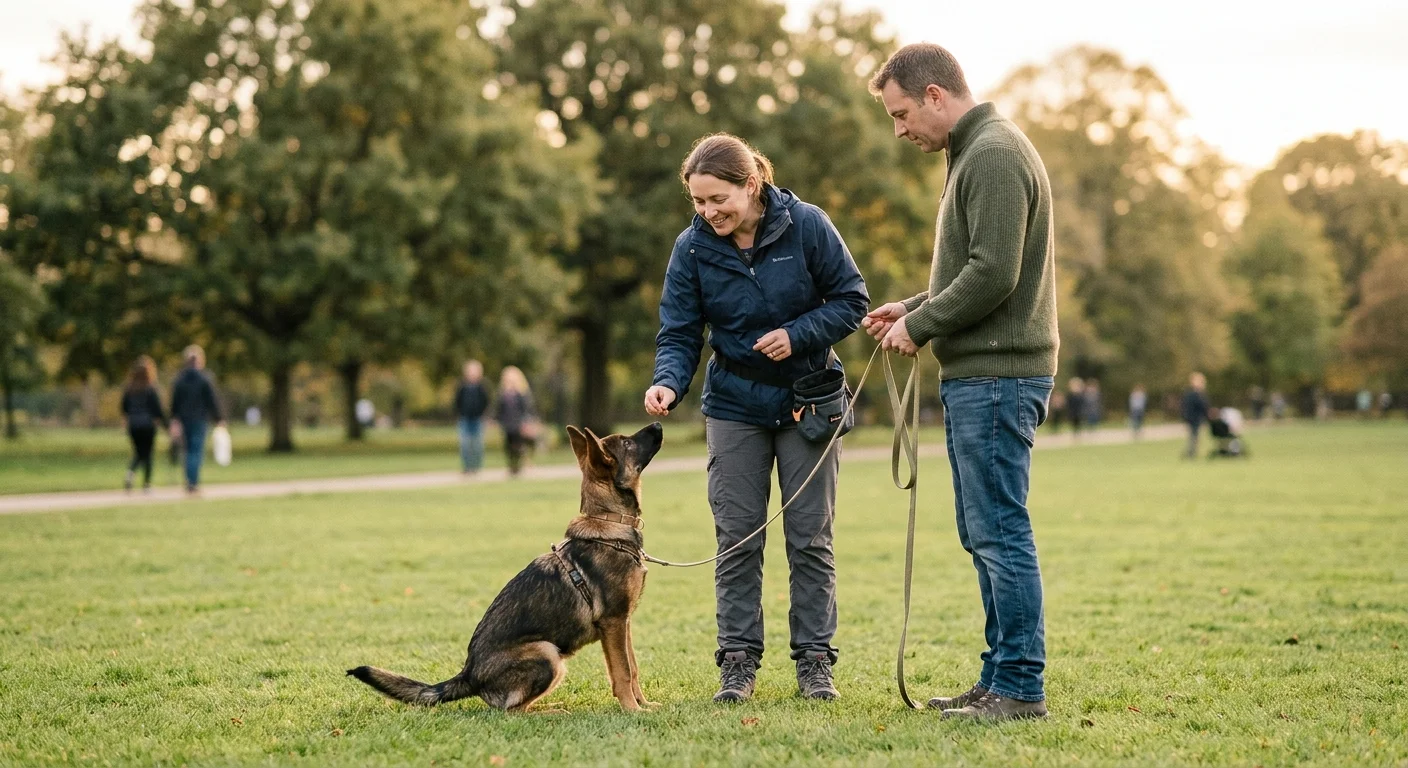
Managing most active dog breeds occasionally presents challenges that require expert medical or behavioral guidance. You should consult a licensed professional under the following circumstances:
- Sudden Changes in Stamina or Gait: If your usually tireless dog suddenly sits down during routine walks, lags behind, or shows stiffness after resting, schedule an orthopedic examination with your veterinarian immediately.
- Persistent Destruction Despite Adequate Exercise: If your dog continues to destroy door frames, chew drywall, or bark obsessively despite getting two hours of physical and mental stimulation daily, consult a certified veterinary behaviorist (DACVB). The issue may stem from clinical separation anxiety rather than simple excess energy.
- Signs of Heat Exhaustion or Exercise-Induced Collapse: Excessive panting, bright red gums, staggering, dark urine, or weakness during exertion are medical emergencies requiring immediate veterinary intervention. Guidelines from the American Veterinary Medical Association emphasize cooling the animal with room-temperature water while traveling directly to an emergency clinic.
Frequently Asked Questions
Can I split the two hours of exercise into multiple shorter sessions?
Yes, splitting the two hours into multiple sessions is actually preferable. A common and effective breakdown is a 60-minute active morning workout (running, fetching, biking) followed by a 30-minute afternoon scent walk and a 30-minute evening session focused on brain games and obedience training.
What happens if I miss a day of exercise with a high-energy dog?
An occasional rest day due to bad weather or illness will not harm a healthy, well-adjusted dog, provided they receive puzzle toys or indoor brain games. However, missing multiple consecutive days typically leads to pent-up frustration, restlessness, vocalization, and destructive chewing behavior.
Do mental stimulation games count toward the two-hour daily requirement?
Absolutely. High-level mental work—such as scent tracking, learning complex trick sequences, or navigating agility obstacles—burns substantial metabolic energy.
Thirty minutes of intense nose work can tire a working dog’s brain just as effectively as a thirty-minute run.
Are puppies of these breeds expected to exercise for two hours daily?
No. Growing puppies should never undergo two hours of continuous, strenuous exercise. A good general guideline is five minutes of low-impact physical exercise per month of age, up to twice a day, until their growth plates close.
Focus heavily on age-appropriate brain puzzles and social training during puppyhood instead.
Final Thoughts
Welcoming one of these extraordinary canine athletes into your life demands a genuine lifestyle commitment. Reaching that two-hour daily milestone requires waking up earlier, going out in cold weather, and constantly inventing new ways to challenge your dog’s intelligence.
Yet, for active individuals, runners, hikers, and dedicated trainers, few bonds match the deep, rewarding partnership forged with a high-energy dog that is fully exercised, emotionally satisfied, and deeply devoted to its human guide.
The information here is meant for educational purposes. Specific circumstances—including health conditions, finances, location, and goals—may require different approaches.
When in doubt, consult a licensed professional or check official sources directly.
Last updated: May 2026. Rules, prices, and details change—verify current information with official sources before acting on it.