Your dog expresses pure contentment through some of the weirdest, most comical behaviors in the animal kingdom. Decoding these eccentric habits helps you understand your companion’s emotional wellbeing.
From sudden living-room sprints to upside-down sleeping poses, canine joy rarely looks dignified. Certified trainers look for specific physical markers that prove your pup feels secure, stimulated, and genuinely thrilled.
Here are seven hilarious signs your dog is loving life, along with the fascinating science behind every goofy wag, snort, and stretch.
01 The 30-Second Living Room Tornado (The Zoomies)
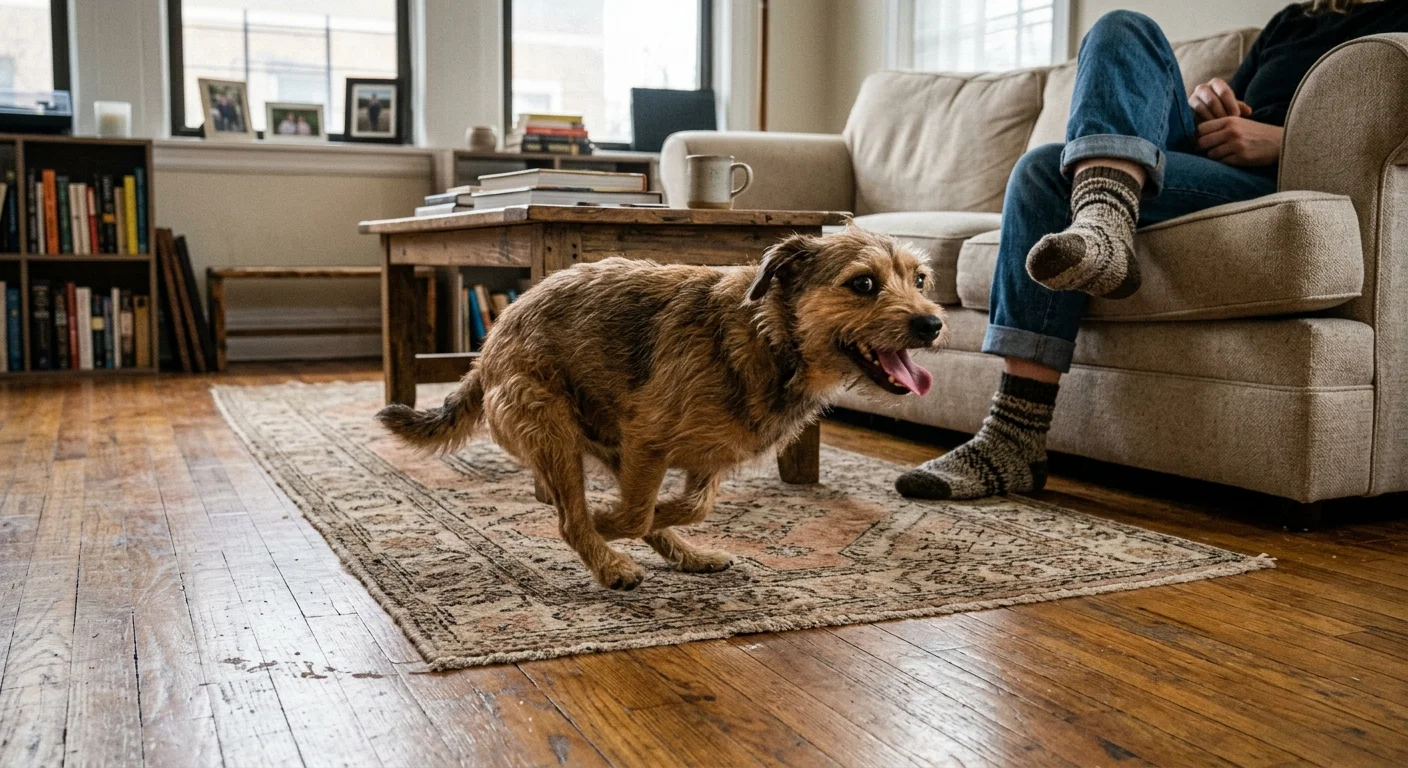
Nothing captures unfiltered canine bliss quite like a sudden burst of hyper-speed laps around your coffee table.
One second your dog rests calmly on the rug; the next, their eyes widen, their rear tucks low to the ground, and they tear across the carpet like an Olympic sprinter on a victory lap.
In veterinary science, trainers and researchers refer to this phenomenon as Frenetic Random Activity Periods, or FRAPs. According to the American Kennel Club, zoomies represent a completely natural release of pent-up energy and emotional excitement.
Dogs often unleash FRAPs after a bath, following an engaging training session, or when their favorite human walks through the front door after work.
When your dog enters zoomie mode, observe their facial expression and posture:
- The “Tucked” Tail and Low Rear: Lowering the pelvis gives your dog maximum traction for tight cornering across hardwood floors or grass.
- Soft, Dilated Eyes: Their eyes look wide and alert, but without the hard, rigid stare associated with fear or defensive aggression.
- The Playful Open Mouth: Their jaw remains loose, often with their tongue flapping sideways in pure delight.
To support your dog during a zoomie spell, simply clear dangerous obstacles out of their flight path. Never chase them in a tense manner, as this can turn joyful play into frantic panic.
Instead, sit back and enjoy the show—a dog zooming across your lawn is a dog experiencing peak life satisfaction.
02 The Unapologetic “Frog Sploot”
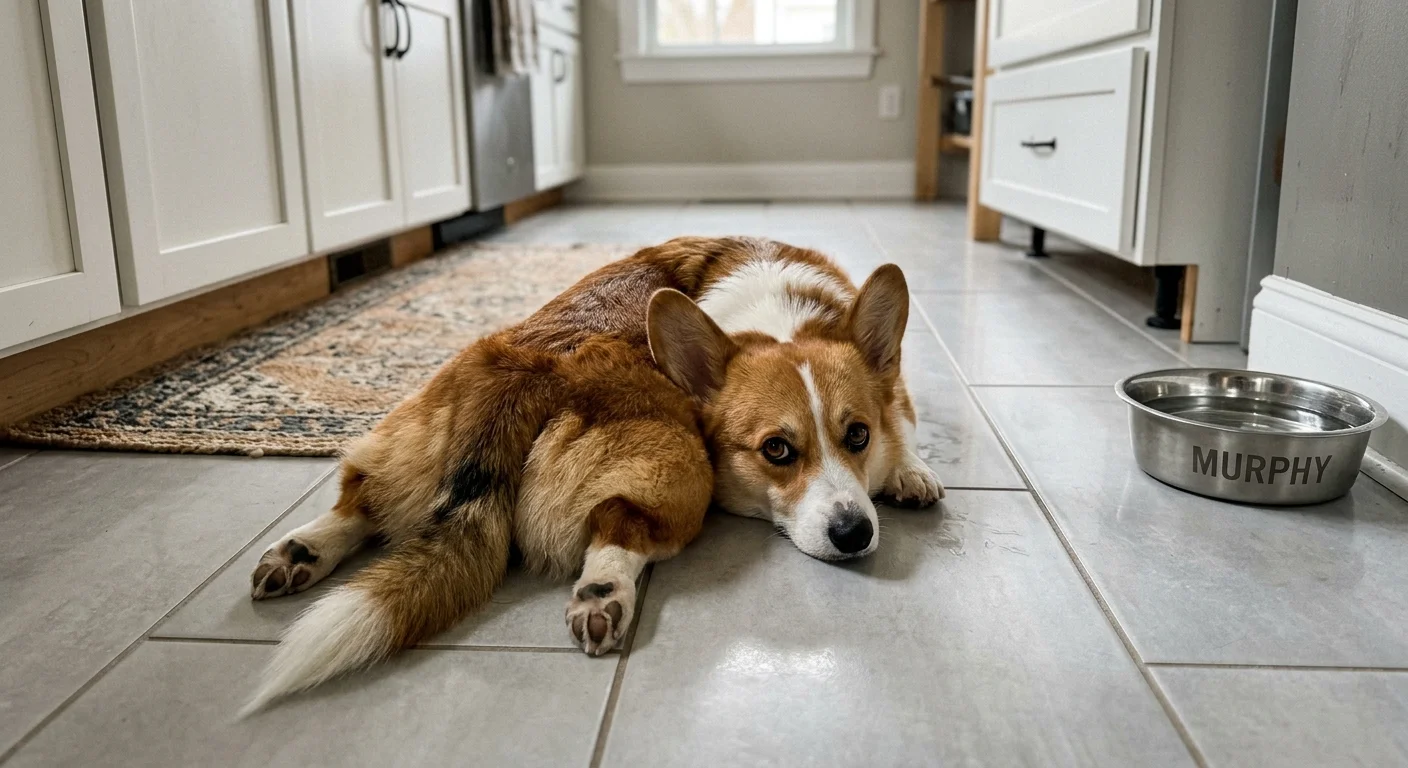
If you have ever glanced down at your floor and discovered your dog lying flat on their belly with both hind legs kicked straight out behind them, you have witnessed the famous “sploot.” Resembling a furry frog or a dropped pancake, this pose looks ridiculous, yet it serves a clear anatomical and emotional purpose.
Dogs sploot for two primary reasons: physical comfort and thermoregulation. When a dog flattens their groin and lower abdomen against cool tile or hardwood, they rapidly lower their core body temperature after an exhilarating walk.
Furthermore, kicking both legs back provides a gentle stretch to the hips, lower spine, and flexor muscles.
From a behavioral standpoint, a splooting dog is declaring total peace with their environment. A dog will only expose their hindquarters and vulnerable belly area when they feel zero threat from their surroundings.
If your dog regularly relaxes in a full sploot while chewing a favorite toy, you have created a home environment where they feel safe enough to let their guard down completely.
03 The Dramatic Play Sneeze and “Reverse Roo”
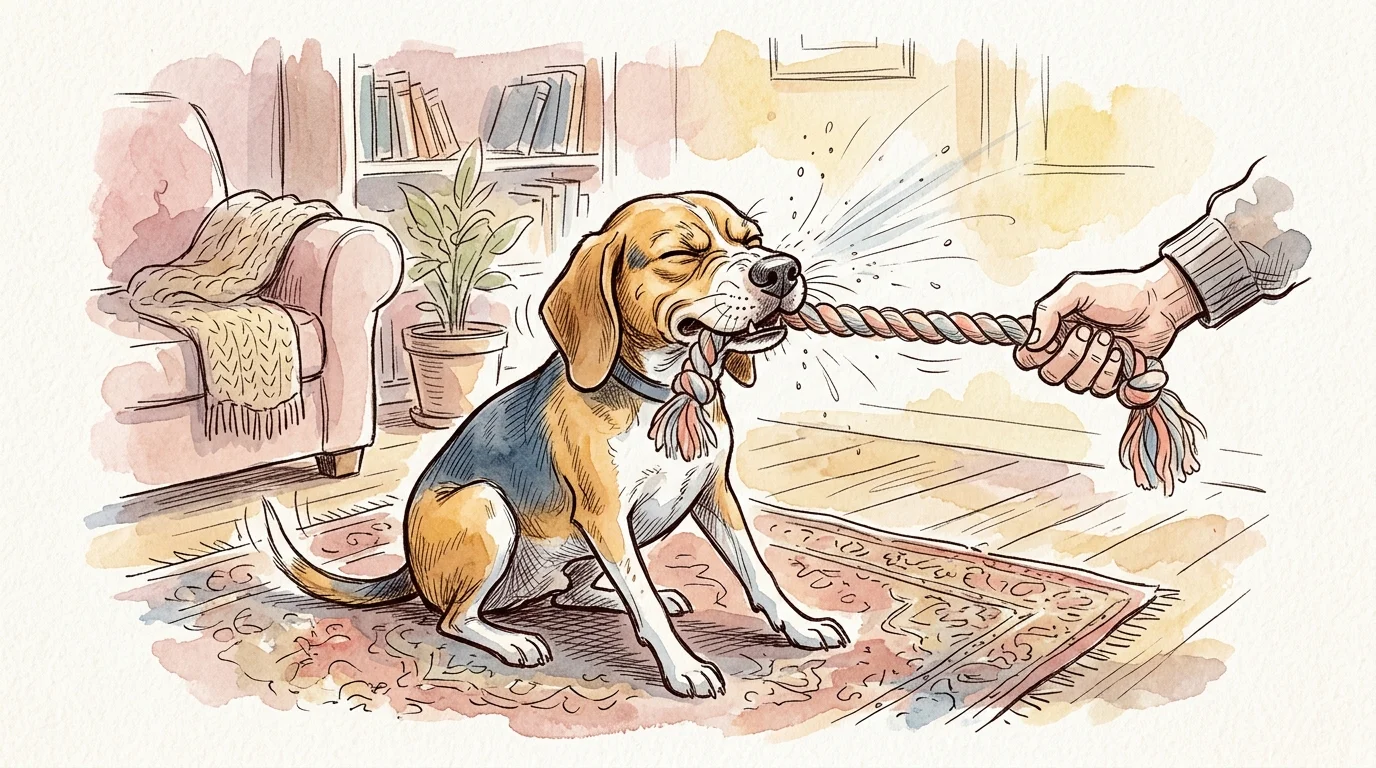
Have you ever engaged in a gentle wrestling match or a game of tug-of-war with your dog, only for them to stop, look you in the eye, and violently sneeze three times in a row?
While human sneezes signal allergies or dust, canine play sneezes serve as an ingenious communication tool.
When dogs engage in rambunctious play, their body language can mimic actual conflict. They bare their teeth, growl, pounce, and shake toys aggressively.
To prevent misunderstandings between playmates—whether human or canine—dogs emit sharp, intentional sneezes. Animal behaviorists categorize these fake sneezes as “play calming signals.”
Your dog’s play sneeze essentially says, “I am growling and acting fierce, but do not worry; this is strictly a game!” Accompanied by chuffs, snorts, and melodic low howls (often called “roos”), these vocalizations prove your dog is actively calibrating their energy to keep playtime fun and cooperative.
04 The Belly-Up “Roach” Sleep Position
Wild canids and stressed domestic dogs sleep in tightly curled balls, protecting their vital organs, preserving core body heat, and remaining ready to leap to their feet at a moment’s notice.
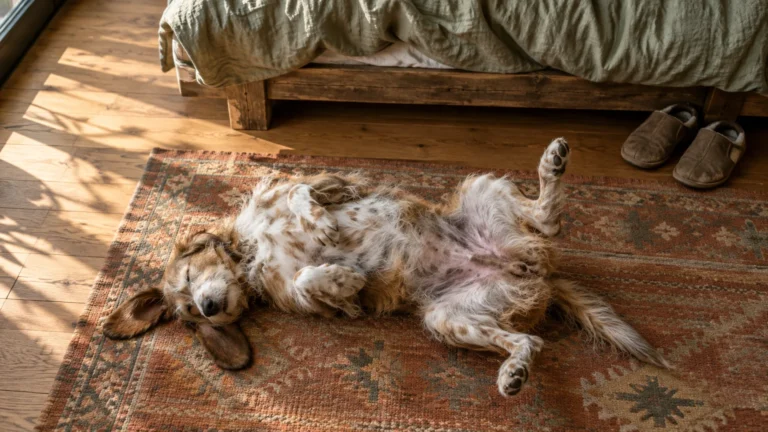
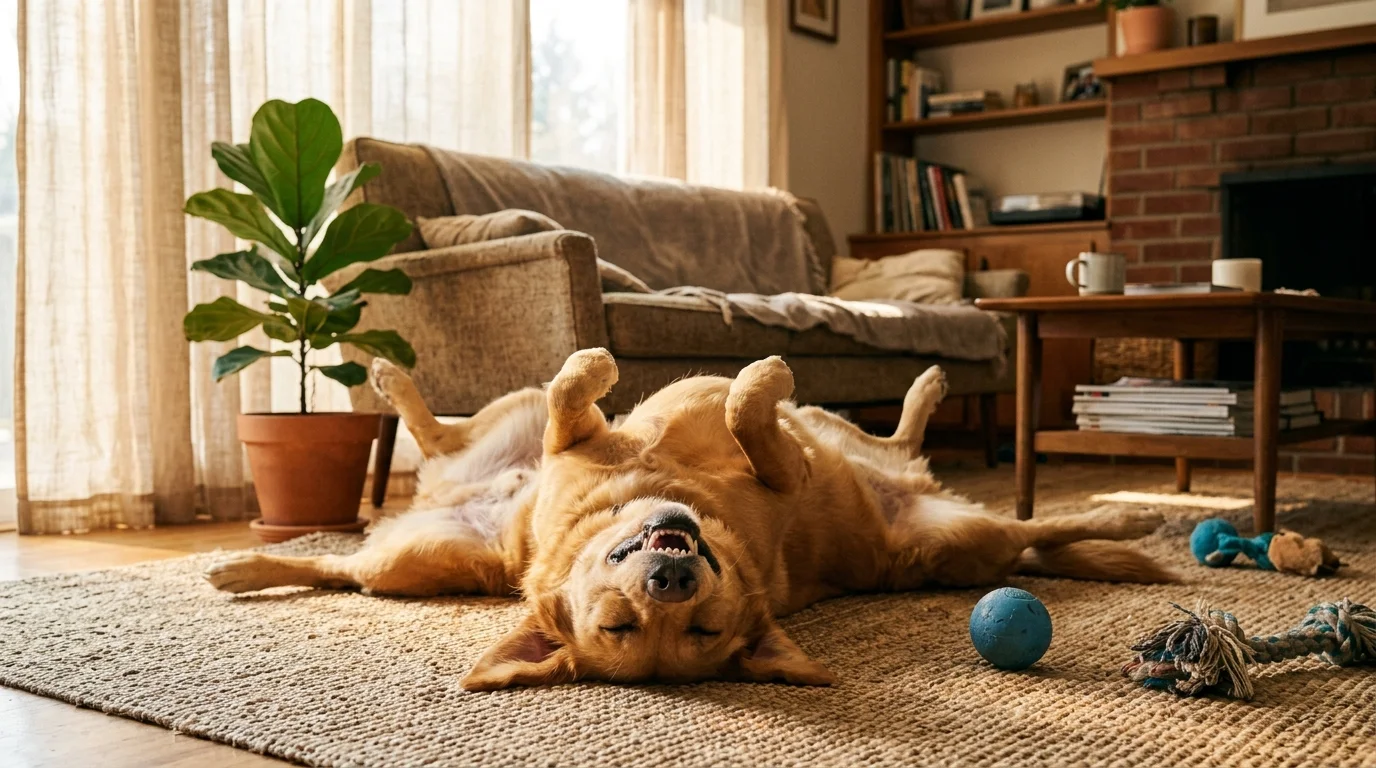
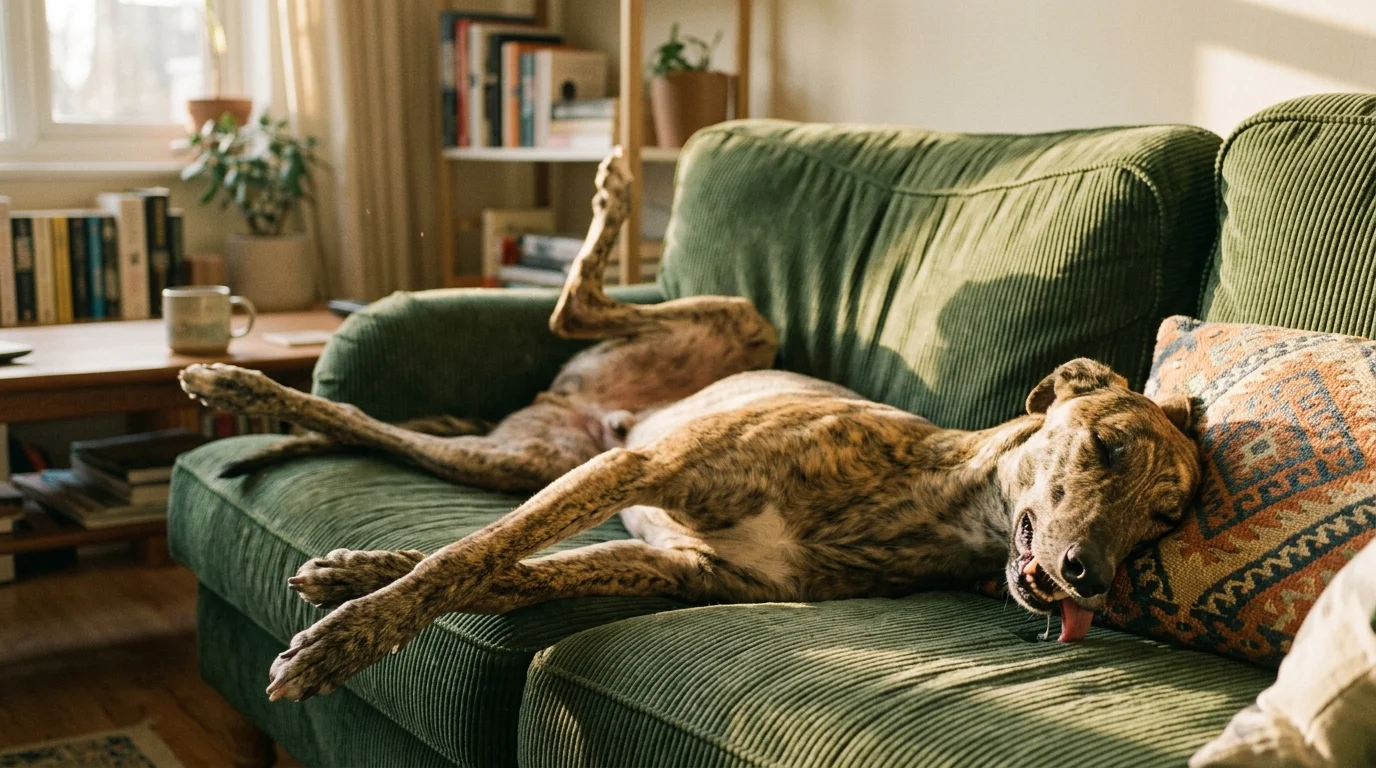
A dog that is loving life, however, sleeps in the exact opposite configuration: flat on their spine, all four paws dangling awkwardly in the air.
Often referred to by greyhound and hound owners as “roaching” because the dog resembles an upturned bug, this sleeping posture represents the gold standard of canine relaxation.
Research from VCA Animal Hospitals highlights that loose, exposed postures demonstrate profound emotional security and trust in the home environment.
When your dog roaches, they are communicating several important physiological states:
- Complete Muscular Relaxation: Every major muscle group across their back, chest, and legs goes completely limp.
- Deep Thermal Comfort: Exposing the lightly furred belly allows excess body heat to dissipate during deep sleep cycles.
- Absolute Vulnerability: Rolling onto the spine exposes the jugular, abdomen, and femoral arteries—an act impossible for a stressed or fearful animal.
If your pup chooses to slumber upside down on your sofa with their jowls flopping backward, take pride in the fact that your home represents their ultimate sanctuary.
05 The Aggressive Butt-Shove and Hip Check
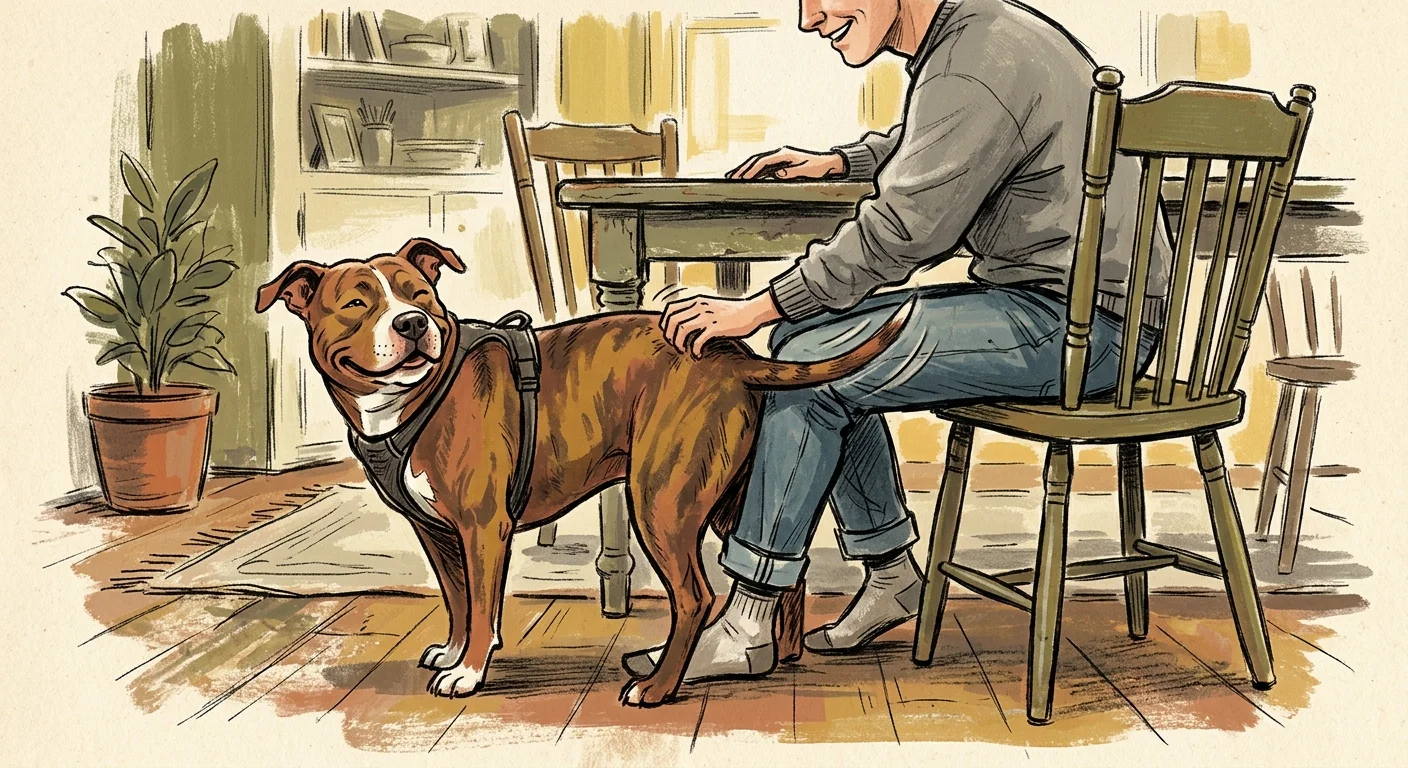
You sit down on the floor to tie your shoes or relax on the couch, and your dog trots over, turns around, and forcefully backs their rear end directly into your shins or lap.
While humans might view this gesture as slightly impolite, in canine social etiquette, offering the hindquarters is an affectionate compliment.
In dog body language, head-on approaches can sometimes convey intensity or confrontation. When two dogs greet politely, they curve their bodies into a soft crescent shape, sniffing each other’s flanks.
When your dog turns their back to you and firmly leans their hips against your legs, they are demonstrating absolute goodwill.
This “butt-shove” also targets your dog’s favorite scratch zone. The base of the tail and lower lumbar area contain numerous nerve endings that are difficult for a dog to reach with their own paws.
By backing into you, your dog combines deep social bonding with an enthusiastic request for lower-back scritches.
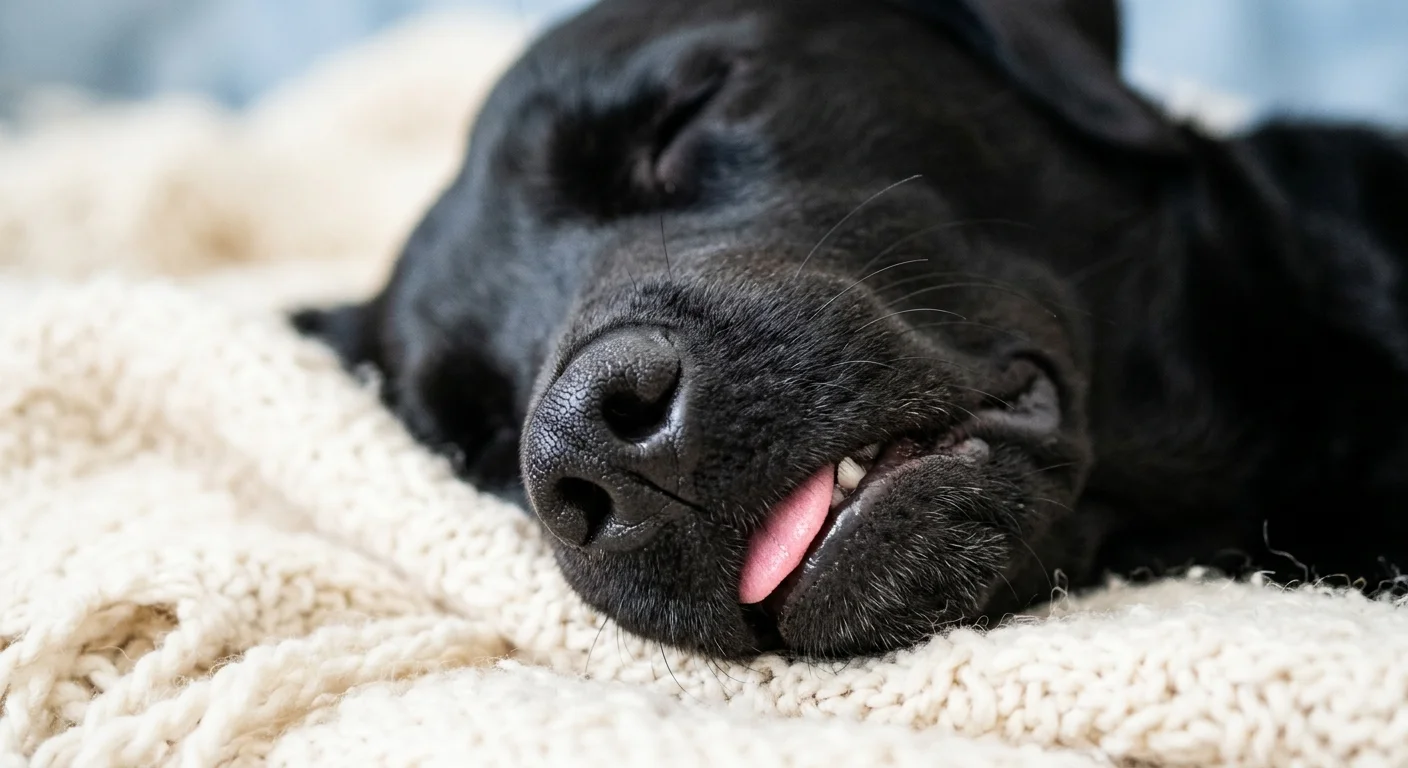
06 The Sleepy “Derp Face” and Tongue Slip (Blep)
Few things bring more laughter to dog owners than the “blep”—that moment when your dog stares into space with the very tip of their pink tongue protruding past their front teeth.
Coupled with half-closed eyes and completely relaxed facial jowls, this expression produces endless entertainment.
A dog’s face contains intricate muscle networks that reflect their internal emotional state. When a dog experiences anxiety, their facial muscles tighten: the corners of their mouth pull back into a tense grimace, their forehead wrinkles, and their lips clamp shut.
Conversely, a content dog displays what trainers call a “soft face.”
When your dog enters a state of deep, blissful relaxation, the muscles controlling their jaw and tongue loosen completely. The tongue naturally slips forward between the incisors, especially in breeds with shorter muzzles or dogs missing lower teeth.
When you spot the derp face after a long walk and a nutritious meal, you are looking at a dog whose nervous system is bathed in restorative calm.
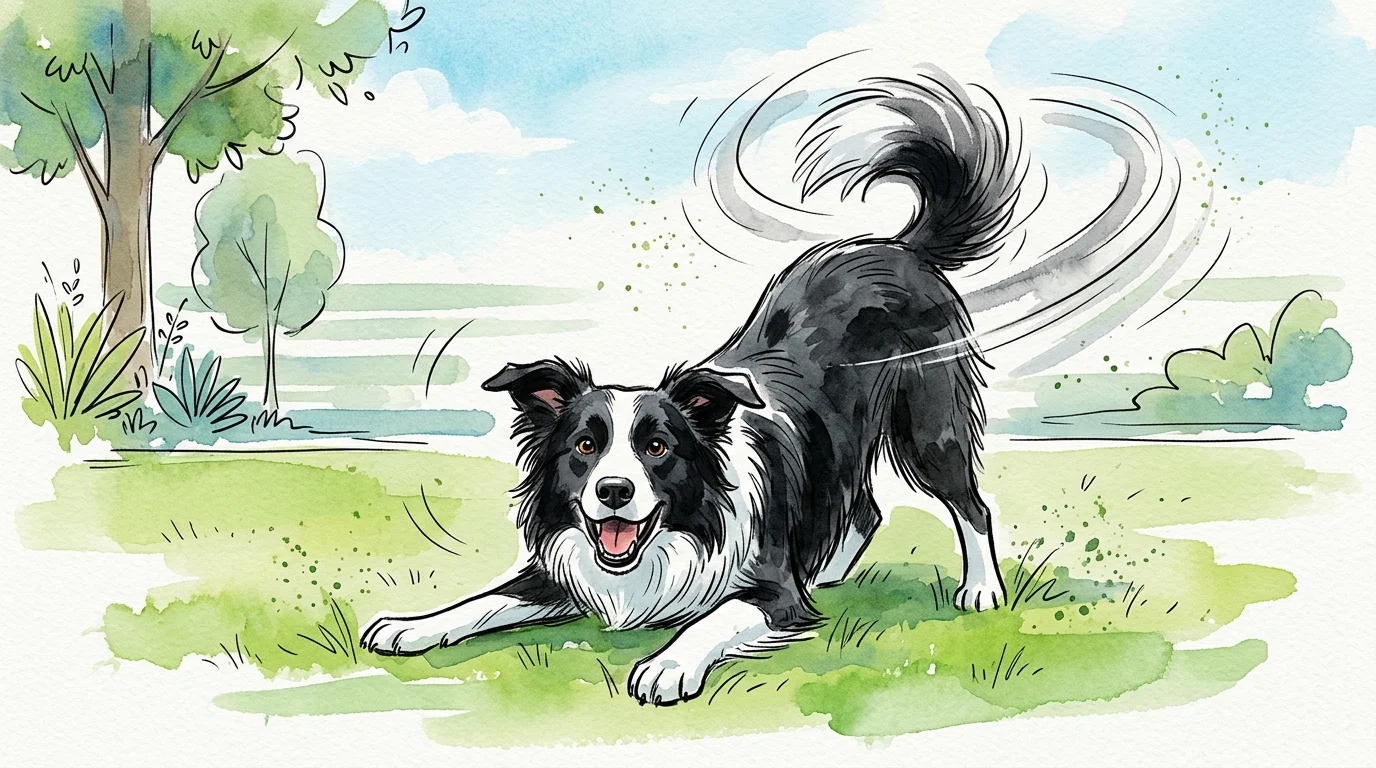
07 The Exaggerated Play Bow and Tail Helicopter
The universal signature of canine joy is the classic play bow: chest pressed against the ground, front elbows bent, hindquarters high in the air, and a tail spinning in wide, circular arcs.
While a standard wag can mean anything from curiosity to high arousal, the circular “helicopter tail” specifically denotes unreserved enthusiasm.
Trainers prioritize the play bow because it demonstrates emotional elasticity. During a play bow, a dog will often hold the pose for a split second, bounce backward, shake their coat vigorously, and invite you to chase them.
This dynamic movement pattern reflects a mind that feels entirely free from environmental stressors.
You can encourage this playful spirit by mirroring the posture. Taking a quick step back, dropping your shoulders, or patting your thighs creates a dynamic play loop that strengthens the human-canine bond.
Joy is contagious; dogs love nothing more than seeing their humans join in on the celebration.
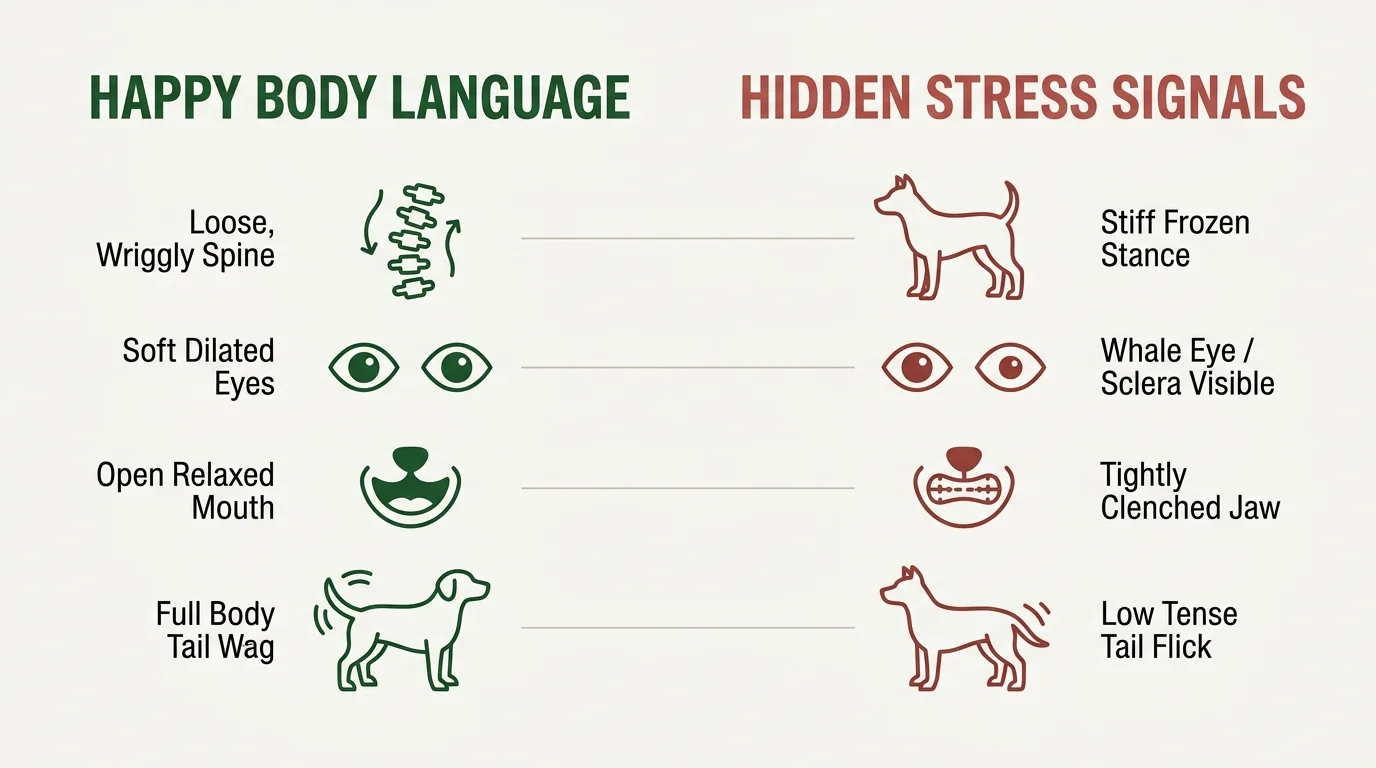
Decoding the Joy: Happy Body Language vs. Hidden Stress
Because canine communication can be subtle, well-meaning owners sometimes confuse frantic or anxious behaviors with true happiness. For example, a dog that pants excessively while holding their body rigid may be experiencing stress rather than excitement.
Understanding these subtle differences ensures you provide the right support when your dog needs it.
The comparison table below outlines how to distinguish between genuine, relaxed joy and subtle stress markers during common daily interactions.
| Behavioral Context | Sign of True Happiness | Potential Stress Indicator |
|---|---|---|
| Physical Activity | Zoomies with loose, bouncy turns; pauses to sniff or shake off; soft eyes and open mouth. | Repetitive pacing; frantic spinning without playful pauses; tight lips and dilated pupils. |
| Vocalizations | Sharp play sneezes, soft chuffs, rhythmic “roo” howls during interactive games. | High-pitched repetitive whining, frantic yelping, or low, sustained guttural growls. |
| Resting Postures | Frog splooting, back-sleeping (“roaching”), limp limbs, slow rhythmic breathing. | Tense, vigilant posture; sudden startle responses; tight tucking with tail over the face. |
| Physical Contact | Leaning their rear into you, nudging for pets with a soft gaze and relaxed ears. | Stiffening when touched, avoiding eye contact, frequent lip-licking, or sudden yawning. |
| Tail Movement | Wide circular sweeps (helicopter tail) that engage the entire spine and hips. | High, rigid, fast-vibrating tail with a stiff body; low tucked tail held tight to the belly. |
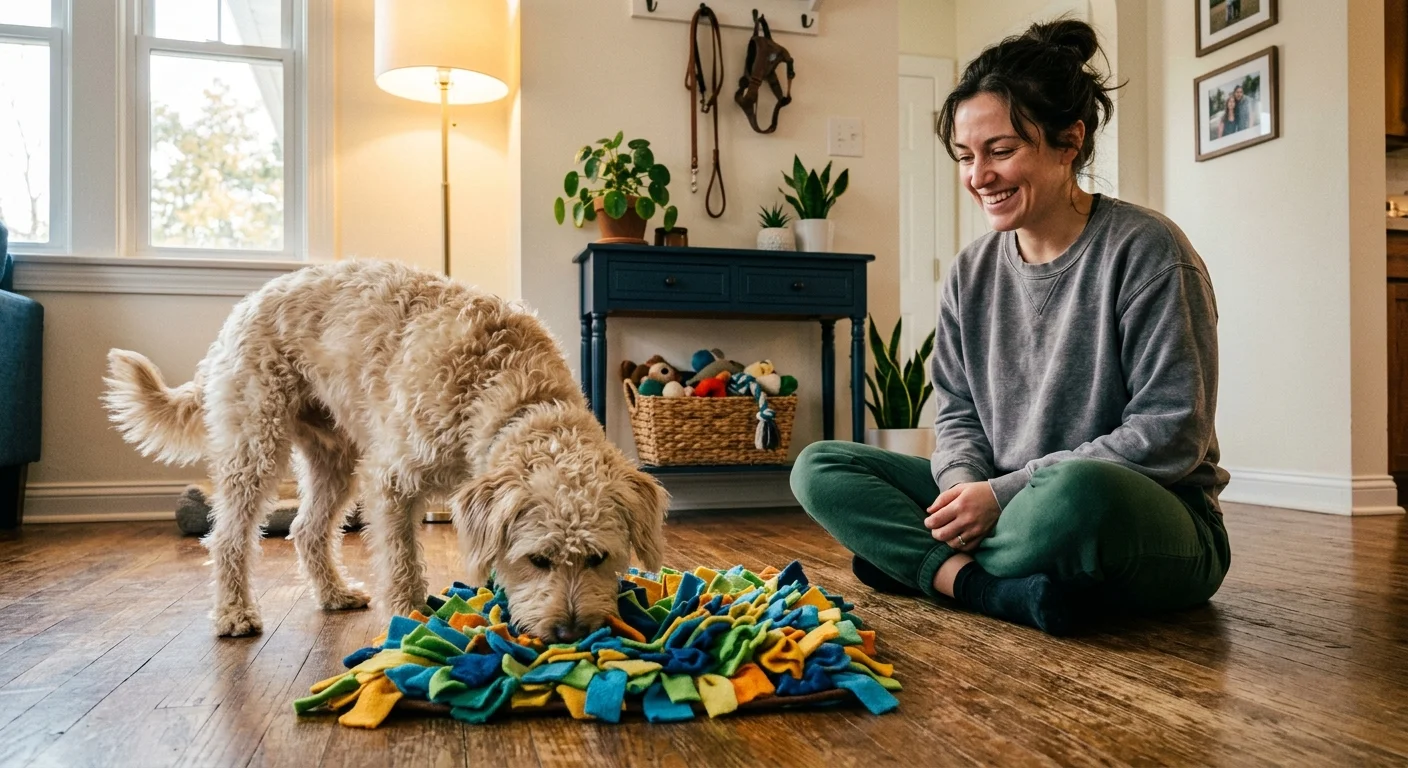
How to Foster Even More Everyday Joy for Your Dog
Happiness in dogs is not an accident; it is the natural byproduct of meeting their physical, cognitive, and social needs. Certified trainers utilize targeted enrichment strategies that allow dogs to express their natural canine instincts in safe, rewarding ways.
To elevate your dog’s daily routine from mundane to extraordinary, incorporate these evidence-based enrichment practices recommended by organizations like Fear Free Pets:
- Embrace “Sniffaris” Over Brisk Heeling: While structured walks build leash manners, dedicated decompression walks allow your dog to explore the world through their nose. Scent work lowers a dog’s heart rate and triggers the release of dopamine in their brain. Dedicate at least 15 minutes of each walk solely to sniffing whatever lamppost or patch of grass catches their interest.
- Implement Canine Brain Puzzles: Ditch the standard food bowl in favor of snuffle mats, lick mats, and interactive puzzle toys. Working for their meals engages your dog’s natural foraging drive, burning mental energy and preventing boredom-related destructive behaviors.
- Perform the “Consent Test” for Petting: Pet your dog for five seconds, then pause and move your hand away. If your dog nudges your hand, steps closer, or leans their body against you, they are enthusiastically consenting to physical affection. If they turn away or remain neutral, respect their space. Giving your dog bodily autonomy builds deep trust.
- Provide Safe Chew Outlets: Chewing stimulates the production of endorphins and serotonin in canines. Offer durable, veterinarian-approved chew items like natural rubber toys stuffed with frozen dog-safe peanut butter or wet food to help them unwind after an exciting day.
Frequently Asked Questions About Dog Happiness
Do dogs really smile when they are happy?
Yes, dogs exhibit a “play face” or relaxed open-mouth posture that closely resembles a human smile.
When a dog is relaxed and enjoying life, the muscles around their lips loosen, retracting slightly to expose their front teeth and tongue without any tension in the muzzle or forehead. While distinct from human laughter, this facial expression reliably signals comfort and playfulness.
Why does my dog shake their entire body after playing or greeting me?
The “shake-off” functions as an emotional reset button. After experiencing high arousal—even positive excitement like greeting you at the door or playing fetch—dogs perform a full-body shake from nose to tail.
This physiological reflex releases residual muscular tension and resets their nervous system back to a balanced baseline.
Is it normal for my dog to sigh loudly while relaxing?
Canine sighs can communicate two distinct emotional states depending on the accompanying body language. If your dog sighs with their eyes half-closed, body limp, and head resting flat on their paws, it represents absolute contentment.
However, if your dog sighs while sitting up stiffly with alert eyes, it often signals mild frustration, such as waiting for a delayed dinner.
Can an older dog still get the zoomies?
Absolutely. While younger puppies zoom with greater frequency, senior dogs frequently experience bursts of joyous energy, especially in comfortable environments like soft grass or carpet.
As long as your senior dog displays no signs of joint pain or limping afterward, these happy bursts indicate excellent cognitive and emotional vitality.
Building a Lifetime of Joy
Every goofy snort, upside-down nap, and living-room sprint is your dog’s way of confirming that you are doing an exceptional job as their caretaker. By tuning in to these subtle, comical body language cues, you deepen the extraordinary bond shared between humans and dogs.
Celebrate their quirks, encourage their natural instincts, and enjoy every hilarious moment of their happy life.
This article provides general information only. Every reader’s situation is different—what works for others may not be the right fit for you.
For personalized guidance on health, legal, or financial matters, consult a qualified professional.
Last updated: May 2026. Rules, prices, and details change—verify current information with official sources before acting on it.