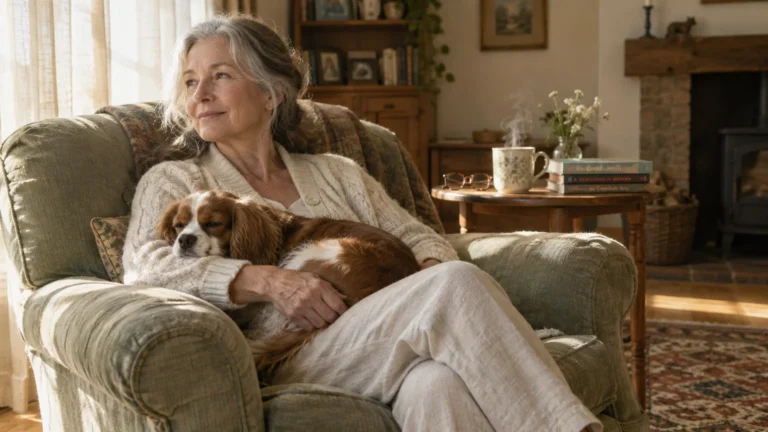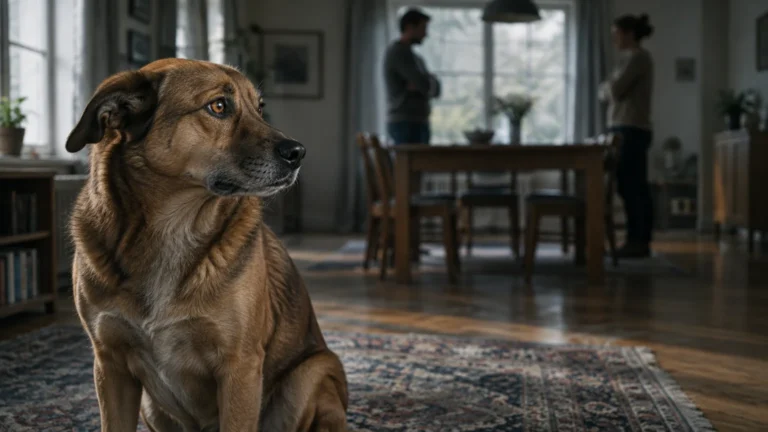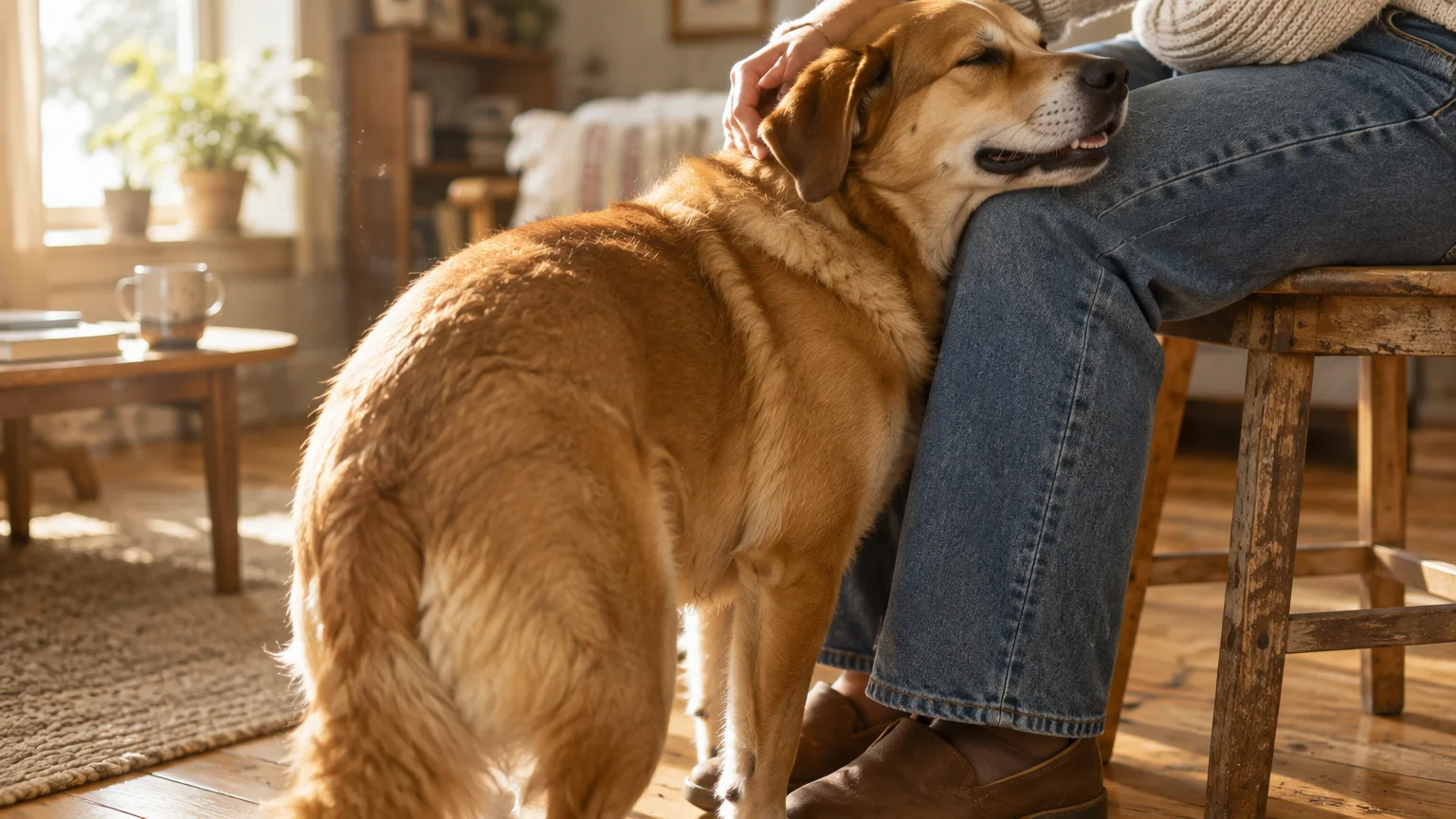
You sit on the couch or stand in your kitchen, and your dog presses their entire body against your shins. This classic canine lean delivers an unmistakable message of affection, comfort, or social reassurance.
While outdated training myths mischaracterize this behavior as an attempt to assert dominance, science paints a much sweeter picture. Canine companions lean because physical contact feels rewarding and reinforces social security.
Understanding the underlying reasons dogs lean against people enables you to support your dog’s emotional well-being. Here is what your four-legged companion is truly communicating when they press into your legs.
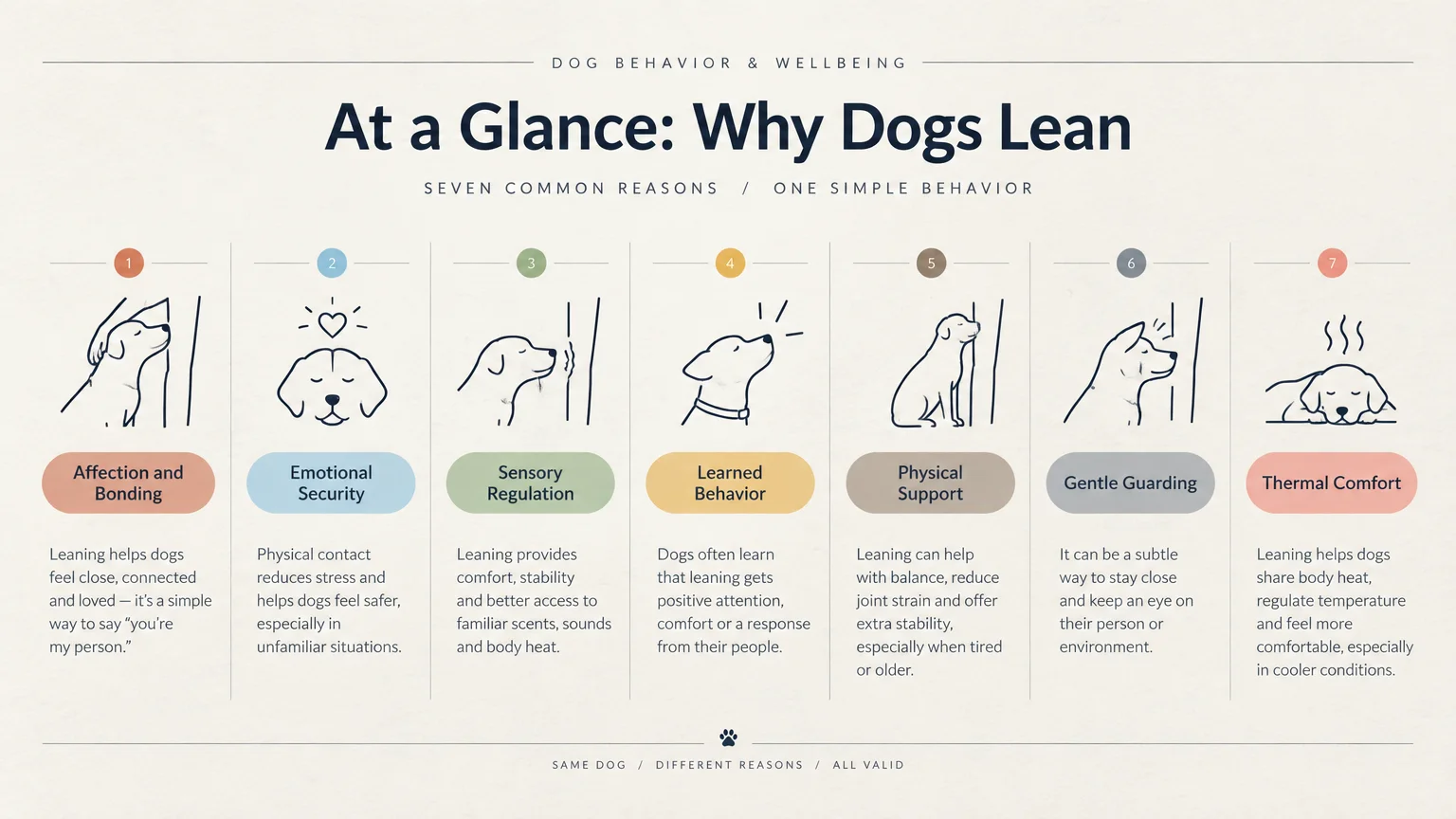
At a Glance: Why Dogs Lean
- Affection and Bonding: Dogs lean to offer the canine equivalent of a warm hug.
- Emotional Security: Physical contact acts as an anchor during stress, thunderstorms, or unfamiliar encounters.
- Sensory Regulation: Deep pressure grounds overstimulated nervous systems.
- Learned Behavior: Leaning often earns immediate verbal praise, scratches, and attention.
- Physical Support: Joint pain, fatigue, or balance issues can make extra support necessary.
- Gentle Guarding: Some dogs lean to claim space or block access to their favorite person.
- Thermal Comfort: Leaning allows dogs to share body warmth on cold days.
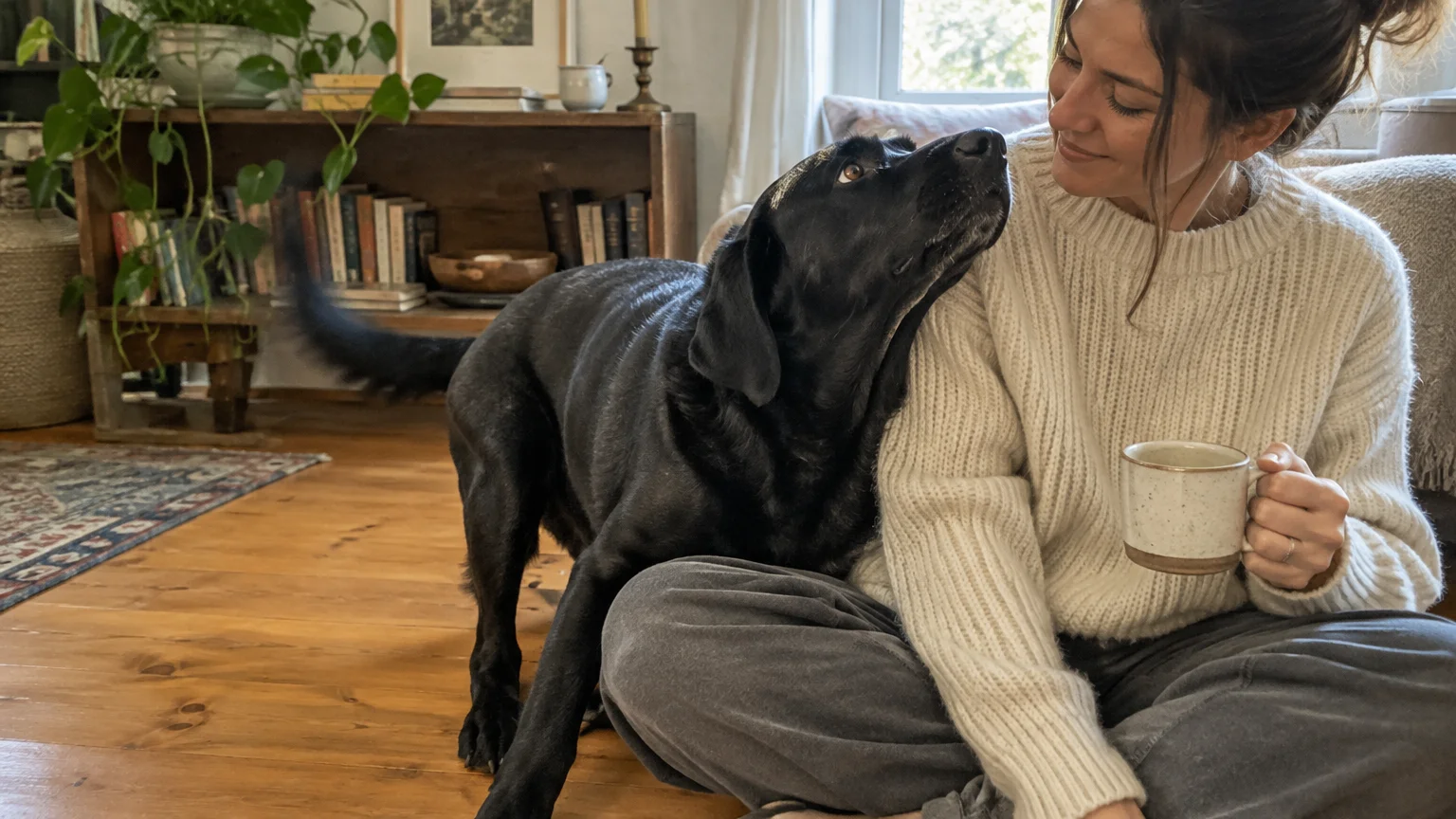
01 Expressing Affection and Craving Closeness
For most canines, leaning represents a simple declaration of love. Dogs lack flexible forelimbs suited for human-style embraces, so they use their entire torso to initiate full-body contact.
According to the American Kennel Club, leaning signifies genuine affection and demonstrates high social trust. When a dog leans against your shins, they show complete vulnerability in your presence.
This physical contact stimulates an internal hormonal shift. Mutual contact triggers oxytocin release in both human and canine bodies; this neurochemical reinforces companionship and lowers resting stress levels.
Notice your dog’s facial expressions and overall posture during these moments. A relaxed mouth, soft gaze, and loose tail wags indicate that your companion simply wants to be near you.
You can lean back slightly or offer gentle chest rubs in return. Responding with calm warmth validates their social overture and deepens your mutual bond.
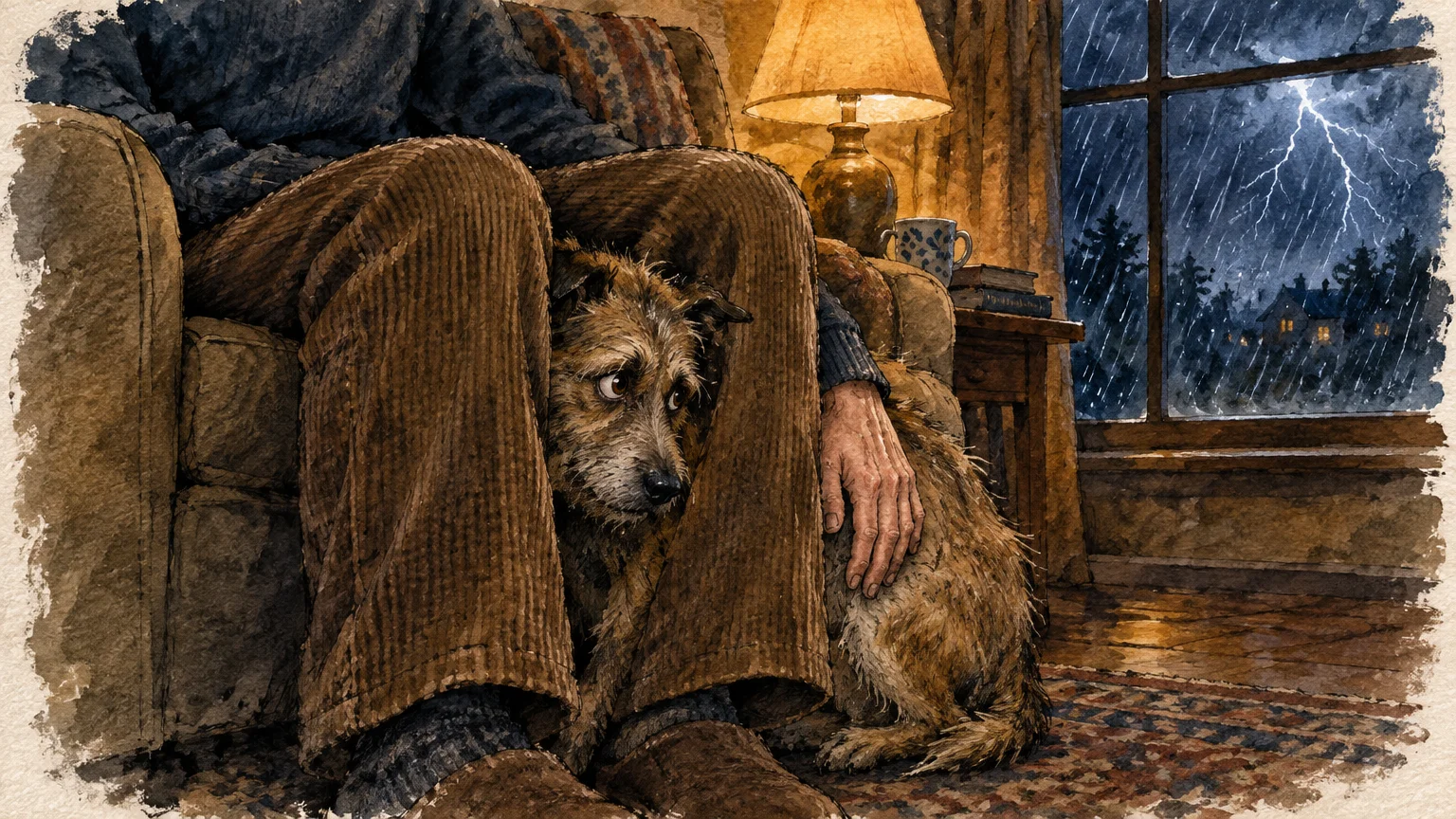
02 Seeking a Safe Haven from Fear and Anxiety
Dogs frequently seek direct tactile reassurance when the outside world feels overwhelming. Clinging close to you helps them navigate sudden frights or prolonged tension.
Environmental triggers often prompt this protective leaning. Distant thunderclaps, holiday fireworks, bustling dinner parties, or veterinary waiting rooms can cause sudden distress.
Guidance from the ASPCA highlights that physical closeness offers vital security when scary stimuli appear. Your steady presence grounds your dog and helps regulate their fight-or-flight response.
Distinguishing an anxious lean from a contented lean requires observing subtle body signals. Anxious canines exhibit physiological indicators of stress alongside their leaning posture.
Watch for pinned-back ears, excessive panting, trembling flanks, or wide eyes showing whites around the rims. In extreme situations, a dog may attempt to hide their head behind your knees.
Never punish an anxious dog for seeking physical contact. Speak in low, steady tones and guide them to a quiet, sheltered room where they feel protected.
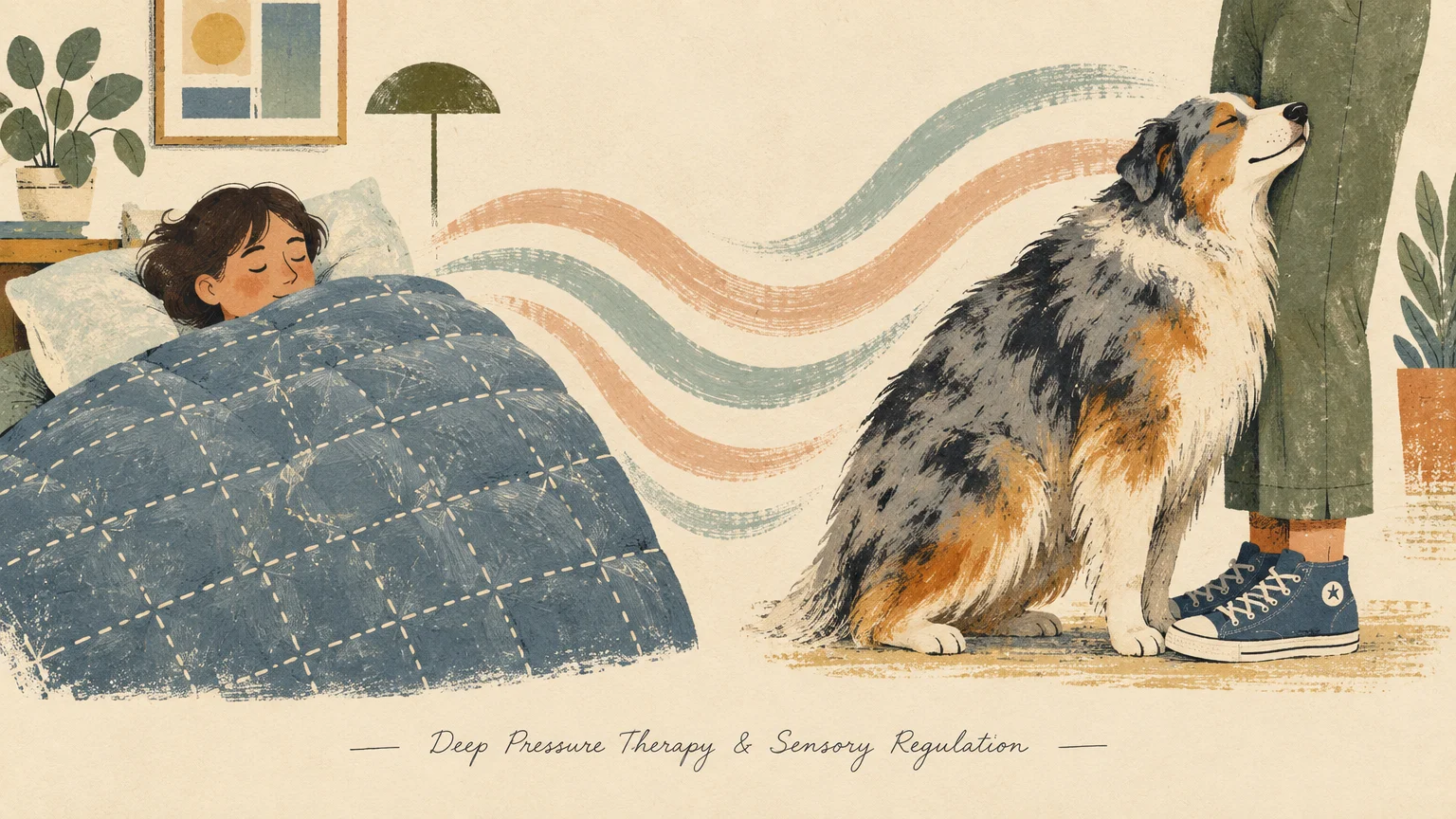
03 Deep Pressure Therapy and Calming Mechanisms
Just as humans find comfort under weighted blankets, many dogs benefit from firm, grounding pressure. Leaning compresses your dog’s core against your legs, delivering instantaneous tactile feedback.
This firm contact engages the autonomic nervous system. The sustained physical sensation stimulates the parasympathetic branch, slowing your pet’s heart rate and lowering blood pressure.
Service dogs receive specialized training to deliver this exact sensory input to humans through deep pressure therapy. However, pet dogs frequently seek this soothing input for themselves by leaning hard into their owners.
High-energy or easily stimulated working breeds often lean after intense mental or physical activities. The contact helps them transition from a state of arousal back into resting mode.
If your dog seeks firm contact after thrilling play sessions, allow them to decompress beside you. Steady stroking along their back amplifies this natural calming mechanism.
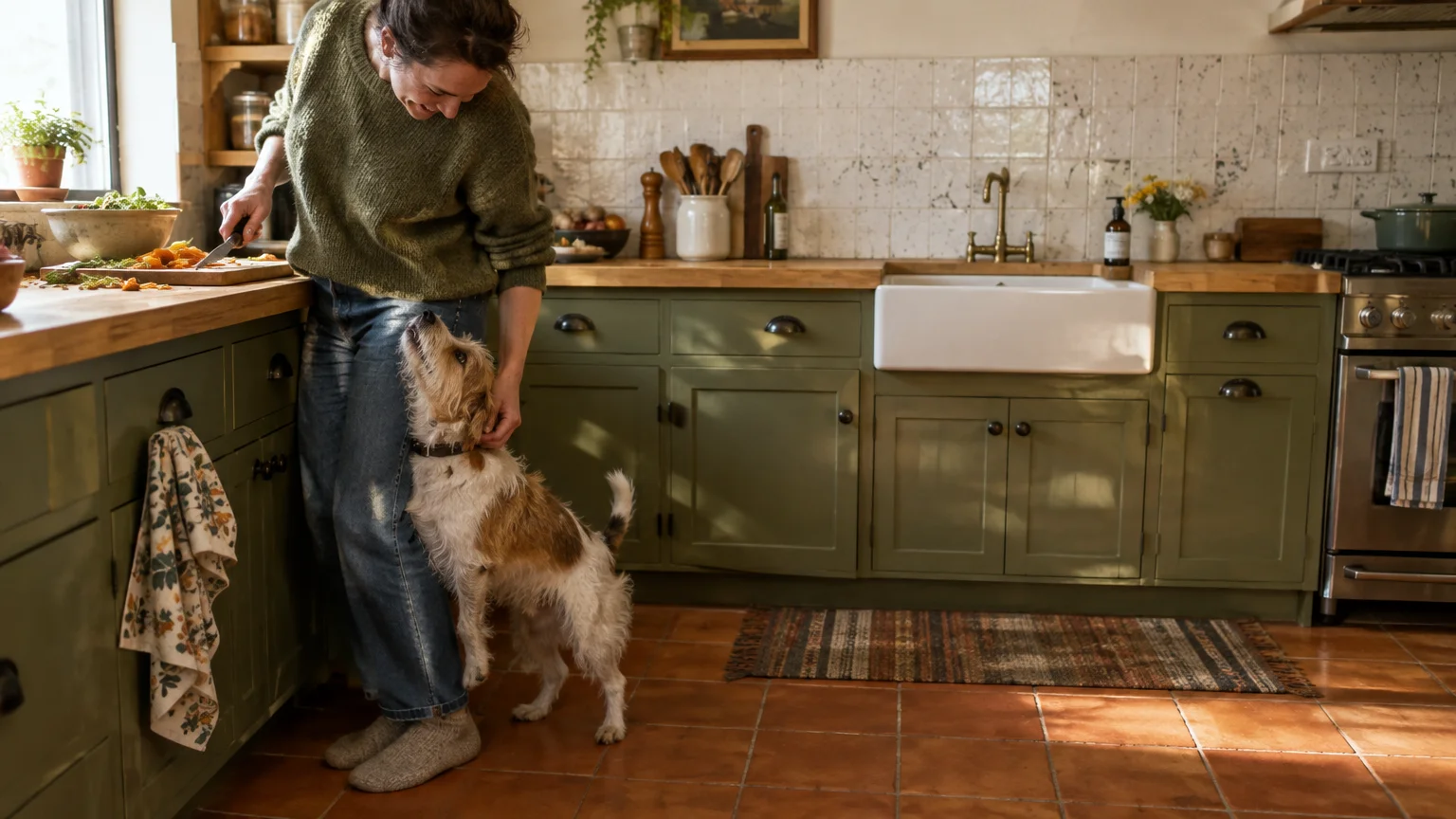
04 Operant Conditioning and Inadvertent Training
Dogs repeat behaviors that produce positive results. If your dog leans against your legs and immediately receives attention, they quickly memorize the sequence.
You may inadvertently train your dog to lean through subtle daily responses. Looking down, speaking gently, rubbing their ears, or offering a snack provides powerful social rewards.
The canine brain associates the leaning motion with an immediate emotional or tangible payoff. Over weeks and months, a spontaneous lean evolves into a reliable, deliberate habit.
This learned behavior remains harmless for most households. However, giant breeds can accidentally knock small children or unsteady seniors off balance with an enthusiastic lean.
If you want to reduce constant leaning, ignore the initial physical push. Ask your dog for an alternate behavior, such as a steady sit, before offering your affection.
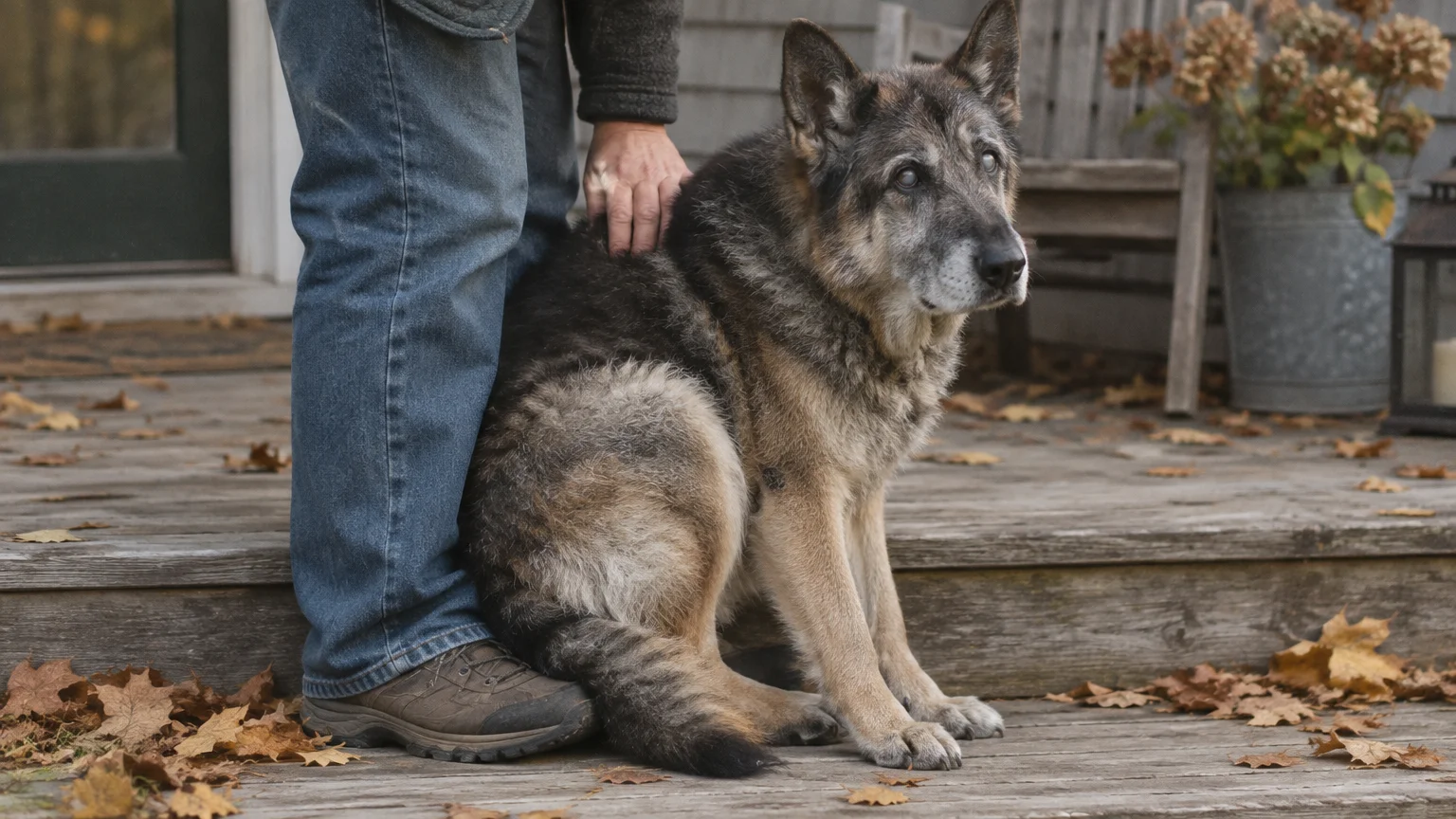
05 Physical Pain, Balance Issues, or Musculoskeletal Weakness
While most leaning stems from emotional states, sudden changes in posture can indicate physical distress. Dogs instinctively conceal pain, but mechanical weakness often forces them to seek physical support.
Senior canines frequently lean against walls, furniture, or owners to relieve aching joints. Chronic conditions like osteoarthritis or hip dysplasia make independent standing tiring and painful.
Veterinary literature from VCA Animal Hospitals notes that sudden behavioral deviations warrant a thorough medical evaluation. Neurological impairments, including vestibular disease, cause sudden disorientation and equilibrium loss.
When balance problems strike, a dog leans heavily against you simply to keep their footing. They rely on your physical strength as a living brace.
Observe whether your dog favors one limb, struggles to stand after naps, or hesitates on stairs. Contact your veterinarian promptly if leaning appears alongside stiffness, whining, or lethargy.
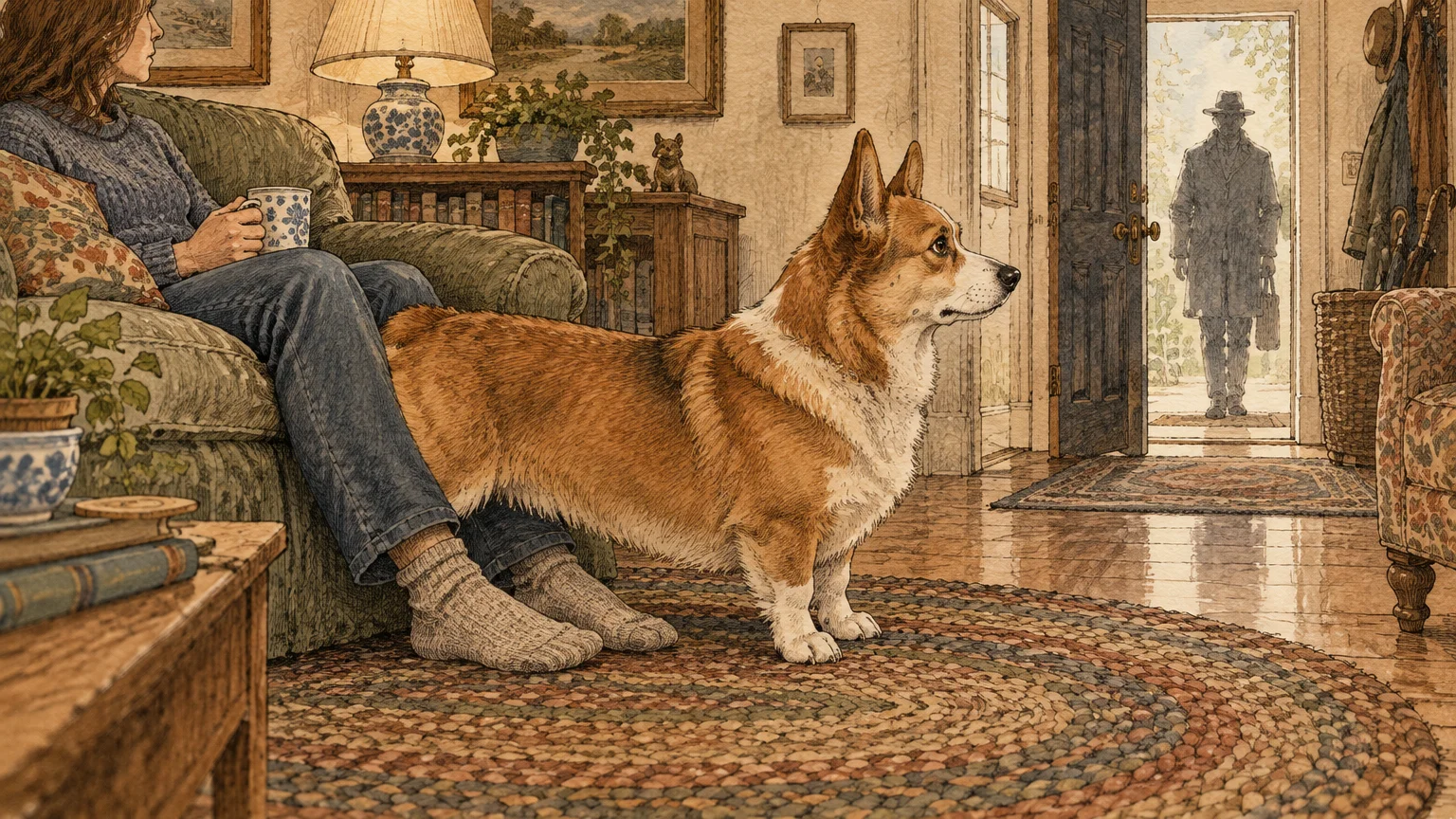
06 Subtle Guarding and Boundary Setting
In multi-pet households, leaning can represent a quiet effort to control personal space or valuable resources. In this context, you are the prized resource that your pet wishes to claim.
A dog may step between you and another pet, pressing their body against your shins. This barrier maneuver gently blocks rivals while reserving your attention for themselves.
This behavior differs dramatically from affectionate leaning. Instead of melting their weight into you with soft muscles, the dog holds their frame stiff and alert.
Their head remains high, their tail stays rigid, and their eyes track the approaching animal. The lean physically stakes a claim without resorting to vocal aggression.
Avoid rewarding this behavior by withholding physical petting when your dog blocks another household pet. Step forward to dissolve the contact, and encourage neutral sharing of communal living spaces.
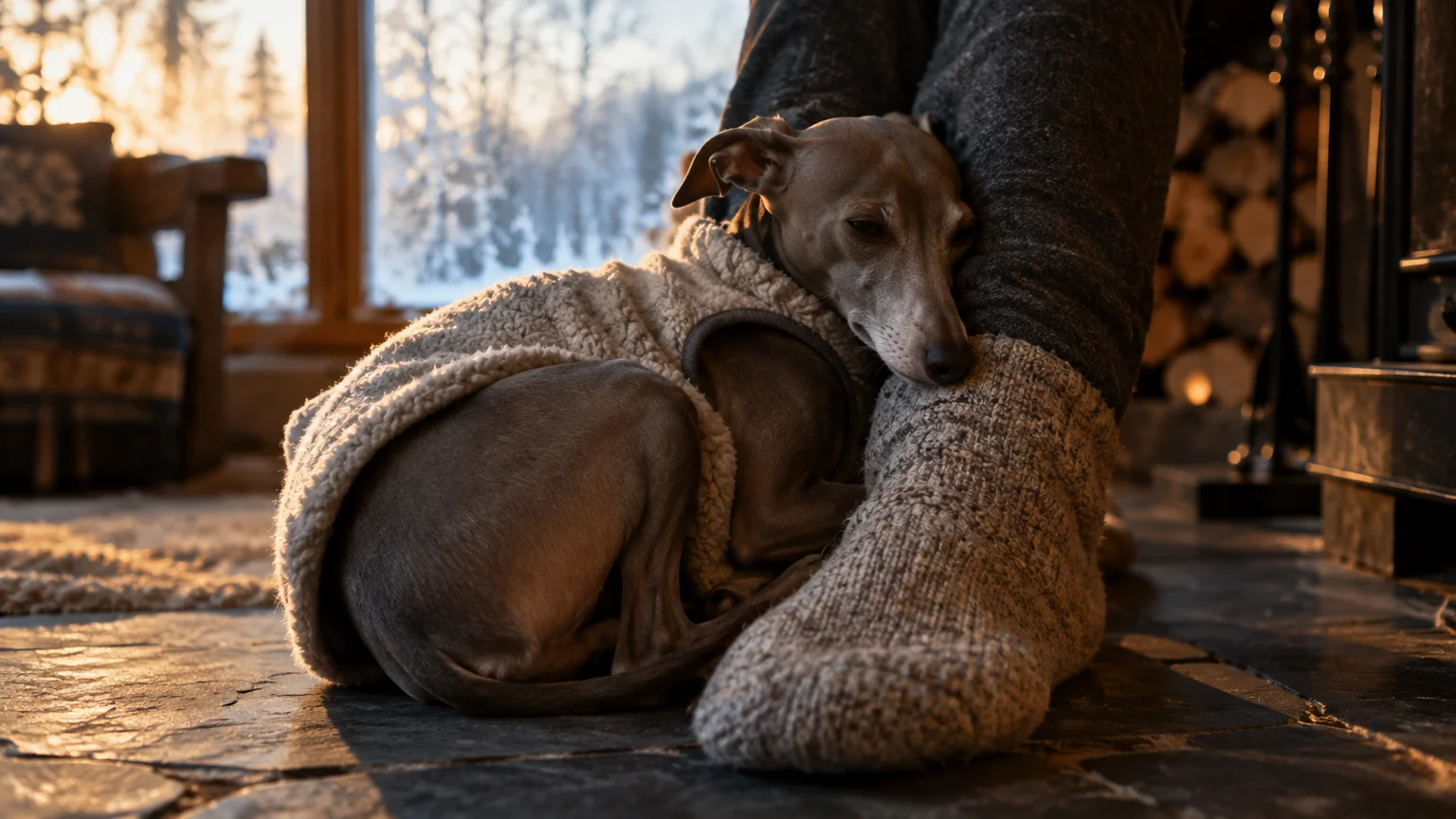
07 Simple Temperature Regulation and Comfort
Sometimes the simplest explanation is the correct one: dogs lean against you because you are warm. Canine resting body temperatures range from 101 to 102.5 degrees Fahrenheit, making them drawn to external warmth.
Short-coated breeds, lean sighthounds, and toy companions lose internal heat quickly in air-conditioned homes or during winter walks. Pressing their ribcage against your thighs conserves valuable calories.
Beyond warmth, human bodies provide a comfortable resting contour. Dogs view their human pack members as the coziest spots in the house for an afternoon snooze.
You can identify temperature-driven leaning easily during chilly mornings. If your dog curls tightly against your legs or burrows under your clothes, thermal comfort motivates their snuggle.
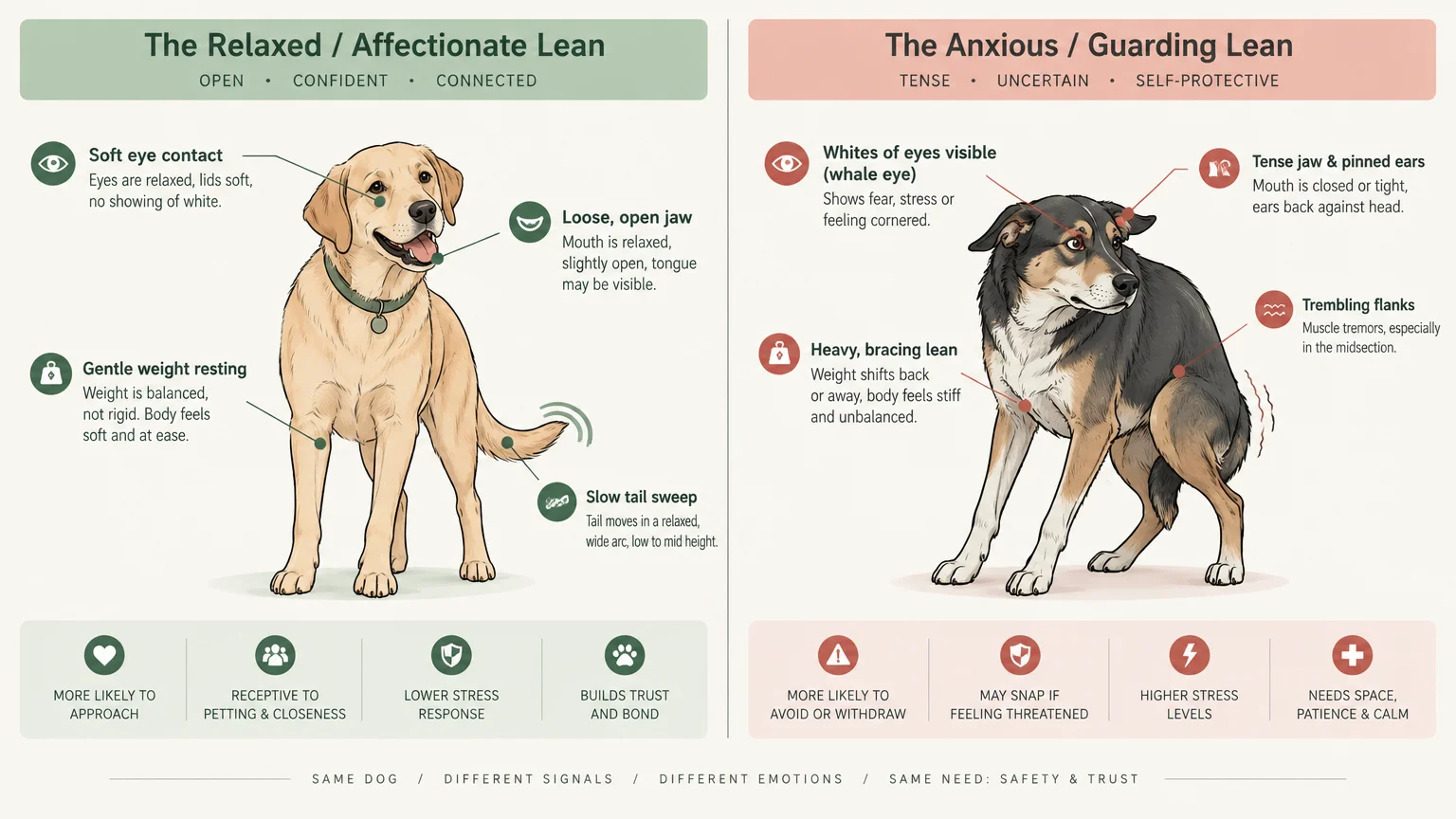
Decoding the Lean: Body Language Comparison
Determining why your dog leans requires evaluating their overall posture and immediate circumstances. Use this quick reference guide to distinguish affection from fear, discomfort, or possessiveness.
| Type of Lean | Physical Posture | Facial Expression | Recommended Action |
|---|---|---|---|
| Affectionate | Loose muscles, soft tail wag, relaxed weight distribution | Soft eyes, gentle pant, relaxed ears | Return affection with gentle stroking or spoken praise. |
| Fearful / Anxious | Trembling flanks, low tail, rigid posture, hiding behind you | Ears pinned back, wide eyes showing whites, tight lips | Remove stressful triggers and provide a quiet retreat space. |
| Physical / Medical | Sudden onset, favoring limbs, reluctant to move forward | Furrowed brow, dull gaze, heavy panting without exertion | Schedule a comprehensive veterinary orthopedic exam. |
| Resource Guarding | Tense body, positioning between you and another pet, rigid tail | Hard stare directed at other animals, stiff muzzle | Disengage calmly, step away, and redirect with basic obedience cues. |
Debunking the Dominance Myth
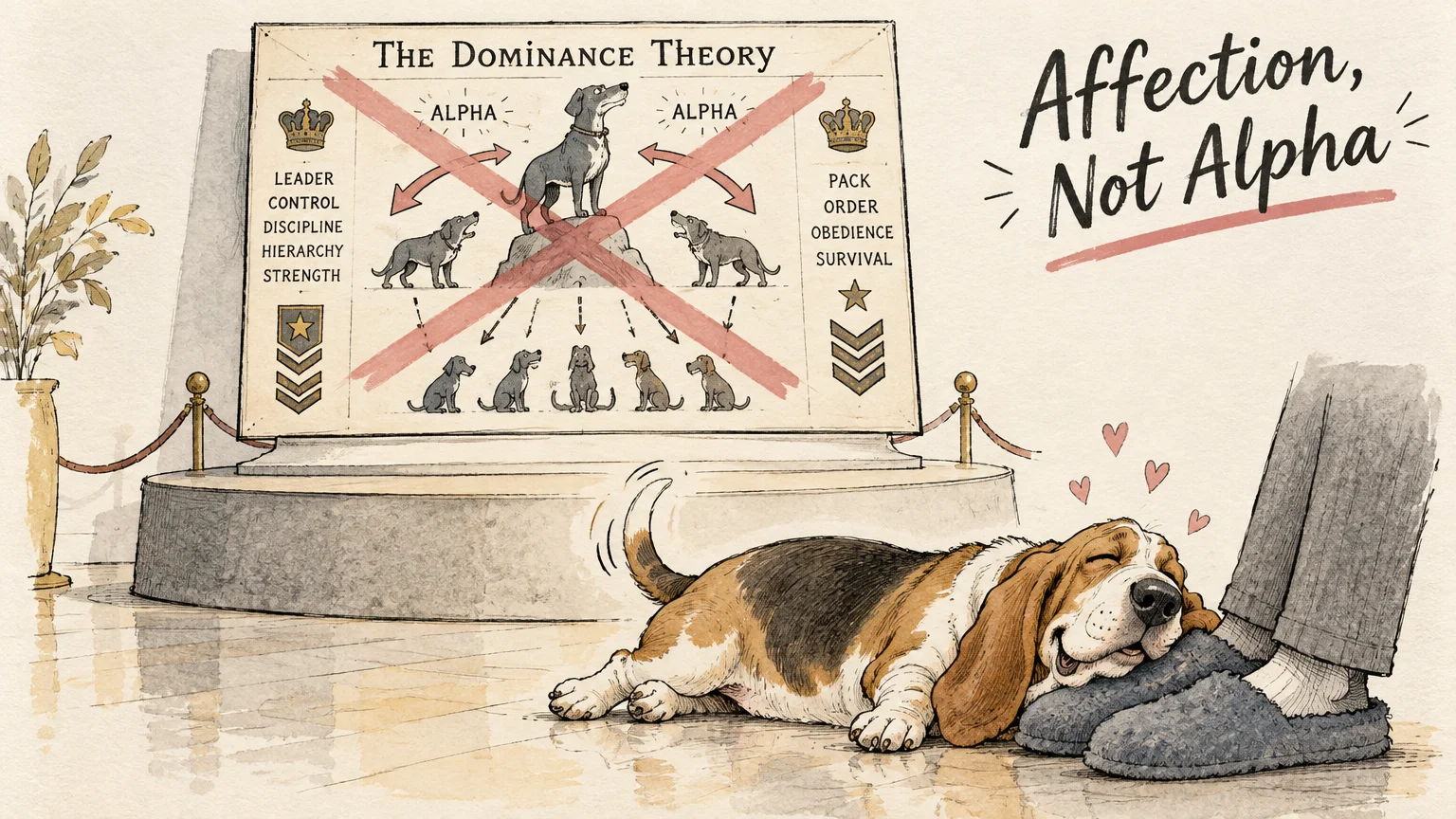
Popular television programs spent decades spreading the myth that leaning represents an attempt to establish social dominance. Proponents claimed that dogs lean to push owners around physically, demanding submission.
Modern animal behaviorists and veterinary organizations have thoroughly debunked this outdated pack theory. Domestication transformed canine behavior; companion dogs do not spend their days plotting to subjugate human family members.
Physical leaning conveys social connection, dependence, and communication rather than aggressive posturing. Forcing a leaning dog into a punitive roll harms your relationship and breeds distrust.
Treat your dog’s leaning as an invitation to understand their emotional state. Responding with empathy creates a safe home environment where your dog feels understood and protected.
When to Get Professional Help
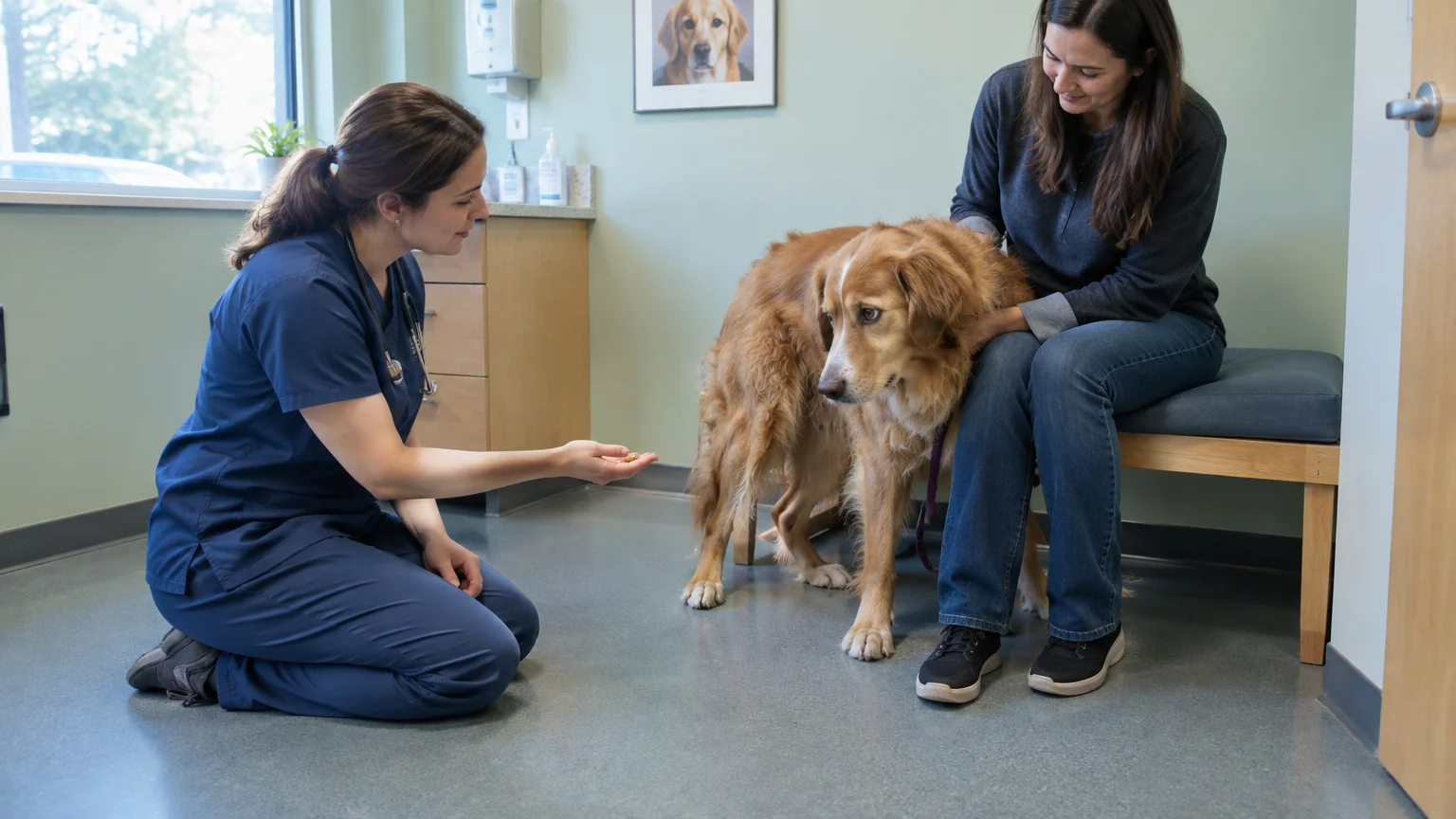
Most leaning behavior is benign and endearing, but specific scenarios warrant consultation with an animal professional. Watch for these distinct red flags:
- Sudden Onset in Older Dogs: A senior pet that begins leaning heavily without warning may suffer from arthritis, balance disorders, or vision loss.
- Accompanying Aggression: If your dog growls, snaps, or shows teeth when someone approaches while they lean against you, consult a certified behaviorist.
- Severe Panic Symptoms: Persistent trembling, destructive scratching, or frantic clinging during storms requires targeted behavioral and medical intervention.
- Loss of Coordination: Stumbling, tilting the head, or falling when moving away from a lean suggests an urgent neurological issue.
Your primary veterinarian can rule out underlying joint diseases or vestibular dysfunction. For complex resource guarding or acute separation panic, work with a certified veterinary behaviorist.
Frequently Asked Questions
Should I let my dog lean against me?
Yes, you can safely welcome leaning if your dog shows relaxed, friendly body language. It fosters mutual trust and releases calming neurochemicals that benefit both of you.
However, discourage the habit if your pet weighs enough to cause balance issues for family members. Teach an alternative cue, such as sitting quietly nearby, to maintain polite manners.
Why do large breeds like Great Danes lean so frequently?
Large breeds possess substantial body mass, making full-body contact their natural way to interact at human hip height. Their sheer size turns simple affection into an unmissable tactile experience.
Breeds bred for guarding or close partnership, such as Mastiffs and Rottweilers, also maintain strong desires for physical proximity to their primary handlers.
Does leaning indicate separation anxiety?
Leaning alone does not prove your dog suffers from clinical separation anxiety. Most leaning simply reflects standard canine bonding and affection.
True separation anxiety includes destructive chewing, incessant vocalization, house soiling, and frantic pacing whenever you leave the home. Leaning only becomes relevant if your dog displays constant panic when physical contact breaks.
How can I stop my dog from leaning if it knocks me over?
Simply step away whenever your dog begins pressing their full weight against your body. Moving your legs causes them to balance on their own feet without receiving reinforcement.
Reward your dog with treats and verbal praise only when all four paws stand independently on the floor. Consistent feedback teaches them that four-pawed balance earns affection faster than leaning.
Embracing the Canine Lean
Canine leaning speaks volumes about the depth of your shared relationship. Whether your dog seeks a comforting embrace, requests scratches, or retreats from an intimidating world, they lean on you because you represent safety.
Pay close attention to contextual body language so you can interpret their physical communication accurately. A warm scratch behind the ears is often all your loyal friend seeks.
The information here is meant for educational purposes. Specific circumstances—including health conditions, finances, location, and goals—may require different approaches.
When in doubt, consult a licensed professional or check official sources directly.
Last updated: May 2026. Rules, prices, and details change—verify current information with official sources before acting on it.