Why Temperament and Size Matter in Later Life
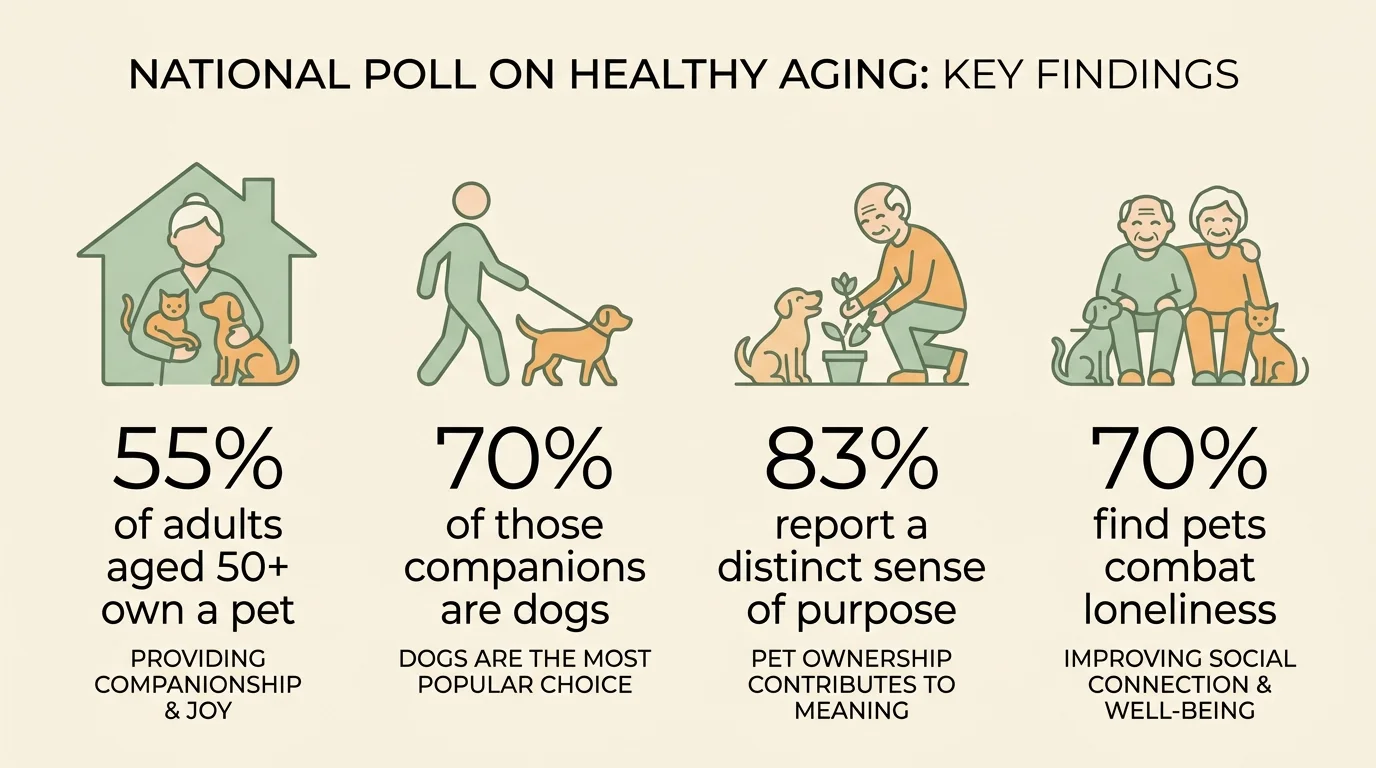
Sharing your life with a dog delivers measurable mental and physical benefits. According to the University of Michigan National Poll on Healthy Aging, 55% of adults aged 50 and older own a pet, and dogs represent 70% of those animal companions.
Among older pet guardians, 83% report that their pet gives them a distinct sense of purpose, 70% find that pets connect them with others to combat loneliness, and 44% say their animals keep them physically active.
However, successful companionship requires matching a dog’s physical characteristics and behavior to your current lifestyle. Safety remains an essential priority; data from the Centers for Disease Control and Prevention (CDC) indicates that more than one in four adults aged 65 and older fall each year.
Pet-related falls account for an estimated 86,600 emergency room visits annually, with nearly 88% of those incidents involving dogs—most commonly caused by an owner tripping over an animal or losing balance from leash-pulling.
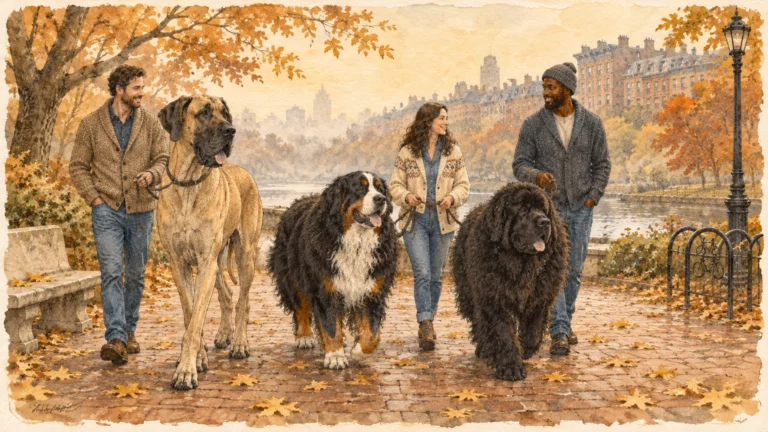
Choosing a dog with a docile nature, steady gait, and manageable strength significantly reduces these hazards while maximizing everyday joy.