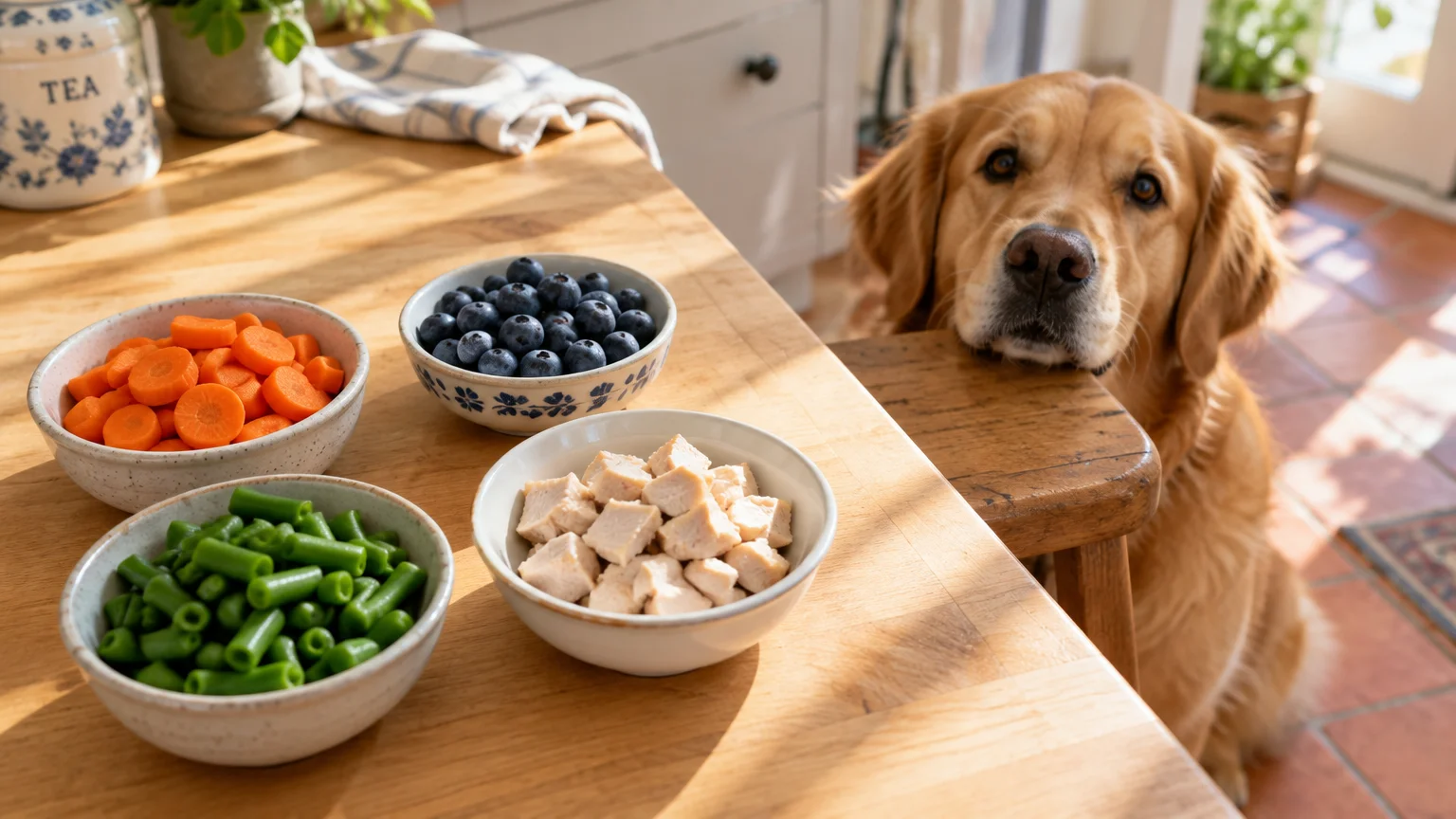
You can bypass expensive, ultra-processed commercial pet snacks by sharing whole foods directly from your kitchen. Common vegetables, fruits, and lean meats deliver clean micronutrients without mysterious fillers or artificial preservatives.
Fresh snacks also provide exceptional training rewards because distinct textures and genuine aromas command your dog’s immediate focus.
Before offering table scraps, you must distinguish between safe pantry items and hidden veterinary hazards. Selecting the right whole foods ensures your pup gets wholesome nourishment along with their favorite reward.
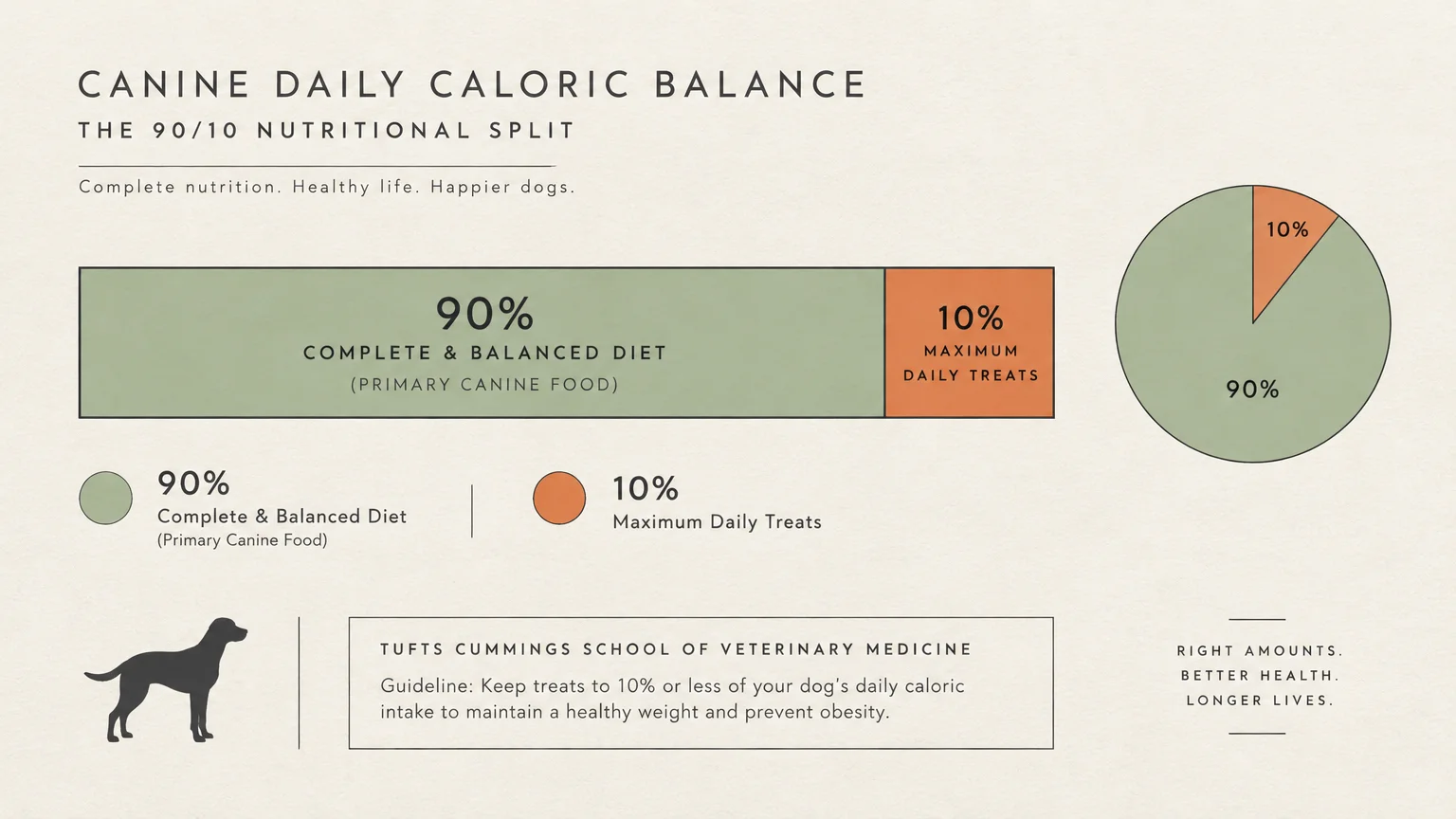
The 10 Percent Rule: Managing Canine Daily Calories
Veterinary nutritionists emphasize that treats must never displace the vitamins and minerals found in complete, balanced dog food.
According to the Cummings School of Veterinary Medicine at Tufts University, treats should make up no more than 10 percent of your dog’s total daily caloric intake.
The remaining 90 percent of their daily energy must come from their primary, life-stage-appropriate diet.
Exceeding this caloric threshold leads directly to weight gain, which strains joints and increases the risk of chronic metabolic issues.
Even healthy snacks carry calories that accumulate rapidly in toy and medium-sized breeds.
Calculate your dog’s daily maintenance calories before introducing new foods, and deduct treat calories from their main meal portions.
01 Crunchy Carrots: Dental Health and Beta-Carotene
Carrots serve as one of the most accessible and cost-effective natural dog snacks available.
These root vegetables provide abundant beta-carotene, an antioxidant that your dog’s body converts into vitamin A to support optical health and immune defense.
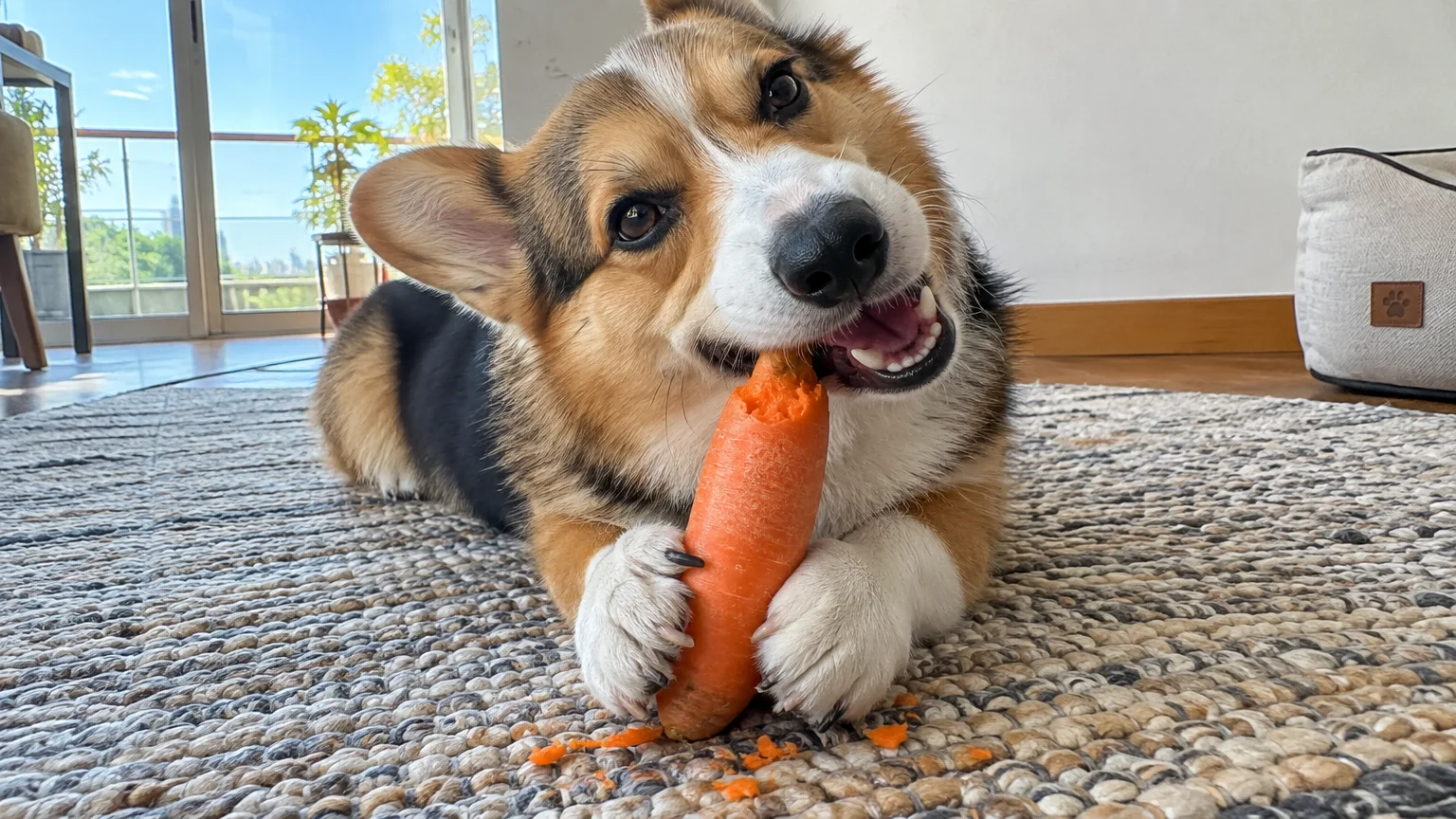
Raw carrots offer a firm, crunchy texture that provides satisfying chewing stimulation for active dogs.
The gentle mechanical abrasion from chewing raw carrot rounds helps scrub away soft debris from the tooth surface.
A medium carrot contains approximately 25 calories and virtually zero fat, making it an ideal treat for dogs on weight-management protocols.
For small dogs, slice whole carrots into coin-sized bites to prevent potential choking incidents.
You can also freeze full-sized carrots to create soothing, chewable teething toys for adolescent puppies.
If your dog struggles with stiff digestion, lightly steam the carrots to break down their fibrous cellular walls for easier nutrient assimilation.
02 Plain Pureed Pumpkin: Soluble Fiber for Digestive Support
Canned, plain pumpkin puree serves as a versatile culinary remedy for canine gastrointestinal irregularities.
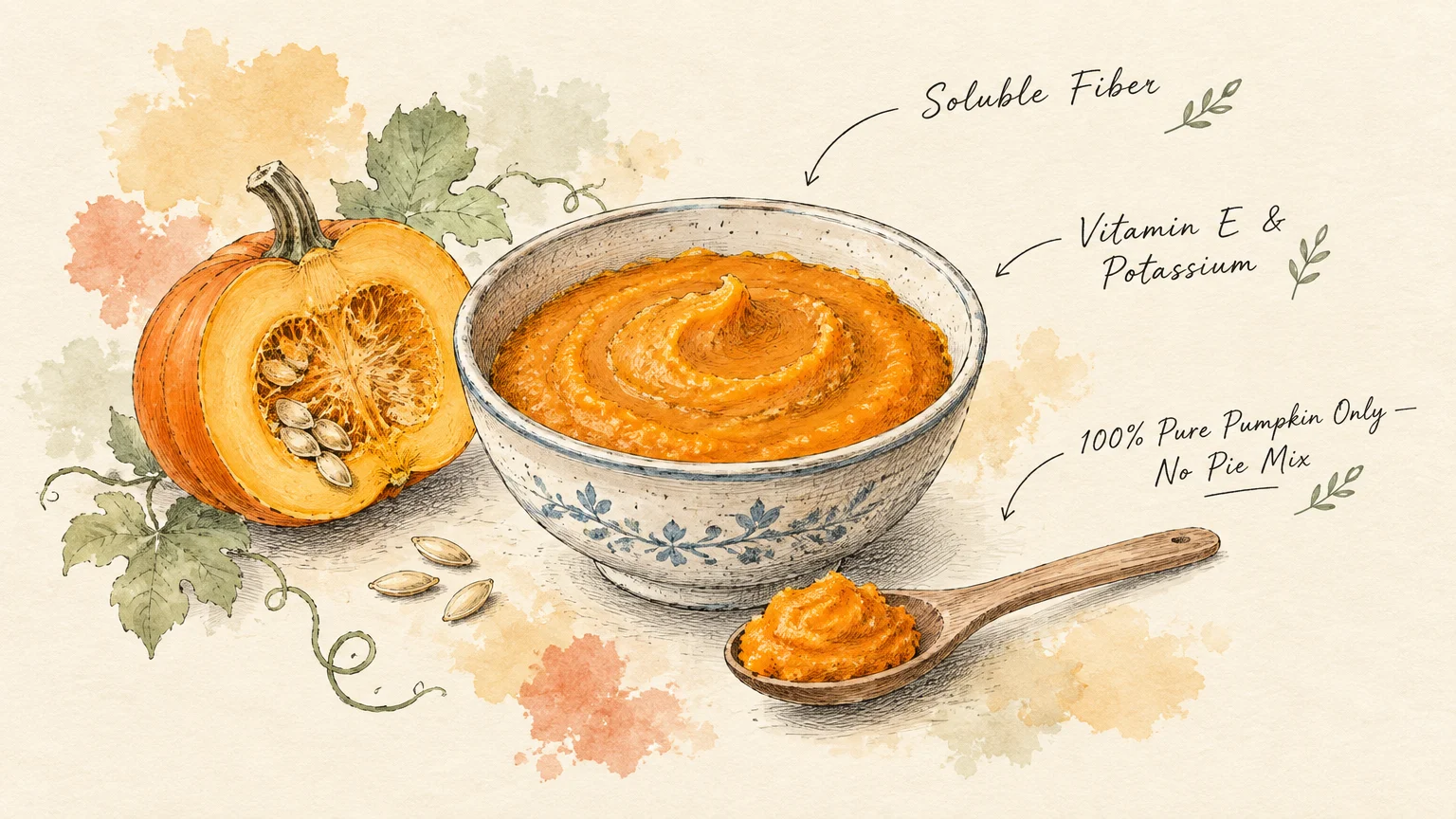
Pumpkin contains exceptional levels of soluble dietary fiber, which absorbs excess fluid in the intestines to soothe loose stool.
Curiously, that same soluble fiber also softens hard stool, providing gentle relief during bouts of mild canine constipation.
Alongside gut-soothing fiber, pumpkin packs vitamin E, iron, and potassium into an easily digestible package.
Always verify that your canned pumpkin contains 100 percent pure pumpkin rather than canned pumpkin pie mix.
Pie fillings contain toxic spices like nutmeg, high sugar concentrations, and potentially fatal artificial sweeteners like xylitol.
Start by serving one teaspoon per day for small dogs, or up to two tablespoons daily for larger breeds.
You can smear pureed pumpkin into rubber puzzle toys and freeze them to create an engaging, low-fat distraction.

03 Blueberries: Dense Antioxidants in Bite-Sized Packages
Blueberries rank among the finest training treats because their small size allows for rapid, repeated rewards during training sessions.
These tiny fruits contain rich concentrations of anthocyanins, the potent polyphenols that lend blueberries their deep blue color.
Research indicates that dietary antioxidants support cognitive function in senior dogs by neutralizing cellular free radicals.
Blueberries also supply vitamin C, vitamin K, and dietary fiber without loading your dog with excess natural sugars.
One cup of fresh blueberries contains around 84 calories, meaning a single berry provides less than one calorie.
You can toss fresh berries across the lawn during scent-work games to stimulate your dog’s natural foraging instincts.
Frozen blueberries create a refreshing, crunchy summer snack that cools your dog down after strenuous outdoor exercise.
Rinse fresh berries thoroughly under cold water before serving to eliminate agricultural surface residues.
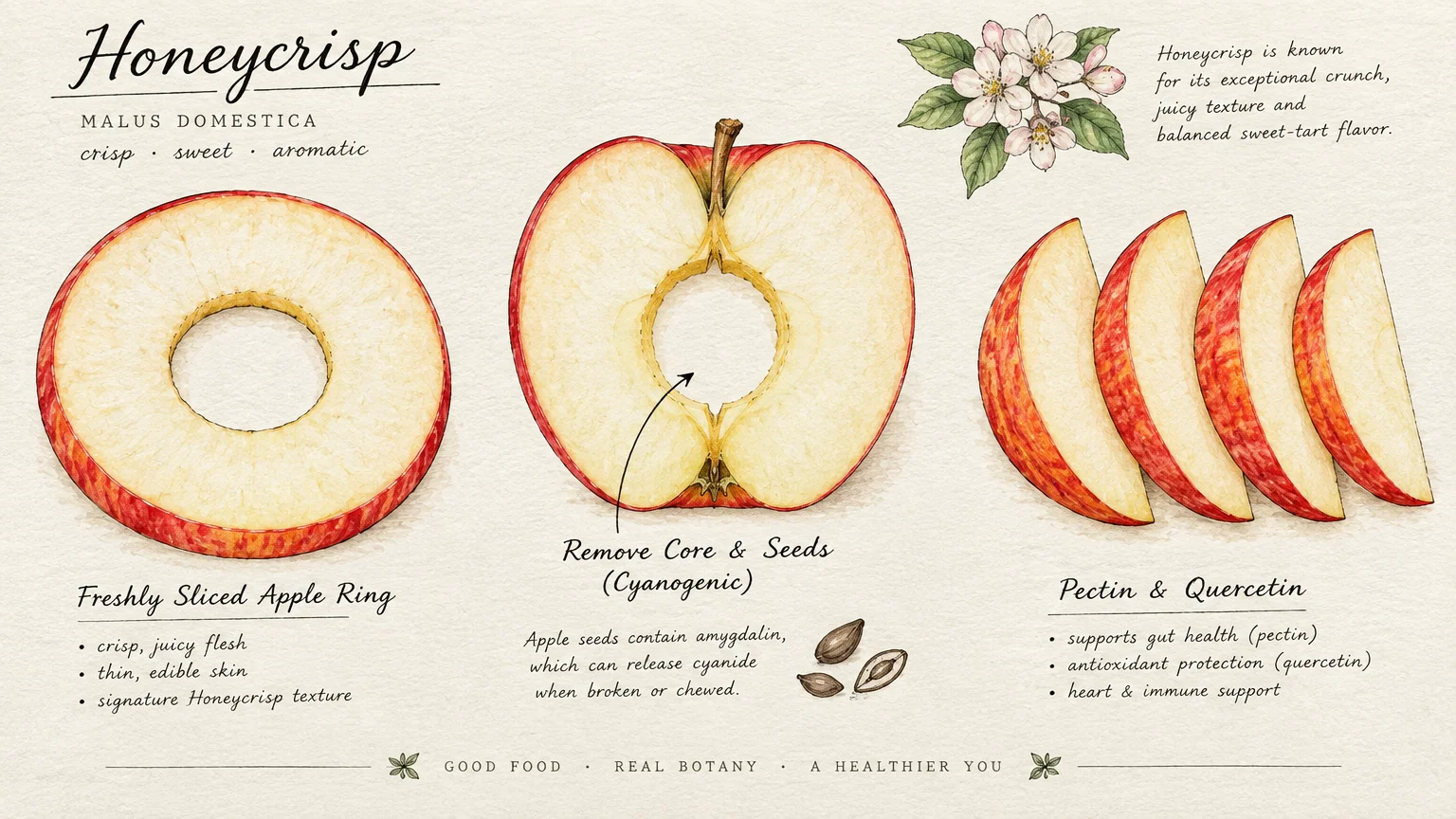
04 Crisp Apples: Pectin and Quercetin Without the Seeds
Apples deliver a sweet, satisfying crunch that appeals to dogs that love firm textures.
They provide soluble dietary fiber in the form of pectin, which nourishes beneficial bacteria inside your dog’s lower gut.
Apples also deliver quercetin, a plant flavonoid recognized for its natural antihistamine and anti-inflammatory properties.
The American Kennel Club notes that apples provide an excellent source of vitamin C and fiber for canine companions.
However, you must thoroughly core the apple and discard every seed before sharing slices with your pet.
Apple seeds contain amygdalin, a cyanogenic glycoside that releases toxic cyanide during digestion when chewed.
While a few seeds rarely trigger acute poisoning, cumulative ingestion exposes your dog to unnecessary internal toxins.
The tough fibrous core also presents a severe choking hazard and an intestinal blockage risk for gulping dogs.
Slice the flesh into thin wedges, leave the skin intact for extra fiber, and offer a slice or two as an afternoon reward.
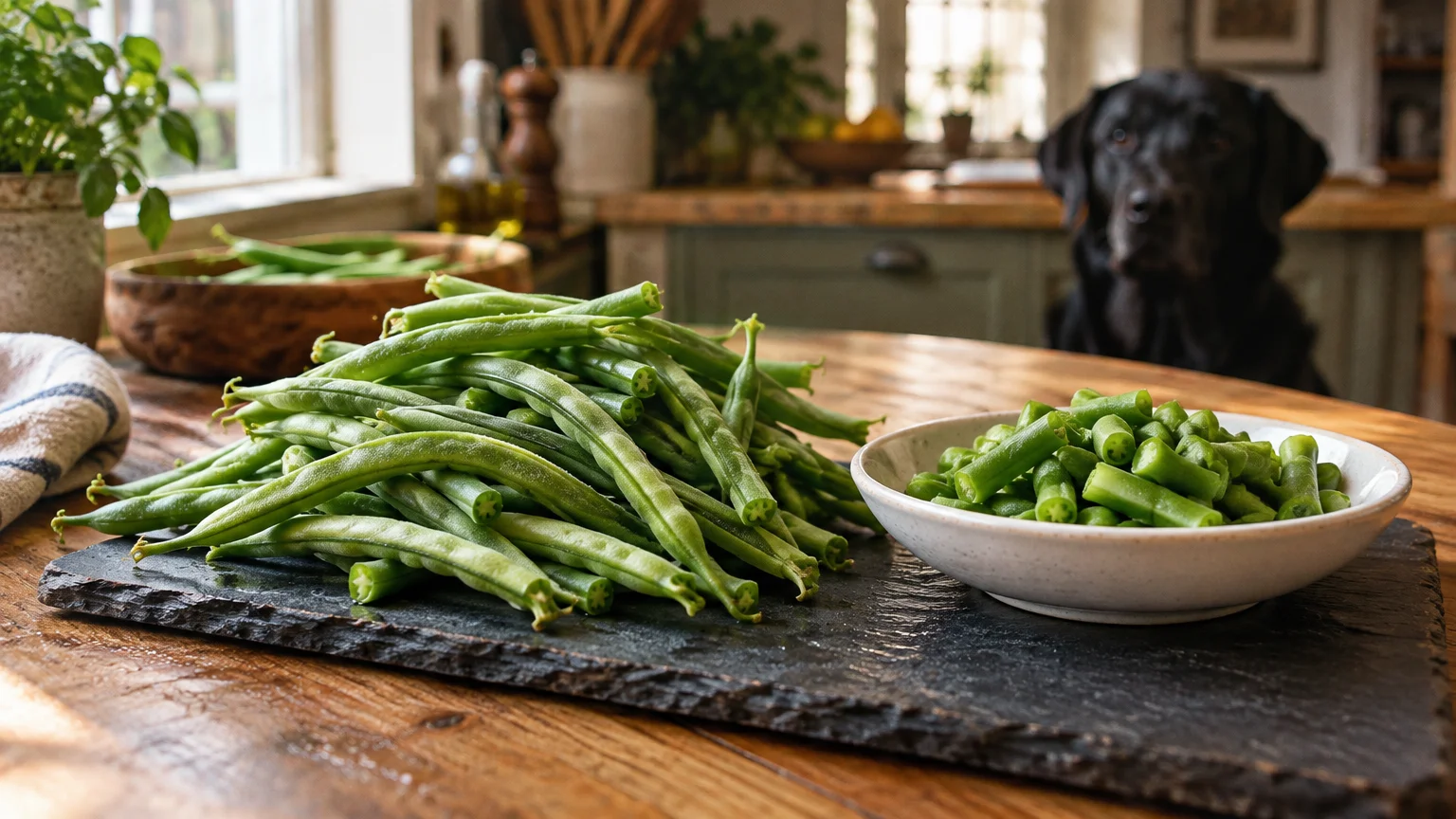
05 Green Beans: The Low-Calorie Bulk Hero
Green beans represent the gold standard when you need to provide physical fullness without supplying dense metabolic energy.
Veterinarians frequently recommend green beans for overweight canines because one whole cup contains only 31 calories.
These legumes provide manganese, vitamin C, vitamin K, and silicon, which supports healthy connective tissue development.
You can serve green beans raw, lightly steamed, pureed, or straight from the freezer as crispy green popsicles.
If you purchase canned green beans, select products marked strictly as no-salt-added.
Standard canned beans sit in heavy sodium brines that can disrupt canine electrolyte balance and elevate blood pressure.
Chop fresh raw beans into one-inch segments to make them easy to handle during obedience training drills.
Replacing a tiny portion of a dieting dog’s kibble with steamed green beans helps keep them satisfied without increasing daily calories.
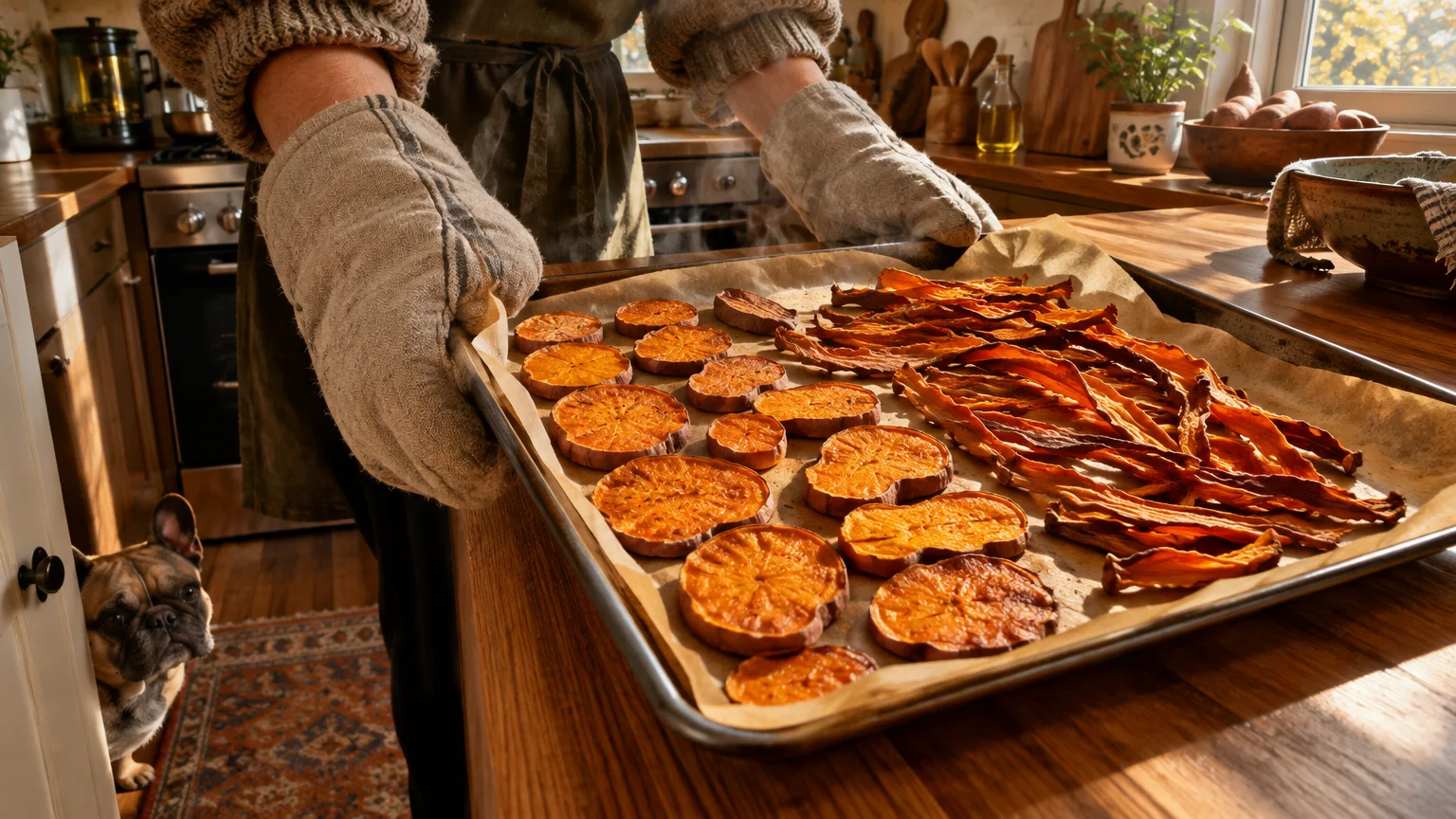
06 Cooked Sweet Potatoes: Complex Carbohydrates for Steady Energy
Cooked sweet potatoes provide a dense, nutrient-rich option for highly active working dogs and canine athletes.
They supply bioavailable carbohydrates that burn slowly, avoiding the rapid blood sugar spikes caused by refined flour treats.
Sweet potatoes contain impressive amounts of potassium, which supports muscle contraction, fluid balance, and heart rhythm.
Never feed your dog raw sweet potato chunks under any circumstance.
Raw sweet potatoes contain solanine, a glycoalkaloid compound that irritates the digestive tract and can cause central nervous system depression.
Furthermore, raw sweet potato chunks do not digest easily and often cause life-threatening mechanical obstructions in the intestines.
Always bake, boil, or steam sweet potatoes until they become completely fork-tender before sharing them.
You can slice baked sweet potatoes into quarter-inch slabs and dehydrate them in a low oven to create chewy, grain-free jerky strips.
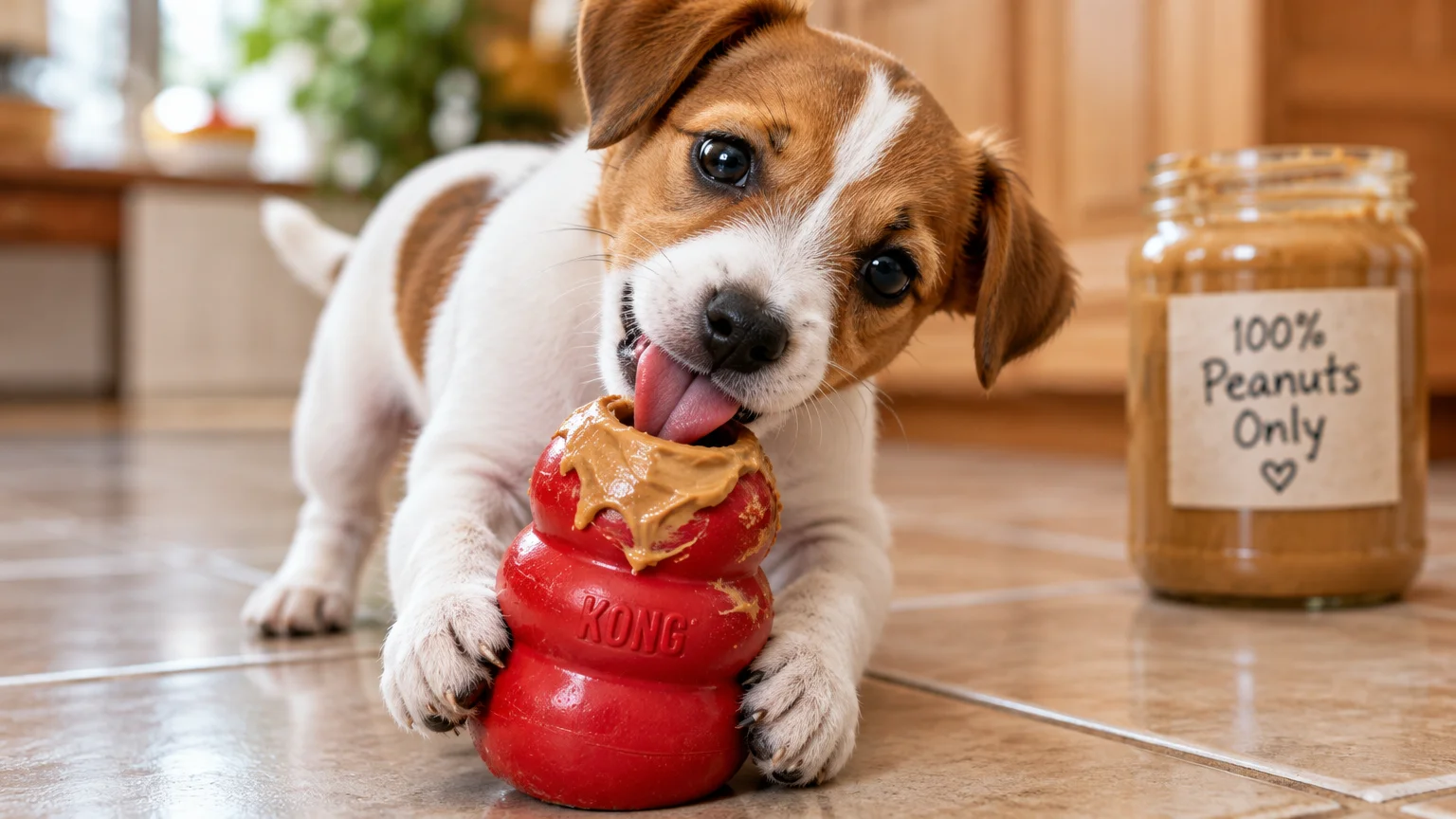
07 All-Natural Peanut Butter: High-Value Motivation
Peanut butter reigns supreme as a high-value motivator when you need your dog’s absolute, undivided cooperation.
It provides heart-healthy monounsaturated fats, digestible protein, vitamin E, and niacin to fuel high-intensity exercise.
Peanut butter also serves as the ultimate camouflage when administering unpalatable oral medications or worming tablets.
You must scrutinize the ingredient panel with extreme care before buying peanut butter for your dog.
The U.S. Food and Drug Administration warns that xylitol, a sugar substitute increasingly found in nut butters, causes severe hypoglycemia and acute liver failure in dogs.
Manufacturers sometimes label xylitol as birch sugar, wood sugar, or birch bark extract on ingredient lists.
Select jars containing only two ingredients: roasted peanuts and perhaps a minor touch of salt.
Because peanut butter contains roughly 95 calories per tablespoon, limit servings to half a teaspoon for small dogs and one teaspoon for large dogs.
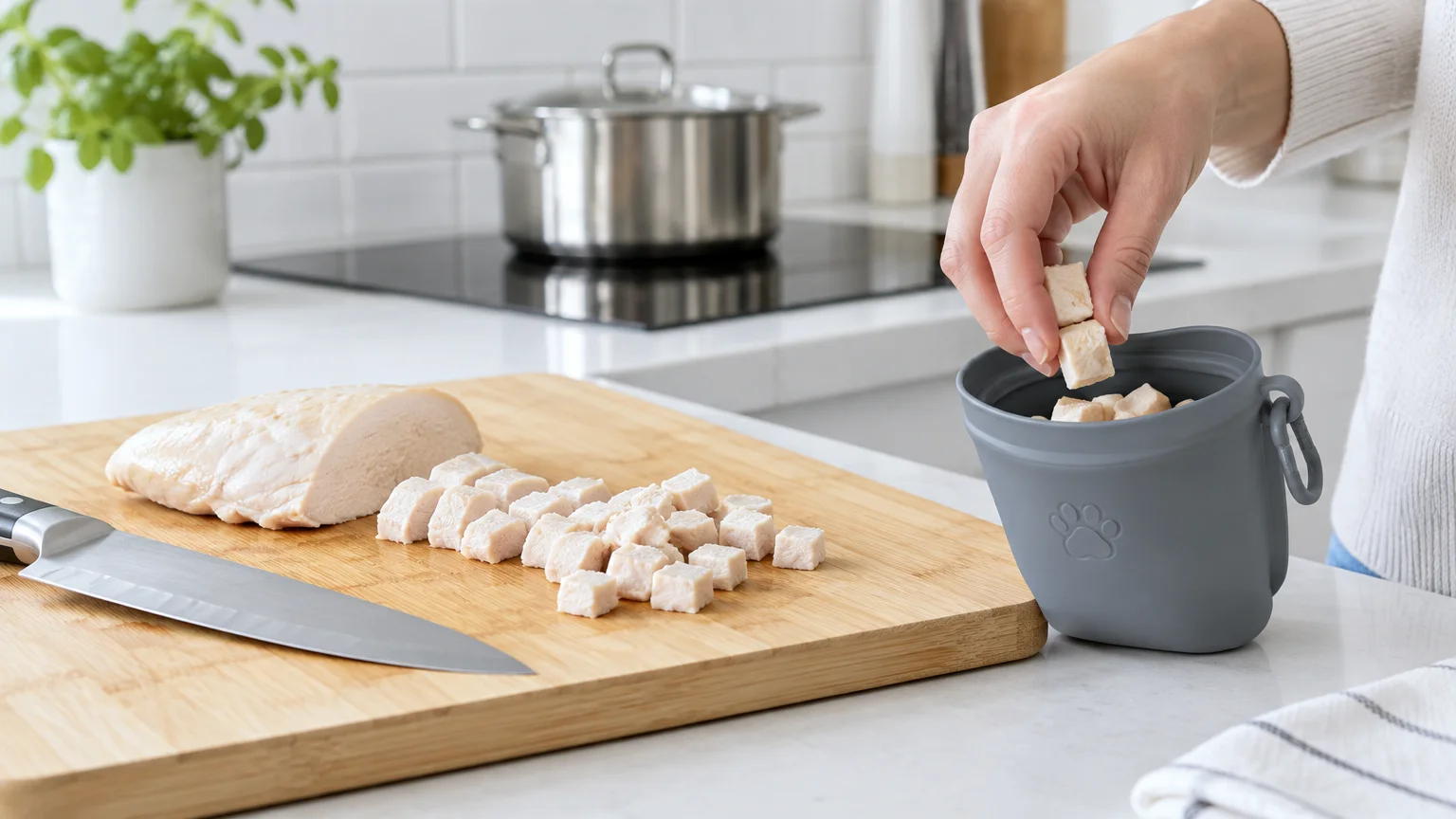
08 Plain Boiled Chicken Breast: Pure Lean Animal Protein
Plain chicken breast represents the undisputed gold standard for off-leash recall training and veterinary visit desensitization.
Chicken provides a complete amino acid profile to repair muscle tissue without depositing excessive dietary fat.
Its high digestibility makes it gentle on sensitive stomachs recovering from mild bouts of gastroenteritis.
To prepare it safely, drop skinless, boneless chicken breasts into boiling water until the internal temperature reaches 165 degrees Fahrenheit.
Do not add salt, black pepper, cooking oils, butter, or commercial poultry seasoning blends to the pot.
Never use seasoning packets or broths containing garlic or onion powder, both of which damage canine red blood cells.
Once cooled, dice the meat into tiny, pencil-eraser-sized cubes for fast delivery and quick swallowing.
Discard all cooked bones immediately; cooking makes avian bones brittle and prone to splintering into sharp, dangerous shards.
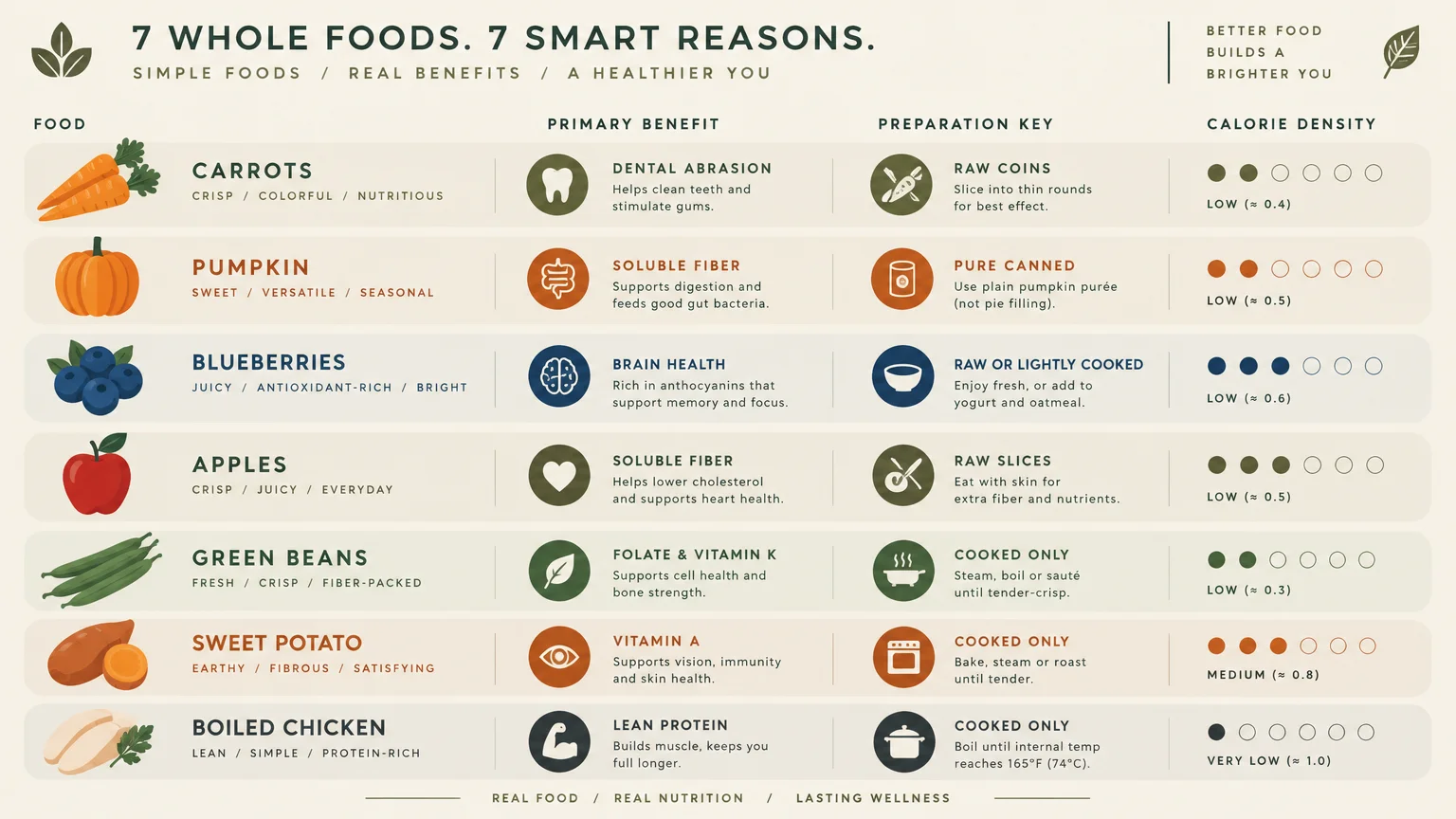
Comparison of Whole Food Treats
Review the primary characteristics of these eight foods to select the best match for your dog’s lifestyle.
| Food Item | Approximate Calories | Key Nutritional Value | Preparation Requirement | Safety Alert |
|---|---|---|---|---|
| Carrots | 25 cal per medium carrot | Beta-carotene, fiber | Raw, steamed, or frozen | Cut into bite-sized coins for small dogs |
| Pumpkin Puree | 40 cal per 1/2 cup | Soluble fiber, zinc | Canned, pureed plain | Never use spiced pie mix or sweetened fillings |
| Blueberries | 1 cal per berry | Anthocyanins, vitamin C | Fresh or frozen | Wash thoroughly to remove pesticide residues |
| Apples | 52 cal per 1/2 cup | Pectin, quercetin | Sliced flesh without core | Discard all seeds and the central stem |
| Green Beans | 31 cal per whole cup | Silicon, manganese | Raw, steamed, or frozen | Avoid canned versions packed in salty brine |
| Sweet Potatoes | 114 cal per medium root | Complex carbs, potassium | Cooked until soft, or dehydrated | Never feed raw due to solanine toxicity |
| Peanut Butter | 95 cal per tablespoon | Protein, monounsaturated fat | Raw, straight from jar | Must be 100% free of xylitol (birch sugar) |
| Boiled Chicken | 140 cal per 100 grams | Lean protein, amino acids | Boiled plain in water | Strip away all skin, fat, and brittle bones |
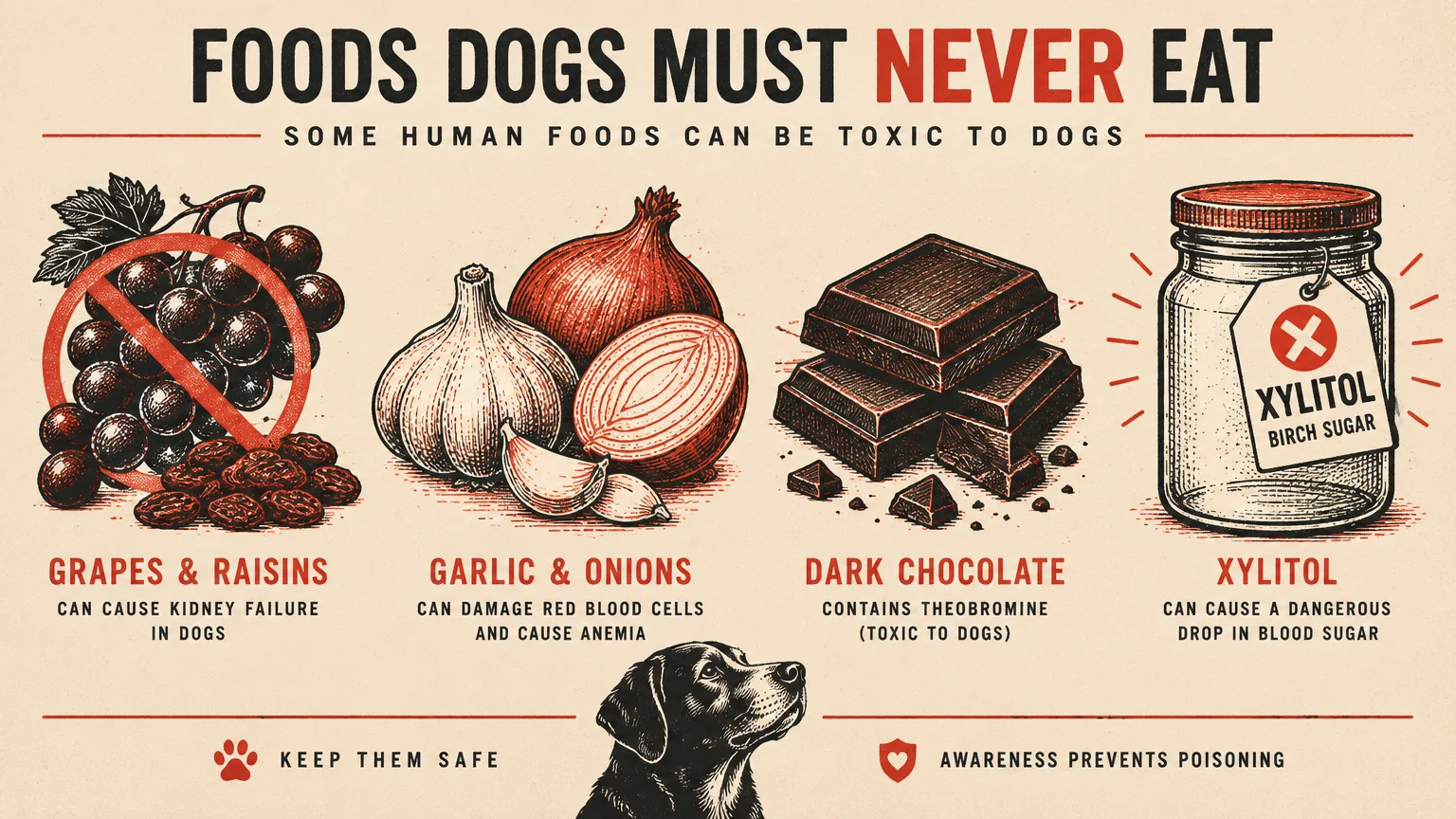
Things to Watch Out For: Kitchen Hazards and Pitfalls
Transitioning to whole-food snacks requires vigilance regarding kitchen cross-contamination and canine biological vulnerabilities.
The ASPCA Animal Poison Control Center fields tens of thousands of emergency toxicity calls annually from unsuspecting pet owners.
Review these critical kitchen scenarios before sharing any snacks from your cutting board:
- Alliums in Shared Dishes: Onions, shallots, leeks, and garlic contain thiosulfates that destroy canine red blood cells, causing life-threatening hemolytic anemia.
- The Grape and Raisin Hazard: Grapes, raisins, and currants cause acute, irreversible renal failure in dogs even in microscopic quantities, through mechanisms science has linked to tartaric acid.
- High-Fat Induced Pancreatitis: Overfeeding high-fat treats like peanut butter or fatty meats triggers painful inflammation of the pancreas, requiring intensive hospitalization.
- Hidden Sweeteners in Bakery Goods: Checking labels for xylitol or birch sugar is non-negotiable; tiny amounts induce precipitous insulin surges and sudden liver necrosis.
- Raw Yeast Dough Expansion: Unbaked bread dough fermenting inside a warm stomach produces toxic ethanol while expanding mechanically, causing dangerous gastric dilation volvulus.
Always wash kitchen prep tools thoroughly before using them on dog treats to eliminate traces of toxic seasoning.
Store your pet treats in dedicated, airtight glass containers labeled clearly so household guests do not confuse them with human dishes.

When DIY Isn’t Enough: Managing Medical Conditions
While whole foods offer superior nutrition for healthy pets, certain underlying veterinary diagnoses demand strict commercial diets.
Do not attempt homemade dietary management without veterinary consultation under the following specific circumstances:
- Advanced Chronic Kidney Disease: Dogs with failing kidneys cannot clear excess phosphorus or potassium, rendering foods like sweet potatoes and high-protein chicken dangerous without medical oversight.
- Histories of Calcium Oxalate Bladder Stones: Dogs predisposed to urinary crystals must strictly avoid foods containing oxalates, which eliminates several leafy greens and roots from their treat rotation.
- Severe Food Elimination Trials: If your veterinarian suspects cutaneous adverse food reactions, feeding chicken breast or unexpected produce invalidates the strict diagnostic trial.
- Clinically Diagnosed Diabetes Mellitus: Dogs requiring twice-daily insulin injections must maintain strict glycemic predictability, which irregular fruit or carbohydrate treats disrupt immediately.
Always consult your primary veterinarian or a board-certified veterinary nutritionist before introducing new whole foods to a medically compromised dog.
Bring the exact food list and your intended portion sizes to your pet’s routine wellness examinations for formal review.
Frequently Asked Questions
Can puppies eat these whole-food treats?
Yes, puppies can safely enjoy small portions of carrots, blueberries, pumpkin, and cooked chicken once they transition to solid food.
However, you must keep pieces exceptionally small to prevent airway obstruction while their swallow reflex matures.
How do I introduce a new food without causing diarrhea?
Introduce only one new ingredient at a time, spaced four to five days apart, in very small sample portions.
This deliberate schedule allows you to identify specific digestive intolerances or allergic reactions promptly.
Can whole vegetables replace commercial dental chews?
Raw whole carrots and crisp apple slices provide mechanical teeth scrubbing, but they do not replace dedicated dental hygiene routines.
Pair safe, crunchy vegetable rewards with daily toothbrushing using canine enzymatic toothpaste for total plaque control.
Are frozen treats safe for older dogs with sensitive teeth?
Rock-hard frozen foods can fracture brittle or diseased teeth in senior dogs suffering from periodontal recession.
Let frozen berries or squash soften slightly at room temperature for five minutes before offering them to older pets.
This is general informational content based on widely accepted guidance. Individual results vary.
Verify current details—rules, prices, eligibility, regulations—with official sources before making important decisions.
Last updated: May 2026. Rules, prices, and details change—verify current information with official sources before acting on it.