Dogs naturally age faster than humans, but when your canine companion suddenly loses vitality, struggles to stand, or shows dramatic behavioral shifts, biological aging may be moving at an accelerated rate.
Rapid premature aging in dogs often stems from undetected chronic conditions like osteoarthritis, metabolic disorders, or cognitive dysfunction rather than simple passage of time.
Recognizing these subtle physical and mental changes early enables you to consult your veterinarian, adjust daily routines, and implement targeted interventions that protect your dog’s comfort. Tracking key vitality indicators ensures your pet enjoys a happy, comfortable, and dignified senior life.

Understanding Biological vs. Chronological Aging in Dogs
Chronological age simply counts the years since your dog was born, but biological age reflects the true condition of their organs, joints, and cellular health.
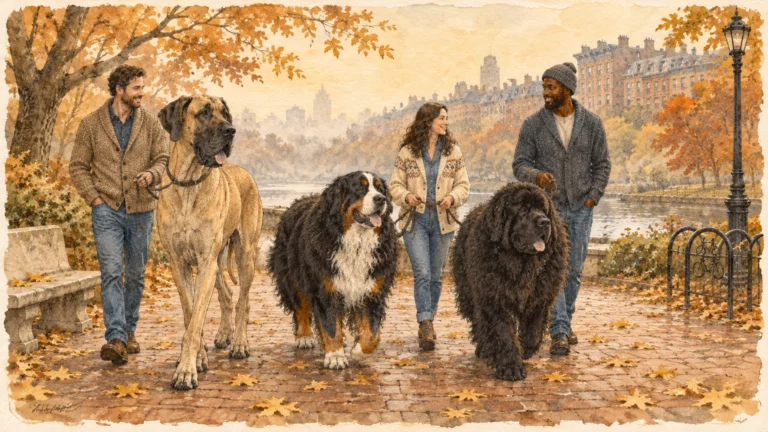
A five-year-old Great Dane and a five-year-old Chihuahua sit at entirely different stages of life due to genetics, metabolism, and size.
According to guidelines from the American Animal Hospital Association (AAHA), small dogs generally reach senior status around age ten, whereas giant breeds transition into their senior years as early as six.
When premature aging in dogs occurs, biological age accelerates past chronological expectations. Chronic internal inflammation, unmanaged systemic disease, and environmental stress often drive this process.
By recognizing the primary signs of aging dog vitality loss, you can address underlying medical issues before they permanently diminish your pet’s quality of life.
8 Signs Your Dog Is Aging Faster Than Normal
1. Rapid Muscle Loss and Muscle Wasting
While gradual weight changes can happen as dogs mature, rapid muscle wasting—known medically as sarcopenia or cachexia—indicates accelerated aging. You might notice your dog’s spine or hip bones becoming suddenly prominent even if their overall body weight remains relatively stable.
Sarcopenia occurs when aging cellular processes break down muscle tissue faster than the body can rebuild it. Cachexia, on the other hand, stems from underlying inflammatory diseases like chronic kidney disease, heart failure, or cancer.
If your dog loses noticeable muscle mass over a few short months, schedule a thorough veterinary evaluation to check for systemic illness.
2. Severe Joint Stiffness and Reluctance to Move
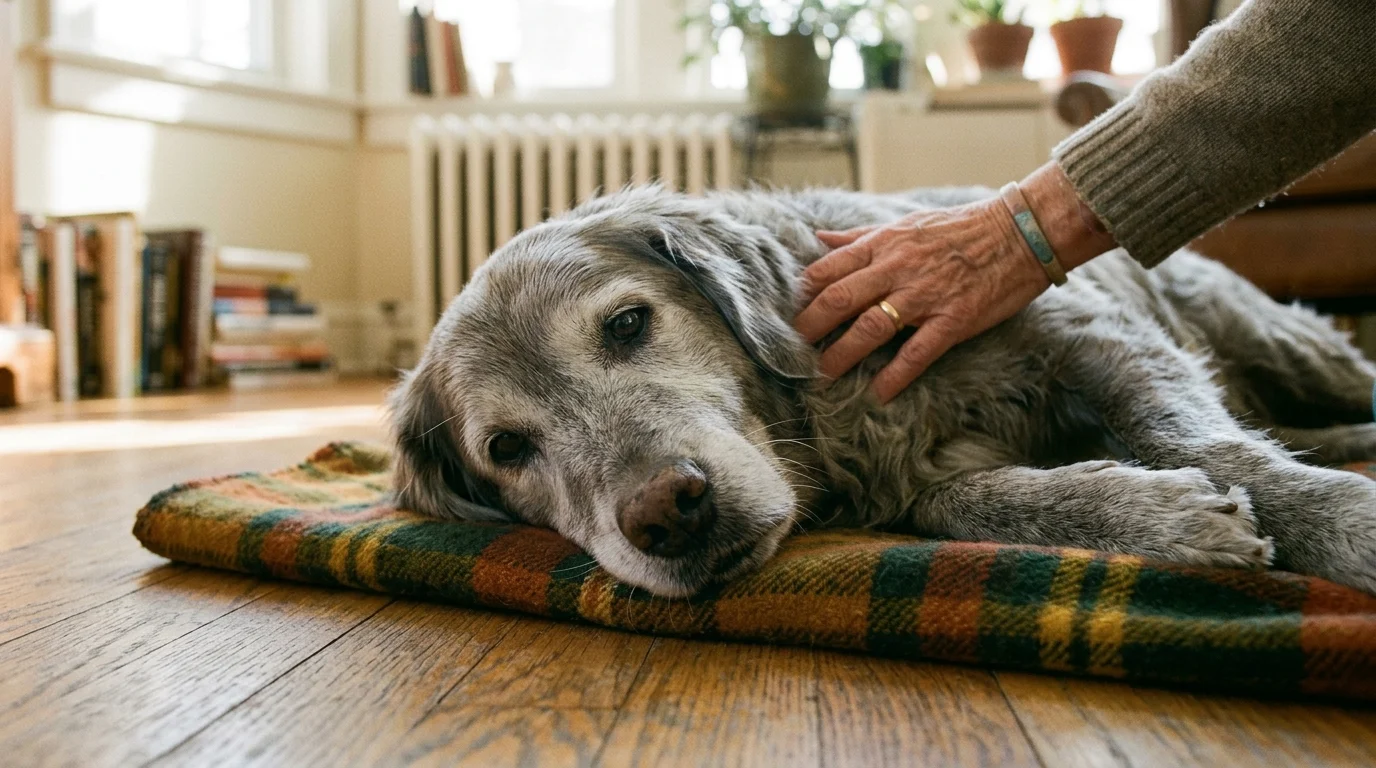
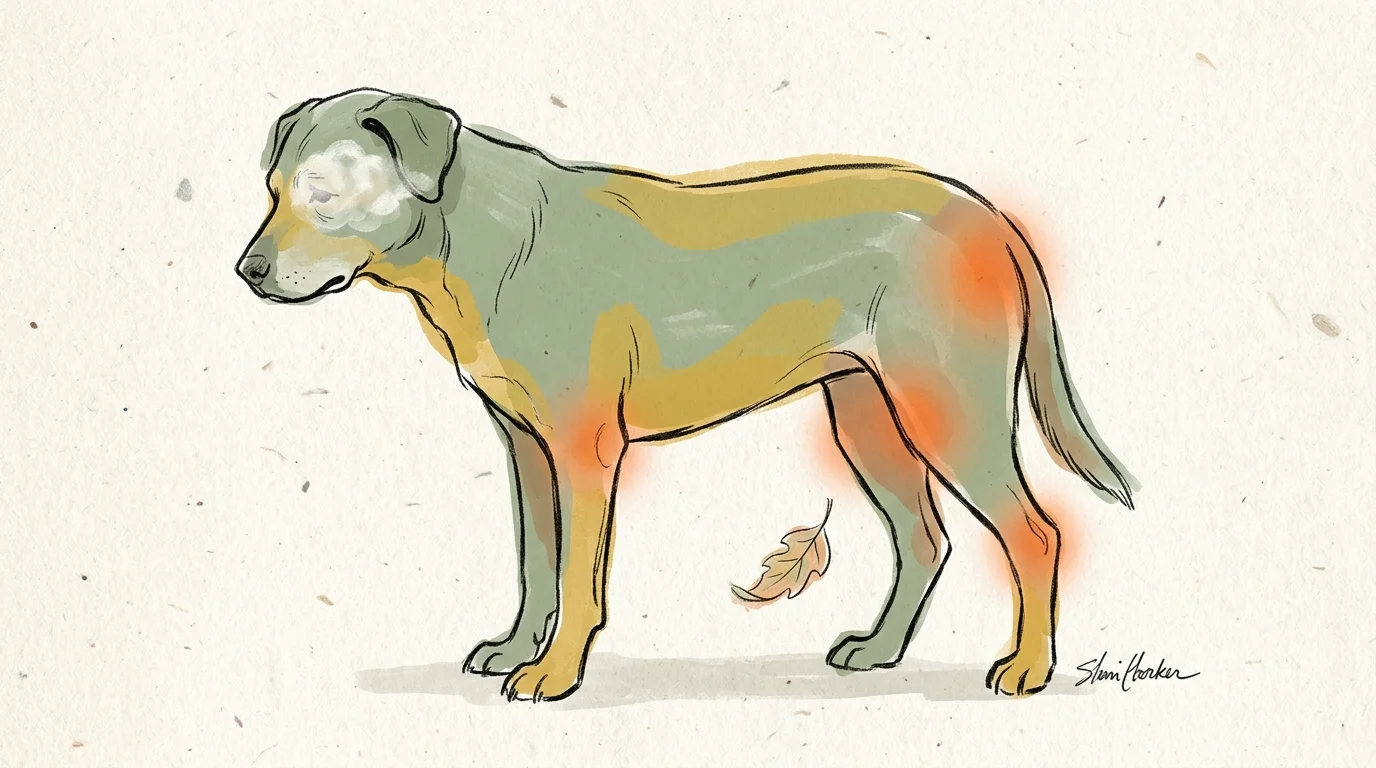
A senior dog might take an extra moment to rise after a long nap, but severe stiffness that persists throughout the day suggests rapid joint degradation. Osteoarthritis affects millions of senior dogs, yet when mobility drops suddenly, inflammation has likely spiked.
You may notice your dog hesitating at stairs, refusing to hop into the car, or dragging their back paws. Untreated orthopedic pain forces dogs into a sedentary lifestyle, which rapidly accelerates muscle loss, weight gain, and cardiovascular decline.
3. Marked Cognitive Confusion and Disorientation
Canine Cognitive Dysfunction (CCD) mirrors human dementia and serves as a major sign your dog is getting old faster than expected. While mild memory lapses happen, dramatic disorientation demands attention.
You might observe your dog staring at blank walls, getting stuck behind open doors, or wandering aimlessly around familiar rooms.
CCD stems from oxidative damage and protein accumulation in the brain; catching it early allows you to use therapeutic diets and neuroprotective supplements that slow mental decline.
4. Rapid Clouding Eyes or Sudden Vision Changes
As dogs age, their eye lenses naturally develop a bluish, hazy tint called nuclear sclerosis, which does not cause blindness and requires no medical treatment.
However, if your dog’s eyes rapidly develop thick, cloudy, opaque white barriers—or if your dog starts bumping into furniture—you are likely seeing cataracts or sudden retinal degeneration. Cataracts frequently signal underlying metabolic conditions like diabetes mellitus.
Research published by the Cornell University College of Veterinary Medicine highlights that metabolic diseases accelerate structural breakdown across multiple organ systems when left unmanaged.
5. Excessive Thirst and Increased Urination
If you find yourself constantly refilling the water bowl or cleaning up accidental indoor puddles from a house-trained dog, pay close attention. Polydipsia (increased thirst) and polyuria (increased urination) represent key senior dog symptoms that point to internal strain.
Rapid changes in hydration habits usually indicate kidney insufficiency, Cushing’s disease (hyperadrenocorticism), or diabetes. These conditions place continuous biological stress on your dog’s tissues, forcing their body to expend immense energy just to maintain chemical balance.
6. Poor Coat Quality, Thinning Skin, and Slow Healing
A healthy coat reflects internal vitality. When a dog ages prematurely, their fur often turns brittle, dull, and thin, while skin loses its elastic bounce.
You may notice small scrapes taking weeks to heal, or widespread symmetrical hair loss along the flanks. These dermatological shifts often point to endocrine disorders such as hypothyroidism, where the thyroid gland produces insufficient hormones to support basic cell renewal and tissue repair.
7. Sudden Shifts in Mood, Anxiety, or Irritability
A dog that transforms from a sweet, easygoing companion into an irritable, anxious, or fearful pet is communicating distress. Uncharacteristic aggression when touched—or sudden separation anxiety in a previously independent dog—frequently signals silent, chronic pain or sensory loss.
When vision or hearing fades rapidly, dogs feel vulnerable to their surroundings, causing constant hypervigilance. Chronic stress elevates cortisol levels, which damages internal organs and accelerates cellular aging.
8. Chronic Bad Breath and Advanced Dental Decay
Severe halitosis is not an inevitable consequence of aging; it indicates active periodontal infection. Bacteria multiplying beneath the gums cause chronic oral inflammation and enter the bloodstream, traveling directly to the heart, liver, and kidneys.
The American Veterinary Medical Association (AVMA) notes that untreated dental disease places a continuous burden on a dog’s immune system, accelerating general physical wear and tearing down vital organ function over time.
Veterinary geriatric medicine emphasizes that old age is not a disease in itself. Chronic pain, severe confusion, and rapid metabolic deterioration represent clinical symptoms that require medical intervention rather than passive acceptance.
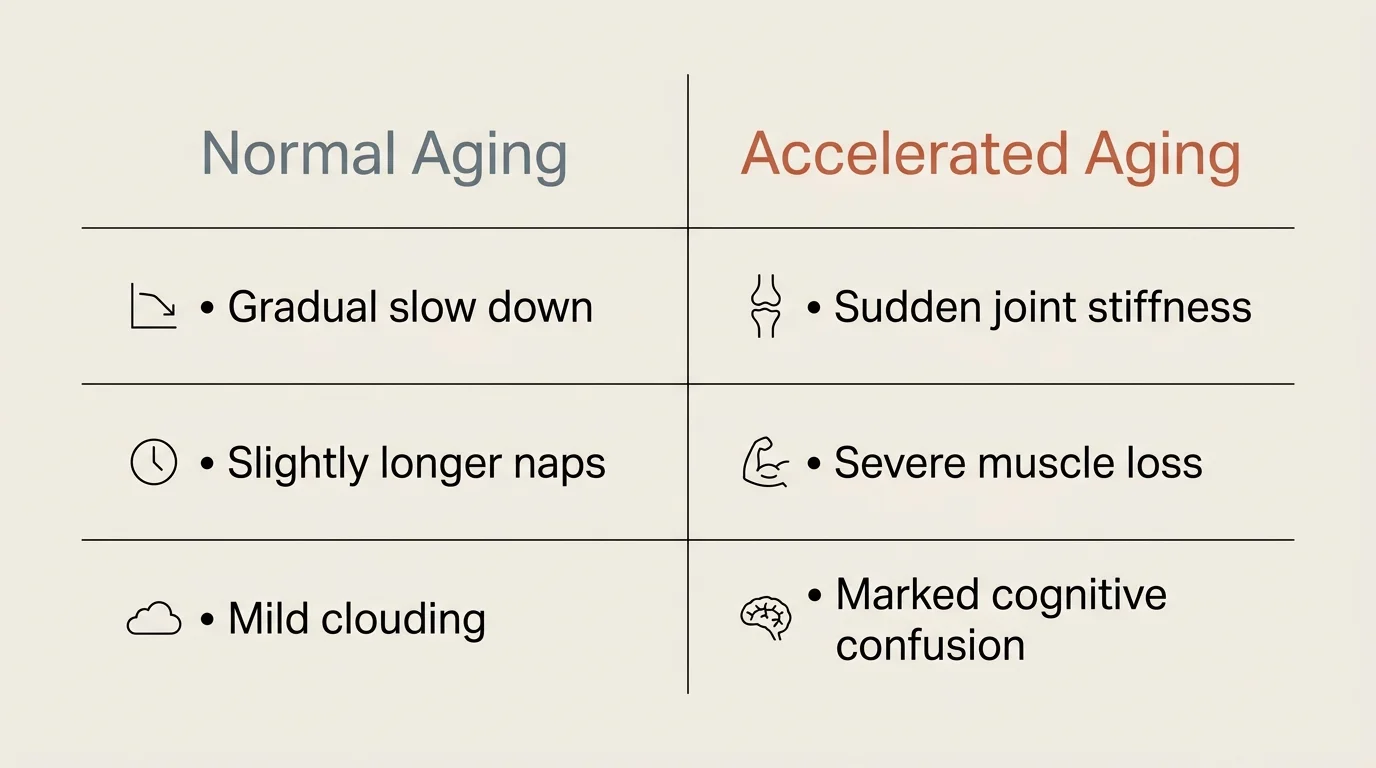
Normal Senior Aging vs. Accelerated Aging
Distinguishing normal, age-appropriate changes from rapid decline helps you act before minor issues become major medical emergencies. The table below highlights key differences across essential health areas.
| Health Category | Normal Senior Aging | Accelerated / Premature Aging |
|---|---|---|
| Mobility & Joints | Slight slowness when rising; warm-up clears mild stiffness quickly. | Persistent limping, refusal to climb stairs, or inability to support rear weight. |
| Cognitive Function | Slightly deeper sleep; occasional slowness in responding to commands. | Getting lost in corners, pacing endlessly at night, failing to recognize family members. |
| Body Condition | Gradual, modest shift in energy burn and slight change in body shape. | Rapid loss of spinal and hip muscle mass (sarcopenia) or unexplained rapid weight gain. |
| Hydration & Bladder | Normal drinking patterns; ability to hold urine through regular outdoor schedules. | Unquenchable thirst, frequent indoor accidents, and unusually diluted urine. |
| Coat & Skin Health | Grizzling around the muzzle; subtle loss of coat luster over years. | Severe symmetrical hair loss, paper-thin skin, and wounds that refuse to heal normally. |
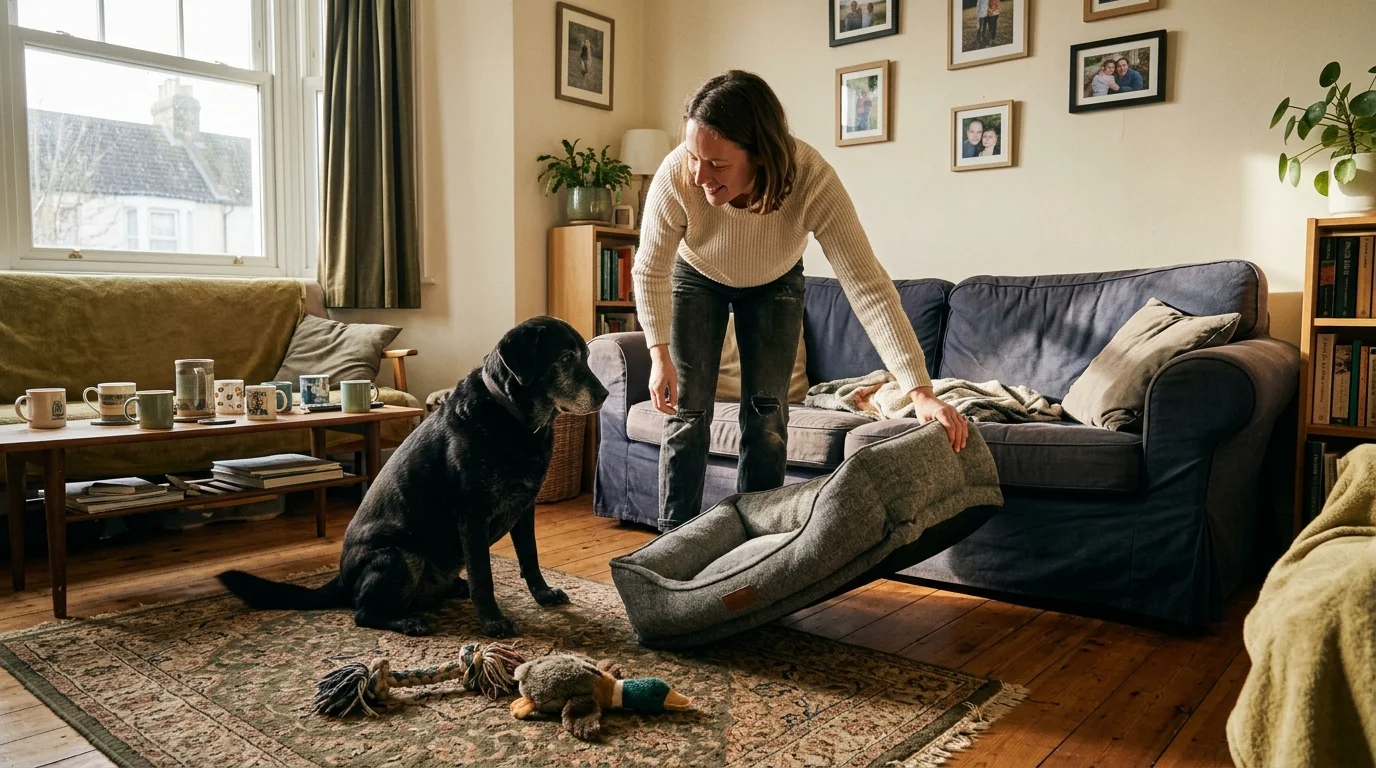
Actionable Steps to Support Your Senior Dog
You can influence how your dog experiences their golden years. Proactive, targeted adjustments to your daily routine can help slow down rapid decline and restore everyday comfort.
- Schedule Bi-Annual Veterinary Examinations: Senior dogs benefit immensely from checkups every six months. Comprehensive blood chemistry panels, complete blood counts, and urinalysis uncover metabolic shifts long before physical symptoms surface.
- Upgrade Orthopedic Support: Replace worn pet beds with high-density memory foam orthopedic beds. Place non-slip rubber runners across smooth hardwood or tile flooring to prevent painful slips and joint strains.
- Incorporate Joint-Support Supplements: Under veterinary guidance, introduce high-quality omega-3 fatty acids (EPA and DHA), glucosamine, chondroitin, and green-lipped mussel extract to combat systemic joint inflammation.
- Engage in Low-Impact Daily Exercise: Swap long, strenuous runs for short, frequent sniffing walks. Controlled, low-impact movement maintains muscle tone, lubricates joint cartilage, and stimulates healthy digestion without overloading bones.
- Provide Mental Stimulation: Keep your dog’s brain active using interactive puzzle feeders, gentle scent-tracking games, and basic positive-reinforcement refresher training to encourage neuroplasticity.
What Can Go Wrong: Pitfalls to Avoid
Caring for an aging dog requires careful observation, but well-meaning dog owners sometimes make mistakes that inadvertently speed up physiological decline.
Writing off dramatic changes as simple old age remains the most frequent mistake. Assuming that extreme lethargy or house-soiling is inevitable prevents pets from receiving life-changing treatments for manageable conditions like arthritis or urinary tract infections.
Administering human pain medications poses extreme danger. Giving your dog human nonsteroidal anti-inflammatory drugs (NSAIDs) like ibuprofen or acetaminophen can trigger fatal kidney failure, severe gastric ulceration, and liver failure within hours.
Abruptly stopping all exercise causes muscle atrophy to accelerate. While intense activity may need to end, total rest causes joints to stiffen further and destabilizes overall mobility.
Keep your dog moving within their individual comfort zone.
Neglecting oral hygiene late in life allows bacterial colonies to shower the internal organs continuously. Dental cleanings under anesthesia can remain safe for senior pets when preceded by thorough pre-anesthetic blood screening and individualized monitoring protocols.
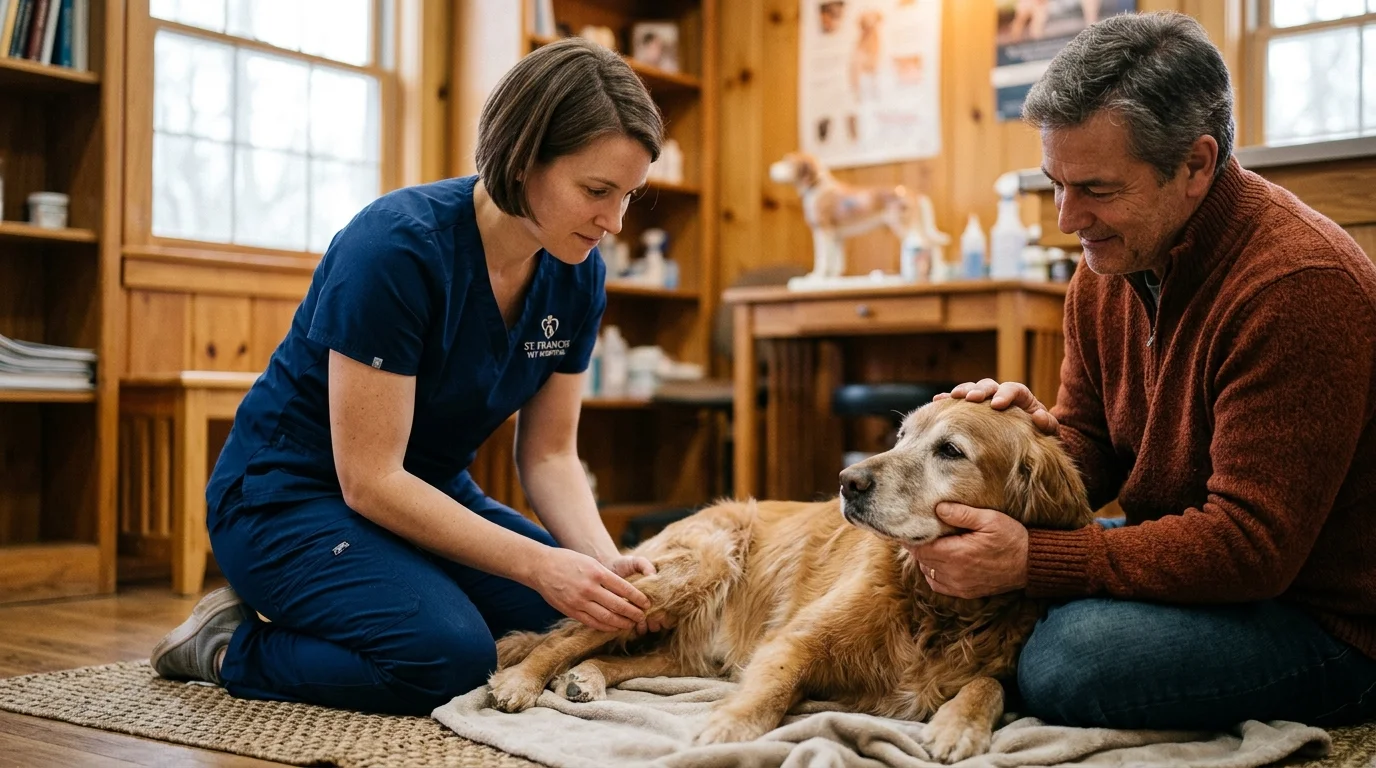
Where Outside Advice Pays Off
Managing an aging dog often requires expert professional guidance. Consulting veterinary specialists ensures your dog receives modern, evidence-based care tailored to their unique physiological profile.
Partnering with a licensed veterinarian allows you to establish advanced pain management protocols. Modern veterinary medicine offers targeted biological therapies—such as monoclonal antibody injections for osteoarthritis pain—alongside traditional therapeutic medications.
Seeking guidance from a certified veterinary nutritionist pays off when your dog struggles with complex overlapping health issues, such as concurrent renal insufficiency and joint disease. Specialized diets balance precise mineral levels while protecting lean muscle mass.
Working with a canine rehabilitation therapist helps preserve your dog’s physical independence. Hydrotherapy, low-level laser therapy, and tailored physical therapy exercises rebuild strength while minimizing stress on fragile joints.
Frequently Asked Questions
At what age is a dog officially considered a senior?
Senior status depends heavily on breed size. Giant breeds like Mastiffs reach senior status around 6 years of age, medium breeds around 8 to 9 years, and small toy breeds around 10 to 11 years.
Your veterinarian can determine your pet’s precise life stage based on breed traits and medical history.
Can you reverse premature aging in dogs?
While you cannot reverse actual chronological age, treating underlying medical issues often dramatically reverses signs of accelerated decline. Addressing thyroid imbalances, treating dental disease, or managing chronic arthritis pain frequently restores lost energy, improves mobility, and sharpens mental focus.
How can I tell if my dog is in pain or just slowing down?
Signs of subtle pain include panting while resting, difficulty finding a comfortable sleeping position, withdrawal from family interactions, lick-granulomas from repetitive biting at sore joints, and unexpected irritability when touched. If your dog exhibits these behaviors, consult a veterinarian for a pain evaluation.
What supplements help slow down canine cognitive decline?
Supplements containing omega-3 fatty acids, medium-chain triglycerides (MCT oil), antioxidants (such as vitamins E and C), and neuroprotective compounds like S-adenosylmethionine (SAMe) have demonstrated success in supporting brain health and slowing cognitive decline in senior dogs.
Protecting Your Senior Companion’s Quality of Life
Watching your dog grow older brings both tender moments and distinct caregiving challenges. By staying vigilant for the key signs of accelerated aging—such as sudden muscle loss, severe stiffness, cognitive confusion, and metabolic shifts—you shift from reactive worry to proactive care.
Early intervention remains the single most powerful tool for extending your dog’s healthy, vibrant years.
Take time today to observe your dog’s daily routines, movement, and mood. Simple adjustments to their home environment, diet, and healthcare plan can ease physical discomfort and preserve their joy.
Partnering closely with your veterinary team ensures that your faithful companion navigates their senior years with comfort, dignity, and deep contentment.
The information here is meant for educational purposes. Specific circumstances—including health conditions, finances, location, and goals—may require different approaches.
When in doubt, consult a licensed professional or check official sources directly.
Last updated: May 2026. Rules, prices, and details change—verify current information with official sources before acting on it.