How to Train and Manage a Small Watchdog
A watchdog’s natural instinct to alert you is a valuable asset, but without guidance, that instinct can quickly deteriorate into nuisance barking. Managing best small guard dogs and watchdogs requires structured communication so your pet knows when their job is complete.
Follow these actionable practical steps to keep your small watchdog effective and controlled:
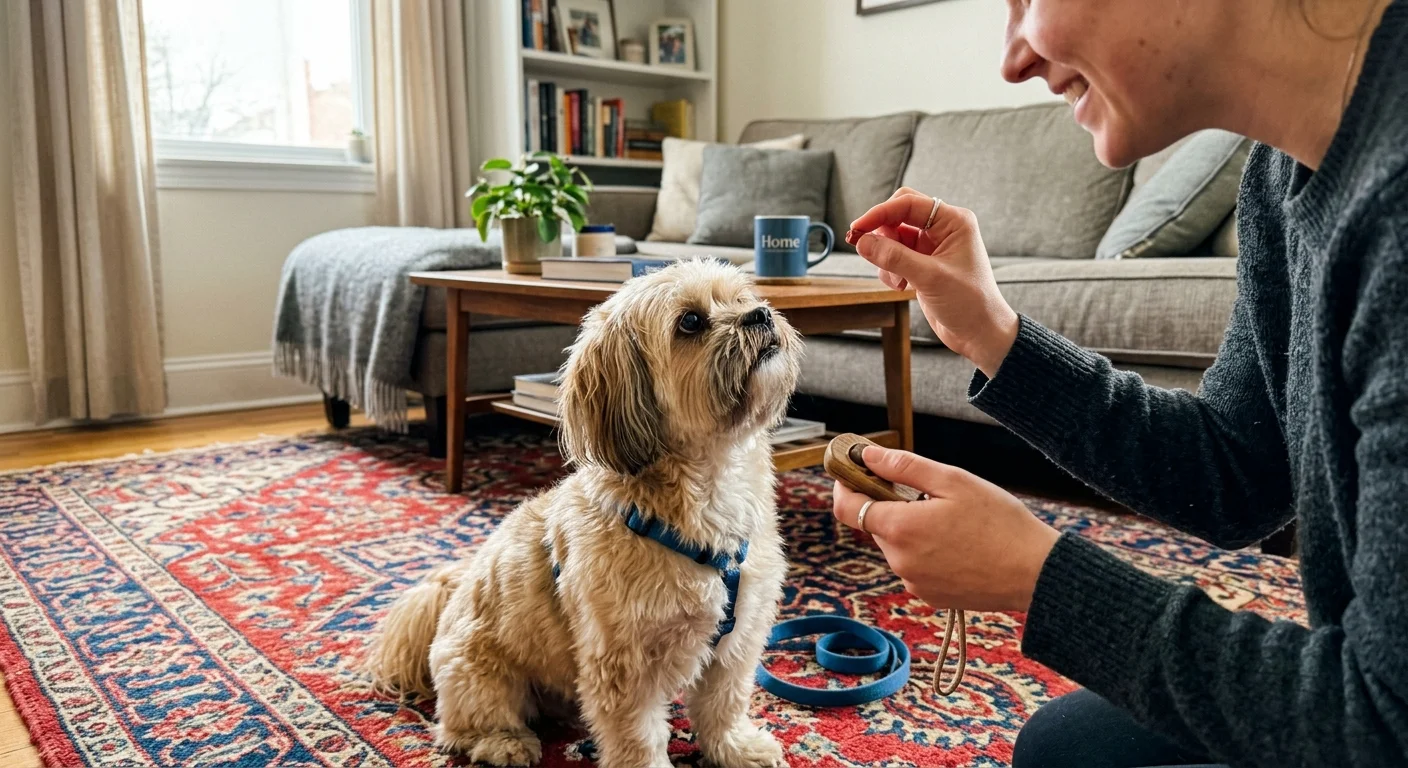
- Establish a “Thank You” protocol: When your dog barks at a door knock or fence rustle, acknowledge their effort by checking the door, saying a firm “Thank you,” and directing them to a designated mat or dog bed. Reward them with a treat when they step away.
- Teach the “Quiet” cue: Allow two or three alert barks, then present a high-value treat near their nose. Once they stop barking to sniff the treat, say “Quiet,” wait three seconds, and give them the reward.
- Maintain daily mental exercise: Boredom intensifies reactive barking. Engage your dog daily with puzzle toys, scent games, and structured obedience drills to burn off mental nervous energy.
- Avoid rewarding demand barking: Never reward a dog that barks at you for attention, food, or play; reward them only when they remain calm and attentive.
According to wellness resources from the American Veterinary Medical Association, regular social exposure prevents fear-based reactivity. Exposing your small watchdog to benign everyday stimuli—such as mail carriers, bicycles, and delivery trucks—helps them differentiate between normal daily life and actual security concerns.