Finding a loyal canine companion when you suffer from pet allergies feels challenging, but choosing a low-shedding dog breed can dramatically ease your symptoms.
Sneezing, watery eyes, and itching stem not from dog fur itself, but from microscopic proteins found in dander, saliva, and urine that hitch a ride on falling hair.
While science confirms no dog is completely hypoallergenic, single-coated and wire-haired breeds retain loose hair and dander within their coats rather than scattering allergens across your furniture and floorboards.
Selecting the right breed, combined with effective grooming routines and home air filtration, allows you to enjoy dog ownership without constant allergic reactions.
At a Glance: Key Takeaways for Dog-Allergic Pet Lovers
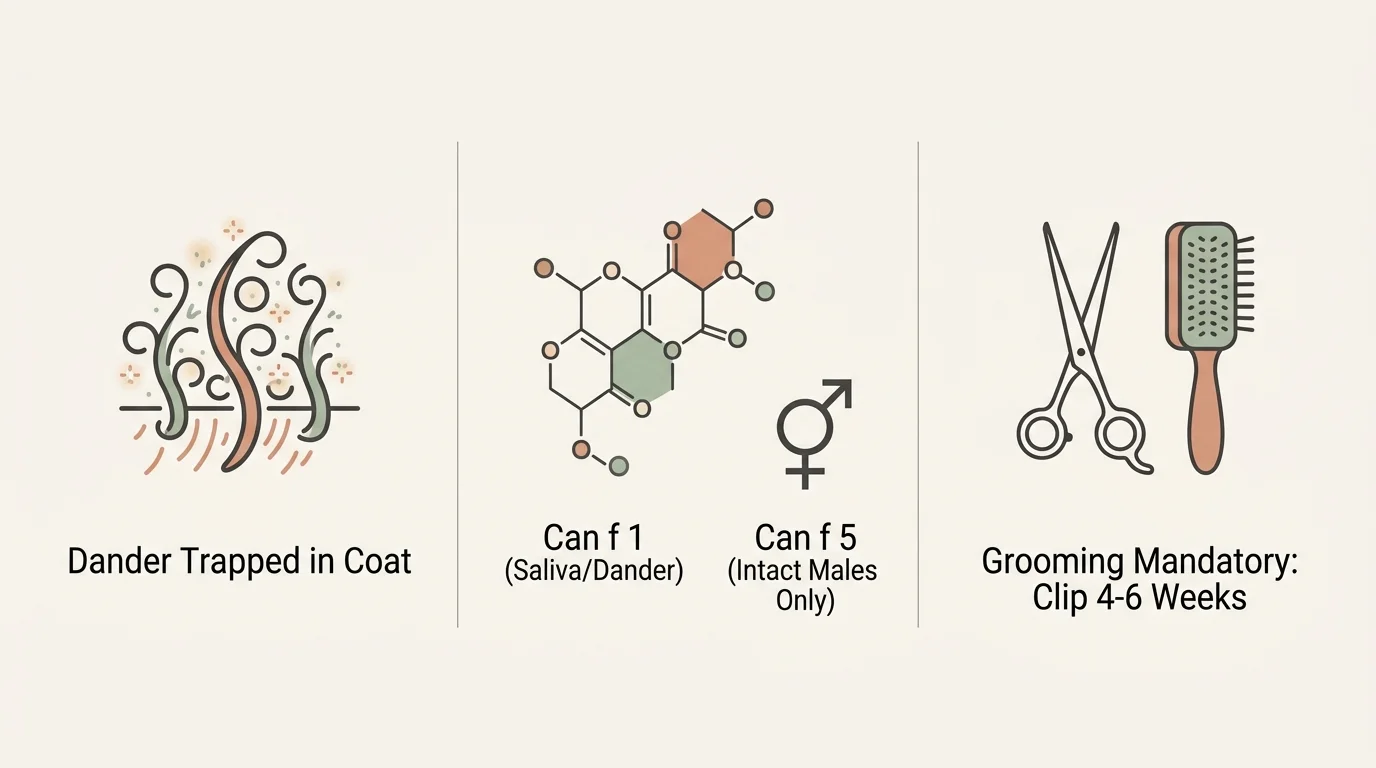
- No dog is 100% hypoallergenic: Low-shedding breeds simply trap dander within their coat, preventing airborne spread throughout your home.
- Target the true culprit: Allergies stem from proteins like Can f 1 found in dander, saliva, and urine, not the hair fiber itself.
- Gender matters for some: The Can f 5 allergen is produced exclusively by intact male dogs; roughly 30% of dog-allergic individuals can tolerate female or neutered male dogs without issue.
- Grooming is mandatory: Low-shedding coats require consistent brushing, clipping every 4 to 6 weeks, and regular bathing to clear trapped dander.
The Science of Dog Allergies: Dander, Saliva, and the Hypoallergenic Myth
If you experience red eyes or nasal congestion around dogs, your immune system is overreacting to harmless proteins secreted by the animal.
According to the Asthma and Allergy Foundation of America, between 10% and 20% of the global population suffers from pet allergies, with dog allergies affecting up to 30% of individuals who already have asthma or environmental sensitivities.
Many people assume that hairless or short-haired dogs solve this issue, but coat length alone does not dictate allergen levels.
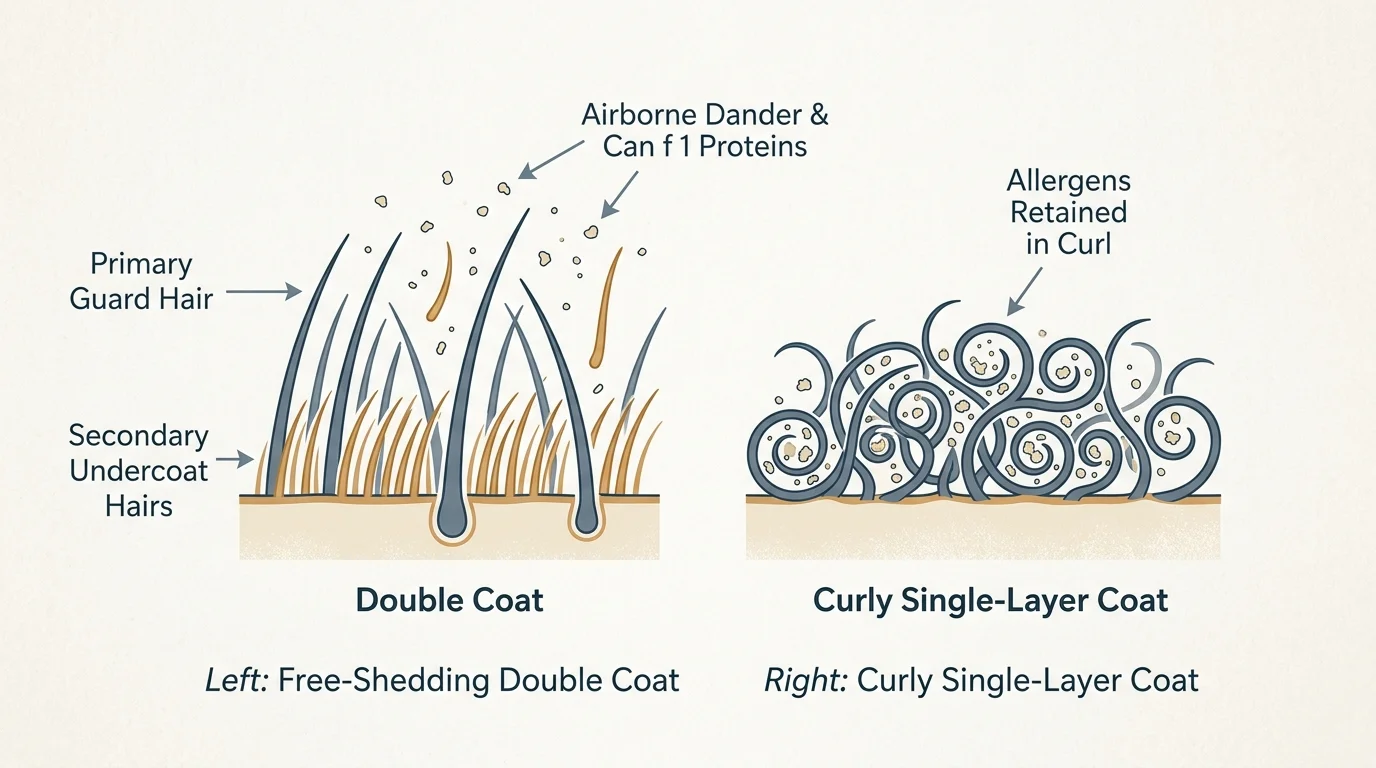
Medical research confirms that all dogs produce dander—microscopic flakes of dead skin—along with salivary proteins. Scientists have identified major canine allergens designated as Can f 1 through Can f 6.
When standard double-coated breeds shed, their fur acts as a distribution network, launching dander into air currents and settling onto carpets, curtains, and upholstery.
Low-shedding dog breeds feature coats that grow continuously or hold dead hair within curls and waves; this traps dander on the dog until you wash or brush it away.
Clinical studies published in the American Journal of Rhinology & Allergy found that homes with “hypoallergenic” dog breeds had no significant difference in baseline airborne allergen levels compared to homes with regular breeds.
However, low-shedding breeds provide a distinct practical advantage: you control where the dander goes. Instead of inhaling airborne particles every time your dog shakes off, you manage dander through controlled grooming routines.
Interestingly, your allergy might depend on the dog’s gender. The Can f 5 protein originates in the prostate gland of intact male dogs.
Medical diagnostic testing indicates that roughly 30% of people with dog allergies are sensitized exclusively to Can f 5. If you fall into this group, adopting a female dog or a neutered male dog eliminates your allergic trigger entirely, regardless of breed.
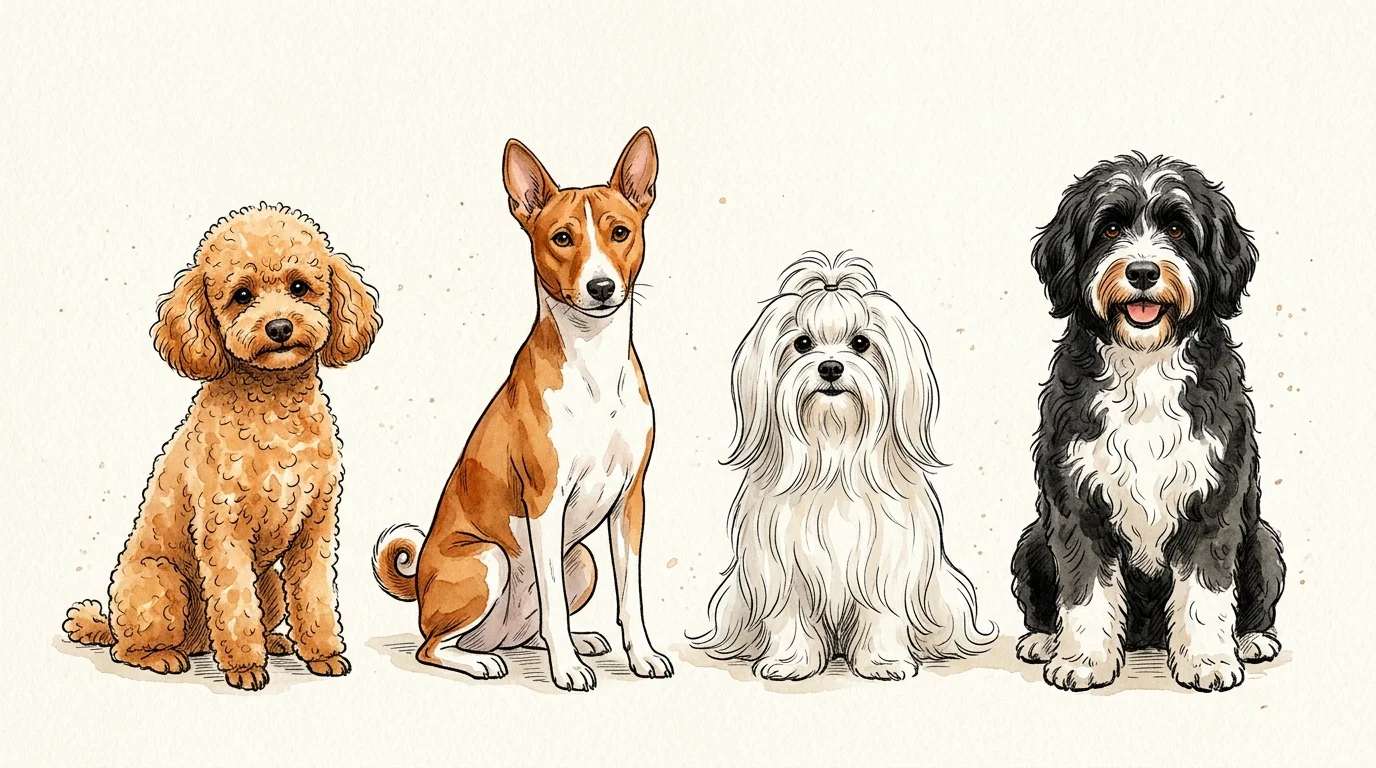
The 9 Best Low-Shedding Dog Breeds for Allergy Sufferers
1. Poodle (Standard, Miniature, and Toy)
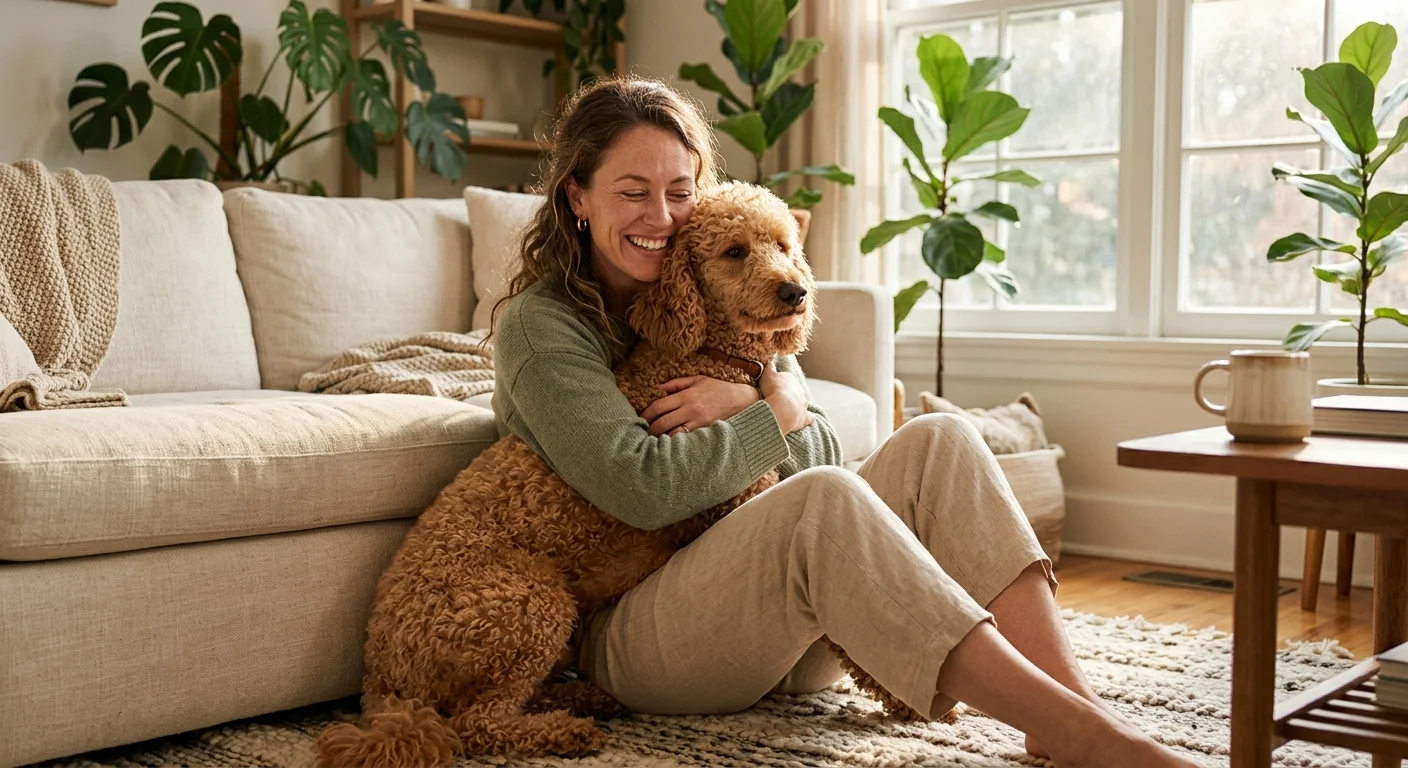
Poodles represent the gold standard for allergy-conscious households. Possessing a dense, single-layer coat of soft, curly hair rather than fur, Poodles continuously grow hair that traps shed dander within its tight coils.
Because they lack an undercoat, they do not undergo seasonal coat blows.
Poodles come in three distinct sizes—Standard, Miniature, and Toy—allowing you to select a companion that fits your living space. Beyond their low-shedding qualities, Poodles rank among the most intelligent canine breeds, excelling in obedience training and agility sports.
To maintain their coat and prevent painful skin mats, you must brush them several times a week and schedule professional clipping every 4 to 6 weeks.
2. Bichon Frise
With its cheerful disposition and fluffy white coat, the Bichon Frise is an exceptional choice for sensitive owners.
Although the Bichon Frise possesses a soft undercoat beneath a coarser outer coat, loose hairs get caught in the dense curl structure instead of falling onto your furniture.
Bichons produce relatively low amounts of dander compared to many small breeds. They thrive on human companionship, making them wonderful indoor pets.
However, their coat requires diligent daily brushing with a slicker brush and routine baths to remove accumulated dander and debris before skin irritation develops.
3. Miniature Schnauzer
Miniature Schnauzers feature a distinctive double coat consisting of a wiry topcoat and a dense undercoat. When properly maintained through hand-stripping or regular clipping, this coat releases almost no loose hair into your home environment.
Schnauzers offer an alert, affectionate, and spirited personality, serving as excellent watchdogs and family pets. Their trademark beard and leg furnishings can collect saliva and outdoor pollen, so wiping down their muzzle after meals and walks helps prevent secondary allergic reactions.
4. Maltese
If you prefer a toy breed with long, glamorous hair, the Maltese delivers beauty without the typical shedding nightmare. This ancient toy breed lacks an undercoat entirely; its fine, bright-white coat grows long and silky, hanging straight toward the floor.
Because Maltese dogs do not shed their single coat, dander release remains minimal. Many owners choose to trim their Maltese into a low-maintenance “puppy cut” to simplify daily care.
Regular eyes wipes are recommended, as tear staining can harbour bacteria that occasionally irritates sensitive individuals.
5. Portuguese Water Dog
Gaining international attention when chosen by former U.S. President Barack Obama for his allergic family, the Portuguese Water Dog is an athletic, medium-sized working breed. They feature a single coat of either tight, compact curls or loose, lustrous waves.
Portuguese Water Dogs do not shed, but their coat continuously catches outdoor particles and indoor dander. They possess high energy levels and require vigorous daily exercise alongside routine grooming.
They suit active households that enjoy outdoor adventures and disciplined training routines.
6. Afghan Hound
While an Afghan Hound’s long, flowing, thick coat appears high-maintenance for allergy sufferers, its single-coat structure sheds minimally when well-cared-for. The breed’s hair structure resembles human hair more than typical animal fur.
Because keeping an Afghan Hound clean requires weekly bathing and extensive blow-drying, owners naturally wash away accumulated Can f 1 proteins before they disperse into the home environment. However, this breed requires a dedicated time investment for coat preservation and possesses an independent, feline-like temperament.
7. Soft Coated Wheaten Terrier
Hailing from Ireland, the Soft Coated Wheaten Terrier boasts a single coat that flows in gentle waves across its body. Unlike many terriers with harsh, wiry fur, the Wheaten’s coat feels soft and silky, producing very little dander scatter.
Wheatens maintain a joyful, exuberant personality into their senior years. Their coat requires daily combing with a medium-toothed metal comb to clear loose hair and prevent severe matting, especially around their legs and belly.
8. Basenji
Known as Africa’s “barkless dog,” the Basenji offers a unique option for allergy sufferers who dislike heavy grooming tasks. Basenjis possess an extraordinarily short, fine coat that sheds virtually nothing throughout the year.
Basenjis groom themselves meticulously like cats, keeping their skin clean and minimizing odor. Because they lick their fur frequently, saliva proteins can coat their hair shaft; however, their total lack of dander drop makes them surprisingly tolerable for many allergy sufferers.
They require mental stimulation to channel their inquisitive nature.
9. Bedlington Terrier
Resembling a graceful miniature lamb, the Bedlington Terrier features a distinctive crisp coat composed of a mix of soft and hard hair that curls tightly against its skin. Bedlingtons do not shed naturally, making them ideal for keeping indoor air clean.
Their coat requires specialized trimming to maintain their unique shape, but they offer a calm, sweet-tempered companion indoors. Regular brushing prevents the dense curly coat from matting close to the skin surface.

Comparing the Top Low-Shedding Dog Breeds
| Breed | Size Category | Coat Type | Grooming Frequency | Activity Level |
|---|---|---|---|---|
| Poodle | Toy, Mini, or Standard | Single coat, tight curls | Every 4-6 weeks | Moderate to High |
| Bichon Frise | Small (12-18 lbs) | Dense, soft curls | Daily brush, monthly clip | Moderate |
| Miniature Schnauzer | Small (11-20 lbs) | Wiry topcoat, dense undercoat | Every 5-7 weeks | Moderate |
| Maltese | Toy (under 7 lbs) | Single coat, straight & silky | Daily brush (long) or monthly clip | Low to Moderate |
| Portuguese Water Dog | Medium (35-60 lbs) | Single coat, wavy or curly | Weekly brush, monthly clip | High |
| Afghan Hound | Large (50-60 lbs) | Single coat, long & fine | Weekly bath & deep brush | High |
| Soft Coated Wheaten Terrier | Medium (30-40 lbs) | Single coat, soft waves | 2-3 times weekly comb | High |
| Basenji | Small/Medium (22-24 lbs) | Short, fine single coat | Minimal (self-grooms) | High |
| Bedlington Terrier | Medium (17-23 lbs) | Crisp woolly mix | Every 6 weeks | Moderate |
Practical Strategies to Minimize Pet Allergens at Home
Selecting a low-shedding breed forms just one component of a successful allergen-reduction strategy. By combining the right breed selection with consistent hygiene measures, you dramatically reduce protein build-up inside your home.
- Establish a strict bathing routine: A landmark clinical trial in the Journal of Allergy and Clinical Immunology demonstrated that bathing a dog twice a week reduces airborne Can f 1 allergen levels by more than 80%. Use a moisturizing, vet-approved dog shampoo to prevent drying out their skin.
- Install High-Efficiency Particulate Air (HEPA) filters: Place standalone HEPA air purifiers in the rooms where you spend the most time, particularly your bedroom and living area. Ensure your central HVAC system utilizes a MERV 13 or higher filter.
- Designate bedroom sanctuary zones: Keep your dog out of your bedroom entirely. You spend roughly one-third of your life sleeping; keeping this environment dog-free lets your immune system recover overnight.
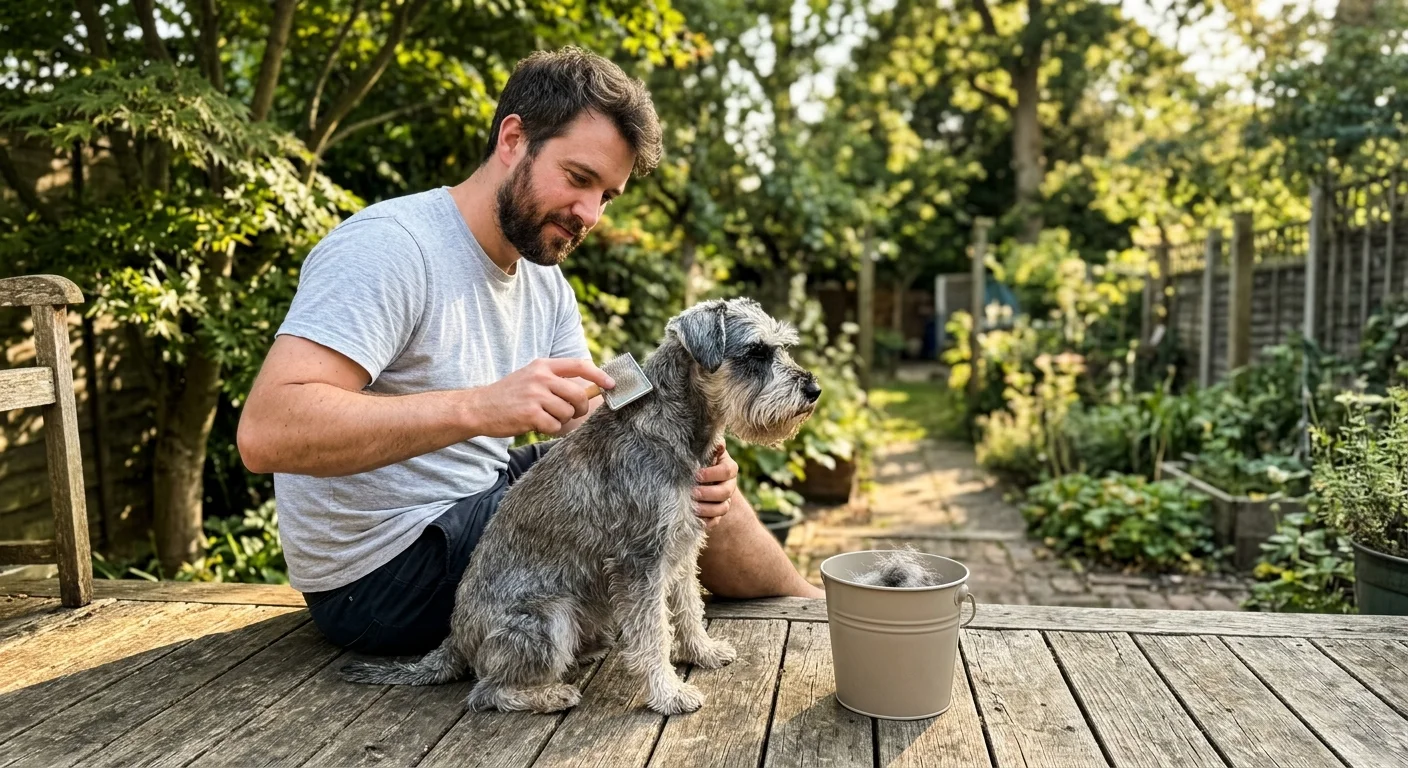
- Delegate brushing tasks: Brush your dog outdoors so loose dander disperses into the open air rather than settling on indoor carpets. If possible, ask a non-allergic family member or professional groomer to handle brushing.
- Hard surfaces over carpet: Swap out wall-to-wall carpeting for hardwood, tile, or vinyl flooring. Dander settles deeply into carpet fibers and resists standard vacuuming, whereas hard floors wipe clean easily with a damp microfiber mop.
Worth Keeping in Mind: Common Pitfalls and Trade-Offs
Before bringing home a low-shedding dog breed, consider several practical trade-offs that can catch new owners off guard:
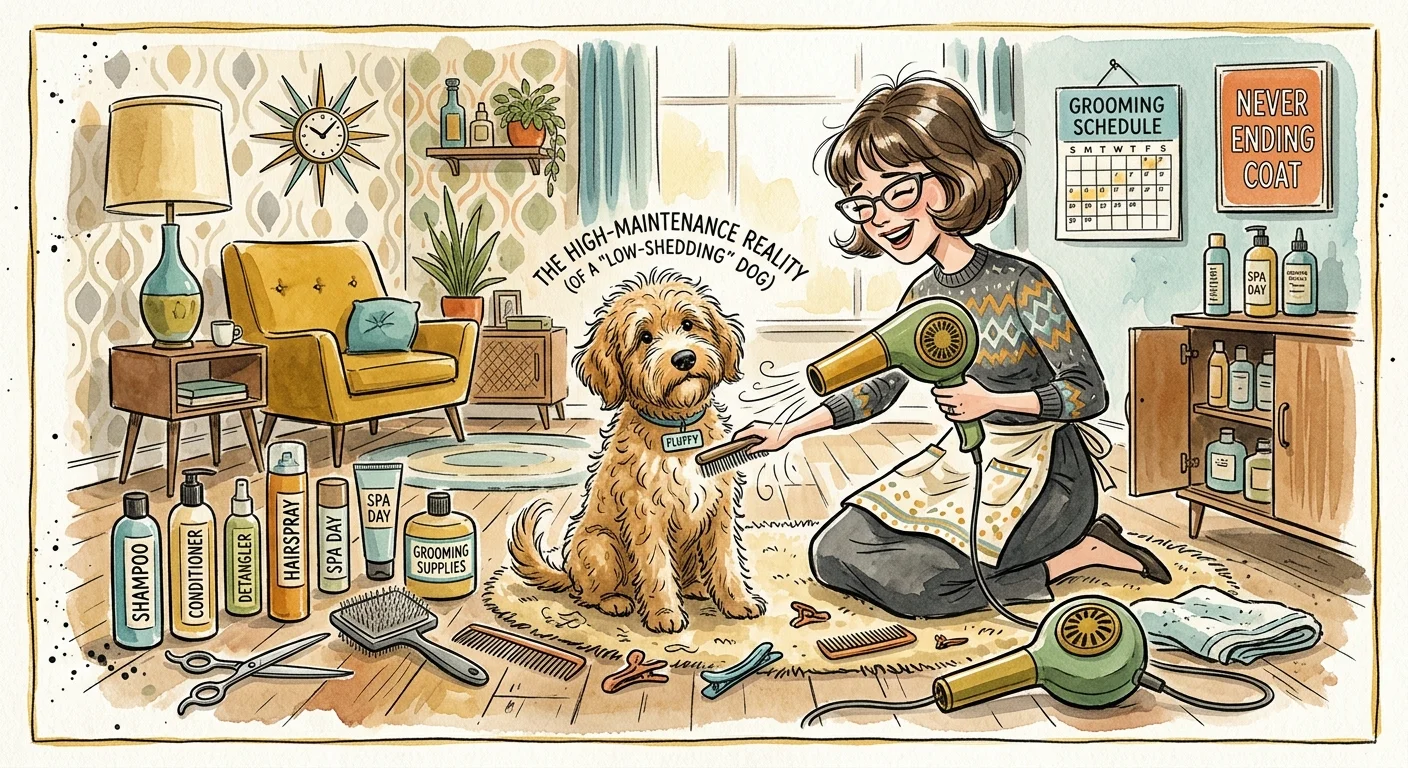
First, low-shedding does not mean low-maintenance. Breeds that do not shed hair require continuous professional grooming to prevent painful coat matting, skin infections, and trapped dirt.
Professional grooming services for dogs like Poodles or Portuguese Water Dogs often cost between $60 and $120 per session every month, representing a significant long-term financial commitment.
Second, you might react to dog saliva rather than dander. If a dog licks your skin and red hiving occurs, choosing a non-shedding breed will not resolve your symptoms.
Breeds like the Basenji or Poodle still produce full amounts of salivary proteins.
Third, many low-shedding breeds are high-energy working or hunting dogs. Soft Coated Wheaten Terriers and Portuguese Water Dogs require extensive exercise and mental stimulation.
Selecting a dog solely for its coat qualities without matching its physical needs to your lifestyle often leads to behavioral challenges.
When to Consult an Allergist or Veterinarian
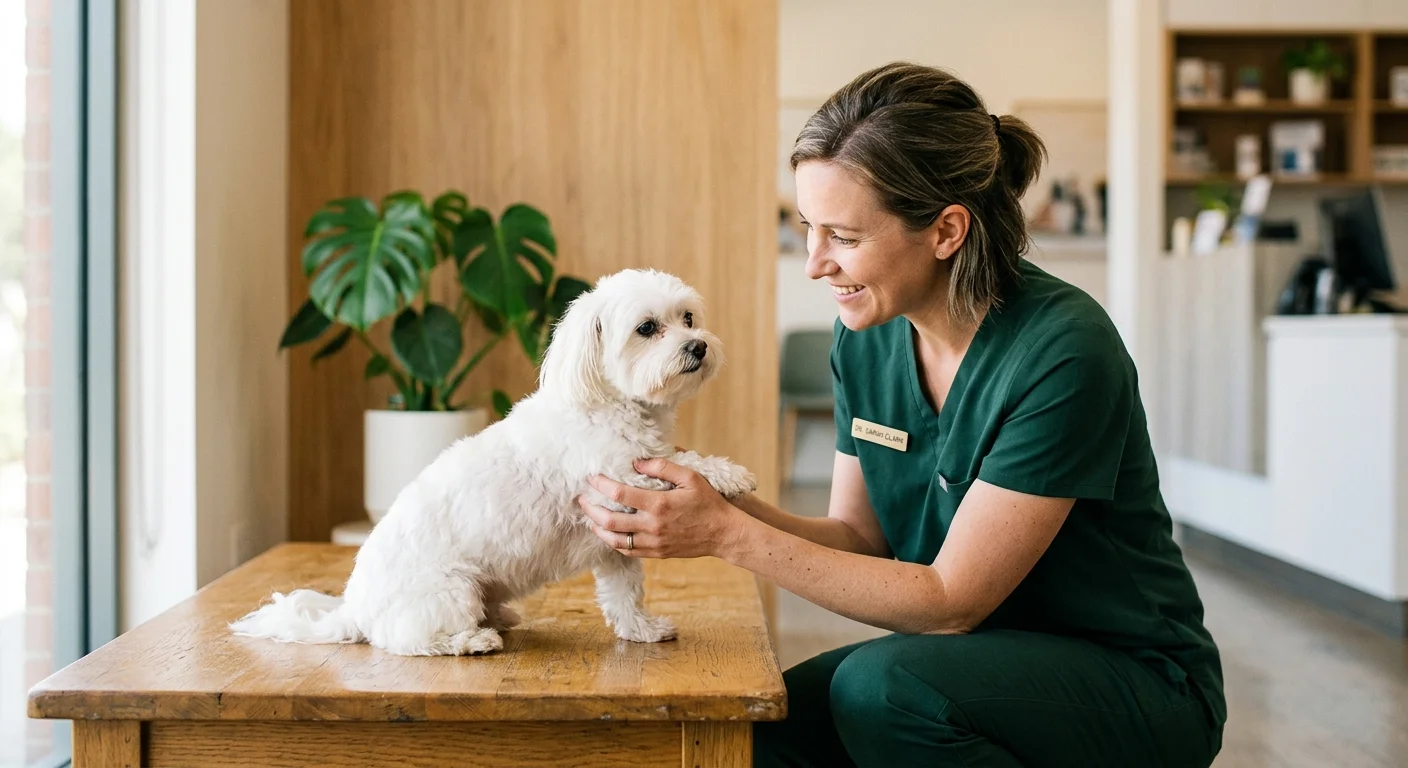
If you experience persistent respiratory symptoms, asthma attacks, or skin rashes around pets, seek medical guidance before acquiring a dog. According to health resources at the Mayo Clinic, an allergist can perform precise blood or skin-prick tests to pinpoint your specific triggers.
Medical allergy testing can determine whether you react to Can f 1 (dander), Can f 5 (prostate protein from male dogs), or external mold and pollen trapped in dog fur.
If testing reveals a Can f 5 sensitivity, your physician may advise you to adopt a female dog, broadening your breed options.
Consult a veterinarian if your low-shedding dog develops dry, flaky skin, excessive scratching, or dull fur. Canine skin conditions like seborrhea or yeast infections dramatically increase skin cell turnover, causing even low-shedding dogs to release elevated dander levels into your living space.
Frequently Asked Questions
Are any dog breeds 100% hypoallergenic?
No dog breed is 100% hypoallergenic. All dogs produce dander, saliva, and urine containing allergy-triggering proteins.
Low-shedding breeds simply retain hair and dander within their coat, making environmental allergen control much easier for owners.
Do female dogs trigger fewer allergies than male dogs?
Female dogs produce lower levels of the Can f 5 allergen protein, which is produced exclusively in the prostate gland of intact male dogs.
If an allergy test confirms you react specifically to Can f 5, a female dog or a neutered male dog will cause fewer symptoms.
How often should I wash a low-shedding dog to keep allergies down?
Bathing your dog once or twice a week significantly lowers airborne dander and salivary protein build-up. Always use a gentle, moisturizing dog shampoo to avoid drying out the animal’s skin, which can lead to increased flaking.
Does clipping a dog’s coat short reduce dander?
Clipping a dog’s coat short does not decrease dander production at the skin level, but it makes bathing, brushing, and wiping down your dog much easier. Short coats also hold fewer outdoor allergens like grass pollen and mold spores.
Final Thoughts
Living comfortably with pet allergies is entirely achievable when you match the right low-shedding dog breed with proactive home allergen management.
By focusing on breeds like Poodles, Bichon Frises, or Miniature Schnauzers—and supporting them with weekly bathing, HEPA filtration, and designated dog-free sleeping spaces—you can share a vibrant, loving home with a canine companion without sacrificing your health.
This article provides general information only. Every reader’s situation is different—what works for others may not be the right fit for you.
For personalized guidance on health, legal, or financial matters, consult a qualified professional.
Last updated: May 2026. Rules, prices, and details change—verify current information with official sources before acting on it.