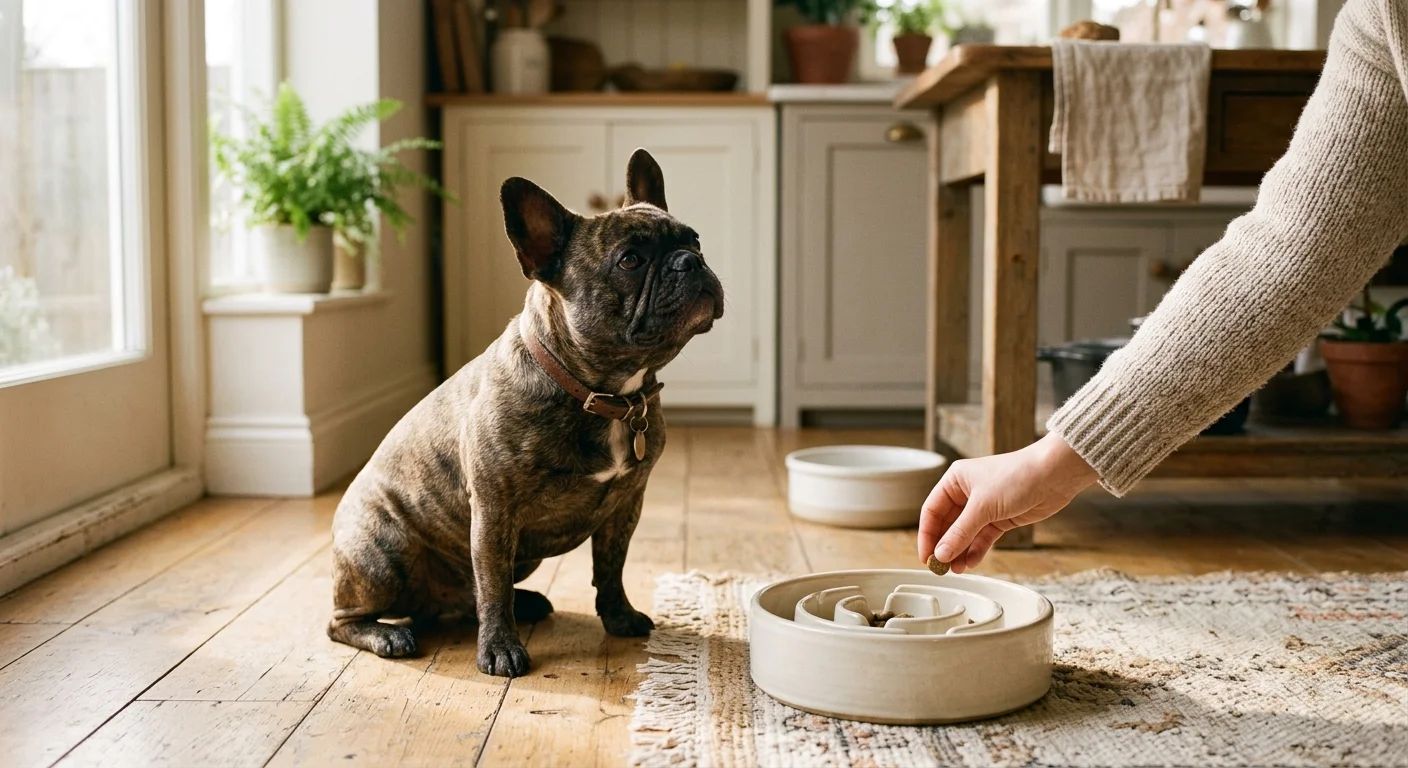
Living with a dog that has a delicate digestive system turns simple mealtime into a high-stakes guessing game of soft stools, sudden vomiting, and uncomfortable bloating.
While any canine can suffer an occasional upset tummy, specific canine genetics and anatomical structures make certain dog breeds far more vulnerable to chronic gastrointestinal issues.
Understanding whether your canine companion carries a biological predisposition to food sensitivities or gut inflammation helps you choose targeted nutrition, avoid emergency veterinary visits, and keep your pet comfortable.
From deep-chested giants prone to life-threatening gastric distress to toy breeds susceptible to sudden pancreatitis, these nine dog breeds require attentive dietary care and specialized feeding strategies.
Why Certain Dog Breeds Suffer From Delicate Digestion
Canine digestive health depends on a fragile equilibrium between genetics, anatomy, gut microflora, and immune system responses. When selecting or caring for dogs prone to digestive issues, recognizing the underlying biological mechanisms behind their sensitivity transforms how you manage their daily diet.
Genetic factors frequently dictate how a dog processes nutrient groups. Some purebred lineages inherit metabolic deficiencies that impair fat digestion, while others develop immune-mediated reactions to specific dietary proteins.
According to clinical resources from the Merck Veterinary Manual, chronic enteropathies and inflammatory bowel disease in dogs demand carefully tailored diets because chronic gut lining inflammation prevents normal nutrient absorption.
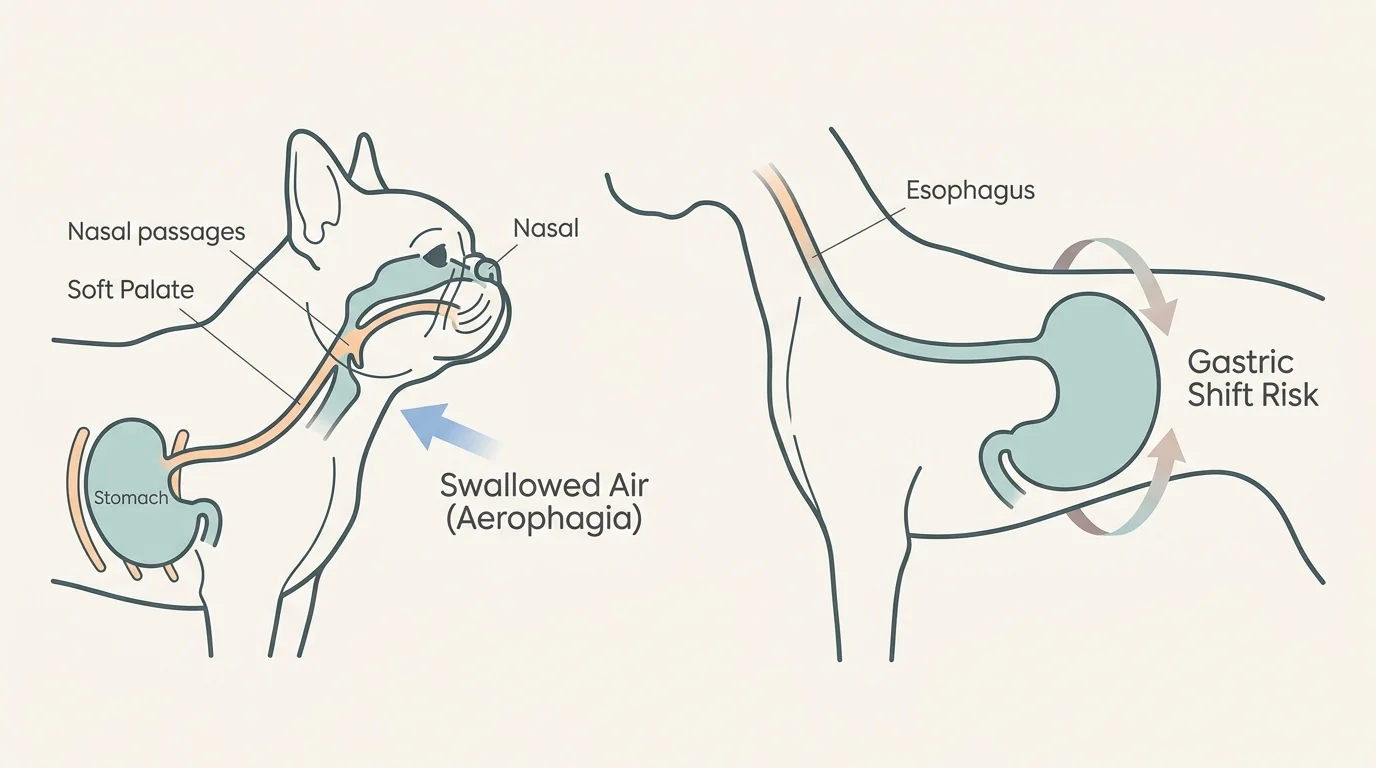
Anatomical structure plays an equally decisive role. Brachycephalic (flat-faced) dogs often swallow excessive air while eating, causing chronic gas and esophageal reflux.
Meanwhile, deep-chested breeds possess large, hollow abdominal cavities that allow the stomach to shift position, creating serious risk for gas entrapment and physical rotation.
“A dog’s gastrointestinal tract acts as both a digestive organ and a major immune barrier; when genetic predispositions disrupt this delicate balance, tailored nutrition becomes as vital as medicine.”
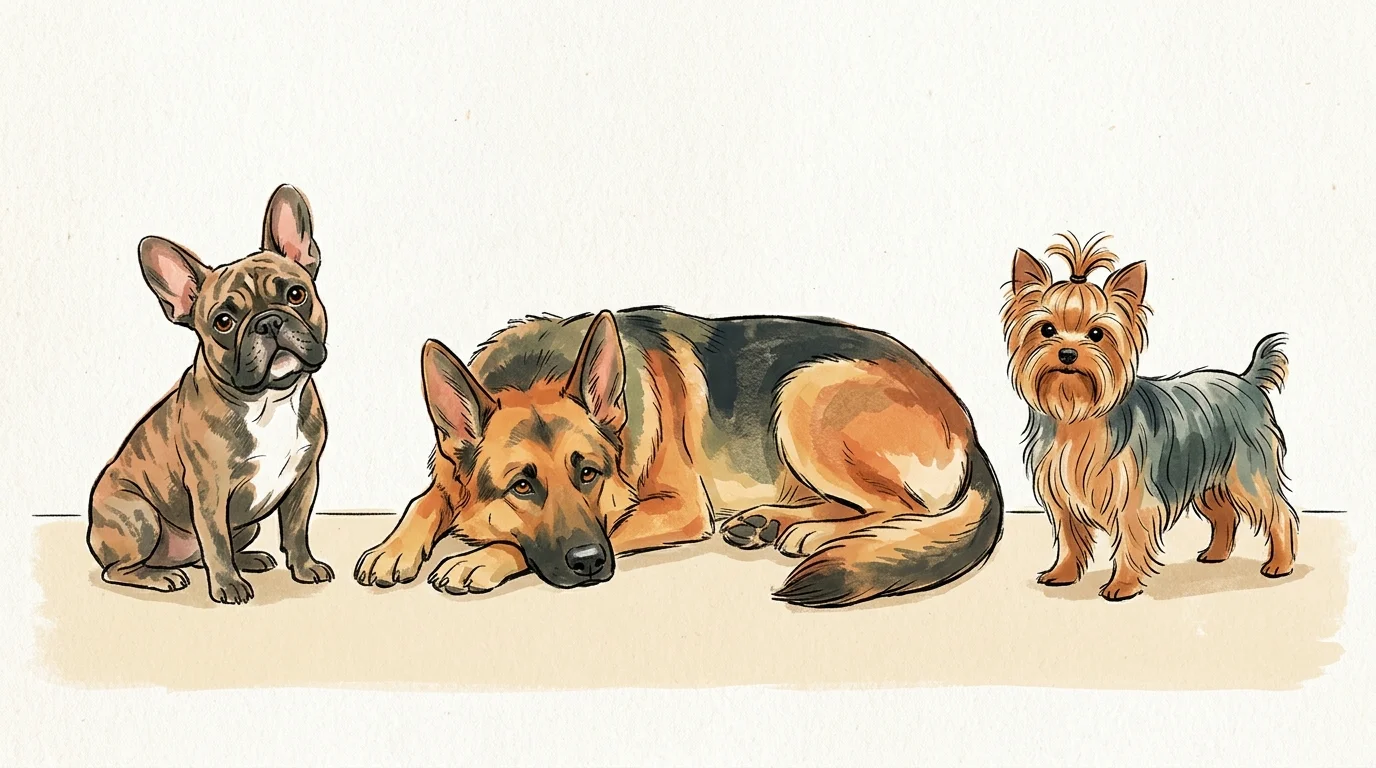
9 Dog Breeds Prone to Gastrointestinal Issues
1. French Bulldog
French Bulldogs top the list of dog breeds with sensitive stomachs due to a combination of physical structure and systemic allergies. Their flat facial anatomy leads to swallowed air (aerophagia) during meals; this produces frequent flatulence, abdominal gurgling, and regurgitation.
Furthermore, French Bulldogs possess high rates of cutaneous and gastrointestinal food sensitivities. Common proteins like chicken or beef frequently trigger inflammatory reactions in their colon, manifesting as chronic soft stools or recurrent diarrhea.
Feeding them elevated dishes, slow-feeder bowls, and single-source hydrolyzed protein diets dramatically improves their digestive comfort.
2. German Shepherd Dog
German Shepherds carry a notorious genetic predisposition to several serious gastrointestinal issues in dogs. Most notably, the breed experiences high rates of Exocrine Pancreatic Insufficiency (EPI).
In dogs with EPI, the pancreas fails to produce essential digestive enzymes—lipase, amylase, and protease—meaning the intestine cannot break down or absorb food. Affected German Shepherds lose weight rapidly despite a ravenous appetite, passing large, greasy, pale stools.
German Shepherds are also highly prone to Small Intestinal Bacterial Overgrowth (SIBO) and chronic Inflammatory Bowel Disease (IBD), requiring highly digestible kibble paired with specialized pancreatic enzyme supplements when diagnosed.
3. Yorkshire Terrier
Despite their energetic and bold personalities, Yorkshire Terriers harbor fragile digestive systems that react poorly to dietary changes. Yorkies are exceptionally sensitive to dietary fats.
Feeding a Yorkie greasy table scraps or high-fat treats can swiftly trigger acute pancreatitis—a painful, potentially fatal pancreatic inflammation. As explained by VCA Animal Hospitals, canine pancreatitis occurs when digestive enzymes activate prematurely, causing severe abdominal pain, persistent vomiting, and lethargy.
Yorkies also suffer from Acute Hemorrhagic Diarrhea Syndrome (AHDS) and intestinal lymphangiectasia, making strict low-fat diets essential for their long-term health.
4. Irish Setter
Irish Setters display a unique, inherited gastrointestinal condition known as Wheat-Sensitive Enteropathy. Similar to celiac disease in humans, this condition causes the Setter’s immune system to attack its own small intestine whenever it consumes gluten-containing grains such as wheat, barley, or rye.
The resulting inflammation flattens the intestinal villi, leading to chronic diarrhea, weight loss, and poor coat quality. Modern grain-free or ancient-grain diets free from wheat allow Irish Setters with this sensitivity to thrive without gastrointestinal distress.
5. Great Dane
Great Danes face severe digestive risks rooted entirely in their massive, deep-chested anatomy. Their deep chest cavity leaves extra room inside the abdomen, creating a prime environment for Gastric Dilation-Volvulus (GDV), commonly called bloat.
Health studies published by the AKC Canine Health Foundation emphasize that deep-chested breeds require specific dietary management to minimize the risk of dangerous stomach expansion.
When a Great Dane eats too quickly or drinks massive quantities of water, gas builds rapidly in the stomach, causing it to twist on its axis and cut off blood flow.
Great Danes require multiple small meals throughout the day and strict rest for at least one hour after eating.
6. Boxer
Boxers suffer from a specific breed-associated inflammatory disorder called Histiocytic Ulcerative Colitis, often referred to as Boxer Colitis. This condition involves pathogenic E. coli bacteria invading the mucosal lining of the large intestine, causing severe ulceration, painful cramping, and chronic bloody diarrhea.
Younger Boxers under two years old show the highest susceptibility. Treatment requires targeted antibiotic therapy under veterinary direction, accompanied by ultra-digestible food formulation to give the intestinal mucosal barrier time to heal.
7. Miniature Schnauzer
Miniature Schnauzers carry a well-documented genetic defect in lipid metabolism that causes idiopathic hyperlipidemia—an abnormally high concentration of fat molecules in the bloodstream.
Because their liver and circulatory system struggle to clear fats, Miniature Schnauzers experience the highest rate of acute pancreatitis among all dog breeds. A single high-fat treat like bacon or butter can land a Schnauzer in emergency veterinary care.
Owners must maintain a strict low-fat dietary regimen, choosing kibble options where fat levels remain below 10% to 12% on a dry matter basis.
8. Shar Pei
The Chinese Shar Pei presents a complex physiological profile that impacts the gut. Many Shar Peis suffer from inherited cobalamin (Vitamin B12) malabsorption, leading to chronic lethargy, immune dysfunction, and persistent loose stools.
Additionally, their inherent genetic propensity toward systemic inflammation causes mucosal thickening throughout the gastrointestinal tract. This intestinal inflammation reduces nutrient absorption and causes frequent food intolerances.
Feeding Shar Peis novelty proteins and supplementing with Vitamin B12 helps restore proper gut barrier integrity.
9. Golden Retriever
While Golden Retrievers possess famously friendly temperaments, they rank among the most common dog breeds with food sensitivities. Golden Retrievers frequently suffer from generalized atopic disease, where immune hyper-reactivity triggers both skin itchiness and chronic lower GI tract irritation.
They react poorly to common commercial fillers, artificial dyes, and standard protein sources like dairy, soy, or corn. Switching a Golden Retriever to a limited-ingredient diet featuring novel proteins like salmon, duck, or bison often resolves both itchy paws and soft stools within weeks.
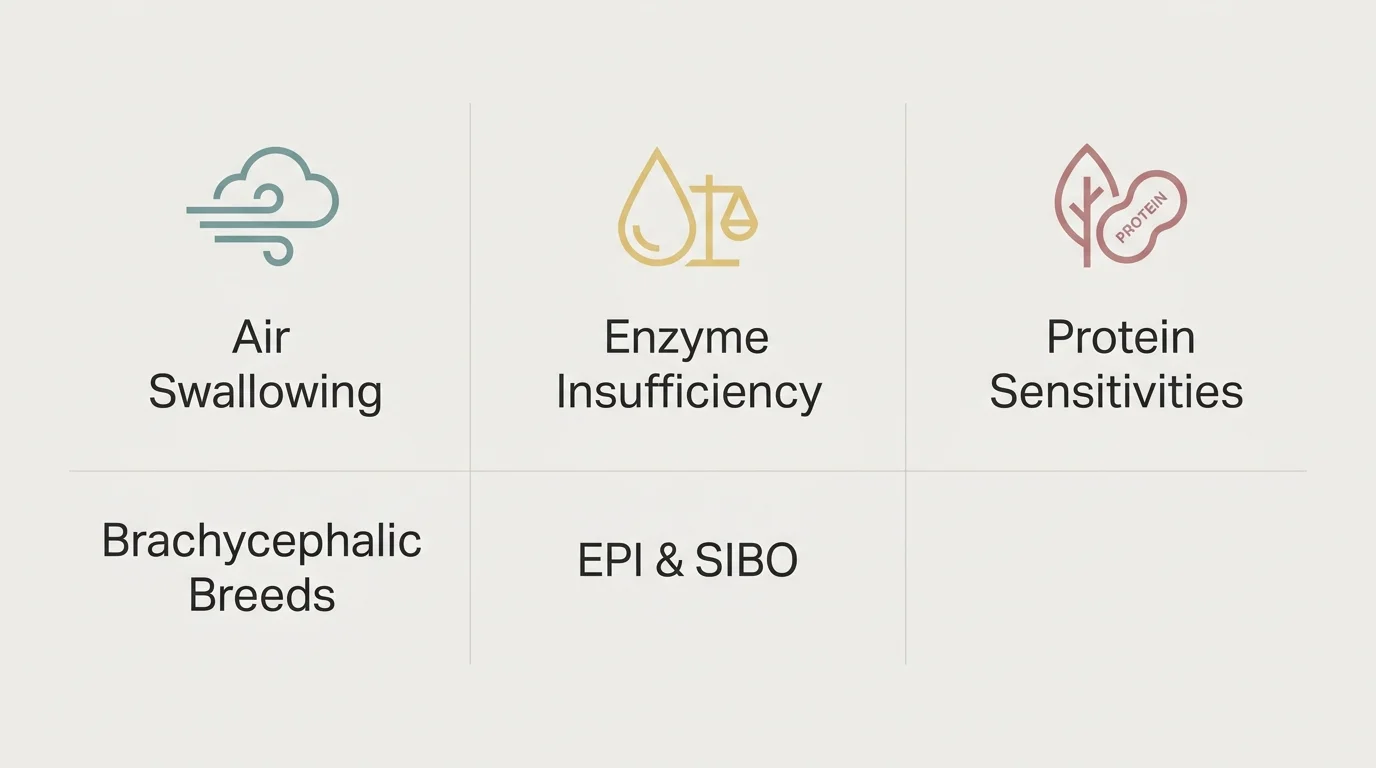
Comparing Sensitive Stomach Breeds and Their Specific Needs
Managing a dog with gut issues requires matching the dietary strategy to the specific underlying condition. The table below outlines the primary risks and ideal dietary focus for each of these nine breeds:
| Breed | Primary GI Risk Factor | Common Symptoms | Dietary & Feeding Focus |
|---|---|---|---|
| French Bulldog | Aerophagia & Protein Sensitivities | Flatulence, regurgitation, soft stools | Slow feeders, hydrolyzed protein, elevated bowls |
| German Shepherd | Exocrine Pancreatic Insufficiency (EPI) & SIBO | Rapid weight loss, greasy pale stool | Enzyme supplementation, highly digestible protein |
| Yorkshire Terrier | Pancreatitis & Fat Intolerance | Vomiting, abdominal pain, diarrhea | Strict low-fat kibble (<12% fat), no table scraps |
| Irish Setter | Wheat-Sensitive Enteropathy | Chronic diarrhea, weight loss, dull coat | Strictly wheat-free / gluten-free formulation |
| Great Dane | Gastric Dilation-Volvulus (GDV / Bloat) | Unproductive retching, swollen abdomen | Multiple small meals daily, post-meal resting |
| Boxer | Histiocytic Ulcerative Colitis | Bloody diarrhea, painful straining | Antibiotic-adjunct diet, low-residue highly digestible food |
| Miniature Schnauzer | Idiopathic Hyperlipidemia & Pancreatitis | Acute vomiting, severe abdominal distress | Ultra-low fat prescription diets (<10% fat) |
| Shar Pei | Cobalamin (B12) Malabsorption & Mucinosis | Chronic weight loss, lethargy, loose stool | Novel proteins, Vitamin B12 supplementation |
| Golden Retriever | Systemic Allergies & Atopic Colitis | Frequent loose stools, gas, itchy skin | Limited-ingredient diets (LID), novel single proteins |
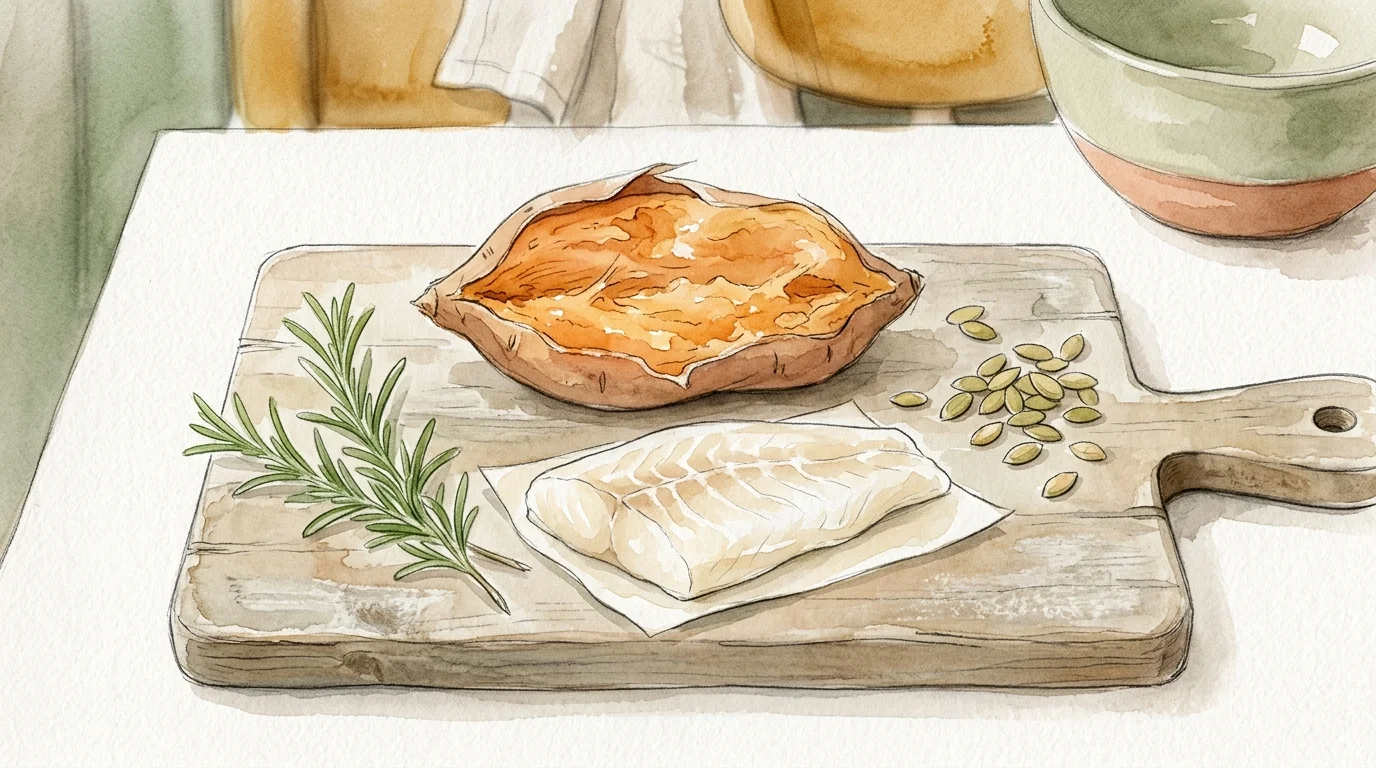
What to Look for in the Best Dog Food for Sensitive Stomach Breeds
Finding the best dog food sensitive stomach breeds require involves reading pet food labels with precision. You should evaluate ingredients based on digestibility, fat percentage, protein origin, and functional gut support.
- Novel or Hydrolyzed Proteins: Traditional dog foods rely heavily on beef and chicken, which are the two most common food allergens in canines. Novel proteins—such as venison, kangaroo, salmon, or duck—provide clean amino acids that your dog’s immune system has not previously encountered. Hydrolyzed protein diets take this a step further by breaking proteins down into microscopic peptides so small that the immune system cannot recognize or react to them.
- Soluble and Insoluble Fibers: Fiber regulates gut transit time and firming stool quality. Ingredients like canned pumpkin, beet pulp, ground psyllium husk, and sweet potato absorb excess moisture in the colon while nourishing beneficial gut flora.
- Prebiotics and Probiotics: Look for foods fortified with prebiotics like fructooligosaccharides (FOS) and inulin, which feed healthy microbes. Guaranteed live probiotic strains (such as Enterococcus faecium or Bacillus coagulans) added after kibble cooking help restock beneficial bacteria in inflamed digestive tracts.
- Controlled Fat Levels: While active working dogs need dense fat for calories, dogs predisposed to pancreatitis (like Schnauzers and Yorkies) need strict fat limits. Always verify the crude fat percentage on the guaranteed analysis panel.

Common Mistakes to Avoid
Even well-intentioned pet owners can accidentally trigger digestive upset in sensitive dogs. Avoid these four frequent pitfalls to keep your dog’s gut stable:
- Switching Food Formulations Abruptly: Rapidly changing kibble brands starves gut microbes accustomed to specific nutrients, causing severe diarrhea. Always transition over 7 to 10 days by blending increasing amounts of the new food with decreasing amounts of the old food.
- Sharing High-Fat Human Table Scraps: Slipping your dog a piece of bacon, cheese, or poultry skin can trigger sudden, life-threatening pancreatitis in susceptible breeds like Schnauzers and Yorkies. Stick exclusively to dog-safe, low-fat treats.
- Ignoring Early Behavioral Indicators: Dogs display GI discomfort through subtle behaviors before overt vomiting or diarrhea occurs. Excessive lip-licking, stomach gurgling (borborygmi), eating grass frantically, or adopting a “prayer position” (front paws down, rear quarters in the air) signal significant gut distress.
- Over-Supplementing Without Guidance: Adding multiple vitamins, oils, and unverified herbal powders simultaneously makes it impossible to isolate what helps or harms your dog’s digestion. Introduce one new supplement at a time under veterinary supervision.

Getting Expert Input
Because chronic digestive symptoms can signal underlying conditions like exocrine pancreatic insufficiency, intestinal parasites, or inflammatory bowel disease, working closely with your veterinarian is crucial. Seek professional veterinary guidance in these specific scenarios:
- Unexplained Weight Loss: If your dog loses weight despite consuming normal or elevated food quantities, schedule a diagnostic blood panel to test for EPI (cTLI test) and vitamin absorption deficits (cobalamin/folate levels).
- Suspected Food Intolerance: Work with a vet to execute a strict 8-to-12-week elimination diet trial using a prescription hydrolyzed protein feed. During this trial, your dog must consume zero unauthorized treats, flavored medications, or table scraps.
- Acute Distension or Retching: If a deep-chested dog like a Great Dane or Irish Setter exhibits a swollen, hard abdomen, drools excessively, and retches without producing vomit, seek emergency veterinary care immediately. These symptoms indicate Gastric Dilation-Volvulus (GDV), which requires emergency surgical intervention.
Frequently Asked Questions
What are the earliest signs of a sensitive stomach in dogs?
Early signs include excessive flatulence, frequent abdominal gurgling noises, loss of appetite, lip-licking, eating grass, and occasional soft stools. Paying attention to these subtle cues allows you to adjust nutrition before chronic diarrhea or vomiting develops.
Is grain-free food always better for dogs with sensitive stomachs?
No. Unless your dog has a clinically diagnosed grain allergy or gluten enteropathy (such as wheat sensitivity in Irish Setters), grains like brown rice, oats, and barley provide excellent, easily digestible carbohydrates and gut-supporting fiber. Consult your veterinarian before removing grains entirely.
How long does a food elimination trial take to show results?
A strict food elimination trial typically takes 8 to 12 weeks. While gastrointestinal symptoms like soft stools may improve within 2 to 4 weeks, skin inflammation and full gut lining recovery require the complete 12-week duration on a single protein source.
Can stress cause stomach upset in sensitive dog breeds?
Yes. The gut-brain axis in dogs is highly sensitive.
Anxiety from travel, loud noises, schedule changes, or board kennels triggers cortisol release, altering intestinal motility and causing temporary colitis or diarrhea, particularly in sensitive breeds like French Bulldogs and German Shepherds.
Keeping Your Dog’s Digestive System Healthy
Managing a dog with a sensitive stomach requires patience, consistency, and targeted nutrition.
By identifying your dog’s unique breed risks—whether fat intolerance, protein allergies, or deep-chested anatomical vulnerabilities—you can choose high-quality foods and feeding habits that protect their digestive well-being for years to come.
This article provides general information only. Every reader’s situation is different—what works for others may not be the right fit for you.
For personalized guidance on health, legal, or financial matters, consult a qualified professional.
Last updated: May 2026. Rules, prices, and details change—verify current information with official sources before acting on it.