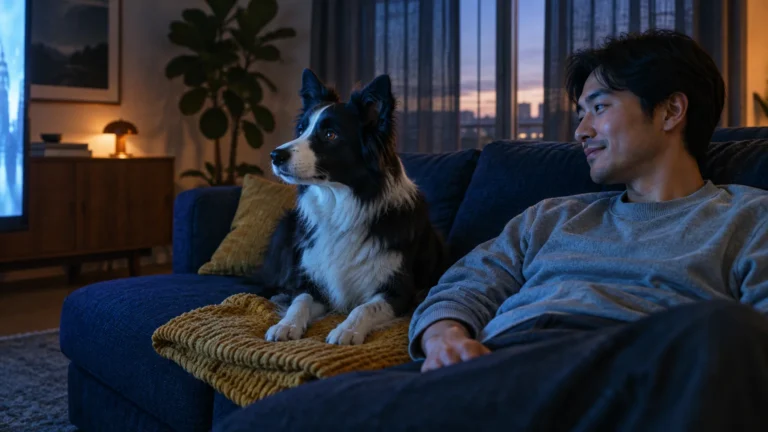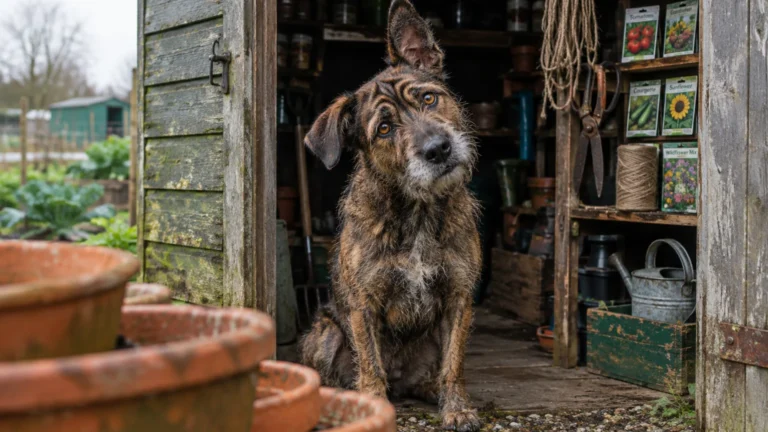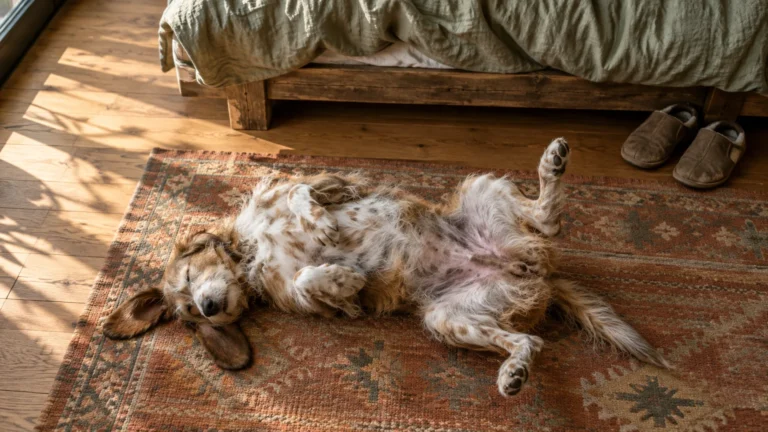
Finding a calm companion that values household peace as much as you do transforms everyday apartment or suburban living. While every canine communicates through sound, certain quiet dog breeds that rarely bark have evolved with lower alarm instincts, mellow temperaments, or distinct vocal anatomy.
Whether you share thin walls with neighbors, work from home on frequent phone calls, or simply prefer a serene sanctuary, choosing a breed naturally disinclined to nuisance barking solves major headaches before they begin.
From ancient hunting sighthounds to gentle giants, these nine breeds bring deep affection into your living room without bringing the constant, ear-splitting noise.

The Science of Canine Silence: Why Some Breeds Vocalize Less
Canine vocalization patterns stem from hundreds of years of selective breeding and evolutionary genetics. Herding dogs like Border Collies and guarding terriers were intentionally developed to sound the alarm at the slightest disturbance; their barking served as a crucial work tool.
In contrast, sighthounds and certain working mastiffs were bred to track quarry silently or immobilize intruders without alerting them beforehand. According to breed history documented by the American Kennel Club, functional roles dictated whether a dog relied on auditory alerts or silent visual tracking.
Physical anatomy also plays a distinct role in vocal tendencies. The Basenji, for example, possesses a flatter laryngeal ventricle compared to other domestic canines, preventing the sharp, explosive burst of sound recognized as a typical bark.
Other breeds simply have higher arousal thresholds; they require significant provocation before deciding to react vocally. When you choose calm low bark dog breeds, you select animals whose neurological baseline leans toward observation rather than immediate alarm.

9 Dog Breeds That Rarely Bark
If you seek a serene companion for an apartment, condo, or quiet suburban home, these nine breeds stand out for their calm demeanor and remarkably low noise output.
1. Basenji
Originating from Central Africa as a versatile hunting hound, the Basenji carries the famous moniker of the “barkless dog.” Due to the unique, shallow shape of its larynx, this breed cannot produce a traditional sharp bark.
When a Basenji does decide to communicate vocally, it produces an endearing sound often described as a chortle, yodel, or “barroo.”
Despite their quiet nature indoors, Basenjis are intelligent, fastidious, and energetic. They groom themselves much like cats and lack the typical canine odor.
However, their silence should not be confused with low maintenance; you must provide ample physical exercise and mental puzzle toys to prevent their keen intelligence from turning toward mischief.
2. Greyhound
While celebrated as the fastest sprinting canine on the planet, the Greyhound is notoriously known among pet owners as a 45-mile-per-hour couch potato.
Bred as sighthounds to hunt prey by speed and keen vision rather than sound, Greyhounds have virtually no natural instinct to vocalize while working or resting.
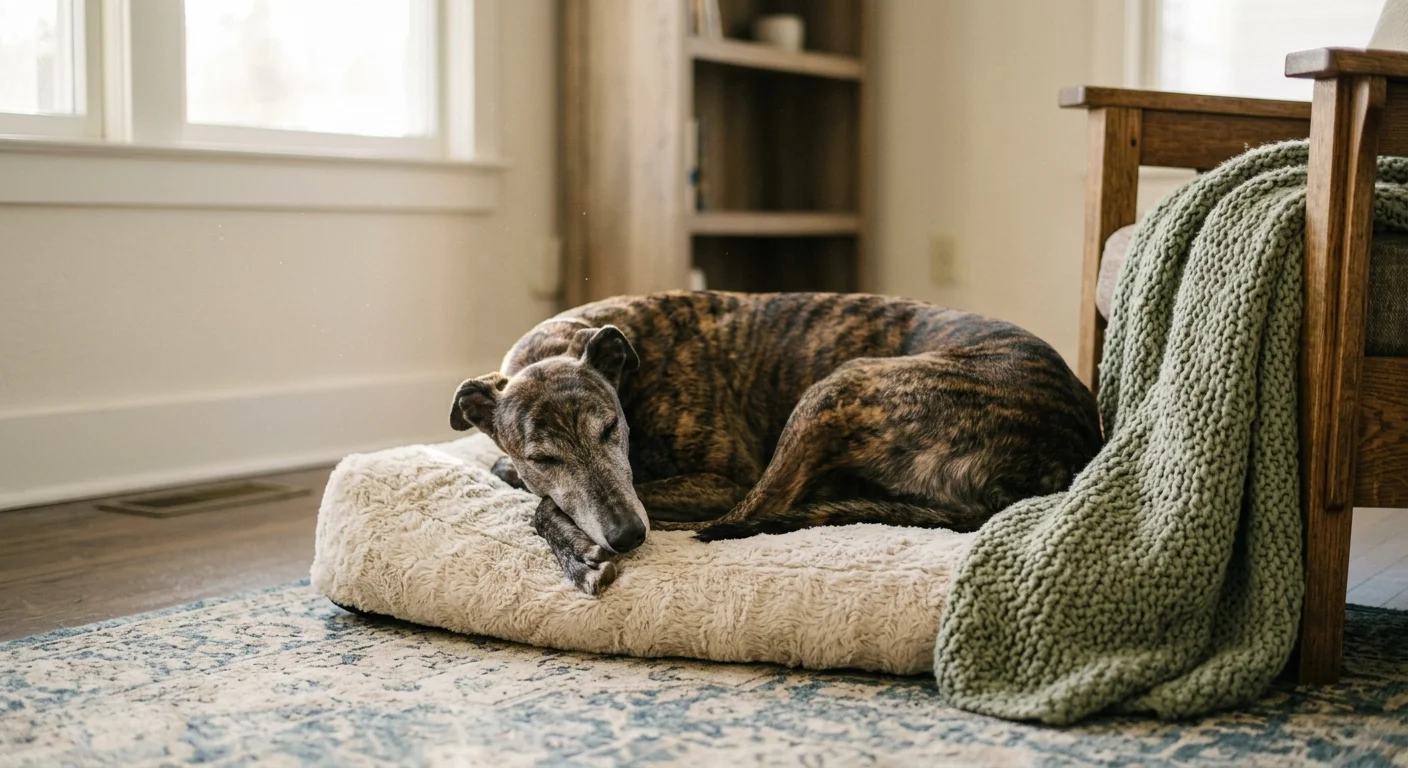
Retired racing Greyhounds and purpose-bred companion Greyhounds alike spend up to 18 hours a day sleeping quietly on soft dog beds. They rarely sound alarms when visitors approach the front door; instead, they greet newcomers with polite curiosity.
Their polite, sensitive temperament makes them some of the best dogs for quiet households and shared residential buildings.
3. Cavalier King Charles Spaniel
The Cavalier King Charles Spaniel represents the ultimate gentle lapdog. Developed in the British royal courts purely for companion purposes, these small spaniels were never tasked with alert guarding or noisy territorial defense.
Their default state is quiet, affectionate devotion.
Cavaliers thrive in close proximity to their human family members and adapt seamlessly to small living quarters. While they might emit a brief, soft yip of excitement when you arrive home with a leash, they rarely engage in chronic demand barking or fence-line reactivity.
Regular daily walks and attentive snuggles easily satisfy their modest exercise needs.
4. Bullmastiff
The Bullmastiff earned the historical title of “the Gamekeeper’s Night Dog” across vast English estates in the 19th century. Gamekeepers needed a massive, fearless guardian that would track and pin poachers in complete silence rather than barking and giving away their patrol position.
As a result, quiet confidence is embedded in the breed’s DNA.
Today, the Bullmastiff remains a steadfast, low-noise guardian. They rarely bark at ambient neighborhood sounds, footsteps in the hallway, or passing delivery trucks.
If a Bullmastiff actually chooses to bark, you should take immediate notice—it almost always signals a genuine, unusual anomaly in their environment.
5. Whippet
Like their larger Greyhound cousins, Whippets are sighthounds with minimal desire to create noise. They possess an elegant, streamlined build and an exceptionally calm indoor disposition.
A Whippet will happily curl up under a fleece blanket for hours without making a sound.
Whippets excel in apartment environments because they combine low noise levels with an absence of territorial barking. They require a brief daily opportunity to sprint in a safely fenced area, after which they immediately resume their peaceful indoor relaxation.
Their short coats require minimal grooming, making them quiet, low-maintenance household partners.
6. Bernese Mountain Dog
Hailing from the Swiss Alps, the Bernese Mountain Dog is an imposing yet remarkably calm working breed. Historically tasked with pulling milk carts, driving livestock, and serving as all-around farm companions, these gentle giants approach life with an even, placid temperament.
Bernese Mountain Dogs rarely engage in nuisance barking because they maintain a high threshold for agitation. They observe family life with warm, watchful eyes and prefer physical leaning and quiet companionship over vocal demands.
While their thick, double coat requires regular brushing, their indoor volume remains near zero.
7. Great Dane
The Great Dane proves that physical stature does not correlate with volume. Known worldwide as the gentle giant of the dog world, this noble breed possesses a patient, relaxed temperament that rarely translates into nuisance noise.
Because their sheer presence is often deterrent enough, they feel little impulse to vocalize territorial claims.
A Great Dane will generally reserve its deep, booming voice for clear moments of emergency or profound surprise. Indoors, they tend to move languidly, draping their long limbs over couches or oversized floor cushions.
As long as you accommodate their physical space requirements, their noise footprint remains negligible.
8. Newfoundland
Renowned for its heroic water-rescue instincts and sweet nature, the Newfoundland is one of the most patient canine breeds in existence.
Their historical work in maritime rescue and heavy draft labor required steady nerves and supreme focus under pressure—traits that naturally suppress reactive, frenzied barking.
Newfoundlands are legendary for their affinity toward children and their calm tolerance of bustling household activity. They express their feelings through heavy sighs, deep eye contact, and gentle nuzzles rather than barking fits.
If you do not mind regular grooming and some inevitable drool, you will enjoy a serene, quiet companion.
9. Borzoi
The Borzoi, historically known as the Russian Wolfhound, is an aristocratic sighthound characterized by cat-like independence and near-total vocal silence. Bred to hunt over vast open steppes using sheer speed and visual tracking, the Borzoi developed without any need for auditory communication in the field.
In a home setting, Borzois carry an aloof, dignified presence. They rarely bark at the doorbell, ignore barking neighborhood dogs on daily walks, and maintain an exceptionally clean, quiet profile indoors.
They appreciate a calm household where their sensitive, gentle nature can flourish undisturbed.

Breed Comparison: Quiet Dogs at a Glance
Evaluating physical requirements alongside vocal traits helps you choose the perfect companion for your specific living space and routine.
| Breed | Average Weight | Activity Needs | Vocal Style | Ideal Home Environment |
|---|---|---|---|---|
| Basenji | 22–24 lbs | High (Needs daily enrichment) | Barkless (Barroos/yodels) | Active homes, escape-proof yards |
| Greyhound | 60–75 lbs | Moderate (Short sprints) | Rarely vocalizes | Apartments, calm households |
| Cavalier King Charles | 13–18 lbs | Low to Moderate | Soft, infrequent yips | Condos, families, seniors |
| Bullmastiff | 100–130 lbs | Moderate | Silent guardian instinct | Homes with secure yards |
| Whippet | 25–40 lbs | Moderate | Virtually silent indoors | Apartments, quiet suburban homes |
| Bernese Mountain Dog | 70–115 lbs | Moderate | Infrequent alarm bark only | Cool climates, spacious homes |
| Great Dane | 110–175 lbs | Moderate | Rare, deep warning bark | Homes with large resting areas |
| Newfoundland | 100–150 lbs | Moderate | Very quiet; communicative sighs | Homes with outdoor access |
| Borzoi | 60–105 lbs | Moderate | Extremely quiet and aloof | Quiet homes with fenced sprint areas |

What Can Go Wrong: Why Even Quiet Dogs Might Start Barking
While genetics establish a predisposition toward low noise, no dog is completely immune to behavioral changes. Understanding the triggers that provoke vocalization in low noise dog breeds prevents frustration and preserves your household peace.
Consider these four common scenarios that cause normally silent dogs to vocalize:
- Severe Physical or Mental Boredom: Even a calm Greyhound or Basenji will resort to frustration barking or destructive chewing if left without physical outlets or cognitive stimulation for days on end.
- Separation Anxiety: Dogs bred primarily for companionship, such as the Cavalier King Charles Spaniel, may develop distress vocalizations (whining, high-pitched barking, or howling) when isolated abruptly for long stretches.
- Underlying Medical Discomfort or Sensory Decline: According to the American Veterinary Medical Association, sudden increases in vocalization in older canines often stem from pain, loss of vision or hearing, or Canine Cognitive Dysfunction (dementia).
- Accidental Reinforcement: If you give your dog treats, attention, or open doors whenever they emit demand vocalizations, you inadvertently teach them that noise yields rewards.

Practical Strategies to Maintain a Quiet Household
Fostering a quiet environment requires consistent routines and positive behavioral management. You can protect your peace of mind by establishing proactive habits from the first day you bring your dog home.
Implement these straightforward steps to reinforce silent behavior:
- Provide Structured Daily Outlets: Schedule dedicated daily exercise that matches your breed’s natural instincts. A tired dog spends its day resting quietly rather than scanning windows for distractions.
- Reward Spontaneous Calmness: Practice capturing calm behavior; calmly drop a high-value treat between your dog’s paws whenever you catch them lying down quietly on their mat without being asked.
- Manage Visual Triggers: If outdoor foot traffic triggers an alert reaction, close lower window blinds or use translucent window film to eliminate visual stimuli.
- Introduce Food Puzzles and Lick Mats: Licking and chewing naturally release calming endorphins in canines. Offering a frozen food toy during high-traffic neighborhood hours keeps your dog occupied and silent.
Research and guidelines published by the ASPCA emphasize that rewarding quiet states consistently produces far better long-term behavioral results than punishing vocalizations after they occur.
Frequently Asked Questions
Is there any dog breed that is 100% silent?
No canine breed is completely mute. While the Basenji cannot bark in the conventional sense, it still produces yodels, whines, and growls to express emotion.
All domestic dogs possess the biological capability to communicate audibly when distressed, frightened, injured, or intensely excited.
Are quiet dogs easier to train than vocal dogs?
Noise level does not directly correlate with trainability. While quiet dogs eliminate the challenge of nuisance barking, breeds like the Basenji and Borzoi maintain independent, cat-like personalities that require patient, positive reinforcement training.
Conversely, breeds like the Cavalier King Charles Spaniel are both quiet and eager to please.
Do quiet dog breeds make good guard dogs?
Most quiet dog breeds make poor alarm dogs because they do not instinctively bark at perimeter disturbances.
However, guardian breeds like the Bullmastiff and Great Dane excel as visual deterrents and physical protectors; they assess situations silently and act decisively without relying on frantic alert barking.
Can an apartment dog learn to bark less?
Yes. Desensitization training, counter-conditioning to hallway sounds, adequate physical exercise, and interactive enrichment toys can significantly reduce barking in any breed.
Setting a predictable daily routine helps your dog feel secure in their living environment.
Making the Right Choice for Your Home
Selecting one of these quiet dog breeds that rarely bark brings harmony and balance to your living space. By matching your home size, daily schedule, and energy levels to the appropriate breed, you ensure a mutually rewarding relationship built on quiet companionship.
The information here is meant for educational purposes. Specific circumstances—including health conditions, finances, location, and goals—may require different approaches.
When in doubt, consult a licensed professional or check official sources directly.
Last updated: May 2026. Rules, prices, and details change—verify current information with official sources before acting on it.