
Pet-sitting and dog-walking offer retirees a flexible way to earn steady supplemental income while staying active and spending time with companion animals. You can easily turn a love for pets into a practical, part-time venture on your own terms.
Whether you want to fund travel adventures or build a reliable monthly cushion, pet care lets you choose your clients and set your hours.
This guide covers realistic earning rates, setup costs, safety protocols, and essential tax rules to help you start your pet care journey.
The Essentials
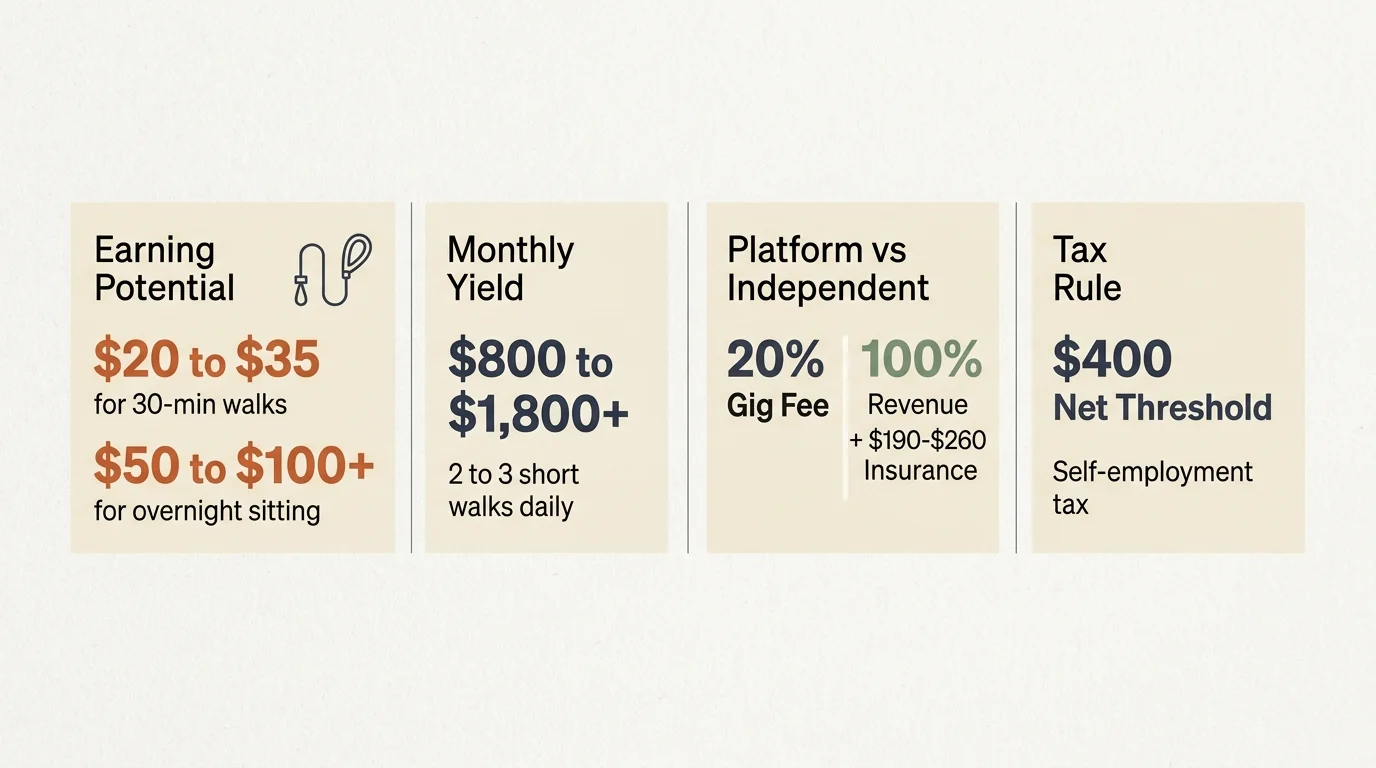
- Earning Potential: Typical 30-minute walks pay $20 to $35, while overnight sitting ranges from $50 to $100+ per night.
- Monthly Yield: Handling two to three short walks daily can generate $800 to $1,800+ in gross monthly income.
- Platform vs. Independent: Gig apps like Rover take a 20% commission; independent operators keep 100% of revenue but buy private insurance ($190 to $260 annually).
- Physical and Mental Perks: Daily walking provides low-impact cardiovascular exercise, consistent routine, and mood-boosting animal companionship.
- Tax Awareness: Net earnings above $400 trigger self-employment taxes; retirees under Full Retirement Age must track earnings limits.

Why Pet Care Is a Rewarding Retirement Venture
The demand for trusted pet care providers continues to expand rapidly across the country. Pet parents increasingly view their animals as family members who deserve attentive, one-on-one companionship.
According to data from the American Pet Products Association, 95 million U.S. households own a pet, with 71 million households owning at least one dog. Total pet industry spending reached $158 billion in 2025.
Spending is projected to climb to $165 billion in 2026. This ongoing growth creates dependable opportunities for reliable local caregivers.
For retirees, pet care offers valuable daily structure without the rigid pressures of a traditional office job. Regular walks provide low-impact cardiovascular exercise that keeps you active and agile.
Research from the National Institutes of Health confirms that interacting with companion animals lowers cortisol levels and boosts mood. Caring for local pets provides meaningful community connection and physical vitality.

Understanding Your Earning Potential and Services
Your income will depend on your local market, service offerings, and weekly availability. Most caregivers offer a menu of services ranging from quick drop-ins to overnight stays.
A standard 30-minute dog walk or drop-in visit generally pays between $20 and $35. Rates in high-cost-of-living metropolitan areas or multi-pet homes often reach $40 to $50 per visit.
Longer 60-minute walks typically command $30 to $35 across most regions. These sessions suit high-energy breeds that need extra exercise during the workday.
In-home overnight sitting commands premium rates ranging from $50 to $100 or more per night. Holiday bookings, puppy care, and senior animals requiring medication can significantly increase your nightly fee.
If you complete two or three half-hour visits per day, you can realistically generate $800 to $1,800 in gross monthly income. That steady revenue stream provides substantial financial breathing room.
Platform Gigs vs. Launching an Independent Business
You can find clients through established booking platforms or by launching an independent neighborhood business. Each option offers distinct financial and administrative trade-offs.
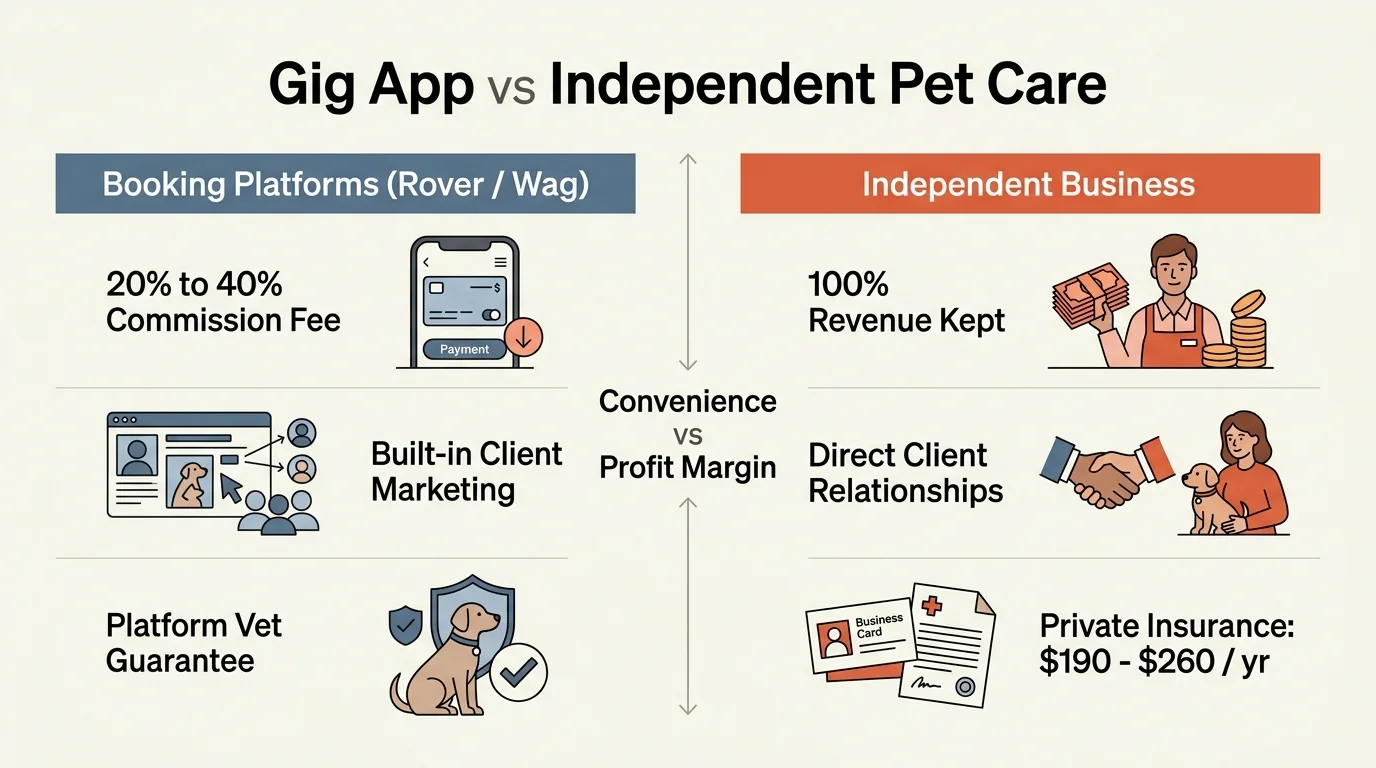
Platforms like Rover handle client billing, marketing, and emergency veterinary guarantees in exchange for a fee. Rover takes a standard 20% cut from your earnings, while Wag takes up to 40%.
Going independent allows you to retain 100% of your earnings and build direct relationships with neighbors. You will need to manage your own scheduling, client invoicing, and insurance policies.
Independent commercial liability and bonding insurance from providers like Pet Sitters Associates typically costs $190 to $260 per year. This modest expense protects your personal assets against unexpected accidents.
Many retirees begin on gig platforms to build reviews and confidence before transitioning to a fully independent practice.
| Feature | Gig Platforms (e.g., Rover / Wag!) | Independent Pet Business |
|---|---|---|
| Service Commission | 20% to 40% deducted per booking | 0% (Retain 100% of client payments) |
| Client Acquisition | Built-in search marketplace and reviews | Word-of-mouth, flyers, and local networking |
| Insurance Coverage | Platform guarantee included during active bookings | $190–$260 annually for dedicated private policy |
| Client Communication | Monitored in-app messaging system | Direct communication via call, text, or email |
| Payment Processing | Automated direct deposits through the app | Direct bank transfer, check, cash, or payment app |
Setting Up Your Daily Workflow and Safety Gear
Professional preparation ensures smooth visits and prevents dangerous mistakes during daily walks. Equipping yourself with the right tools protects both you and the pets under your supervision.
Always conduct a mandatory meet-and-greet before accepting any booking. This visit allows you to evaluate the dog’s temperament, verify leash manners, and review home entry instructions.
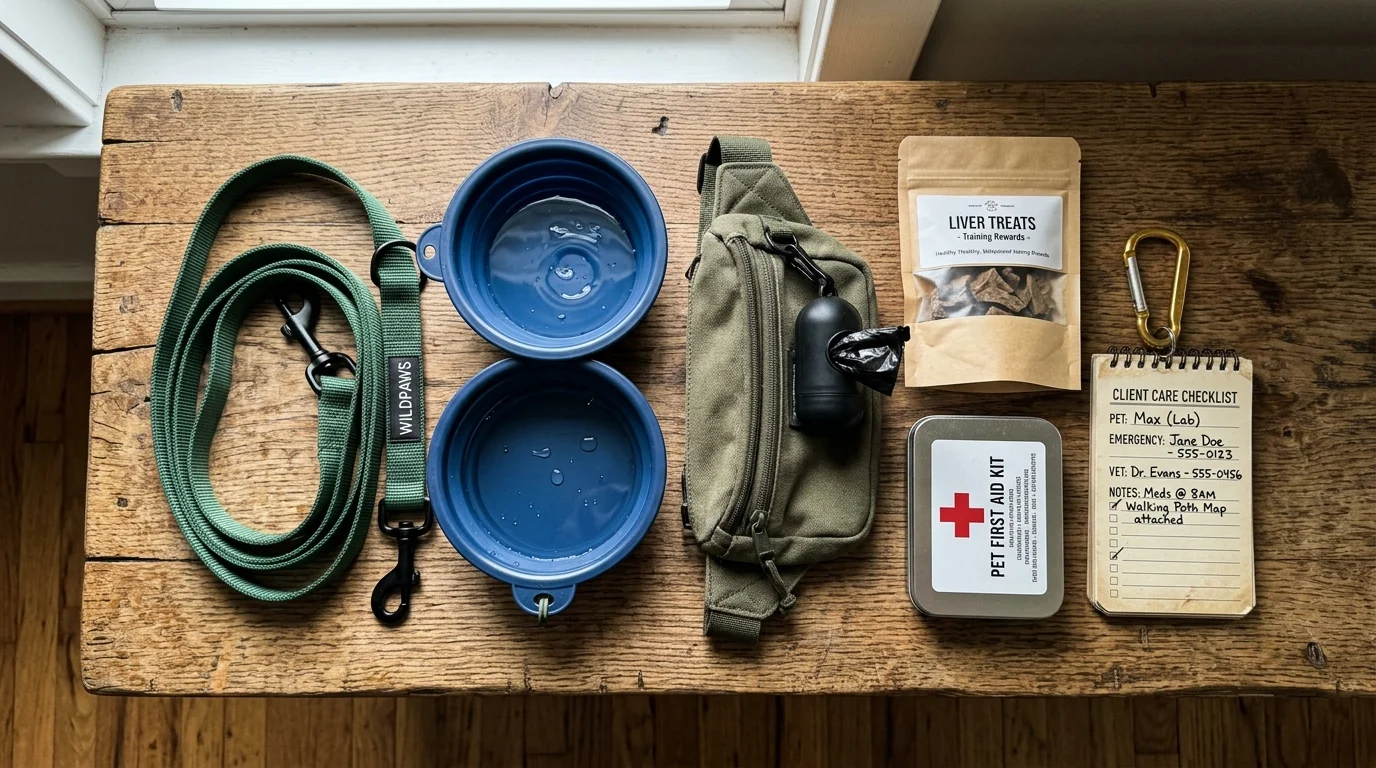
Carry a dedicated walking kit containing essential safety gear on every outing. A well-stocked bag keeps you prepared for unforeseen weather changes or behavioral challenges.
- Slip Lead: A sturdy backup leash in case a collar or clip breaks unexpectedly.
- Waste Bags and Dispenser: Ample biodegradable pickup bags for clean neighborhood walks.
- Collapsible Water Bowl: Portable hydration for warm days or brisk hikes.
- Citronella Deterrent Spray: Non-harmful spray to deter loose, off-leash neighborhood dogs.
- Pet First-Aid Pouch: Basic bandages, gauze, antiseptic wipes, and tick removal tools.
- High-Visibility Flashlight: Essential gear for early morning or evening drop-in visits.
Never walk unfamiliar dogs together unless they belong to the same household and get along peacefully. Solo walks minimize chaos and allow you to stay fully attentive to surroundings.
Send owners detailed photo updates after each visit. Clear communication reassures clients and helps establish long-term customer loyalty.

Navigating Taxes and Social Security Rules
Earning supplemental income in retirement requires careful attention to tax obligations and benefit thresholds. Treating your earnings professionally prevents unwanted surprises during tax season.
According to the Internal Revenue Service, you must pay self-employment tax on net earnings of $400 or more. This tax covers your Medicare and Social Security contributions.
Track all business-related expenses diligently throughout the year. You can deduct mileage driven between client homes, commercial liability insurance premiums, poop bags, and treat supplies.
If you have reached your Full Retirement Age, you can earn unlimited income without reducing your Social Security benefits. Your earnings will not trigger benefit withholdings.
The Social Security Administration enforces an annual earnings cap if you claim benefits prior to Full Retirement Age. Exceeding this annual limit temporarily withholds $1 in benefits for every $2 earned above the threshold.

Common Mistakes to Avoid
Avoiding common operational traps will keep your pet care venture safe, enjoyable, and profitable. Watch out for these frequent mistakes when starting out:
- Accepting Reactive or Overly Large Dogs: Taking on dogs that pull aggressively can strain your shoulders, wrists, or lower back. Always match the pet’s size and physical energy to your comfort level.
- Skipping Written Care Instructions: Agreeing to pet sit without written care instructions often leads to missed medications or feeding errors. Always require owners to write down exact dosages and routines.
- Operating Without Liability Insurance: Working without professional liability insurance leaves you vulnerable to expensive veterinary bills if an animal escapes or gets injured. An annual policy offers essential protection.
- Failing to Set Cancellation Boundaries: Failing to enforce clear cancellation policies can disrupt your schedule and cut into your expected income. Set defined notice windows and deposit rules early.
Getting Expert Input
Consulting qualified professionals helps you structure your pet-sitting business safely and legally. Seek expert guidance across these critical operational areas:
A Certified Public Accountant can help you track mileage deductions, set up quarterly estimated taxes, and structure your business entity properly.
A commercial insurance broker can clarify whether your homeowner policy covers pet care activities or if you require dedicated commercial bonding.
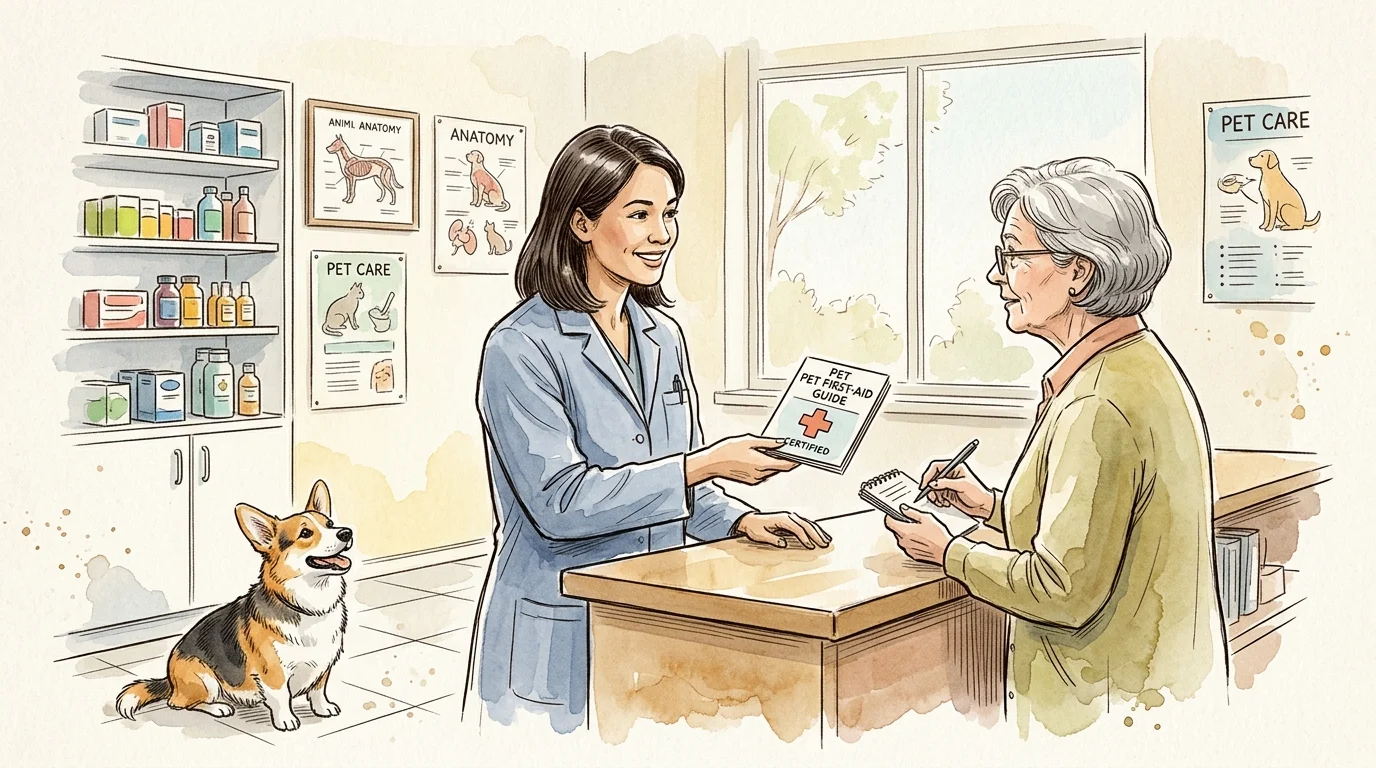
A local veterinarian or certified pet CPR instructor can teach you how to recognize canine distress, handle bloat, and perform emergency wound care.
An elder law or estate attorney can review your supplemental earnings to ensure your overall retirement income strategy remains optimized.
Frequently Asked Questions
Do I need formal licensing or certification to walk dogs or pet sit?
No formal state license is required for basic dog walking, but completing pet CPR and first-aid certification builds immediate client trust.
Will pet-sitting earnings reduce my Social Security benefit?
If you have reached Full Retirement Age, your benefits remain unaffected. If you collect benefits early, earnings above the annual cap trigger temporary benefit withholdings.
How should I handle emergency veterinary care while an owner travels?
Have owners sign a veterinary authorization form detailing their preferred clinic and emergency medical spending limit before their departure.
Can I choose to sit only small dogs or cats?
Yes; you control your service criteria entirely. Many retirees focus exclusively on feline visits or gentle senior dogs to keep physical demands low.
Taking Your Next Steps
Pet care provides a healthy balance of physical activity, social companionship, and supplemental income during retirement. Starting slowly with a few neighborhood clients allows you to build confidence at your own pace.
This article provides general information only. Every reader’s situation is different—what works for others may not be the right fit for you. For personalized guidance on health, legal, or financial matters, consult a qualified professional.
Last updated: May 2026. Rules, prices, and details change—verify current information with official sources before acting on it.