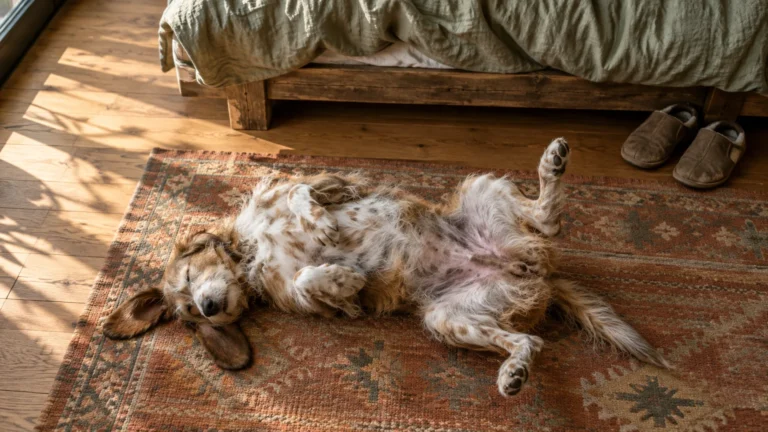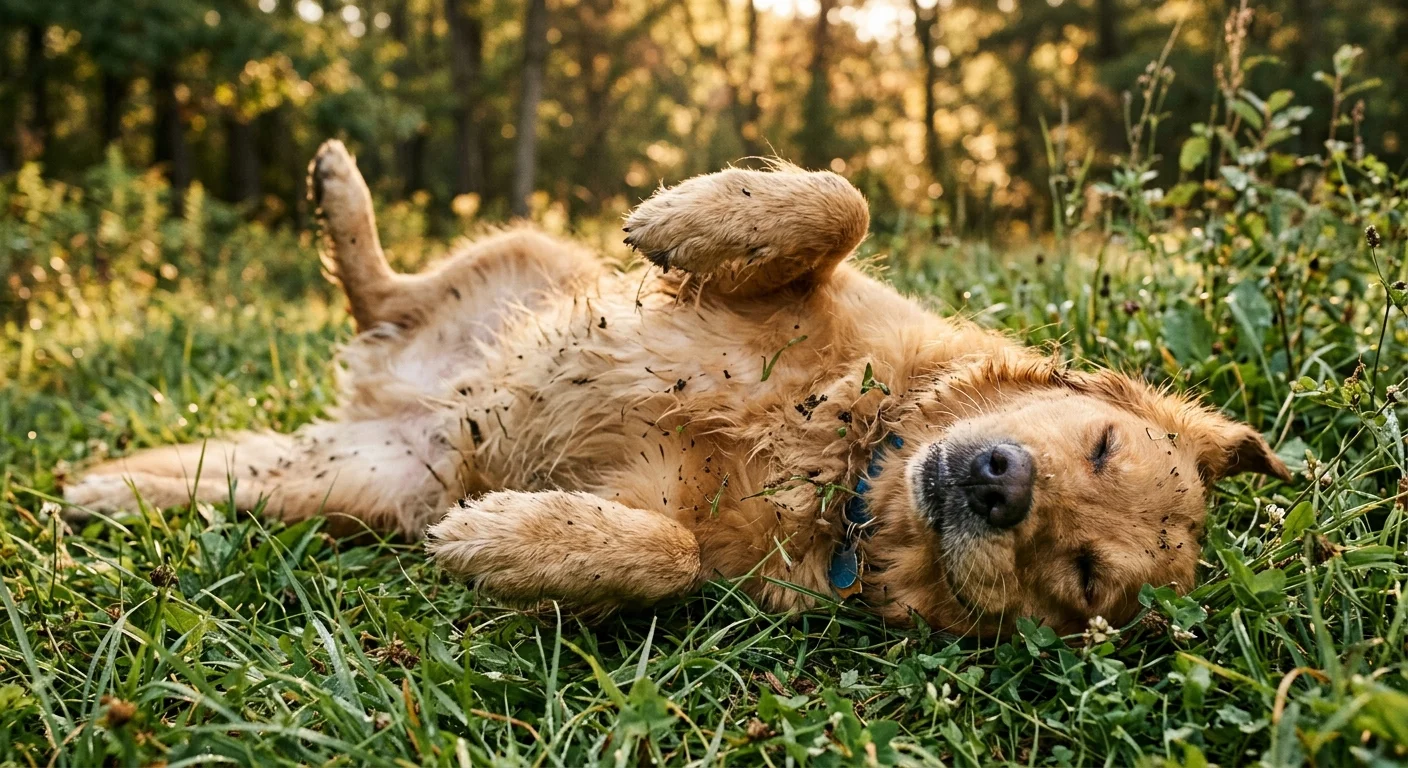
You watch your dog drop shoulders-first into a patch of rotting earth or animal manure, thoroughly coating their fur in pungent slime.
While this behavior revolts humans, dog scent rolling behavior stems from deeply ingrained evolutionary instincts that turn powerful odors into rich sensory data for your canine companion.
From ancestral pack communication and prey camouflage to sensory enhancement and masking synthetic shampoos, dogs process scents through an olfactory system thousands of times more sensitive than ours.
Understanding dog instincts helps you interpret this baffling habit, manage messy walks, and redirect your pup safely without punishing natural canine drives.
The Science of Canine Olfaction: Why Strong Odors Mesmerize Dogs
To understand why dogs roll in foul odors, you must first look at how their noses process the world. While human sight shapes most of our daily experience, dogs inhabit a universe governed almost entirely by smell.
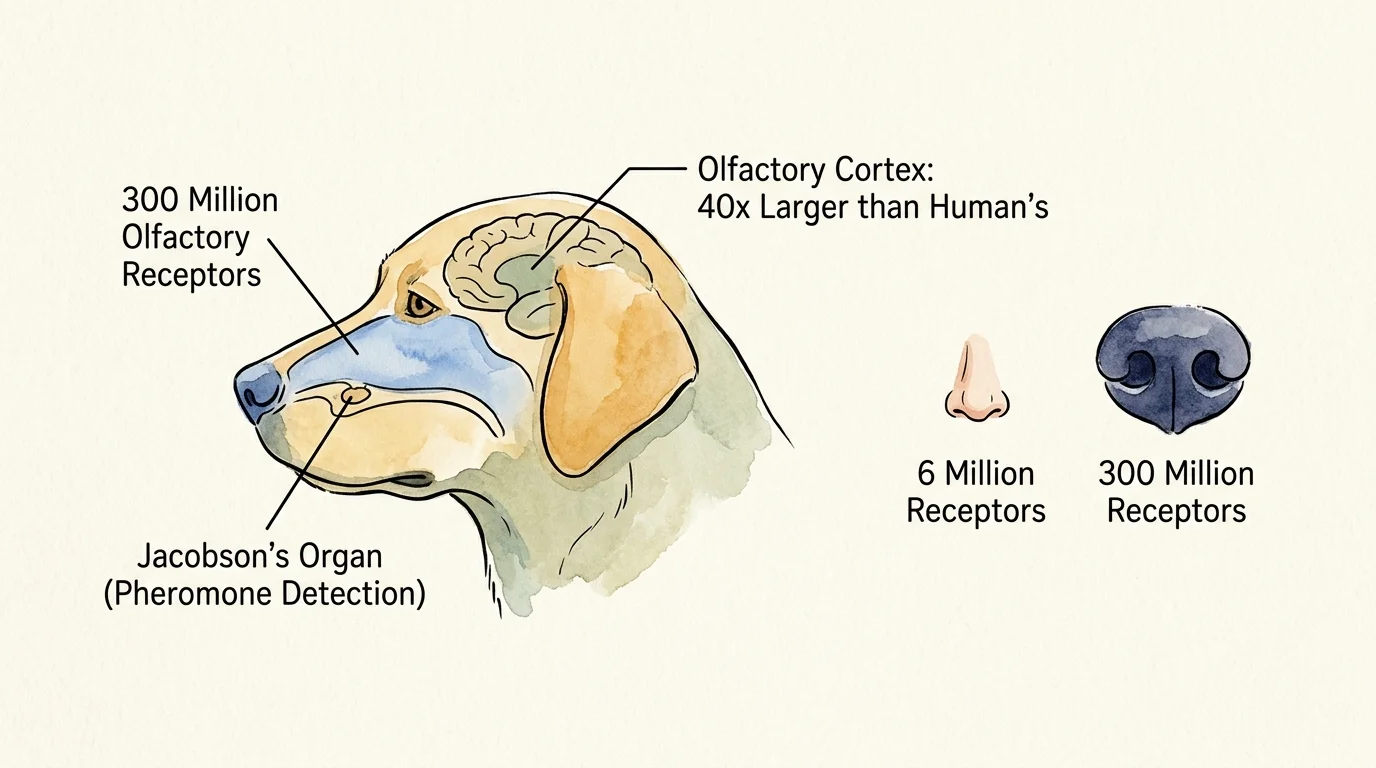
A dog possesses up to 300 million olfactory receptors in its nasal cavity, compared to a modest 6 million in humans.
Furthermore, the portion of a dog’s brain dedicated to analyzing scents is proportionally 40 times larger than ours, allowing them to isolate and identify individual odor molecules within complex organic matter.
Research published by the National Center for Biotechnology Information demonstrates that canine olfactory structures detect chemical concentrations at parts per trillion.
When you smell a damp forest trail, your dog detects the exact species of bird that landed on a nearby branch three hours ago, the decaying leaves underneath, and the specific composition of wild animal droppings yards away.
Dogs also possess a specialized sensory organ called the vomeronasal organ, or Jacobson’s organ, located at the base of their nasal cavity. This organ detects pheromones—chemical signals that convey biological information about health, emotional state, reproductive status, and social identity.
When your dog encounters a pungent substance, they are not merely smelling dirt or decay; they are reading a complex chemical newspaper packed with vital environmental data.
5 Evolutionary Theories Behind Dog Scent Rolling Behavior
Canine behaviorists and evolutionary biologists have proposed several compelling hypotheses to explain why wild canids and domestic dogs actively seek out offensive smells. While domestic pets no longer depend on hunting for survival, these ancestral drives remain hardwired within canine smell behavior science.
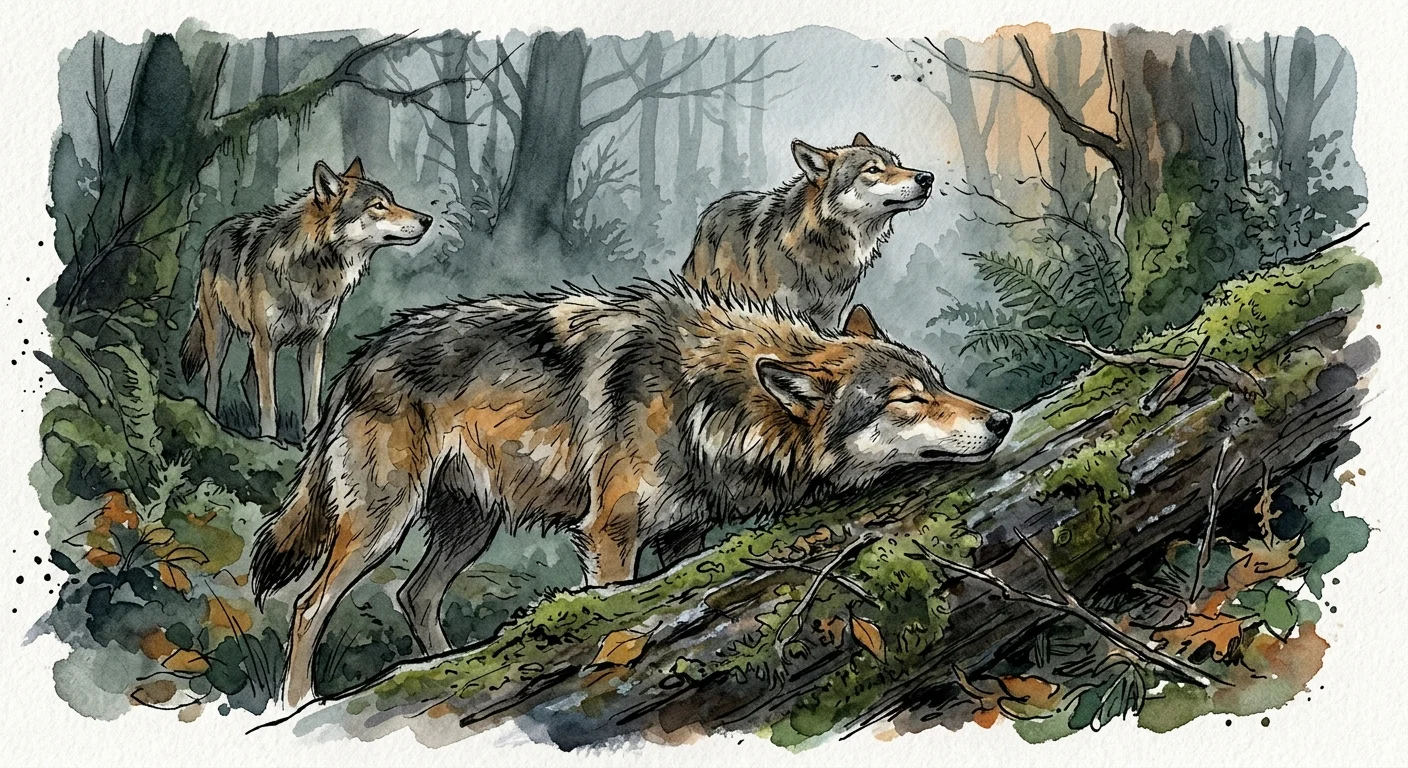
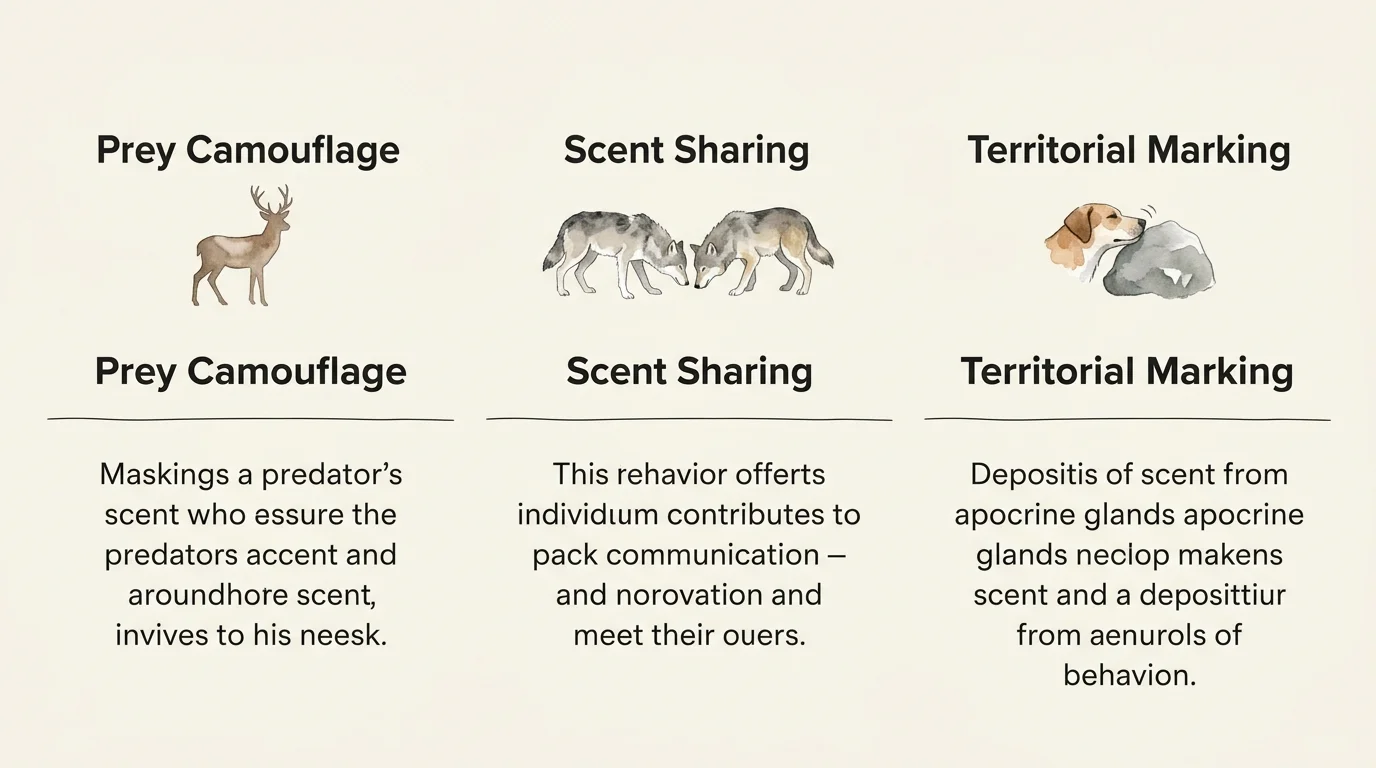
- Prey Camouflage (Scent Masking): The most widely cited theory suggests that wild ancestors, such as wolves, rolled in pungent decaying organic matter or herbivore droppings to mask their own scent. By coating themselves in the odors of their surrounding environment, predatory canids could stalk prey downwind without alerting sensitive herbivores like deer or elk to their presence.
- Pack Communication and Scent Sharing: Renowned wolf researchers have observed that when a single pack member discovers a new food source or fresh carcass, it rolls in the material before returning to the den. The rest of the pack sniffs the returning wolf’s coat to gather information about what was found, effectively using scent rolling as a mobile bulletin board for resource tracking.
- Depositing Personal Scent (Territorial Ownership): Scent rolling is not always a one-way street of picking up smells. When a dog rubs its neck, face, and shoulders against an object, it activates apocrine glands located around its head and neck. This action deposits the dog’s personal pheromones onto the smelly object while picking up the new odor, creating a reciprocal exchange that marks territory or claims the resource.
- Social Prestige and Natural “Perfume”: In wild pack dynamics, carrying an unusual or potent scent may signal success and status. A wolf or wild dog coated in the scent of a fresh kill or a rare environmental find presents itself as a capable explorer, conveying high social value to its peers.
- Sensory Euphoria and Dopamine Release: Beyond survival mechanics, dog scent rolling behavior provides intense mental stimulation. Strong odors trigger a flood of dopamine in the brain’s reward centers; what smells nauseating to human nostrils feels like sensory richness and pure novelty to your dog.
According to behavioral studies highlighted by the American Kennel Club, scent rolling represents an ancient, species-specific behavior that operates largely on instinct rather than intentional malice or dirty habits.
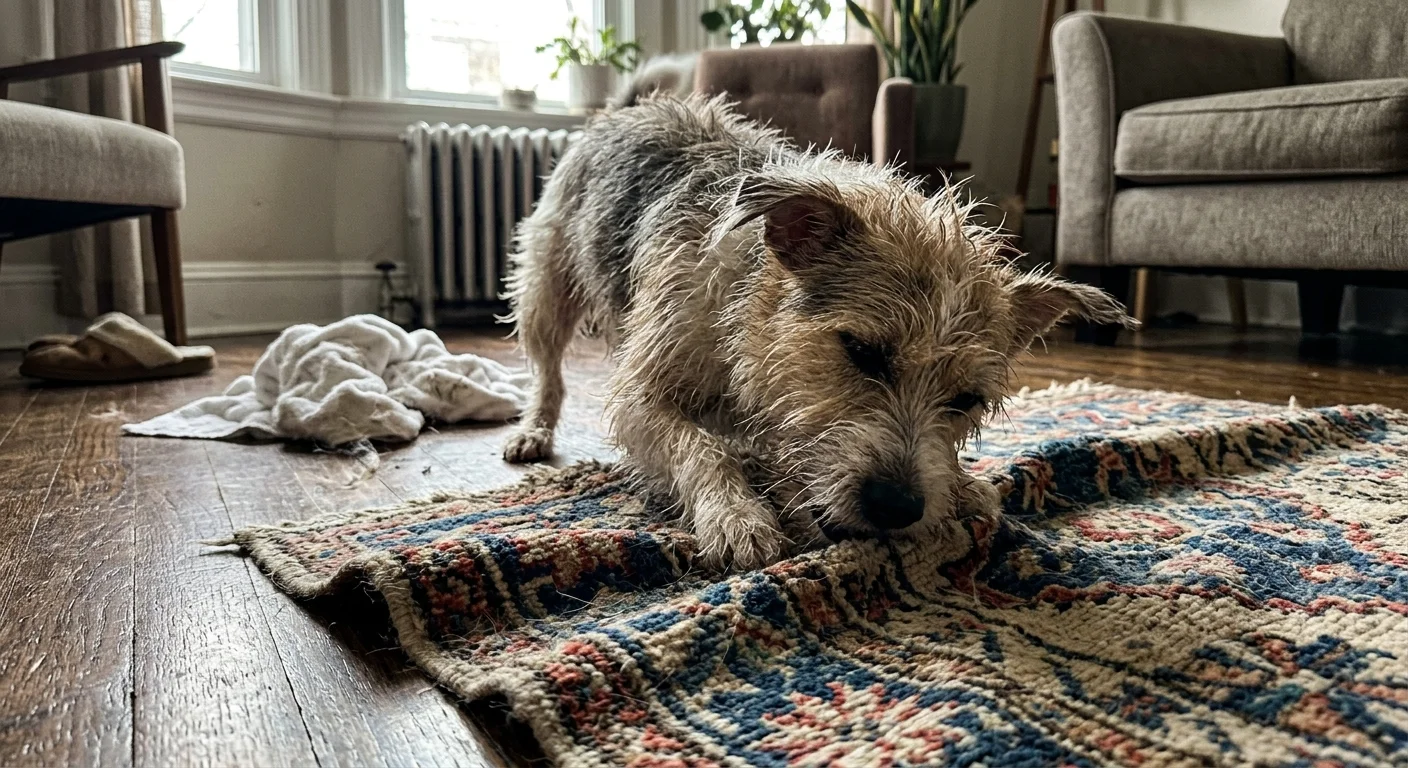
Why Dogs Love Rolling in Smelly Things After a Bath
Every dog owner knows the frustration of giving their pet a thorough bath, only to watch them sprint directly into the backyard and drop shoulders-first into dirt or grass. This maddening routine stems directly from how humans and dogs view cleanliness.
Humans prefer artificial floral, citrus, or synthetic fragrances, but to a dog, heavily perfumed shampoos represent an overwhelming sensory assault.
When you wash your dog with scented products, you strip away their natural sebum and mask their individual scent identity. Dogs rely on their unique olfactory signature to communicate with other animals and feel secure in their environment.
The sudden presence of lavender or artificial vanilla prompts an urgent drive to scrub off the synthetic perfume and restore a natural, earthy layer of scent.
Understanding dog instincts in this scenario allows you to select fragrance-free or hypoallergenic shampoos that clean the coat without distressing your pet’s sensitive nose.
Comparing Scent Rolling Triggers and Biological Hypotheses
Different smells evoke distinct behavioral reactions in dogs. The following table breaks down common foul odors, the underlying evolutionary drivers, and practical recommendations for managing each scenario during outdoor adventures.
| Odorous Material | Primary Evolutionary Driver | Canine Sensory Appeal | Action & Management Tip |
|---|---|---|---|
| Decaying Wildlife / Fish | Pack Communication & Resource Sharing | High amino acid and fatty acid concentrations | Interrupt immediately; carry enzymatic wet wipes on trails. |
| Herbivore Manure (Cow, Horse, Deer) | Prey Camouflage & Scent Masking | Rich fermented plant matter and microbial activity | Keep dog on a short leash when passing farm fields or pastures. |
| Predator Feces (Fox, Coyote) | Territorial Marking & Pheromone Exchange | Potent chemical markers and social signaling compounds | Scan trail margins ahead; practice high-value recall commands. |
| Dead Earthworms / Soil | Sensory Enhancement & Hydration Seeking | Concentrated organic protein decomposition | Allow brief sniffing, but redirect before the shoulder-dip begins. |
| Post-Bath Synthetic Perfumes | Scent Restoration & Perfume Removal | Unnatural chemical interference with natural sebum | Switch to unscented or groomer-grade neutral canine shampoos. |
Things to Watch Out For: Health Risks and Pitfalls
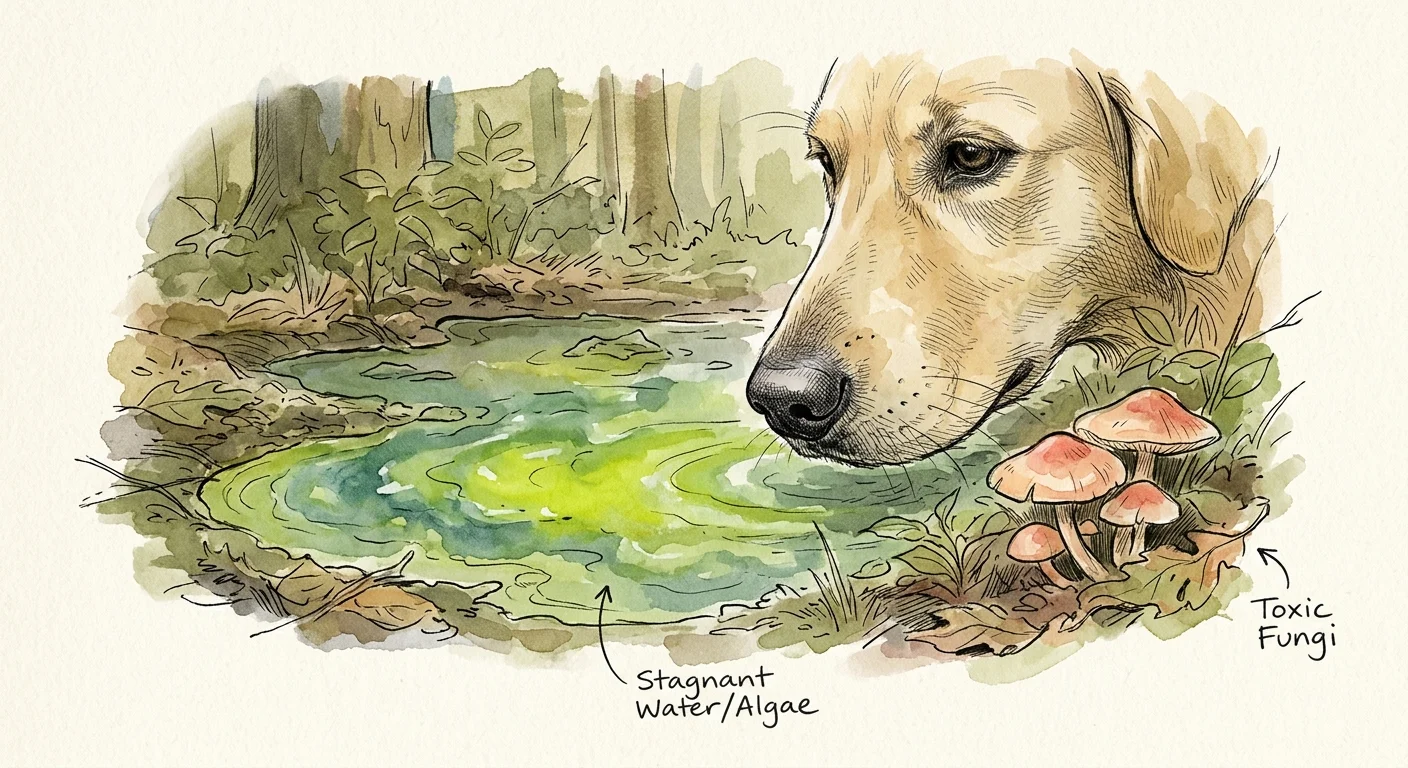
While scent rolling is a natural behavior, allowing your dog to roll in unchecked organic materials introduces real health hazards. Protecting your pet requires recognizing when natural instinct crosses into toxic or dangerous territory.
To safeguard your dog during off-leash runs and yard playtime, monitor these critical risk scenarios closely:
- Bacterial and Parasitic Exposure: Rotting animal carcasses and wildlife feces harbor dangerous pathogens, including Salmonella, E. coli, and Leptospira bacteria. Furthermore, feces frequently contain internal parasite eggs such as roundworms, hookworms, and Giardia cysts, which your dog can ingest while grooming their coat later.
- Toxic Chemical Ingestion: Decaying animals in agricultural or suburban areas may have died from rodenticides or ingested agricultural poisons. If your dog rolls in a poisoned carcass and licks its fur afterward, it risks secondary poisoning from hazardous chemicals.
- External Parasite Infestations: Wild animal resting sites and decomposing organic material serve as breeding hotspots for fleas, ticks, and mites. A quick roll in infested brush can transfer dozens of disease-carrying ticks straight onto your dog’s skin and into your home.
- Skin Infections and Hot Spots: Trapping bacteria, moisture, and decomposing plant matter against your dog’s skin creates an ideal environment for acute moist dermatitis (hot spots) or deep bacterial pyoderma, especially in thick-coated or double-coated breeds.
How to Prevent and Redirect Scent Rolling on Walks
You do not need to eliminate your dog’s natural instincts, but you must establish boundaries to keep walks enjoyable and clean. Managing canine scent rolling requires sharp observation, proactive training, and rapid intervention before your dog commits to the roll.
Look for the early visual indicators of scent rolling behavior. Before a dog rolls, it typically stops abruptly, lowers its nose to a specific spot, sniffs intensely with flared nostrils, tilts its head sideways, and bends one shoulder toward the ground.
This “shoulder dip” is your final warning sign; once the shoulder touches the target, the full body roll follows within seconds.
To interrupt this sequence effectively, implement these practical management strategies:
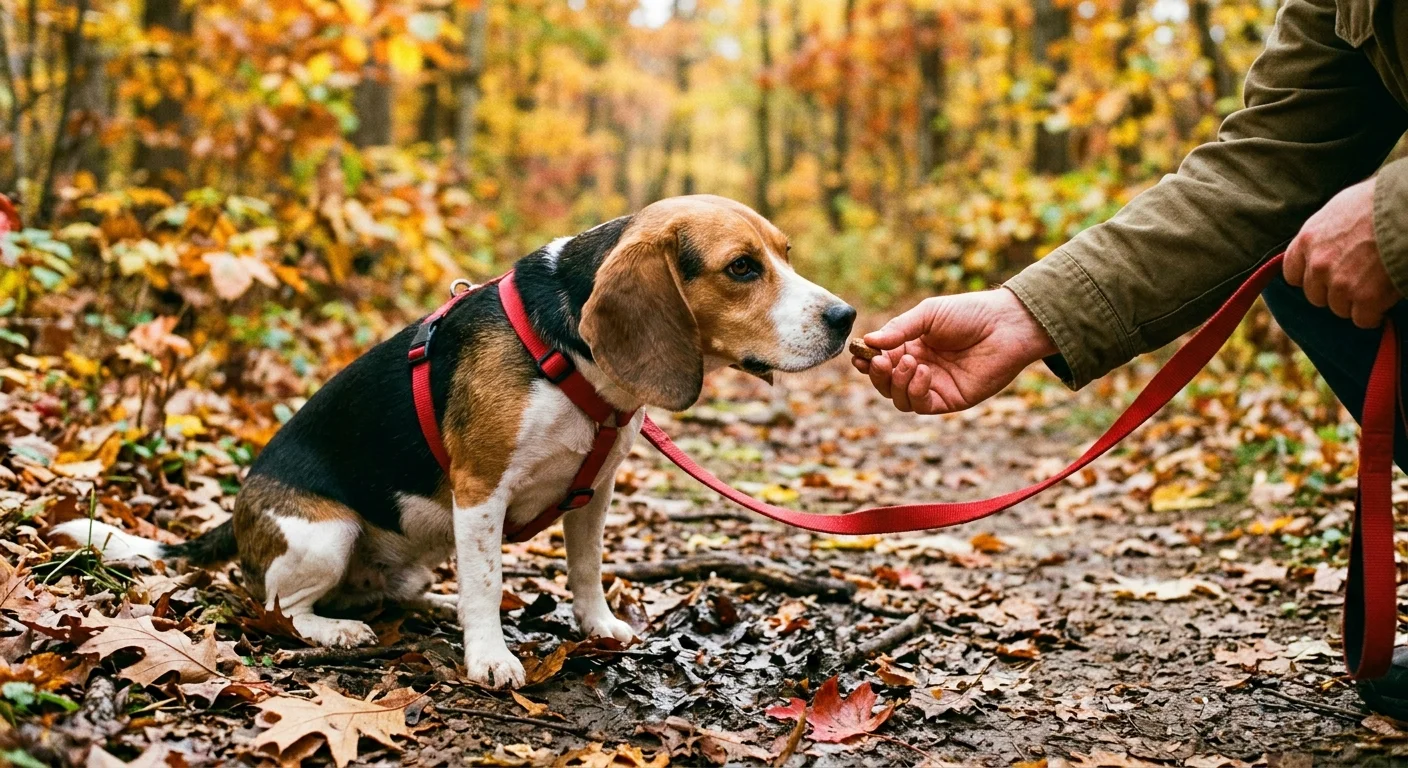
- Master the “Leave It” Cue: Train a rapid, reliable “Leave It” command using high-value treats like freeze-dried liver or cheese. Practice this cue indoors first, gradually increasing environmental distractions until your dog reliably turns away from intriguing smells on command.
- Maintain Environmental Awareness: Scan the path 10 to 15 feet ahead of your dog, especially on woodland trails, near water margins, or along farm fencing where wildlife and livestock congregate.
- Utilize a Short Leash in High-Risk Zones: Transition from a long line or off-leash freedom to a standard six-foot leash when walking through areas known for rotting fish, stagnant water, or fresh manure.
- Offer High-Value Alternative Rewards: When you catch your dog spotting a smelly object, call their name excitedly and reward them generously as soon as they turn toward you, making interaction with you far more rewarding than rolling in dirt.
- Assemble a Mobile Cleanup Kit: Keep emergency cleaning supplies in your vehicle, including pet-safe enzymatic wipes, a bottle of water, a microfiber towel, and a travel bottle of unscented dog shampoo.
According to veterinary guidance published by PetMD, prompt bathing after exposure to wildlife waste minimizes the risk of dermatological issues and accidental ingestion of harmful microbes during self-grooming.
Frequently Asked Questions About Dog Smell Behavior
Is scent rolling a sign of behavioral distress or boredom?
No, scent rolling is typically a normal, healthy instinct rather than a sign of emotional distress or boredom. Dogs perform this behavior when they encounter novel, high-intensity odors that stimulate their brain’s reward centers.
However, providing adequate daily physical exercise and mental enrichment reduces overall impulsive behaviors on walks.
Why do dogs specifically love rolling on dead earthworms?
Dead earthworms release concentrated fatty acids and amino acids as they decompose under the sun. To a dog’s sensitive nose, these decaying proteins produce an irresistibly rich sensory experience.
Because earthworms dry out quickly on hot pavement, they create easily accessible, highly concentrated scent spots along sidewalks and driveways.
Should I punish my dog for rolling in something smelly?
You should never punish your dog for scent rolling. Because the behavior stems from deeply hardwired instincts, punishment creates confusion and anxiety, potentially damaging your bond.
Focus instead on proactive management, environmental awareness, and rewarding alternative behaviors like turning away when prompted.
How can I remove skunk or decay odors from my dog’s coat fast?
To neutralize severe odors quickly, mix one quart of 3 percent hydrogen peroxide, a quarter cup of baking soda, and one teaspoon of liquid dish soap.
Apply the solution thoroughly to your dog’s wet coat while avoiding their eyes, work it into the fur for five minutes, and rinse completely with warm water before shampooing.
Final Takeaway: Balancing Canine Instincts with Clean Living
Dog scent rolling behavior can test any pet owner’s patience, but recognizing it as an ancient, evolutionary communication tool makes the habit much easier to manage.
By understanding how your dog experiences the world through smell, switching to fragrance-free grooming products, and staying vigilant on outdoor walks, you can satisfy your dog’s natural curiosity while keeping your home and car clean.
The information here is meant for educational purposes. Specific circumstances—including health conditions, finances, location, and goals—may require different approaches.
When in doubt, consult a licensed professional or check official sources directly.
Last updated: May 2026. Rules, prices, and details change—verify current information with official sources before acting on it.