Dogs chase their tails for reasons ranging from harmless play to urgent medical discomfort. Pinpointing why your dog spins helps you protect their health and stop destructive habits before they escalate.
Puppies often chase their tails out of simple curiosity as they discover their own bodies. In adult dogs, however, the habit frequently signals boredom, trapped energy, or hidden parasites.
When spinning becomes frantic or repetitive, underlying pain or compulsive anxiety may drive the behavior. Recognizing subtle body language lets you intervene with the right combination of veterinary care and training.
Puppy Curiosity and Developing Body Awareness
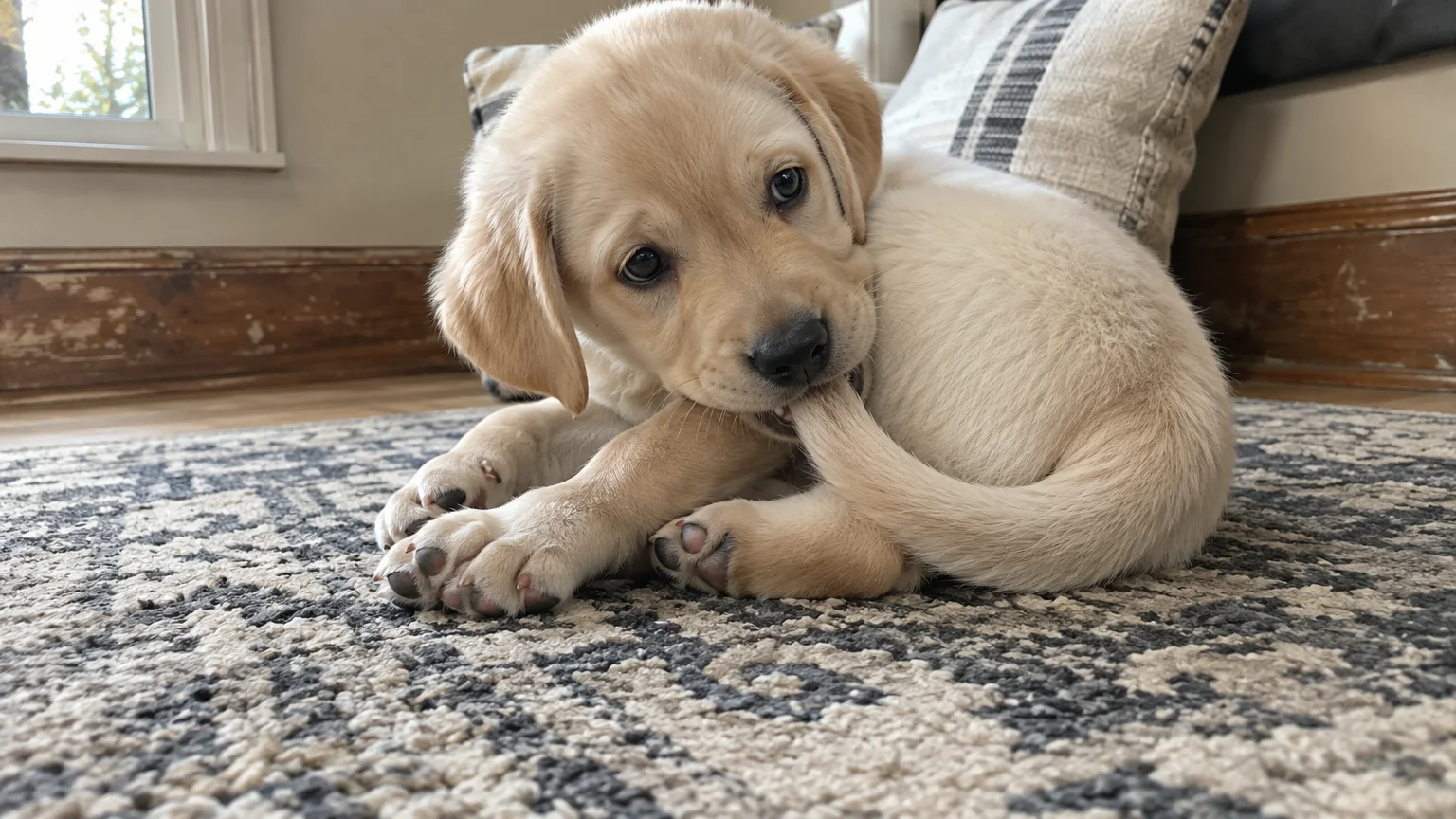
Young puppies frequently view their tails as foreign objects. Because their proprioception—the neurological awareness of body position—is still maturing, the tail moves like an independent toy that demands capture.
This exploratory play helps young animals refine their balance, motor control, and joint coordination. Most puppies naturally outgrow this behavior between five and nine months of age as their spatial awareness solidifies.
Tail chasing also surfaces during peak teething windows when general bodily sensations shift rapidly. The pup simply redirects mouth-oriented exploration toward whatever moving limb comes into view.
You do not need to halt occasional puppy spins during play sessions. Provide soft, carpeted areas so their developing growth plates stay protected from sudden slipping on slick surfaces.
Boredom, Confinement, and Pent-Up Physical Energy
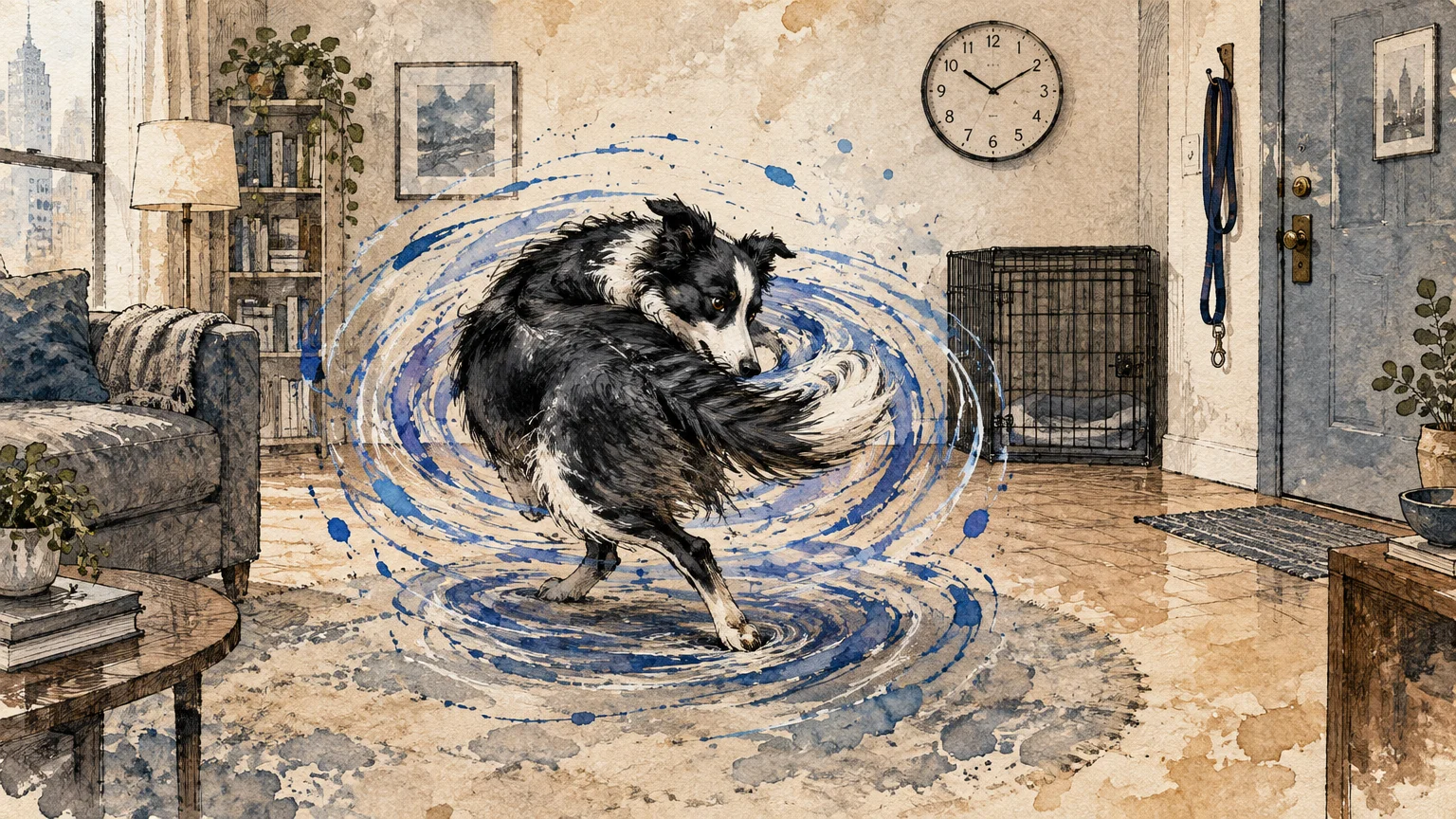
High-energy dogs often invent their own entertainment when you leave them without physical exercise or mental puzzles. Tail chasing functions as an immediate, high-velocity outlet that releases accumulated physical tension.
Working and herding breeds require consistent cognitive challenges alongside cardio exercise. Without a designated job, breeds like Border Collies and Australian Shepherds invent repetitive displacement routines to pass solitary hours.
Environmental restriction amplifies this restlessness. When dogs spend extended hours in small rooms, kennels, or crates, narrow spaces prevent linear running and force circular motion instead.
Chronic stress from isolation also spikes cortisol levels, triggering repetitive pacing or spinning. The physical motion triggers brief endorphin releases, rewarding the dog’s brain and deepening the routine.
Breaking this pattern requires you to replace passive rest with active, goal-oriented engagement. Introducing complex agility courses, structured fetching drills, or scent tracking sessions discharges unspent drive cleanly.
Accidental Reinforcement and Attention-Seeking Loops
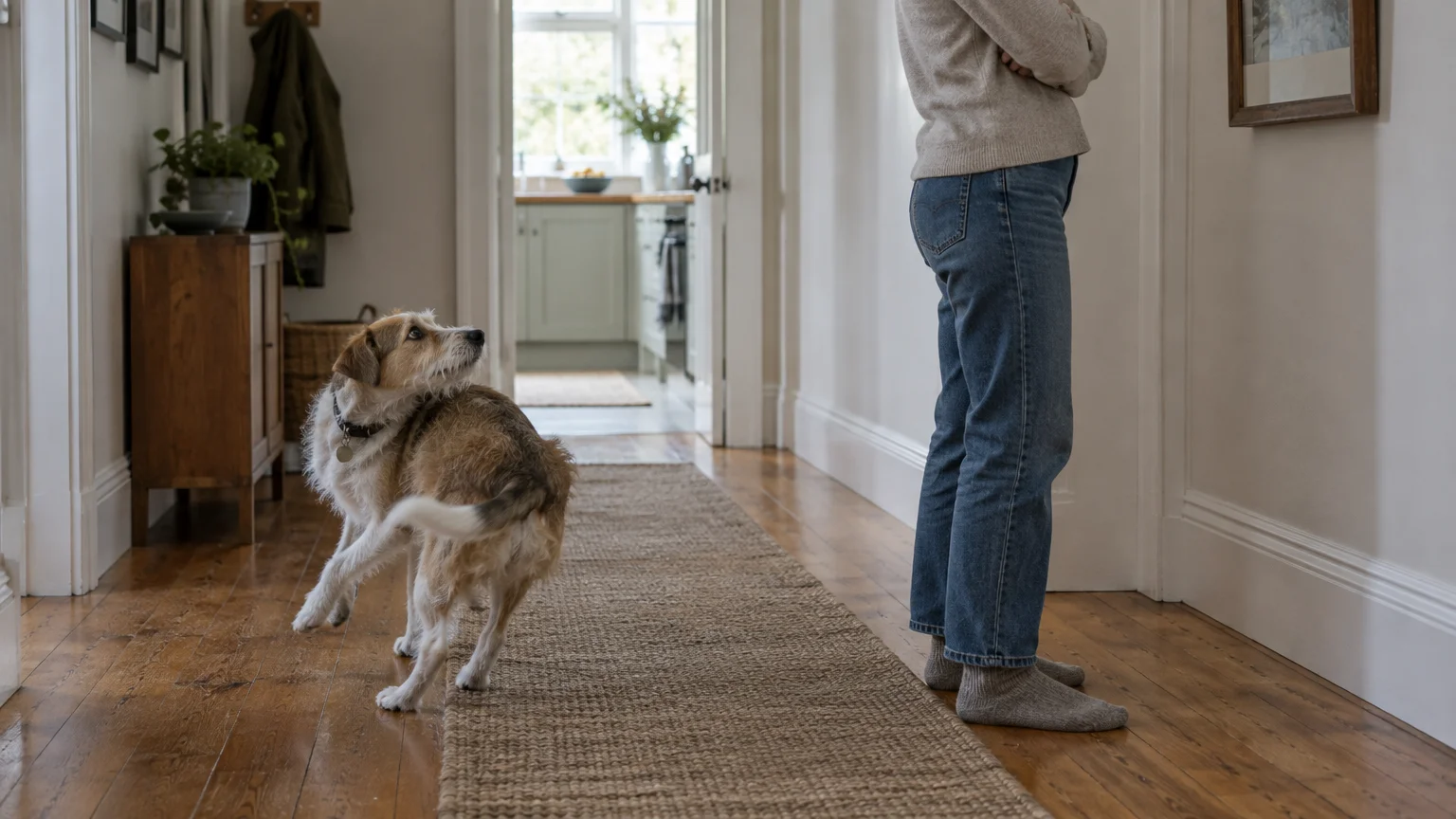
Dogs closely monitor human body language to discover which actions capture our undivided attention. If you laugh, gasp, or pull out your phone when your dog spins, you reward that specific behavior.
Even vocal scolding provides social validation for an under-stimulated companion. From your dog’s perspective, a stern reprimand feels far better than being ignored while you work or scroll on a screen.
This behavioral loop often begins with a single accidental spin during an exciting greeting. Once the dog connects spinning with human smiles or treats, they repeat the motion intentionally to solicit interaction.
Extinguishing this conditioned habit requires completely neutral reactions from everyone in your home. Immediately turn your back, cross your arms, and avoid eye contact the second your dog begins chasing their tail.
Step into another room if your dog continues spinning to solicit your focus. Return and offer warm verbal praise only after they settle calmly on all four paws.
Medical Causes: Skin Irritation, Parasites, and Pain
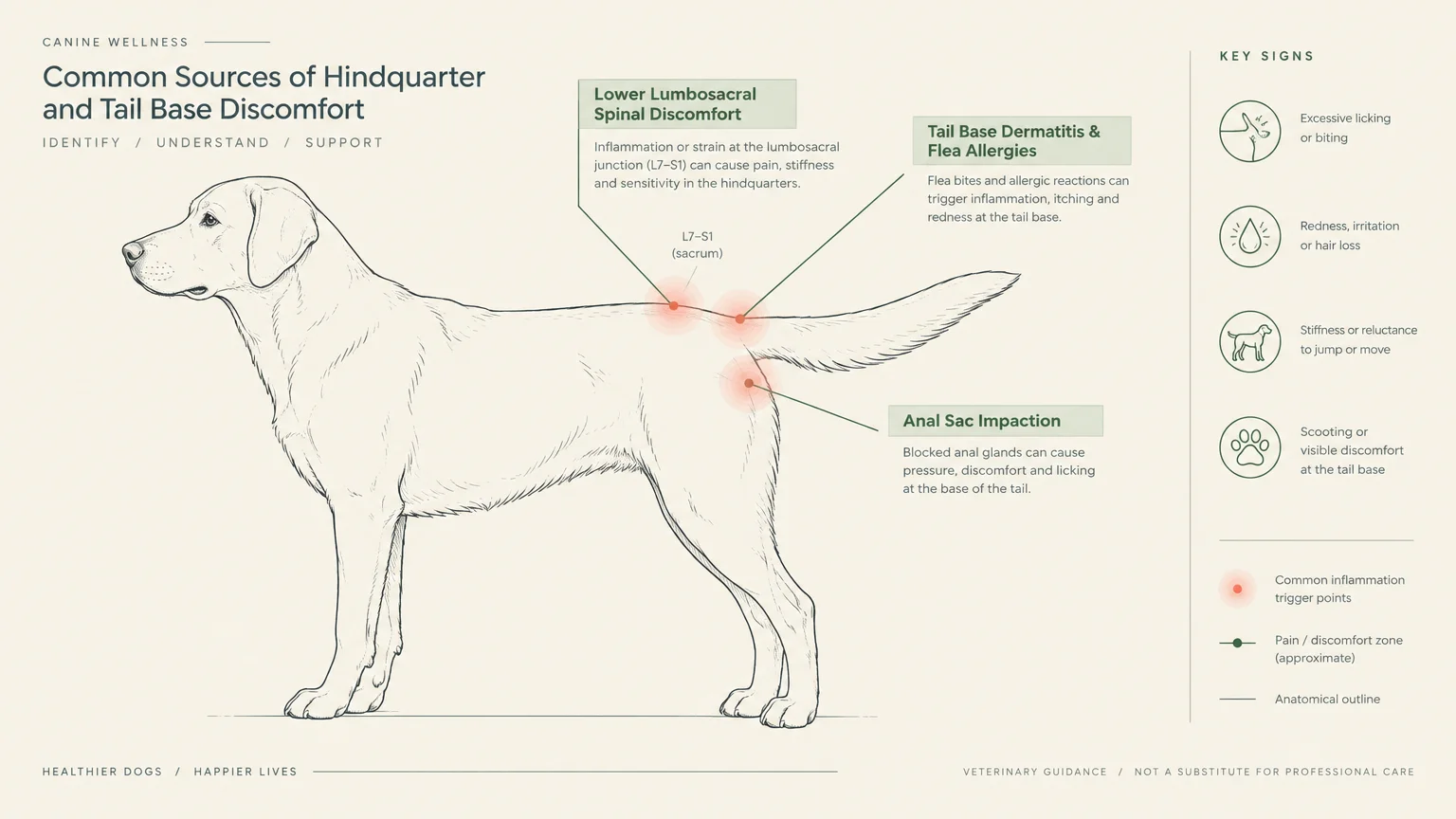
Sudden tail chasing in a previously calm adult dog usually signals localized physical discomfort. Dogs naturally lick, chew, and chase areas of their body that itch or ache.
Fleas and flea allergy dermatitis represent one of the most frequent dermatological causes. Fleas aggregate heavily around the lumbosacral junction at the tail base, generating intense, burning pruritus that incites frantic spinning.
According to VCA Animal Hospitals, anal sac impaction or infection triggers persistent tail chasing and scooting. When the paired anal glands fail to express during defecation, painful pressure builds beneath the tail.
Internal parasites also induce sharp anal itching that provokes sudden rotational chasing. Tapeworm segments migrating across the perineum create tickling sensations that dogs try to catch with their teeth.
Physical trauma to the tail bones or soft tissue creates acute, sharp pain. Slamming a tail in a heavy door or suffering a sprain during intense swimming makes dogs pursue the throbbing appendage.
Degenerative joint issues like osteoarthritis in the lower spine can pinch sensitive nerve roots. Dogs frequently bite at their hindquarters to alleviate the tingling numbness caused by lumbosacral stenosis.
Canine Compulsive Disorder and Breed Predispositions
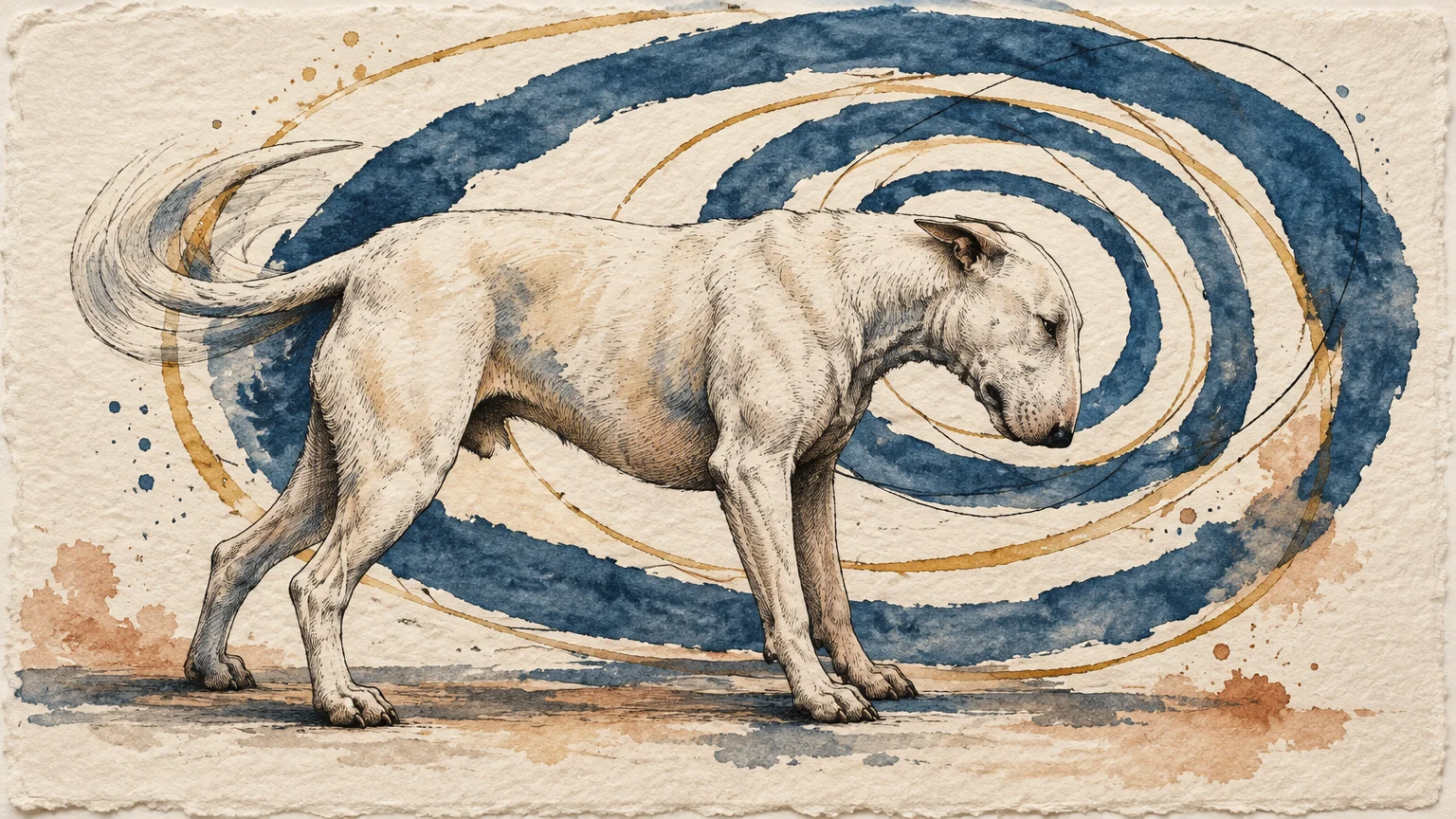
When tail chasing escalates into an uncontrollable, ritualized routine, veterinarians evaluate the patient for Canine Compulsive Disorder (CCD). This neurobehavioral syndrome shares core clinical similarities with human obsessive-compulsive disorder.
A comprehensive study published in PLOS ONE linked severe canine tail chasing to early maternal separation and anxious temperaments. Researchers observed that dogs separated from their litters before eight weeks of age developed higher frequencies of compulsive habits.
Genetics play a substantial role in compulsive vulnerability. Bull Terriers, German Shepherds, and Australian Cattle Dogs show disproportionately high rates of inherited tail chasing compared to other breeds.
Dogs experiencing CCD enter an altered psychological state during an episode. They refuse high-value food, disregard verbal interruptions, and risk severe exhaustion by spinning for hours without pause.
Compulsive behaviors alter neurotransmitter balance, particularly serotonin and dopamine signaling pathways. Because behavioral modification alone rarely cures advanced CCD, veterinary specialists frequently prescribe targeted medications alongside environmental management.
Comparing Tail Chasing Behaviors: Playful vs. Problematic
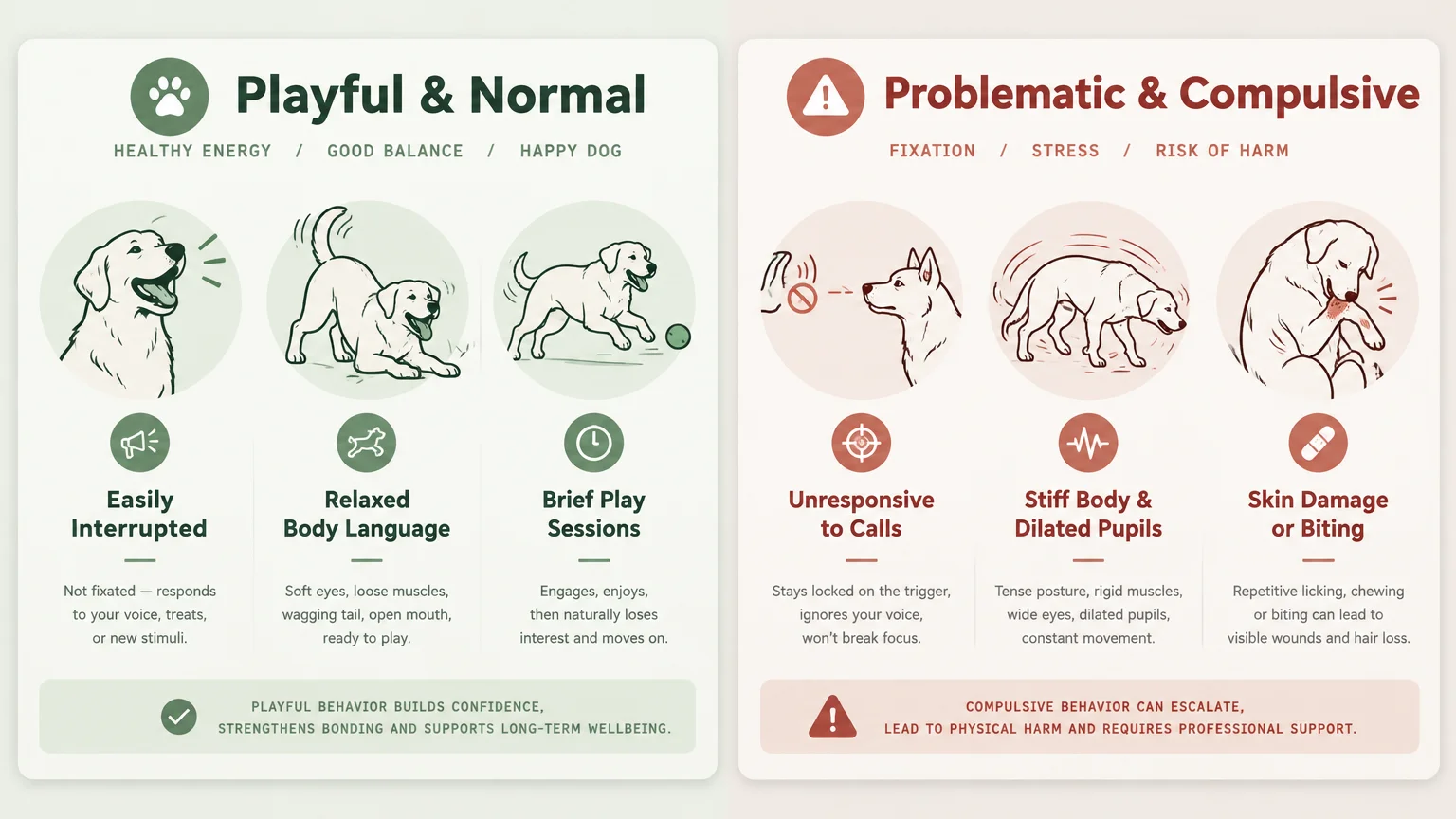
Differentiating between harmless play and clinical pathology allows you to choose the correct intervention. Use this comparison table to evaluate your dog’s spinning patterns and assess underlying triggers.
| Behavior Category | Primary Symptoms | Typical Frequency | Recommended Response |
|---|---|---|---|
| Puppy Play | Loose body language, play bows, stops easily when distracted | Occasional bursts during active play | Provide non-slip flooring and let the puppy explore safely |
| Attention-Seeking | Looks directly at owner while spinning, stops when ignored | Occurs during owner downtime or phone use | Withhold eye contact and reward calm sitting behavior |
| Medical Discomfort | Licking tail base, scooting, biting fur, sudden whimpering | Acute onset, happens repeatedly throughout the day | Schedule an immediate veterinary physical exam |
| Compulsive Disorder (CCD) | Trance-like fixation, cannot be interrupted, aggressive tail biting | Daily, prolonged bouts lasting several minutes to hours | Consult a board-certified veterinary behaviorist |
Track the duration, frequency, and time of day for each spinning episode. Sharing concrete observational logs gives your veterinarian the context needed to reach an accurate medical diagnosis.

Structured Techniques to Redirect and Calm Your Dog
Modifying tail-chasing habits requires calm leadership and consistent environmental management. Never punish your dog for spinning, as increased anxiety will only intensify the behavior.
Guidance from the American Kennel Club stresses interrupting the chain of behavior before the dog enters a full spin. Watch for subtle precursor cues, such as tail staring or stiffened posture.
- Interrupt with a Neutral Sound: Drop a soft toy or clap your hands once to disrupt their visual fixation without shouting. Direct attention away from the tail before the first rotation begins.
- Cue an Incompatible Behavior: Ask for a solid command like “sit,” “down,” or “place.” A dog cannot spin in circles while holding a stationary down-stay on their mat.
- Increase Daily Mental Stimulation: Provide twenty minutes of nose work, snuffle mats, or puzzle feeders daily. Mental exhaustion significantly dampens repetitive compulsive urges.
- Eliminate Accidental Social Rewards: Instruct all family members to ignore spinning episodes entirely. Avoid laughter, eye contact, and physical touch until your dog exhibits calm, grounded posture.
Build positive reinforcement into every successful redirection drill. When your dog chooses a chew toy over their tail, reward that decision immediately with enthusiastic verbal validation.
What Can Go Wrong
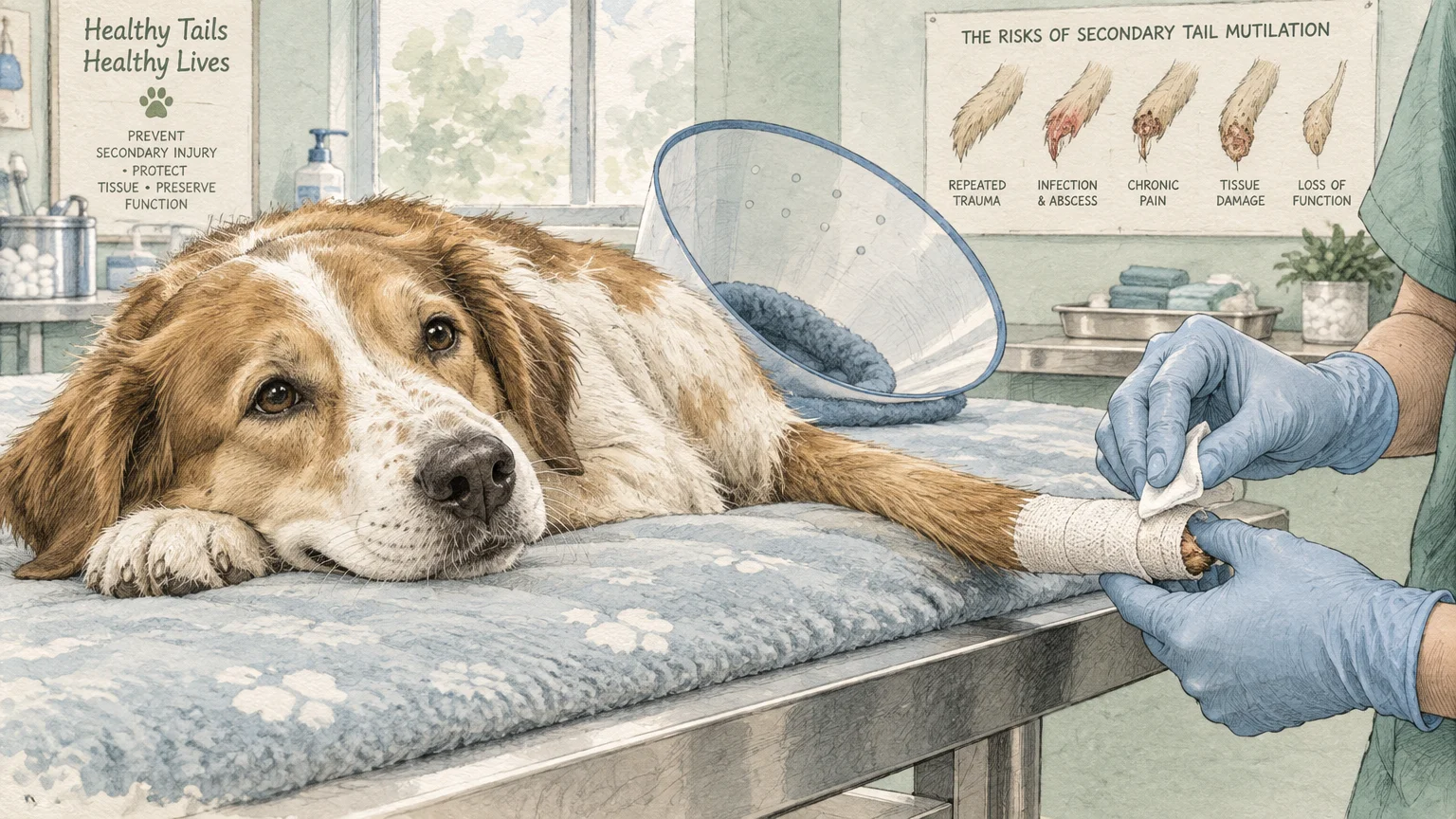
Overlooking persistent spinning allows mild behavioral quirks to escalate into dangerous medical emergencies. Take swift action to prevent these four common secondary complications.
Severe Tail Mutilation: Dogs that catch their tails can chew through skin and bone. The resulting open wounds contract severe bacterial infections, frequently forcing surgeons to amputate part or all of the tail.
Ruptured Anal Abscesses: Ignoring underlying anal gland impactions causes painful bacterial buildup. The gland can rupture through the external skin, necessitating emergency surgical debridement and heavy antibiotic therapy.
Acute Orthopedic Injuries: Frantic spinning on slick indoor floors generates violent torque across hips and stifles. Dogs can tear cranial cruciate ligaments, dislocate patellas, or herniate intervertebral discs.
Entrenched Neurological Patterns: Allowing compulsive habits to persist strengthens the neural pathways that drive the loop. Over time, the compulsive spinning becomes increasingly resistant to standard behavioral and pharmaceutical treatments.

Where Outside Advice Pays Off
While mild puppy curiosity resolves naturally, specific warning signs demand expert evaluation. Schedule a consultation with your veterinarian or a certified behaviorist under the following conditions.
Sudden Behavioral Changes in Adults: If an older dog suddenly begins spinning, book a comprehensive physical examination immediately. Rapid onset often indicates acute spinal trauma, neuropathic pain, or sudden flea infestations.
Growling and Distress While Spinning: Dogs that growl, bare teeth, or bite violently at their hindquarters are not playing. This vocal distress indicates neuropathic sensation, deep localized pain, or focal seizure activity.
Visible Skin Damage or Bleeding: Any sign of hair thinning, raw hot spots, or crusting along the tail demands veterinary care. Topical antibiotics, prescription anti-itch medications, or parasite treatments are essential to halt self-trauma.
Failure to Respond to Redirection: If high-value food, squeaky toys, or sudden sounds cannot interrupt the spinning, consult a veterinary behaviorist. These specialists formulate targeted medical regimens to calm hyperactive compulsive pathways.
Frequently Asked Questions
At what age do puppies usually stop chasing their tails?
Most puppies abandon tail chasing between six and nine months of age as their spatial awareness improves. If spinning continues into adulthood, examine environmental boredom, inadvertent owner encouragement, or underlying skin irritations.
Can tail chasing indicate neurological seizures in dogs?
Yes, repetitive tail chasing can stem from focal motor seizures or partial seizures. In these cases, abnormal electrical bursts in the brain produce involuntary spinning episodes that dogs cannot consciously control.
Why does my dog chase its tail immediately after pooping?
Chasing the tail after defecating strongly points to anal gland discomfort or localized irritation. Passing stool inflames swollen anal sacs, prompting the dog to spin and lick the area to soothe burning sensations.
Which dog breeds are most prone to compulsive tail chasing?
Bull Terriers and German Shepherds exhibit the highest rates of genetic tail chasing. Border Collies, Doberman Pinschers, and Australian Cattle Dogs also show heightened susceptibility when lacking physical and mental stimulation.
Final Thoughts on Tail Chasing
Your dog’s tail-chasing habit communicates valuable details regarding their physical comfort and psychological state. Identifying whether playfulness, unspent energy, medical distress, or compulsive anxiety drives the behavior allows you to intervene with confidence.
Support your dog with engaging daily enrichment, prompt medical care, and structured reward protocols. This is general informational content based on widely accepted guidance. Individual results vary. Verify current details—rules, prices, eligibility, regulations—with official sources before making important decisions.
Last updated: May 2026. Rules, prices, and details change—verify current information with official sources before acting on it.