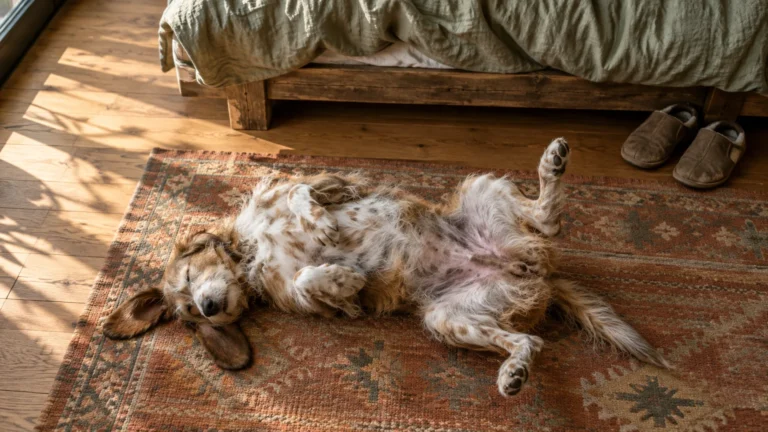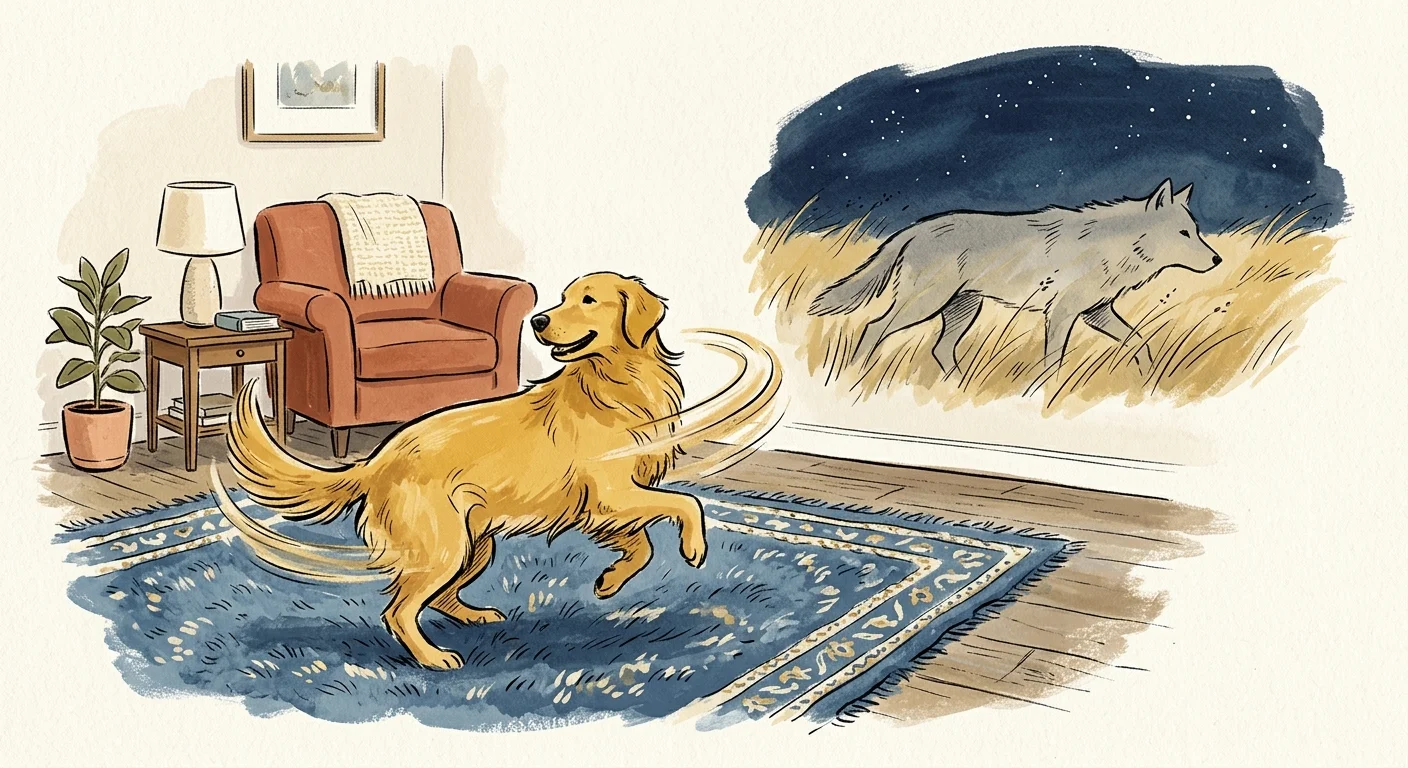
Your dog spins in tight circles before settling down to sleep because an ancient evolutionary playbook drives their evening routine.
This ritualized nesting behavior stems from wild canid ancestors—such as wolves and wild dogs—who had to clear debris, flush out pests, and shape a safe bed in tall grass before resting.
While your living room rug does not harbor hidden scorpions or thorny brambles, your companion still follows those deep-seated biological instincts.
Beyond primitive survival drives, this pre-slumber rotation helps dogs adjust their body temperature, mark territory with scent glands in their paws, and position themselves comfortably for a restful night.
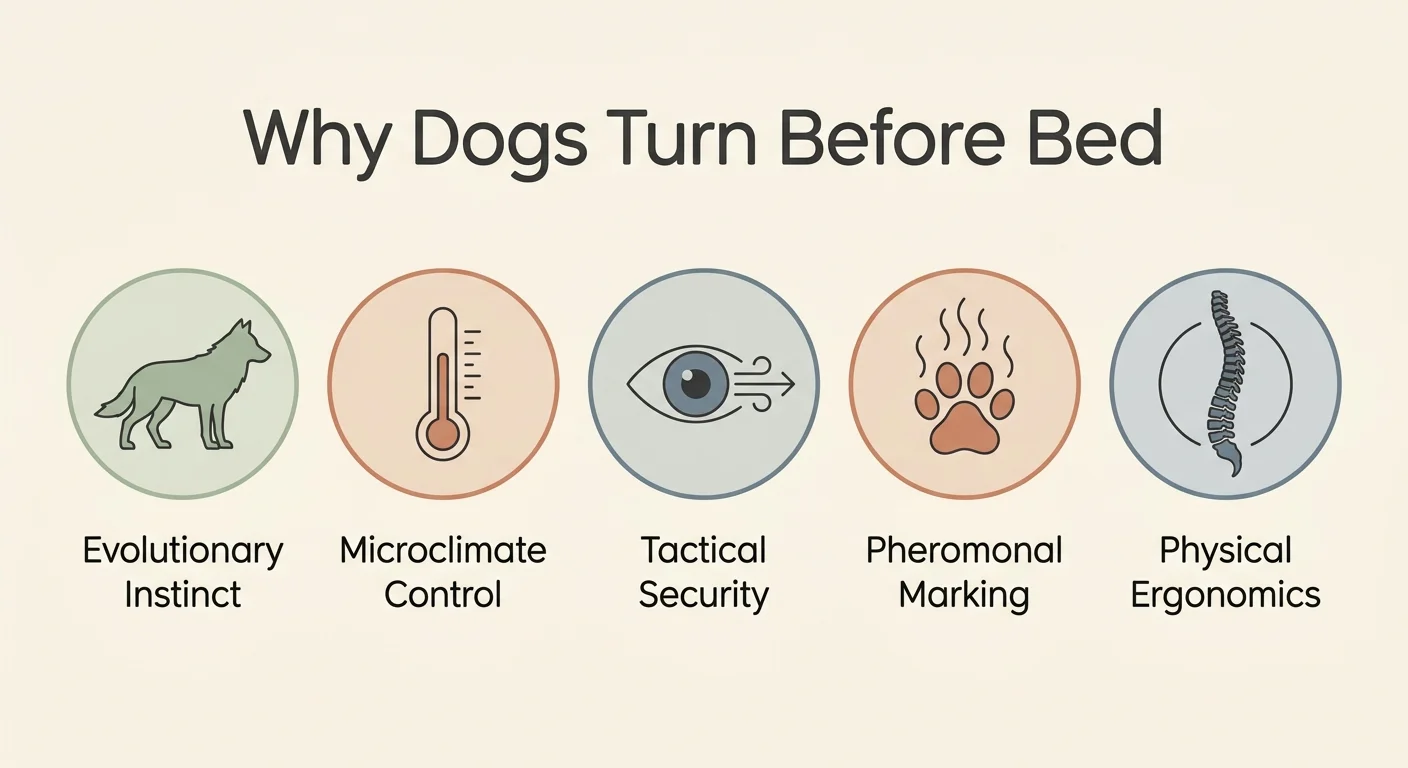
The Essentials: Why Dogs Turn Before Bed
- Evolutionary Instinct: Wild ancestors flattened dense vegetation, removed sharp stones, and evicted biting insects or snakes by stepping in rhythmic circles.
- Microclimate Control: Circling exposes cooler topsoil during hot summer months or creates a heat-retaining nest shape in winter.
- Tactical Security: Turning allows dogs to smell windborne scent markers, scan their surroundings for predators, and orient themselves toward room entryways.
- Pheromonal Marking: Pressure on interdigital paw glands releases natural scents, claiming the sleeping area as safe and familiar territory.
- Physical Ergonomics: Spinning tests spinal alignment and fluffs bedding materials to relieve joint tension before sleeping.
The Survival Blueprint: How Wild Ancestors Shaped the Circle
Long before dogs slept on plush memory foam or orthopedic pillows, their wild ancestors navigated harsh natural environments.
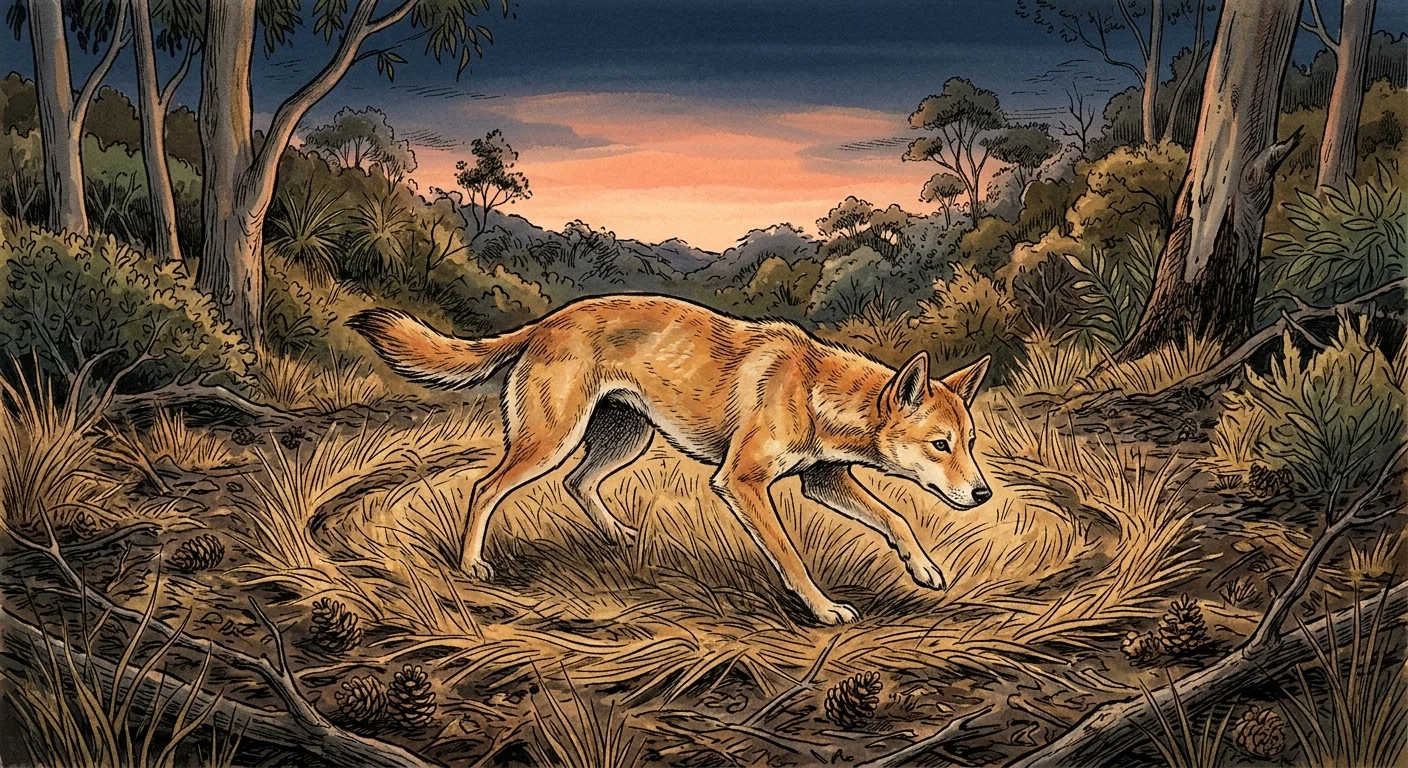
Canids like wolves, jackals, and dingoes had to construct their own shelter every single night; they could not afford to drop onto unprepared ground without inspecting it first. Trampling vegetation in a circular pattern served as an immediate engineering solution to several life-threatening problems.
By stepping repeatedly in a circle, wild canids flattened tall grass, prickly weeds, and stiff brush. This mechanical clearing created a soft, smooth depression in the earth—a true primitive bed.
The process also pushed aside uncomfortable items such as jagged pinecones, sharp rocks, and twigs that could pierce skin or disrupt rest. In the wild, sleep deprivation directly reduced hunting efficiency and lowered survival odds.
More importantly, this physical disturbance flushed out dangerous critters. High grass and leaf litter frequently harbored ticks, fleas, stinging spiders, scorpions, and venomous snakes.
Stepping firmly in a tight turning pattern alerted these hidden creatures, prompting them to flee before the dog settled down.
According to research highlighted by the American Kennel Club, this instinctual sequence remains deeply hardwired into domestic canine genetics despite thousands of years of domestic living alongside humans.
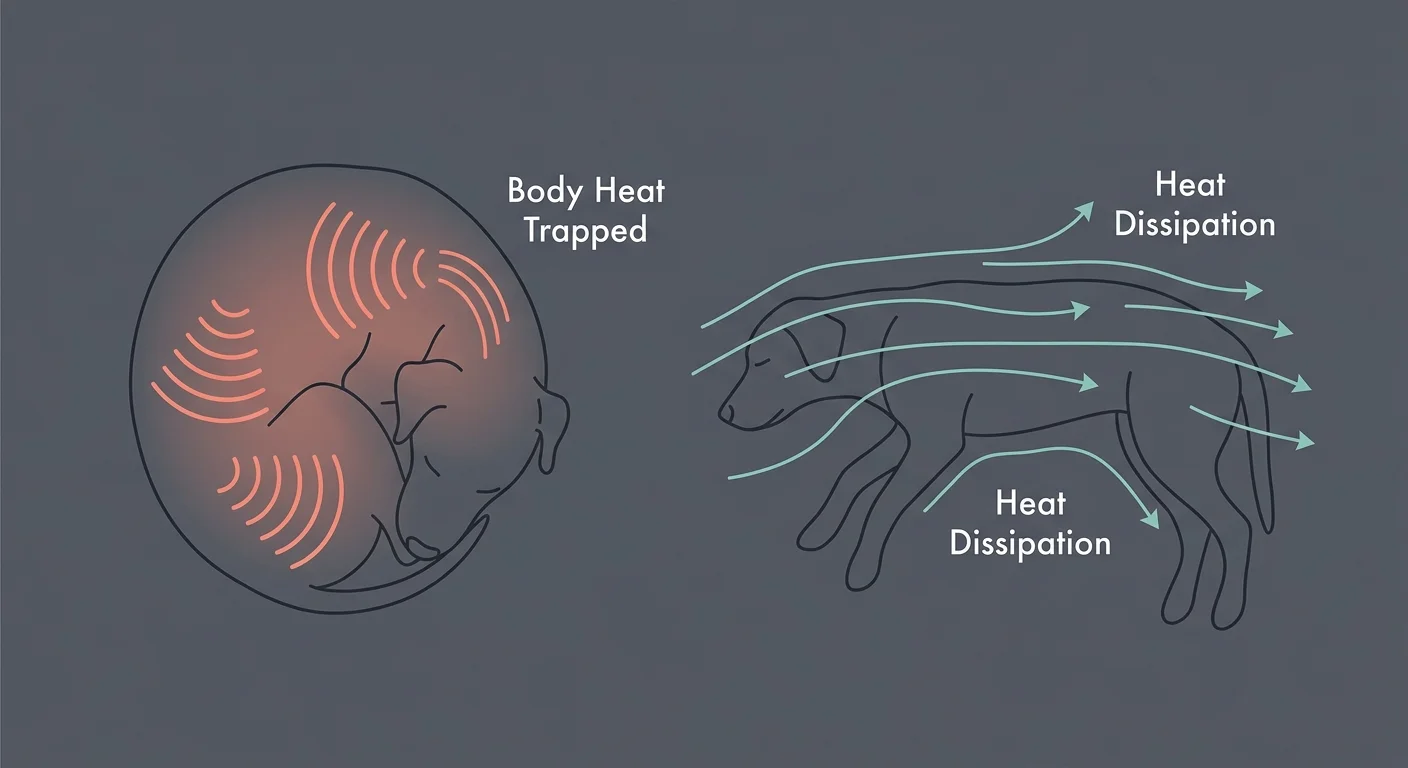
Microclimate Creation: Thermal Regulation and Nest Building
Dogs lack the complex sweat systems that humans use to regulate body temperature; they rely primarily on panting, paw pads, and behavioral adjustments.
Turning in circles before resting plays an essential role in creating a thermally comfortable sleeping zone, whether the climate is freezing or sweltering.
In cold environments, wild dogs trampling snow or frozen leaves created a recessed crater. This shallow pit shielded their bodies from biting winds.
When a dog completes its turns and curls into a tight ball—often tucking its nose underneath its tail—it creates a “donut” configuration. This pose minimizes exposed surface area, protects vulnerable abdominal organs, and traps exhaled body heat within the fur.
The circular tramping sets up the precise boundary needed to keep that warm air pocket intact throughout the night.
Conversely, in hot weather, turning serves the opposite thermal purpose. A dog in a warm climate will often dig at the dirt and walk in tight loops to scrape away the top layer of sun-baked soil.
This action uncovers the cooler, damp earth beneath the surface layer. Indoors, you might notice your dog circling on hardwood or tile floors before flopping down; they are attempting to maximize contact between their belly and the cool surface to dissipate excess heat.
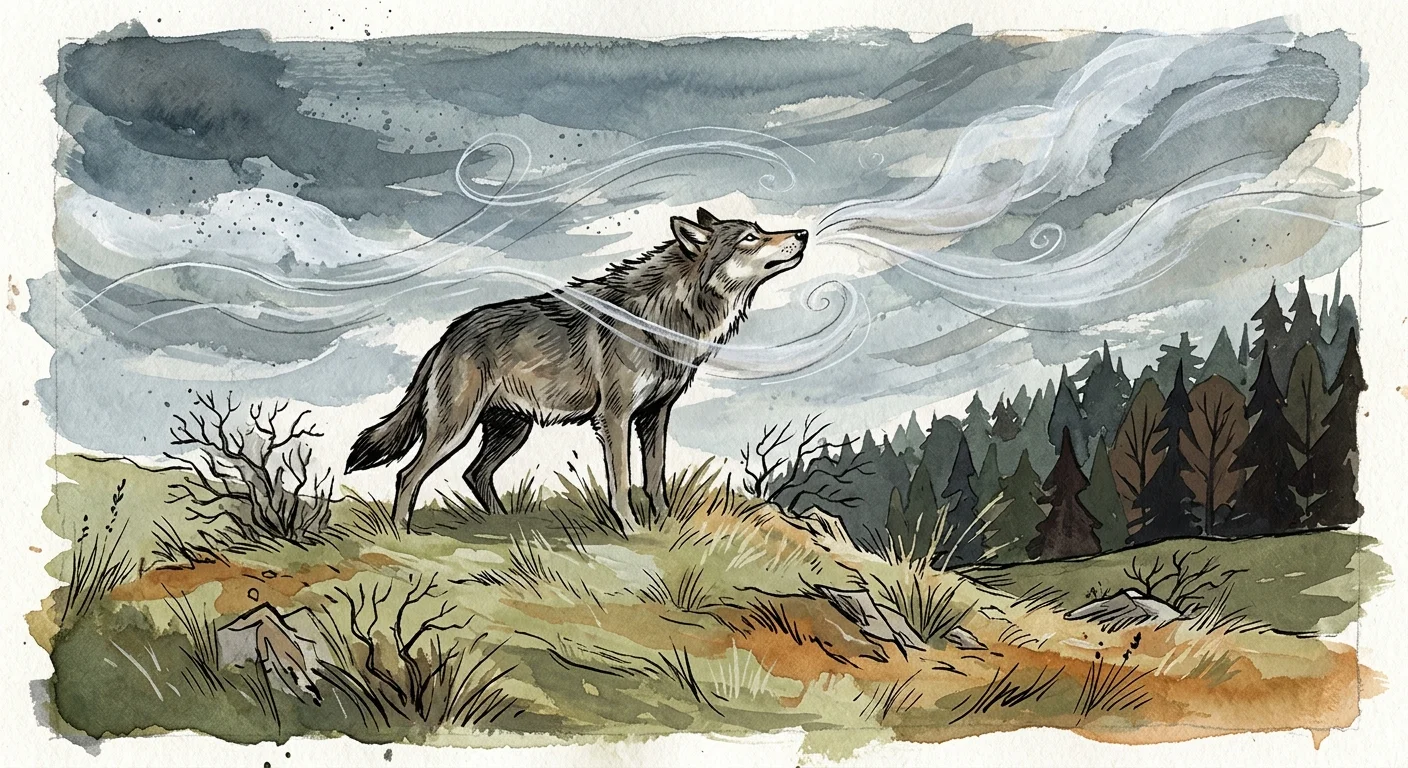
Tactical Security: Wind Direction and Visual Orientation
A sleeping animal in the wild is uniquely vulnerable to ambush. Because of this risk, ancestral dogs developed tight behavioral protocols around spatial orientation before falling asleep.
The direction a dog faces when lying down is rarely accidental.
Wild canids rely heavily on olfactory warnings. By turning in circles before lying down, a dog evaluates the ambient breeze to determine wind direction.
In nature, animals prefer to sleep facing into the wind. This position allows incoming scents from approaching predators or competing packs to blow directly into their nostrils, providing an instant olfactory alarm even while they snooze.
Simultaneously, facing into the wind keeps their coat blowing down against their body rather than blowing open and exposing skin to cold gusts.
You can see this tactical awareness play out in your home today. Watch your dog the next time they turn in circles on their bed.
In most instances, their final turn brings their head toward the main entrance of the room or toward an open doorway. They unconsciously align their spine against a protective wall or sofa back while keeping their eyes pointed toward potential lines of approach.
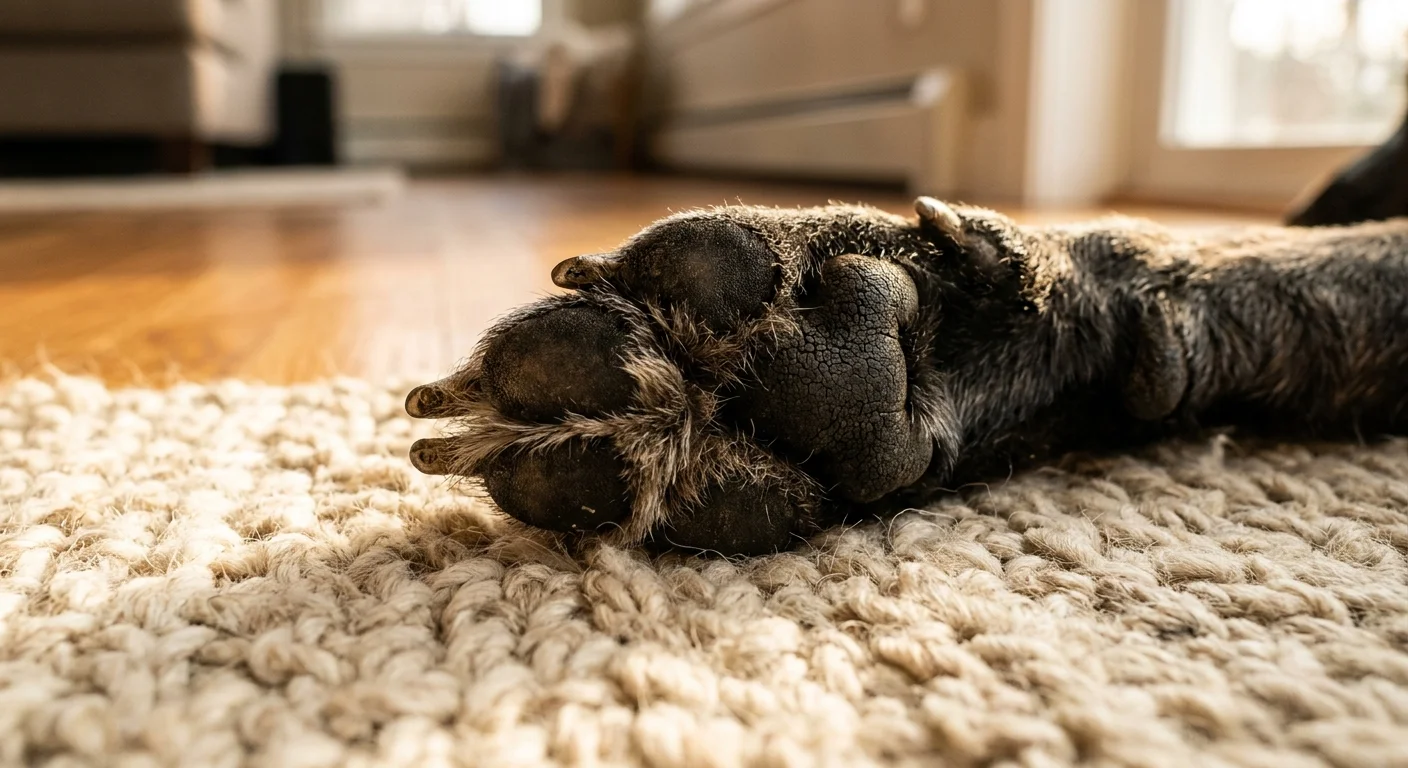
Scent Marking and the Paw-Pad Factor
Dogs possess a highly sophisticated chemical communication network, and their feet play a surprisingly large role in it. Between the pads of your dog’s paws sit specialized interdigital glands that secrete distinct pheromones.
These chemical signatures communicate crucial information about identity, stress levels, and ownership to other animals.
When your dog turns in tight circles on their bed, the friction and weight transfer exert direct mechanical pressure on these interdigital glands. This action deposits your dog’s unique scent profile into the fabric or floor beneath them.
Marking their resting space with paw pheromones serves two key purposes:
- Territorial Ownership: In multi-pet households, leaving a clear pheromonal footprint signals to other dogs that a specific sleeping spot is currently claimed.
- Emotional Self-Soothing: SURROUNDING themselves with their own familiar scent creates a secure environment; this chemical feedback lowers heart rate and prepares the nervous system for restorative sleep.
“The repetitive pressure of a dog’s paws during pre-sleep turning acts as a physical pump, releasing chemical signatures that transform an unfamiliar space into a reassuring sanctuary.”
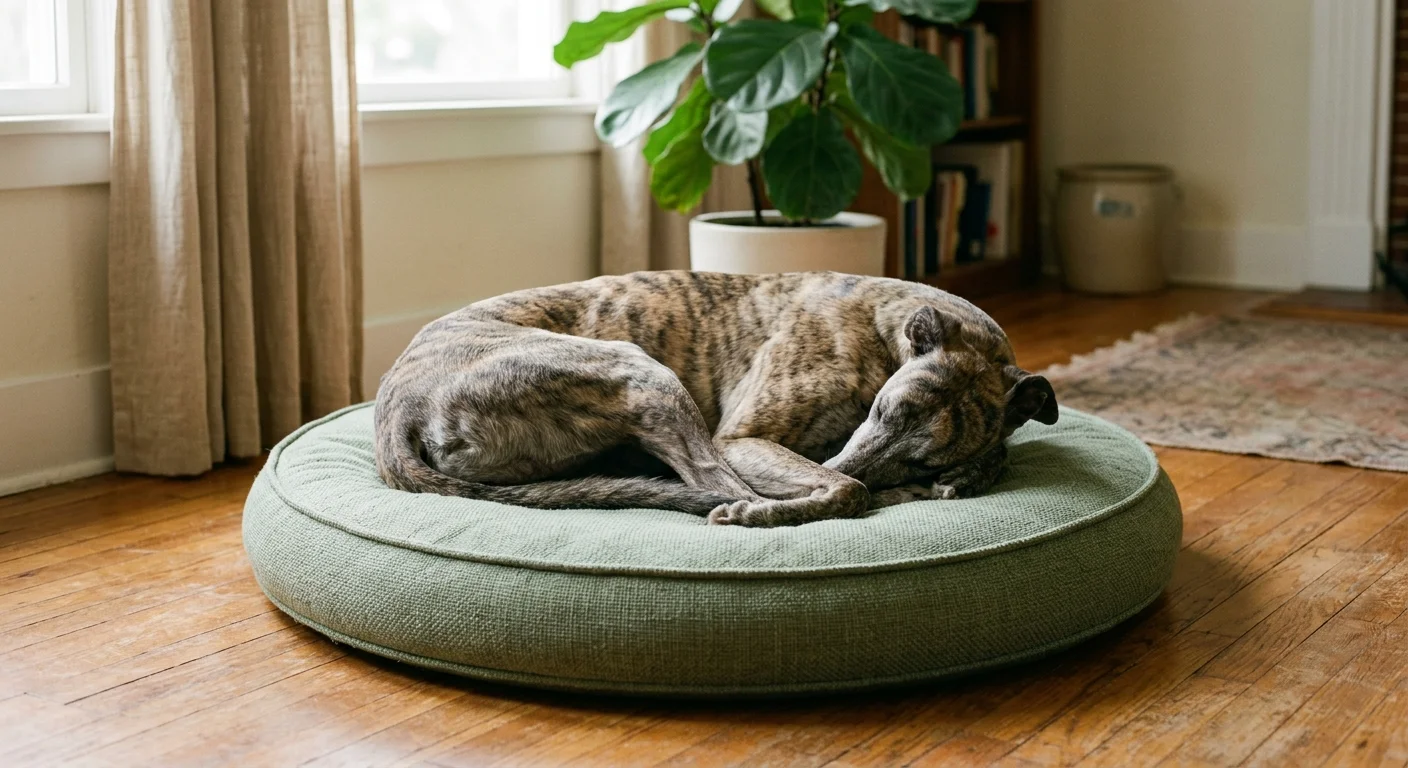
Ergonomics, Joint Health, and Physical Posture
Beyond wild survival drives and territorial marking, turning in circles satisfies immediate biomechanical needs. Just as you might toss, turn, and fluff your pillows before falling asleep, your dog uses pre-bedtime rotations to evaluate their physical comfort and align their spine.
Modern dog beds—especially soft polyester fill beds—can settle unevenly over time. Circling shifts the inner stuffing around, removing lumps and creating a contoured depression that supports your dog’s body weight.
If your dog uses a blanket, circling allows them to push the fabric into a raised outer ring, creating a comfortable headrest while securing blanket folds over their back.
For larger dogs and older pets, circling serves as a critical mechanical check. Shifting weight from paw to paw while turning gives the canine nervous system feedback regarding joint tension, hip tightness, and muscle stiffness.
It allows them to position their limbs carefully so they can lower their heavy frame to the floor without putting sudden stress on arthritic elbows or hips.
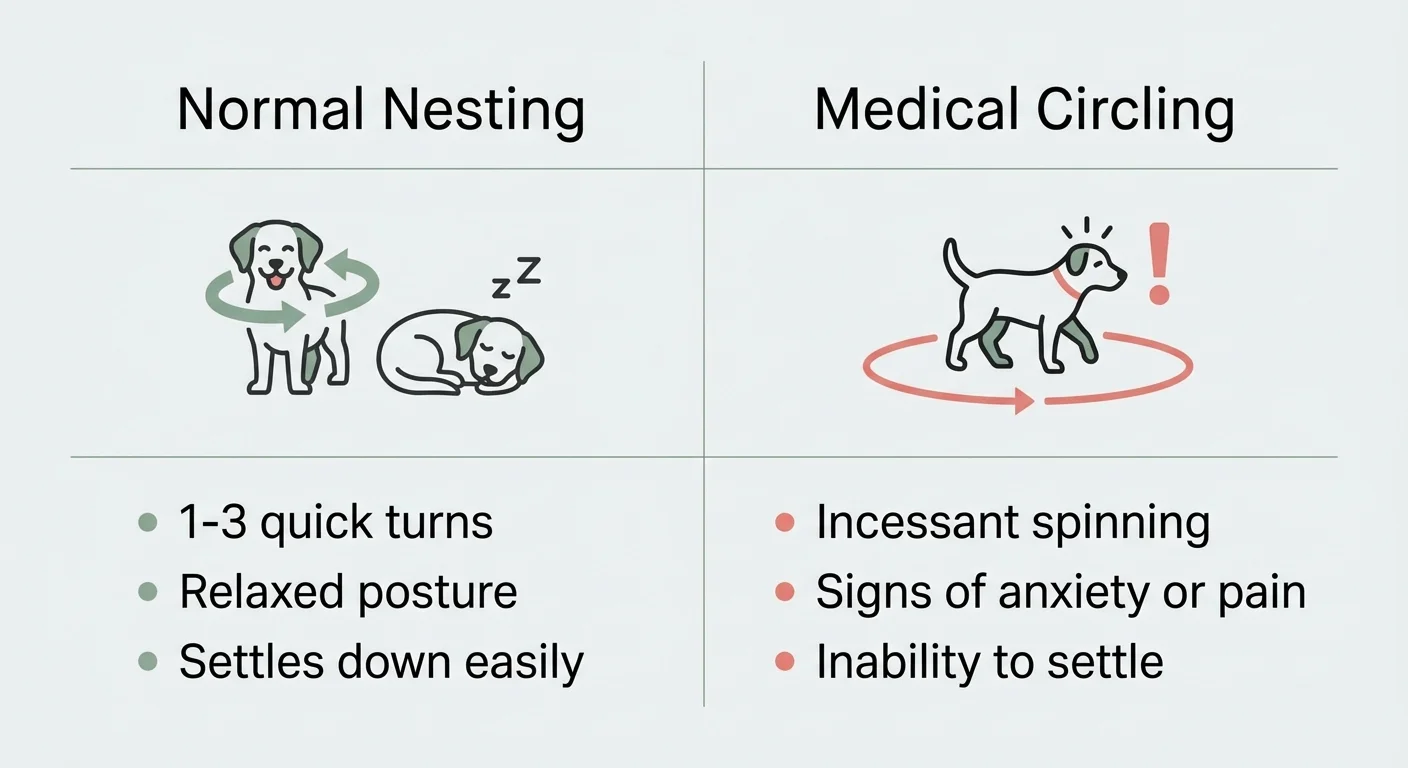
Normal Nesting vs. Medical Circling: Key Differences
While circling a few times before sleep is completely normal, excessive, frantic, or continuous turning can indicate underlying physical pain, neurological issues, or cognitive decline. Understanding how to distinguish healthy nesting from medical distress is an essential skill for every dog owner.
| Behavior Feature | Normal Pre-Sleep Circling | Pathological / Medical Circling |
|---|---|---|
According to veterinary guides from VCA Animal Hospitals, sudden changes in your dog’s bedtime routine often serve as early indicators of age-related health changes.
If your dog historically turned twice before resting but suddenly begins spinning fifteen times while vocalizing, you should investigate potential medical triggers:
- Canine Cognitive Dysfunction (CCD): Often described as dog dementia, CCD causes spatial disorientation, altered sleep-wake cycles, and compulsive aimless pacing or tight looping, particularly during late evening hours (sundowning).
- Vestibular Disease: A sudden failure of the inner ear or central balance system causes intense dizziness. Dogs with vestibular issues often walk in tight, lopsided circles toward the side of the lesion and display a pronounced head tilt.
- Arthritis and Spinal Pain: When joints ache, finding a painless posture becomes difficult. Dogs may spin repeatedly because every attempt to bend their knees or lower their hindquarters triggers sharp pain, forcing them back into a standing turn.
- Neurological Conditions: Brain tumors, inflammatory brain diseases, or strokes in the forebrain can cause involuntary, stereotypic turning toward one side of the body.
- Compulsive Anxiety Disorders: High-stress environments or inadequate mental enrichment can cause canine obsessive-compulsive behaviors, turning peaceful nesting into a fixated ritual.
Common Mistakes Dog Owners Make
Understanding canine behavior helps you avoid well-meaning mistakes that can cause your dog unnecessary stress or delay required veterinary care. Watch out for these four common errors:
1. Scolding or Forcefully Stopping Normal Circling: Interrupting your dog’s natural nesting ritual creates unnecessary anxiety. Forcing a dog to lie down without letting them complete their comfortable turning sequence can elevate cortisol levels and disrupt their sleep quality.
2. Dismissing Sudden Circling Changes as “Cute Quirks”: While turning three times before bed is charming, a dog that suddenly starts spinning excessively or pacing in loops is communicating a problem. Never ignore sharp changes in frequency or physical coordination.
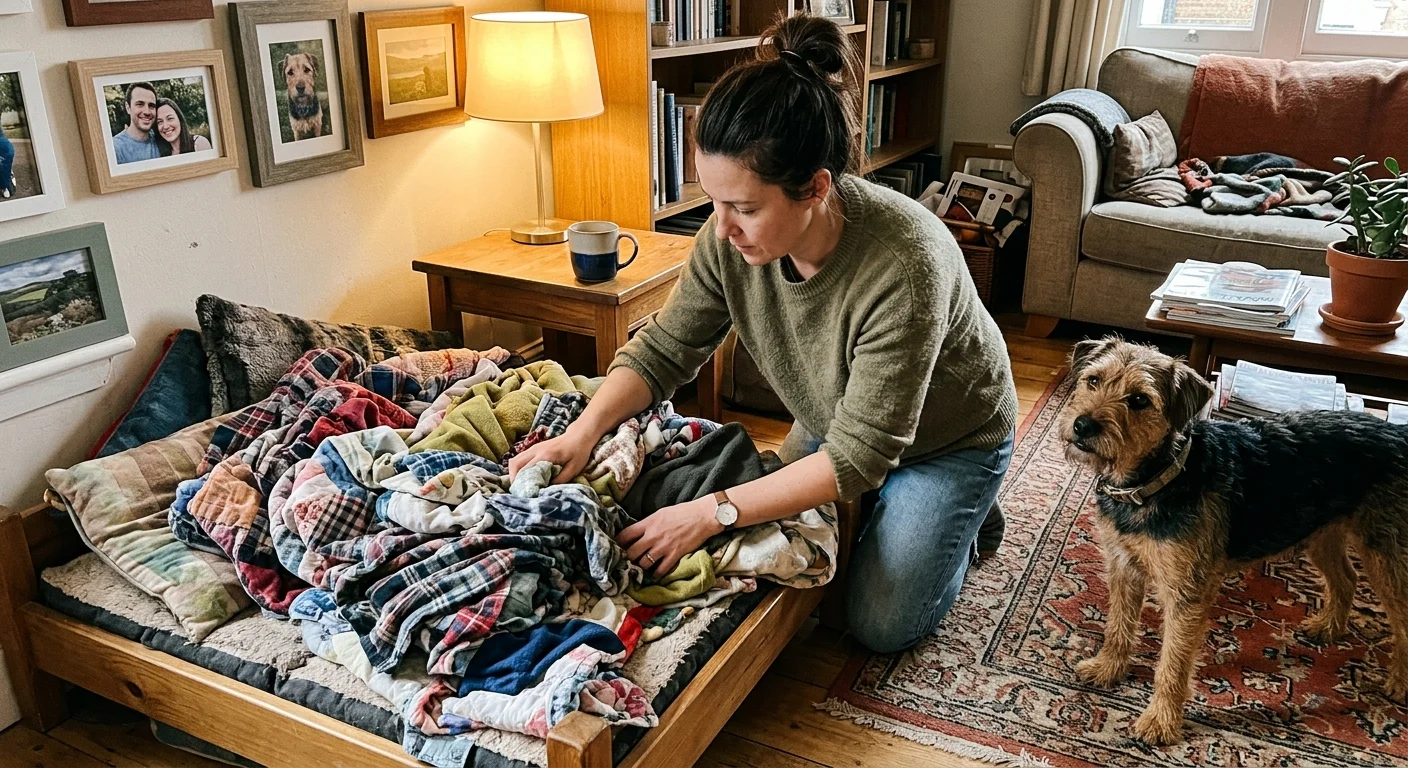
3. Choosing Aesthetic Dog Beds Over Supportive Ergonomics: Many commercial dog beds prioritize room decor over canine joint health. Flat, thin mats offer zero hip support for medium and large dogs, forcing them to circle repeatedly in a vain effort to find joint relief.
4. Misinterpreting Disorientation as Obstinacy: Senior dogs suffering from cognitive decline often get trapped in room corners or turn in circles because their brain struggles to process spatial boundaries. Yelling or pulling them only heightens their panic.
Getting Expert Input: When to Consult Your Veterinarian
Because circling can bridge the gap between normal instinct and underlying health issues, pay close attention to your dog’s daily routines. Schedule a professional veterinary consultation under the following specific scenarios:
Scenario A: Your Dog Spins Continuously Without Lying Down
If your dog paces in circles for several minutes, looks panicked, or repeatedly attempts to lower their body only to pop back up and spin again, schedule an orthopedic examination.
This pattern strongly suggests joint stiffness, spinal disc pain, or impacted anal glands making sitting painful.
Scenario B: Turning Is Accompanied by a Head Tilt or Rapid Eye Movement
If your dog spins in one consistent direction, wobbles like a sailor on a ship, or exhibits involuntary eye twitching (nystagmus), seek prompt veterinary attention. These are classic hallmarks of acute vestibular syndrome or inner ear infections, as outlined in clinical resources on PetMD.
Scenario C: Senior Dogs Display Nighttime Confusion
If your older dog wanders the house at night, gets stuck behind furniture, or turns in aimless circles while staring blankly at walls, request a cognitive evaluation.
Modern veterinary medicine offers targeted medications, dietary adjustments, and neuro-protective supplements that significantly slow cognitive decline and improve sleep patterns.
Scenario D: The Behavior Appeared Suddenly After Head Trauma or Illness
Any sudden onset of tight, compulsive circling following an accident, ear cleaning, or systemic illness requires emergency medical evaluation to rule out neurological pressure or severe infection.
Pro Tip for Your Vet Visit: Capture a high-quality 30-to-60-second video of your dog’s circling behavior on your smartphone. Dogs frequently act normally inside a clinical exam room due to adrenaline spikes; video footage gives your veterinarian invaluable diagnostic evidence.
Frequently Asked Questions
Why do dogs scratch or dig at their bed while circling?
Digging while circling combines two ancestral instincts: flattening structural bumps and regulating temperature. In the wild, dogs scratched away topsoil to unearth cool dirt or rearrange leaves for insulation.
Indoors, scratching is an instinctive attempt to fluff or shape their bedding into a supportive nest.
Do all dog breeds turn in circles before sleeping?
Most dog breeds exhibit this behavior, but individual expression varies widely.
Working breeds and dogs with strong primitive drives (such as Huskies, Australian Cattle Dogs, and Terriers) often exhibit pronounced turning rituals, while some highly relaxed companion breeds may simply flop straight down onto their side.
Why does my dog turn in circles before pooping or urinating?
Pre-elimination circling serves a different purpose than pre-sleep nesting. Turning before elimination helps dogs stimulate their digestive tract, clear immediate grass obstructions, and align their body magnetic orientation.
Recent scientific studies show that dogs prefer to align their body along the Earth’s north-south magnetic axis when defecating.
What should I do if my dog turns in circles on my lap before settling?
If your dog turns on your lap or stomach before collapsing into a cuddle, take it as a compliment. They are using their paw pads to mark you with comforting pheromones while molding your clothing and legs into a secure, perfectly shaped nest.
Final Thoughts and Practical Takeaways
The next time you watch your dog spin in three tight loops before collapsing into a deep sleep, appreciate the fascinating biology at play.
That quick bedtime dance connects your companion directly to their wild ancestors—a living link to thousands of years of canine evolution, thermal adaptation, and survival strategy.
As long as the turns remain calm, brief, and lead directly to a peaceful nap, your dog is simply building their perfect nest.
To give your dog the best rest possible, provide a high-quality orthopedic bed suited to their size, keep sleeping zones free from cold drafts, and keep a watchful eye out for sudden changes in their movement.
Supporting your dog’s natural instincts ensures they feel secure, comfortable, and loved every time they settle in for the night.
This is general informational content based on widely accepted guidance. Individual results vary.
Verify current details—rules, prices, eligibility, regulations—with official sources before making important decisions.
Last updated: May 2026. Rules, prices, and details change—verify current information with official sources before acting on it.