Things to Watch Out For
Even the most loving domestic cats experience physical limits during social interaction. Recognizing these natural boundaries keeps your daily relationship happy and stress-free.
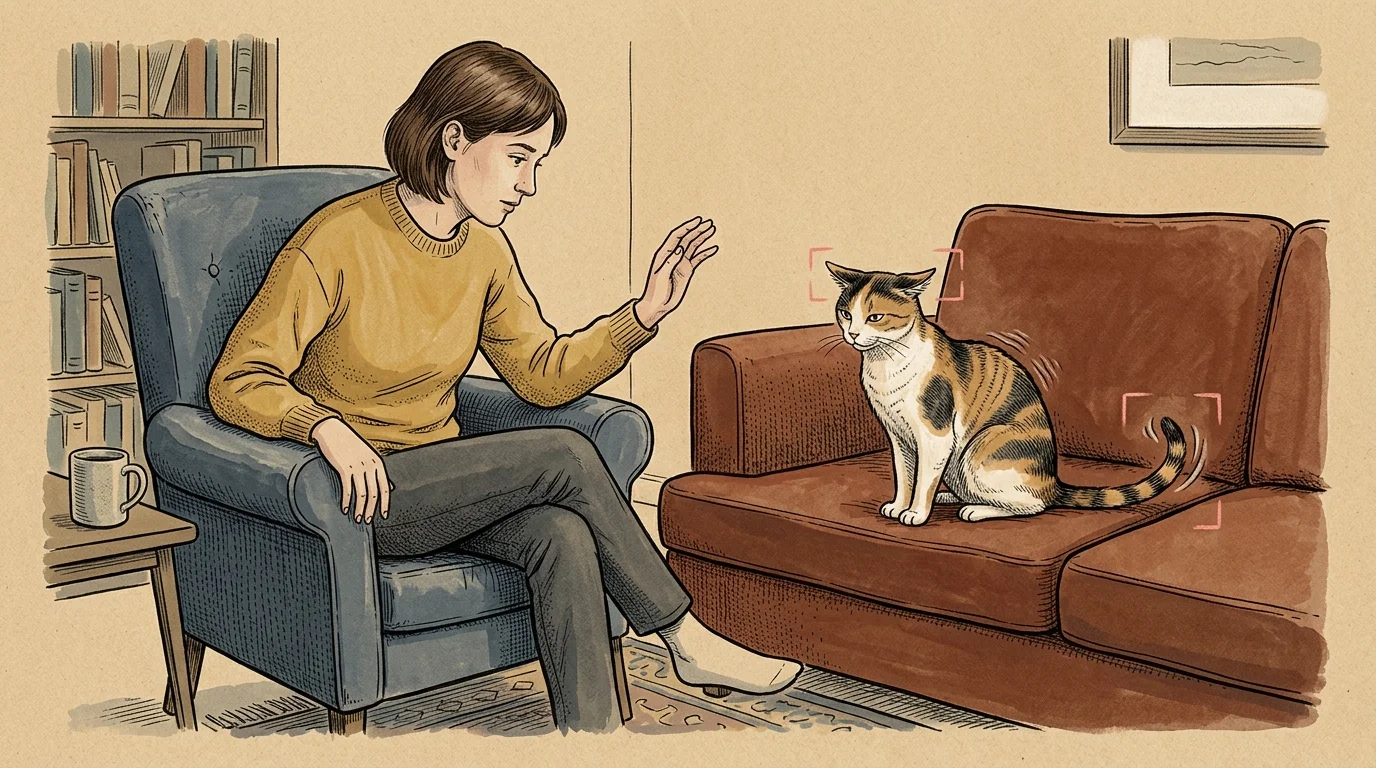
Petting-induced overstimulation occurs when repetitive physical strokes trigger sensory overload in feline skin receptors. Watch for skin twitching, tail lashing, or pinned ears, which signal that petting should stop immediately.
Misinterpreting an exposed belly as a green light for vigorous scratching often ends with scratched hands. Always honor the exposed stomach as a sign of trust rather than an interactive toy.
Purring can occasionally mask physical discomfort, respiratory issues, or extreme fear. If your cat purrs continuously while hiding, refusing meals, or adopting a hunched posture, seek prompt veterinary attention.
Sudden changes in your cat’s normal affection patterns should never be ignored. If an affectionate companion suddenly becomes reclusive, aggressive, or uncharacteristically vocal, schedule a comprehensive health checkup.