Evolutionary Biology: Solitary Predators vs. Pack Socialites
Canine behavior stems from pack dynamics where vocal compliance ensures survival. Dogs evolved alongside human hunting teams, learning to follow immediate commands.
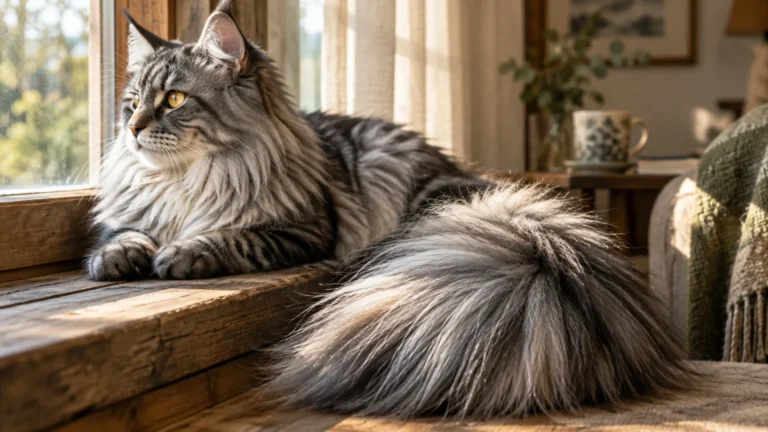
In contrast, domestic cats descend from the African wildcat (Felis lybica), a strictly solitary hunter. Solitary hunters conserve energy and avoid unnecessary movement that might alert prey or predators.
Felines never developed social pressures to perform on command. Their natural survival strategy relies on quiet observation, self-reliance, and selective engagement.
When your cat stays put after you call, they are acting on ancient survival instincts. Cat independence behavior does not mean rejection; it reflects their evolutionary design.