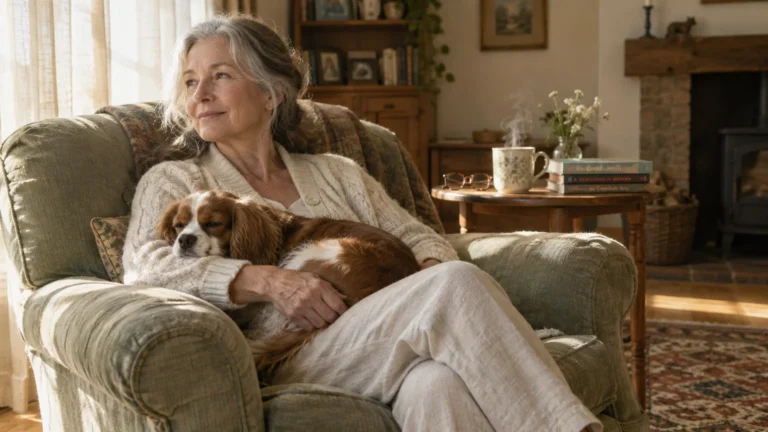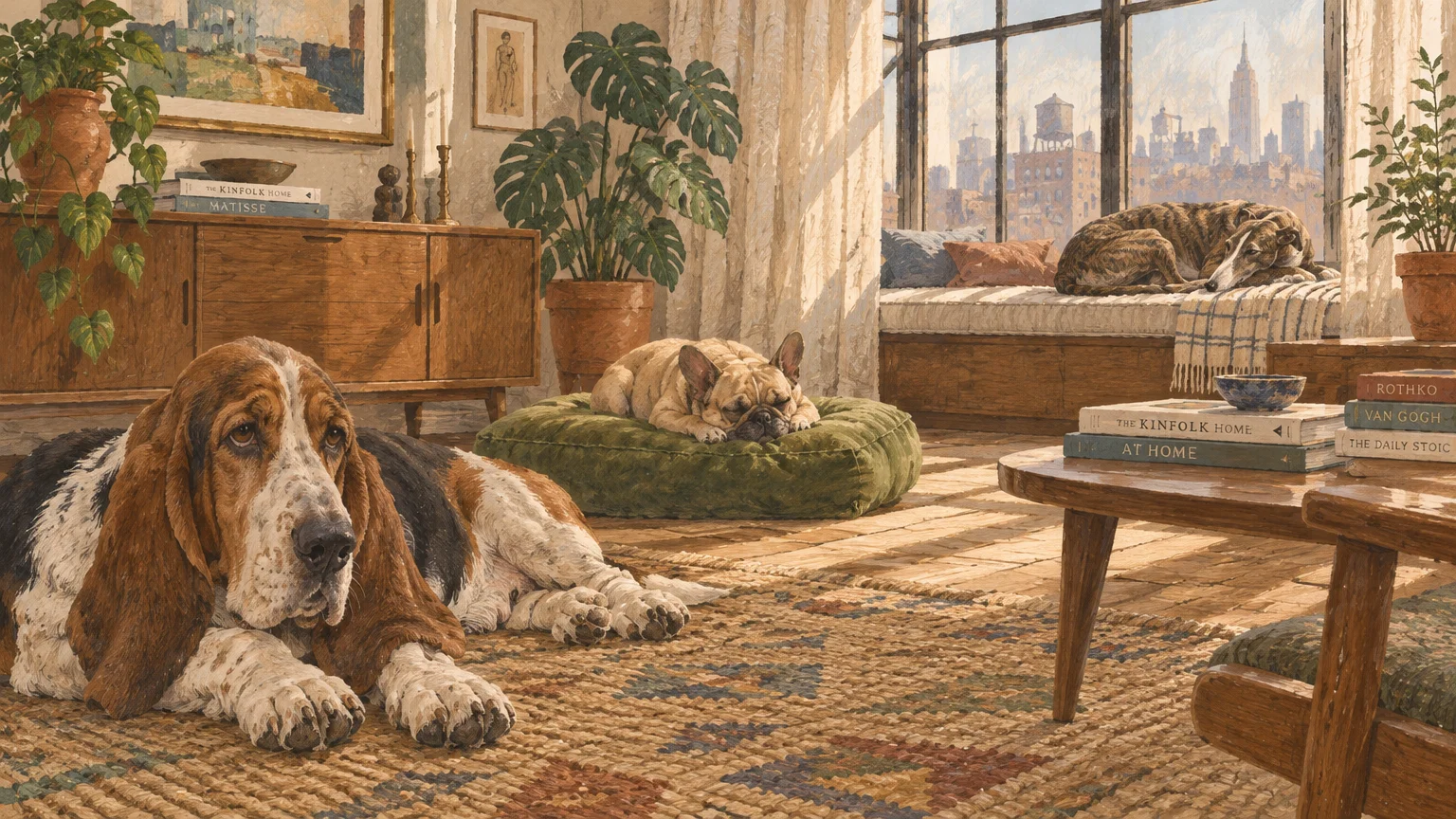
You can enjoy the rich companionship of a dog without committing to five-mile morning runs or endless games of fetch. Several low energy dogs thrive on relaxed daily strolls and long, peaceful naps on the sofa.
These calm breeds make ideal matches for apartment dwellers, busy professionals, and seniors seeking a gentle presence. Their modest stamina means predictable routines that seamlessly fit quieter lifestyles.
Finding the right match requires balancing manageable activity levels with specific health and grooming requirements. The following low exercise dog breeds deliver affection without demanding athletic endurance.
The Essentials: Understanding Low-Energy Canine Profiles
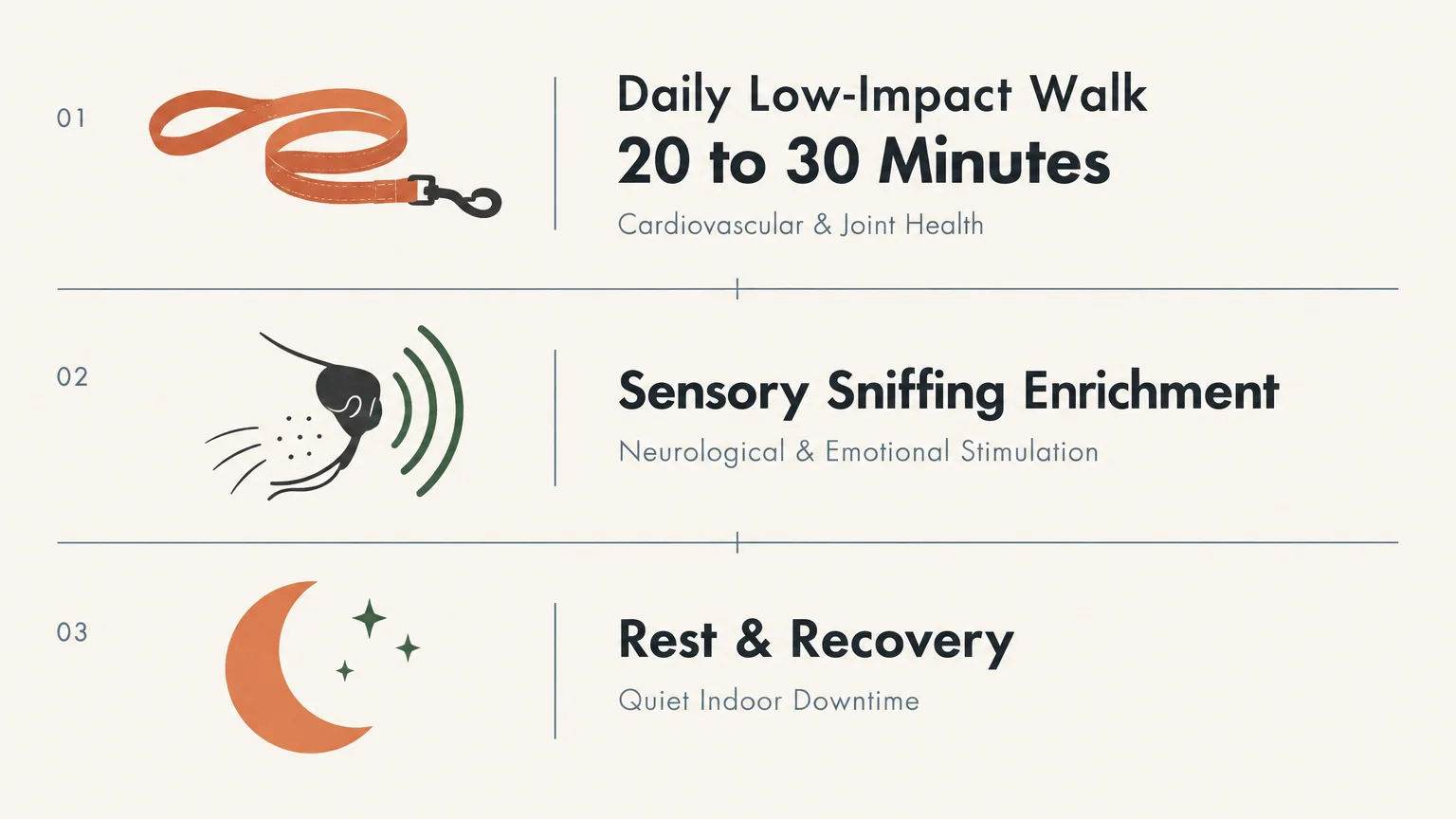
Low exercise does not equate to zero physical activity. Every canine companion requires baseline movement to support cardiovascular health, digestive regularity, and joint mobility.
According to veterinary guidance from the PDSA, even low-energy breeds require at least 20 to 30 minutes of low-impact walking each day.
Physical walks also serve a critical neurological purpose beyond burning calories. Sniffing outdoor environments provides sensory enrichment that keeps your dog mentally satisfied and emotionally calm.
When selecting a low-energy companion, distinguish between physical exercise limits and grooming or training demands. Some sedentary breeds require extensive coat care, while others demand consistent behavioral reinforcement.
01 French Bulldog
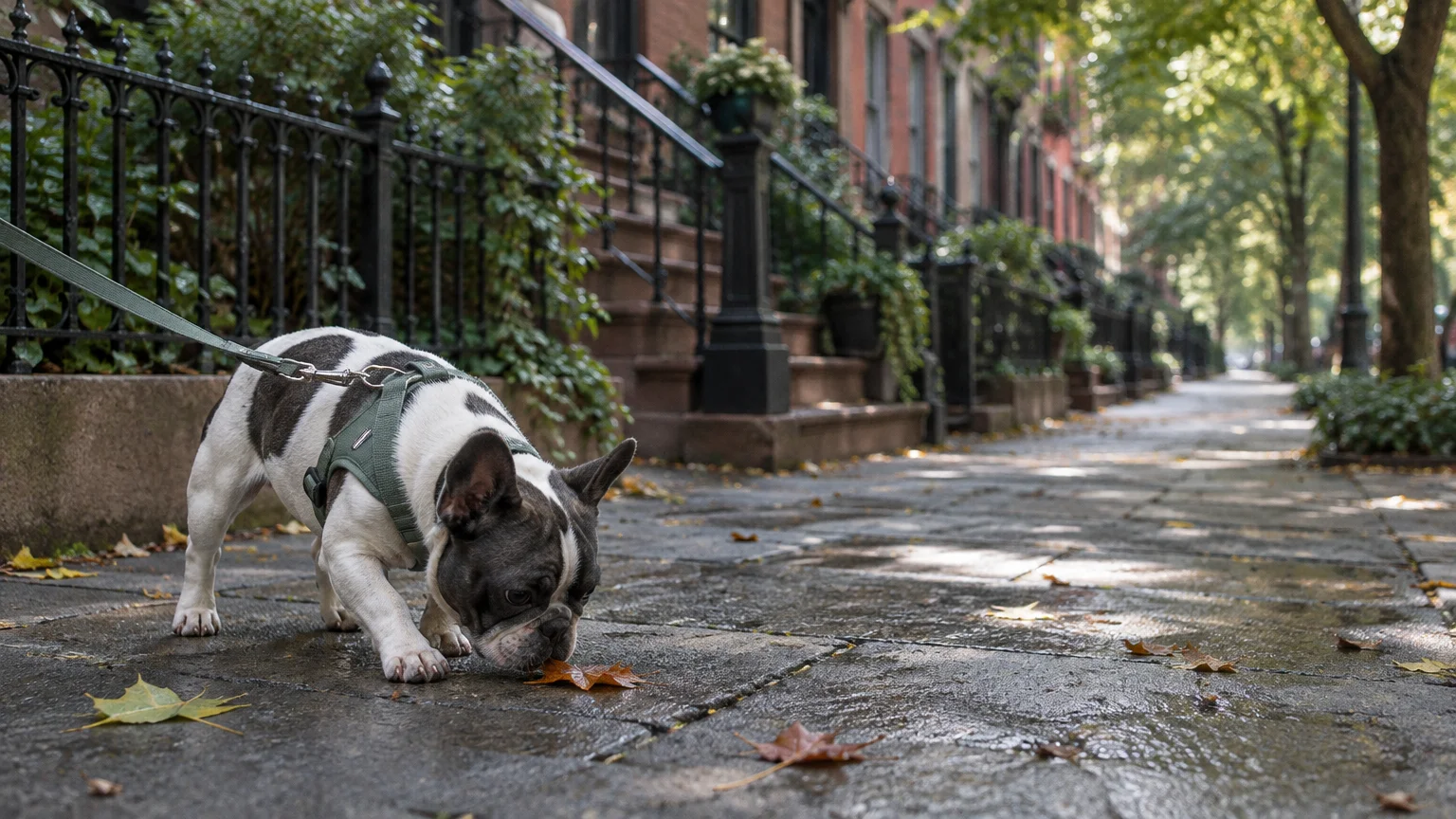
The French Bulldog holds the top spot as the most popular dog breed in the United States, according to the American Kennel Club.
Their compact, muscular frames carry minimal aerobic stamina, making them premier companions for apartment living. A pair of relaxed 15-minute neighborhood strolls easily satisfies their physical requirements.
Their shortened airways make temperature regulation challenging in hot or humid weather. Schedule outdoor walks during cooler morning hours, and keep your home well air-conditioned throughout the summer.
When traveling, keep commercial airline restrictions in mind. Major carriers prohibit French Bulldogs from flying in cargo holds due to respiratory risks associated with brachycephalic syndrome.
02 Basset Hound
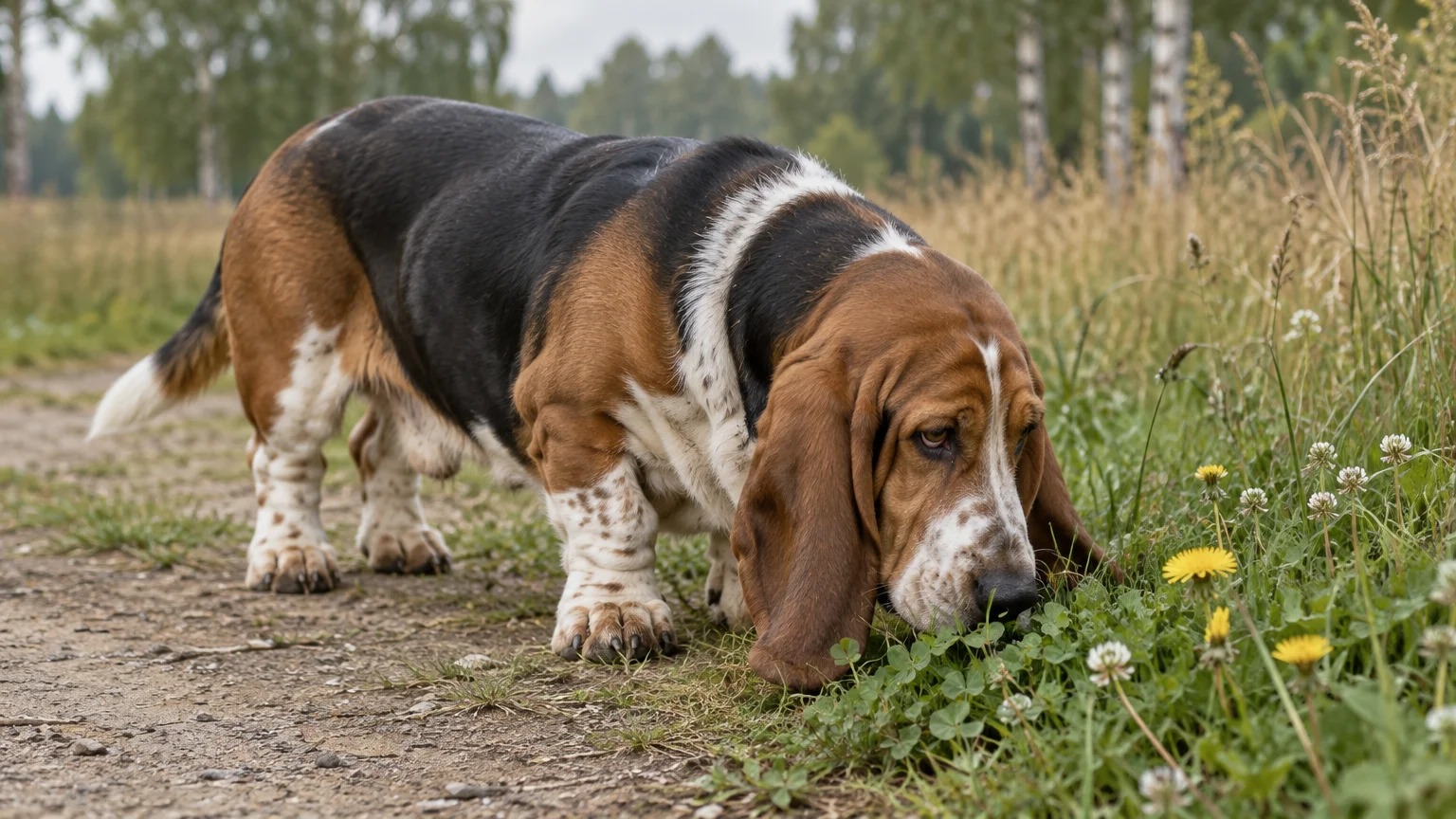
Bred originally to trail game across rugged terrain, modern Basset Hounds prefer lounging on living room rugs over athletic pursuits. Their heavy-boned frames and low ground clearance naturally limit their running speed.
Plan for 30 minutes of daily walking at a leisurely pace. Allow your hound ample time to investigate scents along the path, which provides vital mental stimulation without straining their joints.
Their elongated spines make them vulnerable to intervertebral disc issues. Provide pet ramps to help them navigate furniture, and avoid allowing them to leap off high beds.
Bassets possess hearty appetites paired with low caloric burn rates. Carefully measure daily food portions to prevent excessive weight gain that strains their long backs.
03 Greyhound
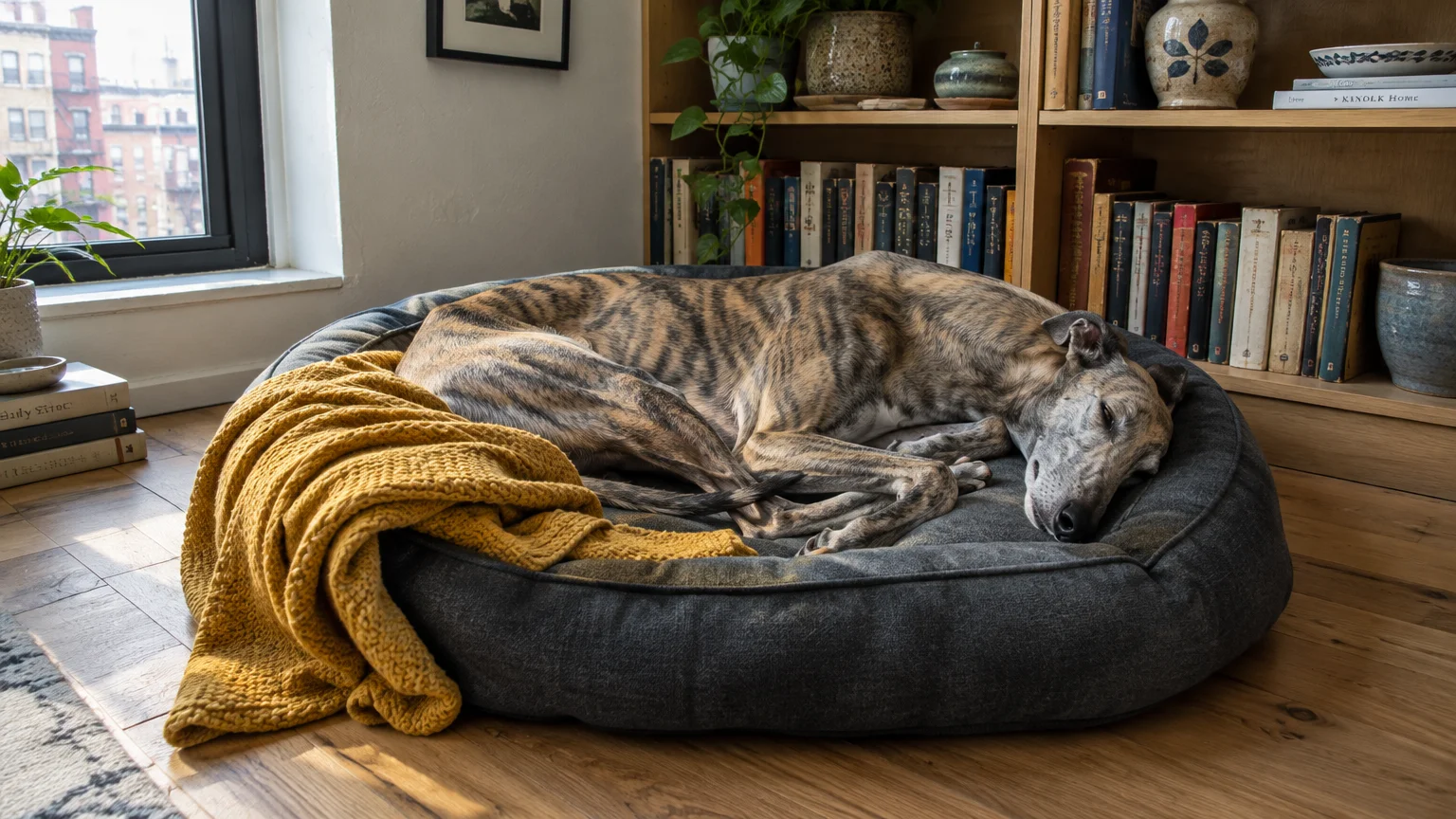
Known as the “45-mph couch potato,” the Greyhound presents one of the dog world’s most surprising paradoxes. While they reach blistering sprint speeds, they lack the endurance for prolonged athletic outings.
Two 15- to 20-minute daily walks easily meet their baseline exercise needs. Once indoors, they spend the majority of their day sleeping peacefully on soft rugs.
Their quiet nature and infrequent barking make them surprisingly well-suited for urban apartments. Ensure they have thick bedding, as their lean bodies lack natural cushioning against hard floors.
Following widespread commercial track closures in the United States, adoption groups frequently rehome retired racers from domestic and international networks. These gentle dogs adapt quickly to domestic pet life.
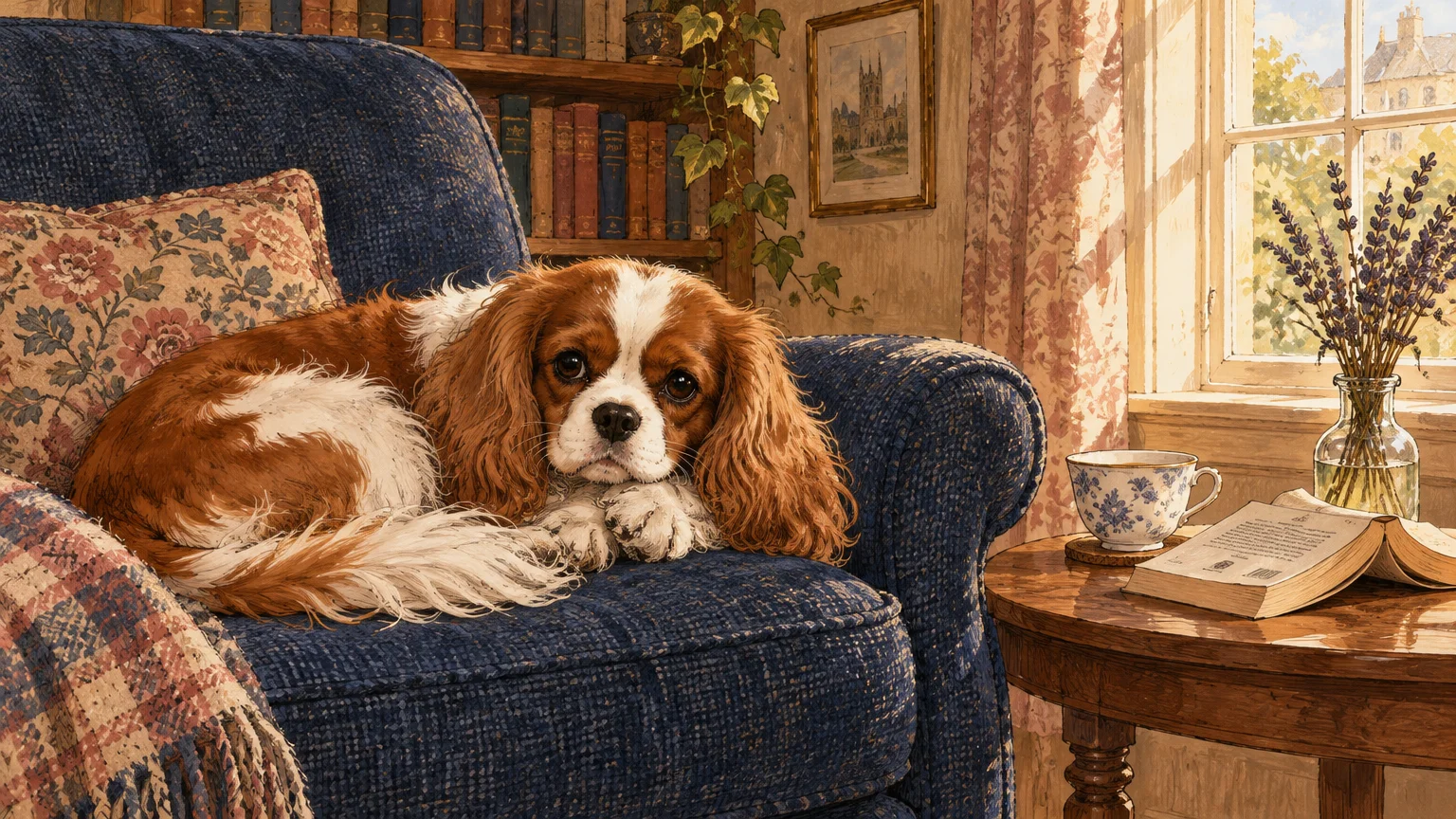
04 Cavalier King Charles Spaniel
British royalty originally bred the Cavalier King Charles Spaniel to warm laps and provide gentle companionship. Their calm demeanor and affectionate nature make them exceptional dogs for seniors.
They require approximately 20 to 30 minutes of daily walking broken into pleasant outings. They happily adjust their routine to match your schedule, content to curl up beside you while you read.
Their silky coats require brushing several times a week to prevent tangles behind their ears. Regular ear checks also prevent moisture buildup in their pendulous, feathered ears.
Because they form intense bonds with human companions, they thrive best in households where someone remains home throughout the day. They rarely exhibit destructive habits when given basic affection.
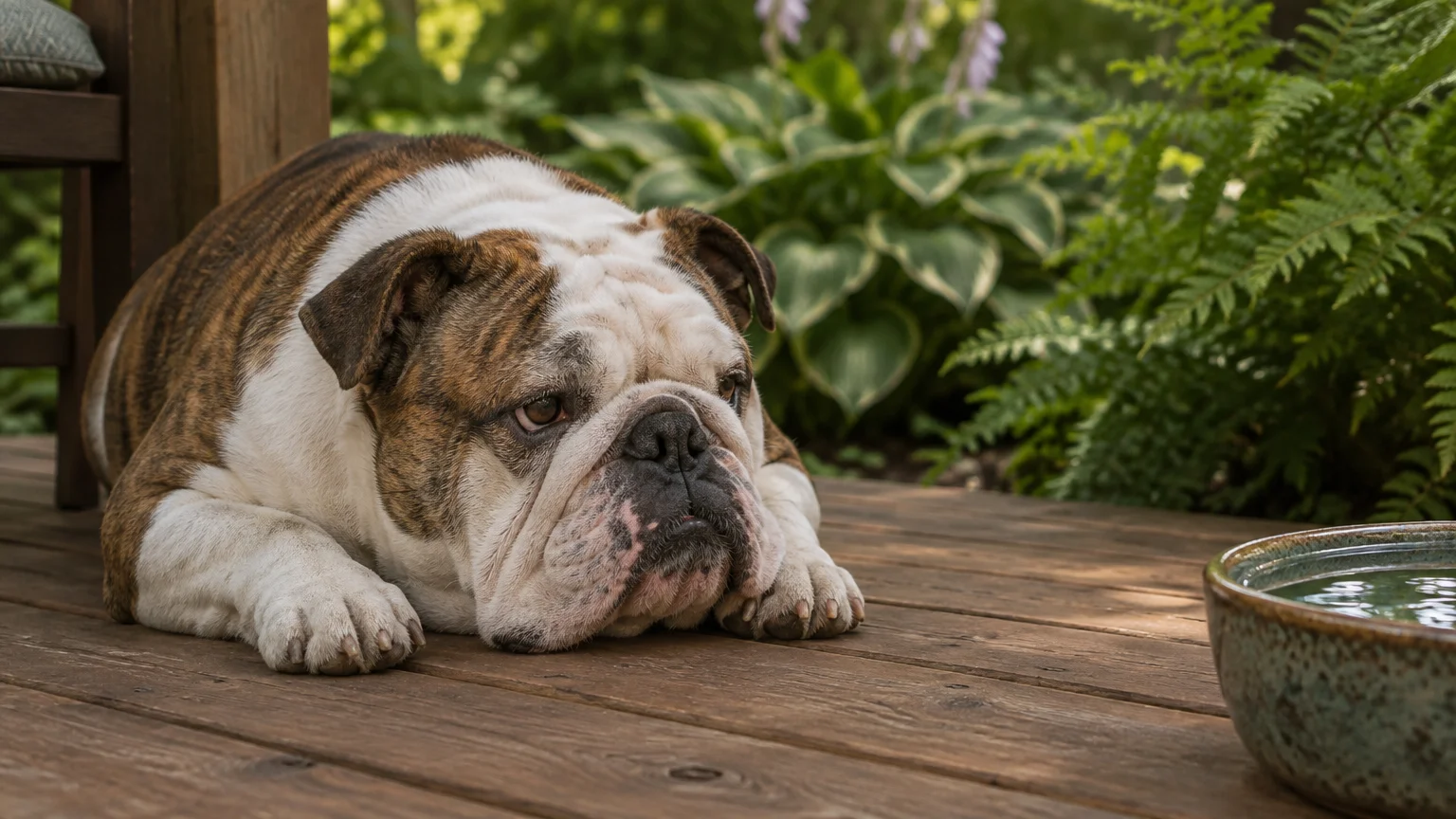
05 English Bulldog
With their broad shoulders and distinct rolling gait, English Bulldogs rank among the most recognizable low-energy dogs. They exhaust their stamina rapidly and prefer resting in cool indoor spaces.
Limit their physical activity to 15 to 20 minutes of slow walking daily. Overexertion quickly causes heavy panting, especially when ambient temperatures rise above 75 degrees Fahrenheit.
Clean their deep facial skin folds daily using a soft, damp cloth to prevent bacterial infections. Keep their ears dry and clean during your regular grooming routine.
Their dense body mass makes swimming impossible without a life vest. Supervise them closely around backyard pools, lakes, or deep garden water features.
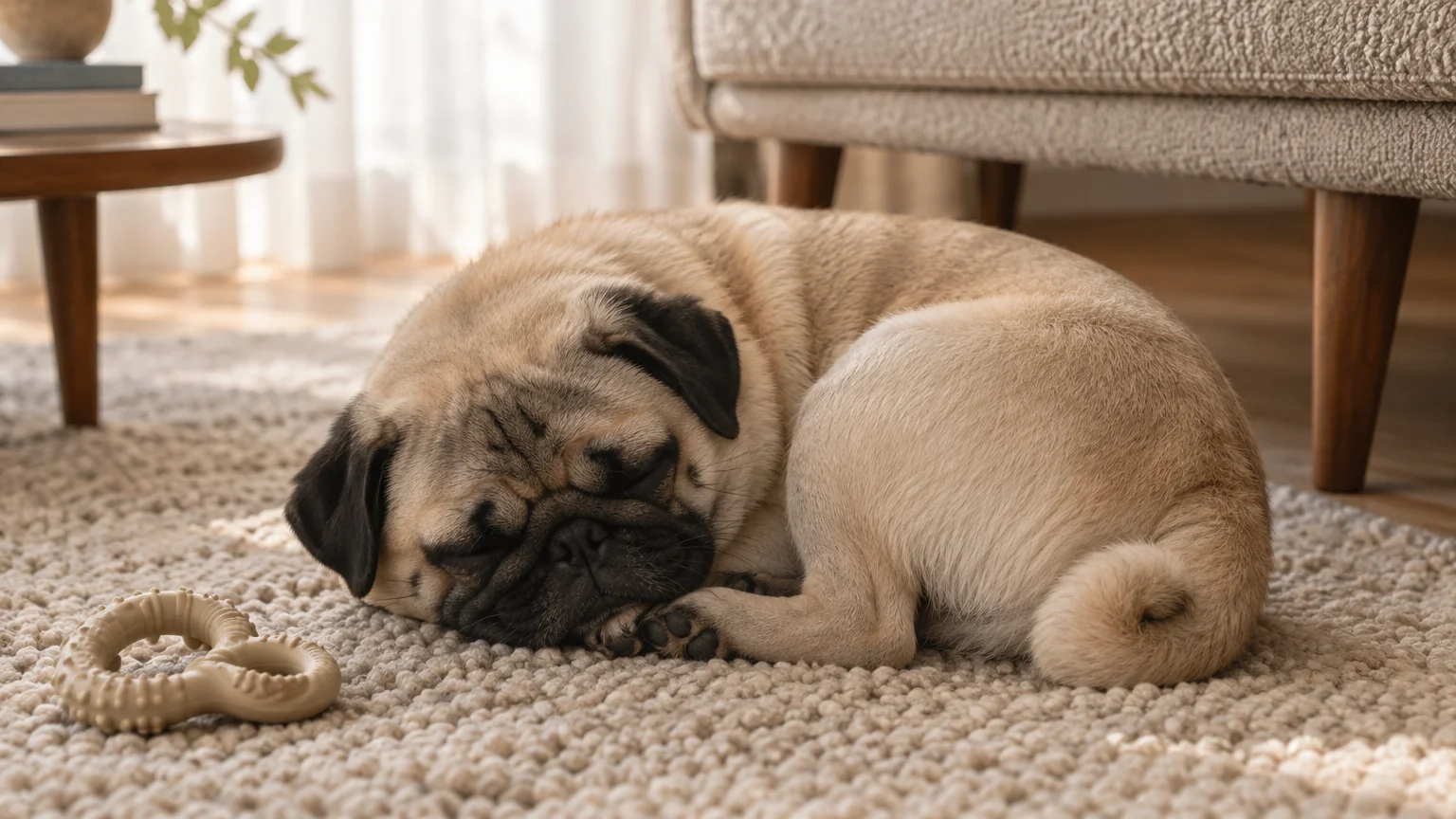
06 Pug
Pugs combine charming, comical personalities with modest exercise demands. While they enjoy occasional bursts of playful indoor antics, they quickly settle down for long naps beside their owners.
Aim for 20 minutes of daily walking split between morning and evening strolls. Monitor their breathing closely, and swap traditional neck collars for supportive chest harnesses to protect their delicate windpipes.
Their expressive eyes and compact muzzles make them quintessential indoor companions. They thrive in apartments because they rarely bark without a distinct reason.
Pugs are notorious food enthusiasts who beg persuasively for table scraps. Establish strict feeding boundaries early to keep their weight within a healthy veterinary range.
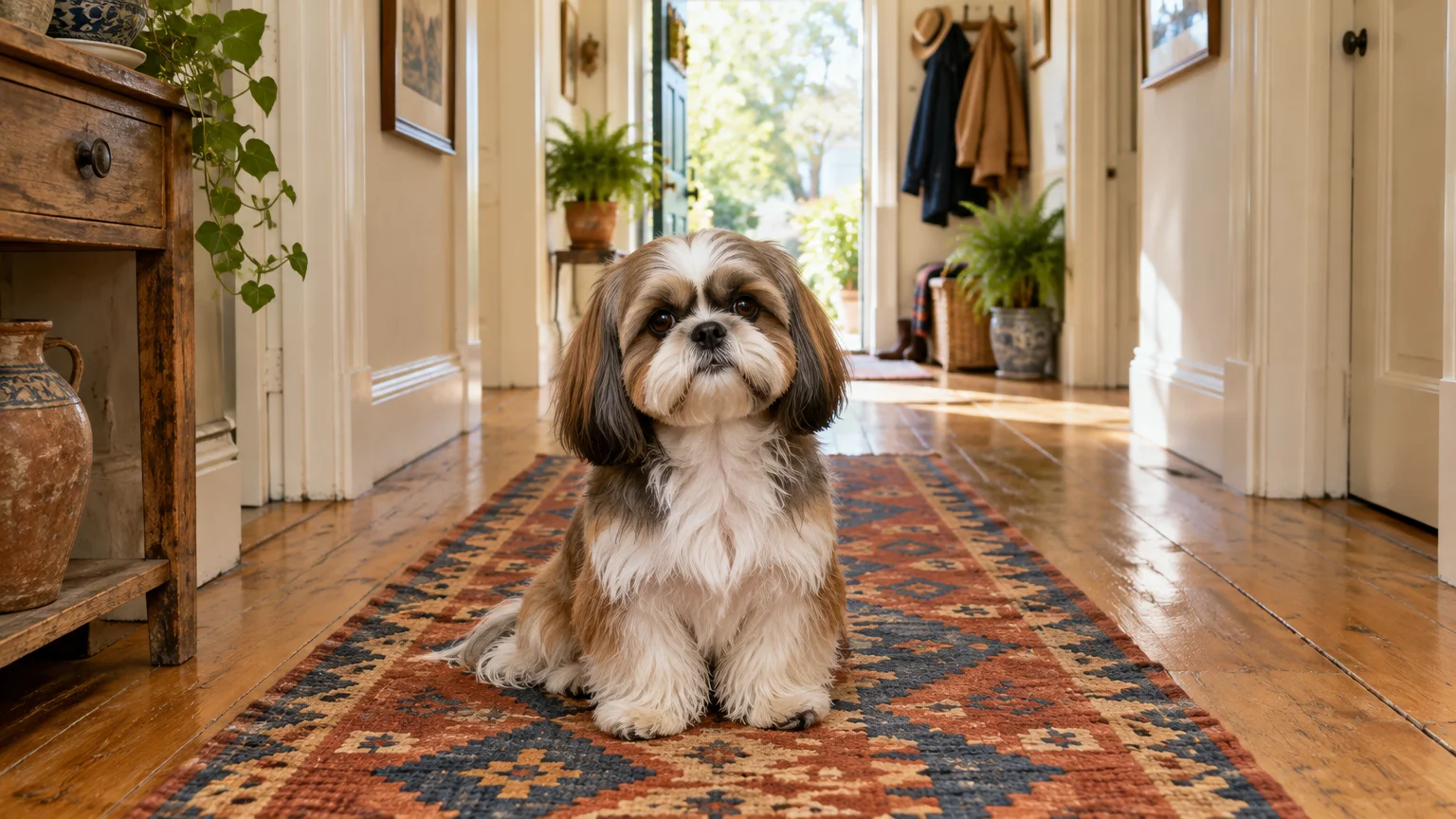
07 Shih Tzu
Chinese royal courtiers prized Shih Tzus for centuries as devoted palace lap warmers. These sturdy toy dogs require surprisingly little physical exertion to maintain optimal wellness.
A leisurely 20-minute daily walk provides sufficient sensory stimulation and outdoor exercise. They burn off additional energy through short indoor play sessions with soft toys.
Their dense double coats require daily brushing if kept long, or regular trims into a low-maintenance puppy cut every six weeks. Professional grooming keeps their coat manageable and clean.
Because of their warm, friendly nature, they socialize easily with strangers and other household pets. They adapt seamlessly to living in compact urban condominiums.
08 Great Dane
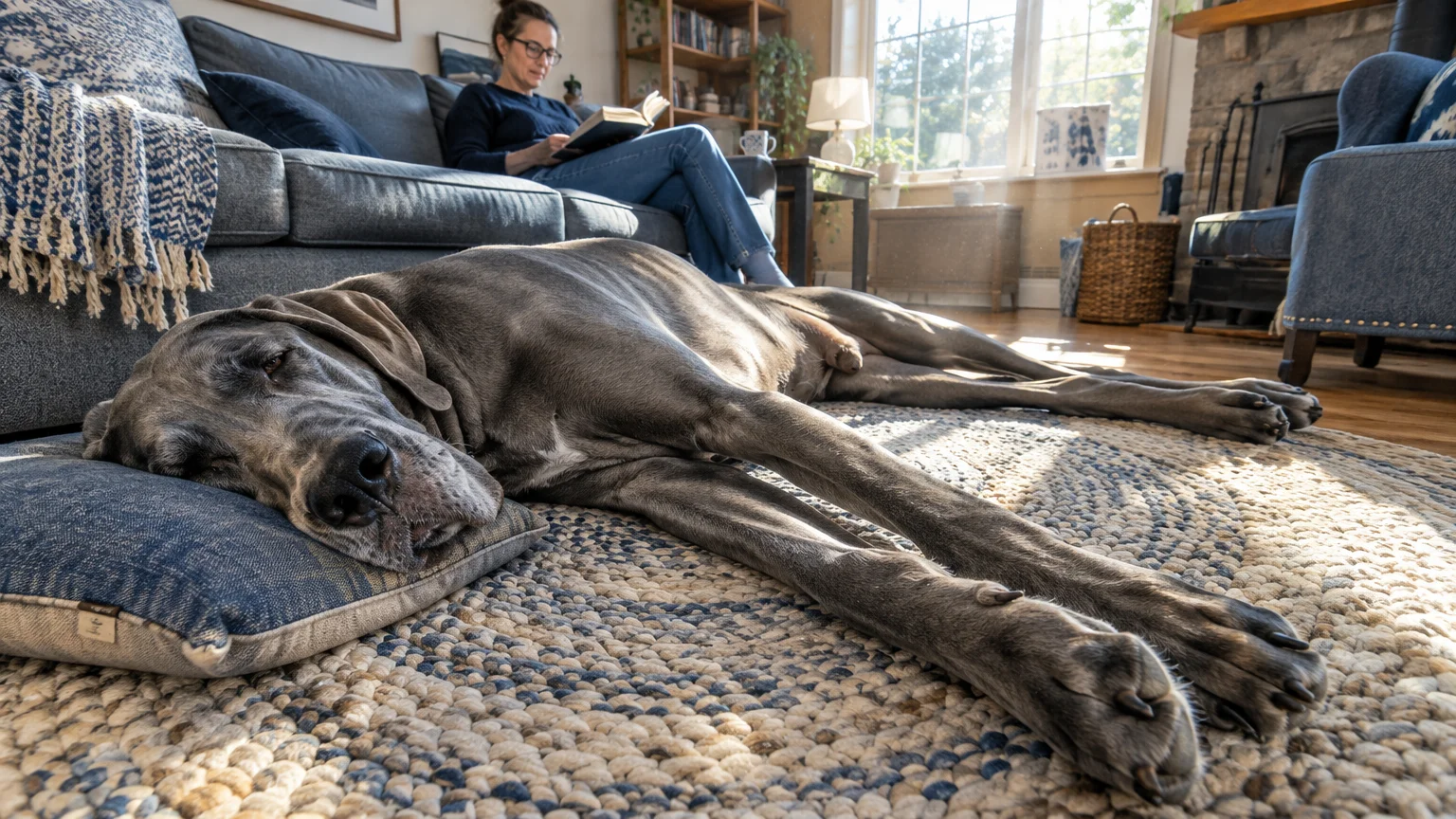
Great Danes present an impressive physical presence, yet veterinarians frequently classify them among the calmest indoor companions. Their placid temperament earns them the reputation of gentle giants.
They require around 30 to 45 minutes of steady walking each day to support muscle tone. Avoid high-impact running or intense jumping, which can damage their developing skeletal system.
Despite their massive weight, they require minimal square footage when resting. They often fold themselves onto large orthopedic beds or sprawl contentedly across living room rugs.
Budget carefully for their nutrition and preventive veterinary care. Large breeds require higher medication doses and substantial food quantities compared to smaller low-energy dogs.
09 Pekingese
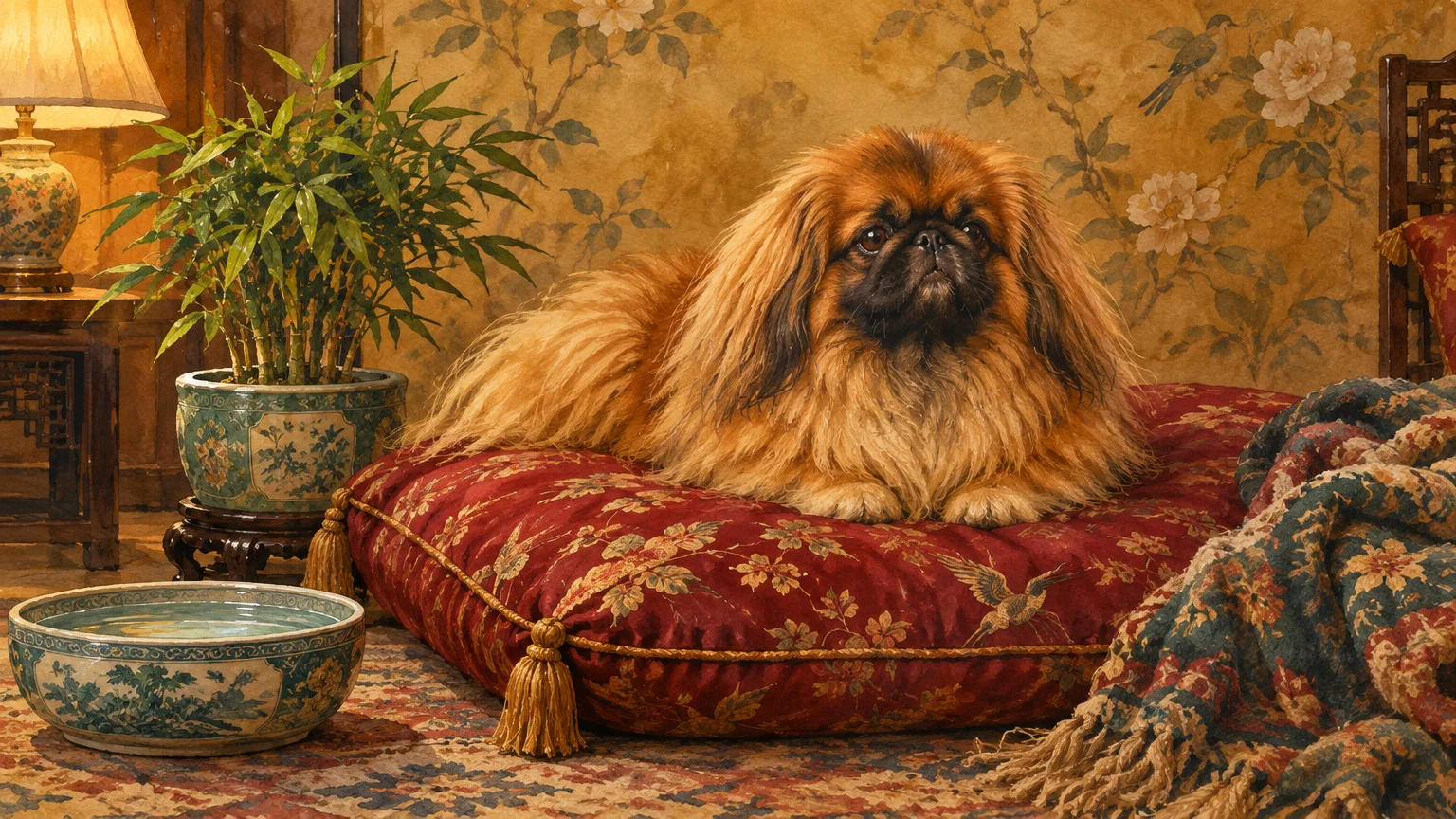
Pekingese carry an air of royal nobility and display little enthusiasm for strenuous athletic pursuits. Their rolling bowlegged gait makes long cross-country treks impractical and tiring.
A couple of brief 10- to 15-minute strolls around your garden or neighborhood satisfy their daily physical requirements. They prefer observing household activity from a quiet, elevated vantage point.
Their heavy lion-like coat requires regular grooming to prevent matting, especially around the neck and hindquarters. Keep them in cool, shaded spaces during hot summer afternoons.
Pekingese develop strong bonds with their primary caregivers while remaining aloof with strangers. Their quiet, independent disposition makes them well suited for quiet adult homes.
10 Chihuahua
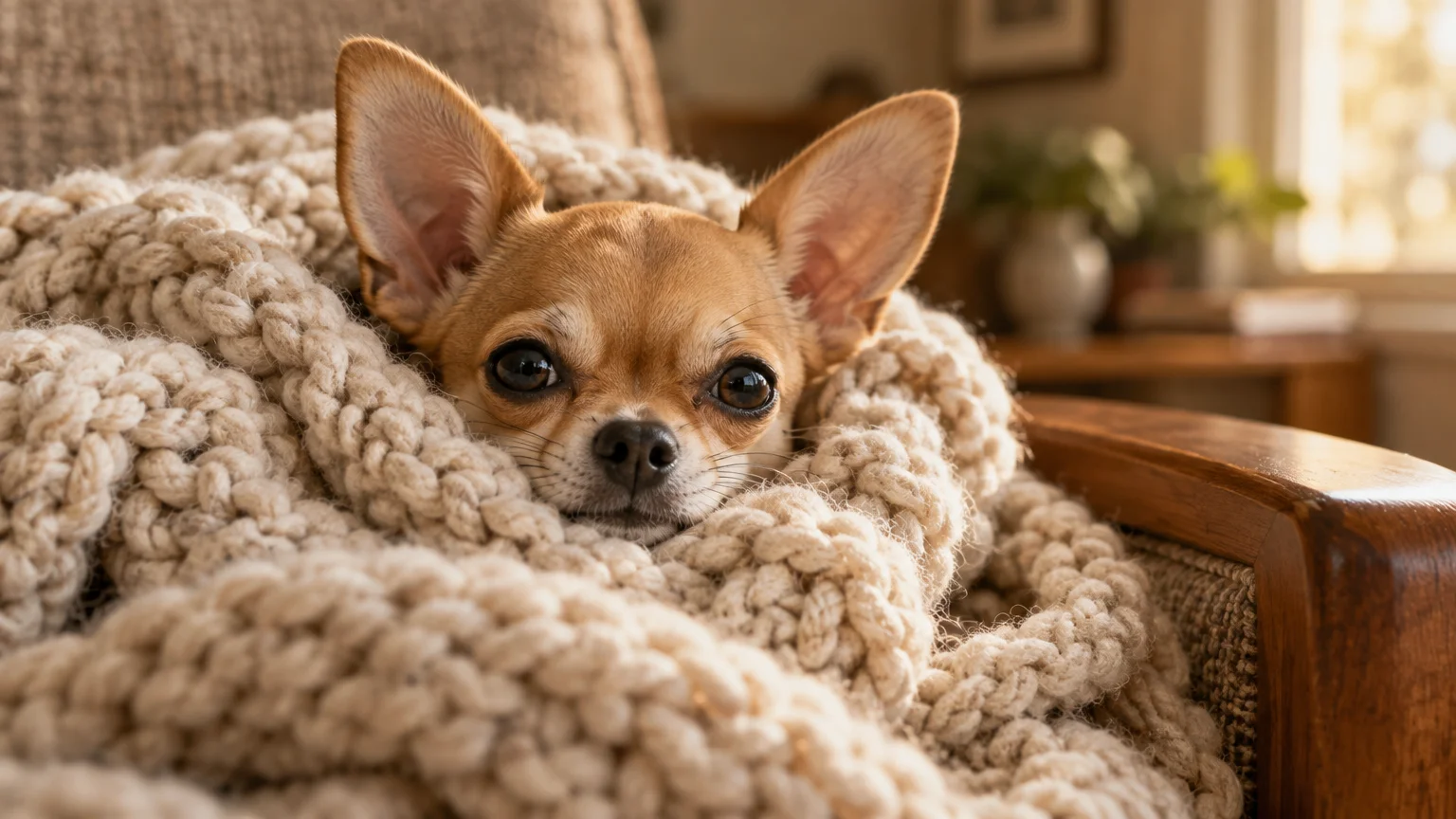
Chihuahuas pack bold, alert personalities into the smallest body frame in the canine kingdom. Because their legs are so short, everyday household exploration covers substantial distance relative to their size.
Two brisk 15-minute walks give them outdoor enrichment, fresh scents, and necessary exercise. They burn additional calories following you from room to room during daily chores.
Their miniature stature leaves them sensitive to cold drafts and freezing winter temperatures. Equip them with a warm canine sweater or fleece coat when heading outdoors in chilly weather.
Early socialization helps curb territorial barking and excessive suspicion of visitors. When properly socialized, they make dedicated, affectionate companions for apartment dwellers.
Comparing Low-Exercise Dog Breeds
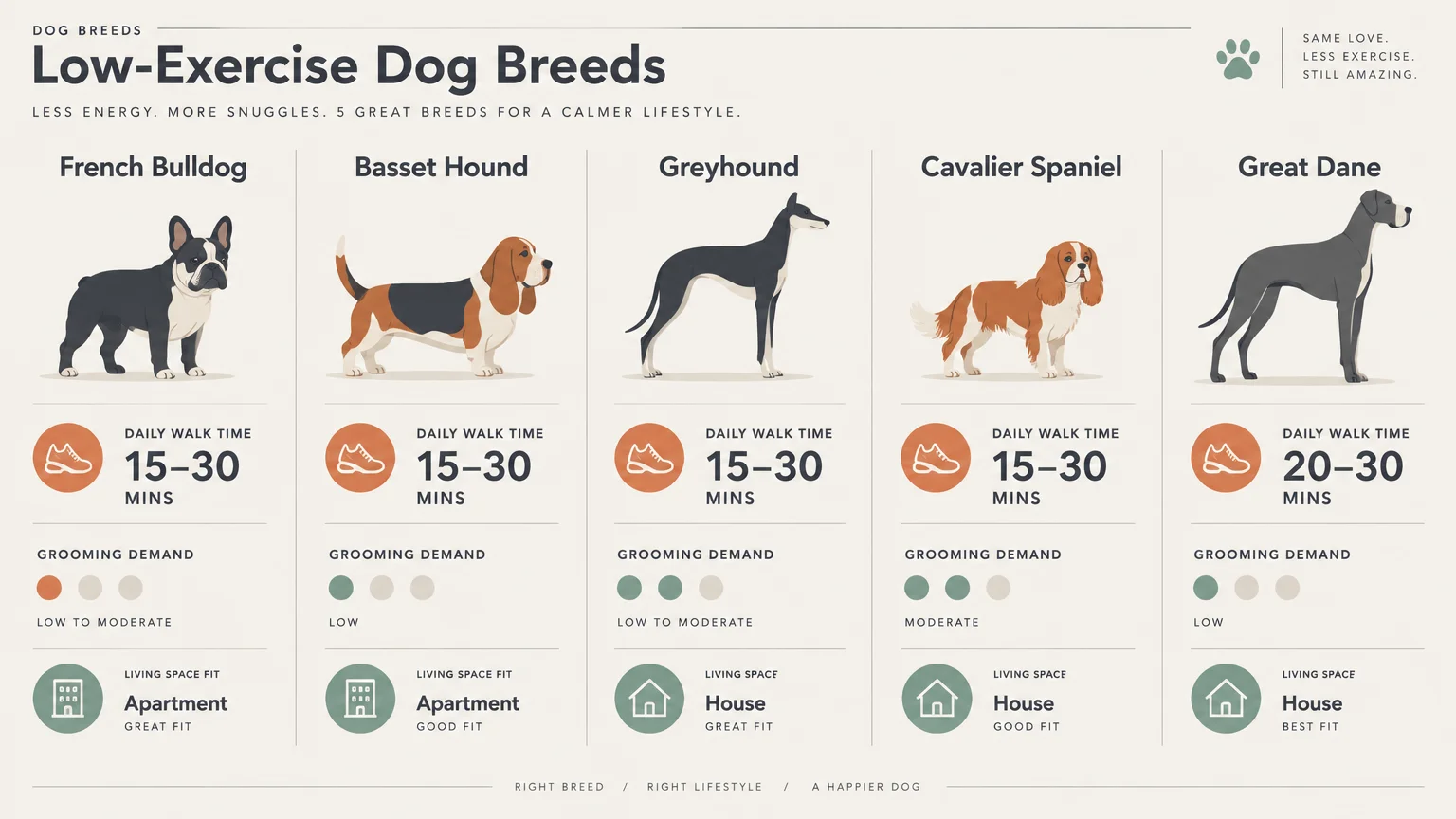
Evaluating size, exercise duration, and unique care requirements helps you select the perfect canine match for your lifestyle. The comparison table below highlights critical details for each breed.
| Breed | Average Weight | Daily Walking Time | Best Living Environment | Primary Care Consideration |
|---|---|---|---|---|
| French Bulldog | 16–28 lbs | 20–30 minutes | Apartments, urban homes | Heat sensitivity and airway monitoring |
| Basset Hound | 40–65 lbs | 30 minutes | Houses with yards or ground floors | Spine protection and weight control |
| Greyhound | 60–75 lbs | 30–40 minutes | Apartments or single-family homes | Soft bedding for lean joints |
| Cavalier King Charles Spaniel | 13–18 lbs | 20–30 minutes | Apartments, suburban homes, retirement communities | Regular brushing and companionship |
| English Bulldog | 40–50 lbs | 20 minutes | Climate-controlled apartments or homes | Skin fold hygiene and heat avoidance |
| Pug | 14–18 lbs | 20–30 minutes | Apartments, city living | Caloric restriction and harness use |
| Shih Tzu | 9–16 lbs | 20 minutes | Condos, quiet homes | Daily coat maintenance or clipping |
| Great Dane | 110–175 lbs | 30–45 minutes | Spacious homes or large apartments | Orthopedic joint support and growth care |
| Pekingese | 7–14 lbs | 15–20 minutes | Apartments, adult-only households | Grooming upkeep and climate control |
| Chihuahua | 3–6 lbs | 20–30 minutes | Compact apartments, mobile living | Cold-weather clothing and gentle handling |
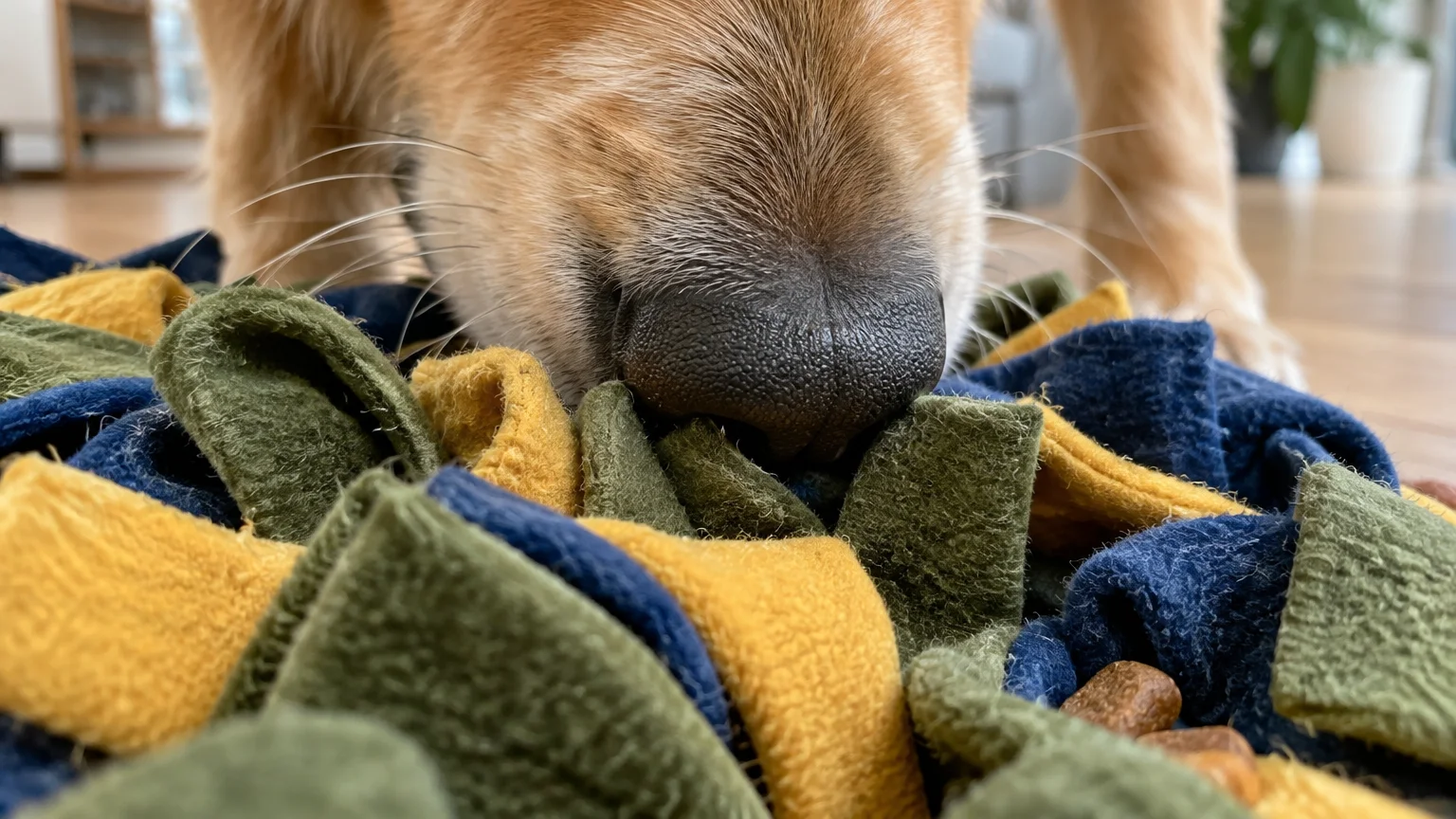
Enriching Your Dog Without Overexertion
Physical exercise is only one component of canine wellness. Mental enrichment prevents behavioral issues like boredom barking and destructive chewing without requiring heavy cardio.
You can easily challenge your dog’s intellect indoors through simple activities that respect their physical boundaries.
- Snuffle mats: Hide dry kibble in fabric folds to encourage instinctive foraging behavior.
- Lick mats: Spread wet food or pumpkin across textured silicone mats to release calming endorphins.
- Food puzzle toys: Challenge your pet with sliding tiles or rolling dispensers during mealtime.
- Slow scent walks: Let your dog lead the pace and sniff every marker on your block.
Engaging your dog’s sense of smell triggers deep cognitive processing. Ten minutes of focused sniffing burns equivalent mental energy to a brisk thirty-minute walk.
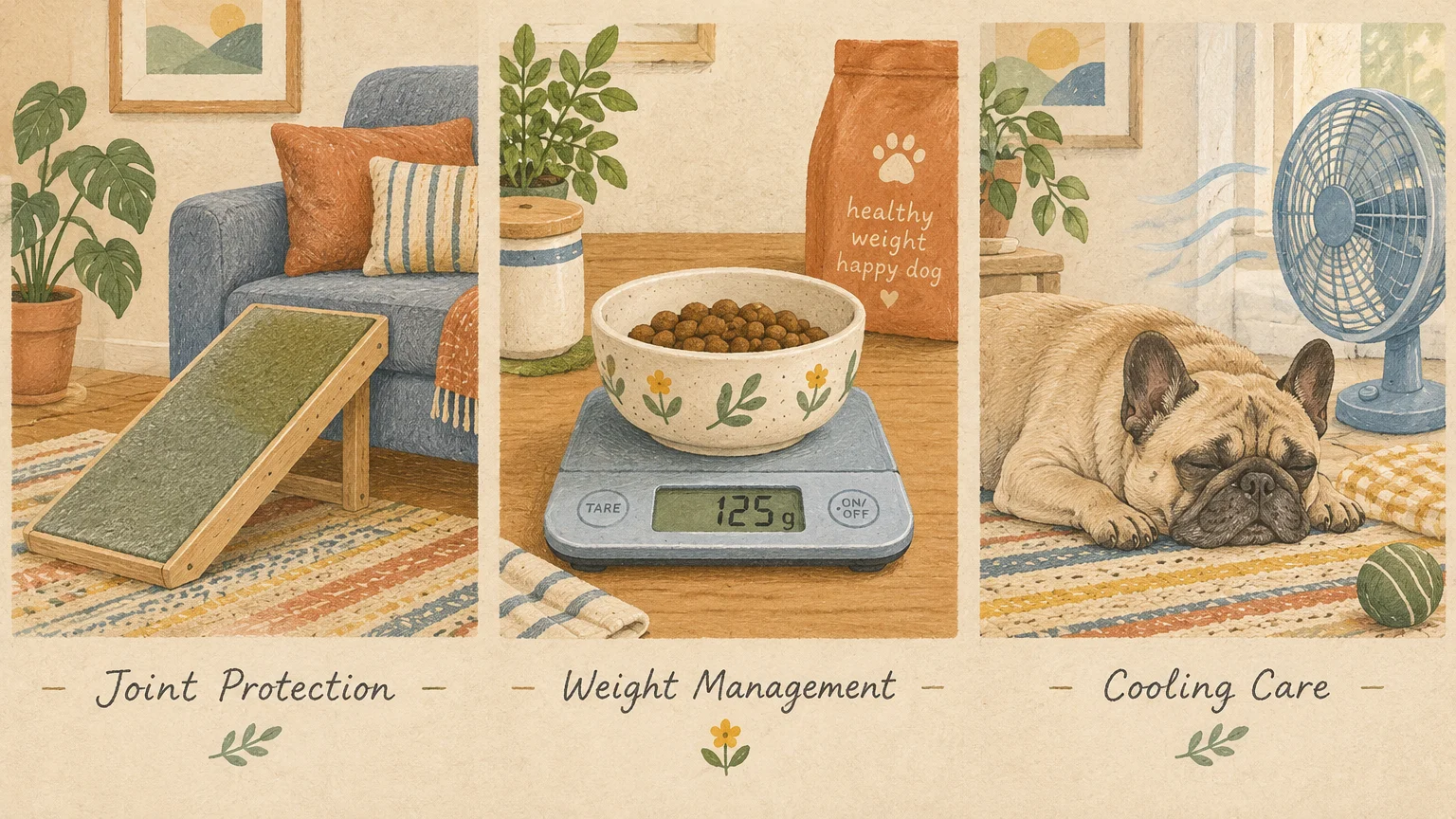
Worth Keeping in Mind
While low-energy breeds fit relaxed lifestyles, specific health and physiological realities require careful attention. Keep these key considerations in mind before bringing a companion home.
The Canine Obesity Risk: Clinical surveys by the Association for Pet Obesity Prevention show that roughly 59% of dogs in the United States are clinically overweight or obese. Low-energy dogs burn fewer calories, making strict portion control essential.
Brachycephalic Airway Syndrome: Flat-faced breeds struggle to cool themselves through panting. Major airlines restrict these breeds from cargo holds due to respiratory risks under stress.
Spinal and Skeletal Vulnerabilities: Breeds with elongated torsos or giant frames face distinct orthopedic challenges. Minimize jumping on hard surfaces and invest in supportive orthopedic bedding to protect their joints.
Mental Stagnation: Low physical energy never excuses social isolation or neglect. Without interactive toys and sniffing strolls, even the quietest dog can develop chronic anxiety.
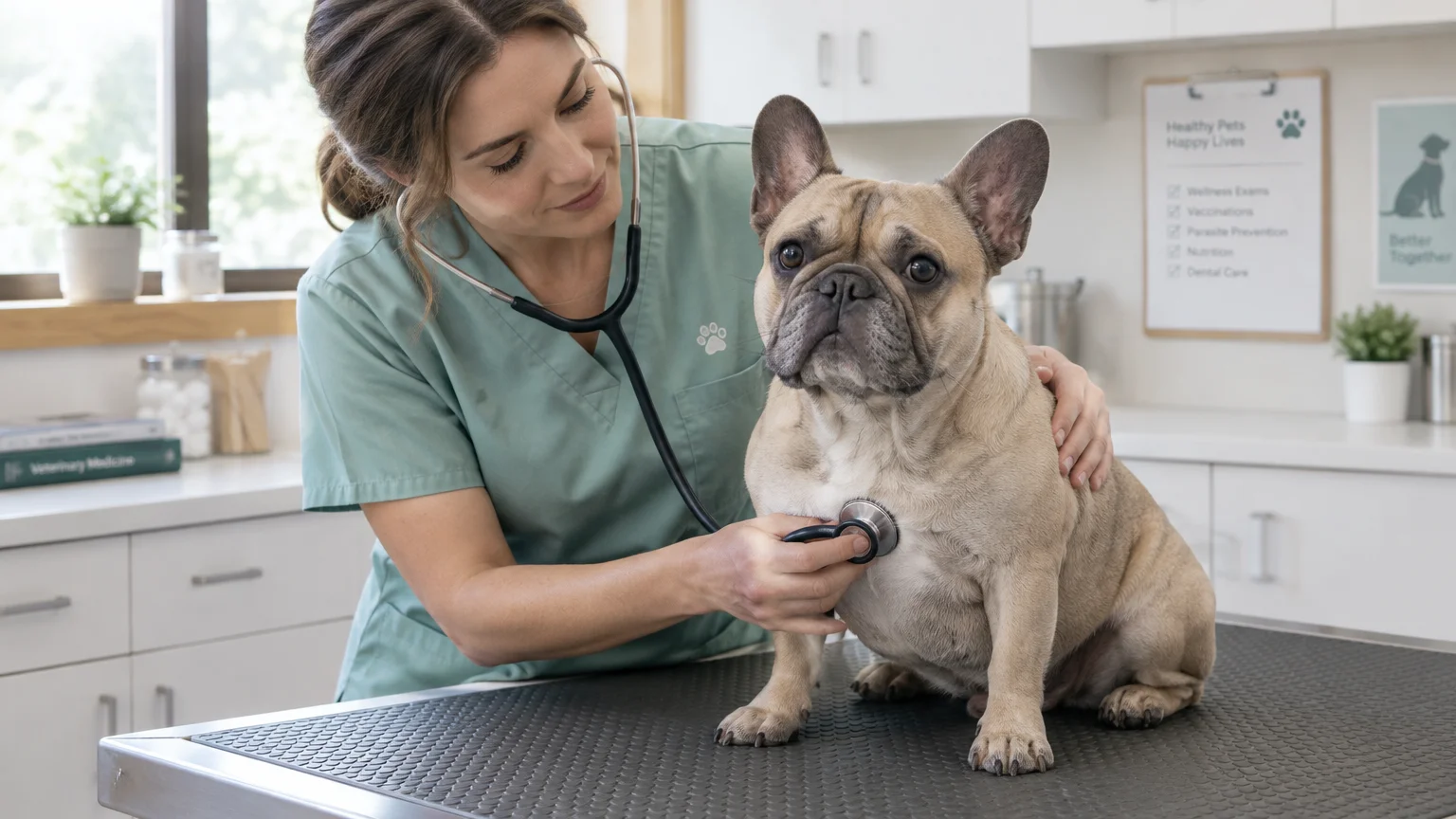
When to Get Professional Help
Knowing the difference between natural canine relaxation and underlying medical lethargy protects your dog’s long-term health. Schedule a veterinary consultation if you observe any of the following scenarios.
Sudden Behavioral Shifts: If an active dog suddenly stops wanting to walk, underlying conditions like hypothyroidism, anemia, or osteoarthritis may be responsible.
Respiratory Distress: Noisy breathing, loud stridor, blue-tinted gums, or excessive panting during low-impact strolls signal urgent airway obstruction or cardiovascular strain.
Difficulty Standing or Climbing: Hesitation before standing up or limping after short walks often indicates degenerative joint disease or spinal disc compression.
Rapid Weight Gain: If your pet gains body fat despite measured meals, consult your veterinarian for specialized metabolic testing and tailored dietary management.
Frequently Asked Questions
Can low-exercise dog breeds live comfortably in apartments?
Yes, low-energy dogs adapt exceptionally well to apartment living because of their modest space and activity requirements. As long as you provide short daily relief walks, they thrive in compact homes.
Do lazy dog breeds still need daily walks?
Yes, every dog requires daily physical activity regardless of energy level. Daily walks maintain cardiovascular conditioning, promote healthy bowel movements, and offer crucial sensory enrichment through scent exploration.
Which low-energy dog breed is best for seniors?
The Cavalier King Charles Spaniel and the Shih Tzu represent two of the best choices for older adults. Both breeds possess gentle temperaments, manageable body weights, and affectionate companion personalities.
How can you prevent weight gain in sedentary dogs?
Accurately measure your dog’s daily kibble using an electronic kitchen scale rather than estimating volume with cups. Replace high-calorie processed treats with fresh, dog-safe vegetables like green beans or carrot slices.
A Balanced Life With Your Low-Energy Companion
Choosing a canine companion with manageable exercise requirements sets the foundation for a harmonious, low-stress life together. When you meet their essential physical and emotional needs, these gentle breeds reward you with unmatched devotion.
This article provides general information only. Every reader’s situation is different—what works for others may not be the right fit for you.
For personalized guidance on health, legal, or financial matters, consult a qualified professional.
Last updated: May 2026. Rules, prices, and details change—verify current information with official sources before acting on it.