10 Chihuahua
Chihuahuas pack bold, alert personalities into the smallest body frame in the canine kingdom. Because their legs are so short, everyday household exploration covers substantial distance relative to their size.
Two brisk 15-minute walks give them outdoor enrichment, fresh scents, and necessary exercise. They burn additional calories following you from room to room during daily chores.
Their miniature stature leaves them sensitive to cold drafts and freezing winter temperatures. Equip them with a warm canine sweater or fleece coat when heading outdoors in chilly weather.
Early socialization helps curb territorial barking and excessive suspicion of visitors. When properly socialized, they make dedicated, affectionate companions for apartment dwellers.
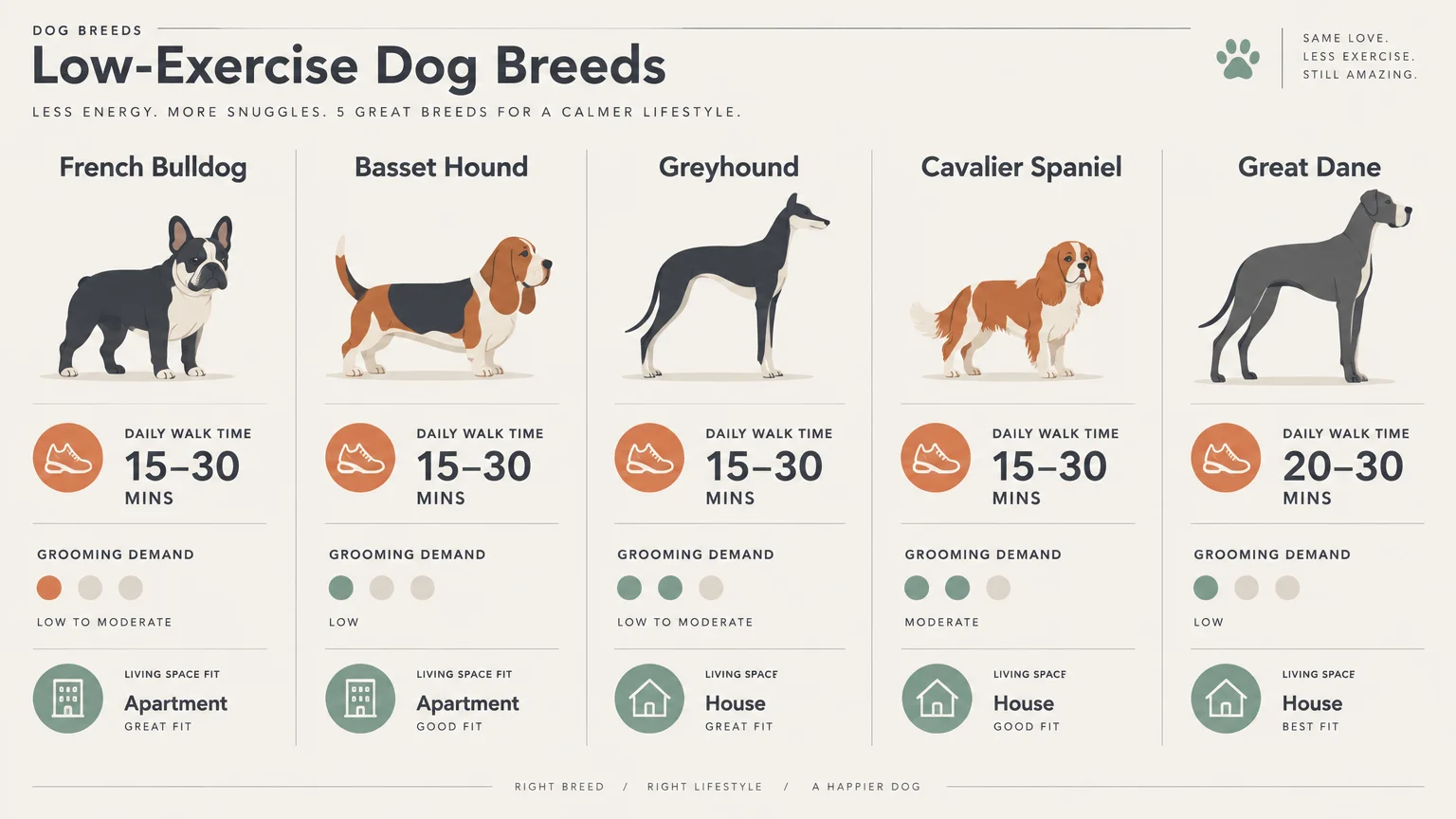
Comparing Low-Exercise Dog Breeds
Evaluating size, exercise duration, and unique care requirements helps you select the perfect canine match for your lifestyle. The comparison table below highlights critical details for each breed.
| Breed | Average Weight | Daily Walking Time | Best Living Environment | Primary Care Consideration |
|---|---|---|---|---|
| French Bulldog | 16–28 lbs | 20–30 minutes | Apartments, urban homes | Heat sensitivity and airway monitoring |
| Basset Hound | 40–65 lbs | 30 minutes | Houses with yards or ground floors | Spine protection and weight control |
| Greyhound | 60–75 lbs | 30–40 minutes | Apartments or single-family homes | Soft bedding for lean joints |
| Cavalier King Charles Spaniel | 13–18 lbs | 20–30 minutes | Apartments, suburban homes, retirement communities | Regular brushing and companionship |
| English Bulldog | 40–50 lbs | 20 minutes | Climate-controlled apartments or homes | Skin fold hygiene and heat avoidance |
| Pug | 14–18 lbs | 20–30 minutes | Apartments, city living | Caloric restriction and harness use |
| Shih Tzu | 9–16 lbs | 20 minutes | Condos, quiet homes | Daily coat maintenance or clipping |
| Great Dane | 110–175 lbs | 30–45 minutes | Spacious homes or large apartments | Orthopedic joint support and growth care |
| Pekingese | 7–14 lbs | 15–20 minutes | Apartments, adult-only households | Grooming upkeep and climate control |
| Chihuahua | 3–6 lbs | 20–30 minutes | Compact apartments, mobile living | Cold-weather clothing and gentle handling |
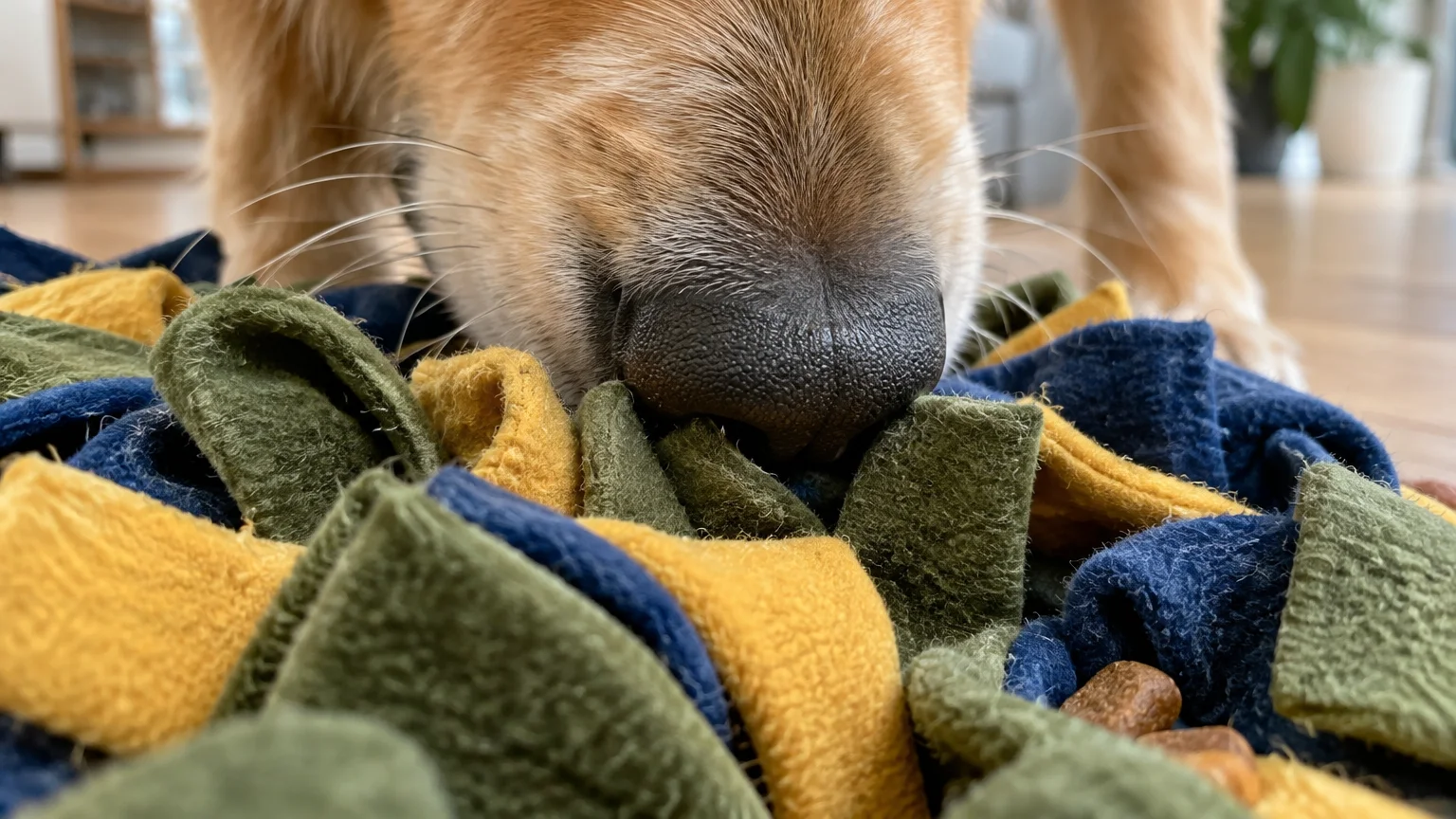
Enriching Your Dog Without Overexertion
Physical exercise is only one component of canine wellness. Mental enrichment prevents behavioral issues like boredom barking and destructive chewing without requiring heavy cardio.
You can easily challenge your dog’s intellect indoors through simple activities that respect their physical boundaries.
- Snuffle mats: Hide dry kibble in fabric folds to encourage instinctive foraging behavior.
- Lick mats: Spread wet food or pumpkin across textured silicone mats to release calming endorphins.
- Food puzzle toys: Challenge your pet with sliding tiles or rolling dispensers during mealtime.
- Slow scent walks: Let your dog lead the pace and sniff every marker on your block.
Engaging your dog’s sense of smell triggers deep cognitive processing. Ten minutes of focused sniffing burns equivalent mental energy to a brisk thirty-minute walk.
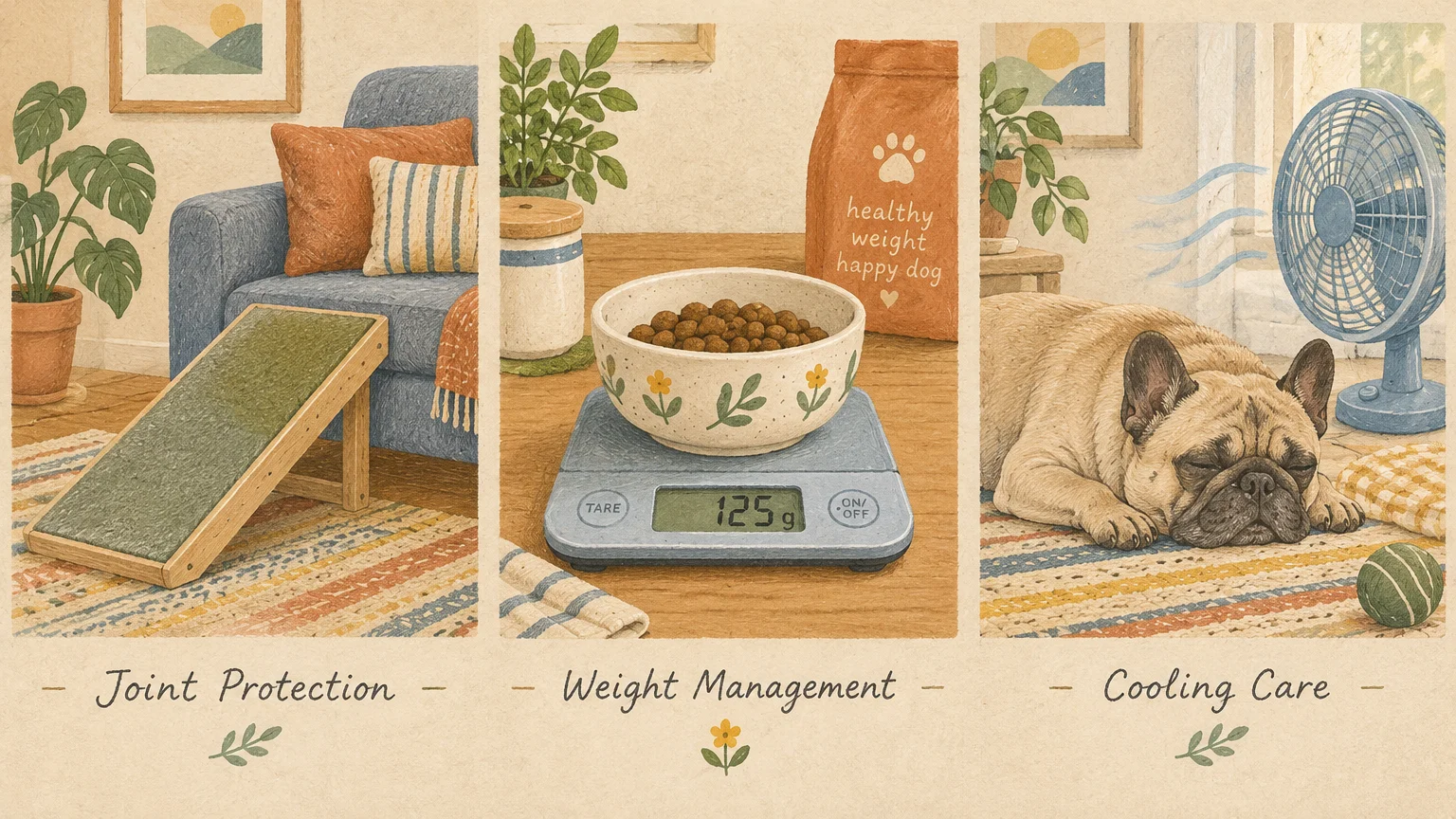
Worth Keeping in Mind
While low-energy breeds fit relaxed lifestyles, specific health and physiological realities require careful attention. Keep these key considerations in mind before bringing a companion home.
The Canine Obesity Risk: Clinical surveys by the Association for Pet Obesity Prevention show that roughly 59% of dogs in the United States are clinically overweight or obese. Low-energy dogs burn fewer calories, making strict portion control essential.
Brachycephalic Airway Syndrome: Flat-faced breeds struggle to cool themselves through panting. Major airlines restrict these breeds from cargo holds due to respiratory risks under stress.
Spinal and Skeletal Vulnerabilities: Breeds with elongated torsos or giant frames face distinct orthopedic challenges. Minimize jumping on hard surfaces and invest in supportive orthopedic bedding to protect their joints.
Mental Stagnation: Low physical energy never excuses social isolation or neglect. Without interactive toys and sniffing strolls, even the quietest dog can develop chronic anxiety.
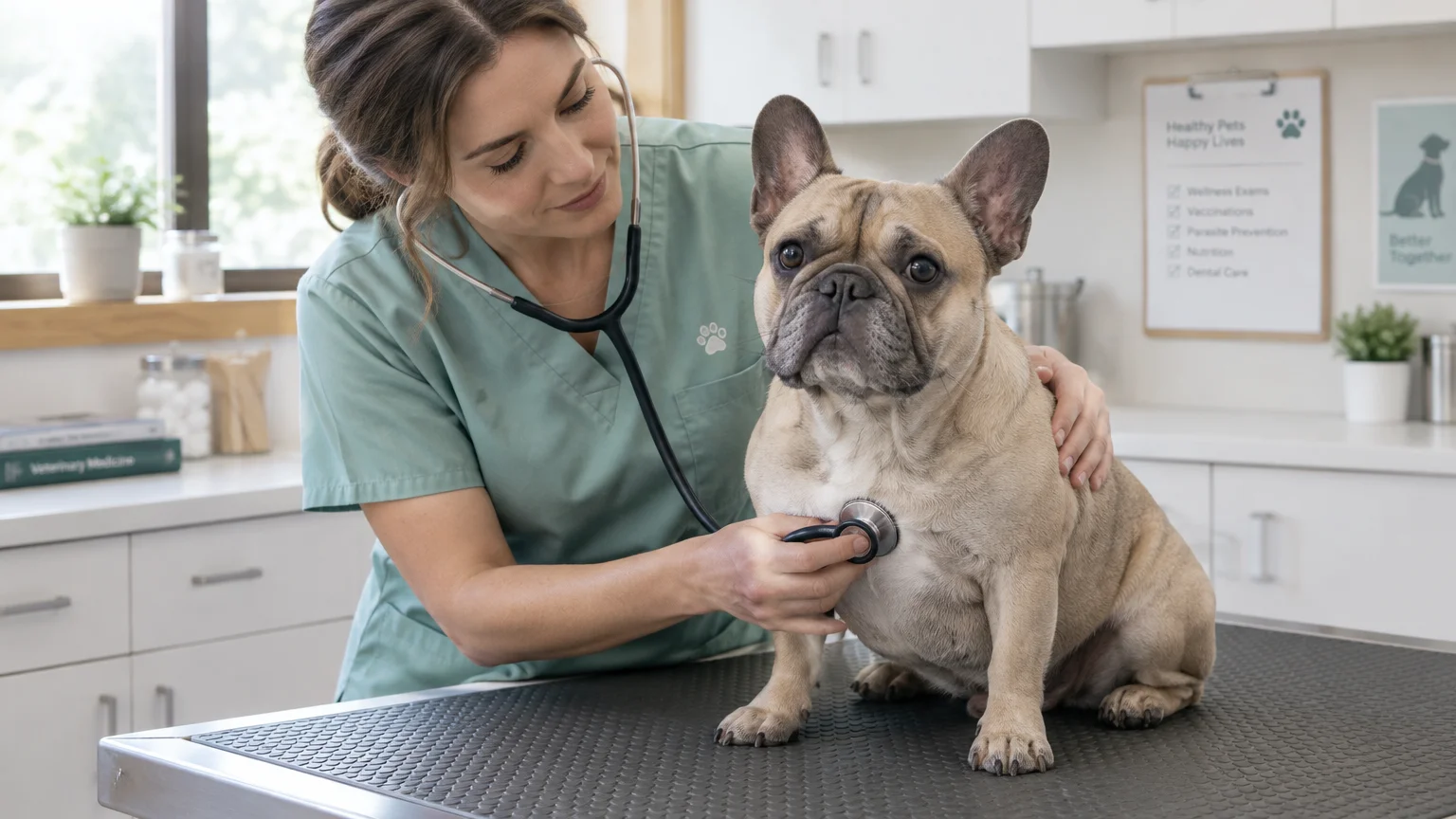
When to Get Professional Help
Knowing the difference between natural canine relaxation and underlying medical lethargy protects your dog’s long-term health. Schedule a veterinary consultation if you observe any of the following scenarios.
Sudden Behavioral Shifts: If an active dog suddenly stops wanting to walk, underlying conditions like hypothyroidism, anemia, or osteoarthritis may be responsible.
Respiratory Distress: Noisy breathing, loud stridor, blue-tinted gums, or excessive panting during low-impact strolls signal urgent airway obstruction or cardiovascular strain.
Difficulty Standing or Climbing: Hesitation before standing up or limping after short walks often indicates degenerative joint disease or spinal disc compression.
Rapid Weight Gain: If your pet gains body fat despite measured meals, consult your veterinarian for specialized metabolic testing and tailored dietary management.
Frequently Asked Questions
Can low-exercise dog breeds live comfortably in apartments?
Yes, low-energy dogs adapt exceptionally well to apartment living because of their modest space and activity requirements. As long as you provide short daily relief walks, they thrive in compact homes.
Do lazy dog breeds still need daily walks?
Yes, every dog requires daily physical activity regardless of energy level. Daily walks maintain cardiovascular conditioning, promote healthy bowel movements, and offer crucial sensory enrichment through scent exploration.
Which low-energy dog breed is best for seniors?
The Cavalier King Charles Spaniel and the Shih Tzu represent two of the best choices for older adults. Both breeds possess gentle temperaments, manageable body weights, and affectionate companion personalities.
How can you prevent weight gain in sedentary dogs?
Accurately measure your dog’s daily kibble using an electronic kitchen scale rather than estimating volume with cups. Replace high-calorie processed treats with fresh, dog-safe vegetables like green beans or carrot slices.
A Balanced Life With Your Low-Energy Companion
Choosing a canine companion with manageable exercise requirements sets the foundation for a harmonious, low-stress life together. When you meet their essential physical and emotional needs, these gentle breeds reward you with unmatched devotion.
This article provides general information only. Every reader’s situation is different—what works for others may not be the right fit for you.
For personalized guidance on health, legal, or financial matters, consult a qualified professional.
Last updated: May 2026. Rules, prices, and details change—verify current information with official sources before acting on it.