Cute Animal Planet

Featuring Cute Animals from All Around the World

  • Home
  • Cute Animals
  • Dogs
  • Cats
  • Birds

8 Dog Breeds Known for Being Escape Artists

August 11, 2026 · Dogs
A whimsical gouache illustration of three curious dogs examining a wooden backyard fence and gate latch.

Securing a determined dog inside a standard wooden fence often feels like trying to contain liquid in a sieve. Certain working and hunting breeds possess a high drive, physical agility, and problem-solving intelligence that make standard yard enclosures mere temporary obstacles. Understanding why high energy escape prone dogs leave—whether propelled by prey drive, anxiety, roaming instincts, or sheer boredom—helps you build smarter containment strategies. By identifying the root motivations behind escape artist dog breeds and implementing tailored yard modifications, you can keep your adventurous companion safe, happy, and securely at home.
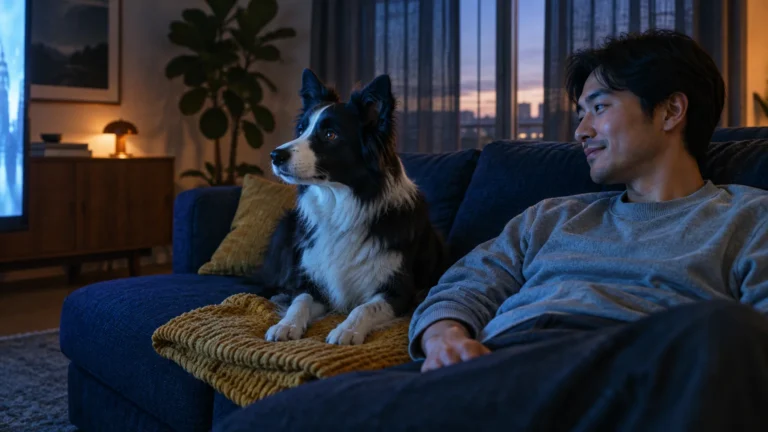
Editorial photograph illustrating: At a Glance: Escape Triggers and Yard Fortifications
A couple reviews a notebook diagram to plan yard fortifications for their escape artist dog.

At a Glance: Escape Triggers and Yard Fortifications

Breed Primary Escape Tactic Recommended Fence Type Core Motivation
Siberian Husky Jumping, scaling, digging 6–8 ft solid wall with coyote rollers Roaming instinct, high energy
Beagle Digging, burrowing under gates Wood fence with buried L-footer wire Olfactory tracking, prey drive
Australian Shepherd Vaulting, unlatching gates 6 ft smooth privacy fence with padlocks Boredom, high intelligence
Border Collie Strategic climbing, gate manipulation 6 ft smooth fence without footholds Mental under-stimulation
Jack Russell Terrier Tunneling, squeezing through gaps Narrow picket spacing + subterranean mesh Vermin hunting, earthdog instincts
Belgian Malinois Vertical wall-scaling, jumping 8 ft commercial fence with lean-ins Extreme athletic drive, protection
Bloodhound Brute-force pushing, digging Heavy wooden privacy fence on concrete footer Single-minded scent tracking
Alaskan Malamute Heavy digging, chewing wood Concrete-anchored chain link or vinyl Territorial roaming, den-digging
A stylized gouache illustration of a Siberian Husky leaping over a fence equipped with a spinning top roller.
An agile Siberian Husky effortlessly leaps over a wooden fence barrier against a vibrant sunset.

1. Siberian Husky: The Legendary Acrobat

Siberian Huskies hold a legendary status among veterinarians and shelter workers as the ultimate escape artist dog breeds. Bred to run dozens of miles daily across frozen terrain, Huskies carry an innate desire to explore vast territories. When trapped inside a small backyard without adequate exercise, their independent nature converts boredom into creative escape maneuvers.

A standard six-foot chain-link fence rarely deters a Husky. Their flexible, athletic bodies allow them to leap impressive heights from a standing start; furthermore, they frequently use chain-link mesh as a ladder, inserting their paws into the wire diamonds to climb over the top. If a Husky discovers that jumping is impossible, they promptly shift to digging. Their powerful front paws, designed for moving packed arctic snow, can excavate an escape tunnel under a wooden fence in minutes.

To contain a Husky, install a smooth, solid vinyl or wooden privacy fence standing at least six to eight feet high. Eliminate horizontal cross-beams on the interior side so your dog cannot gain footholds. Adding coyote rollers—aluminum cylinders mounted along the top rail that spin freely when grabbed—prevents Huskies from getting the grip necessary to pull themselves over the top.

An authentic close-up photo of a Beagle sniffing intensely at the base of a wooden garden fence during golden hour.
A determined beagle with a dirty nose sniffs out a potential escape path under the fence.

2. Beagle: The Scent-Driven Digger

While small in stature, Beagles rank among the most frequent dog breeds that escape easily. As scent hounds bred to track rabbits over rough terrain, a Beagle operates primarily through its nose. The moment an intriguing scent catches the wind—whether a passing squirrel, a neighbor’s outdoor barbecue, or a roaming cat—a Beagle’s auditory attention shuts off completely, replaced by single-minded tracking focus.

Beagles rarely attempt to jump high fences; instead, they focus their effort downward and through narrow gaps. Their compact, flexible frames allow them to squeeze through surprisingly tiny openings under gates or between fence pickets. If no natural gap exists, their stout, muscular legs make short work of soft dirt along the fence perimeter.

Effective Beagle containment requires underground barriers. According to guidance from the Humane Society of the United States, installing an “L-footer” along the base of your fence prevents dig-outs. Lay galvanized hardware cloth flat along the ground inside the perimeter, extending inward 12 to 24 inches, and secure it with sod staples before covering it with dirt or grass. When your Beagle attempts to dig at the fence line, their claws hit the wire mesh, stopping the excavation cold.

A stylized gouache illustration of a clever Australian Shepherd holding a key in its mouth in front of a locked gate.
Holding a key in its mouth, this clever Australian Shepherd is ready to unlock the gate.

3. Australian Shepherd: The Over-Engineered Brain

Australian Shepherds belong to the category of high energy escape prone dogs that break out not to roam, but to find a job. Bred to herd livestock across expansive ranches, Aussies possess extraordinary spatial awareness, high physical agility, and an incessant need for cognitive engagement. An under-stimulated Australian Shepherd regards your yard fence not as a boundary, but as an agility course designed for solving.

Aussies exhibit exceptional jumping ability, easily clearing standard four-foot and five-foot garden fences. More impressively, their high intelligence allows them to observe human behavior and master mechanical latches. Many Aussie owners report returning home to find their back gate standing wide open because their dog learned to lift a gravity latch with its snout or paw.

Containing an Australian Shepherd requires physical security combined with deep mental engagement. Install padlocks or carabiners on all gate latches to prevent physical manipulation. Pair a six-foot privacy fence with daily brain games, herding balls, and structured obedience training. If you do not give your Australian Shepherd a job to do inside the yard, they will make escaping their primary daily employment.

A gouache illustration of a Border Collie sitting on a chair and studying a gate latch with puzzle icons floating above its head.
A clever Border Collie visualizes gears, mazes, and puzzles as it plots to unlock the wooden gate.

4. Border Collie: The Precision Escape Strategist

Consistently ranked among the most intelligent canine breeds, the Border Collie brings tactical precision to the art of escaping. These dogs analyze yard boundaries with methodical intense focus. If a fence possesses a single weak board, a loose wire, or an adjacent patio table that can serve as a launching pad, a Border Collie will identify and exploit it.

Border Collies are renowned dogs that jump fences with effortless grace. Their impressive power-to-weight ratio allows them to clear six-foot barriers without touching the top rail. In addition to vaulting, Border Collies frequently use environmental features to their advantage. They will climb firewood piles, jump onto doghouse roofs, or balance on trash cans to gain the elevation needed to leap over outer walls.

To secure a yard for a Border Collie, clear a five-foot perimeter buffer zone along the inside of your fence line. Move all outdoor furniture, firewood stacks, compost bins, and play structures away from the edge. Solid privacy fences work best because they block the dog’s visual field, reducing the impulse to chase cars, pedestrians, or neighborhood wildlife passing by.

An action photo of a Jack Russell Terrier digging a hole in the dirt next to a metal fence in a garden.
With dirt flying, a determined Jack Russell Terrier digs a tunnel right under the garden fence.

5. Jack Russell Terrier: The Unstoppable Excavator

Do not let their small size fool you; Jack Russell Terriers are among the most persistent dog breeds hard to contain. Originally bred to flush foxes and badgers out of underground dens, these small terriers carry an intense earthdog drive. They possess fearless personalities, explosive energy, and an absolute obsession with burrowing.

A Jack Russell can dig a deep tunnel under a concrete footing in remarkably short order. Furthermore, their spring-like hindquarters allow them to jump up to five times their body height. A Jack Russell standing just 12 inches tall can clear a five-foot barrier if propelled by a strong prey drive, such as spotting a rodent on the opposite side.

Securing a Jack Russell demands attention to subterranean and vertical detail:

  • Bury Concrete Footers: Pouring a shallow concrete curbing directly underneath your fence line eliminates subterranean digging routes.
  • Tighten Picket Spacing: Ensure vertical fence boards or iron bars sit no more than two inches apart to prevent your terrier from squeezing through.
  • Extend Vertical Mesh: Line wire fences with fine mesh hardware cloth to stop them from climbing or slipping through lower gaps.
A dynamic gouache illustration looking up at a Belgian Malinois scaling a tall wooden wall.
An illustrated Belgian Malinois scales a towering wooden wall, proving no fence is too high.

6. Belgian Malinois: The Gravity-Defying Wall Climber

The Belgian Malinois represents the absolute peak of canine athletic capability. Frequently employed by military units and law enforcement agencies worldwide, this breed possesses intense drive, high speed, and unmatched vertical jumping power. For a Belgian Malinois, a standard residential fence offers virtually no physical impediment.

A healthy Belgian Malinois can scale smooth eight-foot wooden walls using momentum and grip drive. They do not merely jump over obstacles; they run directly up vertical surfaces, push off with their hind feet near the top edge, and sail over the boundary. Their powerful jaws can also destroy plastic netting or thin wire mesh if they decide to bite their way through a barrier.

Containing a Belgian Malinois requires commercial-grade containment strategies. Maintain smooth eight-foot fences equipped with inward-angled extension arms fitted with thick wire mesh or coyote rollers. Research from the American Kennel Club (AKC) emphasizes that high-drive working breeds require extensive mental work alongside physical containment; daily protection sport training, agility practice, or intense retrieval games are essential to reduce their urge to break out.

A warm, shallow-depth-of-field photo of a Bloodhound tracking a scent on a leafy forest floor at sunset.
A determined Bloodhound follows an irresistible scent trail through the woods, easily wandering far from home.

7. Bloodhound: The Wandering Scent Tracker

Bloodhounds present a very different containment challenge compared to agile jumpers like the Malinois or Border Collie. Weighing up to 110 pounds, Bloodhounds lack high vertical leaping capabilities, but they possess immense physical strength and the most sensitive olfactory system in the canine kingdom, boasting roughly 300 million scent receptors.

When a Bloodhound locks onto an appealing scent trail, they enter a scent-driven trance. They lower their heads, shut out verbal commands, and move steadily forward. If a wooden fence board is loose or rotted, a Bloodhound will drop its heavy shoulder against the structure and push until the wood splinters. They will also use their large, spade-like paws to dig massive trenches beneath fence lines.

Secure heavy-duty wooden privacy fencing with heavy internal cross-bracing to hold up against a Bloodhound’s weight. Inspect the perimeter weekly for rotted wood or loose nails. Ensure that all gate posts are set deeply in solid concrete footings, and use heavy iron latches rather than light brass hooks.

A stylized gouache illustration of a fluffy Alaskan Malamute sitting in a large dug hole next to a chain-link fence.
A happy Alaskan Malamute sits proudly inside a massive hole dug next to a backyard fence.

8. Alaskan Malamute: The Powerhouse Tunneling Engine

Built for pulling heavy sleds through deep snowdrifts over vast arctic distances, the Alaskan Malamute combines tremendous muscular power with deep arctic pack instincts. Like their Husky cousins, Malamutes possess a strong desire to roam over wide ranges and dig massive cooling dens in soft soil.

Malamutes excel at structural destruction when bored. They can chew through thin wooden fence pickets, bend low-gauge chain-link wire outward, and lift unanchored gates upward off their hinges using their powerful heads. Their heavy double coats also cause them to seek cool earth; an afternoon spent digging to beat the heat often leads directly to an unintended escape tunnel under the fence.

Build Malamute enclosures using high-gauge steel wire or solid vinyl privacy walls anchored to a continuous concrete perimeter footing. Provide designated digging zones inside the yard—such as a large sandbox filled with buried toys—to channel their digging drive away from your fence lines.

A clean concept map diagram detailing the four main drivers of dog escape: Prey Drive, Anxiety, Roaming, and Boredom.
This diagram illustrates the four primary drivers of dog escapes: prey drive, anxiety, roaming instinct, and boredom.

Why Dogs Escape: Unpacking the Four Primary Drivers

To stop persistent escape behavior, you must address the emotional and biological motivations driving your dog across the perimeter. Animal behaviorists categorize escape triggers into four primary drivers:

  • Boredom and Isolation: High-energy breeds left alone in barren yards turn to escaping as an exciting, self-rewarding activity. The outside world offers sights, sounds, and scents far more stimulating than a vacant lawn.
  • Prey Drive and Environmental Triggers: Working and hunting dogs possess deeply ingrained instincts to chase small animals, cars, or livestock passing outside their visual field.
  • Separation Anxiety and Fear: Thunderstorms, fireworks, or acute distress caused by being separated from human family members can trigger panic-driven escapes, where dogs attempt to burst through barriers to find safety or reunion.
  • Mating Instincts: Intact male dogs can detect a female dog in heat up to three miles away. Driven by biology, intact dogs will leap, dig, or chew through extraordinary obstacles to reach a potential mate.

According to safety guides from the ASPCA, neutering or spaying your pet significantly reduces roaming behavior motivated by hormonal drives, making routine yard containment far more successful.

A horizontal cross-section diagram illustrating fence upgrades: coyote rollers, smooth panels, and buried L-footer wire.
Secure your fence against escape artists using rollers, smooth panels, and buried wire mesh.

Proven Fence Upgrades and Physical Modifications

If you own one of these persistent escape artist dog breeds, standard suburban fencing requires targeted structural reinforcements. Consider these practical yard upgrades to fortify your perimeter:

Coyote Rollers: Mount four-inch aluminum rollers along the top edge of smooth fences. When a fence-jumping dog places its front paws on top of the fence to pull itself over, the roller spins freely, depriving the animal of leverage and dropping them safely back into the yard.

Lean-In Overhang Extensions: Attach angled extension arms to the top of existing fence posts, pointing inward toward the yard at a 45-degree angle. Span these arms with strong wire mesh. When a dog looks up, the overhang creates a visual and physical ceiling that deters jump attempts.

Buried L-Footers: Attach heavy wire mesh along the bottom rail of your fence, bending it into an L-shape that sits flush against the ground inside the yard. Fasten the mesh with heavy sod staples. Grass will grow up through the mesh within weeks, completely hiding the wire while stopping diggers permanently.

Double-Gate Airlocks: If your dog dashes out through open gates when family members enter or exit, install a secondary inner gate. This creates a secure transitional holding area, ensuring one gate remains closed while the other opens.

A humorous gouache illustration of a dog easily bypassing a poorly made fence barrier made of stacked household items.
Leaving garden clutter piled against the fence gives sneaky dogs an easy way to escape.

Common Escape Prevention Mistakes to Avoid

Well-meaning dog owners often fall into common traps that fail to stop escapes or actually make the behavior worse over time. Avoid these frequent missteps:

  • Relying Exclusively on Underground Electric Fences: High-drive working breeds routinely run straight through static shock boundaries when chasing prey or reacting to severe triggers. Once outside, the boundary shocks them if they attempt to return, trapping them outside your yard.
  • Punishing Your Dog Upon Return: If your dog escapes and you scold, yell, or punish them when they come back, your dog connects the punishment with returning to you—not with the act of escaping. This makes them fearful of returning in the future.
  • Leaving Horizontal Cross-Bracing exposed inward: Installing wooden privacy fences with the horizontal structural beams facing inward gives climbing dogs convenient step-ladders to launch themselves over the top. Always place smooth fence faces inward.
  • Substituting Yard Time for Structured Exercise: Leaving a high-energy dog in a large yard all day does not count as physical or mental workout time. Without structured walks, training, and play, yard time leads directly to fence troubleshooting.

Frequently Asked Questions

Why does my dog try to escape even though we have a huge yard?

Yard size does not equal mental engagement. Dogs do not run laps around large yards by themselves for entertainment. Without active games, human interaction, or sniffing opportunities, a large empty yard becomes an open-air kennel that induces boredom just as quickly as a small space.

How high can high-energy dogs jump over yard fences?

Athletic, medium-to-large breeds like Belgian Malinois, Border Collies, and Siberian Huskies can easily clear six-foot fences from a running start. Extremely driven dogs can scale smooth eight-foot walls using momentum and foothold traction along wall surfaces.

Will spaying or neutering my dog completely stop escape behavior?

Intact dogs frequently escape due to hormonal instincts to find mates. Spaying or neutering eliminates sexual roaming drives; however, it will not stop escapes caused by boredom, prey drive, separation anxiety, or habituated exploration habits.

Safeguarding your outdoor space requires pairing structural fence improvements with tailored physical and mental stimulation. By addressing both the physical vulnerabilities of your yard and the instinctual drives of your dog, you can establish a secure environment where your pet stays safe and satisfied at home.

This article provides general information only. Every reader’s situation is different—what works for others may not be the right fit for you. For personalized guidance on animal behavior or containment systems, consult a qualified professional or certified veterinary behaviorist.


Last updated: May 2026. Rules, prices, and details change—verify current information with official sources before acting on it.

Share this article

Facebook Twitter Pinterest LinkedIn Email

Search

Most Popular

  • 10 Dog Breeds With Fascinating Historical Backstories 10 Dog Breeds With Fascinating Historical Backstories
  • Charming gouache illustration of energetic dog breeds running and playing in a rolling green landscape under a soft cream sky. 7 Dog Breeds That Need Two Hours of Exercise Daily
  • Charming watercolor illustration of five healthy dog breeds looking forward with bright, clear eyes. 10 Dog Breeds With Genetic Eye Condition Risks
  • A French Bulldog sits on a wooden kitchen floor next to a ceramic slow-feeder bowl in warm morning light. 9 Dog Breeds Known for Sensitive Stomachs
  • A whimsical gouache illustration of three curious dogs examining a wooden backyard fence and gate latch. 8 Dog Breeds Known for Being Escape Artists

Get Daily Animal Facts

Subscribe to our newsletter for your daily dose of cuteness delivered straight to your inbox.

Related Articles

Deaf Pit Bull Stung By A Swarm Of Bees Gets Abandoned

The family of a deaf pit bull did not have true compassion for this animal…

Read More →
A sleepy Basset Hound lounging lazily on a cozy mustard-yellow velvet sofa in a warm, sunlit living room.

12 Dog Breeds That Don’t Need Much Exercise

Discover 12 low-energy dog breeds that require minimal daily exercise, perfect for apartments, busy schedules,…

Read More →
dog breed

10 Most Popular Dog Breeds in America

Dogs are the most popular pets in the United States, and several statistics support this.…

Read More →

Golden Retriever Loves And Cares For New Baby Kitten Siblings So Lovingly

A golden retriever was in a home that welcomed many new kittens. The dog seems…

Read More →
puppy

Want The Most Adorable Puppy? Get One Of These 8 Dog Breeds!

Maybe you want to adopt a pup or you just find them utterly adorable –…

Read More →

Watch As a Tiny Dachshund Carries Around Enormous Sticks With Ease

Sometimes, dogs just have no idea how big or small they are. Giant dogs believe…

Read More →
dog

4 Reasons Why Dogs Pee on Your Bed (with Amazing Cleaning Tips)

Your bed represents your comfort at the end of a chaotic day. What happens when…

Read More →

Dog Left At The Vet With No Money For Treatment Left To Die

TinTin was a dog living in Indonesia. A local shelter got a call about him…

Read More →

Dog’s Human Sister Arrives Home After 6 Months Away At College, Their Reaction Is The Cutest Ever!

When these two rescue dog’s human sister, Victoria, went to college, they waited in bed…

Read More →

Cute Animal Planet

Featuring Cute Animals from All Around the World

Inedit Agency S.R.L.
Bucharest, Romania

contact@cuteanimalplanet.com

Explore

  • Contact Us
  • About Us
  • Editorial Policy
  • Advertiser Disclosure
  • FAQ
  • Subscribe
  • Unsubscribe
  • Our Newsletters
  • Privacy Policy
  • Disclaimer
  • Request to Know
  • Request to Delete
  • CA Privacy Policy

Categories

  • Animals
  • Birds
  • Cats
  • Cute Animals
  • Dogs
  • Elephants
  • Foxes
  • Funny stories
  • Goat
  • Lions
  • Llamas
  • Monkeys
  • Raccoons
  • Squirrels
  • Tortoise

© 2026 Cute Animal Planet. All rights reserved.