Things to Watch Out For
While sharing your dog’s affection brings immense joy, handler oversights can harm your dog’s well-being or lead to embarrassing visits. Protect your canine partner by avoiding these common pitfalls:
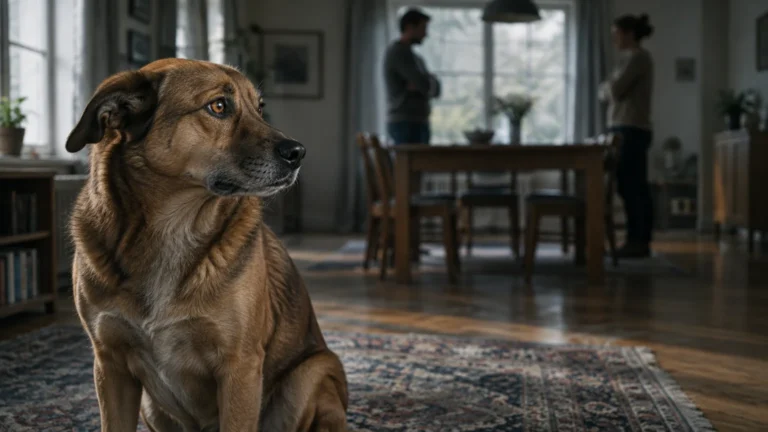
- Ignoring Subtle Stress Signals: Dogs communicate discomfort through micro-expressions long before they growl or pull away. Watch for lip licking, excessive yawning, head turns, or heavy panting during visits; these signal that your dog needs an immediate break.
- Assuming Pedigree Guarantees Success: A Golden Retriever or Poodle from champion lines still requires deliberate socialization and clear handling skills. Individual temperament always matters more than breed standard predictions.
- Overworking Your Canine Partner: Therapy work requires intense mental concentration from a dog. Keep initial visits short—around 30 to 45 minutes—to prevent physical and mental exhaustion.
- Violating Public Access Boundaries: Never bring a therapy dog into public venues that forbid pets without prior facility permission. Misrepresenting your companion damages credibility for all working dog teams.