Frequently Asked Questions About Dog Happiness
How can I tell if my dog is happy or just bored?
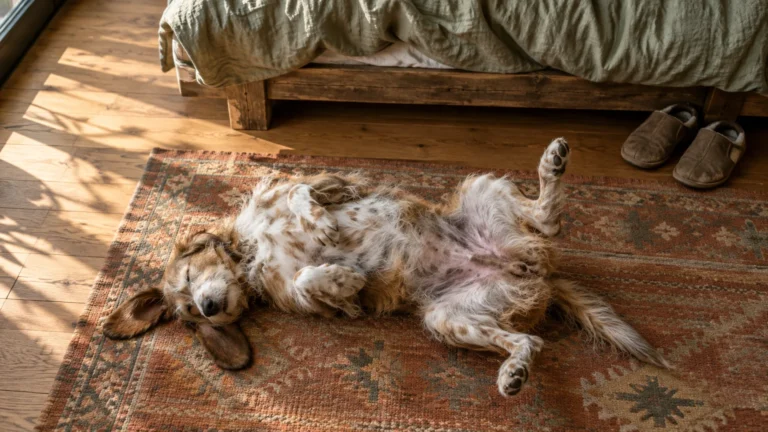
A happy dog moves fluidly, rests calmly, and engages eagerly with toys, walks, and family members. A bored dog often exhibits destructive chewing, excessive barking, relentless pacing, or attention-seeking behaviors because they lack adequate mental and physical stimulation.
Does a wagging tail always mean my dog is content?
No. Tail wags communicate emotional intensity and intent, not just happiness. A loose, sweeping wag that involves the whole rear end indicates joy, whereas a stiff, rapid, elevated tail wag can signal alertness, fear, or territorial aggression.
Why does my dog follow me everywhere—is that a sign of happiness?
Following you around often reflects strong bonding, curiosity, and affection. However, if your dog shows distress, pacing, or whines whenever you leave a room, that behavior may point toward separation anxiety rather than calm attachment.
Do dogs smile when they are happy?
Dogs do not smile in the human sense, but they express contentment through a relaxed facial posture. An open mouth, soft jaw, gentle blinking, and slightly pulled-back lips create a soft facial expression often recognized as a canine smile.
Observing your dog’s everyday cues with an attentive eye makes learning how to tell if your dog is content an intuitive process.
By honoring their body language, meeting their physical and emotional needs, and offering consistent love, you create an environment where your canine companion can truly thrive.
This article provides general information only. Every reader’s situation is different—what works for others may not be the right fit for you.
For personalized guidance on health, legal, or financial matters, consult a qualified professional.
Last updated: May 2026. Rules, prices, and details change—verify current information with official sources before acting on it.