When to Get Professional Help
While occasional anxiety leaning is manageable at home, persistent or severe distress requires specialized professional intervention. Consider consulting a qualified expert under the following circumstances:
- Panic Attacks and Self-Harm: Your dog exhibits extreme distress—such as frantic clawing at doors, breaking crate wires, destructive chewing, or heavy panting that continues hours after a stressor ends.
- Escalation to Fear Aggression: Your dog moves from leaning against you to lunging, snapping, or growling at approaching strangers or other animals while positioned at your feet.
- Complete Emotional Shutdown: Stress causes your dog to freeze completely, refuse high-value treats, or hide in isolation for days at a time.
- Sudden Behavioral Shifts in Senior Dogs: An older dog who suddenly develops intense leaning and separation distress without prior history may be experiencing Canine Cognitive Dysfunction (CCD) or hidden physical pain.
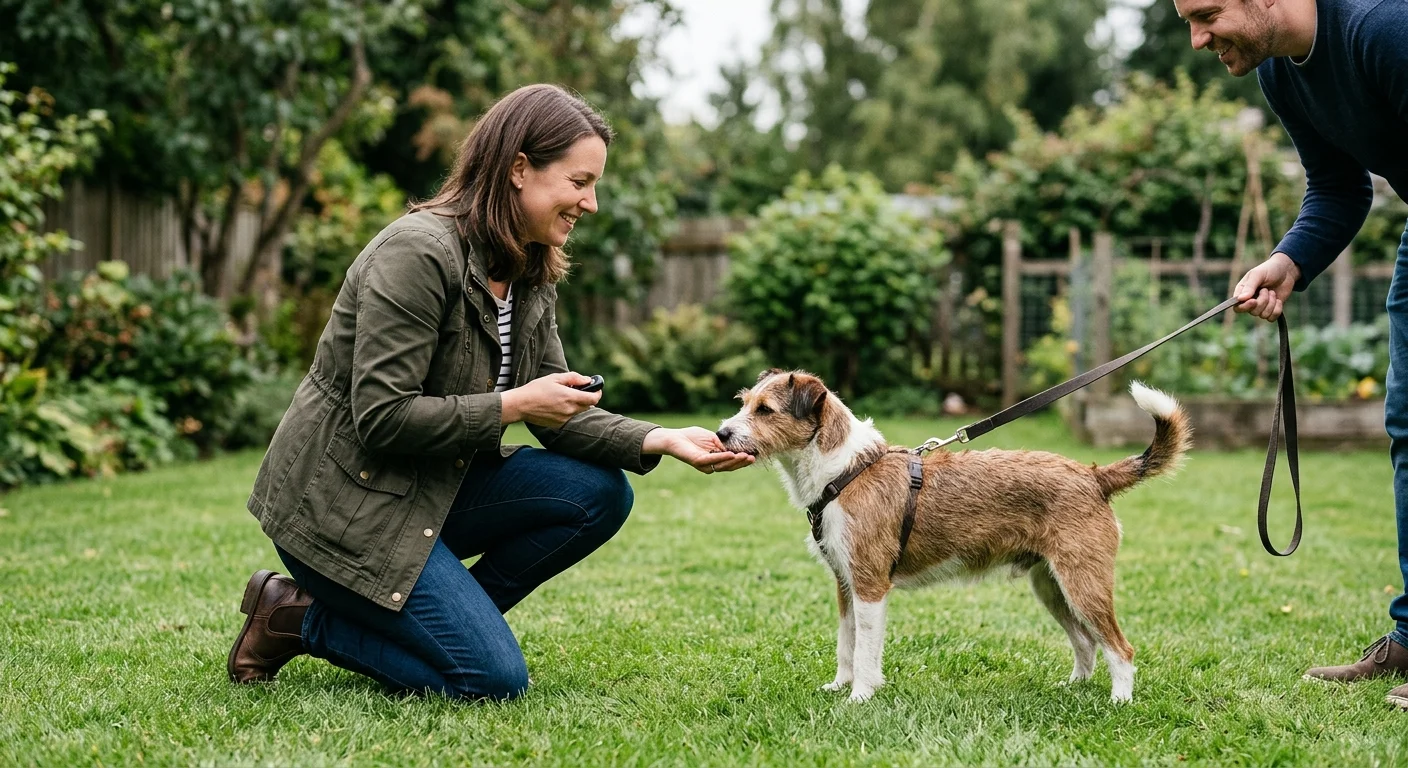
For complex cases, work alongside a Board-Certified Veterinary Behaviorist (DACVB) or a Certified Professional Dog Trainer (CPDT-KA) who uses positive reinforcement techniques to build long-term emotional resilience.