The Science of Physical Anchoring: Why Dogs Seek Touch in Stressful Moments
Canine behaviorists define physical anchoring as a intentional touch-seeking strategy that dogs use to stabilize themselves during periods of high arousal or fear.
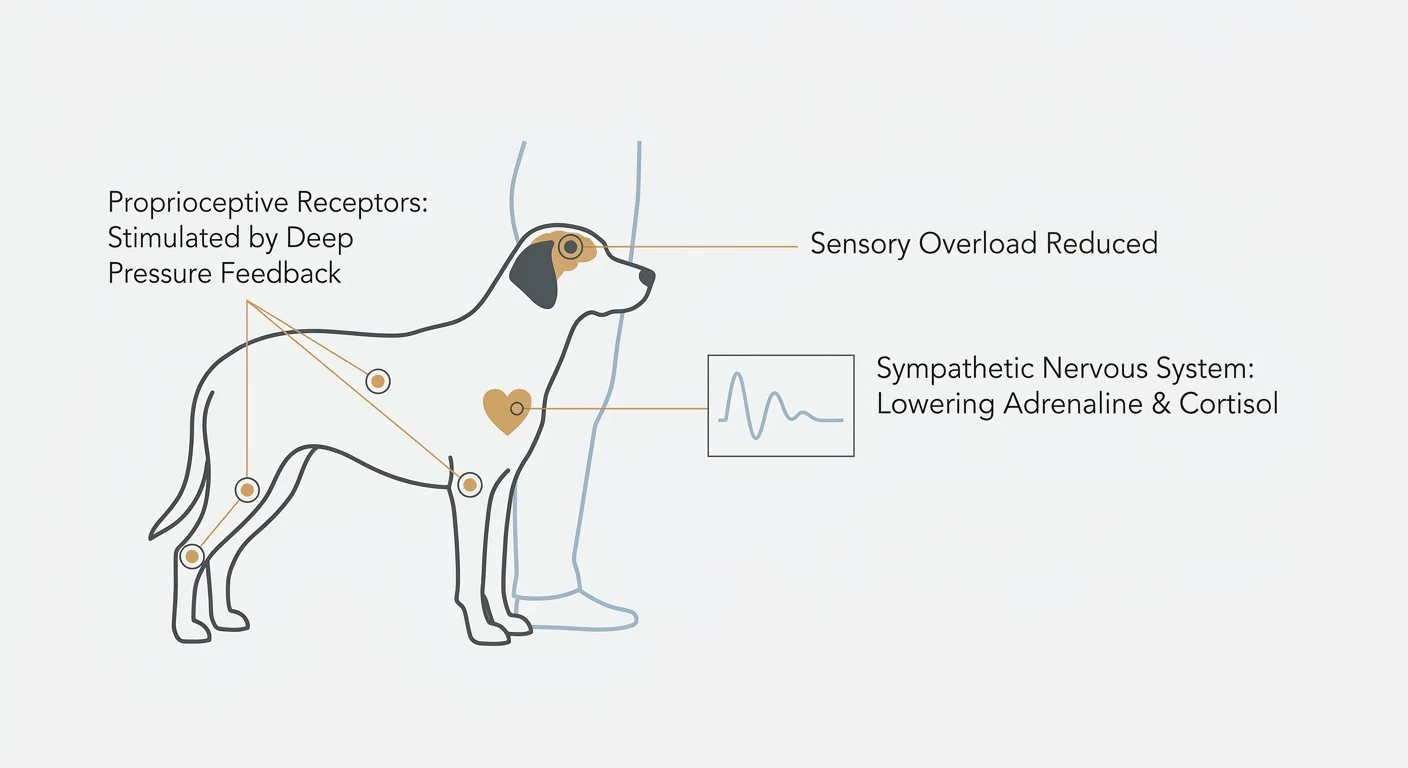
When an alarming sound breaks the quiet or an unfamiliar dog approaches, your dog’s brain activates its sympathetic nervous system; this unleashes a surge of adrenaline and cortisol that prepares the body for fight or flight.
By pressing their weight firm against your legs, your dog creates a physical boundary that reduces sensory overload and restores a sense of control.
According to research from the Dog Aging Project published in Veterinary Research Communications, led by Dr. Bonnie Beaver at Texas A&M University, over 84% of companion dogs display observable signs of fear or anxiety in everyday scenarios.
When faced with overwhelming environmental input, a dog’s natural instinct leads them toward a secure figure. Leaning serves as a silent message: your body acts as a physical shield between them and whatever threat they perceive in the world around them.
This grounding mechanism relies heavily on deep pressure feedback. Similar to how weighted blankets help calm anxious humans, firm physical contact stimulates proprioceptive receptors in a dog’s skin and joints.
This sensory input sends direct signals to the brain to slow down nervous activity, helping your canine partner process frightening stimuli without spiraling into full-blown panic.