Anxiety vs. Affection: Decoding Your Dog’s Leaning Behavior
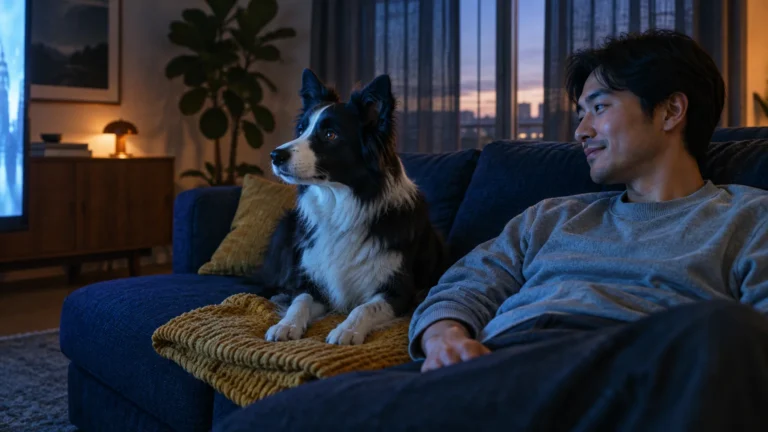
Not every lean stems from fear; dogs also use physical weight to communicate affection, request attention, or seek warmth. Learning to differentiate an anxiety-induced lean from a affectionate cuddle allows you to respond effectively to your dog’s immediate needs.
| Leaning Type | Body Posture & Muscle Tone | Facial Expressions & Eye Contact | Context & Environmental Triggers |
|---|---|---|---|
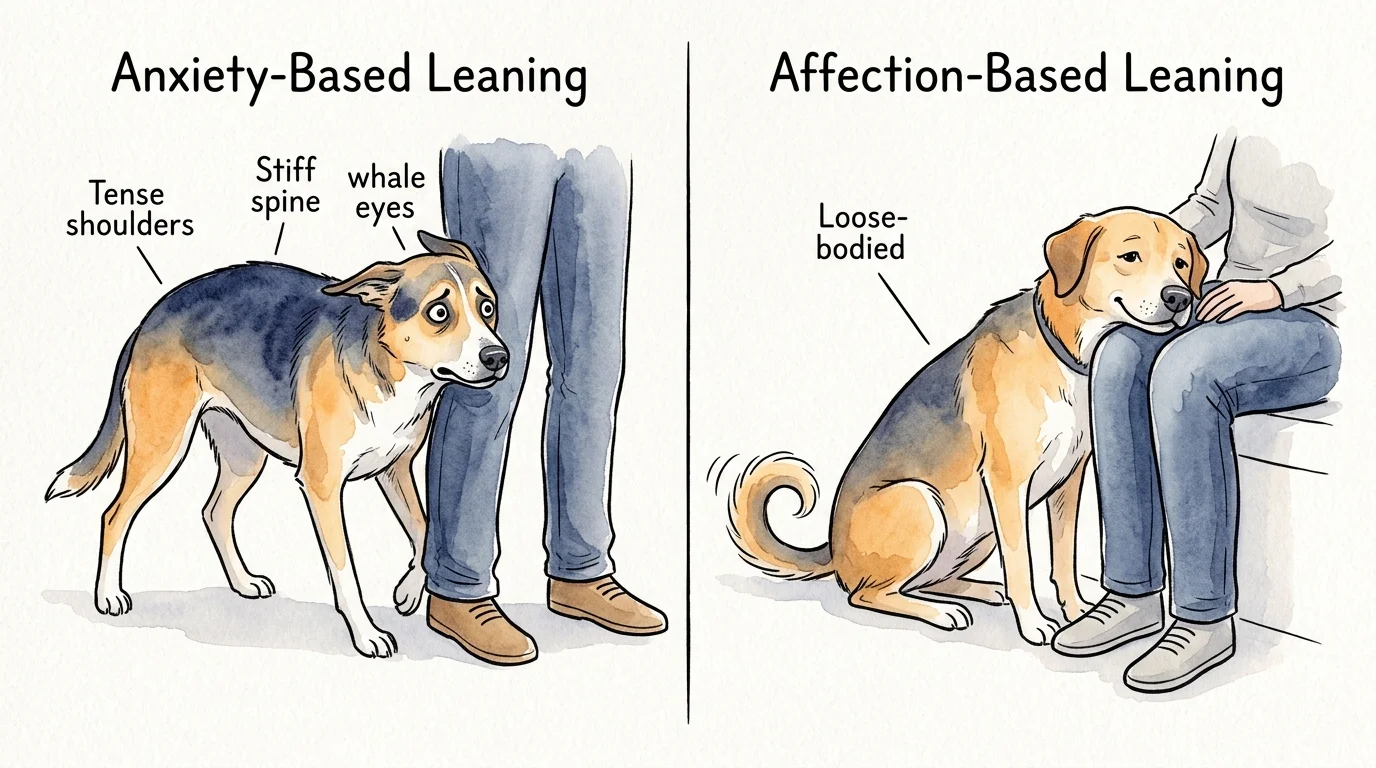
| Anxiety-Based Leaning | Tense muscles, stiff spine, weight pressed heavily or unevenly against you, potential trembling. | Wide eyes (“whale eye”), quick blinking, hyper-vigilance, panting, tucked ears. | Occurs during storms, fireworks, visits to the vet, or encounters with unfamiliar dogs/strangers. |
| Affectionate Leaning | Relaxed muscle tone, loose body posture, slow tail wagging, soft weight distribution. | Soft, half-closed eyes, relaxed mouth, gentle ear posture. | Occurs during calm bonding moments, greeting you after work, or lounging together on the couch. |
| Attention-Seeking Leaning | Dynamic posture, nudging with the snout, pawing at your hands or feet. | Direct eye contact, perked ears, eager expression, vocalizations like soft whines. | Occurs near mealtime, before scheduled walks, or when you hold a toy or treat. |
| Pain or Discomfort Leaning | Reluctance to shift weight, sudden onset of heavy leaning, guarding a specific body part. | Squinting eyes, tense muzzle, shallow breathing, subtle lip licking. | Occurs abruptly without environmental triggers; worsens after physical exercise or sleep. |
When your dog leans out of affection, their body feels loose and warm; they often sink softly into your space while maintaining a relaxed posture. In contrast, an anxious lean carries rigidity.
You will feel their muscles vibrating or locked in place as they constantly scan the room over your shoulder. Recognizing these subtle physical differences prevents you from misinterpreting a cry for safety as a simple bid for belly rubs.