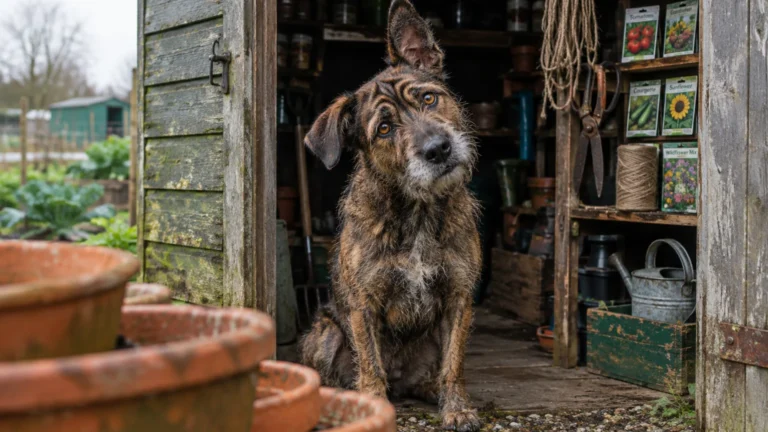
Dark clouds gather, wind whistles through the trees, and before the first raindrop hits the windowpane, your dog is already trembling under the bed. Meanwhile, your neighbor’s golden retriever sleeps soundly through thunderous explosions. Thunderstorm phobia dogs experience a complex sensory assault that extends far beyond loud sound alone. Sudden barometric pressure drops, atmospheric static electricity build-up, infrasound vibration, and sharp ozone scent shifts combine to trigger an intense survival response in susceptible animals. Understanding why some canine companions react with extreme panic while others remain effortlessly serene holds the key to comforting your pet, preventing behavioral escalation, and creating an effective calming environment during peak storm season.
The Multi-Sensory Assault: What Dogs Feel Before Thunder Strikes
Humans evaluate storms primarily through sight and sound. You see dark clouds, watch flashes of lightning, and hear rolling booms. Your dog, however, experiences a thunderstorm through an extraordinary, multi-sensory perception array that alerts them to approaching weather long before you notice a single cloud. According to clinical insights from the Merck Veterinary Manual, atmospheric alterations and static electricity build-up spark autonomic nervous system arousal well ahead of audible thunder strikes.
Several distinct atmospheric stimuli assault a sensitive dog’s nervous system simultaneously:
- Barometric Pressure Drops: As a low-pressure system rolls in, atmospheric pressure plummets rapidly. Canines possess specialized fluid-filled structures within their inner ears that register these subtle pressure shifts. For sensitive dogs, rapid barometric drops create uncomfortable pressure feelings in their ears and head, triggering immediate apprehension.
- Atmospheric Static Electricity: Thunderstorms generate massive electrical charges in the air. Dogs—particularly large breeds with thick, double coats—accumulate static electricity across their fur. This static charge produces uncomfortable tingling sensations across their skin and causes painful mini-shocks whenever their nose or paws touch grounded metallic objects.
- Infrasound and Low-Frequency Vibration: Long before human ears pick up the rumble of distant thunder, storms produce low-frequency sound waves below 20 Hz, known as infrasound. Dogs hear frequencies up to 45,000 Hz, but they also feel low-frequency infrasound vibrations traveling through the ground and structure of your home.
- Ozone Scent and Environmental Ionization: Lightning discharges split nitrogen and oxygen molecules, creating a sharp, metallic ozone smell. With an olfactory sense up to 100,000 times more acute than yours, your dog smells atmospheric chemistry changes miles away, associating that unique aroma with impending sensory overload.

Biological and Genetic Drivers of Canine Noise Sensitivity
Why does one dog panic while another slumbers through a severe tempest? Genetics and biological wiring account for a massive portion of this variance. According to research cited by the American Veterinary Medical Association (AVMA), noise and storm sensitivities represent complex behavioral disorders influenced by underlying genetic predispositions, breed traits, and neural processing differences.
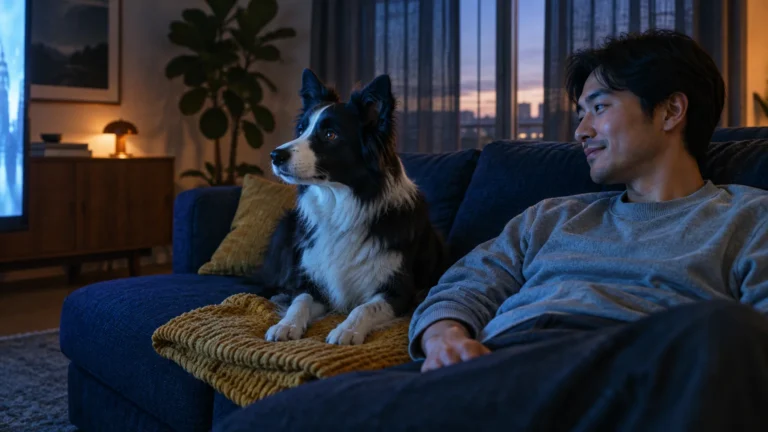
Herding breeds—including Border Collies, Australian Shepherds, and German Shepherds—show statistically higher rates of storm and noise phobias. Decades of selective breeding prioritized extreme sensitivity to environmental movement, subtle visual cues, and high-pitched sounds. While these traits make herding dogs exceptional working animals, they also leave their nervous systems hyper-reactive to sudden atmospheric shifts.
Furthermore, an individual dog’s Hypothalamic-Pituitary-Adrenal (HPA) axis dictates their internal chemical cascade during stress. When a storm approaches, a storm-phobic dog’s brain triggers an massive surge of adrenaline and cortisol. This fight-or-flight cascade floods their system, making logical processing impossible and driving extreme escape behaviors. Dogs with lower baseline anxiety or less reactive HPA pathways absorb the same sensory inputs without triggering an overwhelming hormonal surge.
Age plays another critical biological role. Dog noise anxiety causes often lie dormant during puppyhood and manifest clearly between one and three years of age as dogs reach social and neurological maturity. Conversely, senior dogs may develop late-onset storm phobia due to cognitive dysfunction or sensory impairments that make sudden environmental shifts feel deeply disorienting.

Developmental Conditioning and Social Learning
Genetics set the baseline, but early life experiences shape how a dog interprets environmental threats. The critical socialization window—occurring between 3 and 16 weeks of age—permanently influences neural development. Puppies raised in environments with gentle, positive exposure to loud noises, wind, rain, and novel sensory inputs build natural psychological resilience.
Conversely, a single traumatic event during a critical developmental phase can anchor a permanent fear response. A lightning strike hitting a tree right outside your home, a sudden transformer explosion, or getting caught outdoors in heavy hail can cause single-event fear conditioning. The brain’s amygdala instantly links atmospheric shifts with life-threatening danger, forging a lifelong phobic circuit.
Dogs also rely heavily on social learning from their pack members and human caregivers. Puppies observe their mother’s reactions carefully; if a mother dog displays trembling and panic during summer squalls, her pups adopt similar fear patterns. Human reactions matter too. While comforting a frightened dog does not “reinforce” fear in a behavioral sense, frantic human energy, chaotic movement, or tense emotional outbursts validate your dog’s belief that a genuine emergency exists.

Why Some Dogs Remain Calm in a Tempest
Understanding why calm dogs remain undisturbed highlights the mechanisms behind storm phobia. Unaffected dogs typically possess a combination of structural, neurological, and environmental advantages that keep their stress levels low during severe weather.
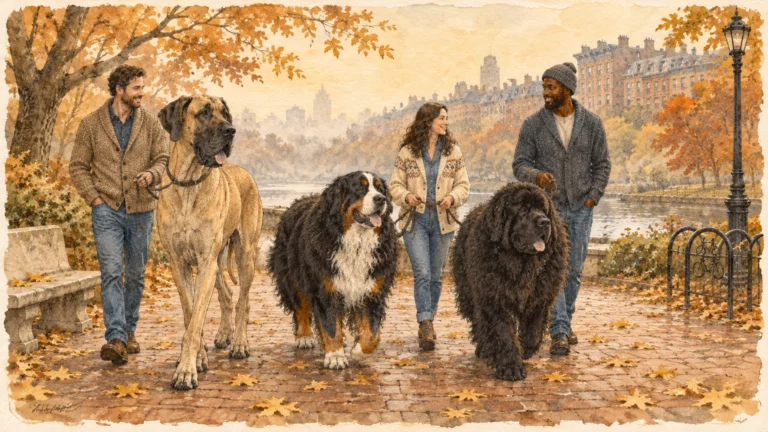
Short-coated breeds, such as Boxers, Great Danes, or Beagles, build up far less static electricity in their fur compared to heavily coated breeds like Shetland Sheepdogs or Malamutes. As a result, they avoid the painful static shocks that drive double-coated dogs into metallic or porcelain sanctuaries.
Neurologically, resilient dogs possess higher thresholds for sensory stimulation. Their brains filter out ambient low-frequency rumbles and minor pressure changes as background noise rather than immediate threats. Furthermore, dogs raised in regions with frequent, mild thunder activity often undergo natural habituation; their daily experience teaches them that thunder rolls past without causing physical harm.

Recognizing the Progression of Dog Storm Anxiety
Recognizing early behavioral indicators allows you to intervene before your dog enters a full panic state. Mild anxiety often manifests hours before the actual storm arrives, while severe phobia leads to destructive escape attempts and intense physical distress.
| Anxiety Severity Level | Observed Behavioral Indicators | Physiological Symptoms | Immediate Care Needs |
|---|---|---|---|
| Mild Anxiety | Clinginess, persistent shadowing, minor restlessness, lip licking, yawning. | Slightly elevated heart rate, mild panting. | Offer quiet companionship, close blinds, play background white noise. |
| Moderate Anxiety | Pacing, whining, seeking small dark spaces, refusal of high-value treats. | Profuse panting, dilated pupils, trembling, hypersalivation. | Apply pressure wraps, direct to a grounded safe haven, provide chew toys. |
| Severe Phobia / Panic | Fantic digging, scratching at doors/windows, destruction, fleeing, vocalizing. | Tachycardia, extreme shaking, loss of bowel/bladder control, self-trauma. | Prescription situational anxiolytics, veterinary guidance, safe containment. |

Evidence-Based Strategies for Calming a Scared Dog
Managing thunderstorm phobia dogs requires a multi-layered protocol that addresses static buildup, acoustic triggers, and neurological panic. Implementing guidance supported by the ASPCA ensures your interventions prioritize low-stress, force-free comfort techniques.
Create a dedicated interior safe zone long before storm clouds appear. Choose an interior room without windows, such as a large closet, basement corner, or windowless bathroom. Line this space with heavy blankets, anti-static bedding, and familiar scent items. Because porcelain and metallic fixtures ground static electricity, allowing your dog access to a tiled bathroom or bathtub helps dissipate uncomfortable shocks naturally.
Invest in an anti-static pressure wrap or swaddling vest. Products like the ThunderShirt apply gentle, continuous pressure to your dog’s torso, stimulating the release of endorphins and reducing autonomic arousal. Pairing pressure wraps with anti-static sprays or wiping your dog’s coat with an anti-static dryer sheet (unscented and non-toxic) eliminates static accumulation across double coats.
Buffer environmental sounds and lights effectively. Close all blinds, curtains, and shutters to block sharp lightning flashes. Play low-frequency white noise, brown noise, or psychoacoustically designed classical music to mask rolling thunder. Diffuse synthetic Dog Appeasing Pheromone (DAP) in your designated safe haven; these synthetic chemical signals mimic the soothing pheromones released by a nursing mother dog, signaling safety on a subconscious level.

What Can Go Wrong: Critical Mistakes to Avoid
When trying to comfort a panicked pet, well-intentioned owners sometimes make critical errors that exacerbate fear or cause physical harm. Recognizing these common pitfalls protects your dog’s emotional and physical well-being.
- Forcing Exposure or Flooding: Forcing an anxious dog to stay outdoors or locking them in a bright, loud room during a tempest causes extreme psychological trauma known as flooding. Flooding breaks trust and accelerates panic rather than curing fear.
- Punishing Fear-Based Behaviors: Never scold, yell at, or physically punish a dog for barking, pacing, or accidents during a storm. Scolding proves to your dog that the situation is dangerous, compounding their terror with fear of punishment.
- Relying on Sedatives That Lack Anxiolytic Properties: Historically, some practitioners prescribed Acepromazine alone for noise anxiety. Acepromazine acts as a physical tranquilizer without reducing mental fear; it paralyzes the dog physically while leaving their conscious mind fully aware of the terrifying storm stimuli. Modern protocol demands true anxiolytic medications.
- Waiting Too Long to Administer Medications: Oral situational medications require 60 to 90 minutes to digest and enter the bloodstream. If you wait until your dog is hyperventilating and shaking, flooded stress hormones will override the medication’s effectiveness. Administer prescribed treatments at the first sign of barometric shifts.

Where Outside Advice Pays Off
While mild storm distress responds well to home environmental management, severe thunderstorm phobia requires professional diagnostic and therapeutic support. Seeking specialized guidance prevents long-term behavioral deterioration and protects your dog from severe self-injury.
Consult a qualified professional under the following scenarios:
- Destructive Escape Attempts: If your dog chews through drywall, breaks crate doors, smashes windows, or injures their claws and teeth attempting to escape during weather events.
- Escalating Fear Responses: When your dog’s anxiety spreads from thunder to mild rain, wind, wind turbine noises, or general household sounds.
- Physical Harm or Collapse: If your dog experiences extreme hyperventilation, pale gums, vomiting, or collapse due to severe physiological panic.
- Incomplete Response to Environmental Controls: When pressure garments, safe spaces, pheromones, and over-the-counter supplements yield no measurable reduction in stress levels.
Your primary veterinarian can evaluate your dog for underlying pain or medical issues that heighten stress and prescribe fast-acting, situational anxiolytic medications. For complex cases, board-certified veterinary behaviorists (Diplomates of the American College of Veterinary Behaviorists) design comprehensive behavioral modification and desensitization programs tailored specifically to your dog’s unique profile.
Frequently Asked Questions
Why do dogs hide in the bathtub during a thunderstorm?
Dogs seek out bathtubs, tiled floors, and spaces behind toilets because porcelain and metallic plumbing pipes are grounded. This grounding prevents static electricity from building up in their fur and minimizes unpleasant shocks. Additionally, bathrooms often lack exterior windows, offering acoustic and visual protection from thunder and lightning.
Can a dog suddenly develop a fear of storms as an adult?
Yes. Storm phobia commonly emerges between 1 and 3 years of age as dogs reach full social maturity. It can also develop suddenly following a traumatic experience, such as a near-strike lightning event, or as a secondary symptom of cognitive decline or sensory loss in aging dogs.
Do thunder shirts and anxiety wraps really help calming a scared dog?
Anxiety wraps provide significant relief for many dogs by applying gentle, constant pressure across the torso. This pressure stimulates the nervous system to release calming hormones. While wraps help mild to moderate cases, severe phobias usually require a combination of wraps, sound buffering, safe havens, and prescription medication.
How do I tell the difference between general noise anxiety and storm phobia?
General noise anxiety responds strictly to audible sound triggers like fireworks, constructon equipment, or backfiring vehicles. Storm phobia involves a multi-sensory trigger system where your dog panics hours before audible noise begins, reacting directly to barometric pressure drops, static electricity, ozone scents, and infrasound vibrations.
Summary and Next Steps
Helping a dog with storm anxiety begins with recognizing that their panic stems from a genuine biological and sensory assault. By combining grounded safe spaces, anti-static wraps, acoustic buffering, and timely veterinary support, you can transform storm season from a period of terror into a manageable routine. Observe your dog’s early behavioral signals, prepare your home sanctuary in advance, and consult a veterinary professional to keep your companion safe, comfortable, and calm through every passing storm.
This is general informational content based on widely accepted guidance. Individual results vary. Verify current details—rules, prices, eligibility, regulations—with official sources before making important decisions.
Last updated: May 2026. Rules, prices, and details change—verify current information with official sources before acting on it.