What Can Go Wrong: Critical Mistakes to Avoid
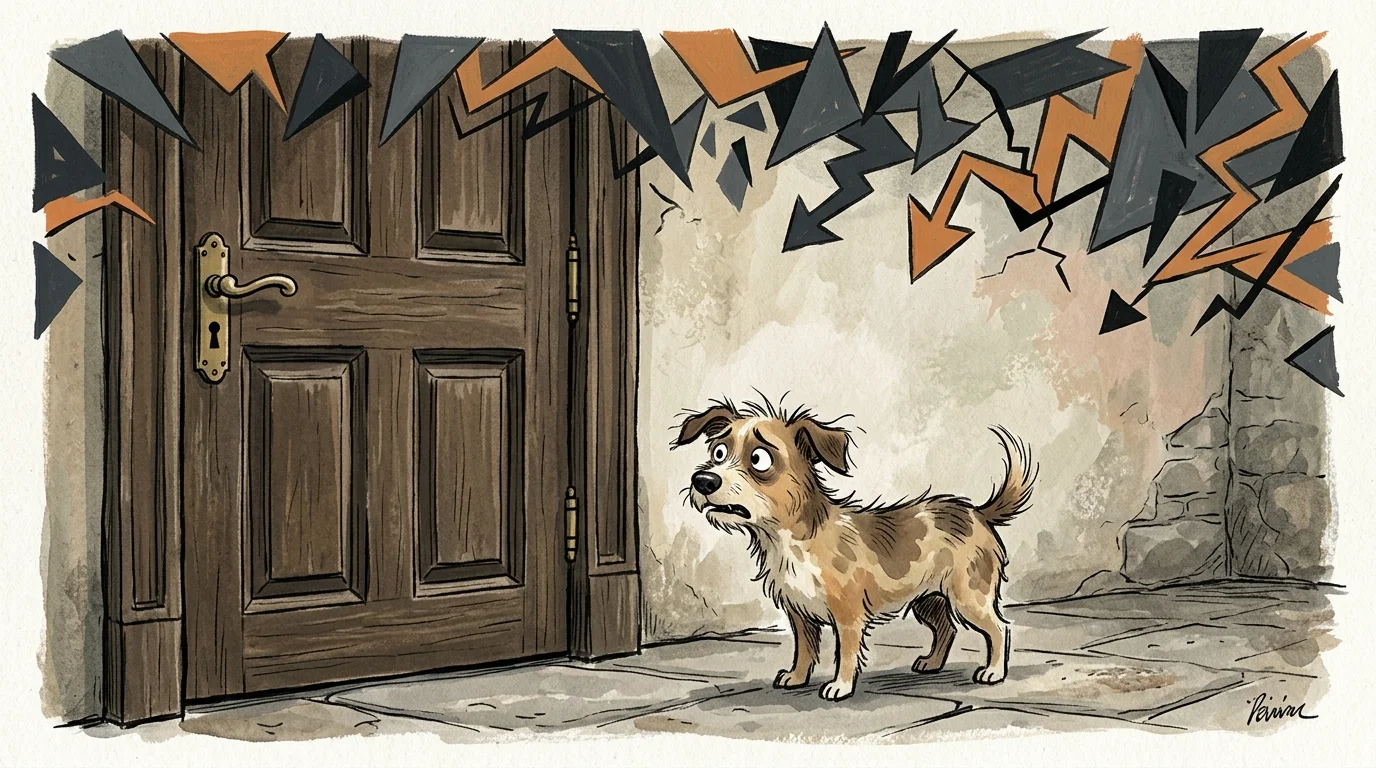
When trying to comfort a panicked pet, well-intentioned owners sometimes make critical errors that exacerbate fear or cause physical harm. Recognizing these common pitfalls protects your dog’s emotional and physical well-being.
- Forcing Exposure or Flooding: Forcing an anxious dog to stay outdoors or locking them in a bright, loud room during a tempest causes extreme psychological trauma known as flooding. Flooding breaks trust and accelerates panic rather than curing fear.
- Punishing Fear-Based Behaviors: Never scold, yell at, or physically punish a dog for barking, pacing, or accidents during a storm. Scolding proves to your dog that the situation is dangerous, compounding their terror with fear of punishment.
- Relying on Sedatives That Lack Anxiolytic Properties: Historically, some practitioners prescribed Acepromazine alone for noise anxiety. Acepromazine acts as a physical tranquilizer without reducing mental fear; it paralyzes the dog physically while leaving their conscious mind fully aware of the terrifying storm stimuli. Modern protocol demands true anxiolytic medications.
- Waiting Too Long to Administer Medications: Oral situational medications require 60 to 90 minutes to digest and enter the bloodstream. If you wait until your dog is hyperventilating and shaking, flooded stress hormones will override the medication’s effectiveness. Administer prescribed treatments at the first sign of barometric shifts.