Actionable Strategies for Calming a Stressed Dog
Helping your dog recover from distress requires practical environmental changes rather than verbal corrections. When you notice early dog anxiety symptoms, implement these immediate and long-term adjustments.
- Increase physical distance: Distance decreases threat intensity. Move your dog behind a parked car, across the street, or into a separate room to drop arousal levels immediately.
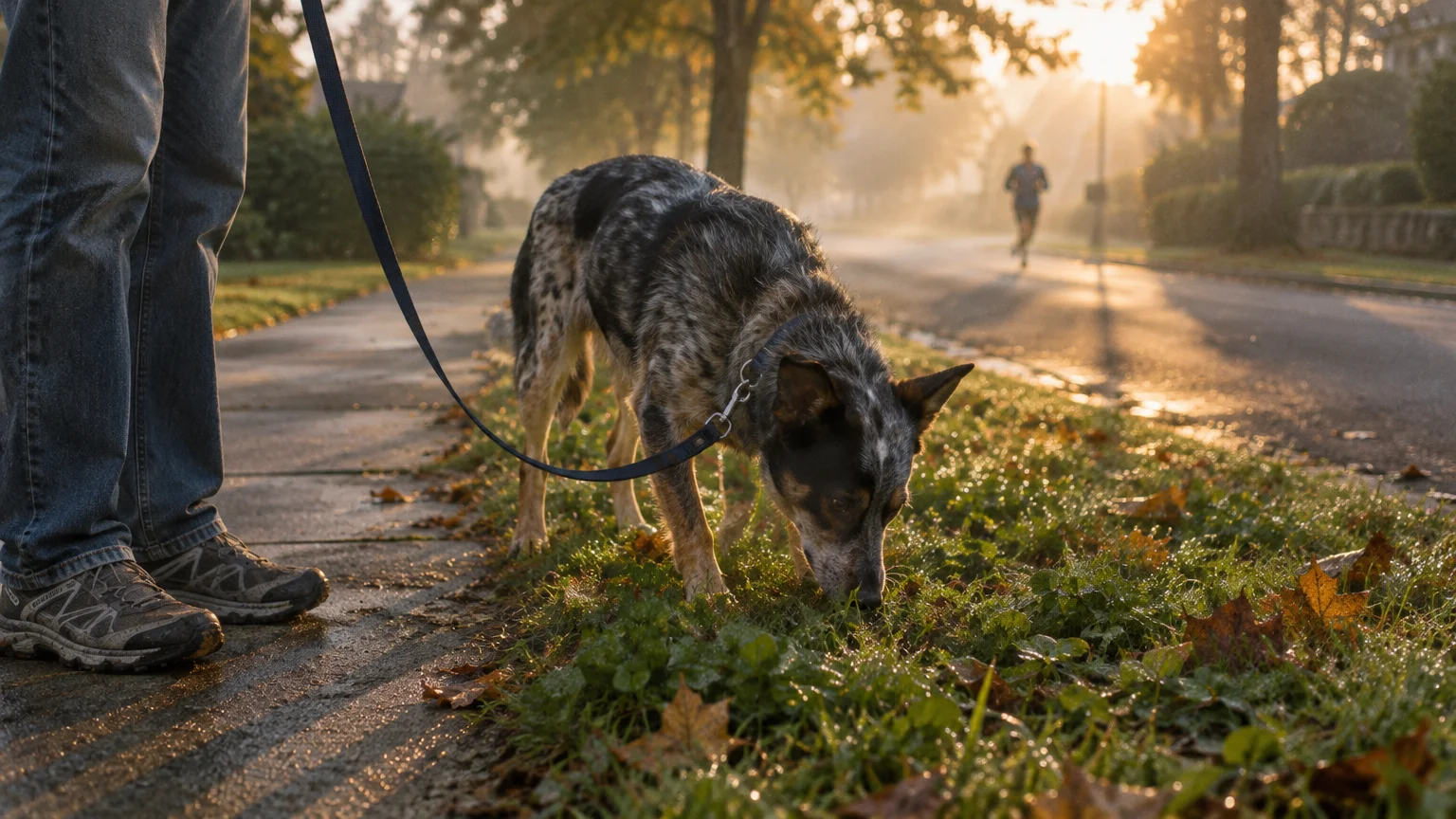
- Scatter feeding and sniffing: Scattering treats in grass activates your dog’s olfactory cortex. Sniffing lowers heart rate and naturally triggers parasympathetic relaxation.
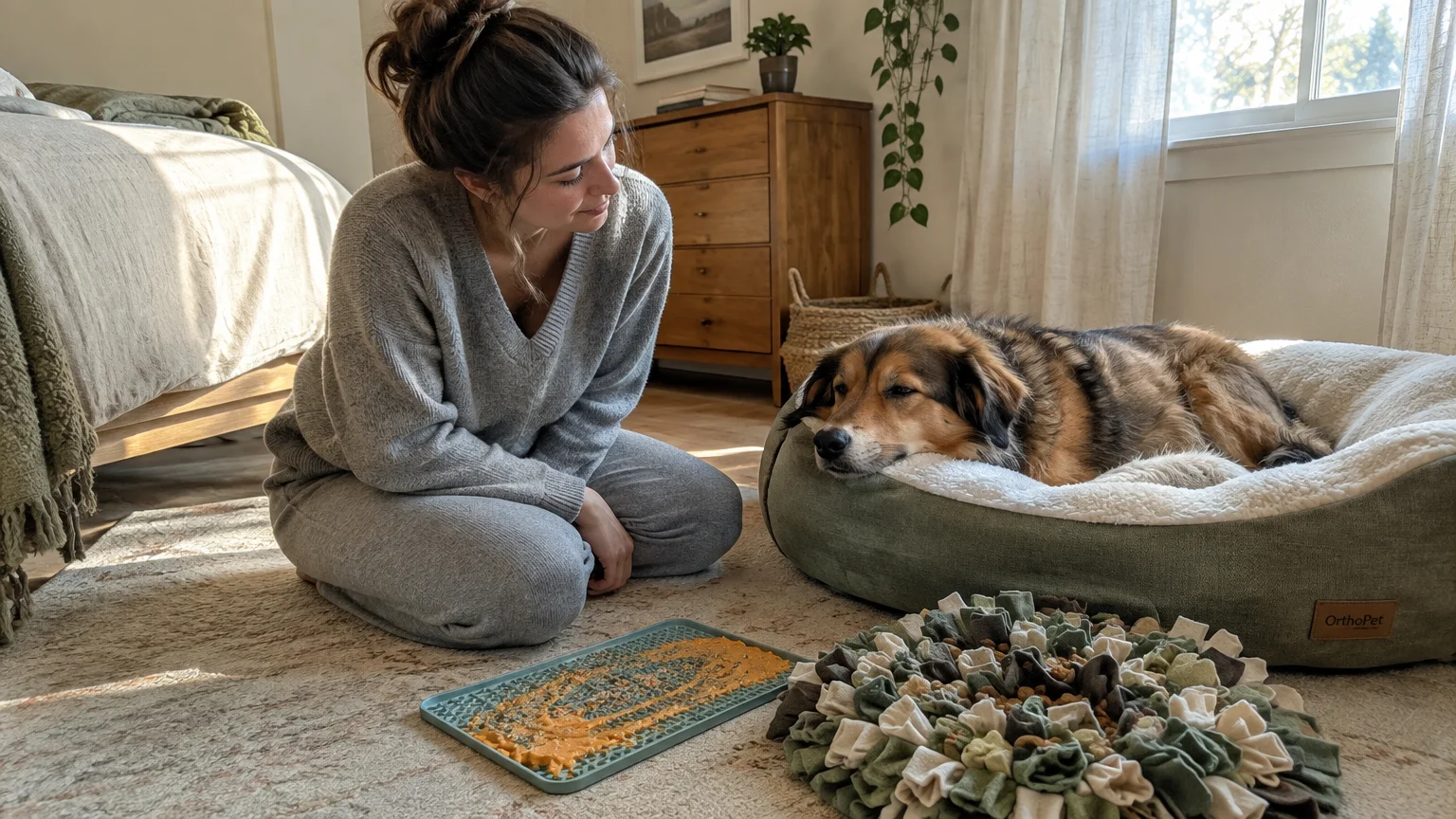
- Establish a predictable decompression zone: Set up a quiet retreat with comfortable bedding, white noise, and minimal foot traffic. Ensure everyone in the house respects this as an undisturbed resting spot.
- Implement positive reinforcement counterconditioning: Pair previously scary stimuli at low intensity with high-value treats like cooked chicken or cheese. This technique changes your dog’s underlying emotional association over time.
- Avoid physical punishment: Never scold a dog for growling, trembling, or pacing. Punishing emotional expression suppresses warning signs and dramatically increases the risk of unprovoked bites.
Consistent, low-stress routines provide security for sensitive pets. When your dog knows what to expect throughout the day, their baseline nervous system arousal gradually recedes.
Worth Keeping in Mind
Misinterpreting dog anxiety symptoms can unintentionally worsen behavioral hurdles. Keep these critical distinctions and pitfalls in mind when evaluating your pet’s emotional state.
- Medical pain frequently mimics behavioral anxiety: Underlying conditions such as osteoarthritis, dental disease, or pancreatitis cause restlessness, panting, and irritability. Always rule out physical pain with a veterinarian before assuming a behavior is purely psychological.
- Comforting a fearful dog does not reward fear: You cannot reinforce an involuntary emotional state with gentle affection. Speaking softly and offering calm physical reassurance helps down-regulate your dog’s stress hormones.
- Breed genetics dictate natural baseline behaviors: Herding breeds naturally display high vigilance, while guardian breeds closely monitor surroundings. Differentiate between breed-specific instinct and genuine emotional distress.
- Calming supplements are supportive, not curative: Calming chews and pheromone diffusers can take the edge off mild apprehension. However, they cannot replace structured behavioral counterconditioning and environmental management.